Why February Is The Perfect Time To Plant Native Berry Shrubs In Georgia
February might look quiet in Georgia, but it is the moment that quietly sets up your entire berry season for success.
While most yards still feel like they are waiting for spring to wake up, this is when native berry shrubs settle in best. It gives you an early advantage before heat, pests, and rapid growth demand more from them.
Planting now means roots get comfortable in cool soil and steady rain before summer stress ever shows up, and that head start often turns into stronger plants and better fruit later on.
Georgia’s late winter window is short but powerful, and taking advantage of it can mean the difference between shrubs that struggle and shrubs that thrive.
When spring finally surges forward, you will already be ahead of it instead of trying to catch up.
1. Cool Soil Helps Native Berry Shrubs Settle In Faster
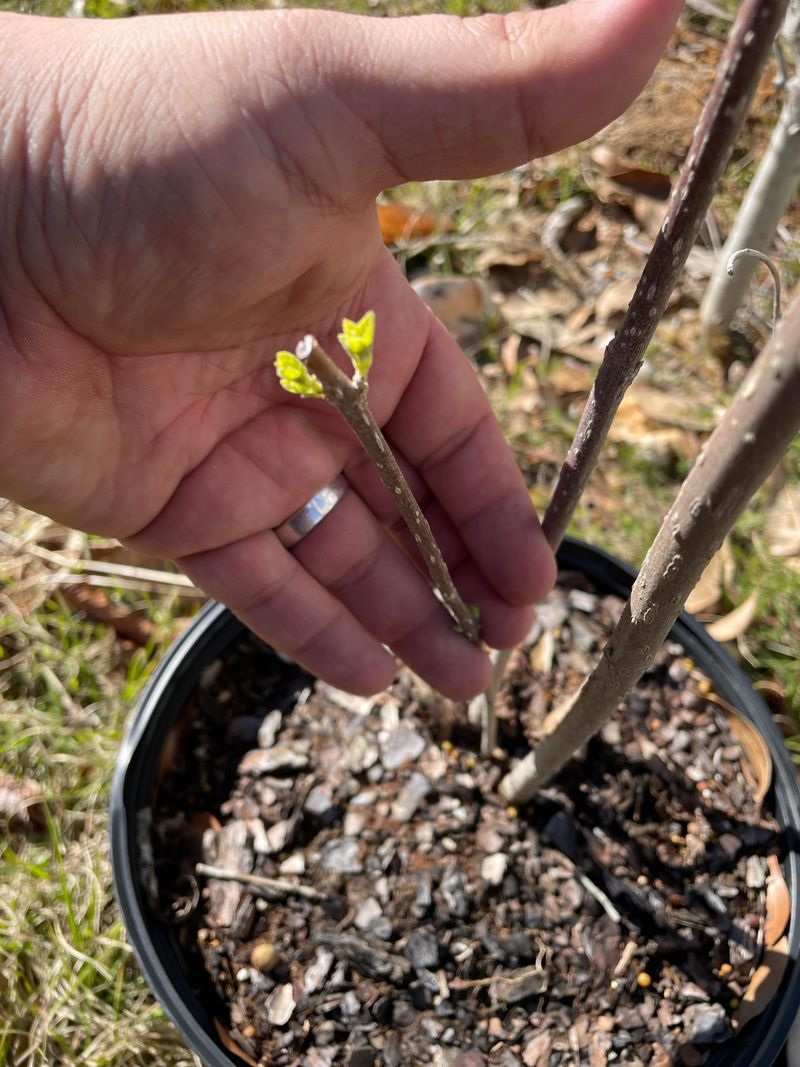
Planting when the soil is cool but not frozen gives berry shrubs exactly what they need to establish themselves without stress.
Georgia’s February temperatures keep the ground at a perfect level where roots can spread out and take hold without the shock that comes from hot weather planting.
When soil temperatures stay between 40 and 60 degrees, roots grow steadily and consistently.
Berry shrubs planted in cool soil don’t have to work as hard to stay hydrated. Warmer soil causes plants to lose moisture quickly through their roots and any existing foliage.
February conditions in Georgia mean less water evaporation and more efficient nutrient uptake. Your new plants can focus their energy on building a strong foundation instead of just surviving.
Cool soil also harbors beneficial microorganisms that help berry roots absorb nutrients more effectively. These helpful bacteria and fungi thrive in moderate temperatures and form partnerships with plant roots.
When you plant in February across Georgia, you’re giving these microscopic helpers time to establish relationships with your berry shrubs before the growing season really kicks in.
Root growth happens best when air temperatures and soil temperatures are out of sync. February offers daytime warmth that encourages some top growth while nighttime cool keeps roots active underground.
This balance is hard to find any other time of year in Georgia. Your berry plants get the best of both worlds, developing strong roots while staying dormant enough to avoid stress from temperature swings that come later in spring.
2. February Planting Gives Roots A Head Start Before Spring
Getting your berry shrubs in the ground during February means they’ll have weeks of root development before spring arrives in full force. Roots need time to explore the soil, branch out, and create the network that will support the entire plant.
When you plant early in Georgia, your shrubs are already established by the time warm weather triggers leaf and flower production.
Plants that go into the ground in late spring or summer have to divide their energy between growing roots and supporting leaves at the same time. February plantings avoid this problem entirely.
Your berry shrubs can spend six to eight weeks just growing roots without worrying about producing foliage. This head start makes a huge difference in overall plant health and vigor.
Strong roots mean better drought tolerance later in the year. Georgia summers can be brutal, and plants with shallow or weak root systems struggle to find enough water.
Berry shrubs planted in February develop deep, extensive roots that can reach moisture even when the top few inches of soil dry out. You’ll spend less time watering and worrying about your plants during the hot months.
Early planting also helps berry shrubs sync up with Georgia’s natural growing rhythms. Native plants are programmed to respond to seasonal cues like temperature and day length.
When you plant in February, your shrubs wake up gradually with the season instead of being shocked into growth. This natural progression leads to healthier plants that produce more berries and resist problems better than rushed plantings.
3. Winter Rain Supports Strong Early Establishment
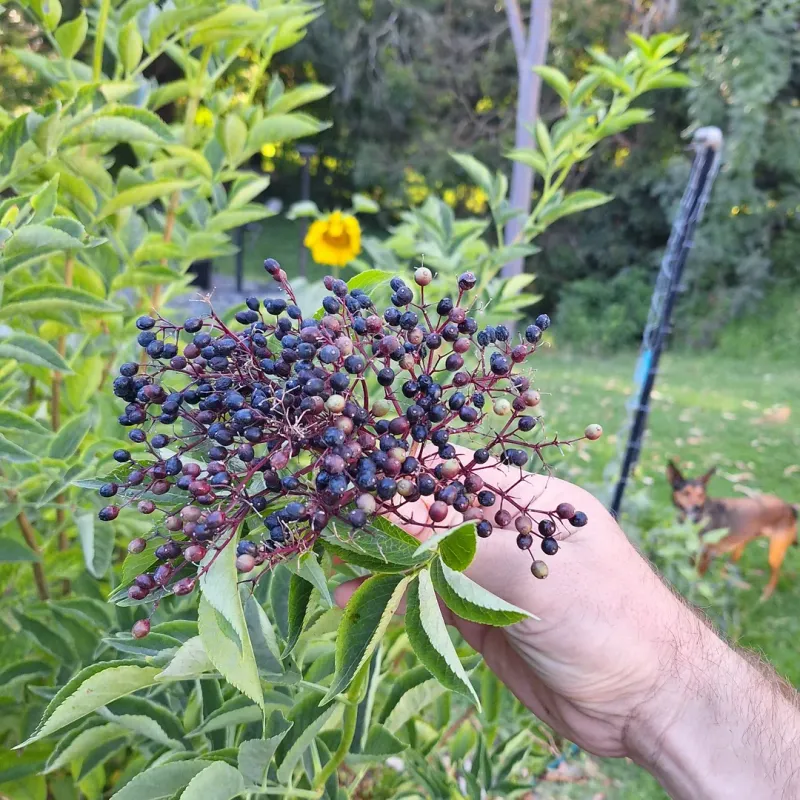
February brings reliable rainfall to most parts of Georgia, and this natural watering system is perfect for newly planted berry shrubs. Instead of relying on your garden hose or irrigation system, you can let nature do most of the work.
Winter rains soak deep into the soil, encouraging roots to grow downward and establish themselves properly.
Rainwater contains fewer chemicals than tap water and is naturally soft, making it ideal for young plants. Georgia’s February precipitation helps wash nutrients down to root level where berry shrubs can access them easily.
This gentle, consistent moisture keeps the soil evenly damp without creating waterlogged conditions that can harm roots. Your plants get exactly what they need without any effort on your part.
Established rainfall patterns mean you won’t have to guess about watering schedules. February weather in Georgia typically includes regular rain events that keep soil moisture stable.
This consistency helps berry shrubs avoid the stress of wet-dry cycles that can stunt growth or damage tender new roots. Plants that receive steady moisture from the start develop more uniformly and show fewer signs of transplant shock.
Winter rain also helps settle soil around roots, eliminating air pockets that can cause problems. When you water with a hose, it’s easy to miss spots or create uneven moisture distribution.
Natural rainfall covers your entire planting area evenly and gently compacts soil around root systems. By the time drier weather arrives in late spring, your berry shrubs will have roots that reach deep enough to find moisture on their own.
4. Lower Pest Pressure Means Less Stress On New Plants
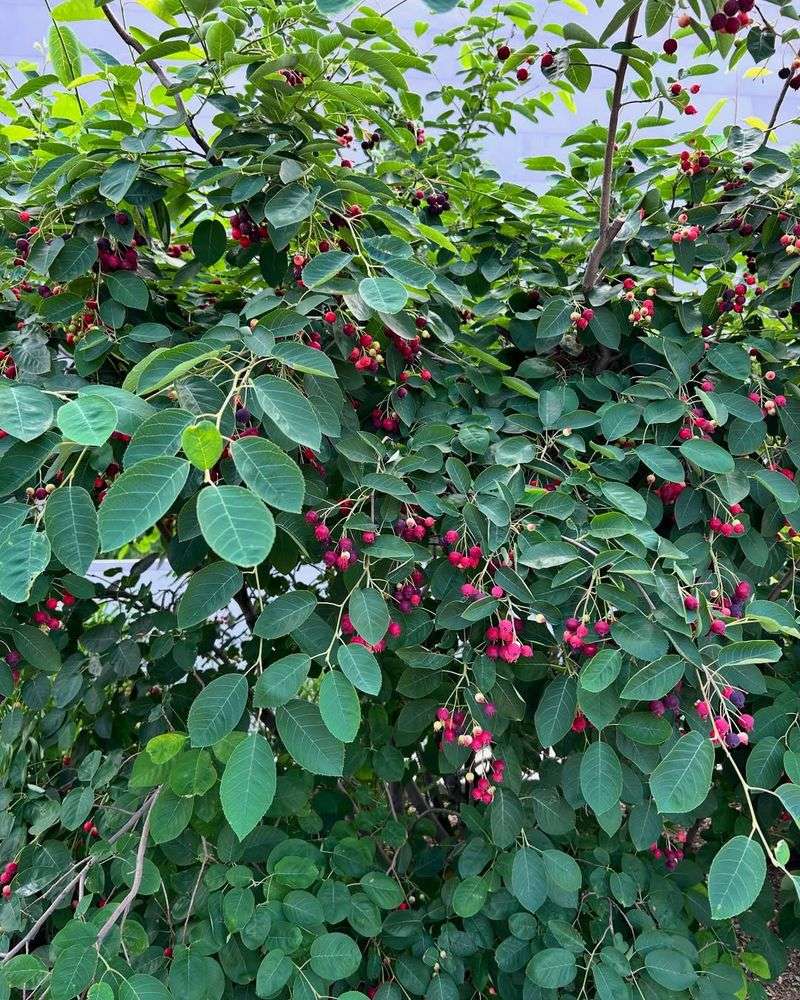
Pests stay relatively inactive during Georgia’s cooler months, which gives your berry shrubs a chance to get established without being attacked. Aphids, spider mites, and other common garden pests don’t reproduce quickly in February temperatures.
Your new plants can focus on growing strong without having to defend themselves from insects that would normally feast on tender new growth.
Disease pressure is also much lower when you plant in February. Fungal infections and bacterial problems thrive in warm, humid conditions that arrive later in spring and summer.
Cool February weather in Georgia keeps these pathogens from spreading quickly. Berry shrubs planted now have time to develop tough, mature tissues before disease season really begins.
This early advantage often means the difference between a healthy plant and one that struggles all season.
Young plants are especially vulnerable to pest damage because they haven’t developed the defenses that mature shrubs have. February planting protects your investment by giving berry bushes time to harden off before pests become active.
By the time insects emerge in force, your shrubs will have thicker stems, more developed leaves, and stronger overall constitutions. They’ll be much better equipped to handle any pest problems that do arise.
You’ll also use fewer pesticides and interventions when you plant early. Georgia gardeners who plant berry shrubs in February rarely need to spray for pests during the first growing season.
This means healthier plants, less expense, and fewer chemicals in your garden. Native berry shrubs are already adapted to handle Georgia’s pest populations, and giving them a head start makes them even more resilient and self-sufficient.
5. Early Planting Prepares Shrubs For Georgia’s Summer Heat
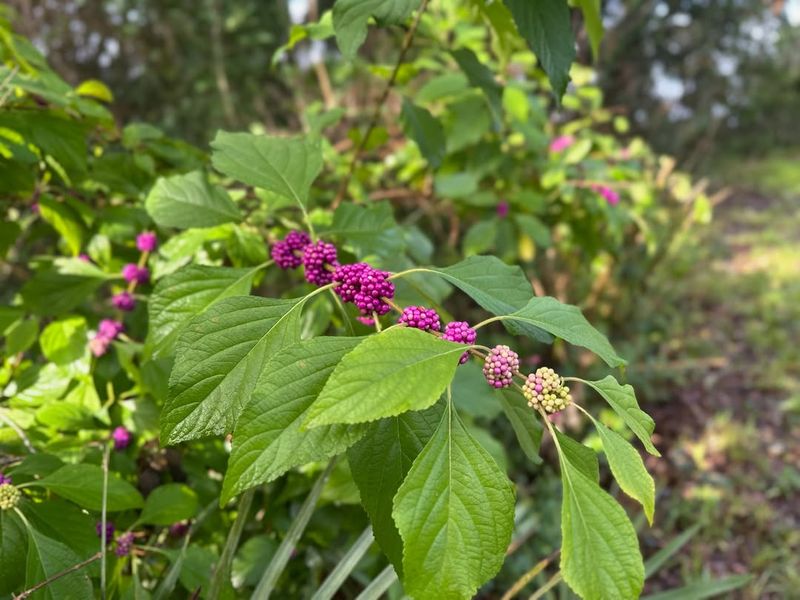
Georgia summers arrive fast and hit hard, with temperatures regularly climbing into the 90s and humidity making everything feel even hotter.
Berry shrubs planted in February have months to prepare for this heat, developing the root systems and stress tolerance they’ll need to survive.
Plants that go in the ground later don’t have this luxury and often struggle or fail when extreme heat arrives.
Heat stress shows up as wilted leaves, scorched foliage, and stunted growth. Berry shrubs with shallow roots simply can’t pull up enough water to keep pace with evaporation on hot days.
February plantings avoid this problem by developing roots that reach deep into the soil where moisture stays available even during dry spells. Your shrubs will stay green and healthy while later plantings suffer.
Established plants also handle temperature extremes better than new transplants. Berry shrubs planted in February have time to acclimate to Georgia’s climate gradually.
They experience the slow warm-up from late winter through spring, which helps them adjust their internal processes. When summer heat arrives, these plants are ready.
They’ve already learned how to manage water efficiently and protect themselves from sun damage.
Root mass makes all the difference when temperatures soar. A berry shrub planted in February might have three times the root system of one planted in April by the time June arrives.
Those extra roots translate directly into better heat tolerance and less maintenance for you.
You’ll water less frequently, see better growth, and harvest more berries from plants that were given the advantage of early establishment in Georgia’s favorable February conditions.
6. Bare-Root Native Berry Shrubs Thrive When Planted Now
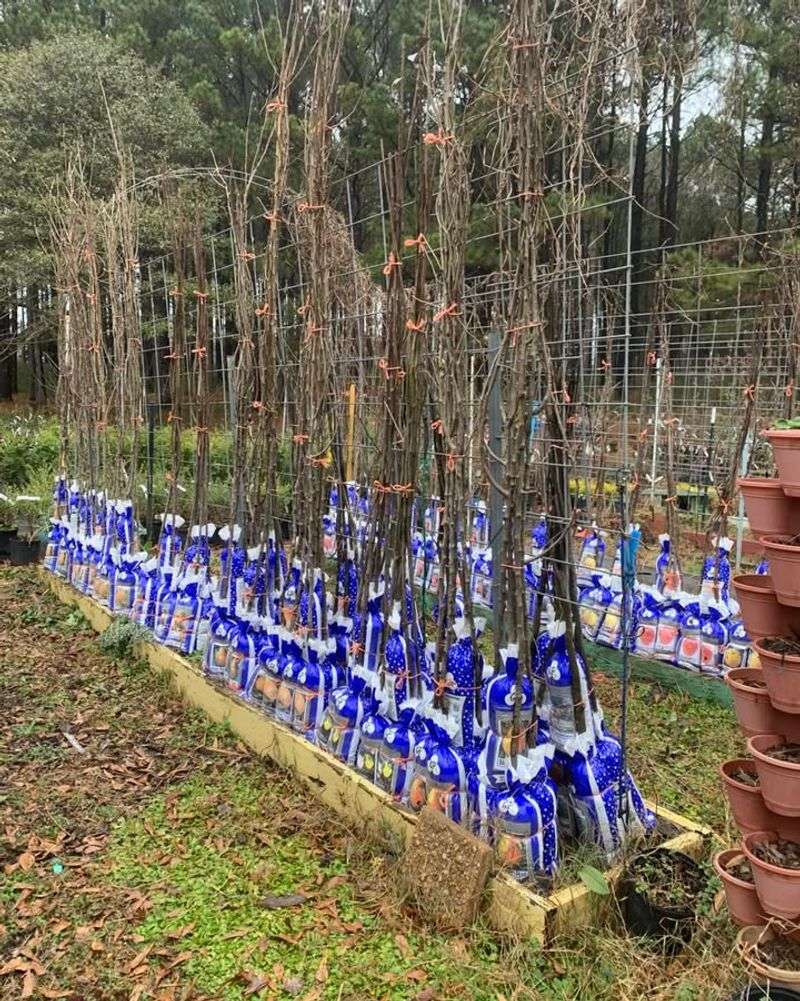
Nurseries and garden centers often sell bare-root berry shrubs during late winter, and February is the absolute best time to get these plants in the ground. Bare-root plants are dormant, meaning they’re not actively growing leaves or flowers.
This dormancy makes them incredibly easy to transplant because they’re not stressed by the process. Georgia’s February conditions are perfect for bare-root plantings because the soil is workable and temperatures stay cool enough to prevent the plants from breaking dormancy too quickly.
Bare-root berry shrubs cost less than container-grown plants and often establish faster once planted. Without a root ball to constrain them, bare roots spread out quickly into surrounding soil.
They don’t have to break through potting mix or overcome root-bound conditions. When you plant bare-root shrubs in February, they wake up in their permanent home and immediately start growing into the native Georgia soil.
The key to bare-root success is keeping roots moist and planting promptly. February weather in Georgia provides natural humidity and cool temperatures that prevent roots from drying out.
You can take your time preparing the planting site without worrying that your bare-root shrubs will suffer. The cool air keeps them dormant until you’re ready, and the moist soil helps them transition smoothly.
Many native Georgia berry varieties are sold as bare-root stock specifically for February planting. Blueberries, blackberries, and native currants all perform beautifully when planted bare-root during this window.
You’ll find better selection and healthier plants when you shop in February.
By planting bare-root now, you’re working with natural plant cycles instead of against them, which always leads to better results in your Georgia garden.
7. A Stronger Root System Leads To Better Berry Production
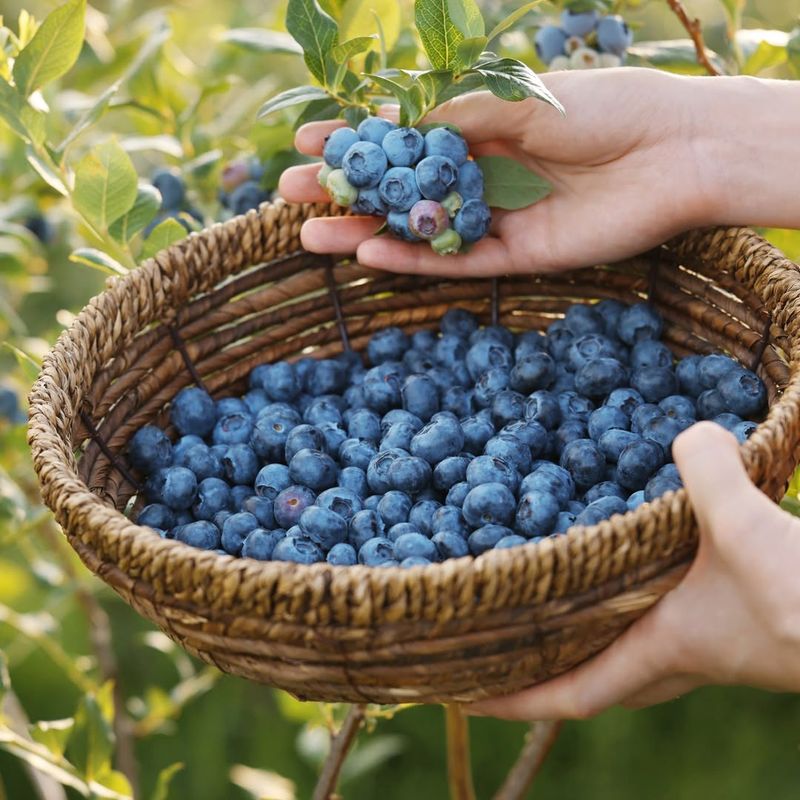
Berry production depends entirely on root health, and plants with strong root systems always produce more fruit.
When you plant in February, your berry shrubs spend their first months building the underground infrastructure they’ll need for years of productive harvests.
Roots gather water and nutrients that fuel flower and fruit development. More roots mean more resources available, which translates directly into bigger berry crops.
Georgia berry growers know that first-year root growth determines long-term productivity. Shrubs planted in February develop roots that spread wide and dig deep, creating a stable base for future growth.
By their second season, these well-established plants can support heavy fruit loads without stress. Plants that go in later never quite catch up, often producing smaller harvests throughout their entire lifespan.
Root strength also affects berry quality, not just quantity. Well-established plants deliver consistent water and nutrients to developing fruit, resulting in larger, sweeter, more flavorful berries.
Stressed plants with weak roots produce smaller fruit that may taste bland or fail to ripen properly. February plantings give you the best chance of growing berries that are worth eating and sharing.
Long-term plant health starts with proper establishment, and nothing beats a February planting for setting up success. Berry shrubs planted during this optimal window in Georgia develop the resilience they need to produce reliably year after year.
You’ll enjoy abundant harvests, healthier plants, and less maintenance over the entire life of your berry patch. The few hours you invest in February planting will pay dividends in delicious fruit for many seasons to come.