Why Fig Trees Struggle In Some Pennsylvania Gardens
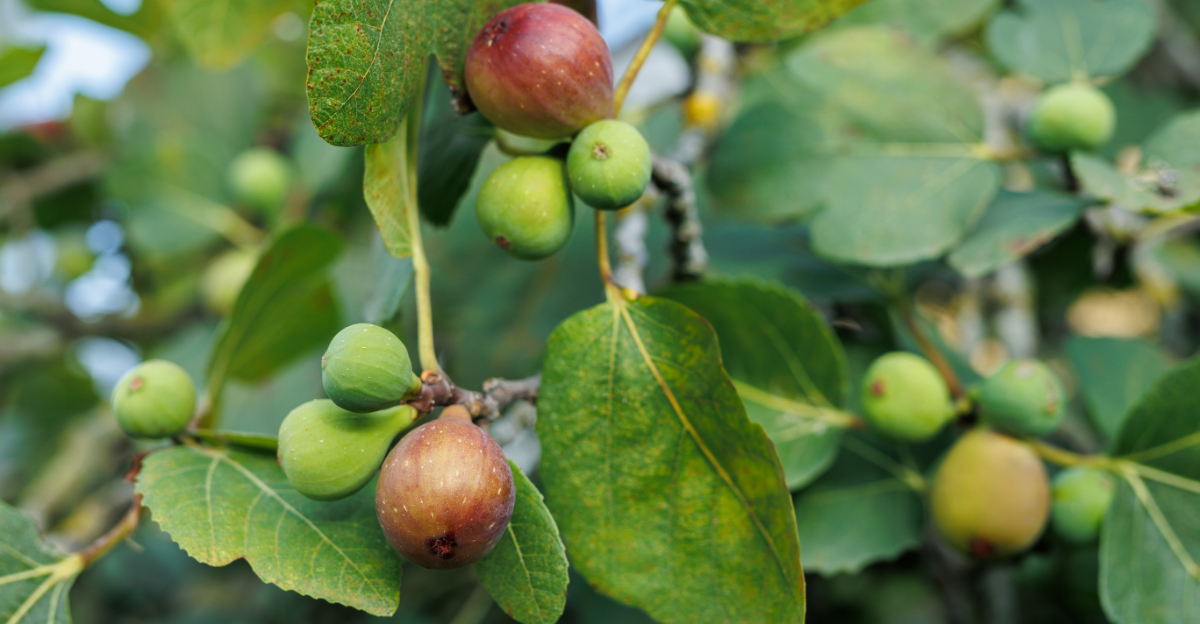
Fig trees look like a dream in pictures – lush leaves, plump fruits, and a bit of Mediterranean charm. But if you’ve tried growing one in Pennsylvania, you might have noticed it doesn’t always play nice with the local climate.
One winter snap or a short summer can leave you wondering if the fuss is worth it.
Pennsylvania’s unpredictable cold, fluctuating temperatures, and sometimes impatient growing season can challenge even the sturdiest fig.
Roots can freeze, fruits may never fully ripen, and pests or diseases can sneak in unnoticed. Even sunlight placement and soil drainage quietly impact whether your fig thrives or simply survives.
There’s a surprising mix of things that can make a big difference in your tree’s success. With a few clever approaches, you might finally see those first sweet figs start forming without waiting years.
1. Cold Winter Temperatures And Frost Damage
Few things are harder on a fig tree than a Pennsylvania winter. Figs originally come from warm, subtropical parts of the world, so their branches, buds, and stems are simply not built to handle long stretches of freezing temperatures or extended periods of icy wind.
When winter temperatures in Pennsylvania drop below 15–20 degrees Fahrenheit, fig trees may experience dieback in above-ground wood, though damage severity varies by variety, location, and protection measures.
What makes this especially frustrating for gardeners is that the damage is not always obvious right away. You might think your tree made it through winter just fine, only to notice in spring that new growth is slow, weak, sparse, or coming only from the very base of the plant.
That base growth comes from the roots, which are usually better protected underground, but the main trunk and branches may be gone entirely or badly compromised.
Gardeners in Pennsylvania have found creative ways to fight back against this problem. Wrapping trees in burlap, old blankets, or even specialized frost cloth before temperatures plummet can make a real difference.
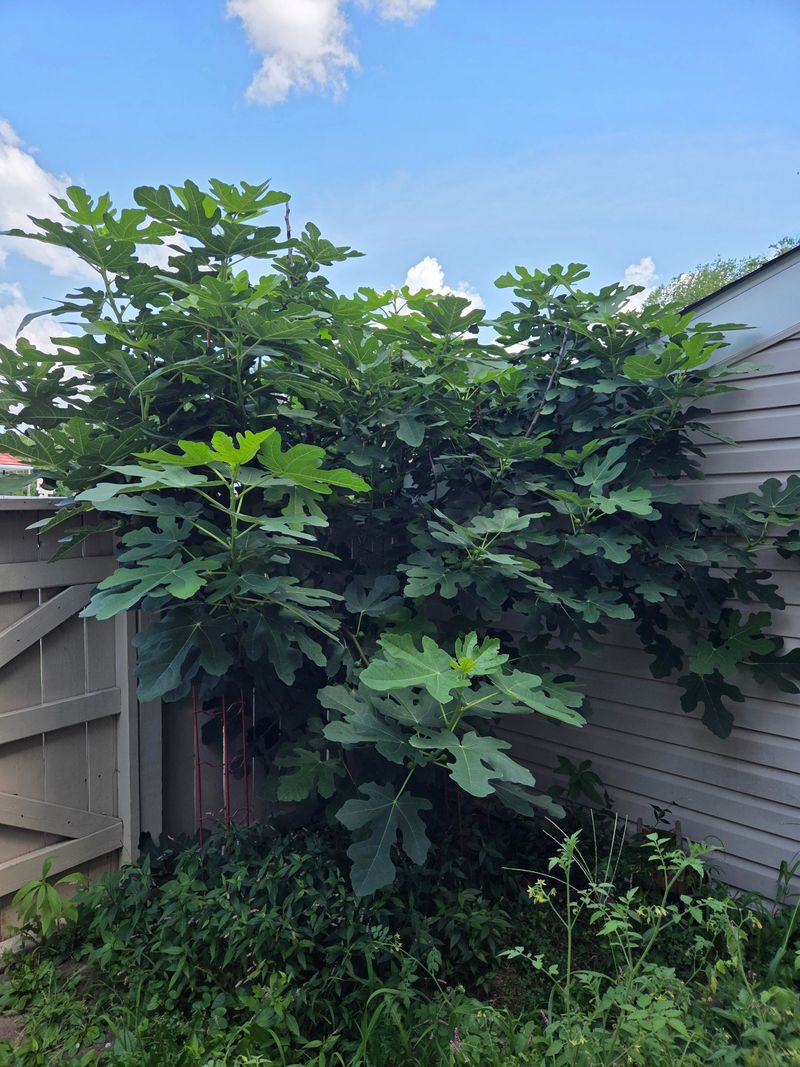
Some people go further and build simple wooden frames around their trees, filling them with dry leaves or straw for insulation. Planting fig trees near a south-facing wall, fence, or other heat-retaining structure also helps, since those spots absorb heat from the sun and stay a few degrees warmer on cold nights.
Choosing cold-hardy varieties like Brown Turkey or Chicago Hardy gives Pennsylvania gardeners a much better chance of success each season, year after year.
2. Short Growing Season With Insufficient Heat To Mature Fruit
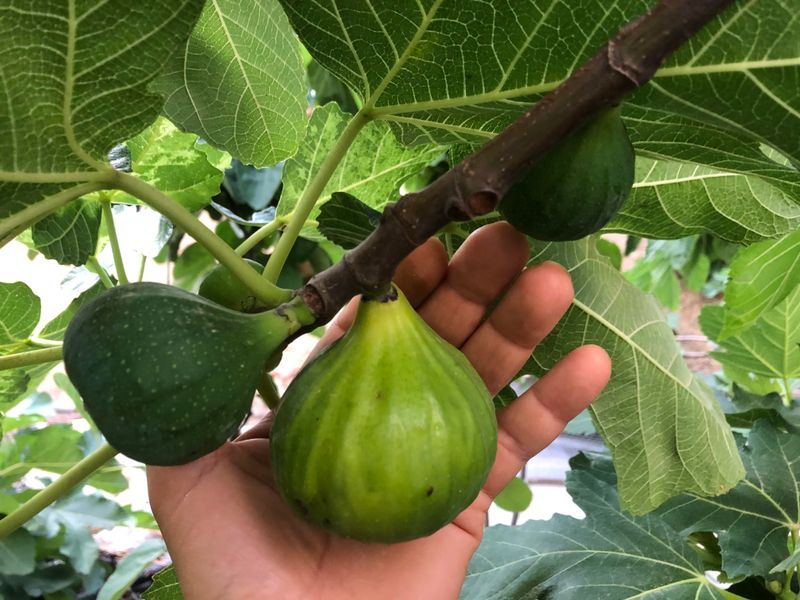
Timing is everything when it comes to growing figs, and Pennsylvania does not always cooperate. Fig trees perform best with a long, warm growing season, usually around 150 frost-free days, though fruit production may still be limited in shorter Pennsylvania seasons, especially in northern or higher-elevation areas.
In much of Pennsylvania, the growing season runs from around late April or May through early October, which can be just barely enough time for figs to develop fully and produce consistently good yields for home gardeners.
The real challenge is heat accumulation. Figs do not just need warm days; they need consistent warmth over a long period.
Pennsylvania summers can be hot, but they are also interrupted by cool spells, windy days, and cloudy stretches that slow fruit development. Figs may not fully ripen in Pennsylvania if cool spells or early fall frosts occur, sometimes leaving fruits partially mature, smaller than expected, or lacking their full sweetness and flavor.
Gardeners in Pennsylvania can work around this limitation with some smart strategies. Planting fig trees in the warmest, most sheltered spot in the yard, like against a south-facing brick wall, helps capture extra heat.
Using black plastic mulch around the base of the tree warms the soil and encourages faster growth earlier in the season. Growing figs in large containers that can be moved indoors or into a garage before frost is another popular approach across Pennsylvania.
Selecting early-ripening varieties, such as Celeste or Petite Negra, gives the fruit its best shot at fully maturing before the season closes out each fall.
3. Root Damage From Frozen Or Cold Soils
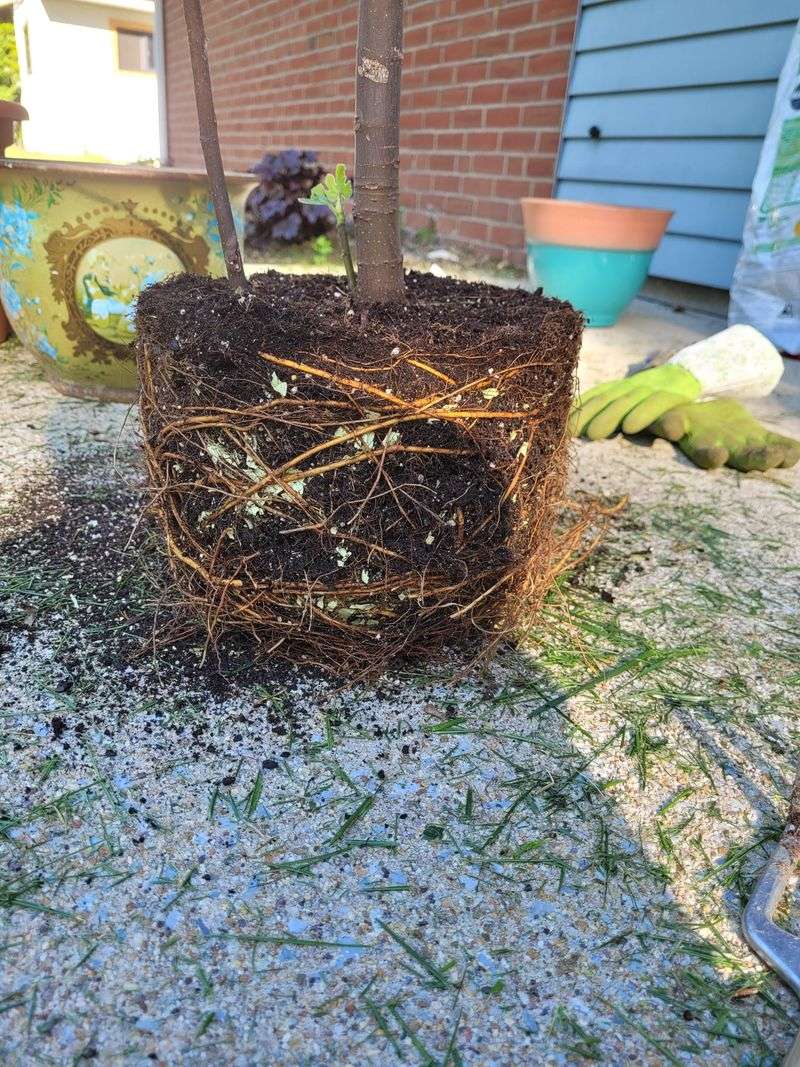
Most people worry about the branches and leaves of a fig tree during winter, but the roots face serious threats too. While fig roots are somewhat more protected than above-ground wood, they are not fully cold-proof.
In Pennsylvania, soil temperatures can drop low enough during extended cold snaps to damage or destroy the fine feeder roots that a fig tree depends on to absorb water and nutrients.
Feeder roots are the tiny, hair-like roots near the surface that do most of the heavy lifting when it comes to feeding the tree. When these roots are damaged by cold, the tree wakes up in spring already stressed and struggling.
You might notice slow leafing out, wilting despite moist soil, or stunted growth that just does not match what you would expect from a healthy fig. Severe cold can damage a fig tree’s roots, potentially slowing growth and reducing vigor, though complete loss of the tree is uncommon with proper winter protection.
Protecting roots in Pennsylvania is straightforward but requires some planning before winter sets in. Spreading a thick layer of mulch, at least 4 to 6 inches deep, around the base of the tree acts like a blanket for the soil, keeping it from freezing as deeply.
Straw, shredded bark, or wood chips all work well for this purpose. Avoid piling mulch directly against the trunk, since that can cause moisture buildup and bark problems.
Container-grown figs have a big advantage here because they can simply be moved into an unheated garage or shed, where roots stay safely above damaging temperatures all winter long.
4. Poor Soil Drainage Leading To Root Rot
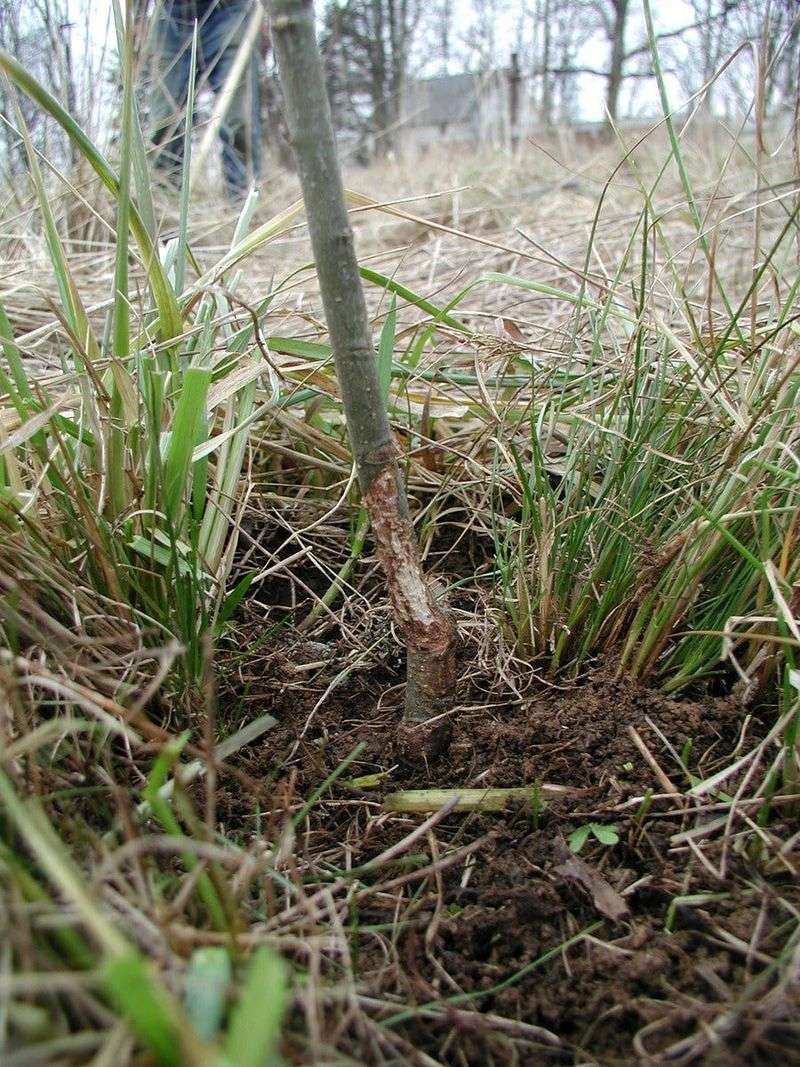
Pennsylvania’s soils are notoriously heavy and clay-rich in many parts of the state. While clay soil holds nutrients well, it also holds water, and that is a serious problem for fig trees.
Figs absolutely need well-draining soil. When roots sit in waterlogged ground for too long, they are cut off from oxygen and become vulnerable to root rot, a condition caused by soil fungi that thrive in wet, airless conditions.
Root rot is sneaky because the symptoms often look like the tree needs more water, not less. Yellowing leaves, drooping branches, and slow growth can all point to root rot, causing some gardeners to water even more and accidentally make things worse.
By the time the problem becomes obvious, the damage to the root system can already be quite severe, making recovery difficult.
Fixing drainage issues in Pennsylvania gardens takes a bit of effort but pays off hugely in the long run. Raised beds are one of the best solutions because they lift the root zone above heavy, compacted soil and allow water to drain away naturally.
Mixing generous amounts of compost, perlite, or coarse sand into existing garden soil can also open up the texture and improve drainage significantly. When planting a new fig tree, always check drainage first by digging a hole, filling it with water, and watching how quickly it drains.
If the water sits for hours without draining, extra soil amendments or a raised planting area are absolutely necessary before the tree goes in the ground.
5. Insufficient Full Sun Exposure
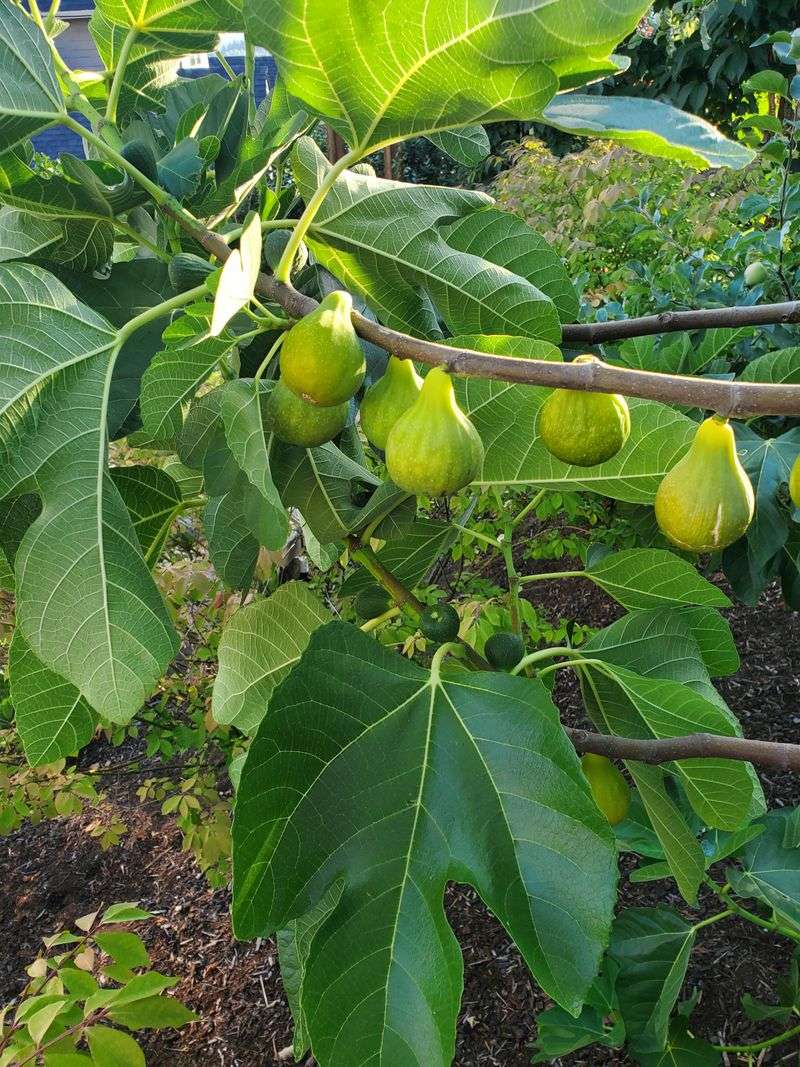
Sunlight is fuel for a fig tree, and not getting enough of it is one of the most common reasons figs struggle across Pennsylvania. These trees are sun lovers through and through, needing at least 6 to 8 hours of direct sunlight each day to grow well and produce fruit.
Pennsylvania’s mix of cloudy days, dense tree canopies, and shorter fall days can easily cut into that sunlight budget in ways gardeners do not always notice right away.
When a fig tree does not get enough sun, the effects show up gradually. Growth slows down, leaves may look pale or undersized, and fruit production drops off sharply.
Fig trees that receive insufficient sunlight may produce smaller or slower-ripening fruit, though taste may still develop under adequate summer warmth. By the time autumn arrives in Pennsylvania and days get shorter, partially shaded figs often never fully develop.
Choosing the right planting spot from the start makes all the difference. Before putting a fig tree in the ground anywhere in Pennsylvania, spend a day observing how sunlight moves across your yard.
Look for spots that stay sunny from morning through mid-afternoon, avoiding areas shaded by buildings, fences, or large deciduous trees. South-facing and west-facing exposures tend to get the most light and warmth throughout the day.
If your yard is naturally shady, growing figs in containers gives you the flexibility to move them to wherever the sun is shining brightest, which is a practical and effective workaround for many Pennsylvania gardeners.
6. Pests Such As Borers, Scale, And Birds
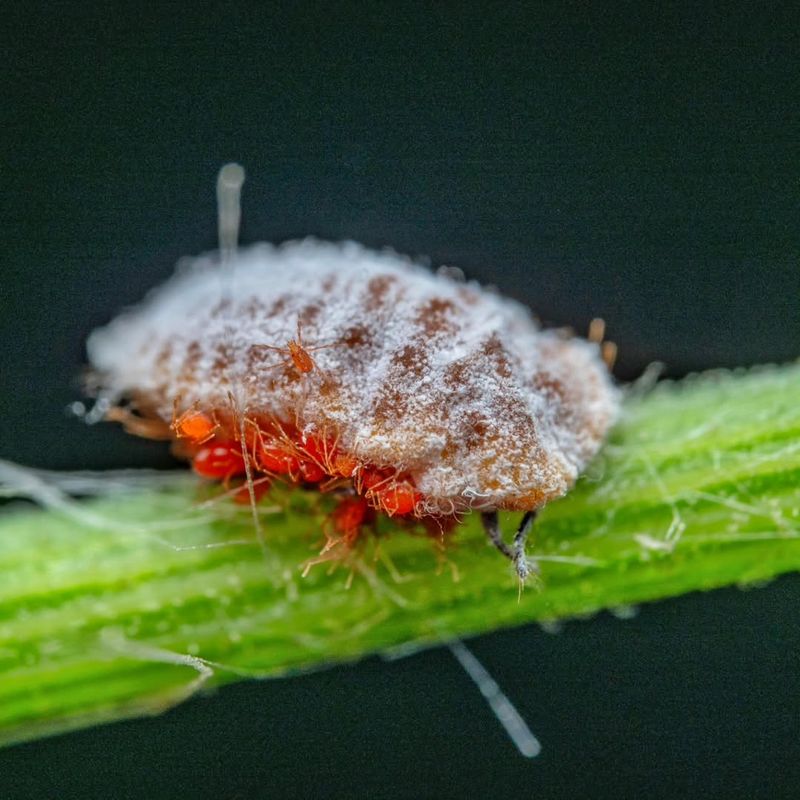
Growing a fig tree in Pennsylvania means sharing it with plenty of uninvited guests. Several pests find fig trees just as appealing as the gardeners who planted them.
Fig borers are among the most destructive, burrowing into branches and trunks where they feed on the wood from the inside out. You might notice sawdust-like frass near small holes in the bark, which is a telltale sign that borers are already at work inside your tree.
Scale insects are another headache for Pennsylvania fig growers. These tiny, armor-covered pests attach themselves to branches and suck out plant sap, weakening the tree over time.
A heavy scale infestation can weaken branches, sometimes causing yellowing leaves and reduced growth, but effects vary depending on tree health and infestation severity. Because scale insects are easy to overlook, many gardeners do not realize they have a problem until the population has grown quite large.
Birds are cheerful visitors to most gardens, but when it comes to ripening figs, they can be a real nuisance. Robins, starlings, and mockingbirds are especially fond of figs and can strip a tree bare before you even realize the fruit is ready.
Draping netting over the tree as figs begin to color is the most reliable way to protect your harvest. For borers and scale, regular inspection of branches throughout the growing season helps catch problems early.
Horticultural oil sprays applied in late winter are effective against scale eggs before they hatch and cause widespread damage across your Pennsylvania garden.
7. Fungal Diseases Like Fig Rust And Leaf Spot
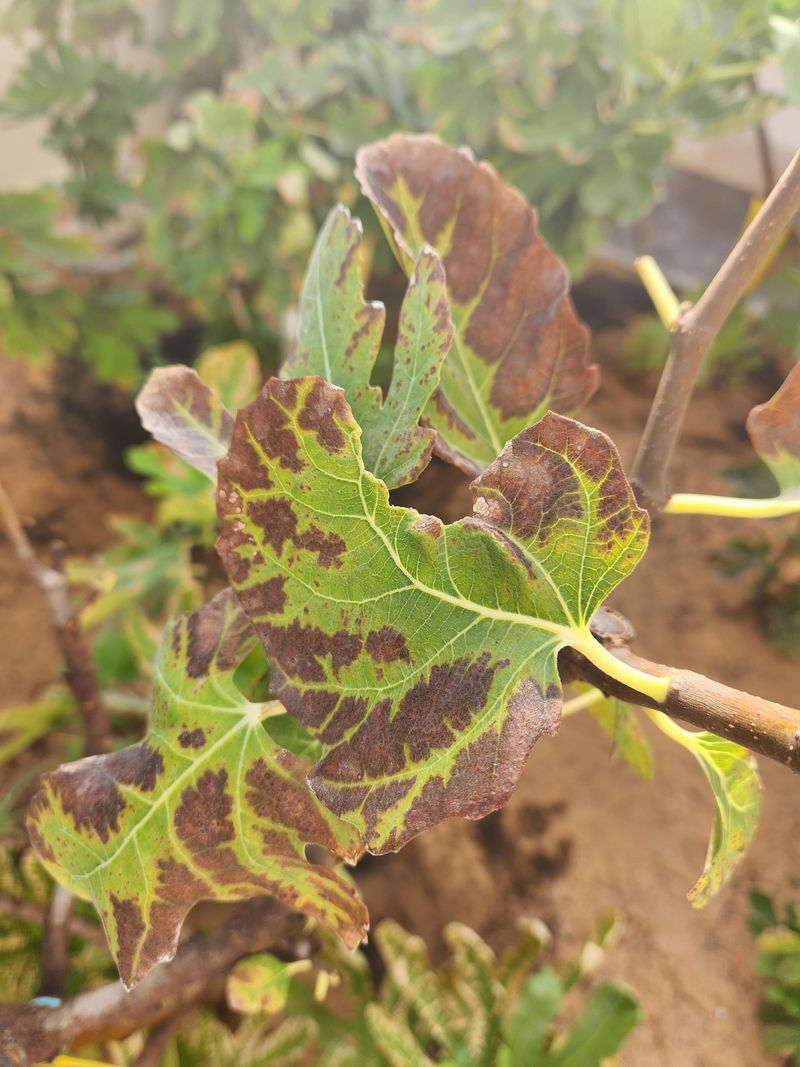
Pennsylvania’s humid summers create ideal conditions for fungal diseases, and fig trees are not immune. Fig rust is one of the most common problems gardeners encounter across the state.
It shows up as small, yellowish-orange spots on the upper surface of leaves, with rust-colored pustules forming on the undersides. As the infection spreads, leaves may turn completely yellow and fall from the tree weeks earlier than they should, robbing the plant of the energy it needs to ripen fruit and store reserves for winter.
Leaf spot diseases are also common in Pennsylvania, caused by various fungal organisms that thrive when leaves stay wet for extended periods. Infected leaves develop brown or black spots, often surrounded by yellow halos, and the overall appearance of the tree can look quite ragged by late summer.
Repeated fungal infections can stress fig trees over time, reducing vigor and resilience to cold or pest pressure.
Prevention is far easier than treatment when it comes to fungal diseases on fig trees. Good air circulation around the tree helps leaves dry out faster after rain or morning dew, which limits the time fungi have to take hold.
Avoid overhead watering; instead, water at the base of the tree to keep foliage dry. Raking up and removing fallen leaves promptly is important because fungal spores overwinter in leaf debris and reinfect trees the following spring.
Copper-based fungicide sprays applied early in the season can provide effective protection for Pennsylvania gardeners dealing with recurring rust or leaf spot problems.