Why Fig Trees Struggle In Some Pennsylvania Gardens
Fig trees can be a fantastic addition to Pennsylvania gardens, offering sweet, delicious fruit and attractive foliage, but they don’t always thrive everywhere. Gardeners often find their fig trees growing slowly, producing few fruits, or showing signs of stress.
Understanding why these trees struggle is the first step toward turning them into healthy, productive plants.
One common challenge is climate. Fig trees prefer warm, sunny spots, and Pennsylvania’s cold winters and variable spring weather can be tough on young trees.
Soil conditions also play a big role. Poor drainage, compacted soil, or low fertility can stunt growth and limit fruiting.
Even location matters – trees planted in shaded areas may survive but fail to produce their best harvest.
By recognizing these factors, Pennsylvania gardeners can make adjustments, from soil improvements to strategic planting spots. With a little attention, fig trees can thrive and become a rewarding part of any garden.
1. Cold Winters And Frost Damage
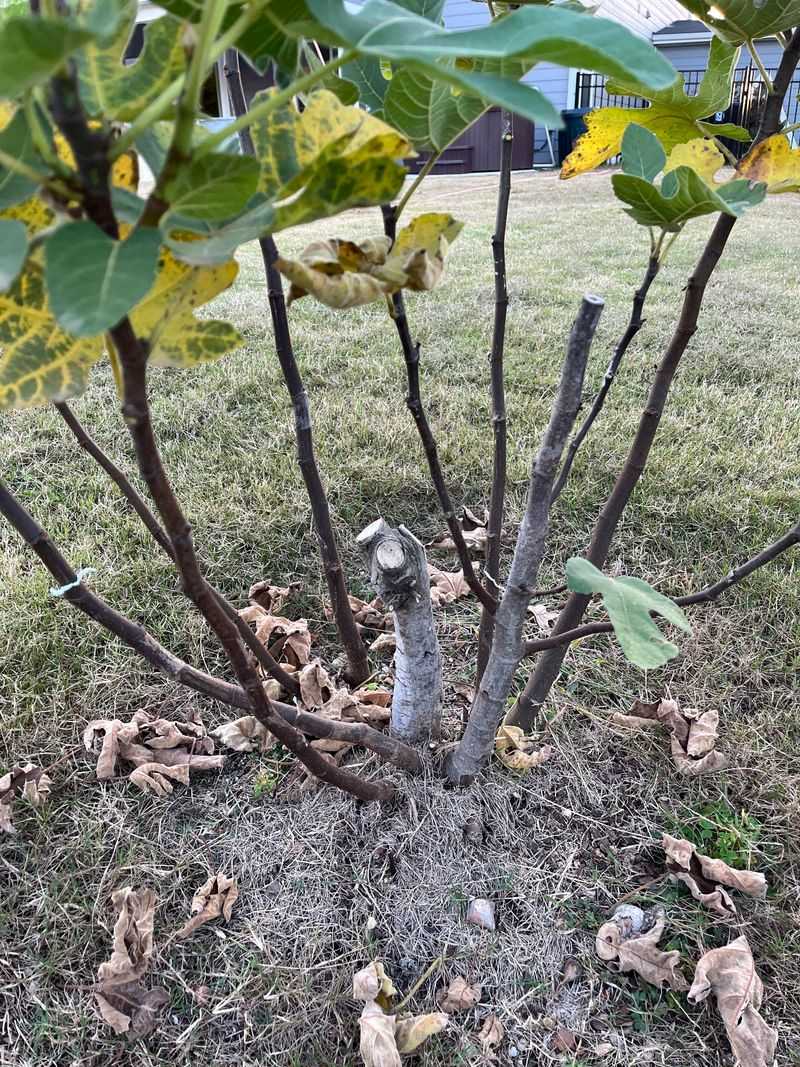
Pennsylvania winters are no joke. Fig trees originally come from warm, subtropical regions, which means they are not built for the kind of cold that hits the Keystone State every year.
When temperatures drop below 20 to 30 degrees Fahrenheit, young fig trees can suffer serious branch damage, and sometimes the entire plant above the soil line may not survive the season.
Late spring frosts are especially sneaky. Just when a fig tree starts waking up and pushing out new growth, a surprise cold snap can wipe out weeks of progress.
This kind of repeated frost damage leaves trees weakened and unable to produce fruit properly during the growing season.
Protecting your fig tree before winter arrives is one of the smartest things you can do as a Pennsylvania gardener. Wrapping the trunk and main branches with burlap, piling thick mulch around the base, and even bending smaller trees to the ground and covering them can make a huge difference.
If you are growing a fig in a container, moving it into an unheated garage or basement during the coldest months gives it a real fighting chance. Cold-hardy varieties like Chicago Hardy are great options for Pennsylvania because they can bounce back from root level even after a tough winter.
Planning ahead and protecting your tree before the first hard freeze hits is far better than dealing with the aftermath of frost damage in spring. A little preparation goes a long way in keeping your fig healthy and productive year after year in Pennsylvania.
2. Planting In Poorly Drained Soil
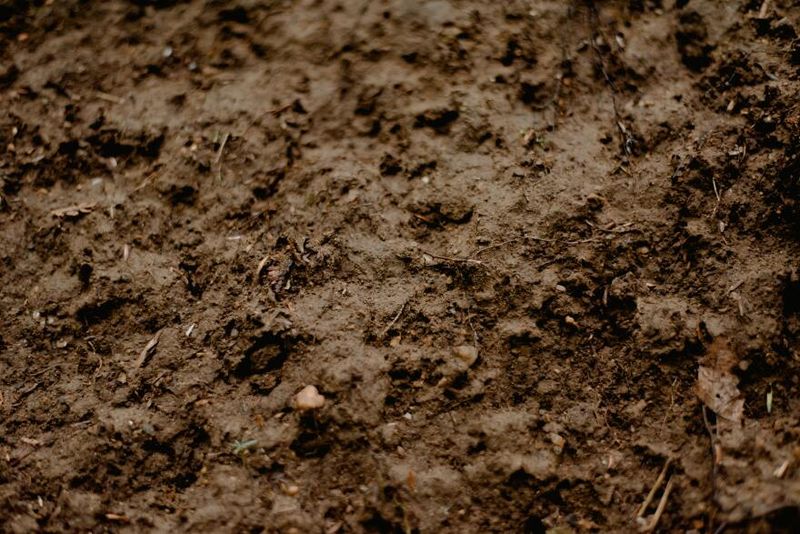
Soggy soil is one of the fastest ways to stress out a fig tree. Pennsylvania has a lot of areas with heavy clay soil, and clay holds water like a sponge.
When water cannot drain away quickly, the roots of a fig tree sit in moisture for too long, which creates the perfect conditions for root rot to set in.
Root rot is a serious problem because it quietly damages the root system before you even notice anything wrong above ground. By the time leaves start turning yellow or dropping early, the roots may already be in bad shape.
A fig tree with a compromised root system simply cannot take up the nutrients and water it needs to grow strong and produce fruit.
The fix starts before you even plant your tree. Testing your soil and amending it with compost, sand, or other organic matter can improve drainage significantly.
Raised beds are another excellent option for Pennsylvania gardeners dealing with clay-heavy ground, since they allow you to fill the planting area with a well-balanced, loamy mix that drains freely. When planting in the ground, always make sure the planting hole does not collect standing water after rain.
You can test this by filling the hole with water and watching how fast it drains. If it takes more than an hour, you will need to improve drainage before planting.
Fig trees planted in well-drained, nutrient-rich soil grow faster, stay healthier, and produce much better harvests, especially during Pennsylvania’s warm summer months when the trees are working their hardest.
3. Insufficient Sunlight
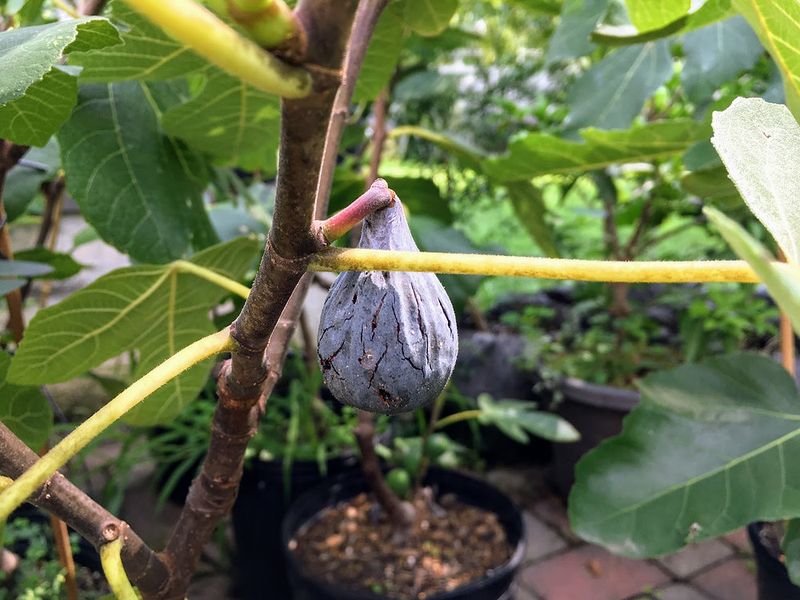
Sunlight is like fuel for a fig tree. Without enough of it, the whole system slows down.
Fig trees need at least six to eight hours of direct sunlight every single day to grow well and produce a good crop of fruit. In Pennsylvania, where cloudy days and tree canopies can block a lot of light, finding the right planting spot matters more than most gardeners realize.
Planting a fig too close to a house, fence, or large shade tree is one of the most common mistakes made in Pennsylvania gardens. Even if the spot gets a few hours of sun in the morning, heavy afternoon shade can cut into the total light the tree receives.
Less sunlight means slower growth, fewer leaves, and a much smaller harvest at the end of the season.
Before you plant, spend a day watching how sunlight moves across your yard. Look for the spot that stays bright and sunny from mid-morning through late afternoon.
South-facing or west-facing locations tend to get the most sun exposure in Pennsylvania. If your yard does not have a naturally sunny spot, consider growing your fig in a large container that you can move around to chase the best light.
Pruning nearby shrubs or overhanging branches can also open up more sky above your fig tree. Even a small increase in daily sunlight can have a noticeable impact on how fast the tree grows and how many figs it produces each year.
Giving your tree the light it craves is one of the simplest ways to see big improvements in your Pennsylvania garden.
4. Incorrect Watering Practices
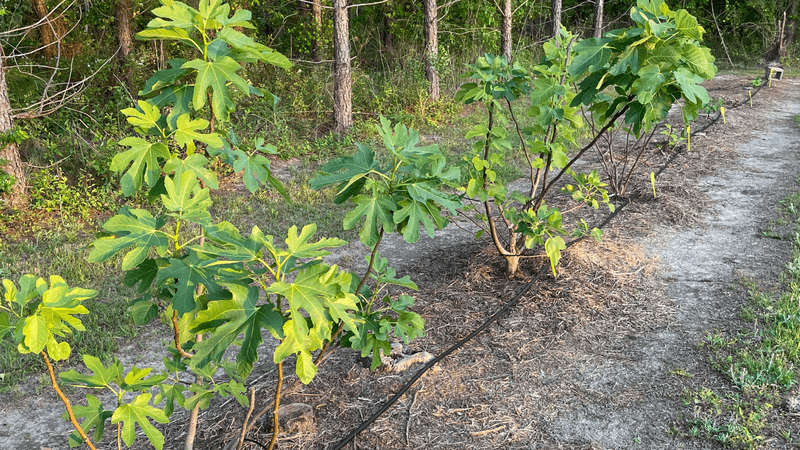
Water is tricky with fig trees. Too much of it and the roots start to rot.
Too little and the tree gets stressed, drops its leaves, and stops producing fruit. Getting the balance right is one of the most important skills for any Pennsylvania fig grower, especially during the hot, dry stretches that sometimes hit in July and August.
Overwatering is actually more common than most people expect. Many gardeners assume that more water always means a healthier plant, but that is not true for figs.
When the soil stays wet for too long, oxygen cannot reach the roots properly, and the tree begins to struggle. Signs of overwatering include yellowing leaves, mushy stems near the base, and fruit that drops before it ripens.
On the flip side, underwatering during dry Pennsylvania summers causes leaves to curl, turn crispy at the edges, and fall off way too early. Young fig trees are especially vulnerable because their root systems have not spread out far enough yet to find moisture on their own.
A good rule of thumb is to water deeply once or twice a week during dry spells, making sure the water soaks down several inches into the soil rather than just wetting the surface. Mulching around the base of the tree helps hold moisture in the soil between waterings.
Avoid letting water pool around the trunk, since standing water near the base is just as harmful as soggy roots. Consistent, thoughtful watering throughout the growing season keeps Pennsylvania fig trees strong, productive, and much less likely to experience stress-related problems.
5. Choosing The Wrong Variety
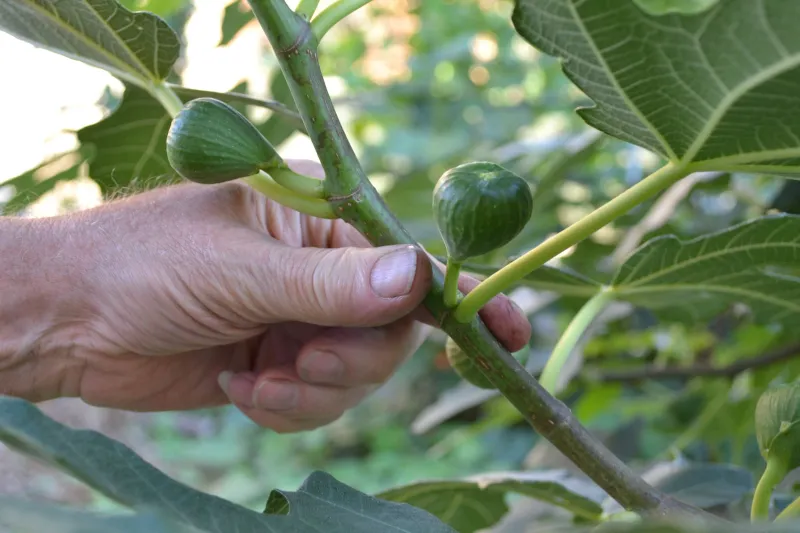
Not every fig variety is built for Pennsylvania’s climate. Walk into a garden center and you might find beautiful fig trees for sale, but that does not mean all of them will survive a typical Pennsylvania winter.
Some varieties are bred for warm, mild climates and simply cannot handle the cold temperatures that roll through the state each year from December through February.
Tropical fig varieties, like Brown Turkey or Celeste, can still be grown in Pennsylvania, but they require extra care. Planting them in containers and moving them indoors before the first hard frost is the safest approach.
Without that protection, these varieties are likely to suffer heavy damage during cold snaps, and repeated damage season after season weakens the tree significantly over time.
The best choice for most Pennsylvania gardeners who want to plant directly in the ground is a cold-hardy variety. Chicago Hardy is probably the most popular option in the region, and for good reason.
It can survive temperatures as low as zero degrees Fahrenheit when given proper mulching and protection, and even if the branches do get damaged, it tends to regrow vigorously from the roots the following spring. Other cold-tolerant varieties worth exploring include Petite Negra and Violette de Bordeaux.
Before buying any fig tree, do a little research on how cold-hardy that specific variety is and whether it matches your hardiness zone in Pennsylvania. Choosing the right variety from the start saves you a lot of frustration and gives your fig tree the best possible chance of thriving in the Keystone State for many seasons to come.
6. Pest And Disease Pressure
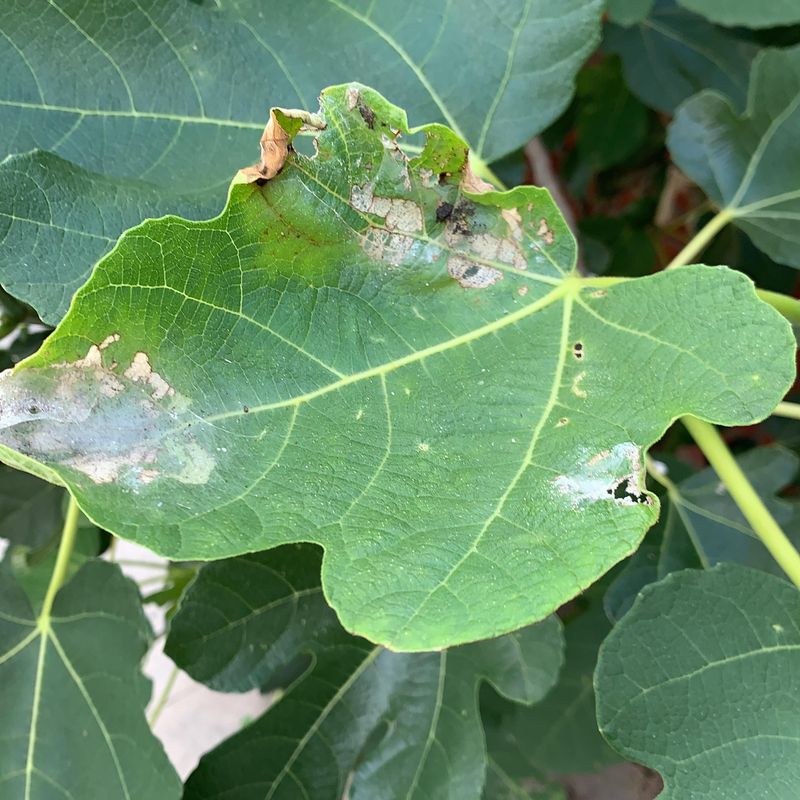
Even a perfectly planted and well-watered fig tree can run into trouble if pests and diseases move in. Pennsylvania gardens host a variety of insects and fungal problems that can target fig trees throughout the growing season.
Catching these issues early makes a huge difference in how quickly and fully a tree can recover.
Common pests that affect fig trees include aphids, fig beetles, scale insects, and stink bugs. Aphids tend to cluster on new growth and suck the sap right out of tender leaves and stems, causing them to curl and yellow.
Scale insects attach themselves to branches and can go unnoticed for a long time while they quietly weaken the tree. Stink bugs, which are a well-known nuisance in Pennsylvania, will also feed on ripening figs and ruin the fruit before you get a chance to harvest it.
On the disease side, fig rust and leaf spot are two of the most common fungal problems seen in Pennsylvania gardens. Both show up as discolored spots or patches on the leaves and can cause early leaf drop if left untreated.
Root rot, as mentioned earlier, is also a disease concern when drainage is poor. The best defense against both pests and diseases is regular monitoring.
Walk around your fig tree every week or two and check the leaves, branches, and fruit for anything that looks off. Pruning away damaged or crowded branches improves airflow, which reduces fungal problems significantly.
Neem oil and insecticidal soap are effective, low-impact treatments for many common pests and can be used safely throughout the Pennsylvania growing season.