Why Frogs And Toads Point To Healthy Missouri Gardens
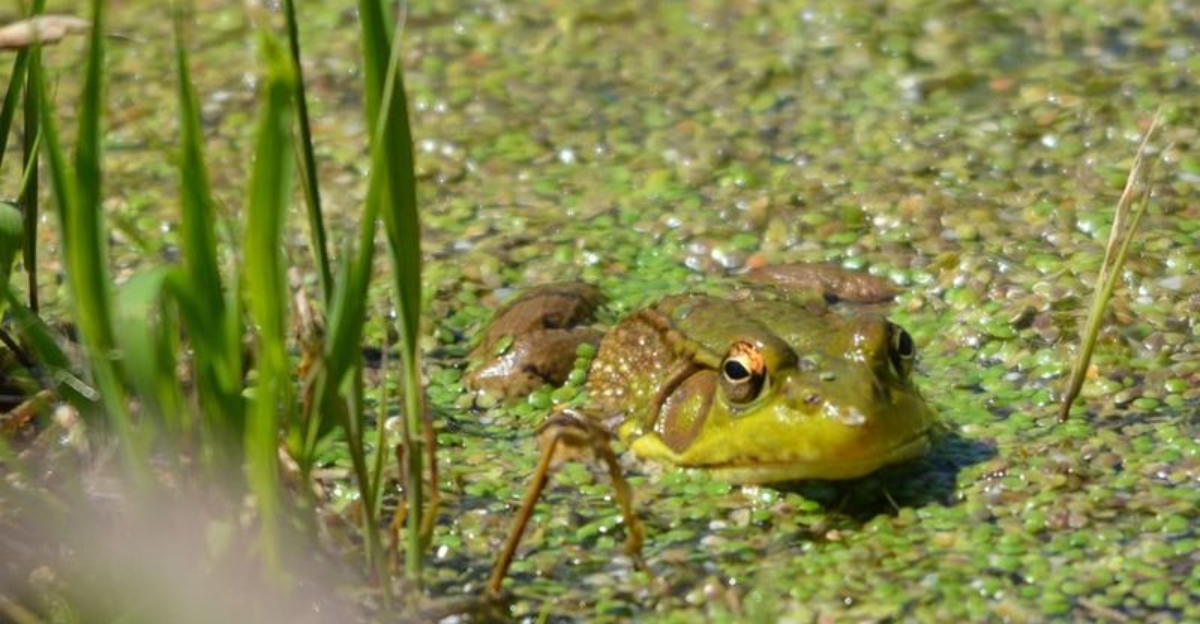
When frogs and toads show up in a Missouri garden, it is usually a good sign.
These quiet neighbors do not settle just anywhere.
They need clean water, healthy soil, and a steady supply of insects to survive.
In other words, they choose gardens that are doing something right.
Many homeowners are surprised to learn that these amphibians act like living indicators of garden health.
Their presence often means fewer chemicals, balanced moisture, and thriving plant life.
Frogs and toads also pull their weight by keeping pest populations in check, working around the clock without any effort from the gardener.
Instead of seeing them as unwelcome guests, it helps to recognize the benefits they bring.
A garden that attracts frogs and toads is often one that has found a natural rhythm.
In the long run, that balance makes gardening easier and more rewarding.
They Need Clean Water To Survive
Amphibians have permeable skin that constantly absorbs moisture from their surroundings, making water quality absolutely critical to their survival.
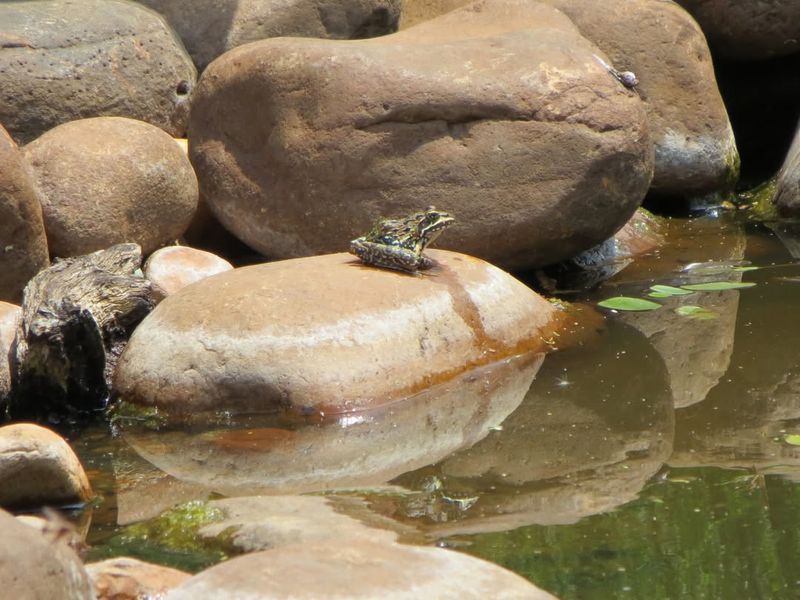
When you spot frogs lounging beside your garden pond or toads hiding near a water feature, you can feel confident that your water source meets high standards.
Even small amounts of contamination will send these sensitive creatures packing immediately.
Missouri gardeners who maintain chemical-free water sources create perfect habitats for these beneficial visitors.
Rain barrels, shallow ponds, and even birdbaths can provide the clean water amphibians need.
The presence of tadpoles in spring is particularly encouraging since they require pristine conditions throughout their development.
Regular water changes and avoiding runoff from treated lawns help maintain the purity amphibians require.
Natural filtration through aquatic plants also improves water quality while providing shelter.
If your garden consistently attracts frogs and toads, your water management practices are clearly working well.
This same clean water benefits birds, beneficial insects, and your plants too.
Watching amphibians thrive near your water features confirms you’re creating a truly sustainable garden environment that supports diverse wildlife populations.
They Are Sensitive To Chemical Use
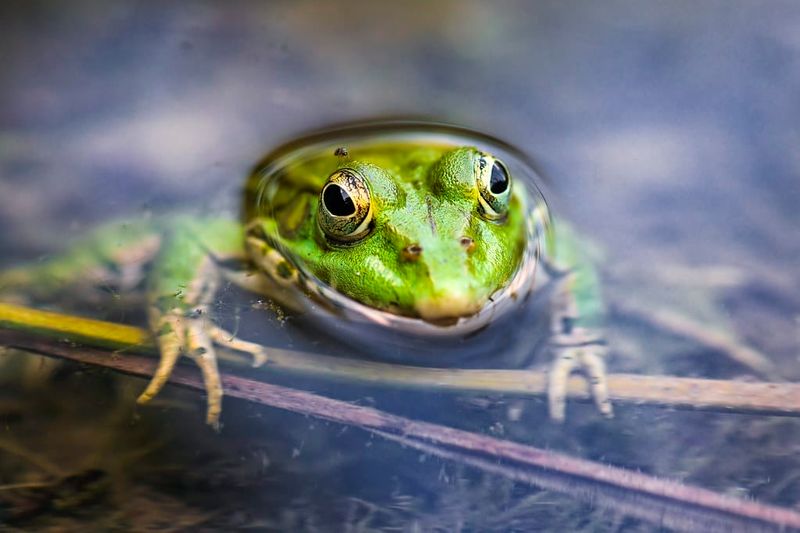
The thin, moisture-rich skin of toads and frogs acts like a sponge, absorbing whatever substances touch it or exist in their environment.
This biological trait makes them extremely vulnerable to pesticides, herbicides, and synthetic fertilizers commonly used in conventional gardening.
Gardens that host healthy amphibian populations are essentially certified chemical-free zones.
Your toad resting peacefully in the soil tells you that your garden bed is free from harmful toxins.
Organic gardening methods create safe spaces where these creatures can burrow, hunt, and rest without exposure to dangerous substances.
Synthetic chemicals don’t just harm amphibians directly—they also eliminate the insects these animals depend on for food.
Missouri gardeners who embrace natural pest control and organic amendments build ecosystems that support amphibian life.
Compost, mulch, and natural soil builders provide nutrients without the toxic side effects of chemical alternatives.
When you see toads emerging at dusk to hunt in your vegetable beds, you’re witnessing proof of your commitment to safer gardening practices.
This chemical-free approach benefits your family’s health too, especially if you’re growing edible crops.
Amphibian presence serves as a living certificate of your garden’s purity and safety.
They Control Garden Pests Naturally
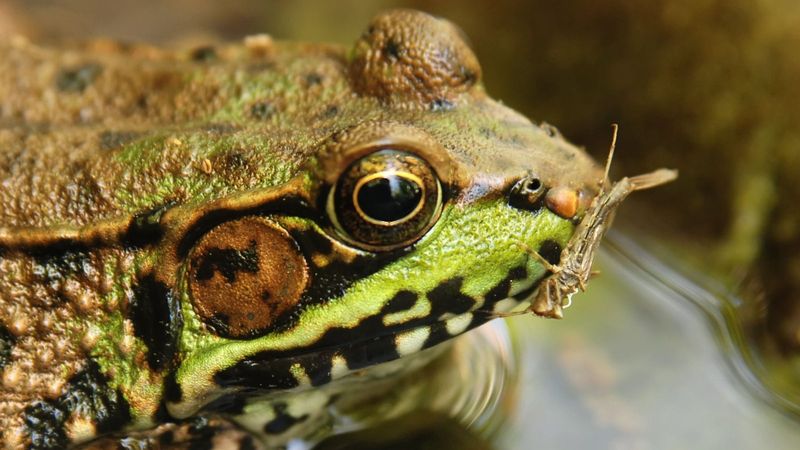
A single toad can consume thousands of insects during a growing season, making these amphibians incredibly valuable pest control partners.
Their diet includes slugs, beetles, mosquitoes, flies, and many other creatures that damage plants or annoy humans.
Gardens with resident frog and toad populations experience naturally reduced pest pressure without any chemical intervention.
Watching a frog hunt among your vegetable plants at twilight is like observing your personal pest management team in action.
Missouri’s warm, humid summers create ideal conditions for both garden pests and the amphibians that eat them.
Toads are particularly fond of slugs, which can devastate hostas, lettuce, and other tender plants overnight.
Frogs excel at catching flying insects, including mosquitoes that breed in standing water.
This natural pest control happens continuously throughout the growing season without any effort on your part.
The presence of hunting amphibians indicates your garden has established a balanced food web where predators and prey coexist.
Encouraging these beneficial creatures means fewer damaged leaves, healthier crops, and more time enjoying your garden instead of battling pests.
Their appetite for insects reflects a garden ecosystem that’s functioning exactly as nature intended.
They Require Healthy Soil Conditions
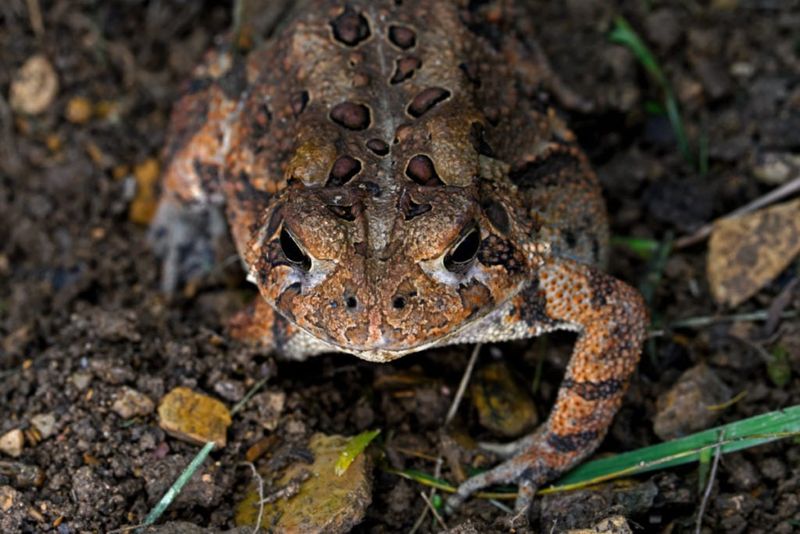
Toads spend much of their time buried in soil, using it for shelter, moisture regulation, and protection from temperature extremes.
Compacted, depleted, or contaminated soil simply won’t support their burrowing lifestyle.
When you find toads partially buried in your garden beds, you’re seeing evidence of soil that’s loose, rich, and biologically active.
Missouri’s clay-heavy soils need regular amendment with organic matter to achieve the texture amphibians prefer.
Adding compost, aged manure, and leaf mold creates the crumbly structure that makes burrowing easy and comfortable.
Healthy soil also retains moisture without becoming waterlogged, providing the dampness toads need without drowning them.
The microorganisms and earthworms in good soil attract insects that amphibians feed on, creating additional benefits.
No-till gardening practices preserve soil structure and protect any toads sheltering below the surface.
Gardens with visible toad activity demonstrate that your soil-building efforts are paying off beautifully.
This same healthy soil supports robust plant growth, better water retention, and increased nutrient availability.
Seeing toads emerge from your garden beds confirms you’ve created underground conditions that support life at multiple levels throughout your landscape.
They Indicate Balanced Moisture Levels
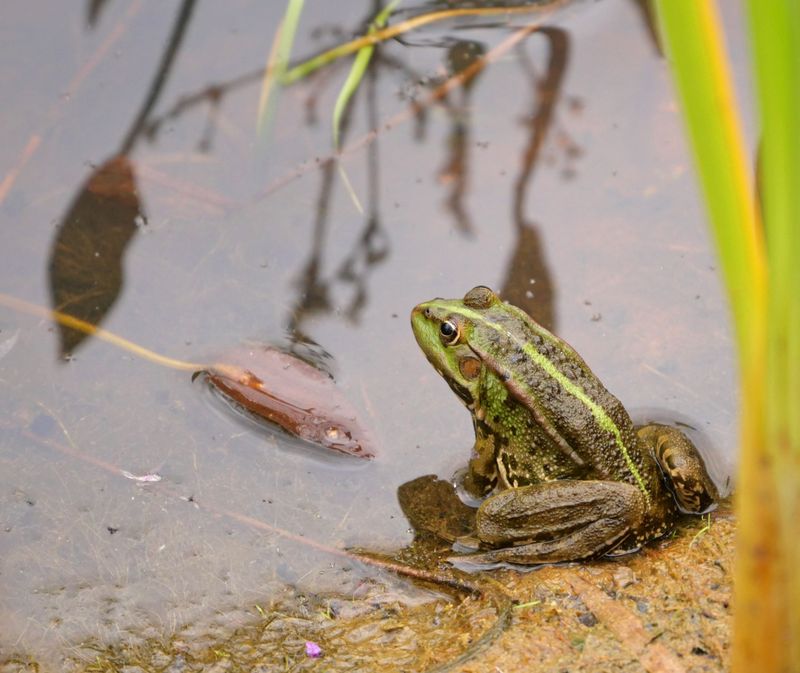
Amphibians need consistent moisture but will quickly abandon areas that are either too dry or constantly soggy.
Their presence indicates you’ve achieved that difficult balance of adequate hydration without waterlogging.
Missouri’s weather can swing from drought to deluge, making moisture management a real challenge for gardeners.
Frogs sitting contentedly on damp mulch after rainfall show that your garden drains properly while retaining enough moisture.
Mulching helps regulate soil moisture by reducing evaporation during dry spells and preventing erosion during heavy rains.
Areas with good drainage combined with moisture-retentive organic matter create ideal amphibian habitat.
Gardens that stay moderately moist support the insects and worms that frogs and toads hunt.
Overly dry gardens crack and become inhospitable, while constantly wet areas promote fungal issues and reduce oxygen in soil.
Your resident amphibians are essentially confirming that your watering practices and drainage solutions are working harmoniously.
This balanced moisture also benefits your plants, preventing both drought stress and root rot.
Observing frogs and toads throughout various weather conditions tells you that your garden maintains livable conditions regardless of what nature throws at it.
They Thrive Where Native Plants Grow
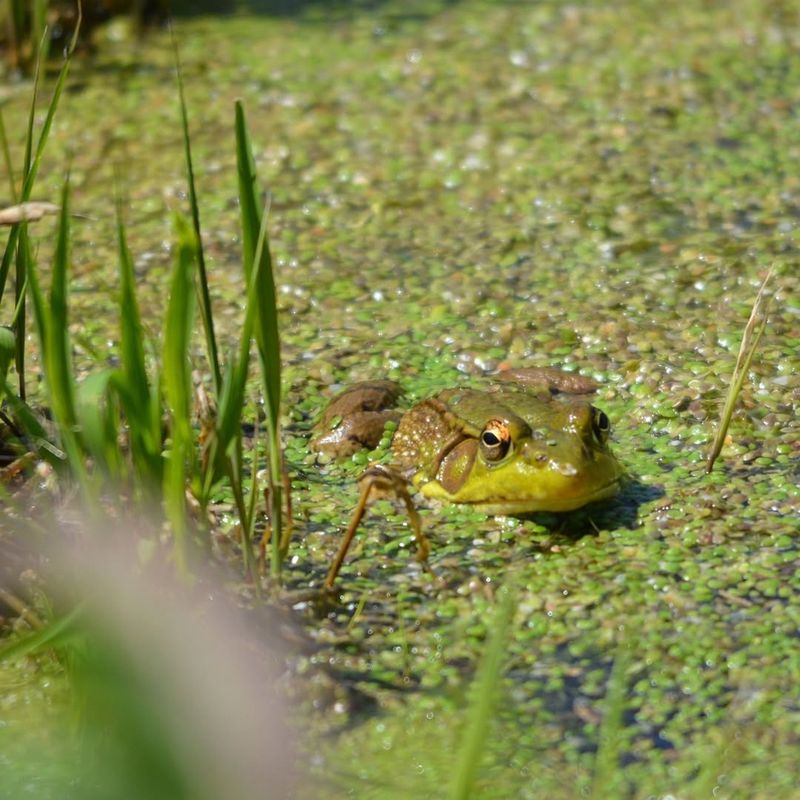
Native Missouri plants have evolved alongside local amphibians for thousands of years, creating relationships that support both groups.
These plants attract native insects that frogs and toads have always depended on as food sources.
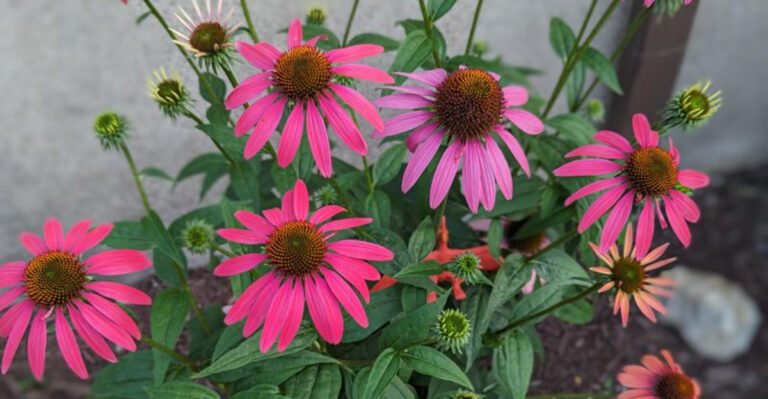
Gardens filled with coneflowers, black-eyed Susans, wild bergamot, and other native species create buffets for insect-eating amphibians.
Exotic ornamentals often fail to support the same insect diversity, leaving amphibians without adequate nutrition.
When you see frogs nestled among native wildflowers, you’re witnessing an ecosystem functioning as it has for generations.
Native plants also require less water, fertilizer, and maintenance once established, reducing the interventions that might disturb amphibian residents.
Their deep root systems improve soil structure and water infiltration, creating better habitat for burrowing toads.
Missouri’s native plant palette offers options for every garden condition, from wet areas to dry slopes.
Landscaping with natives demonstrates your commitment to supporting local wildlife and preserving regional biodiversity.
Amphibians respond to this approach by establishing permanent residence rather than just passing through.
The combination of native plants and resident amphibians signals a garden that’s truly integrated into the local ecosystem rather than fighting against it.
They Avoid Noisy Or Heavily Disturbed Areas
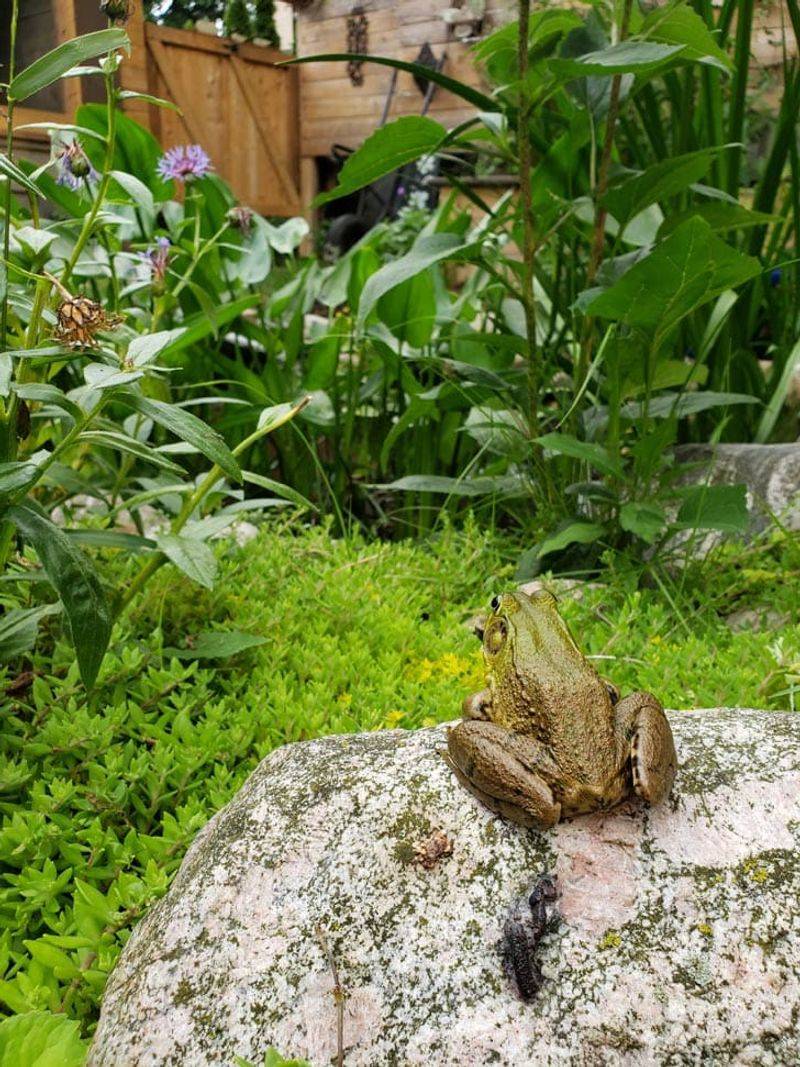
Constant activity, loud noises, and frequent digging create stress that drives amphibians away from otherwise suitable habitats.
Gardens that host frogs and toads are typically calm spaces where wildlife feels secure enough to settle.
Toads hiding under stone borders or beneath shady perennials indicate you’ve created peaceful refuge zones.
Missouri gardeners who designate quiet corners with minimal foot traffic provide essential shelter for these shy creatures.
Permanent features like rock piles, log borders, and undisturbed mulched areas offer safe daytime hiding spots.
Amphibians are most active at dawn and dusk when gardens are usually quieter.
Avoiding frequent tilling, excessive raking, and constant rearranging allows them to establish territories and routines.
Gardens designed with both active and passive zones accommodate human enjoyment while protecting wildlife needs.
Observing toads consistently using the same hiding spots shows they feel secure in your garden’s rhythm and routine.
This sense of safety extends to other beneficial creatures like ground-nesting bees and helpful beetles.
Creating calm spaces doesn’t mean abandoning your garden—it means being mindful of where and when you work, allowing undisturbed areas to function as wildlife sanctuaries within your landscape.
Their Presence Reflects A Stable Ecosystem
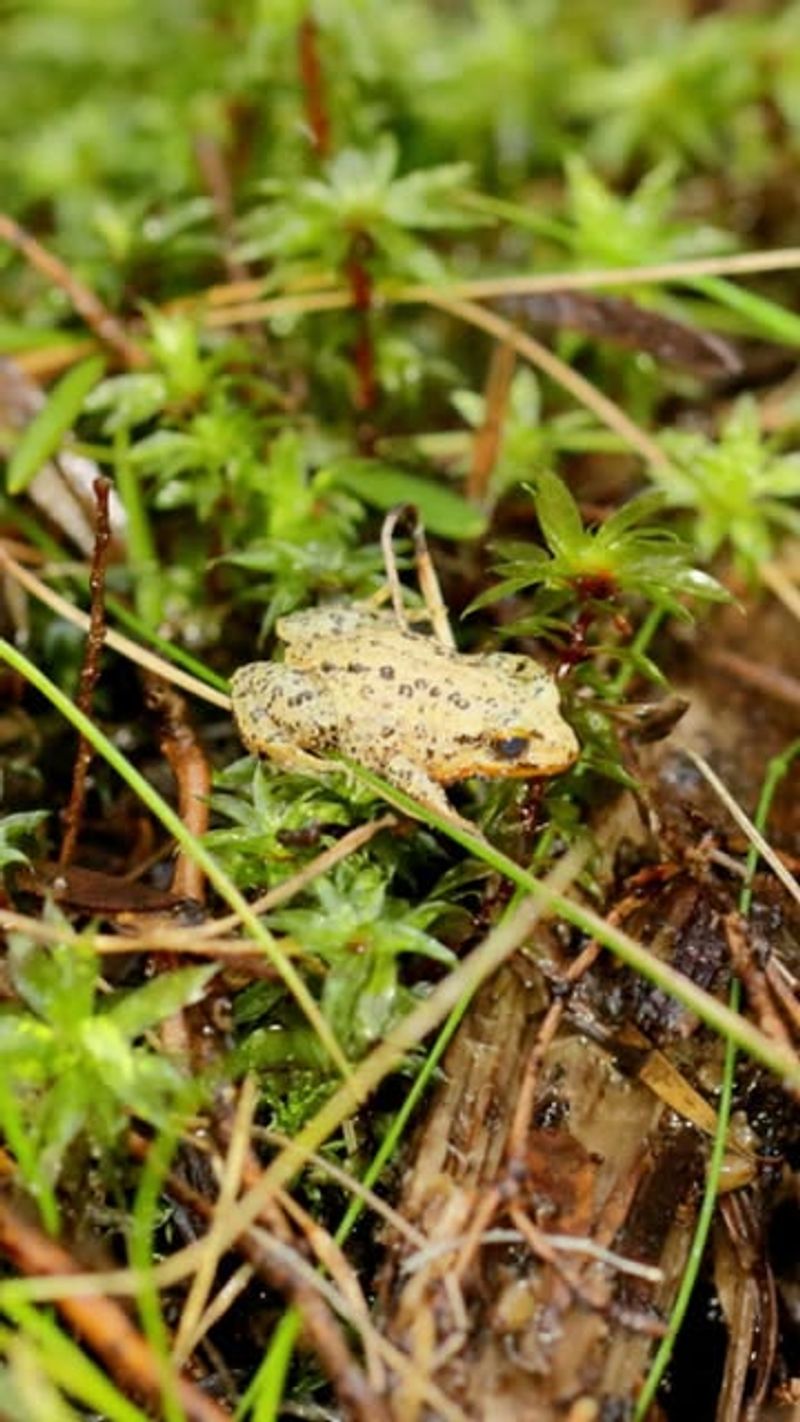
Frogs and toads occupy a crucial middle position in the food chain, eating insects while serving as prey for birds, snakes, and mammals.
When this balance tips in any direction, amphibians are among the first to disappear.
An evening garden scene with visible frogs confirms that your landscape supports multiple trophic levels in healthy proportions.
Missouri gardens with diverse plant communities, varied habitats, and minimal disturbance create the stability amphibians require.
They need abundant food sources, clean water, safe shelter, and freedom from excessive predation—all at once.
Meeting these simultaneous requirements takes years of thoughtful gardening and ecological awareness.
Gardens lacking this balance might look beautiful but function poorly as ecosystems.
Amphibian residents indicate your garden has matured beyond mere aesthetics into a functioning ecological community.
This stability means your garden can weather challenges like pest outbreaks, weather extremes, and seasonal changes more effectively.
The same conditions supporting amphibians also benefit pollinators, soil organisms, and beneficial predatory insects.
Watching frogs emerge regularly at dusk to hunt tells you that your garden has achieved something special—a self-sustaining system where nature’s processes work together harmoniously, requiring less intervention from you while providing more benefits for everyone.