Why Frost Dates Matter More In Western North Carolina
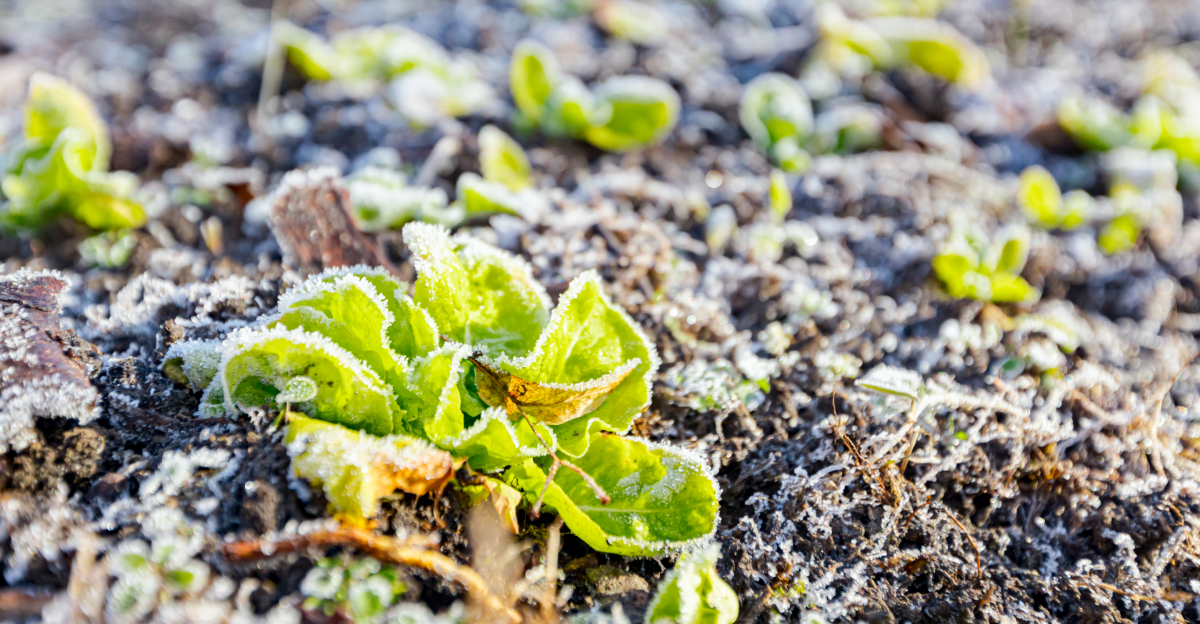
There’s a familiar chill in the air when March rolls around in Western North Carolina, and any gardener here knows that one morning can change everything.
You might step outside expecting dew and sunshine, only to find a thin layer of frost glinting on the leaves.
It’s the kind of moment that makes you pause, remembering last year’s plants that never recovered.
Frost dates aren’t just numbers on a calendar – they’re a guide for when to plant, prune, and protect everything from your early vegetables to delicate perennials.
With the mountains and valleys shaping microclimates across the region, timing can be the difference between a thriving garden and one that struggles.
By paying attention to local frost patterns, you can plan the season with confidence. Knowing which mornings require extra care opens the door to smarter planting strategies and healthier growth throughout spring.
1. Understanding Frost Dates And How They Affect Your Garden
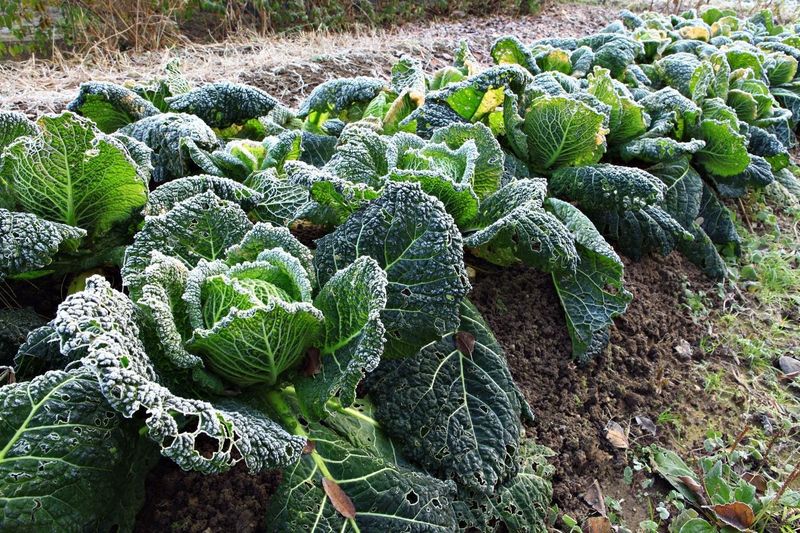
Frost dates are two of the most important pieces of information any gardener in Western North Carolina can have. Simply put, the last spring frost date tells you the earliest it is generally safe to plant warm-season crops outdoors.
The first fall frost date tells you when cold temperatures are likely to return and cut the growing season short.
Most gardeners in WNC work with a last spring frost around April 11 to April 20, depending on their exact location and elevation. That window might sound straightforward, but in the mountains, even a few hundred feet of elevation can push that date back by a week or more.
A garden in Asheville might be safe to plant earlier than one just a few miles away at a higher ridge.
Frost can damage plants when ice forms inside cells, potentially harming tissues depending on plant type and frost severity. Tender crops like tomatoes, peppers, basil, and cucumbers are especially vulnerable.
Even a light frost near 32 degrees Fahrenheit can sometimes set back tender young transplants.
Knowing your frost dates helps you plan backward. If you want to transplant tomatoes outdoors by May 1, you know to start seeds indoors about six to eight weeks earlier.
This kind of careful planning is what separates a productive garden from one that struggles all season long. Western North Carolina rewards gardeners who respect the calendar and the climate in equal measure.
2. Western North Carolina’s Unique Climate And Elevation Challenges
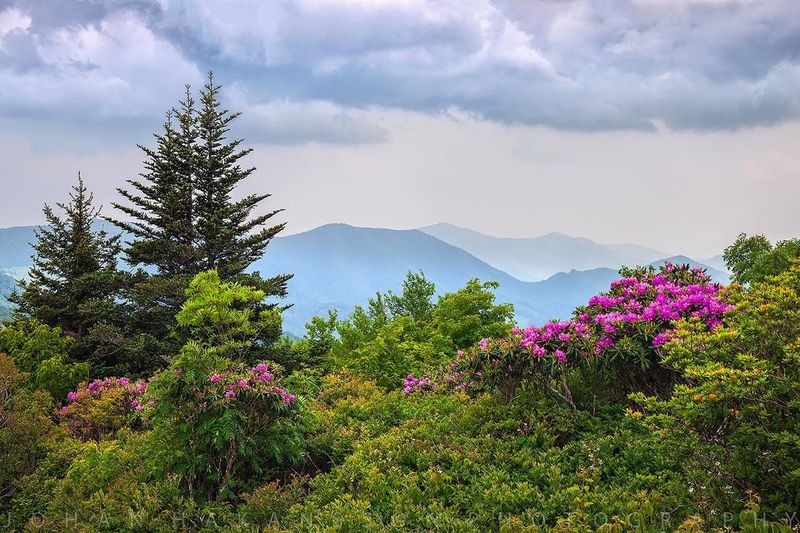
There is no place quite like Western North Carolina when it comes to growing conditions. The region sits within the southern Appalachian Mountains, and that geography creates an incredibly diverse set of climates packed into a relatively small area.
Elevation is the biggest factor, and it changes everything about how and when you garden.
Areas above 3,000 feet in WNC can experience temperatures that dip to 29 degrees Fahrenheit or lower during early-season freezes. Meanwhile, valleys and lower-lying areas may stay several degrees warmer thanks to heat that gets trapped near the ground.
This means two neighbors living just a few miles apart can have noticeably different growing seasons.
These pockets of varying temperature and moisture are called microclimates, and Western North Carolina has more of them than most regions in the entire country. South-facing slopes warm up faster in spring and stay warmer longer in fall.
North-facing slopes hold cold air and frost much longer. Knowing which microclimate your garden sits in can help you adjust your planting calendar accordingly.
The frost-free growing season in WNC typically ranges from 190 to 200 days, which is shorter than the Piedmont region of North Carolina where gardeners enjoy 200 to 210 frost-free days. That 10-day difference matters a lot when you are trying to ripen a full crop of butternut squash or dry beans.
Smart WNC gardeners learn their land well and use every frost-free day wisely.
3. Early And Late Frosts: Timing Planting For Success
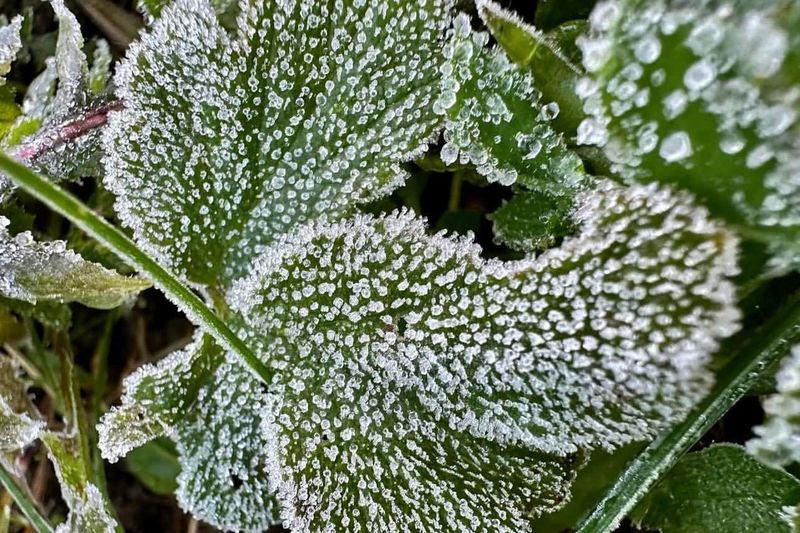
One of the trickiest parts of gardening in Western North Carolina is that the frost calendar does not always follow the rules. The average first fall frost arrives around October 21 to 31, and the last spring frost typically falls between April 11 and April 20.
But averages are just that, averages. Some years bring frost in early October, while others keep conditions mild well into November.
Late spring frosts are especially sneaky. You might have a stretch of warm, sunny days in late March that tempts you to put everything in the ground, only to wake up one morning to a surprise freeze.
In WNC, experienced gardeners know to keep an eye on the forecast even after what feels like spring has fully arrived. A cold night near 28 degrees has the potential to damage growth, especially on tender seedlings or early transplants.
Timing your planting around frost dates takes a bit of math and a lot of local awareness. For warm-season crops like corn, beans, and squash, wait until at least two weeks after your last expected frost before direct sowing outdoors.
For transplants of tomatoes and peppers, many WNC gardeners wait until the first week of May to be safe, even if the average frost date suggests late April is fine.
Cool-season crops like lettuce, kale, spinach, and broccoli actually prefer the cooler temperatures on either side of frost season. Planting these in early March or again in late August allows WNC gardeners to take full advantage of the shoulder seasons without risking frost damage to tender warm-season plants.
4. Protecting Tender Plants From Unexpected Cold Snaps
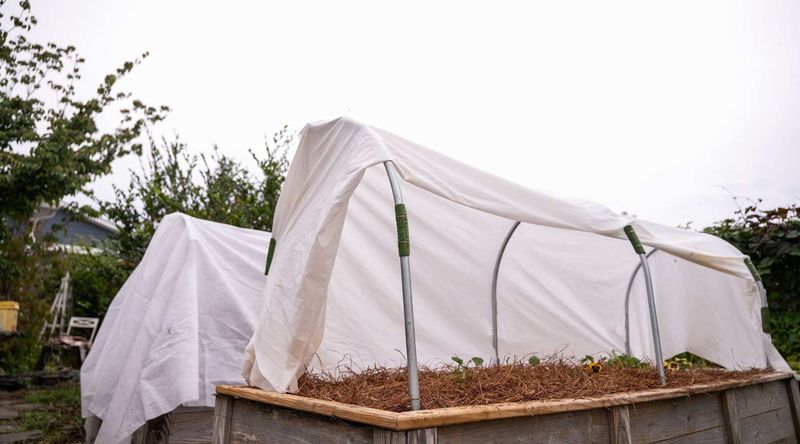
Even the most carefully planned garden in Western North Carolina can get caught off guard by a surprise cold snap. When temperatures are predicted to drop near or below freezing, having a few protection strategies ready can save your plants from serious setbacks.
The good news is that most of these methods are simple, affordable, and easy to put into action quickly.
Frost cloth, also called row cover, is one of the most useful tools you can keep in your garden shed. It is a lightweight fabric that traps warmth around plants while still allowing light and moisture through.
Draping it over your beds before a cold night and removing it in the morning can give plants several degrees of extra protection. Reusable frost cloth is an investment that pays off season after season in WNC.
Another option is using cloches, which are small individual covers placed over single plants. These can be as simple as a plastic milk jug with the bottom cut off or as fancy as a glass bell jar.
For potted plants, the easiest solution is to bring them indoors or into a garage overnight when a freeze is expected.
Watering your garden before a frost event can also help. Moist soil holds heat better than dry soil, which helps keep root zones a bit warmer through a cold night.
Mulching heavily around the base of plants is another layer of defense. In Western North Carolina, where unexpected cold snaps are part of life, being prepared is simply part of being a good gardener.
5. How Frost Dates Influence Vegetable And Flower Choices
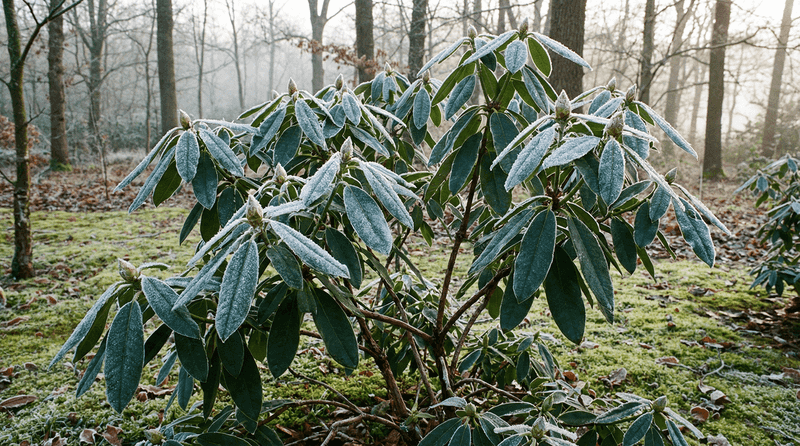
Ask any seasoned gardener in Western North Carolina what grows best in their beds, and they will likely give you a list shaped heavily by frost dates. The region’s shorter growing season and unpredictable cold snaps mean that plant selection is not just about personal preference.
It is a practical decision rooted in climate reality.
Warm-season vegetables like tomatoes, peppers, eggplant, and melons need a long stretch of frost-free days to produce well. In WNC, that window is tighter than in warmer parts of the state.
Choosing early-maturing varieties is a smart move. A tomato that matures in 65 days is far more reliable in the mountains than one that needs 90 days, simply because the growing season may not stretch long enough for the slower variety to produce a full harvest.
Cool-season crops often tolerate cooler temperatures, giving WNC gardeners an extended planting window for these varieties. Kale, spinach, arugula, peas, carrots, and broccoli all thrive in the cooler temperatures that bookend the frost-free season.
These crops can handle light frosts and even taste sweeter after a cold night. Planting them in early spring and again in late summer extends the harvest well beyond what warm-season plants alone could offer.
Flowers are also shaped by frost date awareness. Hardy annuals like pansies, snapdragons, and calendula can go in the ground weeks before the last frost.
Tender annuals like zinnias and impatiens should wait until after frost risk has passed. In Western North Carolina, knowing your frost window helps you build a garden that looks stunning from early spring all the way through late fall.
6. Using Local Data To Plan Your Spring And Fall Garden
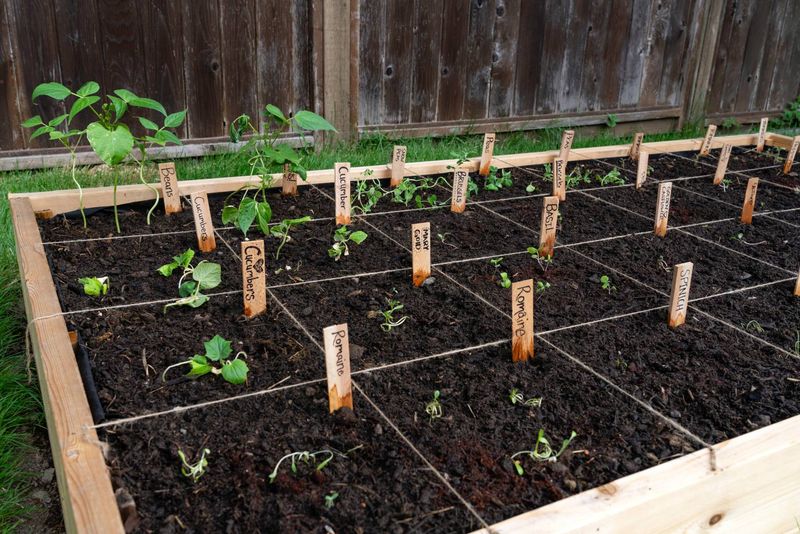
One of the best habits a WNC gardener can build is relying on local data rather than general planting guides. National or even statewide planting calendars often miss the specific nuances that make Western North Carolina such a unique place to grow food and flowers.
Local data gives you a much clearer and more reliable picture of what to expect in your specific area.
The NC State Extension office provides frost date information broken down by county and elevation across the state. Resources like the Asheville Regional Airport weather station, local cooperative extension agents, and community gardening groups in WNC can all provide frost history that is far more precise than a generic online calculator.
Many experienced WNC gardeners also keep their own records year after year, noting the actual dates of first and last frost in their specific garden spot.
Digital tools have made this easier than ever. Weather apps that track historical frost data, garden planning platforms like Old Farmer’s Almanac online, and even local Facebook gardening groups can give you real-time frost alerts and community-sourced planting advice specific to Western North Carolina.
These resources are especially valuable for newer gardeners who are still learning how their property behaves through the seasons.
Building a planting calendar from local frost data takes a little effort upfront, but it pays off with better timing, healthier plants, and more productive harvests. Start with your confirmed last spring frost and first fall frost dates, then work backward and forward to schedule every crop.
In WNC, a garden calendar based on local frost data is a highly useful tool for planning planting and protection strategies.