Why Frozen Soil Is Causing Problems For Illinois Gardeners This Week And What You Should Do Before New Year’s
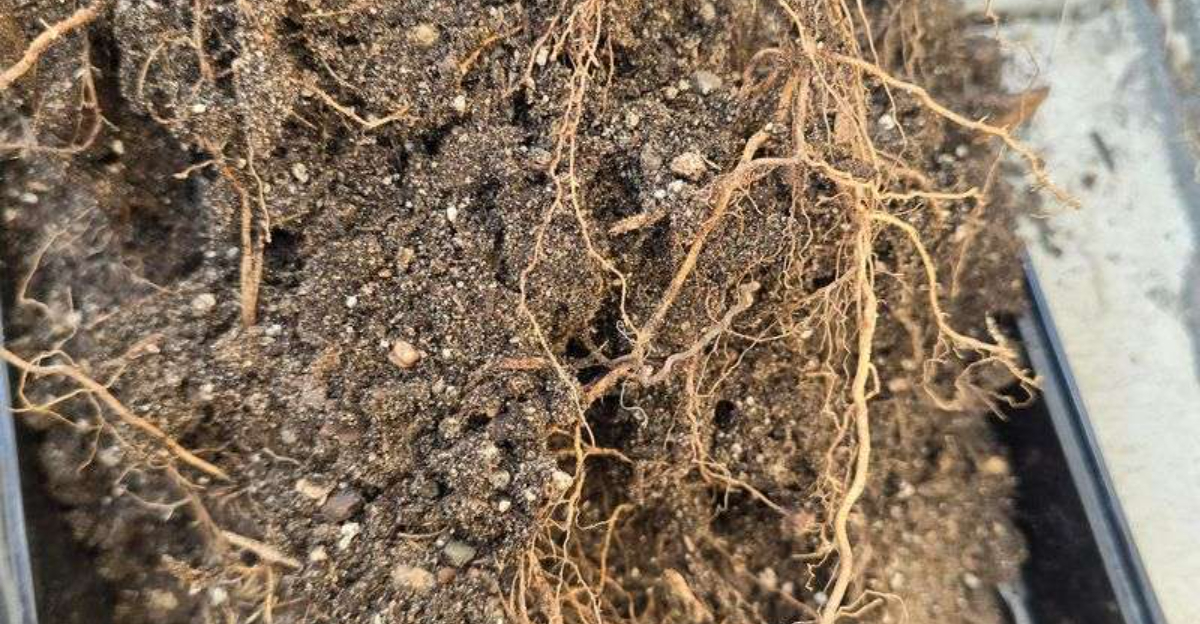
Frozen soil isn’t just uncomfortable to walk on—it’s creating real headaches for gardeners across Illinois this week.
When the ground freezes solid, it halts water absorption, stresses plant roots, and can even prevent new plantings from taking hold.
That means thirsty shrubs can’t get moisture, bulbs can rot instead of sprouting, and soil life essential to healthy gardens goes dormant at the worst possible moment.
With the New Year right around the corner, now is the time to take action rather than hope for a thaw.
Simple steps like adding mulch, watering before a deep freeze, and protecting vulnerable plants can make a big difference in how your garden weathers winter.
Read on to understand why frozen soil matters—and what you can still do before January to safeguard your plants and improve spring success.
Root Systems Cannot Absorb Water Or Nutrients
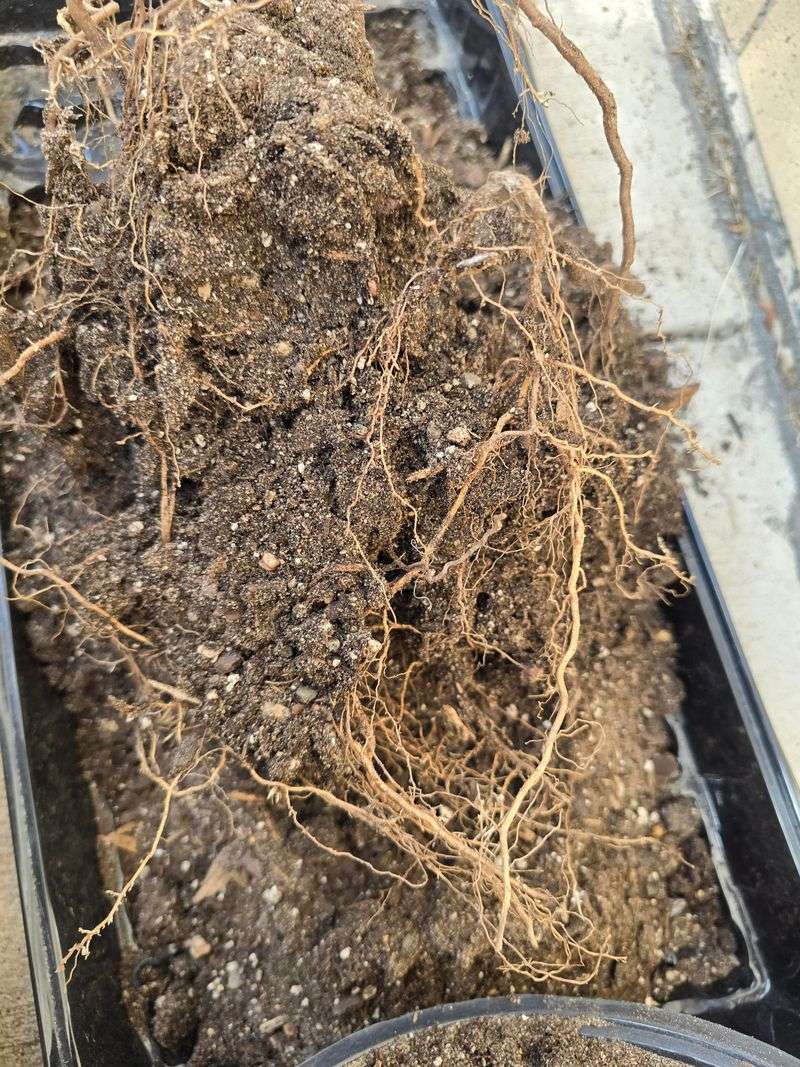
Frozen ground locks moisture into solid ice crystals that plant roots cannot access even when they desperately need hydration during winter dormancy periods now.
Roots require liquid water to transport nutrients throughout the plant structure, but frozen conditions prevent this essential biological process from happening at all.
Illinois temperatures this week have dropped low enough to freeze soil several inches deep, creating barriers that block root absorption completely right now.
Plants may appear dormant above ground, yet their root systems still need minimal moisture to survive harsh winter conditions without suffering permanent damage later.
Without access to water, roots can dry out and become brittle, making them vulnerable to breaking when temperatures fluctuate between freezing and thawing cycles.
Mulching around plant bases before New Year’s helps insulate soil and keeps some liquid water available near root zones throughout the coldest months ahead.
Adding a thick layer of organic mulch creates a protective blanket that moderates temperature swings and maintains better moisture levels for struggling roots below.
This simple step can make the difference between healthy spring growth and disappointing results when warm weather finally returns to Illinois gardens again.
Soil Expansion Damages Plant Crowns And Bulbs
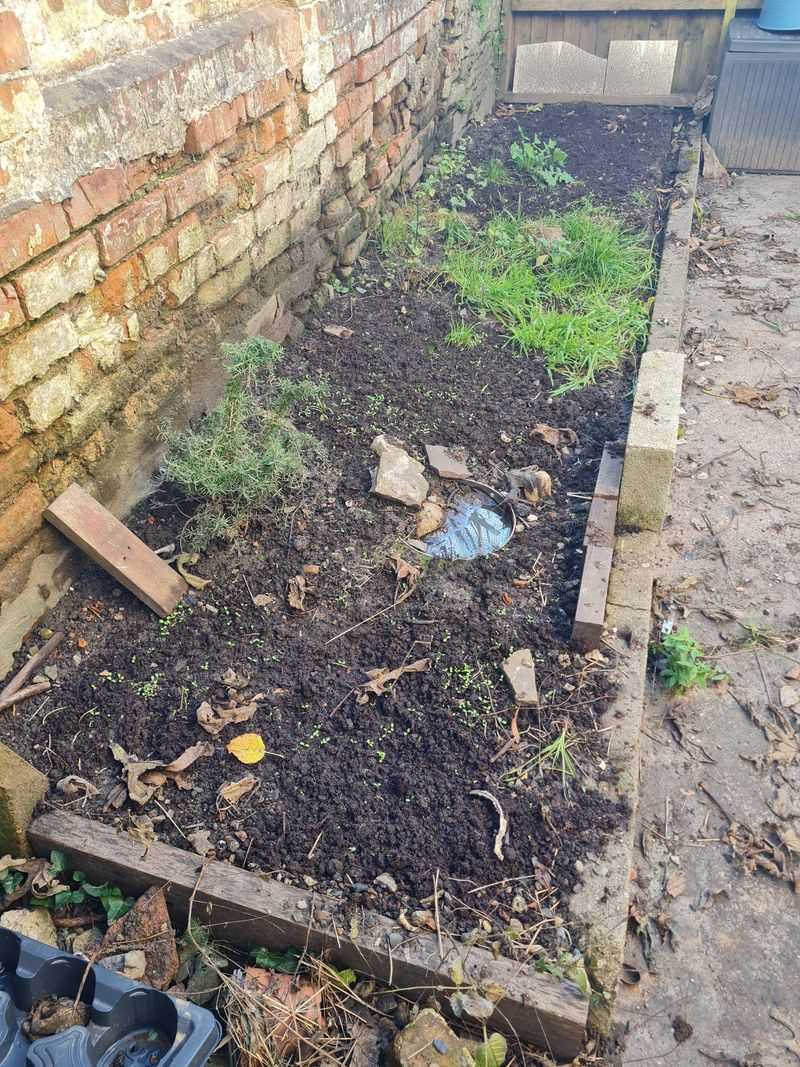
Water expands approximately nine percent when it freezes, creating powerful upward pressure that physically pushes soil and everything within it toward the surface above.
This phenomenon, called frost heaving, forces plant crowns and bulbs upward out of their protective soil covering, exposing delicate tissues to harsh winter air.
Perennials planted this fall are especially vulnerable because their root systems haven’t established deep anchors to resist the upward pushing force of expansion.
Bulbs like tulips and daffodils can be pushed completely out of the ground, leaving them exposed to freezing air and hungry wildlife searching for food.
Once exposed, these plant parts face direct freezing temperatures that can cause severe tissue damage and compromise their ability to grow properly next season.
Illinois gardeners should check their beds this week and gently press any heaved plants back into the soil before conditions worsen further.
Covering vulnerable areas with extra mulch or burlap before New Year’s provides additional weight and insulation that helps keep plants anchored in place.
Regular monitoring throughout winter allows you to catch heaving problems early and take corrective action before permanent damage occurs to your valuable garden plants.
Hardened Ground Prevents Essential Winter Planting Tasks
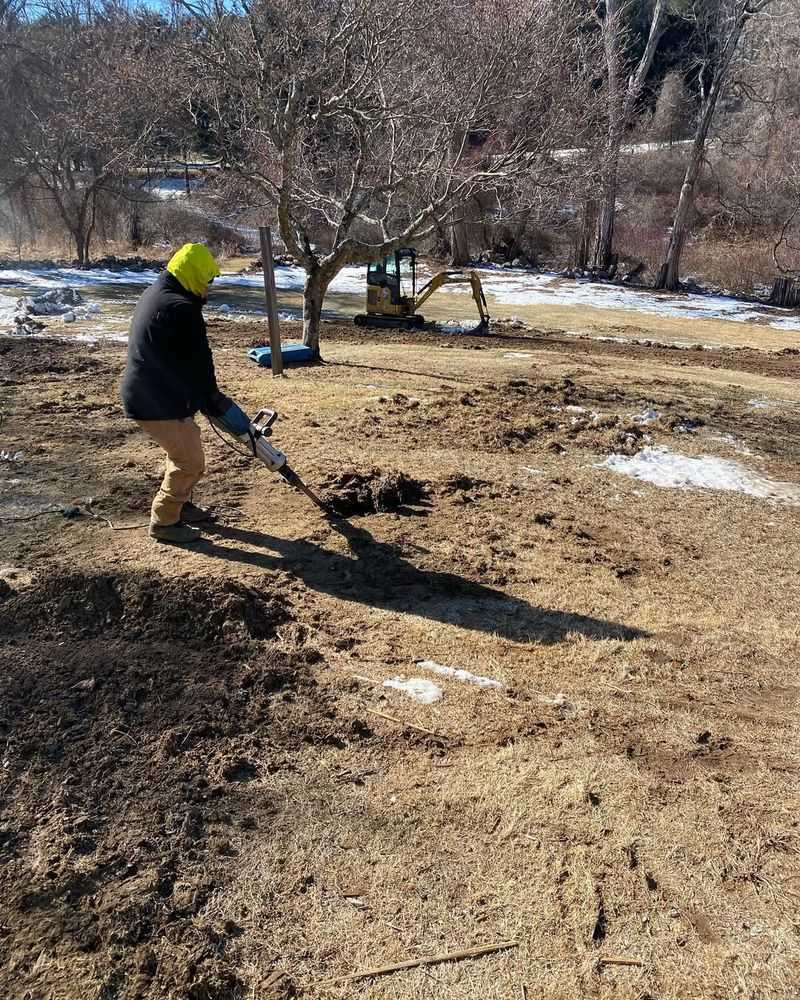
Certain trees, shrubs, and bare-root plants benefit from winter planting, but frozen soil makes digging holes completely impossible without specialized equipment or extreme effort.
Illinois gardeners who ordered bare-root roses or fruit trees for winter planting now face a dilemma because the ground has frozen solid this week.
Attempting to force a shovel through frozen earth can damage tools, cause personal injury, and create frustration that discourages future gardening efforts altogether.
Even powered equipment struggles with deeply frozen ground, and the expense of renting such machinery often exceeds the value of the plants being installed.
Missing the winter planting window means waiting until spring when conditions may be less ideal for establishing certain plant varieties that prefer dormant installation.
Gardeners should have completed these tasks earlier in the season, but unseasonably warm weather may have delayed typical preparation schedules this year.
If you still have unplanted materials, store bare-root plants in a cool garage or basement with roots covered in moist peat moss until spring.
Before New Year’s, prepare alternative planting sites by covering potential spots with dark tarps or thick mulch layers that absorb sunlight and keep small areas thawed.
Frozen Pipes And Irrigation Systems Risk Costly Damage
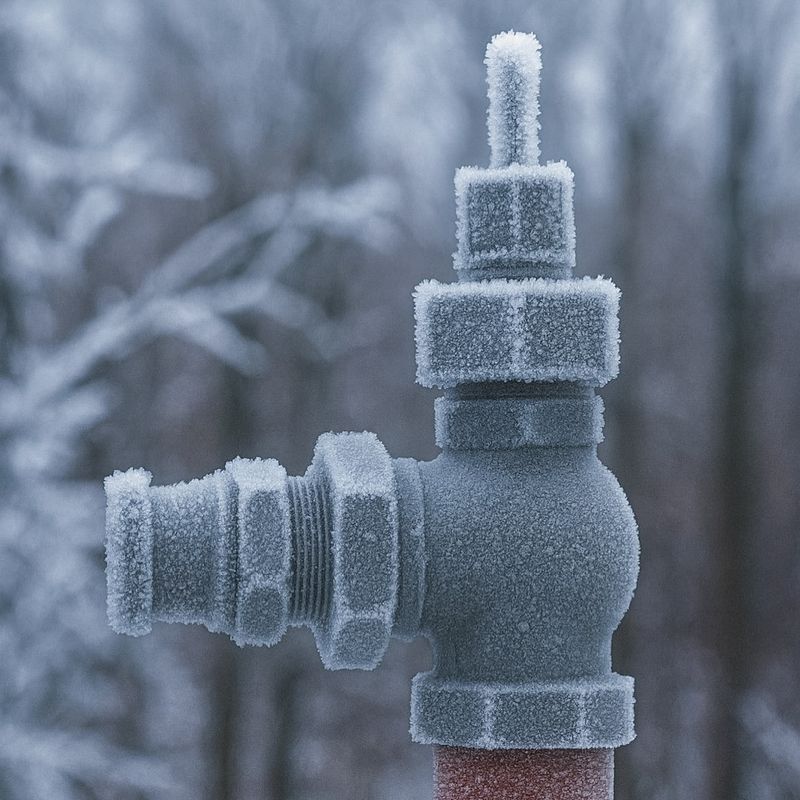
Garden irrigation systems contain water that expands when frozen, causing pipes to crack, fittings to burst, and expensive equipment to fail completely during cold snaps.
Illinois gardeners who failed to winterize their systems before this week’s freeze may discover broken components when they attempt to use them next spring.
Underground sprinkler lines are particularly vulnerable because water trapped inside has nowhere to expand except through the pipe walls, creating splits and cracks.
Above-ground hoses, timers, and backflow preventers also suffer damage when internal water freezes solid and expands beyond the capacity of their housings.
Repairing or replacing damaged irrigation equipment in spring can cost hundreds or even thousands depending on the extent of the freeze damage sustained.
Before New Year’s, check all outdoor water sources and ensure every component has been properly drained and protected from ongoing freezing temperatures.
Disconnect hoses, drain above-ground lines, and blow out underground systems using compressed air to remove all residual water that could freeze later.
Insulating exposed pipes and covering vulnerable equipment with insulated boxes or foam wraps provides additional protection throughout the remaining winter months ahead.
Container Plants Face Rapid Root Zone Freezing
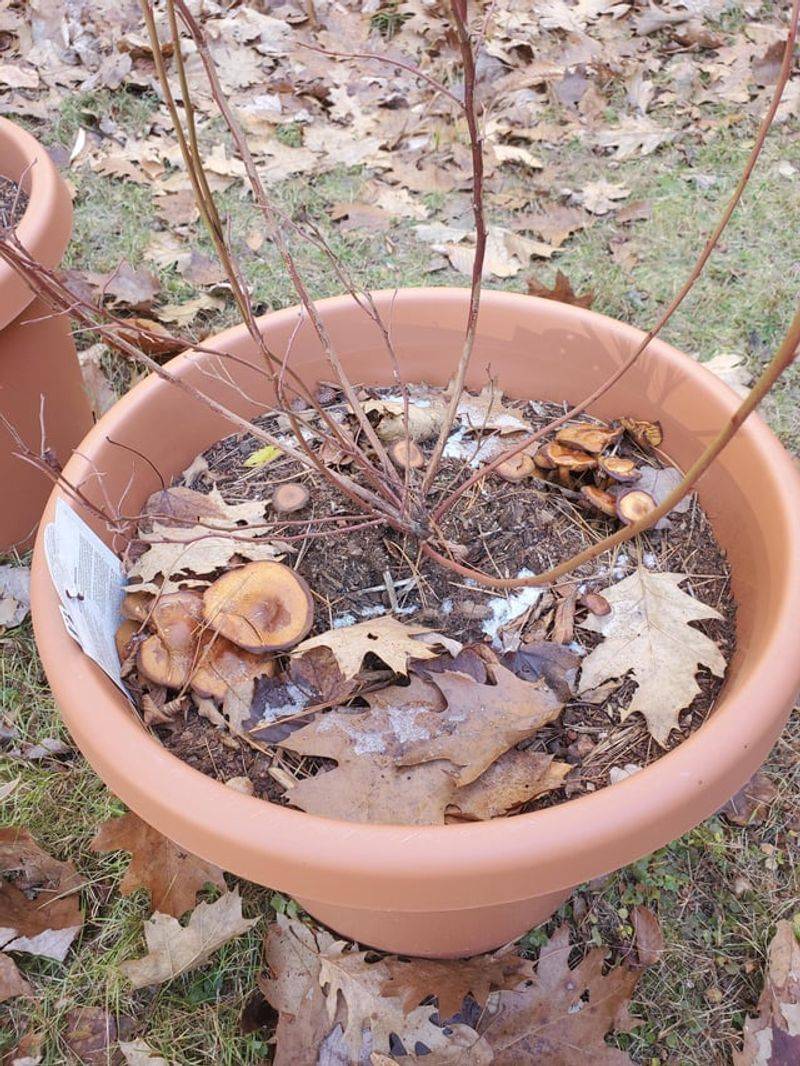
Pots and containers lack the insulating properties of in-ground garden beds, allowing soil temperatures to drop much faster and freeze more thoroughly during cold weather.
Plants growing in containers are essentially surrounded by air on all sides, meaning their roots experience temperature extremes that in-ground plants never encounter.
This week’s frozen conditions in Illinois have likely turned container soil into solid ice blocks that can damage or destroy root systems completely.
Even cold-hardy perennials that survive Illinois winters when planted in the ground may not survive the same temperatures when grown in exposed containers.
Terracotta and ceramic pots also risk cracking when the soil inside freezes and expands against their rigid walls, resulting in broken containers and lost plants.
Gardeners should have moved sensitive container plants to protected locations like unheated garages or covered porches before temperatures dropped this severely.
Before New Year’s, relocate any remaining outdoor containers to sheltered spots where they receive protection from wind and extreme temperature swings.
Group containers together and surround them with leaves or straw bales to create insulating barriers that moderate temperature fluctuations and protect roots.
Newly Planted Trees And Shrubs Suffer Establishment Setbacks
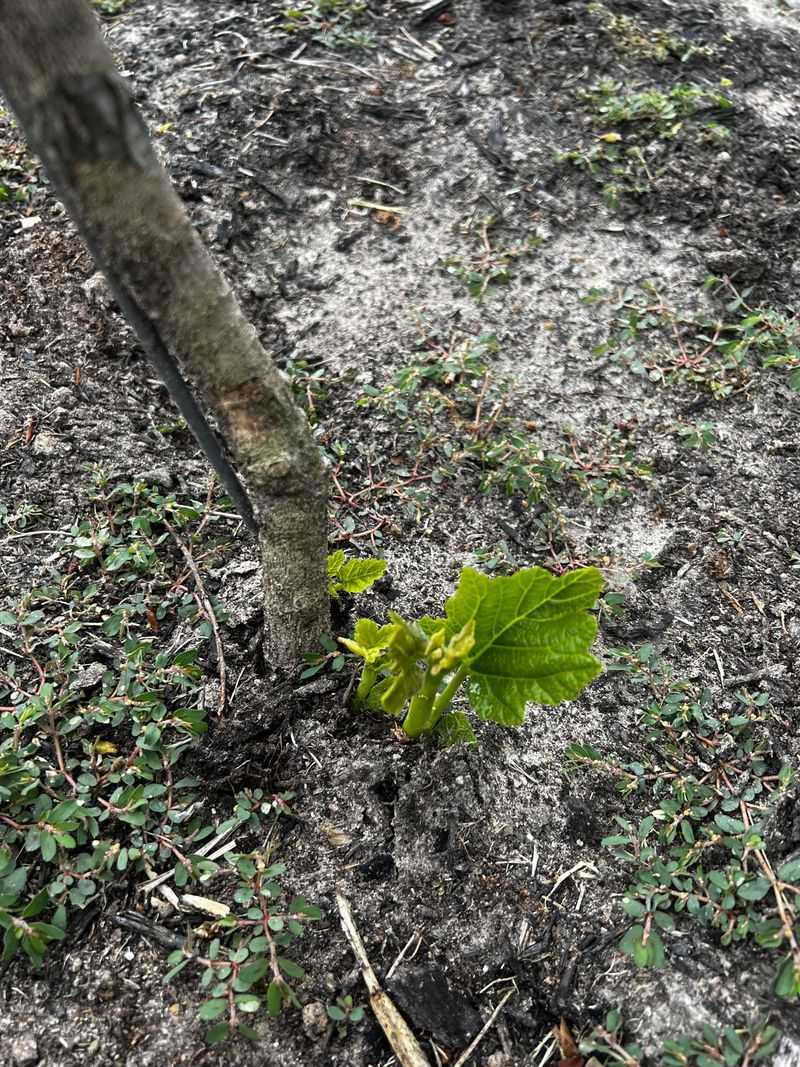
Trees and shrubs planted this fall haven’t developed extensive root systems yet, making them extremely vulnerable to stress caused by frozen soil conditions this week.
Establishment requires roots to grow outward into surrounding soil, but frozen ground halts this process completely and can even damage tender new roots.
Illinois gardeners who installed new landscape plants within the past few months should be particularly concerned about how this cold snap affects their investment.
Young plants rely on consistent moisture to develop strong root systems, but frozen soil prevents water uptake and stresses plants at a critical stage.
Without adequate root establishment before winter, these plants may struggle to survive until spring or may show poor growth patterns next season.
Frozen soil also prevents gardeners from properly watering new plantings during occasional warm spells that might occur before spring arrives.
Before New Year’s, apply a thick mulch layer around the base of all newly planted trees and shrubs to insulate soil and moderate temperature extremes.
Avoid piling mulch against trunks or stems, but create a donut-shaped ring that covers the root zone and helps maintain stable soil temperatures.
Beneficial Soil Organisms Enter Stress Or Dormancy
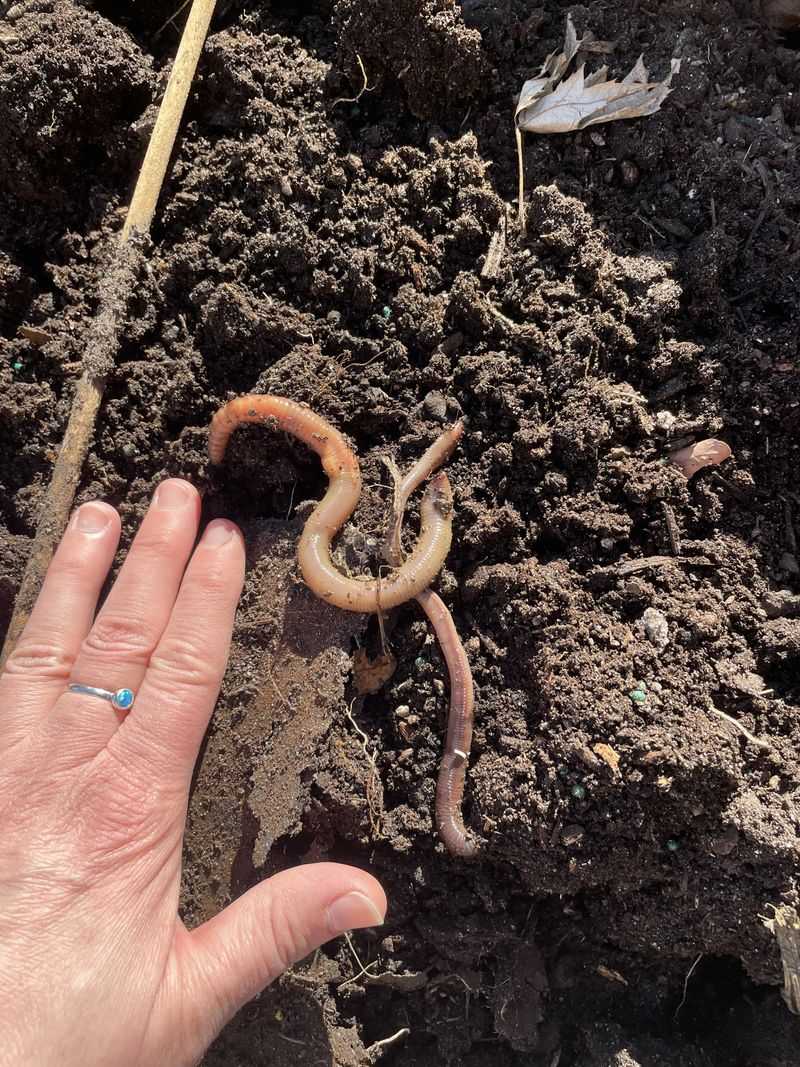
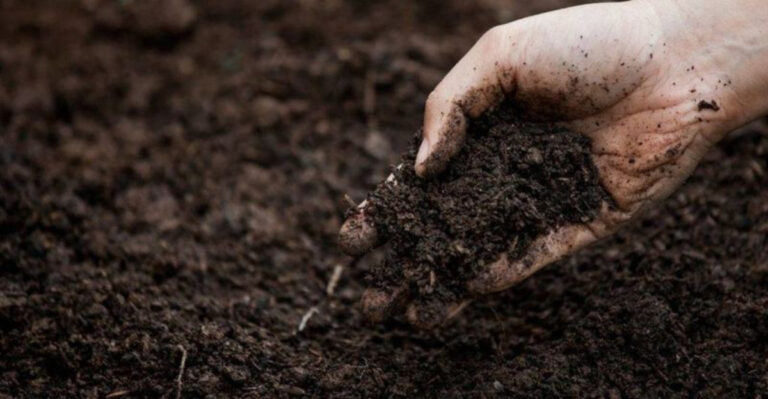
Healthy garden soil contains millions of beneficial organisms including bacteria, fungi, earthworms, and other creatures that improve soil structure naturally.
Frozen conditions this week in Illinois have forced these organisms into dormancy or stress states where they cannot perform normal soil-building functions.
Earthworms burrow deeper seeking unfrozen soil, while beneficial microbes shut down metabolic processes until temperatures warm again.
This temporary loss of biological activity means organic matter breaks down more slowly and nutrients remain locked in unusable forms.
Soil structure suffers when organisms stop tunneling and binding activities that create loose, crumbly texture ideal for plant growth.
While organisms usually recover, severe freezing can reduce populations and slow spring soil recovery significantly.
Before New Year’s, protect soil biology by maintaining mulch layers that insulate the ground and stabilize temperatures.
Adding compost now provides food sources ready when organisms become active again in early spring.
Frost Penetration Depth Exceeds Normal Winter Patterns
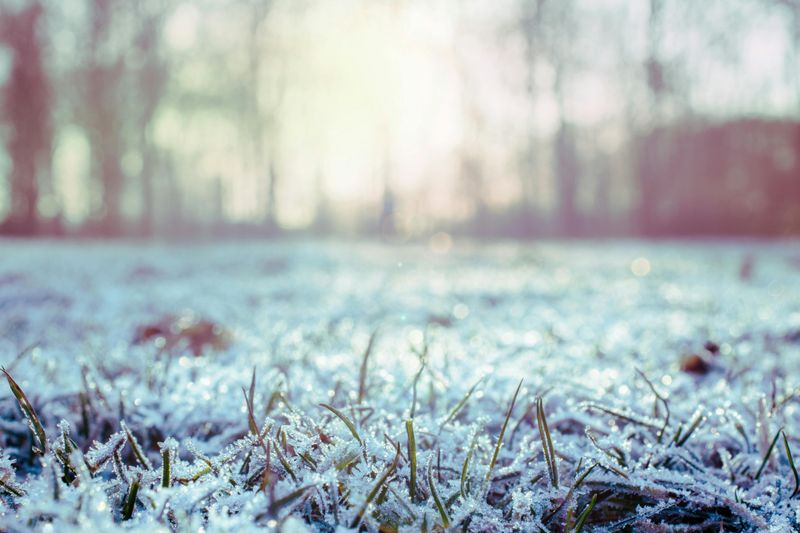
Illinois typically experiences frost penetration of twelve to thirty-six inches depending on winter severity, but this week’s conditions may push freezing deeper than usual.
Deeper frost penetration affects plant roots at levels that normally remain unfrozen and available for limited water absorption.
Perennials and shrubs suddenly find themselves cut off from resources they usually access during dormancy periods.
Unusually deep freezing also affects underground utilities, foundation plantings, and landscape features relying on stable subsurface temperatures.
Gardeners cannot easily measure frost depth, but recognizing the severity helps inform protective actions.
Areas without snow cover experience deeper frost penetration because snow acts as insulation.
Before New Year’s, create artificial insulation by applying thick mulch, leaves, or cardboard covered with straw.
These materials trap air pockets that slow heat loss and limit how deeply frost penetrates garden soil.
Soil Structure Degradation From Freeze-Thaw Cycles
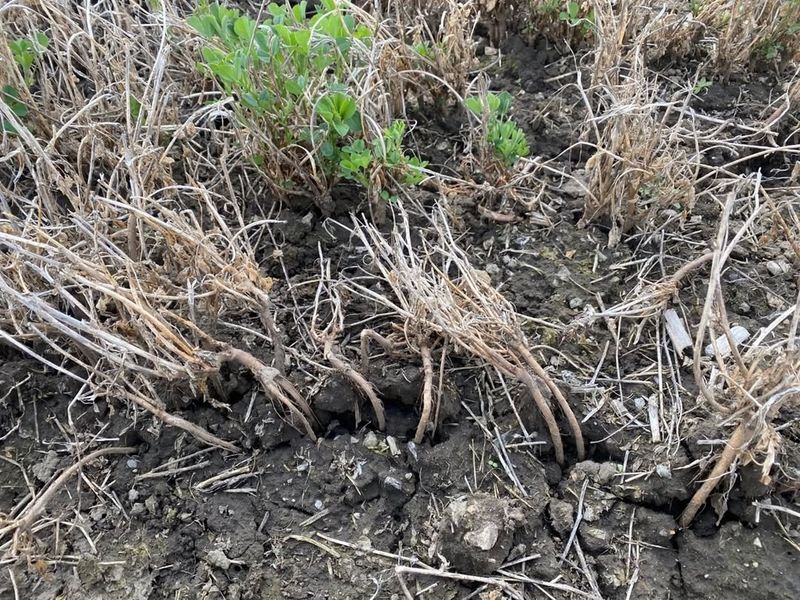
Repeated freezing and thawing breaks down soil aggregates, destroys beneficial pore spaces, and creates compacted conditions that harm plant growth for months after winter ends.
Illinois weather patterns often include temperature fluctuations where soil freezes at night and partially thaws during sunny winter days, creating cycles that damage structure.
Each freeze-thaw cycle causes water to expand and contract within soil particles, physically breaking apart the carefully balanced structure that supports healthy plant growth.
Clay soils are particularly vulnerable to this damage because their fine particles compact easily once the natural structure has been destroyed by repeated cycles.
Compacted soil prevents proper water drainage, reduces oxygen availability to roots, and makes spring planting more difficult when ground finally thaws completely next season.
Walking on frozen or partially frozen soil accelerates this damage by adding weight that crushes already weakened soil structure beneath your feet.
Before New Year’s, mark pathways through garden beds with stakes or markers so you avoid walking on vulnerable planting areas throughout the remaining winter.
Applying compost and organic matter in early spring helps rebuild damaged soil structure and restores the loose, fertile conditions your plants need for success.