Why Garden Covers And Tunnels Are Useful For Pennsylvania Backyards
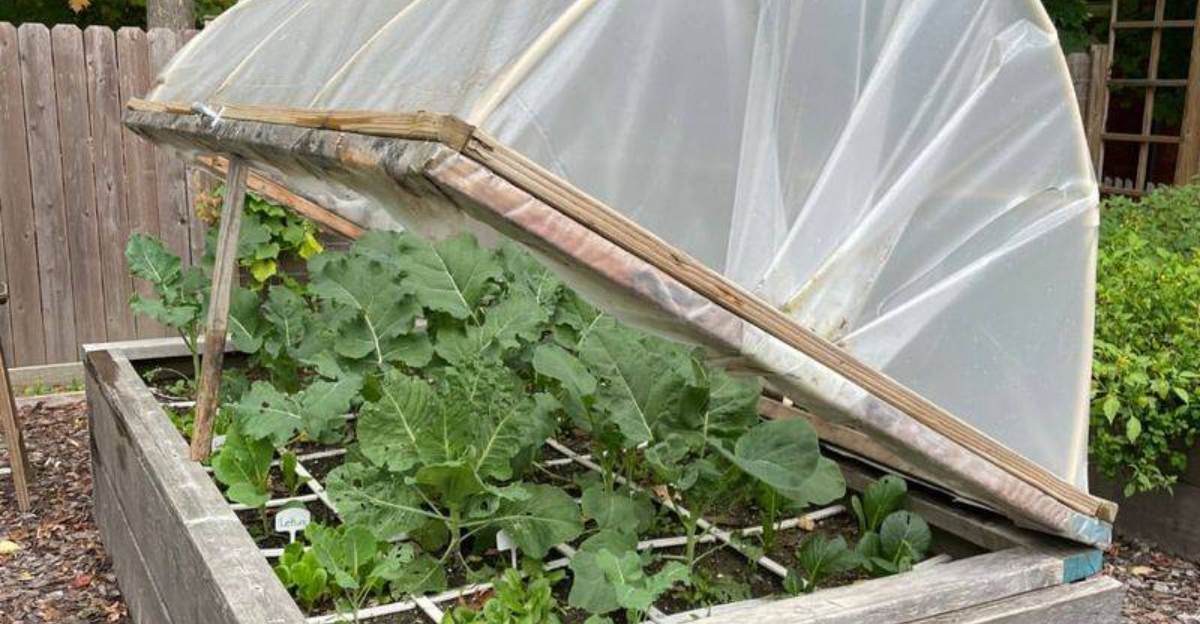
Pennsylvania gardens face a unique mix of challenges: fluctuating temperatures, early frosts, late snow, and unpredictable spring rains.
Garden covers and tunnels act as quiet protectors, shielding plants from the worst of these conditions while extending the growing season.
They trap warmth on chilly nights, block harsh winds, and keep delicate seedlings from being damaged by heavy rain or frost.
Beyond protection, they help control pests and maintain consistent moisture, giving plants the steady environment they need to thrive.
For Pennsylvania homeowners, this means bigger harvests, stronger blooms, and less stress when weather swings unpredictably.
Even small backyard plots benefit, as covers and tunnels make every square foot more productive.
Protection From Late Spring Frosts
Pennsylvania gardeners know the frustration of losing tender seedlings to unexpected cold snaps in April and May.
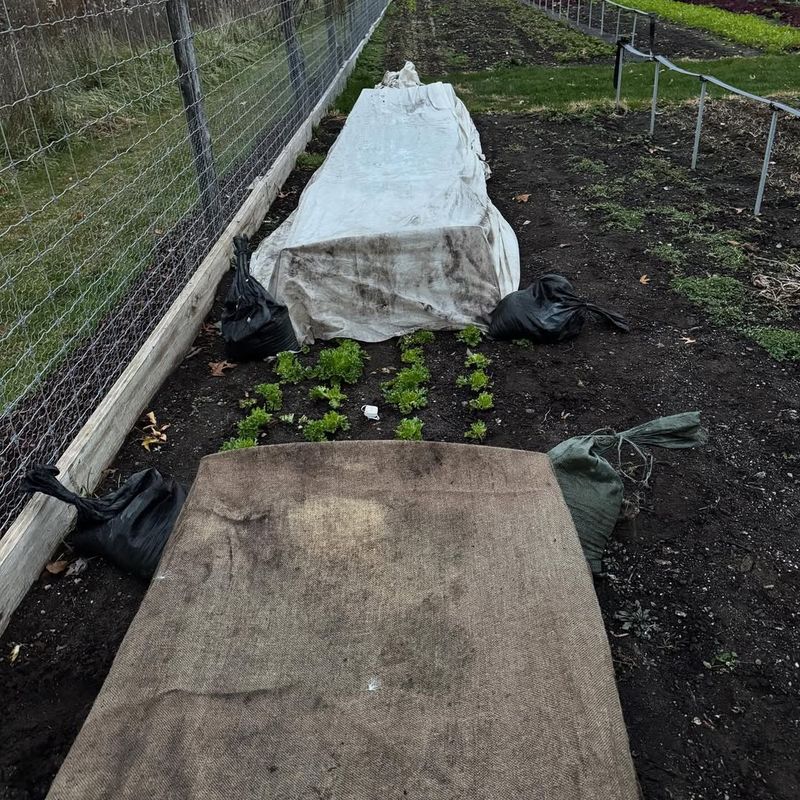
Garden tunnels act as protective shields that trap warmth from the sun during the day and prevent cold air from settling on plants at night.
Row covers made from lightweight fabric can raise temperatures inside by 4 to 8 degrees, which makes all the difference when frost threatens your tomatoes or peppers.
Many Pennsylvania growers start planting lettuce, spinach, and peas weeks earlier than their neighbors by using these protective structures.
The covers also prevent wind damage to young plants that have delicate stems and leaves.
You can remove the covers during warm afternoons and replace them before sunset to maximize protection.
This flexibility means you control the growing environment rather than gambling with unpredictable Pennsylvania spring weather.
Experienced gardeners often keep covers ready from March through early June, just in case.
The investment in quality covers pays for itself when you harvest healthy crops instead of replanting frost-damaged seedlings.
Your garden becomes more productive and reliable with this simple addition to your growing toolkit.
Extended Growing Season
Imagine harvesting fresh salad greens in November or starting your garden in February instead of May.
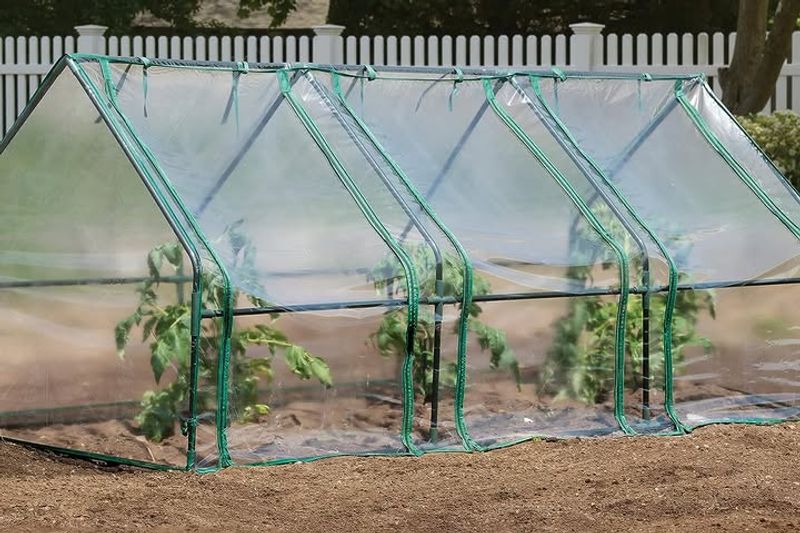
Garden tunnels transform Pennsylvania backyards into year-round growing spaces by creating a microclimate that defies the calendar.
Cool-season crops like kale, carrots, and broccoli thrive under covers well past the first frost, sometimes continuing to produce through December.
The structures work by capturing solar energy during short winter days and holding that warmth around your plants.
Even when snow covers the ground outside, temperatures inside a tunnel can remain above freezing, allowing hardy vegetables to survive
Spring planting becomes possible weeks earlier because the soil warms faster under protective covers.
This extended season means you get more harvests from the same garden space throughout the year.
Pennsylvania gardeners can potentially add two to four extra months of productive growing time with properly managed tunnels.
The extra growing time also means you can experiment with succession planting, where you start new crops every few weeks for continuous harvests.
Your backyard becomes more productive and provides fresh food when grocery store prices peak during winter months.
Pest And Wildlife Barrier
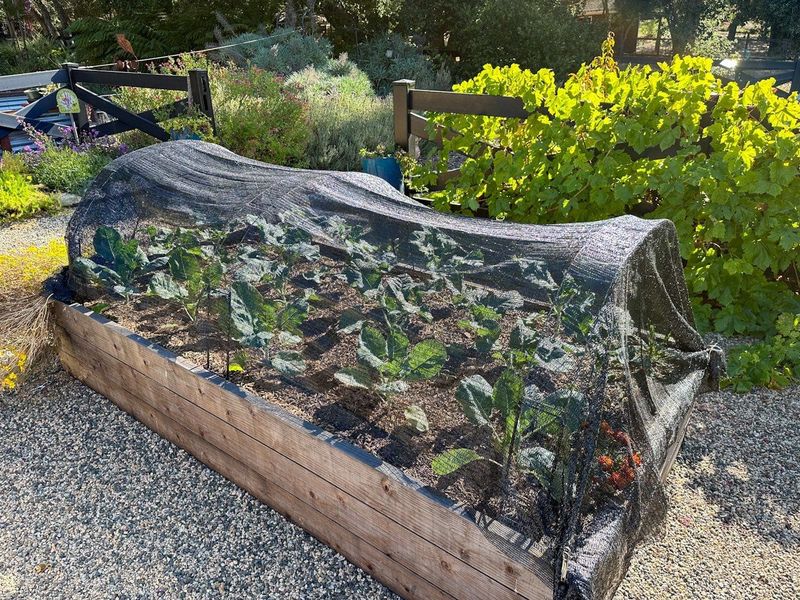
Rabbits, deer, and groundhogs consider Pennsylvania gardens their personal buffet.
Garden covers create a physical barrier that keeps hungry animals away from your carefully tended plants without using chemicals or complicated fencing systems.
The mesh or fabric prevents larger pests from reaching your crops while still allowing sunlight, air, and water to reach the plants.
Insect pests like cabbage worms, flea beetles, and aphids also find themselves blocked from accessing your vegetables.
This natural pest control method reduces or eliminates the need for pesticides, which makes your garden safer for beneficial insects like bees and butterflies.
Floating row covers work especially well for protecting brassicas like broccoli and cabbage from moth larvae that would otherwise chew holes in leaves.
You can secure covers with soil, rocks, or ground staples to ensure no gaps exist for clever pests to exploit.
The barrier approach saves time because you spend less energy fighting pest damage and more time enjoying your garden.
Many Pennsylvania gardeners report dramatically reduced crop losses once they start using covers consistently.
Your plants grow healthier and more vigorous when they are not constantly under attack from hungry visitors.
Protection From Heavy Rain And Hail
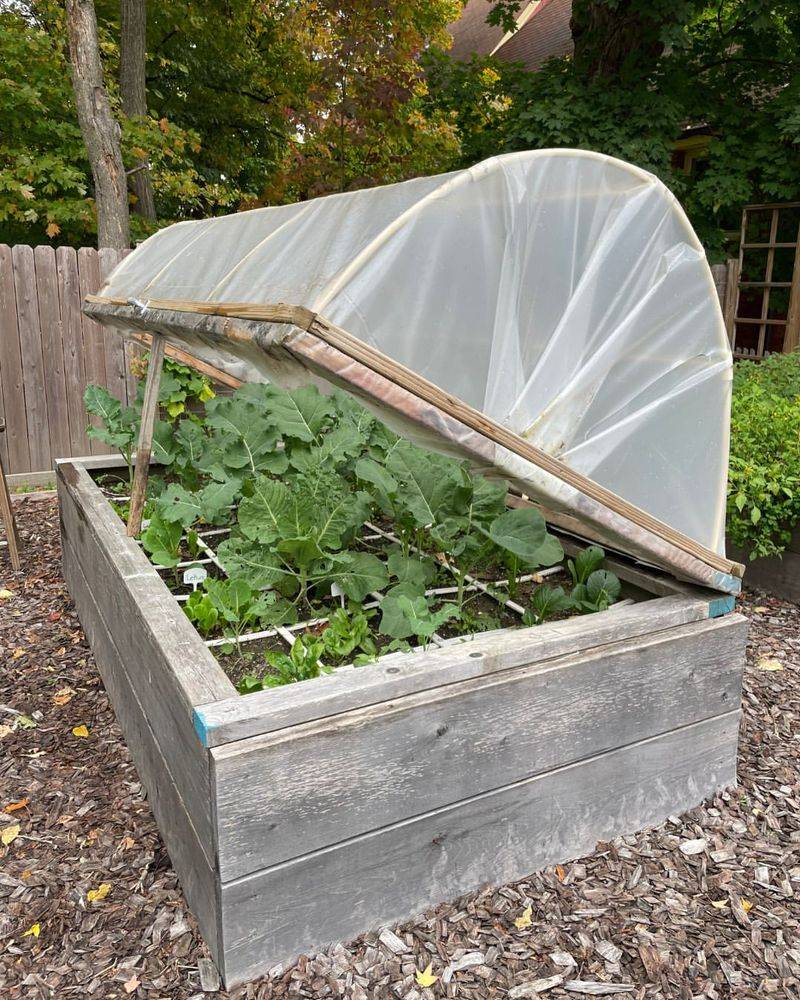
Summer thunderstorms roll through Pennsylvania with impressive force, bringing downpours that can flatten young plants and wash away topsoil.
Garden tunnels with clear plastic covers shield crops from destructive rainfall while still allowing plenty of light to reach the leaves.
Hailstorms, though less common, can shred tender foliage and damage fruit in minutes, but a sturdy cover absorbs the impact.
The protective layer prevents soil erosion by breaking the force of raindrops before they hit the ground.
This means your garden soil stays in place with its valuable nutrients and organic matter intact.
Covers also prevent water from pooling around plant stems, which reduces the risk of root rot and fungal diseases.
You can adjust ventilation by rolling up sides during dry periods and securing covers when storms approach.
Pennsylvania gardeners who use covers report healthier plants with fewer disease problems related to excessive moisture.
The structures also keep mud from splashing onto low-growing vegetables like lettuce and strawberries, which means cleaner harvests.
Your garden becomes more resilient and productive when protected from the extremes of Pennsylvania weather patterns throughout the growing season.
Temperature Regulation During Heat Waves
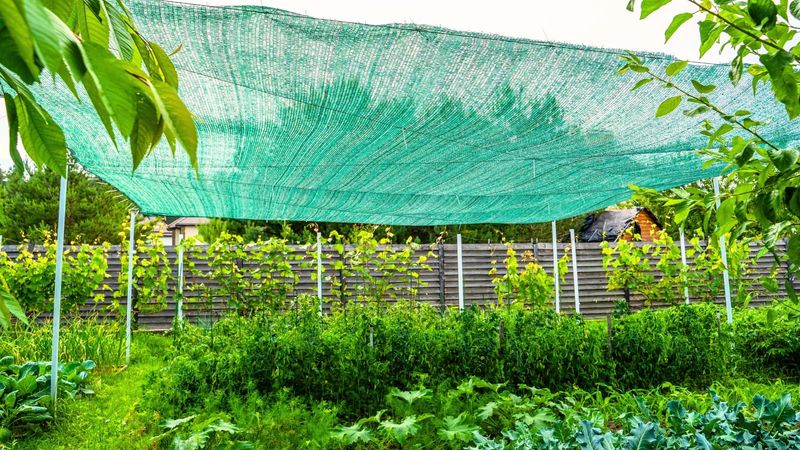
Pennsylvania summers can surprise gardeners with stretches of intense heat and humidity that stress plants and reduce harvests.
Shade cloth covers provide relief by filtering harsh sunlight while maintaining air circulation around your crops.
Cool-season vegetables like lettuce and spinach bolt and turn bitter in extreme heat, but shade covers can lower temperatures by 10 to 15 degrees.
The fabric blocks a percentage of sunlight based on its density, allowing you to customize the amount of shade your garden receives.
This temperature control extends the productive life of spring crops well into summer months when they would normally stop producing.
Shade covers also reduce water evaporation from soil, which means you spend less time watering and conserve this valuable resource.
Plants under shade protection show less wilting and stress during heat waves, maintaining better growth rates and flavor quality.
You can install removable shade structures that come down during cooler periods and go up when temperatures soar.
Many Pennsylvania gardeners use shade covers specifically over greens and herbs that struggle in full summer sun.
Your backyard becomes more versatile when you can adjust growing conditions to match plant needs throughout changing seasons.
Wind Protection For Fragile Plants
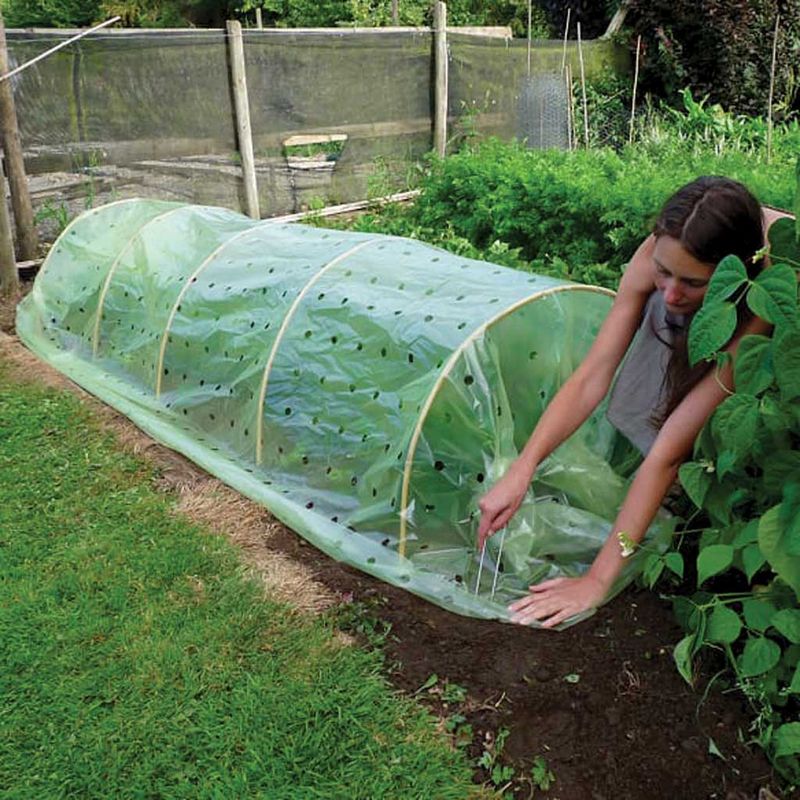
Strong winds sweep across Pennsylvania landscapes, especially in exposed backyard locations without natural windbreaks.
Garden tunnels and covers create calm zones where plants can grow without constant buffeting that damages stems and tears leaves.
Wind stress causes plants to lose moisture rapidly through their leaves, which forces them to focus energy on survival rather than producing fruits and vegetables.
Tall plants like tomatoes and pole beans benefit enormously from wind protection because their height makes them vulnerable to breaking during storms.
Covers reduce wind speed around plants by up to 80 percent, creating a sheltered microenvironment that promotes steady growth.
The protected space also prevents soil from drying out as quickly since wind cannot strip moisture from the surface.
Pennsylvania gardeners in open areas often find their covered plants grow faster and stronger than those exposed to constant breezes.
You can anchor covers securely to prevent them from becoming sails during severe weather events.
The structures also prevent pollination problems by keeping flowers intact so bees can do their work without fighting wind gusts.
Your garden becomes a peaceful oasis where plants thrive instead of struggling against the elements every day.
Cost-Effective Alternative To Greenhouses
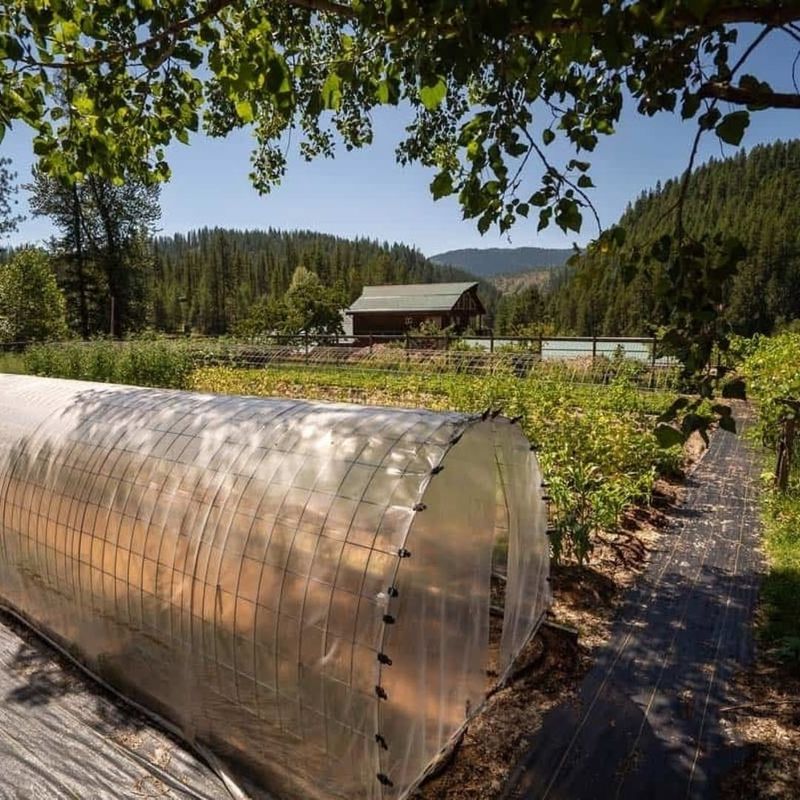
Building a permanent greenhouse requires significant investment in materials, foundation work, and sometimes building permits.
Garden tunnels and covers deliver many of the same benefits at a fraction of the cost, making season extension accessible to budget-conscious Pennsylvania gardeners.
Simple hoop tunnels built from PVC pipe and plastic sheeting can cost less than one hundred dollars for a structure covering several garden beds.
Row covers made from lightweight fabric are even more affordable and can protect dozens of feet of crops for minimal expense.
These temporary structures require no foundation or permanent installation, which means you can move them around your yard as needed.
The flexibility allows you to rotate covers to different garden areas each season, following your crop rotation plan.
Pennsylvania gardeners appreciate that covers store compactly during off-seasons, taking up minimal space in sheds or garages.
Maintenance costs remain low because most materials last several years with proper care and storage.
You get impressive results without the commitment and expense of permanent structures that might not suit future garden plans.
Your backyard gardening becomes more sustainable and economical when you achieve professional-level results with simple, affordable protective covers.