Why Georgia Gardeners Are Switching To Creeping Thyme Instead Of Grass
Grass lawns are starting to lose their appeal across Georgia, especially when upkeep turns into a constant cycle of mowing, watering, and patching bare spots.
Many yards still look uneven despite all that effort, which pushes people to look for something that stays neat without demanding so much time.
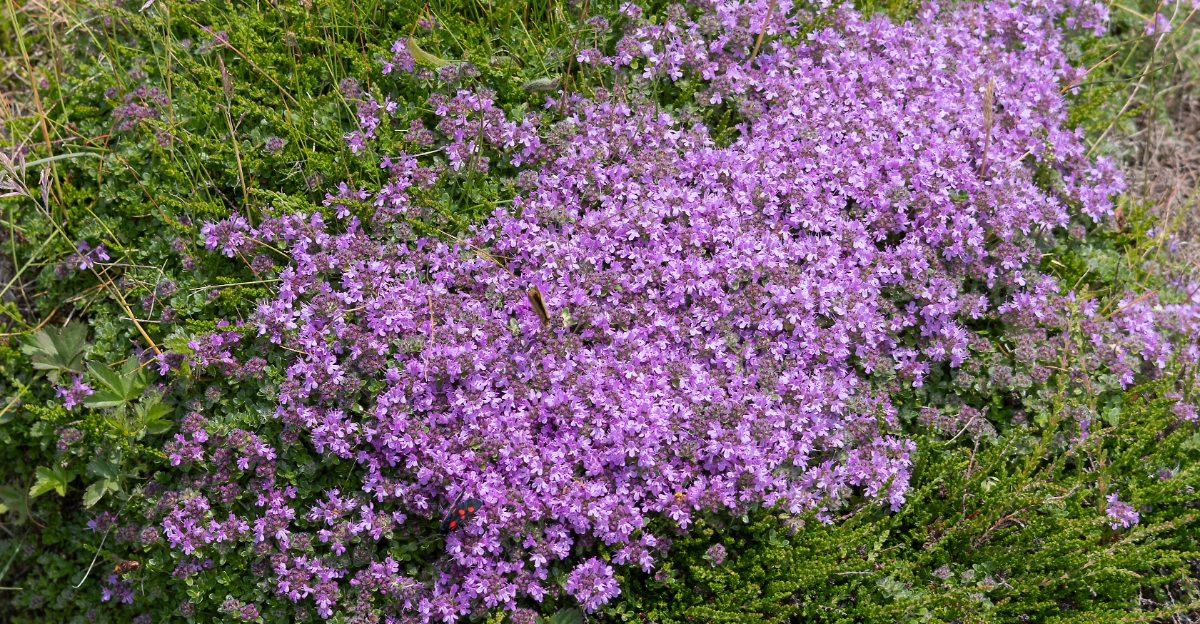
Creeping thyme has been showing up more often, not just for its look but for how it behaves through changing conditions. It spreads differently, fills in gaps over time, and creates a more uniform surface without constant trimming.
Even small areas can shift quickly once it takes hold.
Choosing a different ground cover can completely change how a yard feels and functions. More Georgia homeowners are noticing that one switch can reduce effort while still keeping everything looking clean and intentional.
1. Creeping Thyme Uses Less Water Than Grass
Water bills in Georgia can get out of hand fast once summer kicks in. Traditional turf grasses like Bermuda and Zoysia still need regular watering during dry spells, especially on sandy soils in central and south Georgia.
Creeping thyme, on the other hand, is naturally drought-tolerant once it gets established in the ground.
Established plants pull through extended dry periods without irrigation that would stress most grass varieties. Its root system is efficient, and the plant has adapted over centuries to survive in rocky, dry Mediterranean climates.
That background makes it well-suited for Georgia’s hot, dry stretches between summer thunderstorms.
Gardeners in the Atlanta area have reported going weeks without watering their creeping thyme patches during late summer without seeing any real damage. That is a big deal when water restrictions sometimes kick in during drought conditions.
Grass in those same yards would have turned brown and gone dormant weeks earlier.
Planting creeping thyme in well-drained spots gives it the best shot at thriving with minimal water input. Avoid low areas where water pools after rain, since soggy roots are one of the few things that can seriously set this plant back.
Sandy loam or amended clay soil with good drainage works well across most of Georgia’s varied landscape.
2. Handles Heat And Humidity Better Than Many Lawns
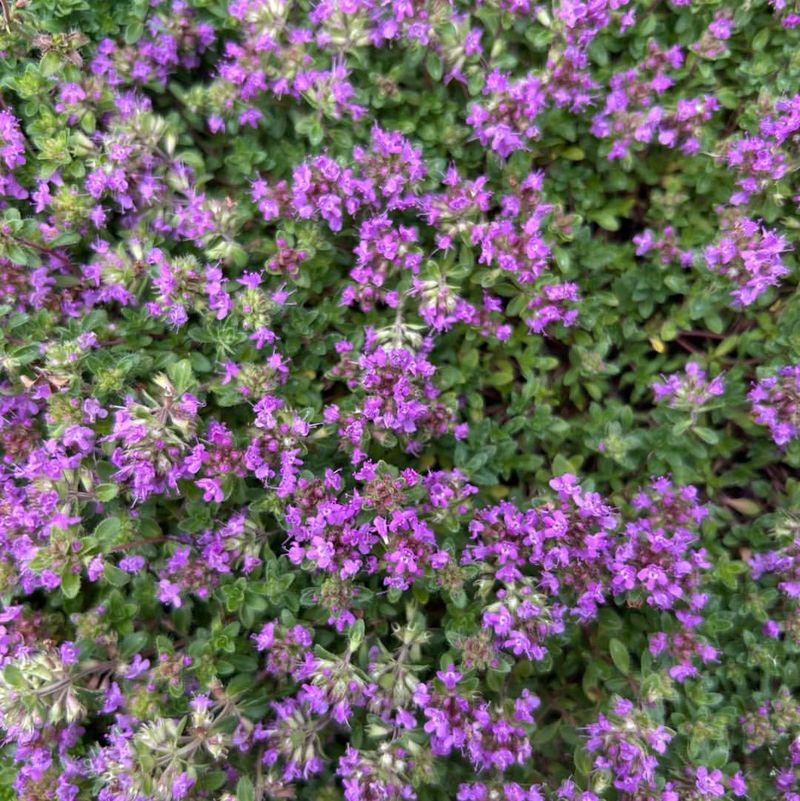
Georgia heat is genuinely relentless from June through September, and most people who garden here know that some plants just cannot handle it. Fescue lawns in north Georgia often struggle badly through summer, going thin and patchy when temperatures stay above 90 degrees for weeks at a stretch.
Creeping thyme keeps growing through conditions that make cool-season grasses give up.
Humidity is the other challenge. Georgia summers bring thick, muggy air that encourages fungal problems in dense turf.
Creeping thyme’s low, open growth habit allows better airflow at ground level, which reduces the moisture buildup that feeds lawn fungus and disease. That natural ventilation makes a real difference in a state where humidity regularly sits above 80 percent.
Warm-season grasses like Bermuda do handle Georgia’s heat reasonably well, but they still require consistent mowing, feeding, and occasional fungicide treatments to stay healthy. Creeping thyme sidesteps most of those maintenance needs while holding its ground through the same brutal conditions.
Your Georgia Garden Changes Every Week. Your Plan Should Too.
Gardening in Georgia changes quickly throughout the season. Every Friday you’ll receive a simple weekly plan showing exactly what to plant, prune, fertilize, harvest, and protect so you never miss the right timing.
Gardeners in middle Georgia, around Macon and Warner Robins, have found that creeping thyme planted in full sun areas bounces back quickly after heat waves that flatten other ground covers.
3. Forms A Dense Low Growing Ground Cover
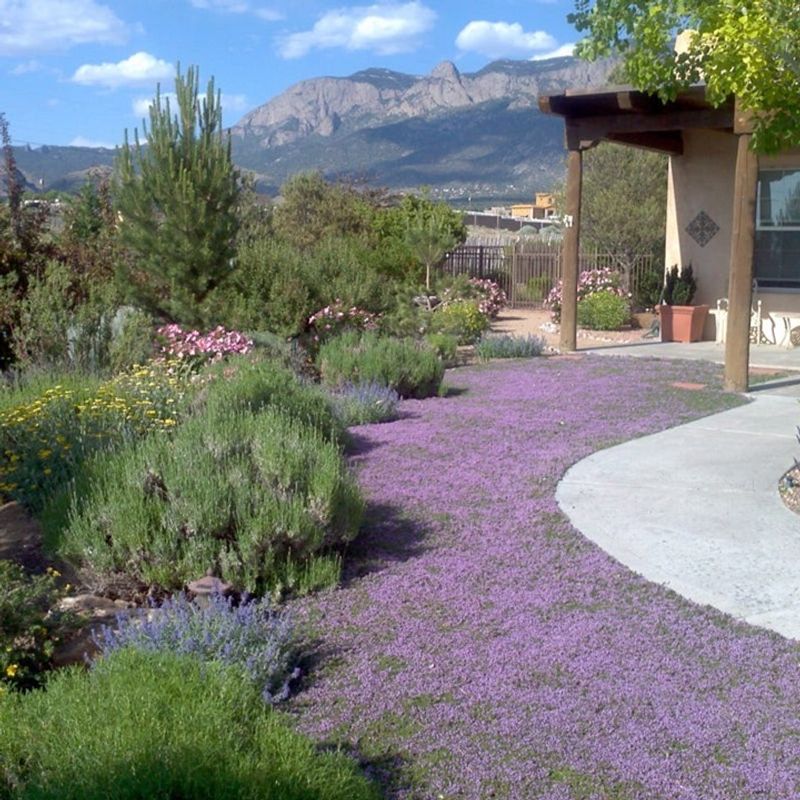
One of the most satisfying things about creeping thyme is watching it fill in. Unlike some ground covers that leave gaps and bare patches for years, creeping thyme spreads steadily and forms a tight, weed-suppressing mat once it gets going.
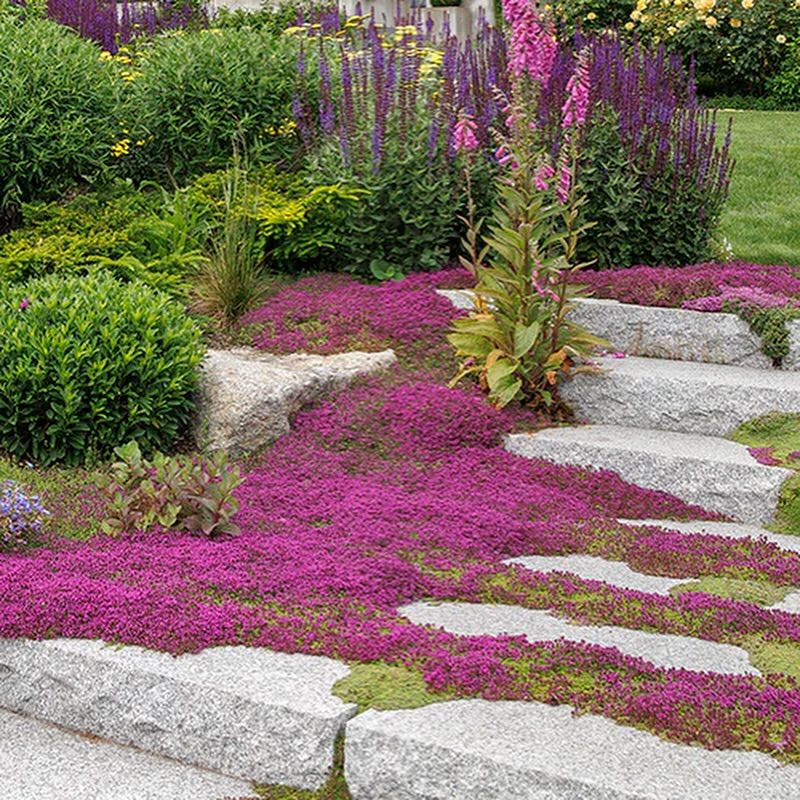
Gardeners across Georgia have used it to fill awkward spaces between stepping stones, along garden borders, and on gentle slopes where grass never quite took hold.
The low growth habit keeps it naturally tidy. Most varieties stay between two and four inches tall without any trimming, which means you get a clean, finished look without pulling out the mower every week.
That low profile also makes it a smart choice for spots near driveways or walkways where tall plants would look out of place.
Weed pressure drops significantly once creeping thyme closes in and covers the soil surface. Sunlight cannot reach weed seeds as easily through the dense canopy of small leaves, which naturally reduces how many weeds germinate.
You will still see some weeds pop up early in the establishment phase, but hand-pulling is manageable since the area is compact and accessible.
In Georgia’s warm climate, creeping thyme can spread noticeably within a single growing season when planted in spring. Spacing plants about 12 inches apart gives them room to reach out while still filling in within a reasonable timeframe.
4. Requires Less Mowing Than Traditional Grass
Mowing is one of those chores that just never ends from March through November in Georgia. Bermuda grass especially grows fast during warm months and can need cutting every five to seven days at peak season.
Swapping even part of your lawn for creeping thyme cuts that workload down in a meaningful way.
Creeping thyme grows slowly enough that most Georgia gardeners never mow it at all. Some people run a mower over it lightly once or twice a year after it blooms to keep it looking tidy, but that is entirely optional.
The plant self-regulates its height through its natural growth habit rather than shooting upward the way grass does.
Think about what that means over a full season. If you mow every six days from April through October, that is roughly 35 mowing sessions.
Replace a section of lawn with creeping thyme and that number drops. Multiply that across a few years and the time savings are genuinely significant, especially for larger properties in suburban Georgia neighborhoods.
Fuel, mower maintenance, and blade sharpening costs also decrease when you mow less frequently. A push mower that runs for 35 sessions a season uses noticeably more gas than one used for 20.
Those savings are small individually but add up across a full growing calendar.
5. Tolerates Light Foot Traffic Once Established
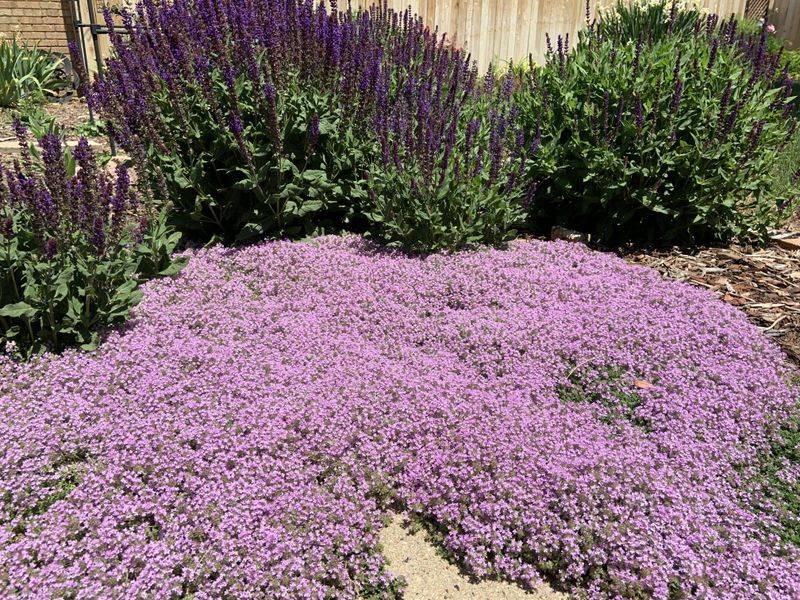
Ground covers that cannot handle any foot traffic are frustrating in a real yard. Creeping thyme is not a high-traffic solution, but it handles casual walking better than most low-growing alternatives once the roots have settled in.
That puts it a step ahead of many ornamental ground covers that bruise easily or leave bare patches after regular use.
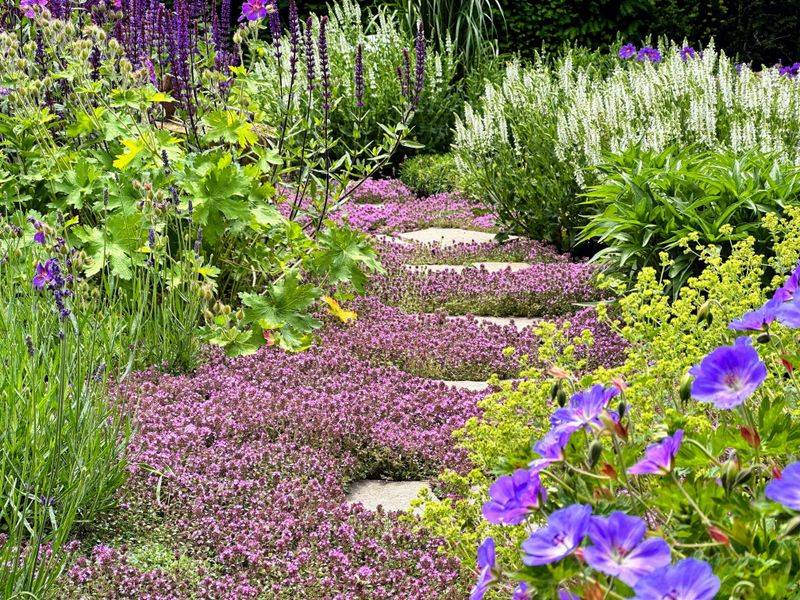
Established plants spring back after occasional footsteps, especially on well-drained soil where the root structure is healthy and stable. Paths that see daily heavy use will wear the plant down over time, so pairing creeping thyme with stepping stones is a popular approach in Georgia gardens.
The thyme fills the gaps beautifully while the stones take the direct impact of foot traffic.
Kids cutting across a corner of the yard, adults walking to a garden shed, or dogs trotting through occasionally are all scenarios that creeping thyme handles without major setbacks. It is not indestructible, but it is tougher than it looks.
Crushing a few stems here and there actually releases the pleasant herbal fragrance that makes this plant even more enjoyable underfoot.
Establishment takes roughly one full growing season in Georgia’s climate. During that first year, try to minimize foot traffic and give the plant time to root deeply.
6. Attracts Pollinators During Bloom
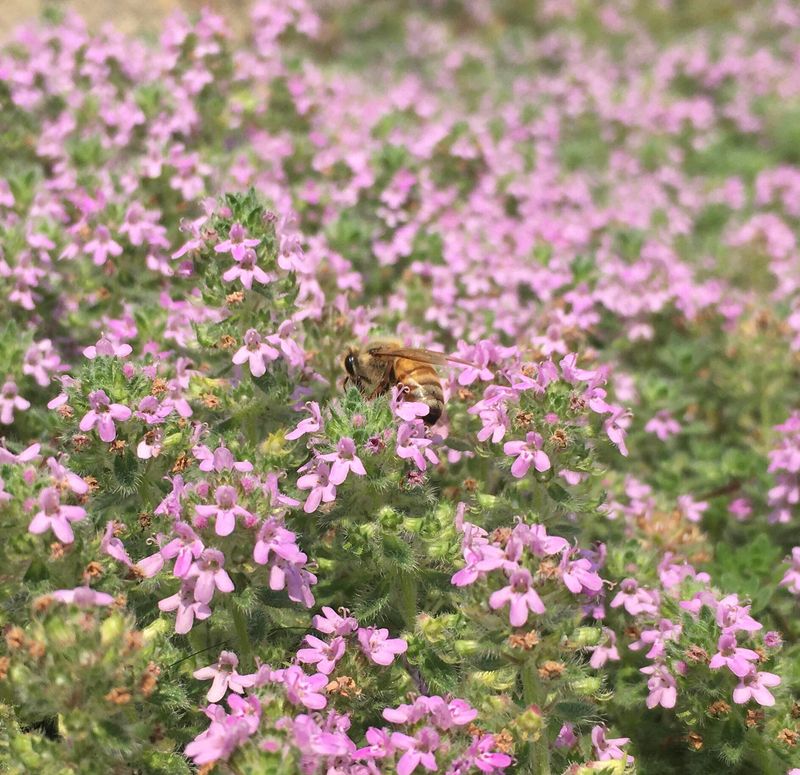
When creeping thyme blooms, the show is hard to ignore. Small pink, purple, or white flowers cover the plant in late spring and early summer, and pollinators arrive almost immediately.
Bees especially go after creeping thyme flowers with real enthusiasm, and Georgia gardens with even a small patch in bloom can attract impressive numbers of native bees, honeybees, and various butterfly species.
Georgia has seen significant pollinator decline over the past few decades, and home gardeners can genuinely help by choosing plants that support bee populations. Creeping thyme is one of the easiest contributions a homeowner can make.
It blooms reliably, requires no special care to flower well, and produces nectar that pollinators find highly attractive.
Gardeners near Savannah and along the Georgia coast have noticed that creeping thyme blooms slightly earlier in the season compared to north Georgia gardens due to warmer spring temperatures.
That earlier bloom window can be especially valuable for early-season pollinators that need food sources before other flowering plants come online.
Beyond bees, the flowers attract small beneficial insects that prey on common garden pests. Having that kind of natural pest control nearby is a quiet bonus that most people do not think about until they notice their vegetable garden is doing better than usual.
7. Grows Best In Well Drained Soil
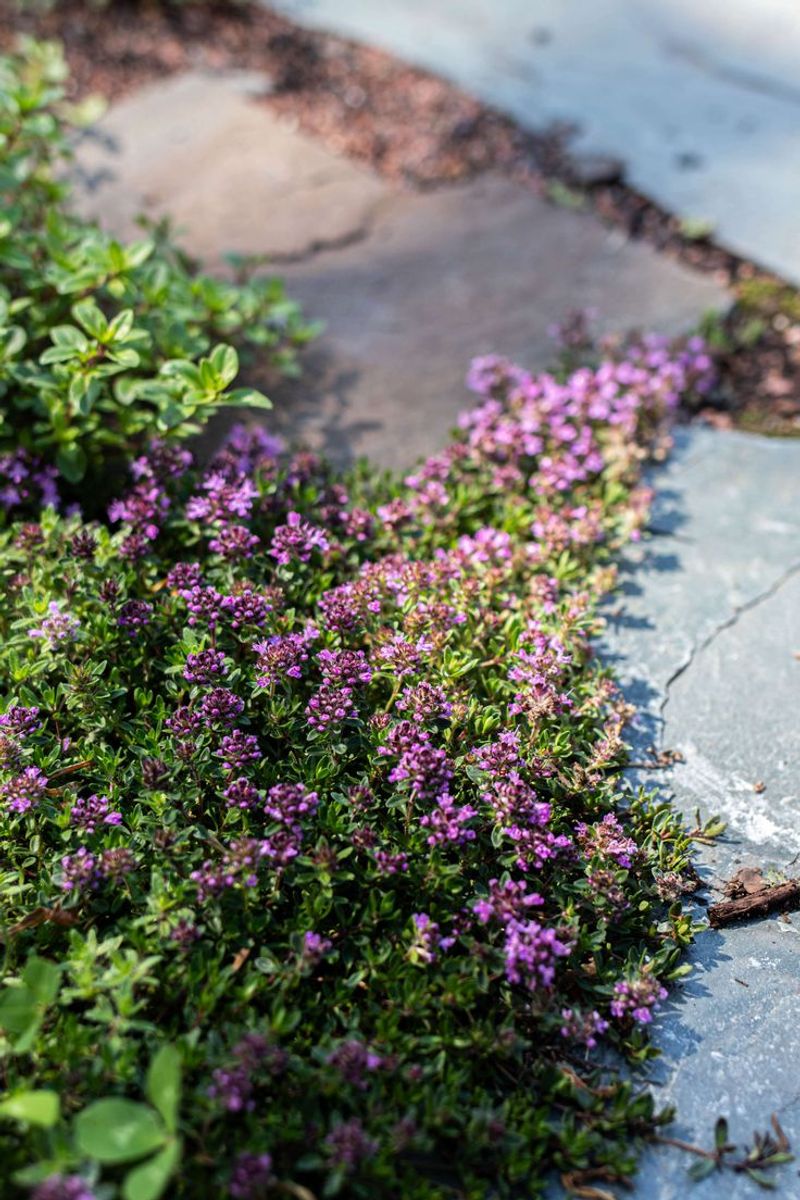
Soil drainage is where creeping thyme success or failure often gets decided. Georgia has a wide range of soil types, from the heavy red clay common in the Piedmont region to the sandy soils of the coastal plain, and understanding what you are working with matters before you plant.
Creeping thyme strongly prefers soil that does not hold standing water after rain.
Heavy clay soil in the Atlanta area and north Georgia can be amended with coarse sand and organic matter to improve drainage before planting. Raised beds or slightly mounded planting areas also help in spots where clay is especially dense and slow to drain.
Getting that drainage right upfront saves a lot of trouble later.
Sandy soils in south Georgia and along the coast are naturally better draining and tend to suit creeping thyme without much modification.
The main adjustment needed in those areas is sometimes adding a bit of compost to help with moisture retention during dry spells, since very sandy soil can dry out faster than the plant prefers during peak summer heat.
Soil pH around 6.0 to 8.0 works well for creeping thyme, which is a forgiving range that covers most Georgia garden soils without needing major correction.
A basic soil test from your local county extension office can confirm whether any adjustment is needed before you invest in plants.