Why Georgia Gardeners May Spot More Eastern Hognose Snakes This October
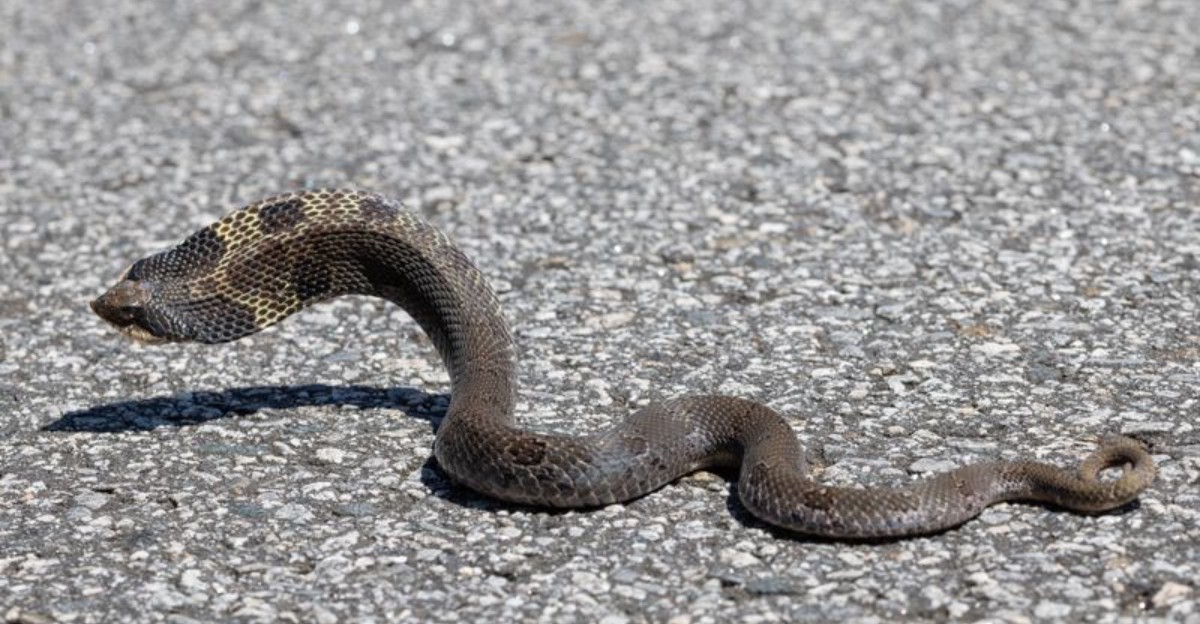
An unfamiliar snake with a raised head and flattened neck can look intimidating when you encounter it near a garden bed.
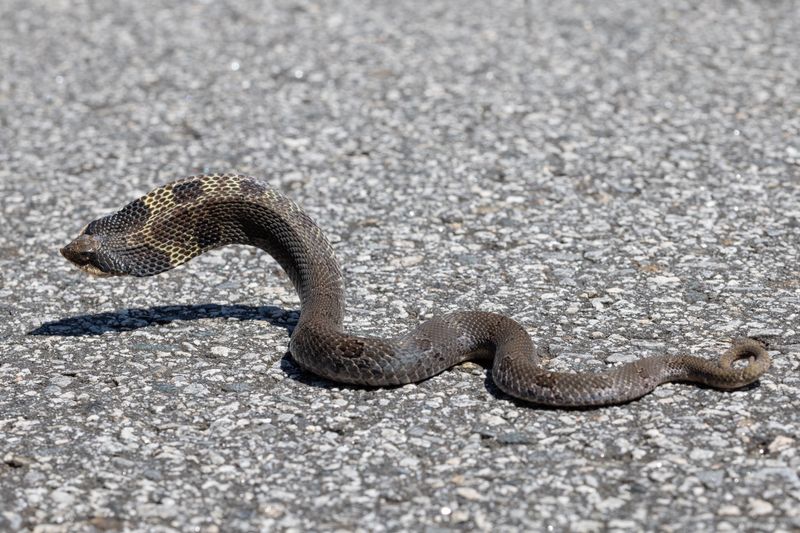
Eastern hognose snakes sometimes put on an impressive defensive display when disturbed. Despite the dramatic posture, they usually prefer avoiding confrontation.
October sightings can happen as these snakes move around during suitable daytime temperatures.
In Georgia, their activity depends on local weather and habitat, so a fall encounter does not necessarily mean their numbers have increased. Look for the distinctive upturned snout, but avoid approaching closely to identify one.
Give the snake a clear path to leave rather than trying to move it.
These native snakes play a role in local ecosystems, including feeding on toads.
Understanding their behavior can make an unexpected encounter less alarming for everyone involved.
1. October Is A Peak Activity Month For Eastern Hognose Snakes
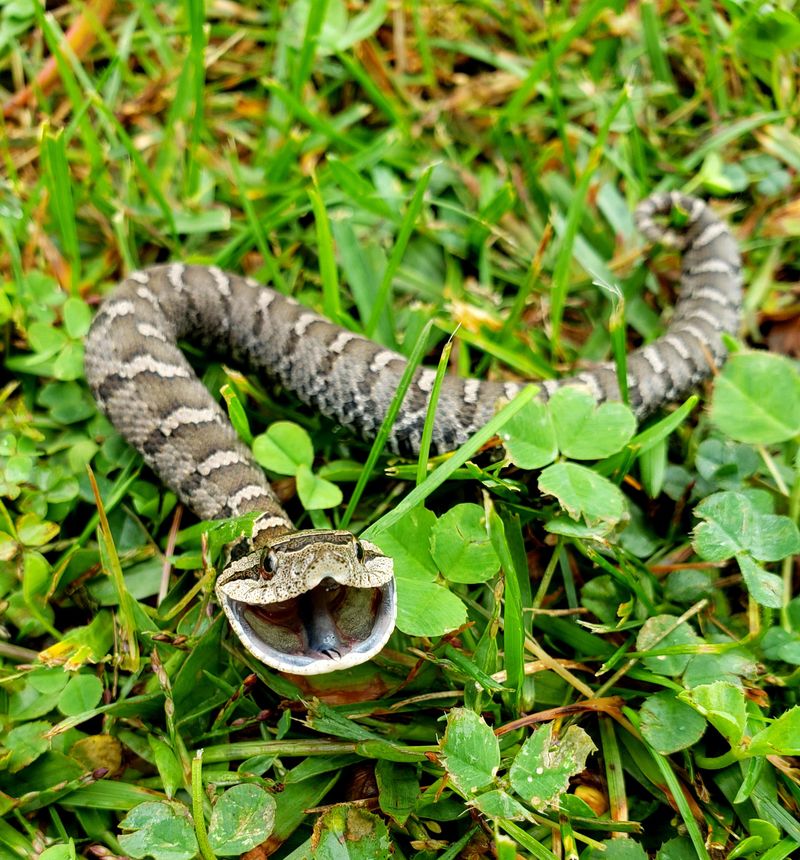
Fall brings a second wave of snake sightings in plenty of yards. Eastern hognose snakes are often on the move in late summer and fall, and October can be one of their busier months.
Part of that activity comes from young snakes that hatched from eggs laid earlier in the summer.
Hatchlings are small, often under a foot long, and they wander as they search for food and shelter. Gardeners sometimes mistake these little ones for worms or other harmless snakes at first glance.
Adults stay busy too, since they need to eat well before cooler weather slows them down.
In Georgia, hognose snakes usually head underground for winter, though the exact timing shifts with location and weather. A warm spell in late fall can keep them moving longer, while an early cold snap may send them into shelter sooner.
Calling October a peak month does not mean every yard will have a hognose snake.
Your odds depend on nearby habitat, soil type, and food supply. Homes near woods, fields, or sandy pine areas tend to have better chances than tightly packed city lots.
Keep an eye on mulch beds, garden edges, and paths during fall chores, and you may spot one crossing in the afternoon. Wearing gloves and watching where you reach is a smart habit during any fall yard work.
2. Moderate Temperatures Can Bring Them Above Ground
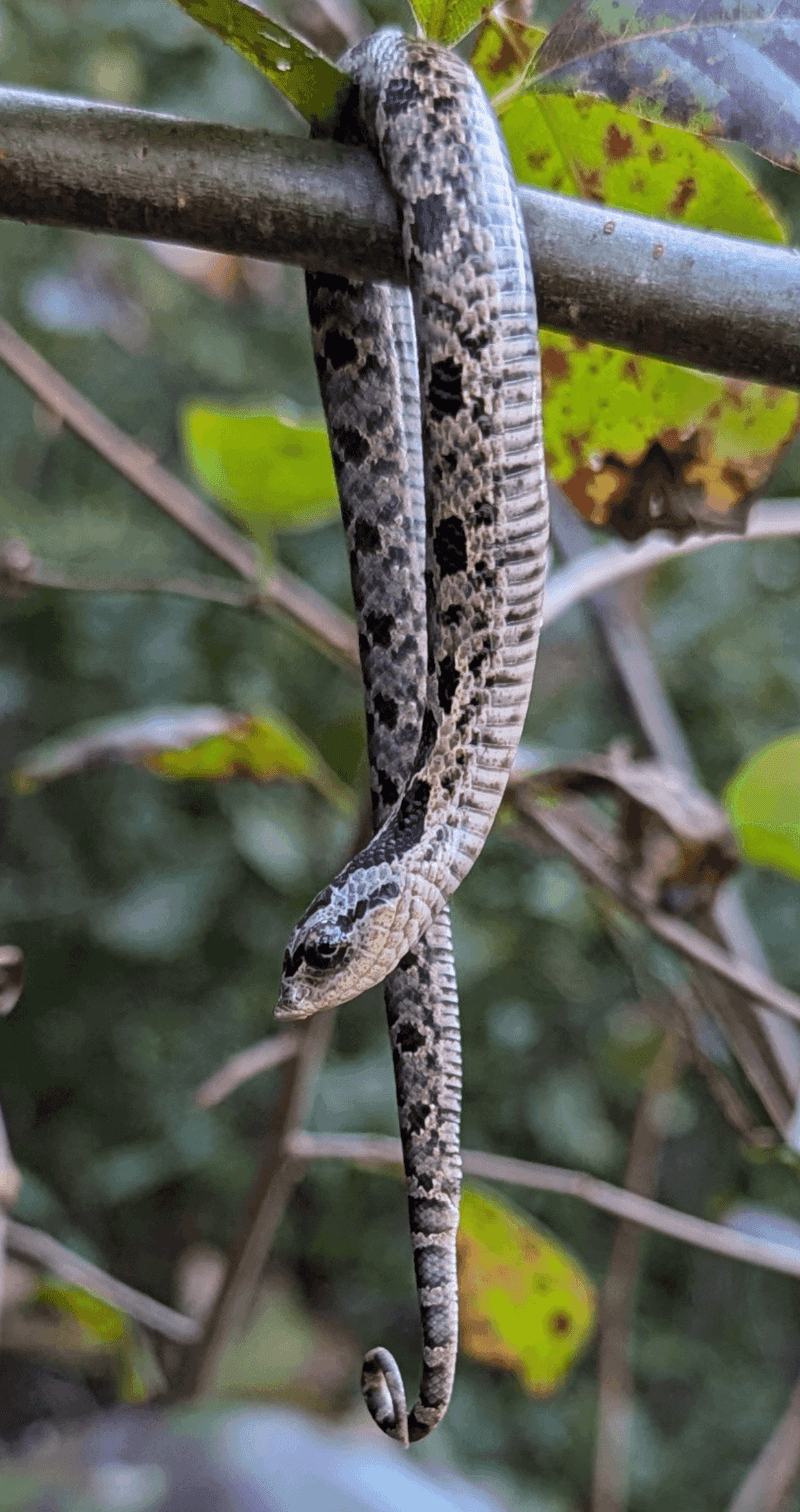
Snakes run on outside heat, not their own. As cold-blooded animals, hognose snakes depend on the weather to warm their bodies enough to hunt, move, and digest food.
Summer afternoons can get too hot for comfortable travel, so these snakes may hide during the hottest hours.
October often softens that heat across Georgia, especially as nights cool and days stay mild. Hognose snakes are mostly active during daylight, and pleasant fall afternoons suit that habit well.
You might find one basking on a sunny patch of bare ground, a driveway edge, or a warm stepping stone.
Mountain areas in the north cool down earlier than the coast, so activity may fade sooner there. Southern counties near the coast may see snakes out later into the season.
Weather from year to year matters a lot, and no calendar can predict exact behavior.
Your Georgia Garden Changes Every Week. Your Plan Should Too.
Gardening in Georgia changes quickly throughout the season. Every Friday you’ll receive a simple weekly plan showing exactly what to plant, prune, fertilize, harvest, and protect so you never miss the right timing.
A cool, cloudy week may keep snakes tucked away, even in the middle of October. After a chilly morning, though, a bright afternoon can bring them out to soak up warmth.
Plan garden chores with that in mind. Late morning and afternoon tasks near sunny, open spots are the times you are most likely to cross paths with one.
Raking leaves off a warm sidewalk or clearing a sunny bed are good moments to slow down and look before you step.
3. Sandy Soil Gives These Snakes Good Places To Burrow
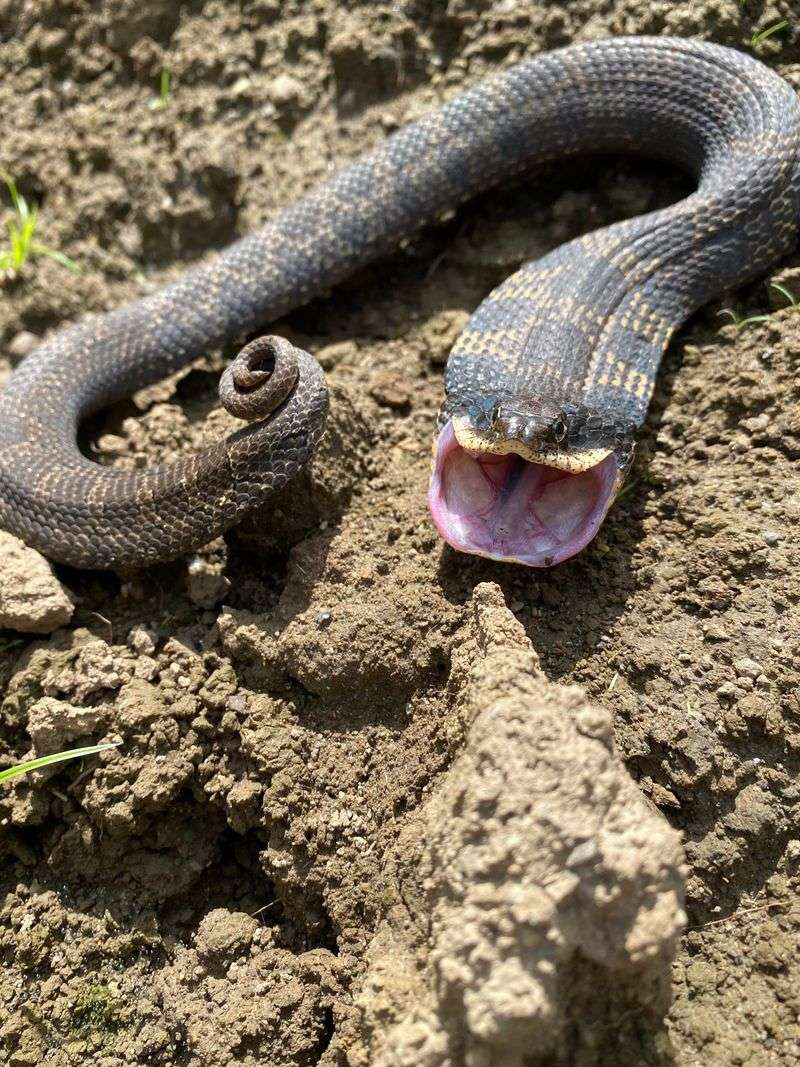
Picture a snout built like a tiny shovel. Hognose snakes have an upturned, pointed nose scale that helps them push through loose soil.
That tool works best in sand, which is why these snakes favor sandy, well-drained ground.
Across Georgia, the Coastal Plain and the Fall Line Sandhills offer plenty of that kind of soil. Hognose snakes also turn up in other regions, but they tend to be most common where the ground is loose and easy to dig.
Burrowing helps them escape heat, hide from predators, and find shelter for winter.
Snakes may also dig after toads that bury themselves in soft dirt. Sandy garden beds, raised vegetable plots, and loose mulch can feel a lot like natural habitat to a hunting hognose.
Heavy red clay is harder to dig through, so yards with clay may see fewer of these snakes.
That said, soil alone does not decide everything. Nearby woods, fields, and food sources play a big role as well.
If your yard has loose, sandy soil, take care when turning beds or digging new planting holes this fall.
Using a garden fork slowly, rather than stabbing quickly with a shovel, gives a hidden snake time to move. Leaving a few quiet corners undisturbed can also give wildlife a safer place to rest.
4. Nearby Toads Can Make A Yard More Appealing
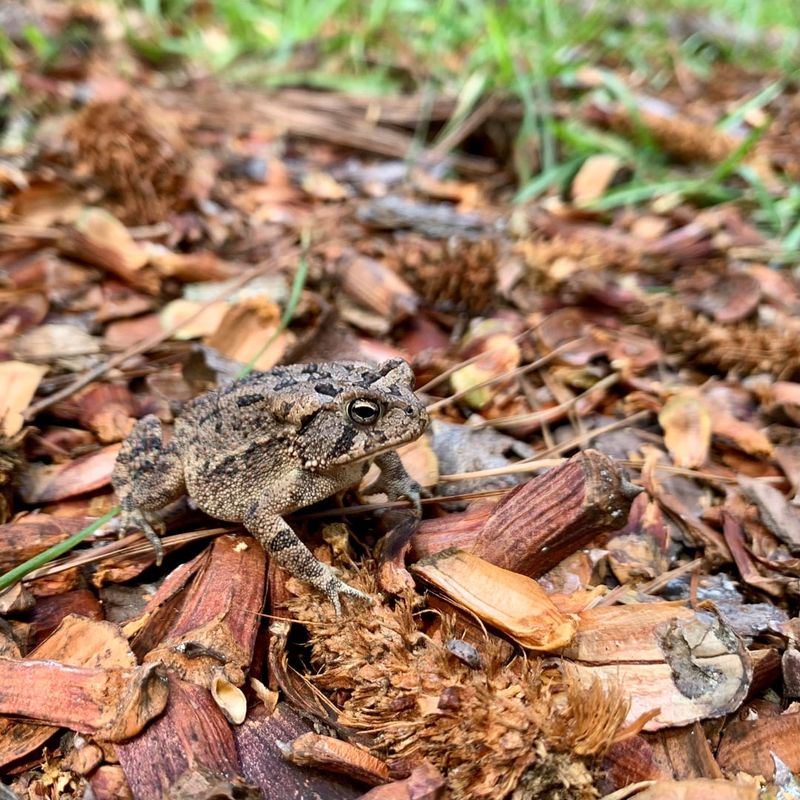
Toads are the main course on a hognose menu. These snakes eat other prey now and then, such as frogs, salamanders, and small animals, but toads make up a large share of their meals.
Hognose snakes handle toad toxins better than most predators, which lets them eat prey other snakes avoid.
Gardens often attract toads without anyone trying. Damp soil, watered beds, outdoor lights that draw insects, and shady hiding spots all create good toad habitat.
Where toads gather, a hungry hognose may follow.
Southern toads and Fowler’s toads are common in Georgia, and both live in places where hognose snakes hunt. Seeing toads hopping around your porch light at night could be a sign your yard offers a steady food supply.
Please do not try to remove toads just to keep snakes away.
Toads eat slugs, beetles, and other garden pests, so they help plants in their own way. A yard with toads and the occasional hognose usually points to a fairly healthy backyard ecosystem.
Instead, simply stay alert in the spots toads like best, such as damp mulch, shaded beds, and areas near water.
Checking under boards or pots before lifting them is a good habit, since both toads and snakes may hide there. Move slowly, and most animals will scoot off on their own.
5. A Flattened Head And Loud Hissing Are Defensive Displays
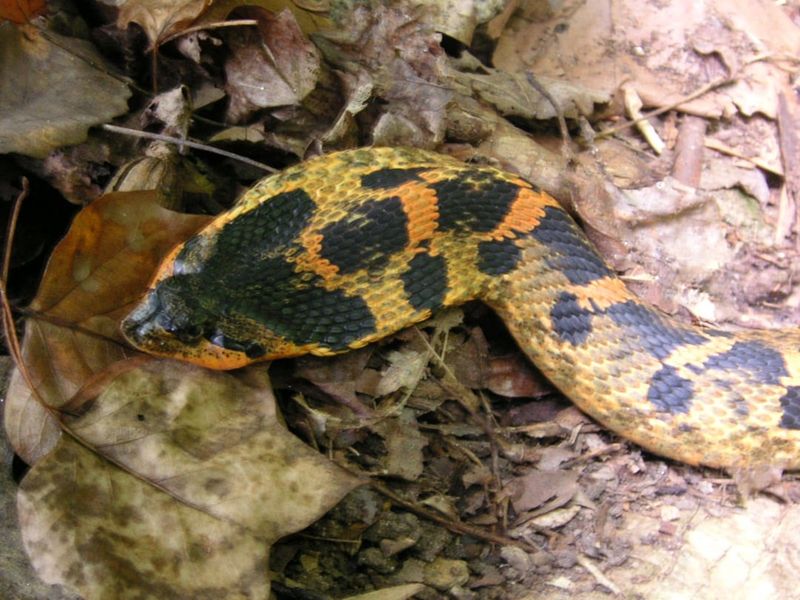
Few garden surprises feel as startling as a snake that suddenly spreads its neck and hisses. Hognose snakes can flatten their head and neck, making them look wider and a bit like a cobra.
Some people even call them puff adders or spreading adders because of that habit.
Loud hissing usually comes next, and the snake may puff up its body with air. Sometimes it lunges forward in a fake strike, often with its mouth closed.
All of that is a bluff meant to scare off a predator, not a sign of an attack.
Hognose snakes rarely bite people, even when handled. They do have enlarged teeth in the back of the mouth and mild saliva, but serious reactions in humans are very uncommon.
Gardeners in Georgia sometimes mistake this display for a venomous snake, which is an easy mistake when your heart is racing.
Look for an upturned snout and a thick body. Colors vary widely, from yellow and brown with dark blotches to nearly solid black or gray.
If you are unsure what kind of snake you see, keep your distance and treat it with caution.
Snapping a photo from a few feet away can help you identify it later with a field guide or your county Extension office.
6. Their Dramatic Bluffing Can Make Them Look More Threatening
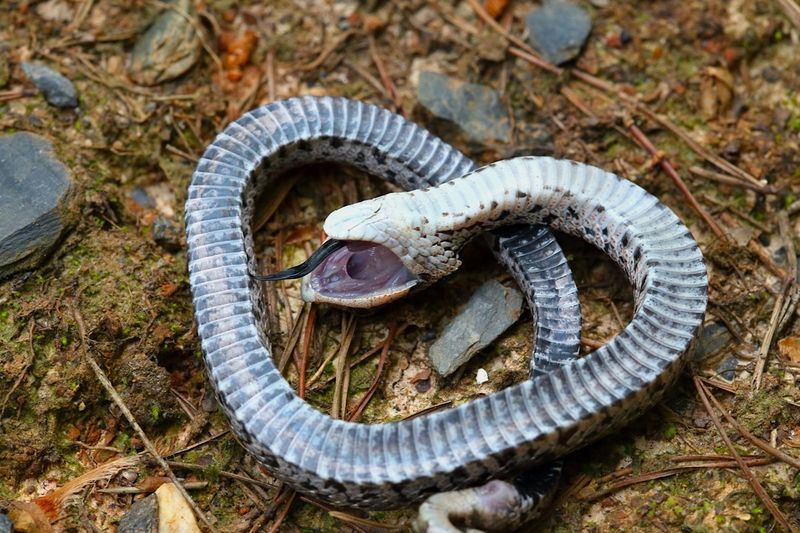
When hissing fails, a hognose has one more trick ready. It may roll onto its back, twist its body, and let its mouth hang open with its tongue sticking out.
To a predator, the snake suddenly looks lifeless, and some animals lose interest in prey that seems spoiled.
Some hognose snakes also release a strong-smelling musk during this act. A few may even give off a little blood from the mouth, which makes the performance look even more convincing.
Here is the funny part, and it surprises plenty of people.
If the snake gets turned right side up, it often rolls onto its back again as if the show is not finished. Once things are calm, it usually flips over and crawls away on its own.
All this drama can make a harmless animal seem far scarier than it really is.
Gardeners in Georgia may worry they have hurt the snake or that it is sick. In most cases, the snake is fine and is simply waiting for the threat to leave.
Walk away and give it some quiet time, and the snake will likely recover and slip off.
Avoid poking or handling it, because stress does not help the animal. Watching from a respectful distance lets you enjoy one of nature’s stranger shows without causing harm.
7. Give The Snake Space And Let It Move Along
Sometimes the best garden tool is patience. A hognose snake crossing your yard in October is usually just passing through while it hunts or looks for a winter hiding spot.
Stepping back a few feet gives it room to calm down and move along.
Georgia law protects nonvenomous snakes, so harming one can lead to legal trouble. Hognose snakes fall into that protected group, which is another good reason to leave them be.
Pets need attention too, since a curious dog may provoke the snake’s bluffing show.
Keep dogs on a leash or call them inside until the snake leaves. Bites are rare, but a vet visit makes sense if your pet seems unwell after contact.
Wearing sturdy shoes and gloves during fall cleanup also adds a simple layer of protection.
Want fewer surprise encounters near the house?
Trim tall grass near doors, store firewood off the ground, and pick up boards or tarps that make easy hiding spots. These steps may reduce sightings, but they will not keep every snake away.
If a hognose ends up inside a garage or shed, open the door and let it find its own way out.
Local wildlife removal services can help when a snake stays put or you feel unsure. In most cases, though, a little time and space solve the problem without any help at all.