Why Georgia Homeowners Are Embracing Prairie-Inspired Planting
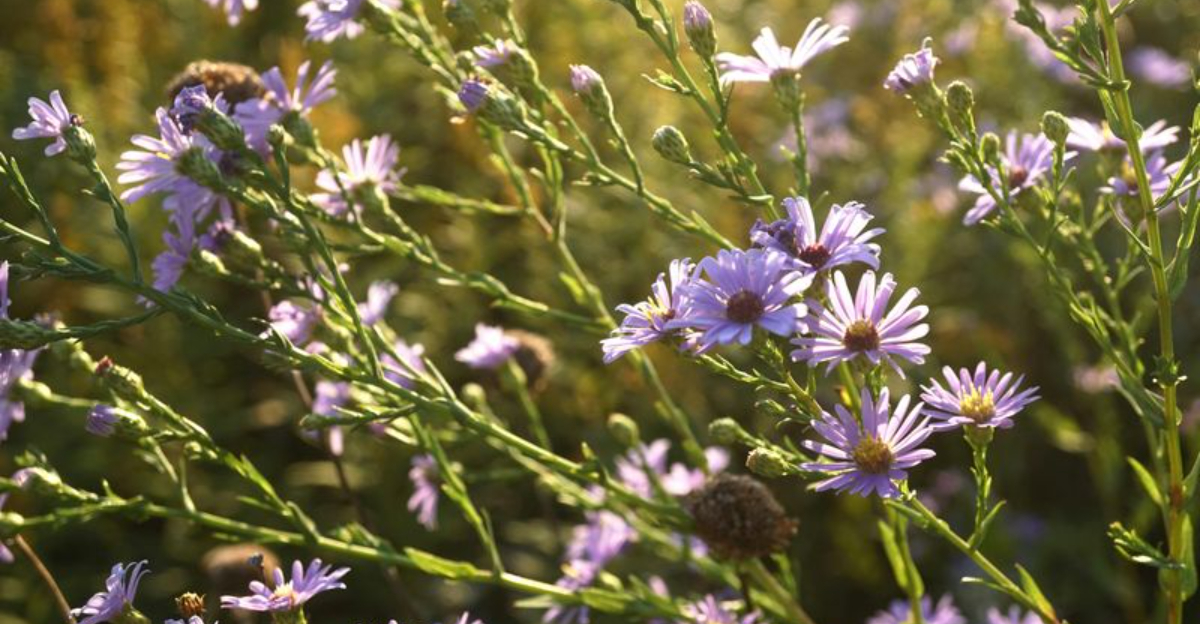
Georgia homeowners are discovering a fresh way to transform their yards into stunning, low-maintenance landscapes that feel like a slice of the open prairie right in their backyards.
Prairie-inspired planting brings together native grasses, colorful wildflowers, and hardy perennials that thrive in Georgia’s climate while offering beauty year-round.
More than just a trend, this approach to gardening supports local wildlife, conserves water, and reduces the need for constant upkeep.
Homeowners across Georgia are falling in love with the natural beauty and practical benefits that prairie-style gardens provide.
Lower Water Bills And Conservation
Water conservation matters more than ever, especially during Georgia’s hot, dry summers when lawns demand constant irrigation.
Prairie plants develop deep root systems that reach far into the soil, allowing them to access moisture that shallow-rooted grass cannot.
Once established, these native species need very little supplemental watering, even during drought conditions.
Homeowners who switch to prairie-inspired landscapes often see their water bills drop significantly within the first year.
Georgia residents appreciate the freedom from dragging hoses around or worrying about brown patches during water restrictions.
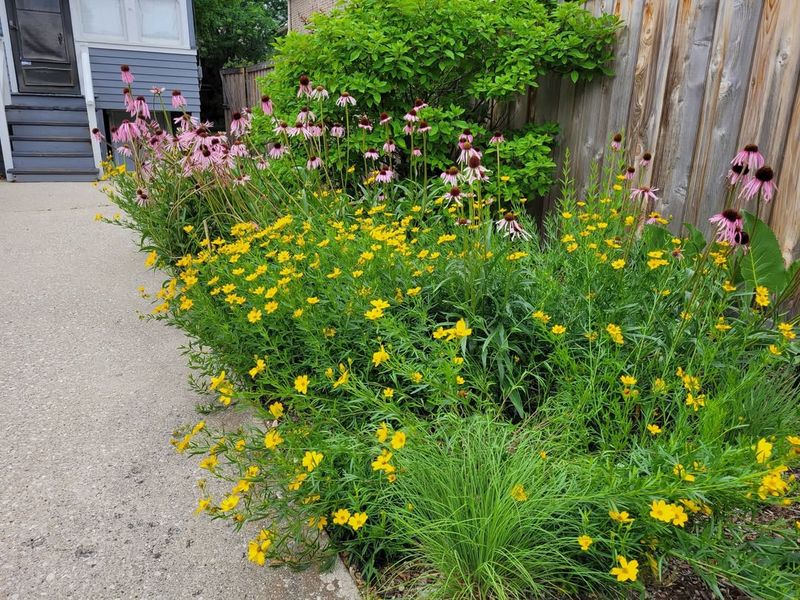
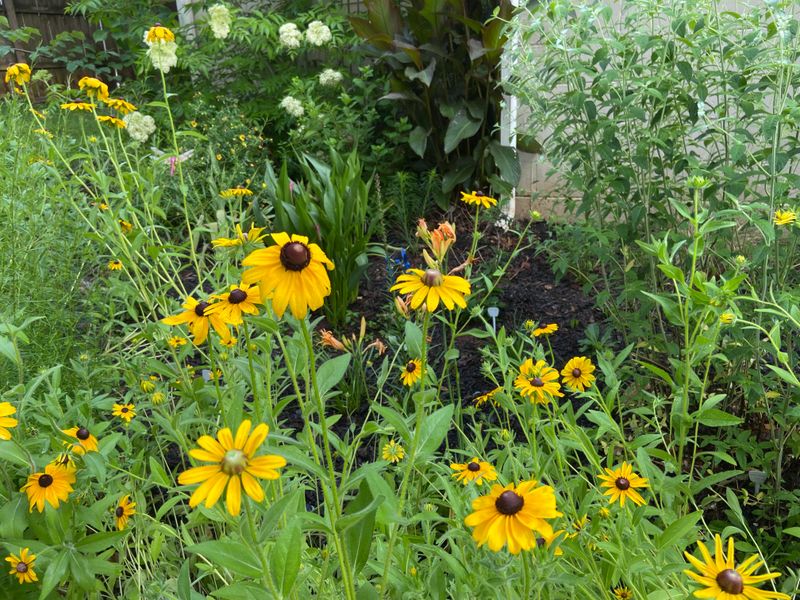
Native wildflowers like black-eyed Susans and coneflowers flourish without daily watering, providing vibrant color with minimal effort.
Prairie grasses such as little bluestem and switchgrass stay green longer than traditional turf without needing constant moisture.
By reducing water usage, Georgia homeowners contribute to preserving local water resources for future generations.
The environmental impact extends beyond individual yards, helping entire communities manage water more sustainably.
Choosing prairie plants means enjoying a lush, beautiful garden while being a responsible steward of natural resources.
Supporting Local Pollinators And Wildlife
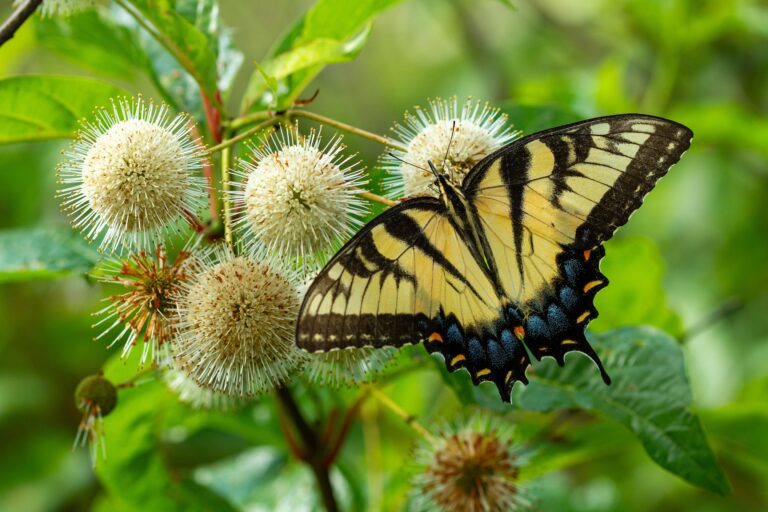
Pollinators like bees, butterflies, and hummingbirds face serious challenges as natural habitats disappear across Georgia.
Prairie-inspired gardens create vital feeding stations and safe havens for these important creatures throughout the growing season.
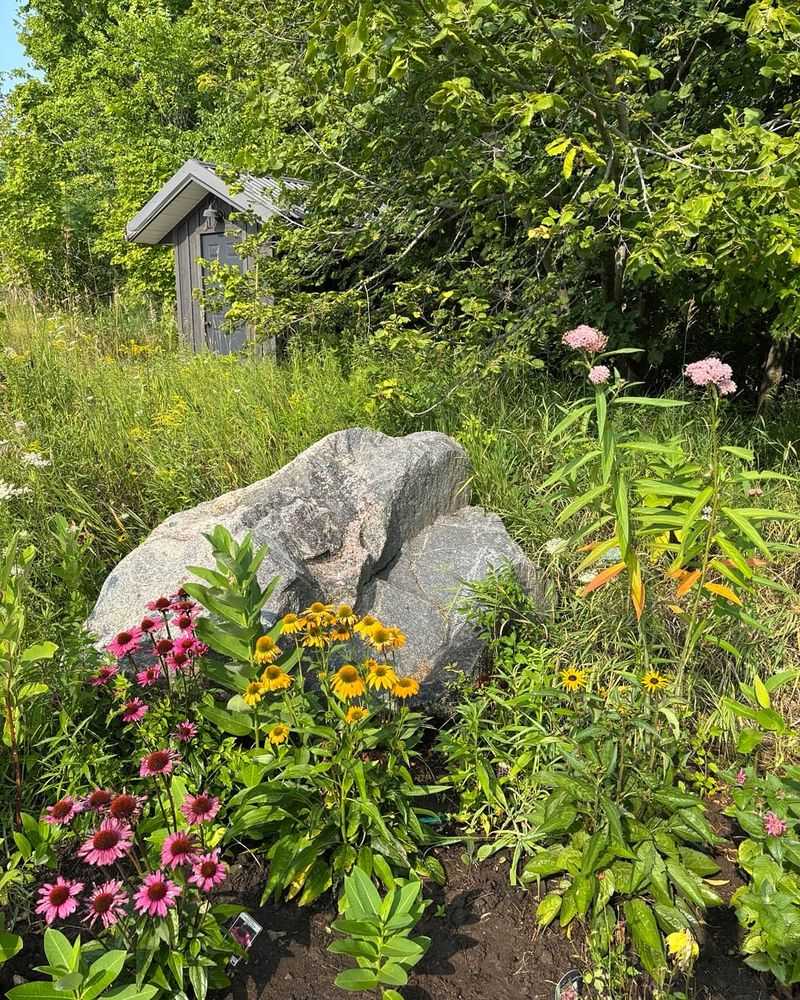
Native wildflowers produce nectar and pollen that local insects have evolved to depend on for survival.
Georgia homeowners who plant prairie species notice an immediate increase in butterfly activity and bird visits to their yards.
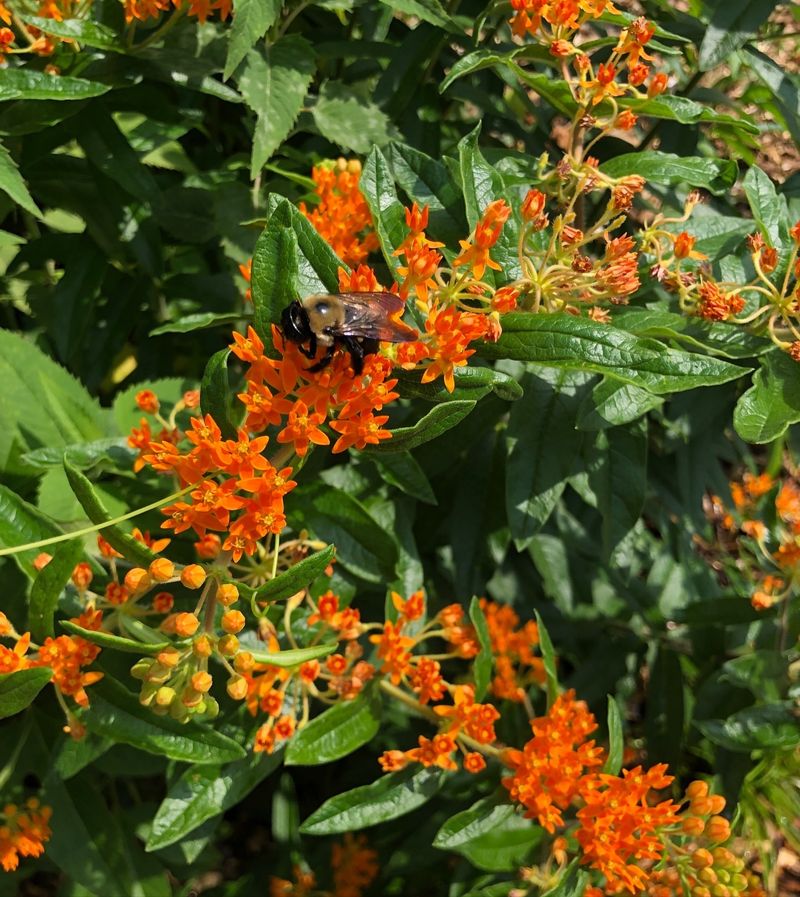
Monarch butterflies, in particular, benefit from native milkweed plants that serve as their primary food source.
Beneficial insects that control garden pests also thrive in prairie landscapes, reducing the need for chemical treatments.
Birds find seeds, shelter, and nesting materials among the tall grasses and seed heads that remain standing through winter.
Creating a pollinator-friendly yard helps reverse the decline of these essential species across Georgia communities.
Children love watching hummingbirds zip between flowers and butterflies dance across the garden on warm afternoons.
Every prairie garden becomes a small but meaningful contribution to protecting Georgia’s biodiversity.
Reduced Mowing And Maintenance Time
Traditional lawns demand endless hours of mowing, edging, and trimming throughout Georgia’s long growing season.
Prairie-inspired landscapes eliminate most of this repetitive work, freeing up weekends for activities families actually enjoy.
Native grasses grow to their natural height and then stop, requiring only one or two cuts per year at most.
Homeowners can reclaim Saturday mornings previously spent pushing a mower around in the Georgia heat and humidity.
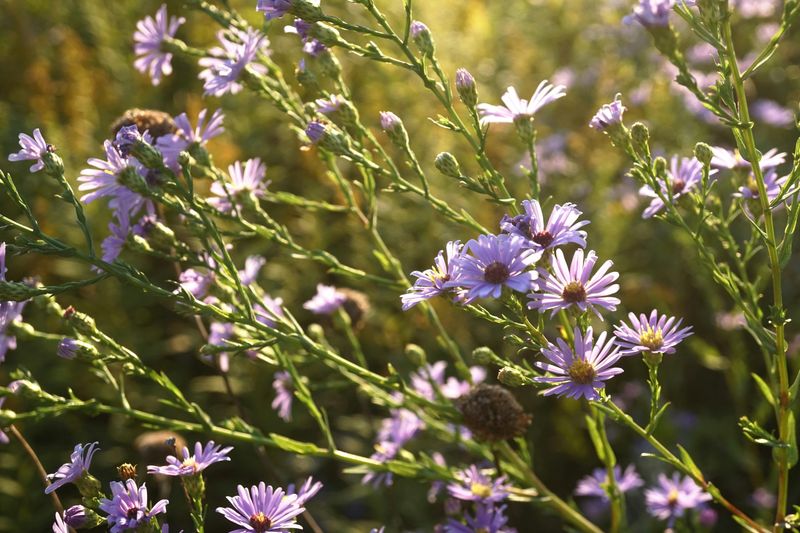
Wildflower meadows need occasional trimming but nothing like the weekly commitment that traditional turf requires.
Families discover they have more time for gardening activities they find rewarding, like planting new species or observing wildlife.
Less maintenance also means less wear and tear on expensive lawn equipment and lower fuel costs.
Georgia residents appreciate the quiet weekends without the constant drone of lawnmowers disrupting neighborhood peace.
Older homeowners especially value the reduced physical demands, making yard care manageable as they age.
Prairie gardens look intentionally beautiful and natural rather than neglected, even with minimal intervention throughout the season.
Year-Round Visual Interest And Beauty
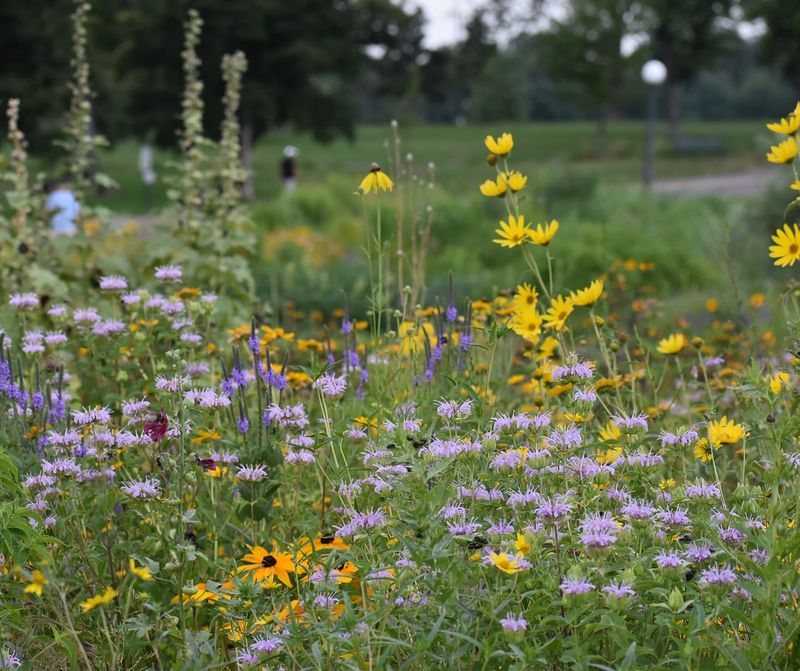
Traditional lawns offer the same green expanse month after month, providing little seasonal variety or visual excitement.
Prairie landscapes transform dramatically throughout the year, offering something new to admire in every season.
Spring brings early bloomers like wild lupine and spiderwort that add splashes of purple and blue across Georgia gardens.
Summer explodes with color as coneflowers, black-eyed Susans, and blazing star reach their peak blooming periods.
Fall introduces warm golden tones as native grasses turn amber and seed heads develop interesting textures.
Even winter provides beauty when frost outlines dried flower stalks and grasses sway gracefully in cold breezes.
Georgia homeowners enjoy watching their prairie gardens change and evolve, creating a living artwork that never stays the same.
Neighbors often stop to admire the natural beauty and ask questions about the interesting plants they see.
Photography enthusiasts find endless opportunities to capture stunning images of flowers, grasses, and visiting wildlife.
The dynamic nature of prairie planting keeps yards looking fresh and engaging rather than static and predictable.
Lower Fertilizer And Chemical Usage
Conventional lawns typically require multiple applications of fertilizer, herbicides, and pesticides throughout the growing season.
These chemicals cost money, require time to apply, and can harm beneficial insects and local water quality.
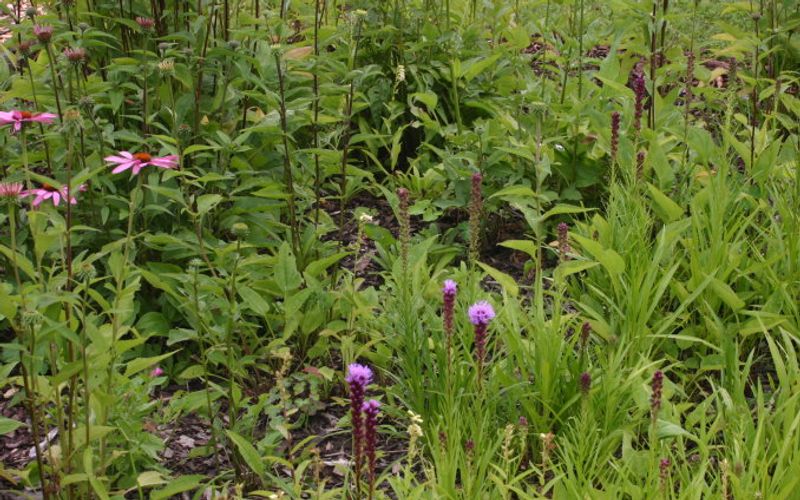
Native prairie plants evolved in Georgia’s natural soils and don’t need synthetic fertilizers to thrive beautifully.
Homeowners save hundreds of dollars annually by eliminating regular chemical treatments from their yard care routines.
Prairie gardens naturally resist many common pests and diseases because the diverse plant community supports beneficial predators.
Families with children and pets appreciate having a yard free from potentially harmful chemical residues.
Georgia’s waterways benefit when fewer fertilizers and pesticides wash off residential properties during heavy rains.
Native plants build healthy soil naturally through their deep roots and the organic matter they contribute.
The environmental impact of reducing chemical usage extends beyond individual properties to benefit entire neighborhoods.
Homeowners feel good knowing their beautiful landscape doesn’t come at the expense of environmental health or family safety.
Climate Resilience And Adaptability
Georgia’s climate presents challenges with hot summers, occasional droughts, heavy rains, and unpredictable temperature swings.
Prairie plants native to the region have spent thousands of years adapting to these exact conditions.
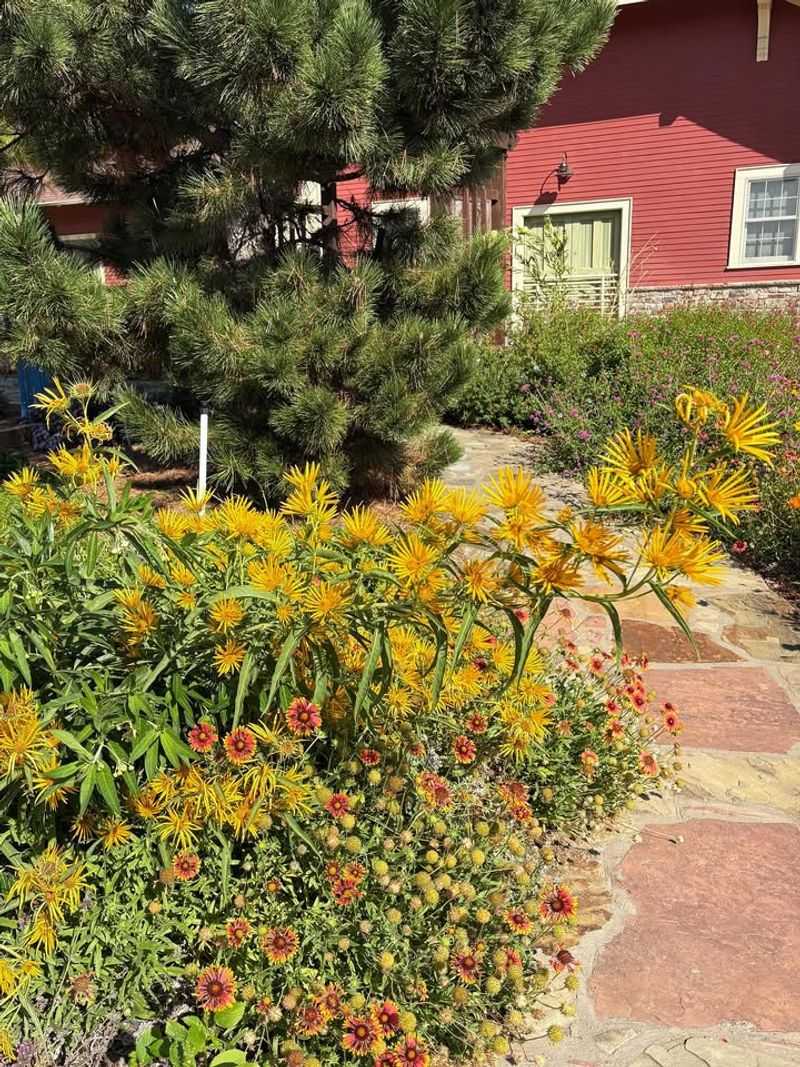
When heat waves strike, native species continue thriving while traditional lawns turn brown and struggle.
Deep root systems allow prairie plants to access moisture and nutrients even when surface soil dries out completely.
During heavy rains, these same roots help prevent erosion and absorb water that might otherwise cause flooding.
Georgia homeowners worry less about weather extremes damaging their landscapes when they plant climate-adapted species.
Native grasses like switchgrass and Indian grass withstand wind, rain, and temperature fluctuations without special protection.
As climate patterns continue changing, prairie-inspired gardens offer stability and reliability that exotic plants cannot match.
Homeowners avoid the frustration of replanting damaged areas after storms or unexpected cold snaps.
Choosing plants naturally suited to Georgia’s environment makes gardening easier and more successful over the long term.
Cost Savings Over Time
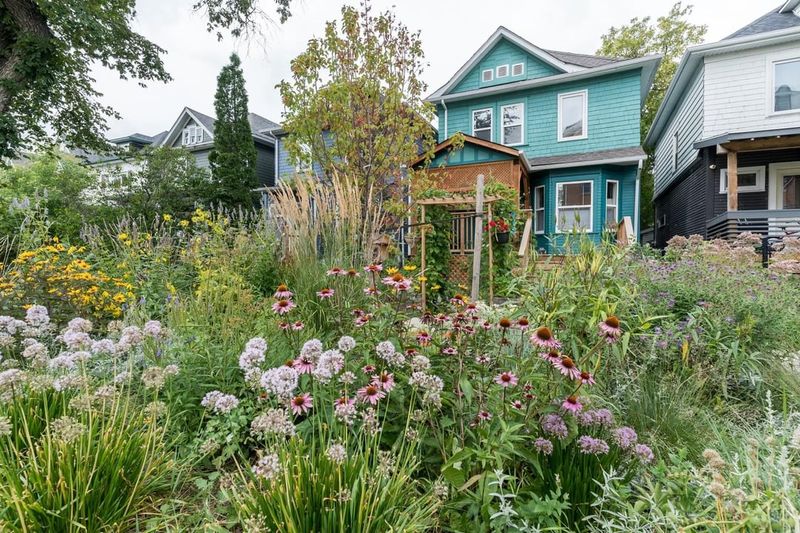
Initial investments in prairie-inspired landscaping pay for themselves surprisingly quickly through reduced ongoing expenses.
Homeowners eliminate costs for weekly lawn service, fertilizers, pesticides, and excessive water usage.
Native plants typically cost the same or less than traditional landscaping materials but require far less replacement.
Once established, prairie gardens essentially maintain themselves with minimal inputs year after year.
Georgia residents find they spend less on gasoline for mowers and money on equipment repairs and replacements.
Many native plants spread naturally, filling in bare spots without requiring additional purchases.
Seeds collected from existing plants can be sown to expand gardens or share with neighbors at zero cost.
Energy bills may even decrease slightly as strategically placed native plants provide natural cooling around homes.
The long-term financial benefits become increasingly apparent as traditional lawns require more intensive care over time.
Homeowners appreciate having a beautiful landscape that doesn’t drain their budget month after month.
Educational Opportunities For Families
Prairie gardens transform ordinary backyards into living classrooms where children learn about ecology, biology, and environmental science.
Kids develop observation skills by watching butterflies visit specific flowers or noticing which birds prefer certain seed heads.
Parents find countless teaching moments about plant life cycles, pollination, and the interconnections within ecosystems.
Georgia families use their prairie gardens to discuss local history and how landscapes have changed over time.
Children who grow up with native plants often develop lasting appreciation for nature and environmental stewardship.
Identifying different wildflowers and grasses becomes a fun family activity that encourages outdoor exploration.
Science projects and school assignments become easier when students have a diverse ecosystem right outside their door.
Neighborhood children often gather to observe the amazing variety of insects, birds, and other creatures visiting prairie gardens.
Homeowners enjoy sharing knowledge about native plants with curious visitors and passing along seeds or plant divisions.
These gardens create opportunities for meaningful family time spent outdoors rather than in front of screens.
Increased Property Value And Curb Appeal
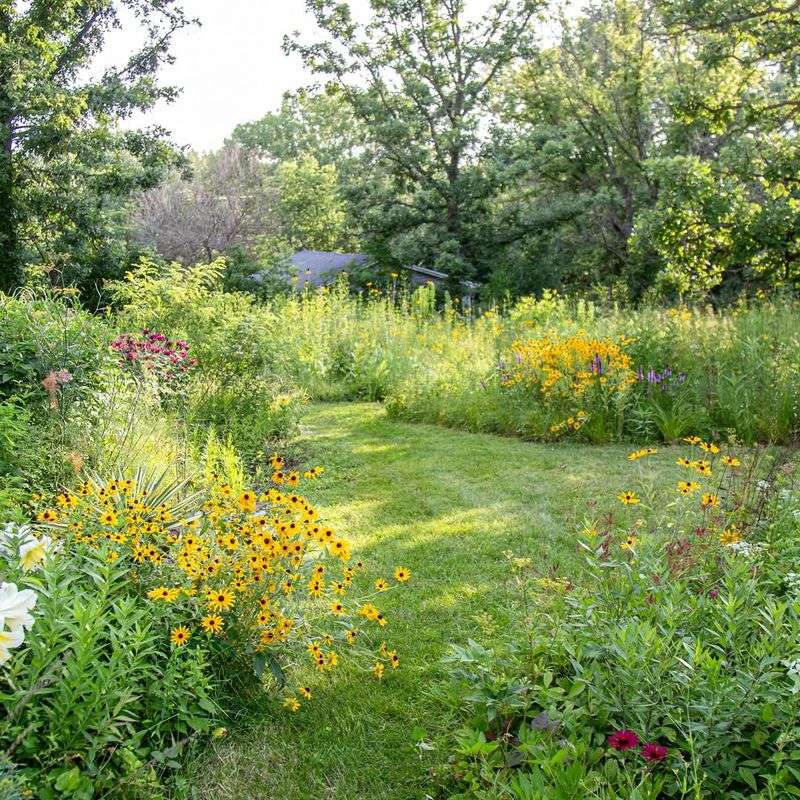
Well-designed prairie landscapes create distinctive curb appeal that sets properties apart from cookie-cutter suburban lawns.
Potential homebuyers increasingly value sustainable landscaping that requires less maintenance and environmental impact.
Georgia real estate agents report growing interest in properties featuring native plant gardens and natural landscaping.
Prairie-inspired yards signal to buyers that the property has been thoughtfully maintained and designed.
The unique beauty of native plants creates memorable first impressions that generic lawns simply cannot match.
Homeowners often receive compliments from neighbors and passersby who appreciate the natural aesthetic.
Professional landscaping with native plants demonstrates environmental awareness that appeals to many modern buyers.
Properties with established prairie gardens save new owners time and money on landscape renovation.
The growing popularity of sustainable living makes native plant landscapes increasingly desirable in Georgia’s housing market.
Homeowners enjoy knowing their landscape investment adds both beauty and market value to their property.
Connection To Regional Heritage And History
Before European settlement, much of Georgia featured diverse native plant communities including prairie-like savannas and meadows.
Planting native species helps restore a small piece of the natural landscape that once covered the region.
Homeowners feel a deeper connection to Georgia’s ecological heritage by growing plants that thrived here for millennia.
Native American communities relied on many of these same plants for food, medicine, and materials.
Understanding the historical significance of native plants adds meaning and context to everyday gardening activities.
Georgia’s natural history comes alive when homeowners recognize plants that early naturalists documented centuries ago.
Prairie-inspired gardens honor the land’s original character while adapting to modern residential settings.
Older generations often remember seeing some native wildflowers in rural areas during their childhood.
Preserving and propagating native plants helps ensure these species remain part of Georgia’s landscape for future generations.
Creating prairie gardens becomes an act of cultural preservation as much as environmental stewardship.