Why Georgia Homeowners Are Planting Ultra Easy Groundcovers
Yards across Georgia are changing, and you can see it everywhere you look.
More homeowners trade their high-maintenance lawns for something that practically takes care of itself.
Groundcovers have become the go-to solution for people tired of constant mowing, watering, and worrying about bare patches.
Georgia’s climate can be tough on traditional grass, with hot summers and unpredictable rain patterns that leave lawns stressed and brown.
Groundcovers offer a smart alternative that thrives in local conditions without demanding hours of weekend work.
They spread naturally, fill in empty spaces, and stay green through seasons that would normally turn grass into a crispy mess.
From busy families to retirees who want to enjoy their yards instead of laboring over them, people are discovering the benefits of these low-effort plants.
The reasons behind this shift go beyond just saving time.
Groundcovers solve real problems that Georgia homeowners face every day, from erosion on sloped yards to the challenge of growing anything under shade trees.
They create beautiful landscapes while cutting down on costs, water use, and the need for chemical treatments.
Once you understand why your neighbors are making the switch, you might find yourself ready to join them.
Say Goodbye To Weekly Mowing
Weekends were meant for relaxation, not pushing a noisy mower around your property in the Georgia heat.
Groundcovers eliminate the endless cycle of cutting grass that grows back almost as soon as you finish.
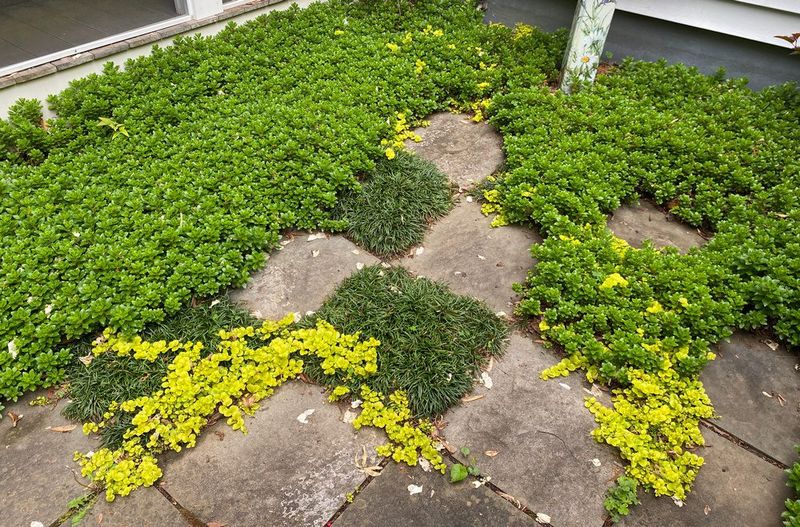
Most varieties stay low to the ground naturally, never reaching heights that require trimming.
Imagine reclaiming those Saturday mornings you used to spend sweating behind a mower.
Families can actually use their yards for fun instead of constant upkeep.
The time savings add up quickly when you consider how many hours the average homeowner spends on lawn maintenance each year.
Many groundcovers spread horizontally rather than growing tall, creating a neat appearance without any effort on your part.
You can skip the gas, oil changes, blade sharpening, and equipment storage that comes with traditional lawn care.
For older homeowners or anyone with physical limitations, this benefit alone makes groundcovers worth considering.
The relief from weekly mowing means more time for hobbies, family activities, or simply relaxing in the shade.
Your back will thank you, and your neighbors might even ask for advice when they see how much easier your yard maintenance has become.
Water Bills Drop Dramatically
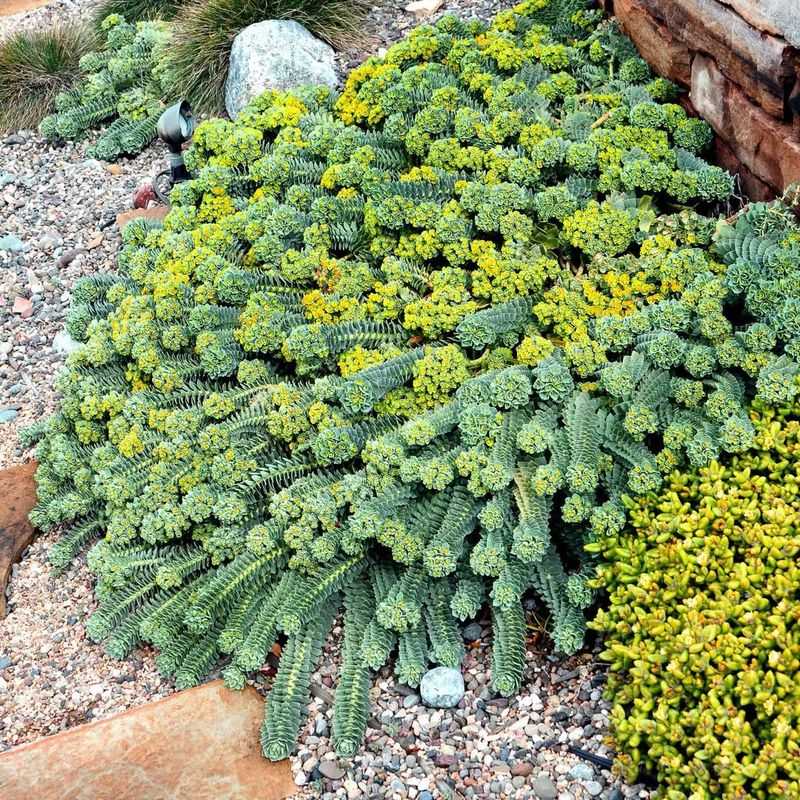
Traditional lawns gulp down water like they’re training for a marathon, especially during Georgia’s scorching summer months.
Groundcovers need a fraction of that moisture once they establish their root systems.
After the first growing season, many varieties survive on rainfall alone, even during dry spells that would turn regular grass brown and crunchy.
The financial impact shows up immediately on your utility bills.
Homeowners report cutting their outdoor water use by half or more after switching to groundcovers.
That translates to real money saved every single month, year after year.
Georgia’s water restrictions during droughts make this benefit even more valuable.
While your neighbors worry about brown patches and watering schedules, your groundcovers keep looking fresh with minimal intervention.
Deep root systems help these plants access moisture that shallow grass roots never reach.
Some varieties actually prefer drier conditions and can struggle if overwatered.
The environmental benefit matters too, as conserving water helps the whole community during times of shortage.
You’ll feel good about reducing your environmental footprint while keeping extra cash in your pocket each month.
Shade Problems Disappear
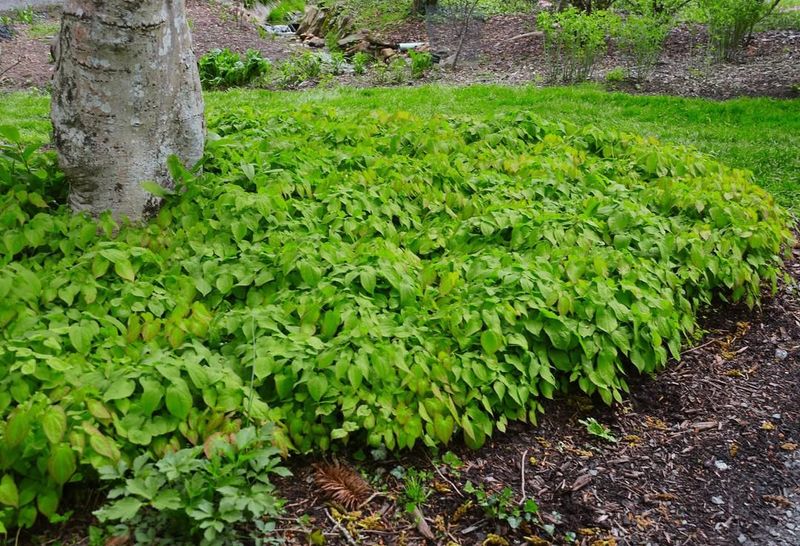
Those beautiful oak and pine trees that give your property character also create dead zones where grass refuses to grow.
You’ve probably tried reseeding shady spots multiple times, only to watch the grass thin out and vanish again.
Groundcovers actually prefer the conditions that make traditional lawns fail.
Many species evolved in forest environments where they naturally compete for limited light.
They spread happily under tree canopies that would leave grass struggling and patchy.
The transformation happens quickly once you plant shade-loving varieties.
Areas that looked bare and muddy suddenly fill in with attractive greenery that stays thick all season.
Roots from trees compete with grass for nutrients and moisture, but groundcovers adapt better to sharing resources.
Your yard finally looks complete instead of having those embarrassing bare spots everyone notices.
Different groundcovers work for different shade levels, from light dappled shade to deep darkness under dense trees.
The solution feels almost magical when you see healthy plants thriving where nothing else would grow.
Friends who visit will ask how you managed to get such great coverage in spots they know are challenging.
Erosion Control That Actually Works
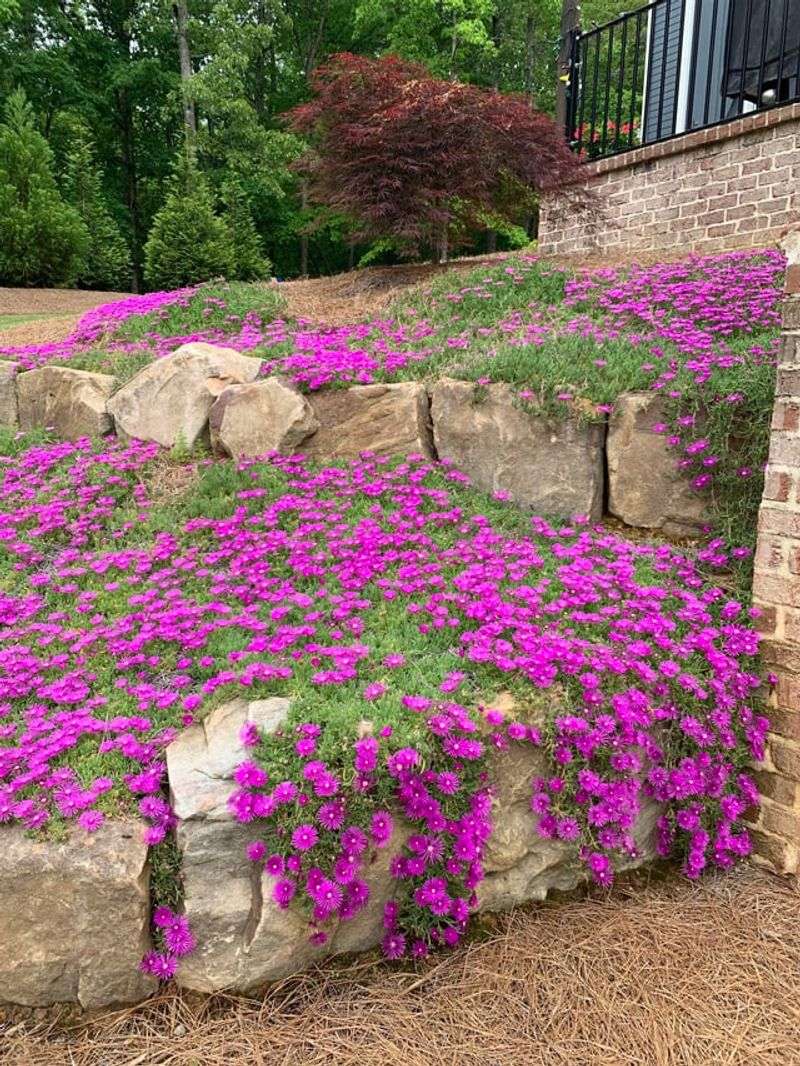
Sloped areas in Georgia yards turn into muddy messes when heavy rains wash soil downhill.
Grass struggles to establish on steep grades, leaving bare earth vulnerable to runoff.
Groundcovers grab hold with dense root networks that lock soil in place like natural anchors.
The spreading growth habit creates a living blanket that shields the ground from pounding raindrops.
Water infiltrates slowly instead of rushing downhill and carrying your topsoil with it.
Homeowners with drainage issues find that groundcovers help absorb excess moisture before it causes problems.
Banks beside driveways and retaining walls benefit enormously from this stabilization.
Once established, the root systems become so dense that erosion virtually stops.
You’ll notice fewer ruts, gullies, and bare patches after storms.
The plants do the work of expensive erosion control measures at a fraction of the cost.
Sediment stops flowing into storm drains and waterways, which helps protect local streams and lakes.
Property values increase when yards look neat and well-maintained instead of showing obvious erosion damage.
The peace of mind that comes with a stable landscape makes this benefit invaluable for many Georgia homeowners.
Weed Battles Become Easier
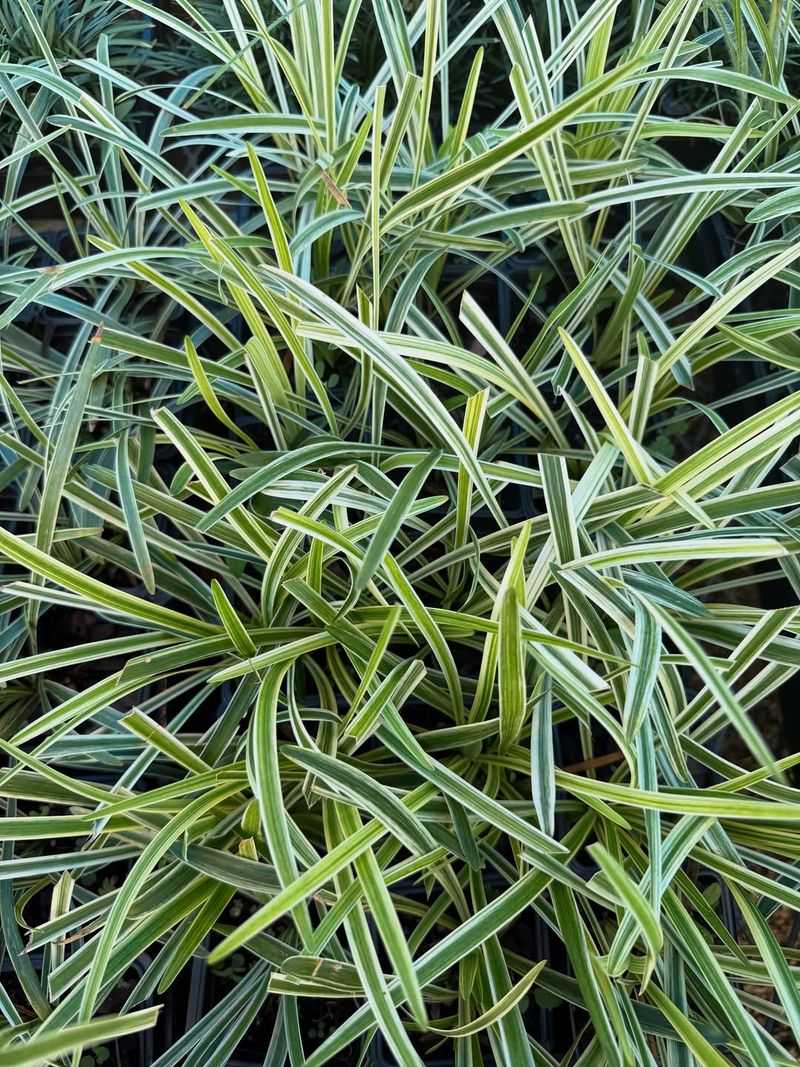
Pulling weeds ranks as one of the most frustrating parts of maintaining a traditional lawn.
Just when you think you’ve won, new invaders pop up and the cycle starts over.
Groundcovers fight weeds by occupying every available inch of soil, leaving no room for unwanted plants to establish.
The dense canopy they create blocks sunlight from reaching the ground where weed seeds wait to sprout.
Without light, those seeds remain dormant or fail to develop properly.
Many groundcovers also release natural compounds through their roots that discourage competing plants.
Once a good groundcover establishes itself, weeds find it nearly impossible to break through.
You’ll spend far less time on your hands and knees digging out dandelions and crabgrass.
Chemical weed controls become unnecessary, which saves money and reduces exposure to harsh products.
Families with children and pets appreciate having a yard free from herbicide applications.
The occasional weed that does appear stands out and can be spotted easily for quick removal.
Maintenance shifts from constant vigilance to occasional spot-checking.
Your yard stays attractive with minimal intervention, giving you back time you used to spend battling invasive plants.
Chemical Use Drops To Nearly Zero
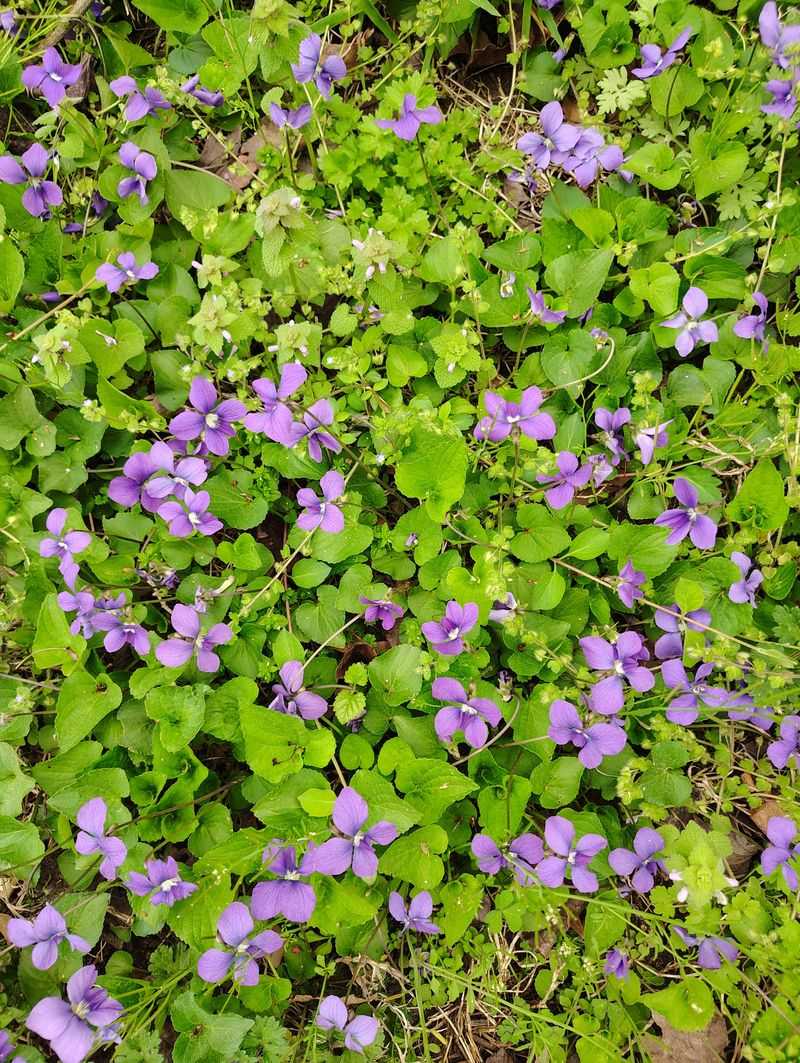
Traditional lawns often depend on a steady stream of fertilizers, pesticides, and herbicides to maintain their appearance.
These chemicals cost money, require careful application, and raise concerns about environmental impact.
Groundcovers thrive without the chemical cocktail that grass demands.
Most varieties evolved to survive in natural settings where no one applies synthetic treatments.
They resist common pests and diseases better than high-maintenance turf grasses.
Families feel better about children and pets playing on surfaces free from chemical residues.
The Georgia ecosystem benefits when fewer toxins wash into streams, rivers, and groundwater.
Beneficial insects, birds, and other wildlife return to yards that offer safer habitats.
Your budget breathes easier without the ongoing expense of lawn care products.
Storage concerns disappear when you no longer need to keep potentially dangerous substances in your garage or shed.
Application time vanishes along with worries about proper timing, mixing ratios, and safety precautions.
Neighbors notice when your yard looks great without the chemical smell that often accompanies lawn treatments.
The shift to chemical-free landscaping aligns with growing awareness about environmental responsibility and personal health.
Year-Round Color Without Replanting
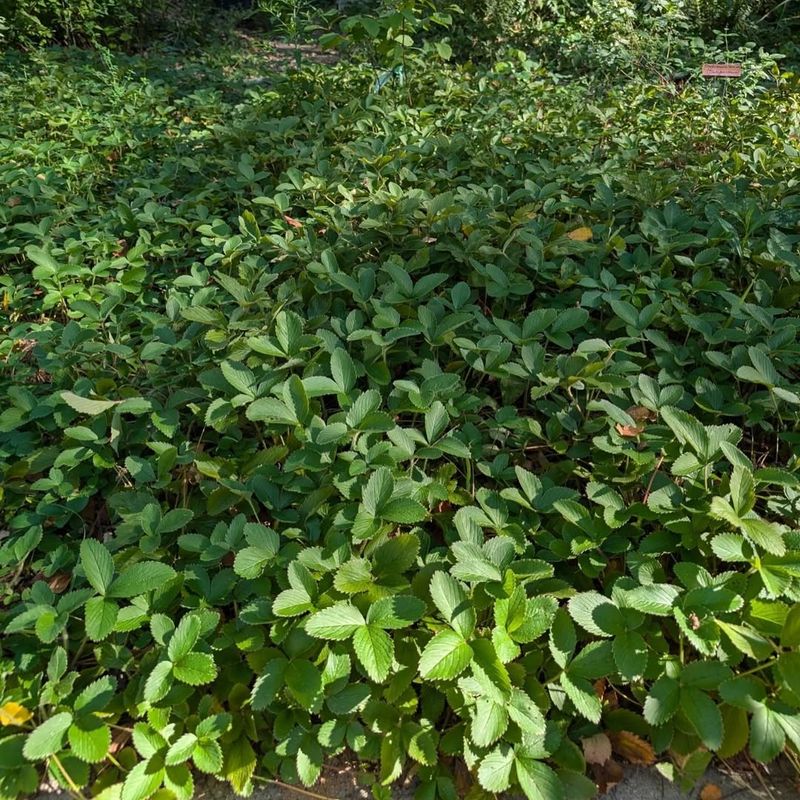
Traditional grass turns brown and dormant during Georgia winters, leaving yards looking drab and lifeless.
Many groundcovers stay green all year, providing continuous visual interest regardless of season.
Evergreen varieties maintain their color through cold snaps that would send grass into hibernation.
Some species even produce flowers at different times, adding splashes of color to the consistent greenery.
Your landscape keeps its appeal in January just as much as in June.
Visitors and passersby notice properties that look intentionally designed rather than neglected during off-seasons.
Real estate agents know that year-round curb appeal helps property values and makes homes more attractive to potential buyers.
You avoid the cycle of overseeding, waiting for germination, and nursing tender new grass through vulnerable early stages.
Groundcovers establish once and keep performing without annual replanting or renovation.
Different varieties offer different textures and shades of green, allowing creative combinations that add depth to your landscape.
The consistent appearance makes yard maintenance predictable since you know what to expect each month.
Winter holidays feel more festive when your outdoor spaces maintain their beauty instead of looking bare and brown.
Initial Investment Pays Off Quickly
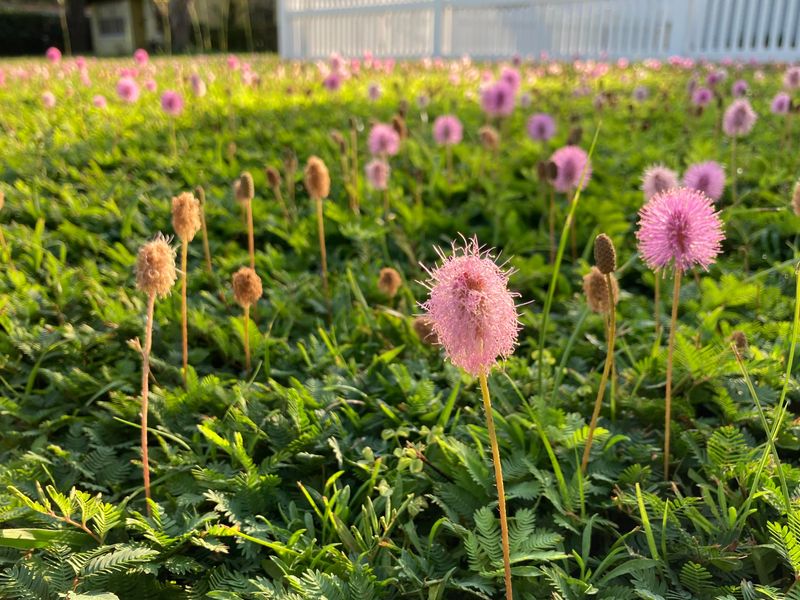
Starting a groundcover project requires purchasing plants and preparing the soil, which might seem expensive at first glance.
Smart homeowners recognize that this upfront cost gets repaid within the first few years through reduced maintenance expenses.
Groundcovers multiply naturally, spreading to fill bare areas without requiring additional purchases.
Many varieties can be divided and relocated to extend coverage even further.
Compare this to the ongoing costs of grass seed, fertilizer, weed control, water, and equipment maintenance that traditional lawns demand forever.
The math works strongly in favor of groundcovers when you calculate total costs over five or ten years.
Professional lawn services charge hundreds or thousands annually for maintenance that groundcovers eliminate.
Equipment expenses disappear or drop dramatically when you no longer need a mower, edger, and spreader.
Fuel costs for power equipment add up quickly over time.
Groundcovers also increase property values by creating attractive, low-maintenance landscapes that appeal to buyers.
The return on investment becomes obvious once you experience your first full year without constant lawn care expenses.
Friends who hesitate about the initial cost change their minds after seeing how quickly the savings accumulate for early adopters in their neighborhood.