Why Ghost Pipe Is Now Appearing Across New York Forests
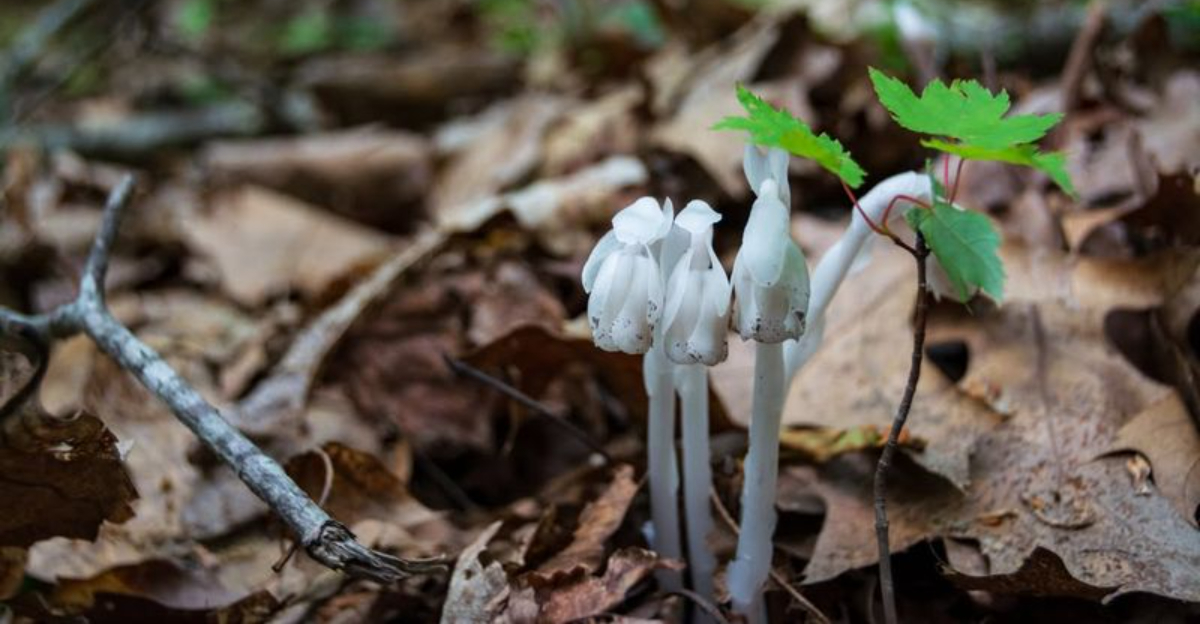
Hikers across New York are doing double takes on forest trails this year.
Tucked beneath towering trees and scattered along damp woodland floors, ghost pipe is popping up like a scene from a fairy tale.
Its pale, almost translucent stems stand out against dark soil and fallen leaves, making it hard to miss once you know what to look for.
For many outdoor lovers, spotting it feels like finding a needle in a haystack, then suddenly seeing them everywhere.
Ghost pipe has always been around, but it tends to play hard to get.
It does not follow the usual rules of plants, skipping sunlight and living off underground fungal partners instead.
When conditions line up just right, it emerges quickly, then disappears just as fast.
That fleeting nature is part of what makes its sudden presence across New York forests so eye catching.
This season, a mix of weather patterns and forest conditions has opened the door for ghost pipe to thrive.
Moist soil, shaded ground, and healthy tree cover have created a perfect storm.
As a result, this once rare sight is stepping into the spotlight, catching curious eyes from casual walkers to seasoned naturalists.
1. Increased Fungal Networks Are Thriving In Mature Forests
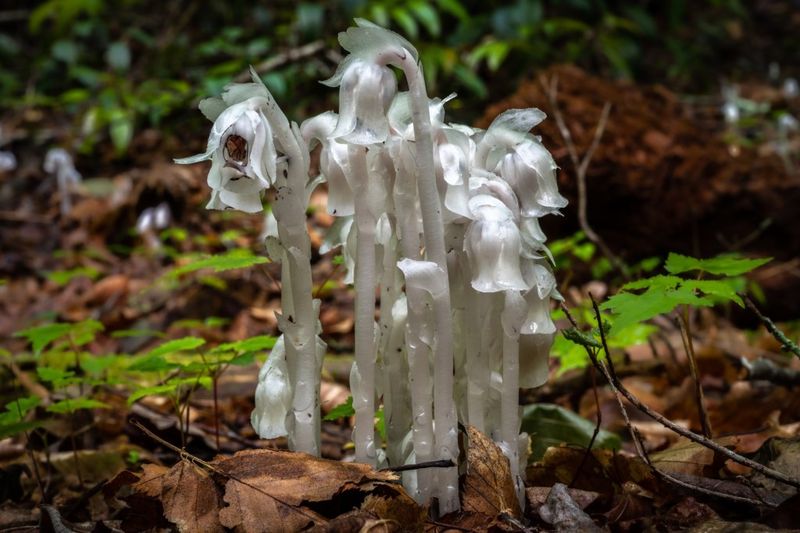
Older forests throughout New York State have developed incredibly complex underground networks that scientists sometimes call the “wood wide web.”
These networks consist of fungal threads called mycelium that connect tree roots together, sharing nutrients and information across huge distances.
Ghost pipe depends entirely on these fungal networks to survive since it cannot produce its own food through photosynthesis.
As New York forests have matured over the past several decades, particularly in areas where logging stopped many years ago, these fungal highways have grown stronger and more extensive.
The Adirondack region and parts of the Catskill Mountains now contain forests that haven’t been seriously disturbed for fifty to one hundred years.
This long period of stability has allowed fungi to establish deep, healthy connections with tree roots, creating the perfect environment for ghost pipe to flourish.
When fungal networks are well-established, they can support more parasitic plants like ghost pipe without harming the overall forest ecosystem.
The fungi form partnerships with trees, trading nutrients for sugars the trees produce, and ghost pipe taps into this exchange by connecting to the fungi.
Forest ecologists studying New York woodlands have documented how these fungal communities become more diverse and robust as forests age.
With climate conditions staying relatively stable in many protected forest areas, the underground fungal systems have reached a level of complexity that can now support larger populations of unusual plants.
This expansion of fungal networks represents one of the primary reasons ghost pipe sightings have increased across New York, particularly in state parks and nature preserves where forests remain undisturbed.
2. Climate Patterns Have Created Ideal Moisture Conditions
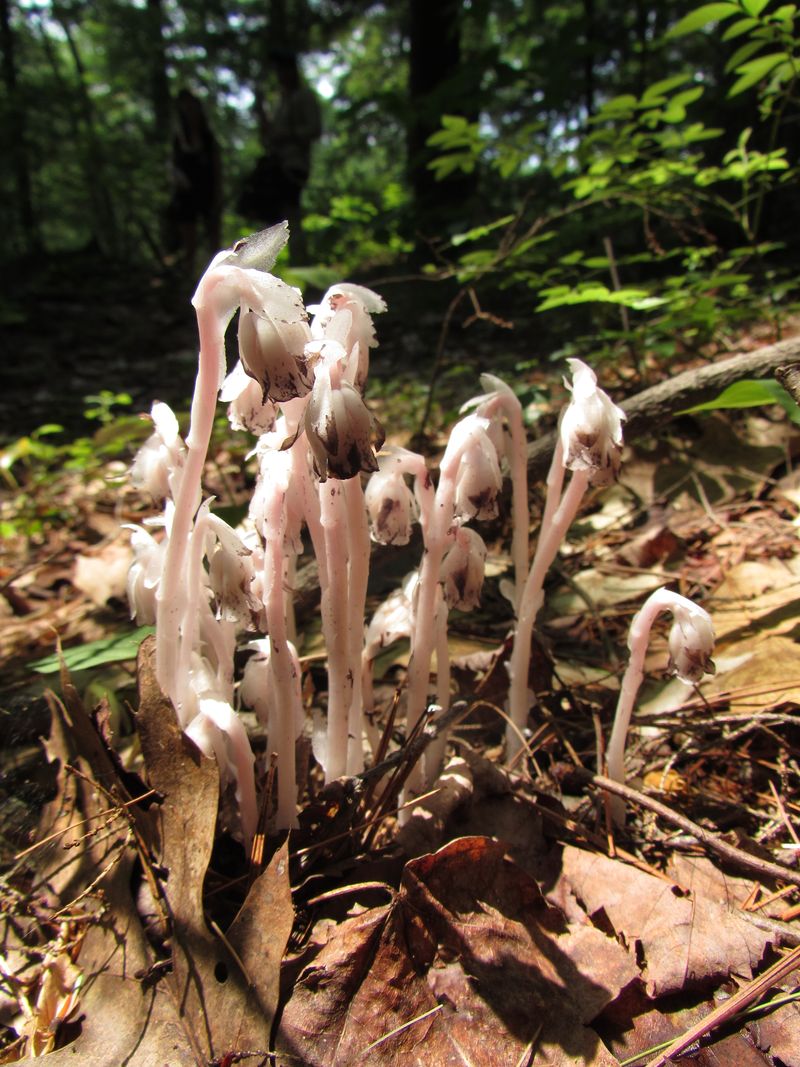
Recent weather patterns across New York have brought more consistent rainfall during spring and summer months, creating the damp conditions ghost pipe absolutely loves.
This plant thrives in areas where the soil stays moist but not waterlogged, and the past few years have provided exactly these conditions in many forest ecosystems.
Unlike drought-tolerant plants, ghost pipe needs steady moisture to support its fleshy, waxy stems that contain no chlorophyll.
The plant emerges from the forest floor during late spring through early fall, timing that coincides perfectly with New York’s humid summer weather patterns.
Meteorologists have tracked how precipitation patterns have shifted slightly in the Northeast, with fewer extreme droughts but more regular, moderate rainfall events.
These changes benefit moisture-loving species while not creating the flooding conditions that would wash away delicate forest floor plants.
The Hudson Valley and regions around the Finger Lakes have experienced particularly favorable moisture levels, with morning dew and fog providing additional humidity that ghost pipe finds beneficial.
Forests with dense canopy cover trap this moisture near the ground, creating microclimates that stay consistently damp.
Temperature patterns also play a role, as ghost pipe prefers cooler forest environments where the soil doesn’t dry out quickly.
New York’s forested areas maintain these cooler temperatures even during warm months, especially in shaded valleys and north-facing slopes.
Conservation areas across the state that monitor forest conditions have noted how moisture-dependent species are expanding their ranges.
Ghost pipe serves as an indicator species, showing up in greater numbers when moisture conditions remain stable throughout the growing season.
3. Reduced Forest Disturbance Allows Underground Systems To Develop
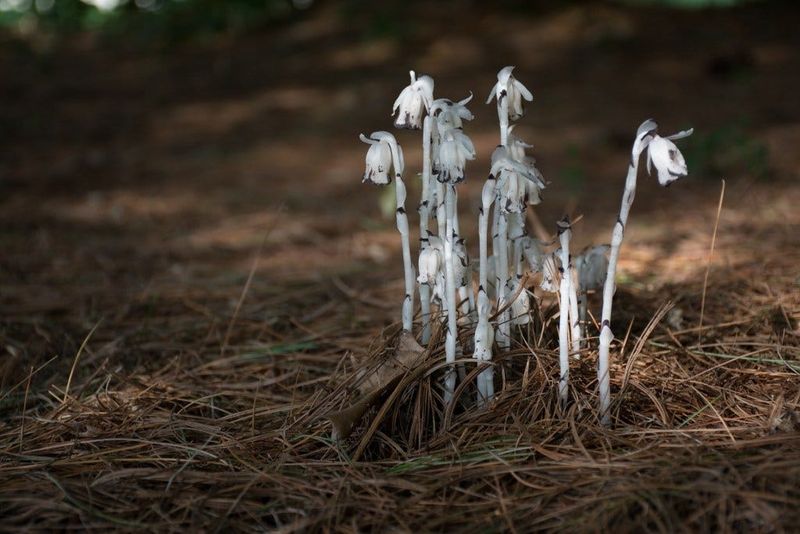
Conservation efforts throughout New York have led to significantly less human disturbance in many forest areas over recent decades.
When forests remain untouched by logging, development, or heavy recreational use, the underground ecosystems have time to develop the complex relationships that ghost pipe requires.
Soil compaction from foot traffic or machinery can damage the delicate fungal threads that ghost pipe depends on for survival.
Protected areas across New York, including state forests and private conservation lands, have implemented trail systems that keep most of the forest floor undisturbed.
Historical records show that many New York forests were heavily logged in the 1800s and early 1900s, but subsequent regrowth has created second-growth forests that are now reaching ecological maturity.
These maturing forests provide stable conditions where unusual plants can establish populations without constant disruption.
The mycorrhizal fungi that connect with tree roots and support ghost pipe are particularly sensitive to soil disturbance.
Even activities like raking leaves or digging can break these connections, so areas where such activities have decreased see corresponding increases in fungal diversity.
Wildlife management practices in New York have also shifted toward less invasive approaches, allowing natural forest processes to proceed without constant human intervention.
This hands-off approach benefits species that need stable, undisturbed conditions to complete their life cycles.
Forest preserve areas in the Adirondacks and Catskills have some of the strictest protection rules in the state, and these areas report some of the most consistent ghost pipe populations.
The correlation between protection level and ghost pipe abundance suggests that reduced disturbance is a key factor in the plant’s expanding presence.
4. Beech And Oak Trees Are Expanding Their Range
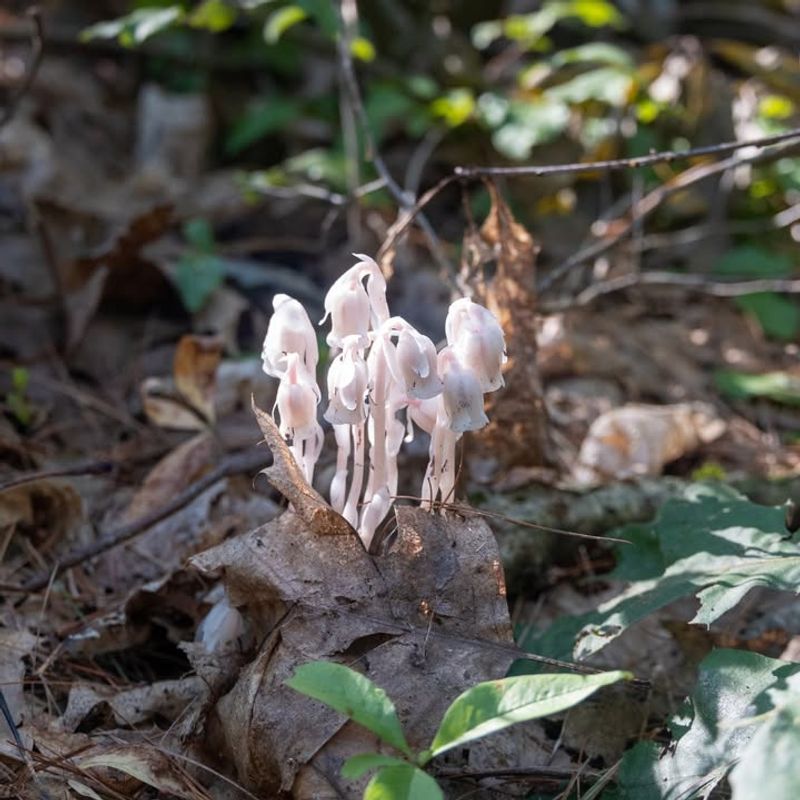
Forest composition studies across New York reveal that beech and oak trees, two species that form strong partnerships with the fungi ghost pipe uses, have been expanding into new areas.
These hardwood trees create the exact type of mycorrhizal associations that allow ghost pipe to tap into the nutrient flow between trees and fungi.
American beech trees have particularly strong fungal associations, and areas where beech populations are healthy often show corresponding increases in ghost pipe sightings.
The Hudson Valley and southern regions of the Adirondacks have seen beech populations stabilize after earlier threats from disease.
Oak species, including red oak and white oak common throughout New York, also support the specific types of fungi that ghost pipe prefers.
As oak forests mature and their root systems expand, they create more opportunities for fungal networks to develop the complexity needed to support additional plant species.
Forest succession patterns show that as New York woodlands age, they tend to shift toward beech-oak-maple compositions in many regions.
This natural progression creates increasingly favorable conditions for ghost pipe, which rarely appears in young forests dominated by pioneer species like aspen or birch.
Ecological surveys conducted by state universities have mapped how hardwood forests are changing across New York, noting that climate conditions favor the spread of beech and oak into areas where they were previously less common.
This expansion brings the necessary fungal partners that ghost pipe requires.
The relationship between tree species composition and ghost pipe abundance is so strong that botanists can often predict where ghost pipe will appear based on which trees dominate a forest area.
New York’s shifting forest composition is creating more ghost pipe habitat across the state.
5. Deer Populations Avoid Eating This Bitter Plant
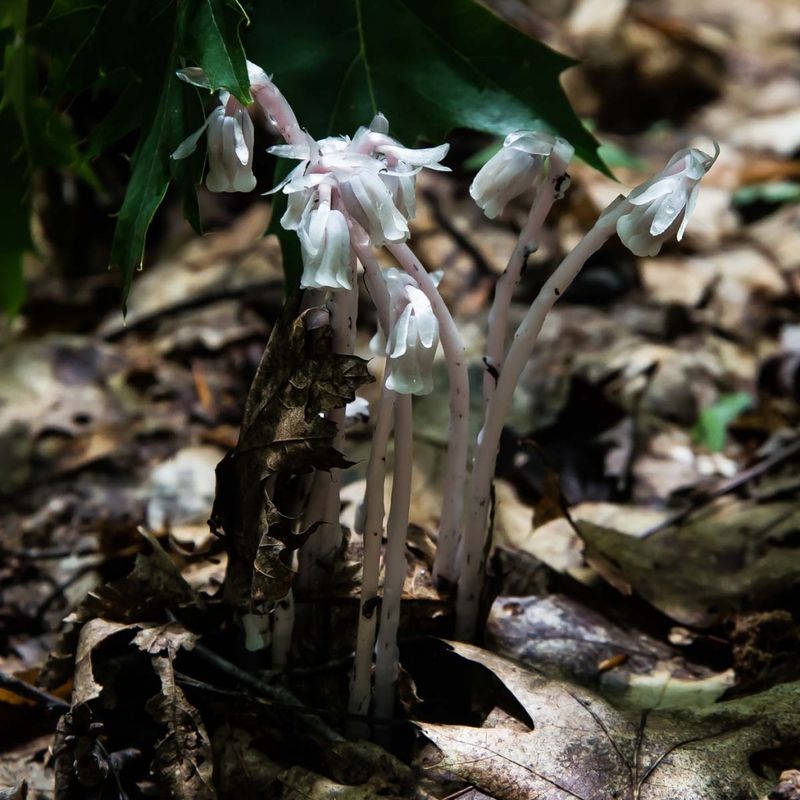
White-tailed deer populations across New York have significant impacts on forest plant communities, browsing heavily on many species and preventing some plants from reproducing successfully.
However, ghost pipe contains compounds that make it extremely unpalatable to deer and most other herbivores, giving it a survival advantage in forests where deer browse heavily.
Botanists studying plant communities in high-deer-density areas of New York have noticed that ghost pipe populations remain stable or even increase while other forest floor plants decline from browsing pressure.
This selective advantage allows ghost pipe to flourish where competing plants get eaten.
The bitter taste and potentially toxic compounds in ghost pipe stems mean that deer learn to avoid the plant after one or two attempts to eat it.
Unlike tasty wildflowers that get consumed repeatedly, ghost pipe can complete its life cycle without interference from browsing animals.
Areas around suburban New York where deer populations are particularly high show interesting patterns, with ghost pipe appearing in locations where almost all other herbaceous plants have been heavily browsed.
This creates opportunities for ghost pipe to spread into areas it might not otherwise colonize.
Conservation managers working in New York state parks have documented how deer browsing pressure shapes plant communities, often reducing diversity by removing preferred food plants.
Ghost pipe represents one of the few species that actually benefits from high deer populations by facing less competition.
The chemical defenses that protect ghost pipe from herbivores have been present throughout the plant’s evolutionary history, but they become more significant in ecosystems where deer populations are elevated.
New York forests with abundant deer are therefore more likely to show increasing ghost pipe populations as other plants decline.
6. Warmer Winters Allow Fungal Systems To Remain Active Longer
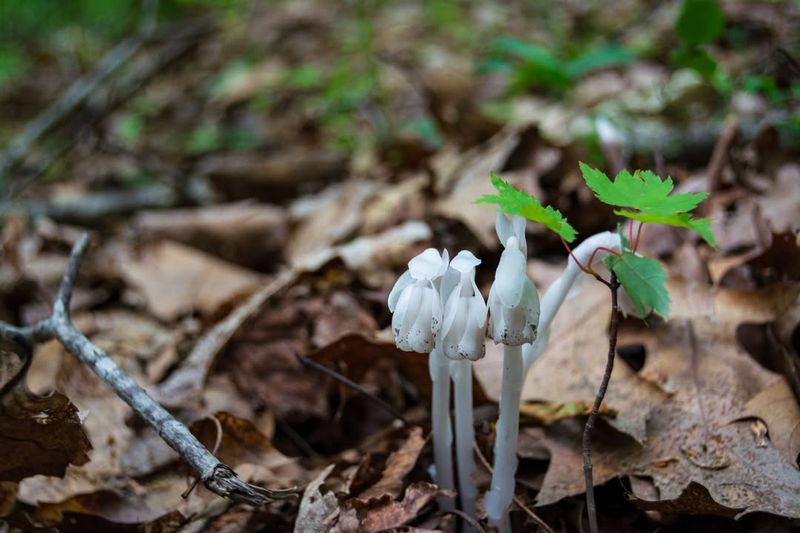
Climate data from across New York State shows a clear trend toward milder winter temperatures, with fewer extreme cold snaps and shorter periods of frozen ground.
These changing conditions benefit the underground fungal networks that ghost pipe depends on, allowing them to remain metabolically active for longer periods each year.
Mycorrhizal fungi that partner with tree roots can continue exchanging nutrients during mild winter periods when the ground doesn’t freeze deeply.
Extended periods of fungal activity mean stronger, more extensive networks by the time ghost pipe emerges in late spring and summer.
Historical weather records indicate that New York winters now average several degrees warmer than they did fifty years ago, with significant implications for underground ecosystems.
Soil temperatures remain above freezing more consistently, allowing biological processes to continue even during traditional winter months.
The Finger Lakes region and areas near Long Island Sound experience particularly mild winters due to moderating effects from large bodies of water.
These regions have reported some of the most dramatic increases in ghost pipe sightings, possibly because fungal systems there remain active almost year-round.
Scientists studying forest ecology have found that fungal biomass increases in areas with milder winters, as the organisms have more time to grow and spread their networks.
This increased fungal presence creates more potential connection points for ghost pipe to tap into.
While some aspects of climate change harm ecosystems, the milder winters across New York appear to benefit certain forest floor species that rely on fungal partnerships.
Ghost pipe populations are expanding partly because their fungal partners are thriving under these new temperature regimes, creating conditions that support more individuals across wider areas.
7. Increased Public Awareness Leads To More Reported Sightings
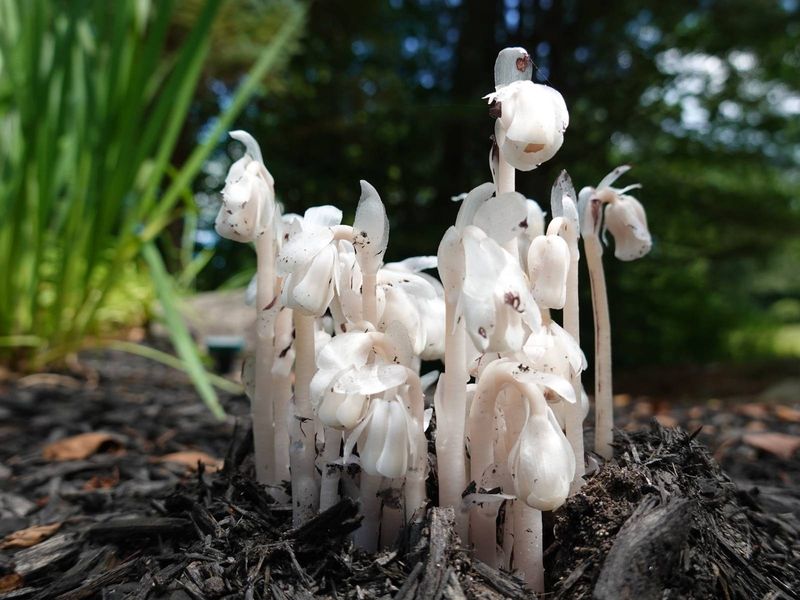
Social media and nature photography have exploded in popularity over recent years, with hikers and nature enthusiasts across New York sharing pictures of interesting plants they encounter on trails.
Ghost pipe, with its striking white appearance and unusual characteristics, has become a favorite subject for Instagram posts and nature blogs.
Before smartphones and social media became widespread, many people walking through New York forests might have passed ghost pipe without recognizing it or knowing what they were seeing.
Now, identification apps and online plant groups help people recognize and report sightings, creating the impression that populations have increased.
Environmental education programs in New York schools have also improved, teaching students about forest ecosystems and unusual plants like ghost pipe.
When more people know what to look for, they naturally report more sightings, even if actual population numbers have remained relatively stable.
State parks and nature centers across New York have developed better interpretive programs, often highlighting ghost pipe as an example of fascinating forest ecology.
Guided nature walks specifically mention the plant, encouraging participants to watch for it and share their discoveries.
The rise of citizen science projects has created new channels for people to report plant sightings, contributing to databases that track species distribution across New York.
Projects like iNaturalist have thousands of New York participants who regularly document forest plants, including ghost pipe.
While actual population increases are certainly occurring for the ecological reasons previously discussed, the perception of rapidly expanding ghost pipe presence is amplified by increased public awareness and reporting.
More eyes looking for the plant, combined with better tools for identification and sharing, means that ghost pipe is simply being noticed and documented more frequently than ever before across New York forests.