Why Ghost Pipe Is Showing Up In New Jersey Woodlands This Year
Walk through a New Jersey woodland this year and you might spot something that looks more like a forest legend than a plant.
Pale, waxy, and almost glowing against the leaf litter, ghost pipe stops hikers in their tracks.
Its sudden appearance feels uncanny, yet it tells a deeper story about shifting conditions beneath the trees.
Heavy rain, humid stretches, and subtle changes in forest health set the stage for this elusive wildflower to rise from hiding.
Ghost pipe lives off underground fungal networks, so when those systems thrive, it seizes its moment.
Many locals assume it signals decay or danger, but the truth runs in a different direction.
Its presence often points to complex, active ecosystems at work below the surface.
This year’s sightings across New Jersey woodlands raise eyebrows and spark curiosity for good reason.
What Is Ghost Pipe? The Pale Plant Often Mistaken For A Fungus

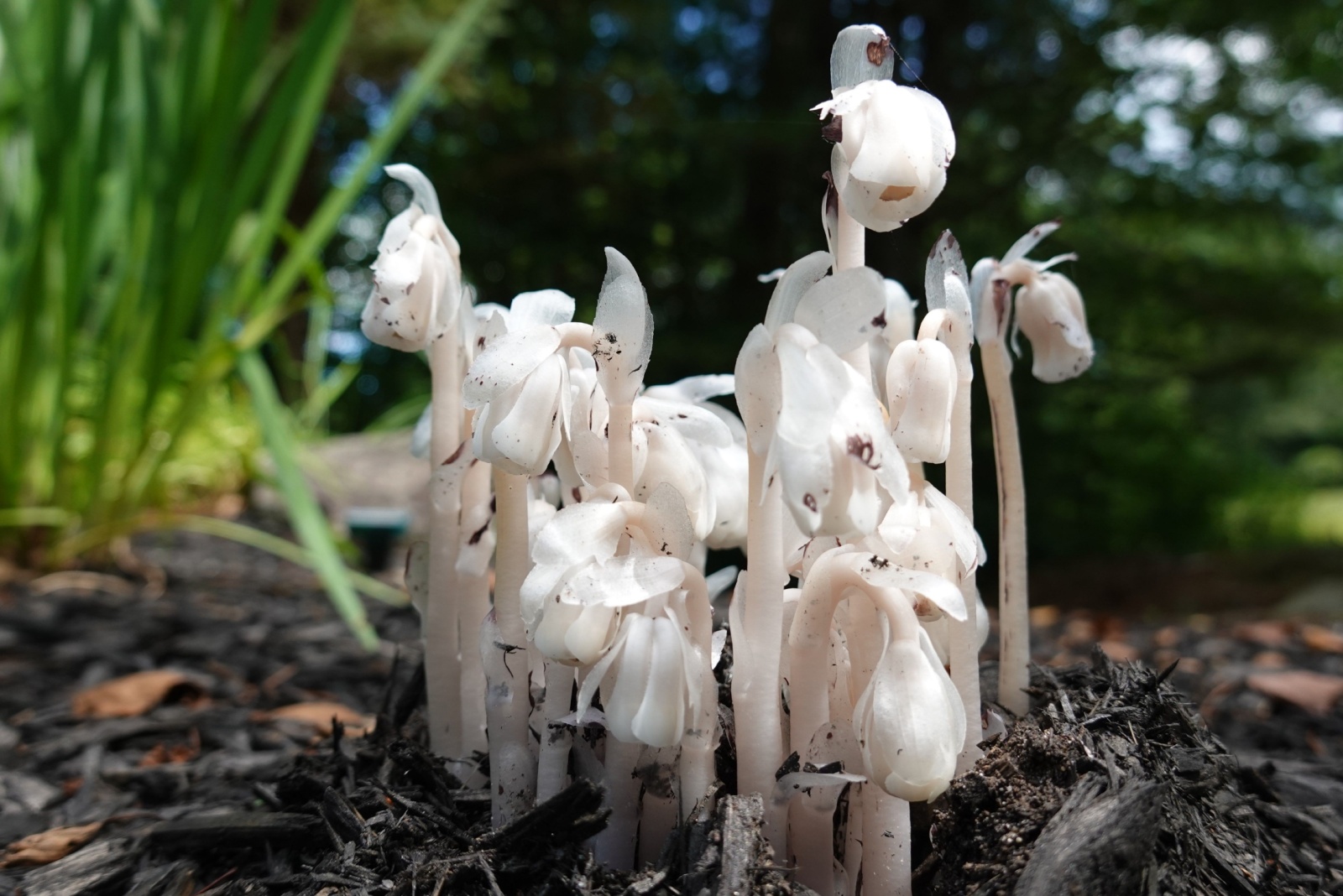
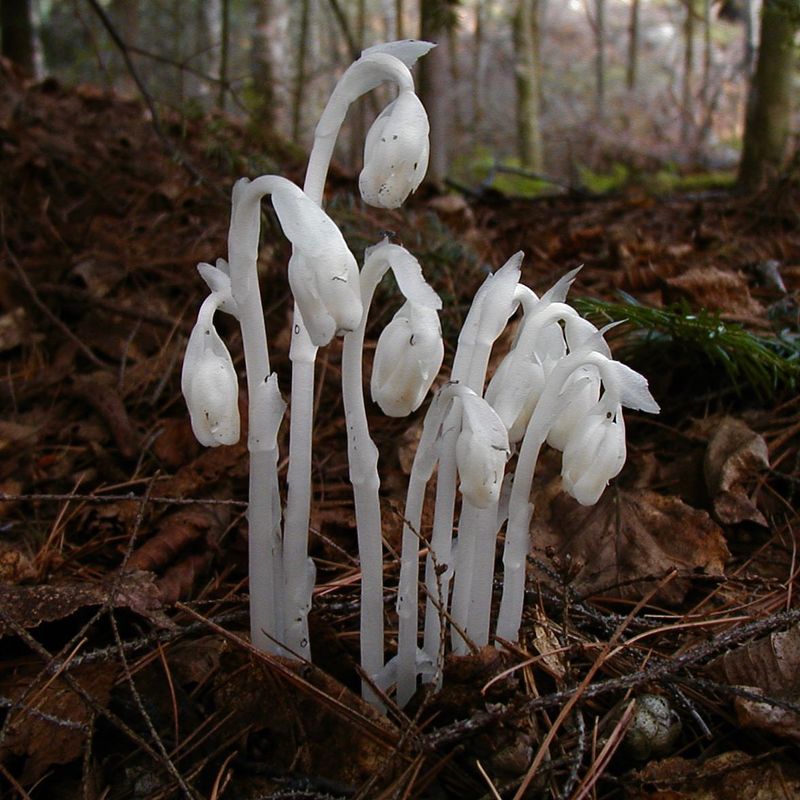
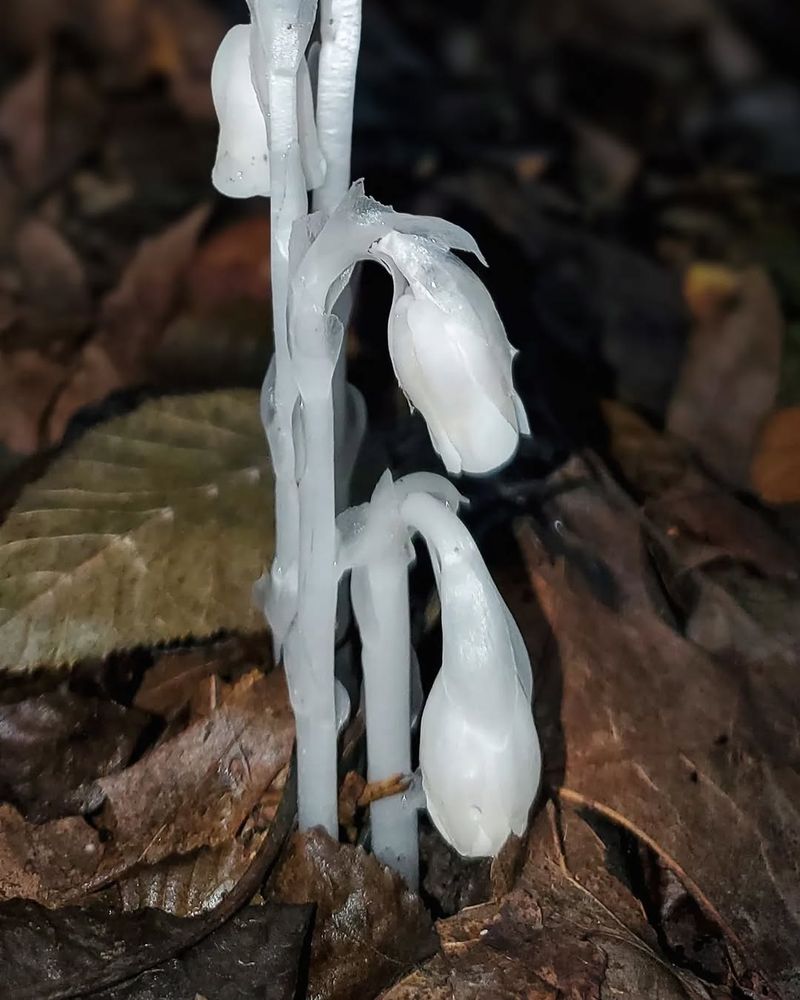
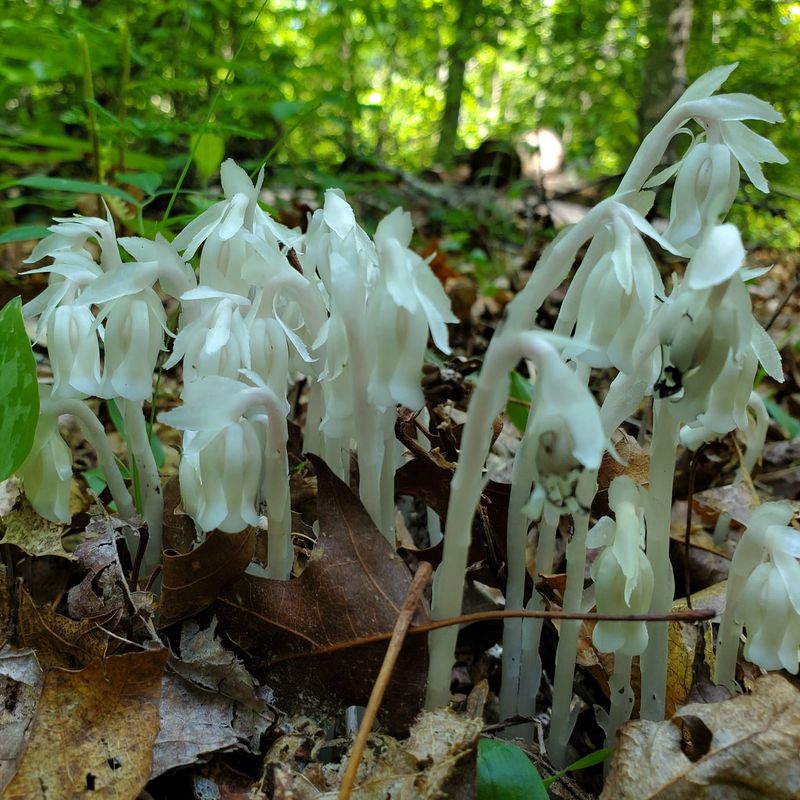
Ghost Pipe earns its name from its ghostly white appearance and the way it stands out against the dark forest floor.
Many people who stumble upon it think they have found a rare fungus or some type of exotic mushroom.
In reality, Ghost Pipe is a flowering plant, though it looks nothing like the colorful blooms most of us recognize.
Its scientific name is Monotropa uniflora, and it belongs to a group of plants that have lost their green color over time.
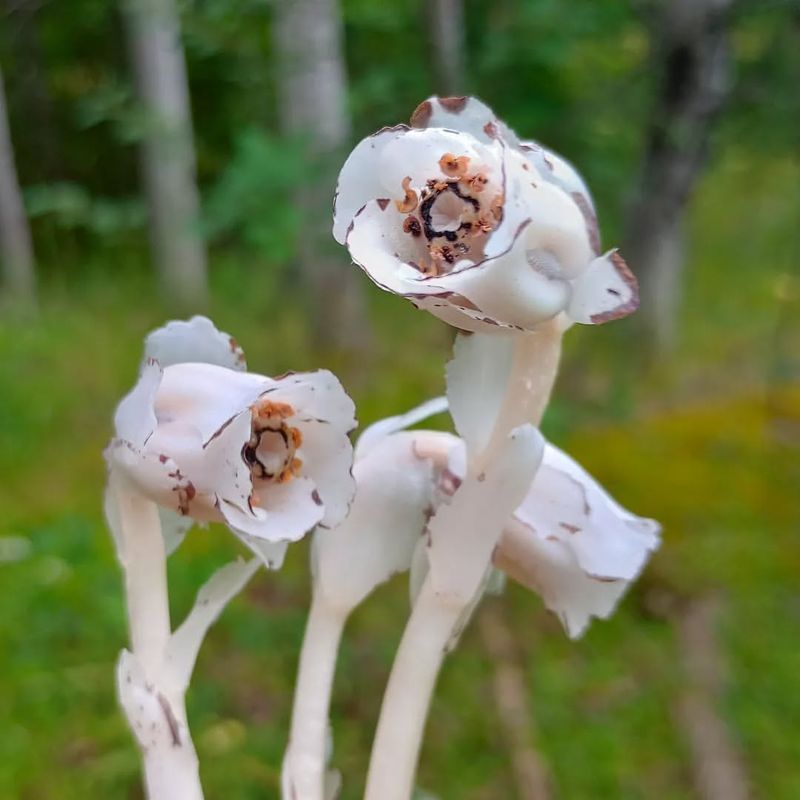
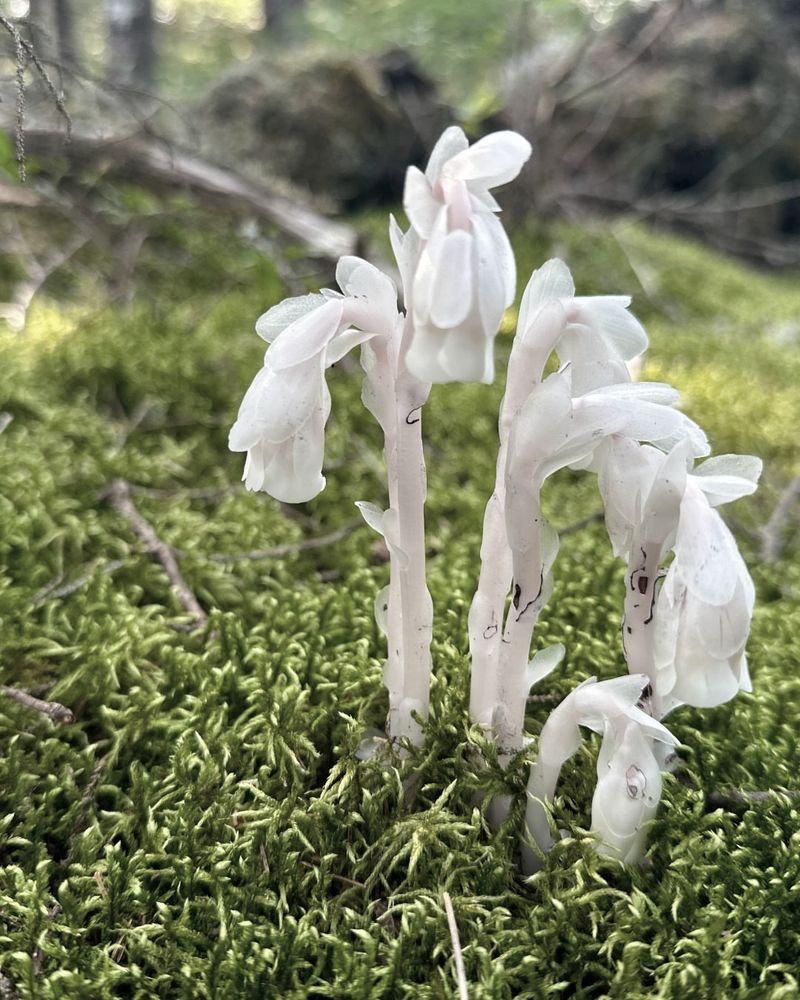
The entire plant, from stem to flower, appears white or sometimes pale pink.
Each stem typically has a single nodding flower at the top, which gives it a drooping, ghostly look.
Because it lacks the green pigment chlorophyll, Ghost Pipe cannot perform photosynthesis like other plants.
This makes it one of the most unusual members of the plant kingdom.
Its waxy texture and translucent quality add to the eerie impression it leaves on anyone who encounters it.
Ghost Pipe thrives in dim, damp environments where most colorful flowers would struggle to grow.
Spotting one in the wild feels like discovering a hidden secret of the forest.
How Ghost Pipe Survives Without Sunlight Or Chlorophyll

Most plants rely on sunlight to create energy through a process called photosynthesis.
Ghost Pipe, however, has evolved a completely different survival strategy.
Without chlorophyll, it cannot capture sunlight or produce its own food.
Instead, Ghost Pipe taps into a hidden network of fungi that connects it to nearby trees.
This relationship is called mycoheterotrophy, which means the plant gets its nutrients from fungi rather than from the sun.
The fungi act as middlemen, transferring sugars and nutrients from tree roots to the Ghost Pipe.
In a way, Ghost Pipe is a parasite that depends entirely on this underground partnership.
Trees provide the fungi with sugars made through photosynthesis, and the fungi share some of those sugars with the Ghost Pipe.
This three-way connection allows Ghost Pipe to thrive in deep shade where sunlight barely reaches the ground.
Its pale color is actually a result of losing chlorophyll over many generations.
Evolution favored this unusual lifestyle because it allowed Ghost Pipe to occupy a niche that few other plants could fill.
The Underground Fungal Networks Ghost Pipe Depends On
Beneath every forest floor lies an invisible web of fungal threads called mycelium.
These threads connect the roots of trees, shrubs, and plants in a vast underground network.
Scientists sometimes call this network the “wood wide web” because it allows plants to communicate and share resources.
Ghost Pipe plugs into this network by forming a special relationship with a type of fungus called mycorrhizal fungi.
These fungi wrap around tree roots and help the trees absorb water and nutrients from the soil.
In return, the trees supply the fungi with sugars produced through photosynthesis.
Ghost Pipe takes advantage of this partnership by connecting to the same fungi.
It essentially steals nutrients that would otherwise go to the trees or stay with the fungi.
This makes Ghost Pipe a “cheater” in the mycorrhizal network, benefiting without giving anything back.
The health and abundance of these fungal networks directly affect how many Ghost Pipe plants can grow in a given area.
When conditions are right and fungi are thriving, Ghost Pipe populations can increase rapidly.
Why Moist, Shady Woodlands Are Ideal For Ghost Pipe Growth
Ghost Pipe prefers environments that most flowering plants avoid.
Deep shade, high humidity, and rich organic soil create the perfect conditions for this unusual plant.
New Jersey woodlands offer all of these features, especially in areas with dense tree cover and minimal direct sunlight.
Moisture is especially important because it keeps the fungal networks active and healthy.
Fungi need damp conditions to grow and spread their threadlike structures through the soil.
Without enough moisture, the fungi cannot support the Ghost Pipe plants that depend on them.
Shady areas also prevent the soil from drying out too quickly during warm weather.
The thick leaf litter found in mature forests adds another layer of protection by holding moisture and providing nutrients as it decomposes.
Ghost Pipe often appears in clusters near the base of large trees, where fungal activity is highest.
These spots tend to be cool, dark, and undisturbed, which suits Ghost Pipe perfectly.
Any change in these conditions, such as increased sunlight or reduced rainfall, can affect whether Ghost Pipe appears in a given season.
How Weather Patterns This Year May Be Triggering More Sightings
Weather plays a major role in determining when and where Ghost Pipe appears.
This year, New Jersey has experienced a combination of rainfall and humidity that seems to favor Ghost Pipe growth.
Wet springs and summers create ideal conditions for the fungi that Ghost Pipe relies on.
When soil stays moist for extended periods, fungal networks expand and become more active.
This increased fungal activity provides more opportunities for Ghost Pipe to tap into the underground network.
Cooler temperatures can also help by preventing the soil from drying out too quickly.
Many naturalists have reported seeing more Ghost Pipe this year than in previous seasons.
These sightings often follow periods of consistent rain or high humidity.
Climate patterns such as increased rainfall or shifts in seasonal temperatures can influence the timing of Ghost Pipe blooms.
Even small changes in weather can have a big impact on delicate species like Ghost Pipe.
Tracking these patterns helps scientists understand how plants respond to environmental changes over time.
Why New Jersey’s Forests Are Well-Suited For Ghost Pipe
New Jersey may be a small state, but it has a surprising variety of forest habitats.
Many of these forests are mature, with old trees and well-established fungal networks.
These conditions are perfect for supporting Ghost Pipe populations.
Oak, maple, and beech trees are common in New Jersey woodlands, and they all form strong partnerships with mycorrhizal fungi.
Ghost Pipe thrives in forests dominated by these tree species.
The state also has plenty of protected natural areas where human disturbance is minimal.
This allows the delicate balance between trees, fungi, and Ghost Pipe to remain intact.
New Jersey’s coastal climate brings regular rainfall and moderate temperatures, which help maintain moist soil conditions year-round.
The combination of diverse tree species, healthy fungal networks, and favorable weather makes New Jersey an excellent home for Ghost Pipe.
Parks and preserves throughout the state offer great opportunities for nature lovers to spot this rare plant.
As awareness grows, more people are learning to recognize and appreciate Ghost Pipe during their woodland walks.
Why Ghost Pipe Appears Suddenly—And Then Disappears Again
One of the most fascinating things about Ghost Pipe is how quickly it appears and vanishes.
The plant can emerge from the forest floor, bloom, and wither away within just a few weeks.
This short life cycle makes Ghost Pipe easy to miss if you are not paying close attention.
Ghost Pipe spends most of its life underground as a network of roots connected to fungi.
Only when conditions are just right does it send up its pale flowering stems.
After blooming, the plant produces seeds and then quickly turns black and collapses.
This rapid transformation can be startling to anyone who has been watching a patch of Ghost Pipe.
The blackened stems often remain standing for a while, looking like tiny burnt candles.
Because Ghost Pipe does not rely on sunlight, it does not need to stay above ground for long.
Its brief appearance is perfectly timed to take advantage of peak fungal activity and favorable moisture levels.
This strategy allows Ghost Pipe to complete its life cycle efficiently and return to its hidden existence beneath the soil.