Why Ghost Pipe Is Showing Up In Tennessee Forests This Season
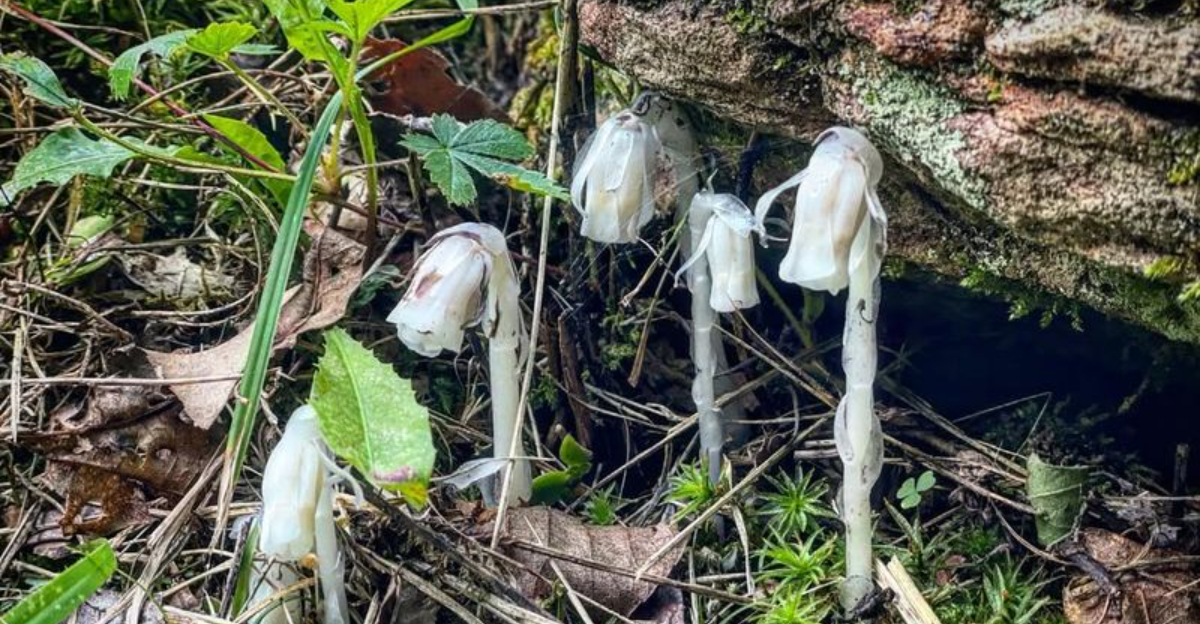
Walk through a Tennessee forest this season and you might spot something that stops you in your tracks.
Rising from the leaf litter like something out of a ghost story, pale white stems are catching the eye of hikers, photographers, and curious locals.
Ghost pipe is making an appearance, and it is turning heads from the Smokies to shaded woodland trails across the state.
This unusual plant does not play by the usual rules.
It has no green leaves, no need for sunlight, and no interest in blending in.
Instead, it lives off underground fungal networks and pops up only when conditions are just right.
Most years, it keeps a low profile.
This season, though, it seems to be stepping into the limelight.
A stretch of damp weather, rich forest soil, and deep shade have created the perfect setup.
When all those pieces fall into place, ghost pipe wastes no time showing itself.
Its sudden appearance feels like lightning in a bottle, brief but unforgettable.
For those lucky enough to see it, ghost pipe is a reminder that nature still has a few tricks up its sleeve and knows how to steal the show when the moment is right.
1. Increased Rainfall Created Perfect Moisture Conditions
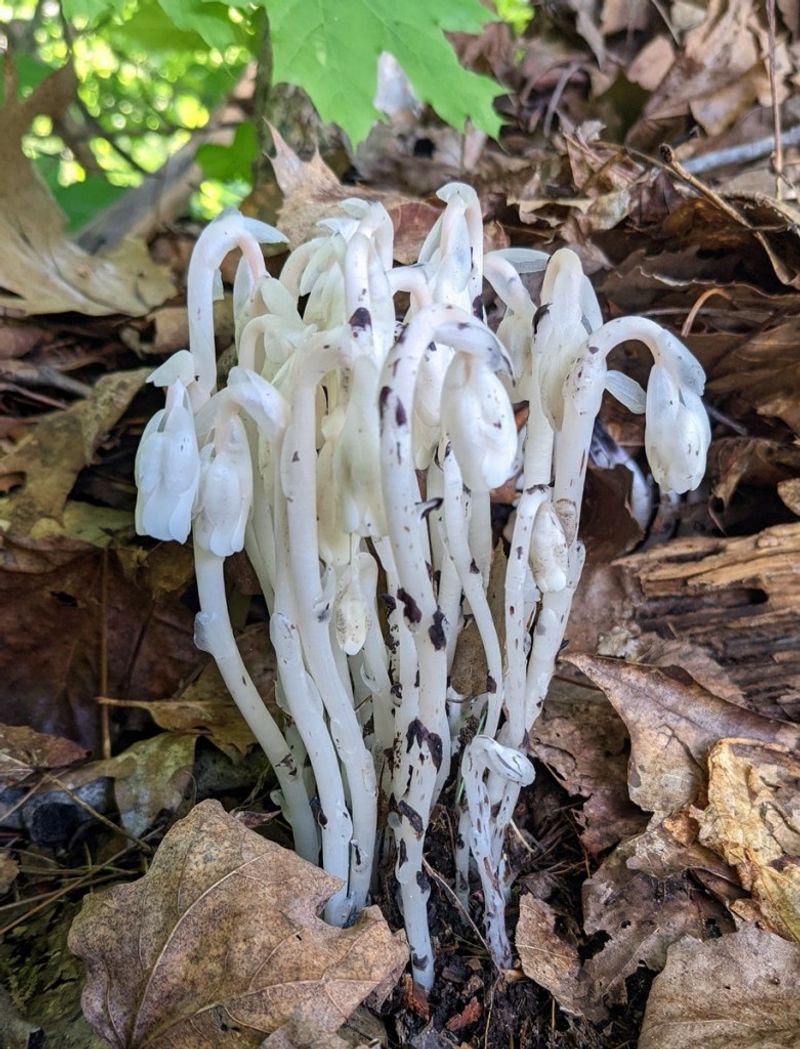
Tennessee has experienced above-average rainfall this season, creating the damp, humid conditions that ghost pipe absolutely loves.
This unusual plant thrives in environments where the soil stays consistently moist but not waterlogged, and the recent weather patterns have delivered exactly that.
Forest floors across the state have maintained higher moisture levels than usual, providing the perfect environment for ghost pipe to emerge and flourish.
The relationship between rainfall and ghost pipe appearance is direct and significant.
When soil moisture increases, the fungal networks that ghost pipe depends on become more active and widespread.
These fungi work harder to break down organic matter in wet conditions, creating more nutrients and energy that ghost pipe can tap into through its root connections.
Hikers exploring Tennessee trails after rainy periods often spot clusters of ghost pipe that weren’t visible just days earlier.
The plant can emerge relatively quickly once conditions align, sometimes appearing seemingly overnight after a good soaking rain.
This rapid response to moisture makes ghost pipe sightings more common during wetter seasons.
Forest ecosystems in eastern Tennessee, particularly in the Great Smoky Mountains region, have seen especially high ghost pipe populations this year.
The combination of elevation, tree cover, and increased precipitation has created ideal microhabitats.
Areas with thick leaf litter and mature hardwood trees have become hotspots for ghost pipe colonies, delighting visitors who stumble upon these otherworldly plants during their woodland adventures.
2. Mature Fungal Networks Are Thriving Underground
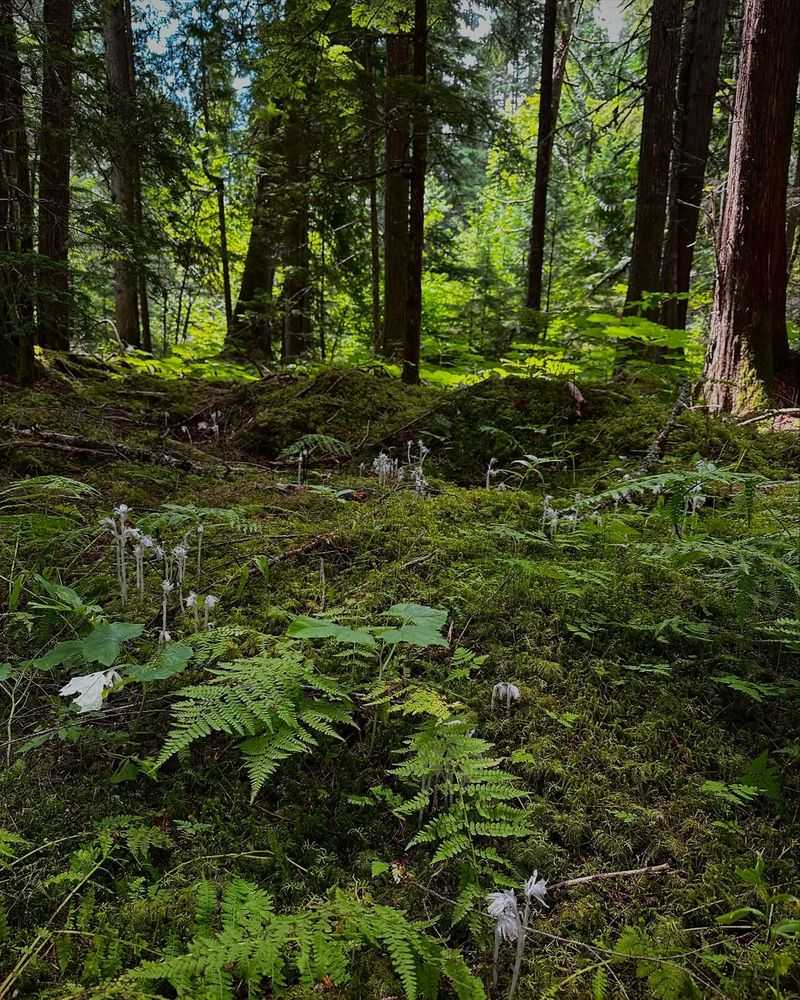
Ghost pipe doesn’t photosynthesize like regular plants, instead relying entirely on a fascinating underground partnership with mycorrhizal fungi.
These fungal networks have been developing and maturing in Tennessee forests for years, and this season they’ve reached a level of establishment that supports larger ghost pipe populations.
The stronger the fungal network, the more ghost pipe plants can be supported above ground.
Mycorrhizal fungi form connections with tree roots, helping trees absorb water and nutrients while receiving sugars in return.
Ghost pipe taps into these same fungal highways, essentially borrowing energy that trees produce through photosynthesis.
This three-way relationship between trees, fungi, and ghost pipe is complex and requires time to develop properly.
Tennessee’s old-growth and mature secondary forests provide the stable conditions these fungal networks need to thrive.
Areas that haven’t been heavily disturbed by logging or development in recent decades have the most robust underground fungal systems.
These established networks can support multiple ghost pipe plants simultaneously, leading to the impressive clusters that appear throughout the season.
Forest management practices that preserve leaf litter and avoid soil compaction have indirectly benefited ghost pipe populations.
When the forest floor remains undisturbed, fungal networks can expand and strengthen year after year.
This cumulative growth means that Tennessee forests that have been protected or left relatively wild are now showing the results through increased ghost pipe sightings across hiking trails and natural areas throughout the state.
3. Cooler Summer Temperatures Extended Growing Season
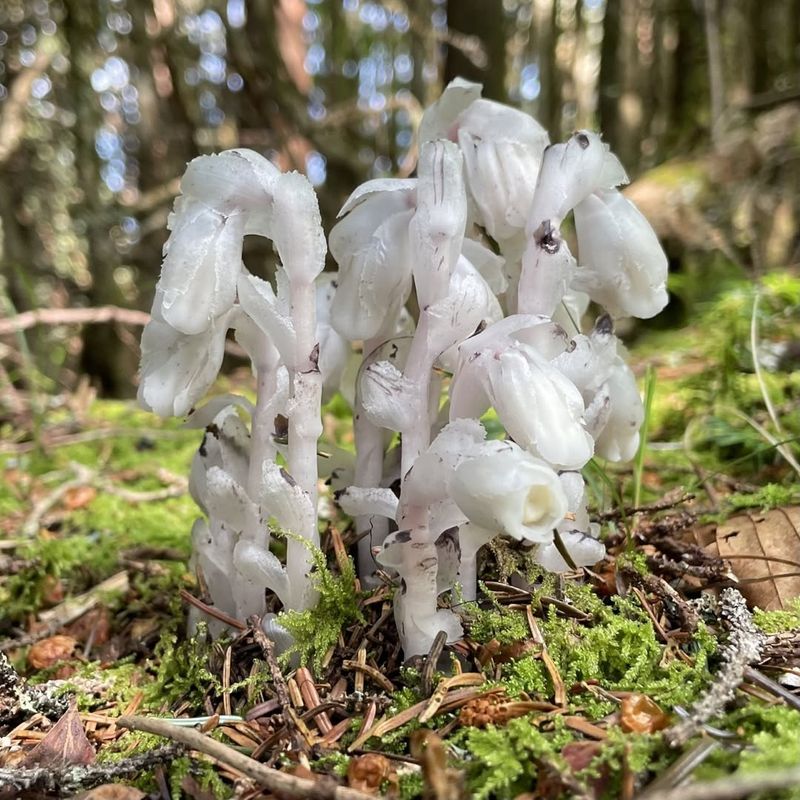
This year’s cooler-than-average summer temperatures across Tennessee have created an extended window for ghost pipe to emerge and bloom.
Typically, ghost pipe appears during the warmest months but can struggle when temperatures soar too high.
The moderate temperatures this season have allowed the plant to thrive for longer periods without the stress of extreme heat.
Ghost pipe prefers temperatures that hover in the comfortable range where forest humidity stays high and soil doesn’t dry out quickly.
When Tennessee summers become scorching, even shaded forest floors can experience temperature spikes that stress these delicate plants.
This year’s milder conditions have removed that limiting factor, allowing more plants to successfully complete their growth cycle.
The extended growing season has also meant that ghost pipe has appeared in multiple waves throughout Tennessee woodlands.
Instead of a single brief emergence, hikers have reported finding fresh ghost pipe plants from early summer through late fall.
This staggered appearance gives more people opportunities to encounter these unusual plants during their forest visits.
Temperature variations between day and night have also played a role in ghost pipe success this season.
Cool nights help maintain soil moisture and prevent the rapid evaporation that can stress shallow-rooted plants.
Tennessee’s elevation changes mean that higher altitude forests have experienced particularly favorable conditions, with mountain areas showing abundant ghost pipe populations.
Nature enthusiasts visiting state parks and national forests throughout Tennessee have noticed the difference, with many reporting their first-ever ghost pipe sightings during what has turned out to be an exceptional year for this mysterious plant.
4. Abundant Organic Matter From Healthy Tree Growth
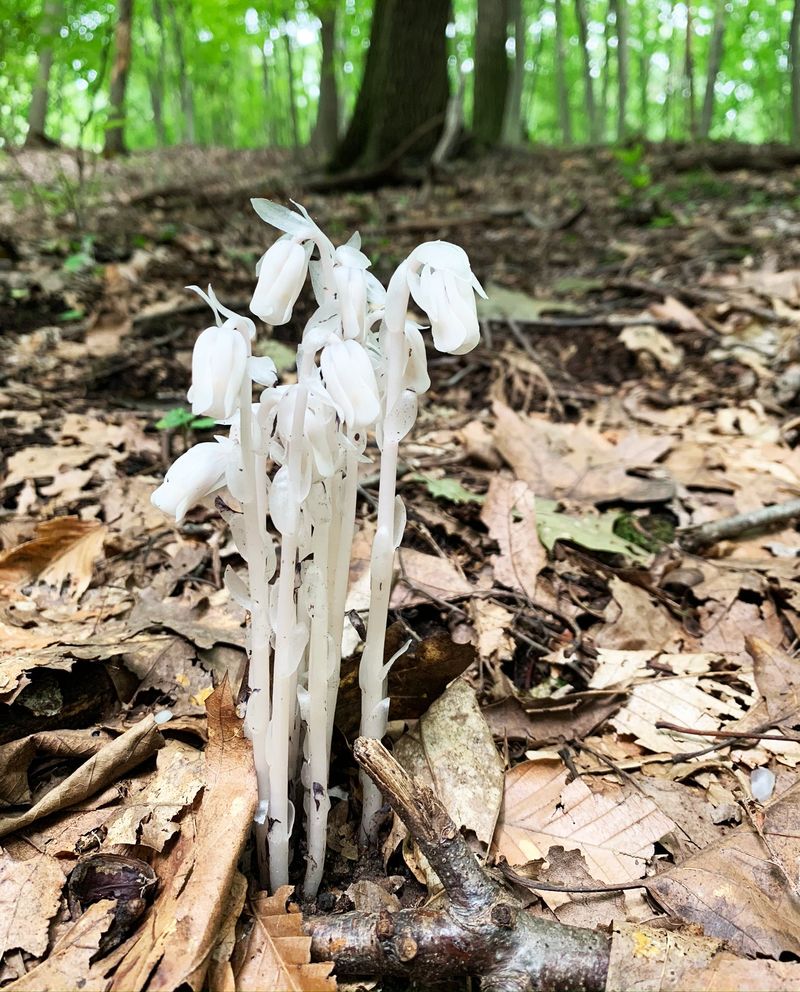
Tennessee’s forests have produced exceptional amounts of leaf litter and organic debris this year, creating a nutrient-rich environment that supports the fungi ghost pipe depends on.
Healthy tree growth means more leaves, twigs, and plant material falling to the forest floor, where decomposition processes feed the entire ecosystem.
This abundance of organic matter has cascaded through the food web to benefit ghost pipe populations.
The decomposition process is central to understanding why ghost pipe appears where it does.
Fungi that break down plant material are the same species that form partnerships with tree roots and ultimately support ghost pipe.
When there’s more organic matter to decompose, fungal populations expand, creating more opportunities for ghost pipe to establish connections.
Hardwood forests in Tennessee, particularly those dominated by oak, maple, and beech trees, have been especially productive this year.
These tree species produce substantial leaf litter that creates deep, spongy layers on the forest floor.
Ghost pipe thrives in these thick organic layers where moisture retention is excellent and fungal activity remains high throughout the growing season.
Forest health initiatives and natural succession in Tennessee have led to more mature, diverse woodlands across the state.
These ecosystems produce varied organic matter that supports diverse fungal communities, which in turn can sustain specialized plants like ghost pipe.
Areas that were once cleared for agriculture but have returned to forest are now reaching maturity levels that support these complex relationships, explaining why ghost pipe is appearing in locations where it may have been absent for decades.
5. Reduced Forest Disturbance Protected Underground Systems
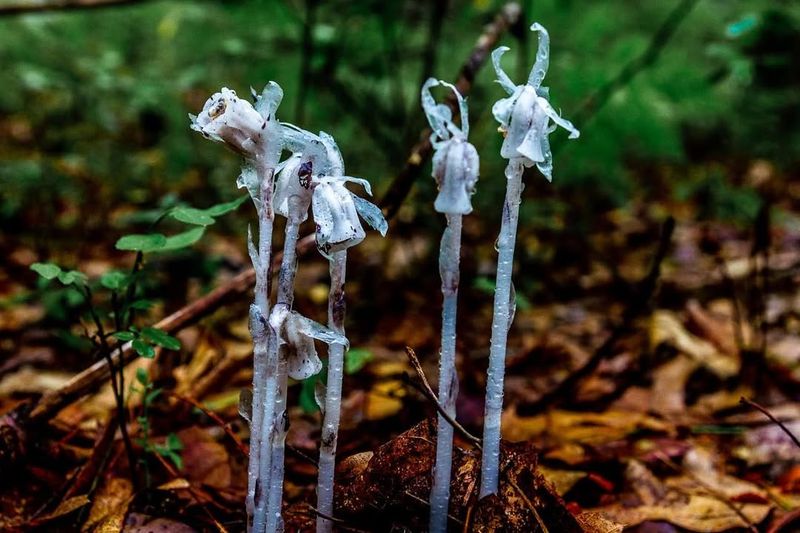
Conservation efforts and reduced human activity in certain Tennessee forest areas have allowed underground ecosystems to remain undisturbed, creating stable conditions for ghost pipe.
When forests experience less foot traffic, logging, or development, the delicate fungal networks beneath the surface can grow without interruption.
This protection has paid dividends this season with increased ghost pipe sightings in preserved areas.
Soil compaction from heavy use can seriously damage the fungal networks that ghost pipe needs to survive.
Even well-meaning hikers who step off trails can compact soil enough to disrupt these underground connections.
Tennessee state parks and natural areas that have implemented trail management strategies and encouraged visitors to stay on designated paths have inadvertently created better habitat for ghost pipe.
Forest succession in areas that were previously disturbed has also contributed to this year’s ghost pipe abundance.
Sections of Tennessee woodlands that experienced logging or clearing decades ago have now matured to the point where their underground ecosystems resemble old-growth conditions.
The time required for these systems to recover explains why ghost pipe might suddenly appear in areas where it hasn’t been seen in years.
Wildlife management practices that minimize soil disruption have also benefited ghost pipe populations throughout Tennessee.
Areas where prescribed burns are carefully managed or where invasive species removal focuses on methods that preserve soil structure tend to support healthier fungal networks.
These protected underground systems can then support the specialized plants that depend on them, including the increasingly visible ghost pipe that has captured attention across Tennessee forests this season, reminding visitors of the importance of treading lightly in natural spaces.
6. Optimal Shade Levels From Dense Canopy Cover
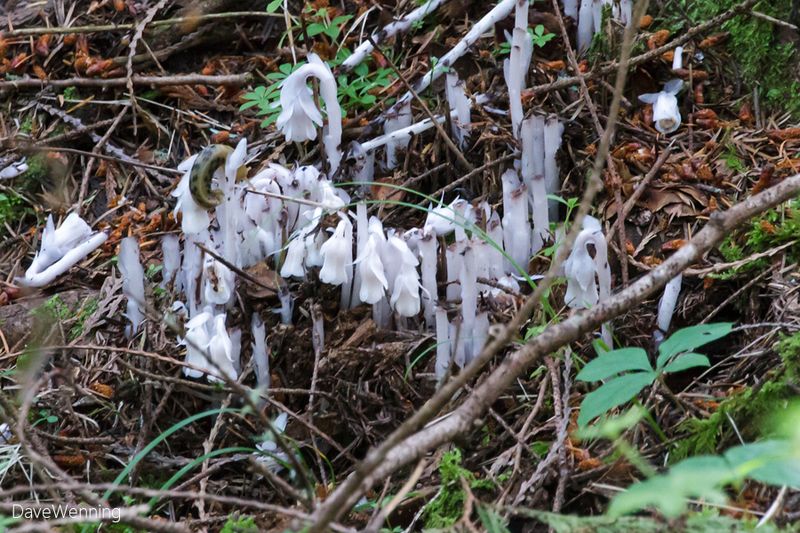
Tennessee’s forest canopies have been particularly dense this year, creating the deep shade conditions that ghost pipe requires to thrive.
Since this plant contains no chlorophyll and doesn’t need sunlight for photosynthesis, it actually prefers the darkest areas of the forest floor where competition from other plants is minimal.
The thick canopy coverage this season has expanded the suitable habitat for ghost pipe throughout the state.
Dense canopy cover does more than just block sunlight.
It also moderates temperature fluctuations, maintains higher humidity levels, and reduces wind that could dry out the forest floor.
These microclimate effects create the stable, cool, moist environment where ghost pipe flourishes, and Tennessee’s leafy canopies have been providing exactly these conditions.
Areas of Tennessee forest with mature tulip poplar, oak, and hickory trees have shown particularly high ghost pipe populations.
These species create multi-layered canopies that filter nearly all direct sunlight before it reaches the ground.
The resulting dim environment discourages many sun-loving plants but provides perfect conditions for shade specialists like ghost pipe.
Forest management that preserves canopy integrity has indirectly supported ghost pipe populations across Tennessee.
When selective logging maintains overall canopy cover or when natural regeneration creates dense young forests, the shade-dependent species benefit.
Hikers exploring Tennessee’s shadiest hollows and north-facing slopes have reported the most impressive ghost pipe displays this year.
The relationship between canopy density and ghost pipe abundance has become particularly noticeable in Tennessee’s protected wilderness areas, where natural forest dynamics create varied shade patterns that support diverse plant communities, including these fascinating chlorophyll-free plants.
7. Seasonal Timing Aligned With Peak Fungal Activity
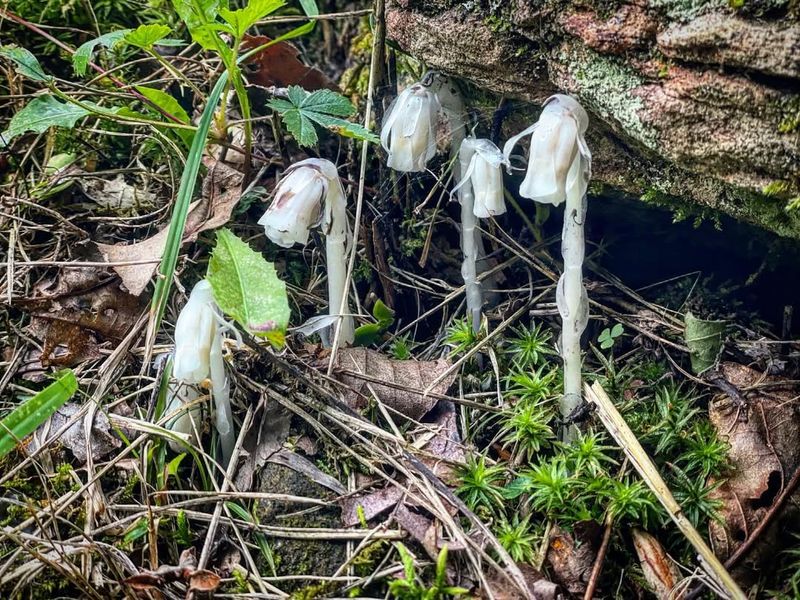
The timing of environmental conditions this year has perfectly aligned with the natural activity cycles of the fungi that ghost pipe depends on.
Fungal growth peaks during specific seasonal windows when temperature and moisture conditions are just right, and this year those windows have been exceptionally favorable across Tennessee.
When fungal activity increases, ghost pipe populations respond accordingly.
Late summer and early fall represent the peak period for many mycorrhizal fungi in Tennessee forests.
This is when fungal fruiting bodies like mushrooms appear above ground, signaling active growth below the surface.
Ghost pipe emergence often coincides with this fungal activity boom, and this year’s conditions have extended and intensified that peak period.
Temperature and moisture patterns that favor fungal growth have persisted longer than usual across Tennessee this season.
Instead of a brief window of optimal conditions, forests have experienced sustained favorable weather that has allowed fungi to remain active for extended periods.
This prolonged activity has supported multiple generations or waves of ghost pipe emergence throughout different regions of the state.
Observers in Tennessee have noted that ghost pipe appeared earlier and has persisted later into the season than in typical years.
This extended presence has given more people opportunities to encounter the plant and has contributed to the perception that ghost pipe is more abundant this year.
The synchronization between fungal cycles and favorable weather has created a banner year for this mysterious plant.
Nature photographers and botanists exploring Tennessee forests have documented this exceptional season, capturing images of ghost pipe in various stages from emergence to full bloom, providing valuable records of how seasonal timing influences these fascinating plants throughout the state’s diverse forest ecosystems.