Why Ghost Pipe Is Suddenly Appearing Across Pennsylvania Forests
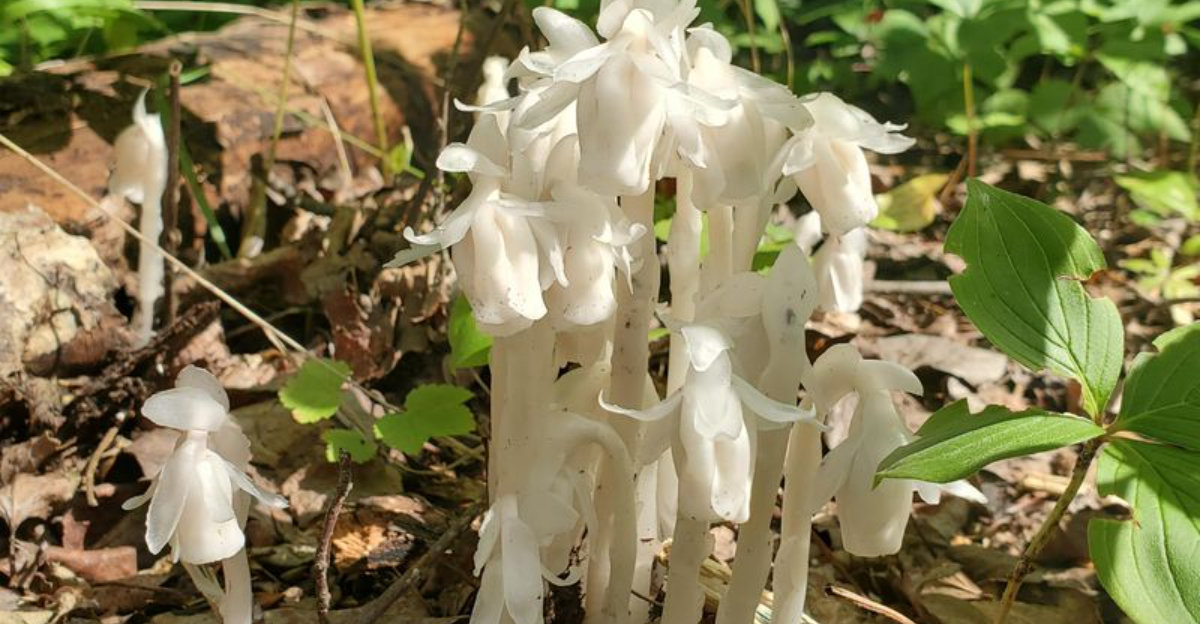
Hikers and gardeners across Pennsylvania are noticing a strange, ghostly white plant appearing more frequently in forests.
Known as ghost pipe, this unusual plant stands out because it lacks chlorophyll and relies on a relationship with fungi to get nutrients. It looks otherworldly but there is a fascinating reason behind its sudden appearance.
Scientists believe changes in forest ecosystems, such as soil moisture, fungal networks, and forest floor conditions, are encouraging ghost pipe growth.
Its increase may indicate subtle shifts in local ecology, including changes in tree health, fungal activity, or climate patterns. While rare and striking, ghost pipe is harmless and an important part of forest biodiversity.
The plant’s sudden emergence is a window into what is happening beneath the forest floor. Pennsylvania nature enthusiasts and gardeners observing ghost pipe are gaining insight into forest health while enjoying a mysterious and unique addition to the woods.
Understanding ghost pipe helps connect gardeners to the rhythms of the forest.
Increased Awareness And Observation
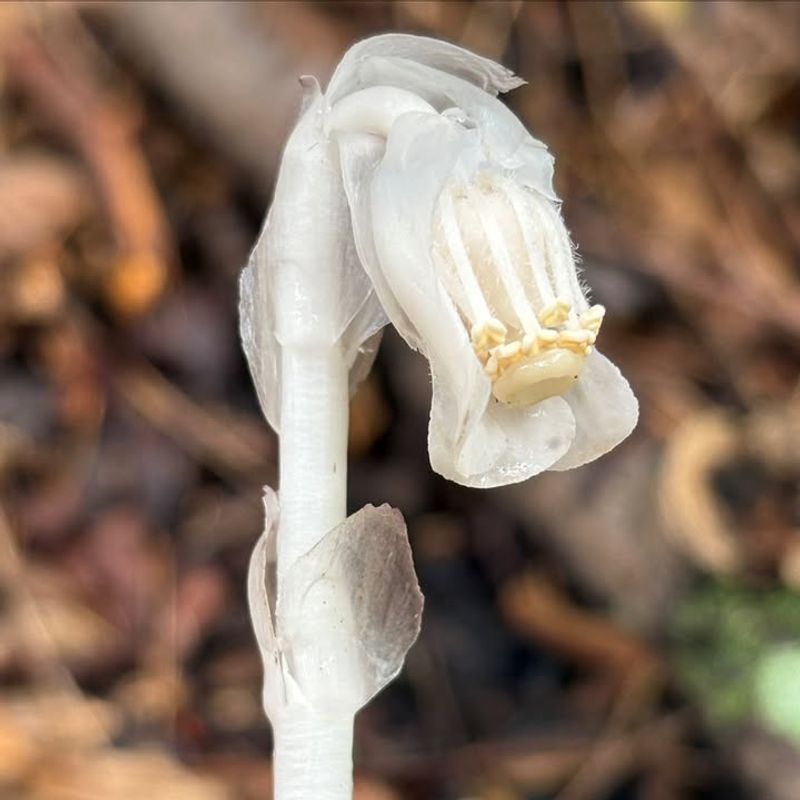
Social media and nature apps have transformed how people explore forests, and Ghost Pipe has become a celebrity among woodland plants.
Hikers snap photos and share them instantly, creating a ripple effect where more people learn to recognize this unusual plant.
Nature identification apps like iNaturalist make it easy for anyone to document their finds and contribute to citizen science projects. When people know what to look for, they suddenly start seeing Ghost Pipe everywhere they hike.
The plant’s striking white appearance makes it stand out against dark forest soil once you train your eyes to spot it. More nature walks, guided hikes, and outdoor education programs mean more eyes scanning the forest floor than ever before.
Online communities dedicated to foraging, botany, and forest ecology have exploded in popularity over recent years. Members share sighting locations, bloom times, and fascinating facts about Ghost Pipe’s unique lifestyle.
This collective attention creates the impression that Ghost Pipe populations are growing, when really our awareness has simply caught up with what was always there hiding in plain sight beneath the canopy.
Forest Conservation And Protection
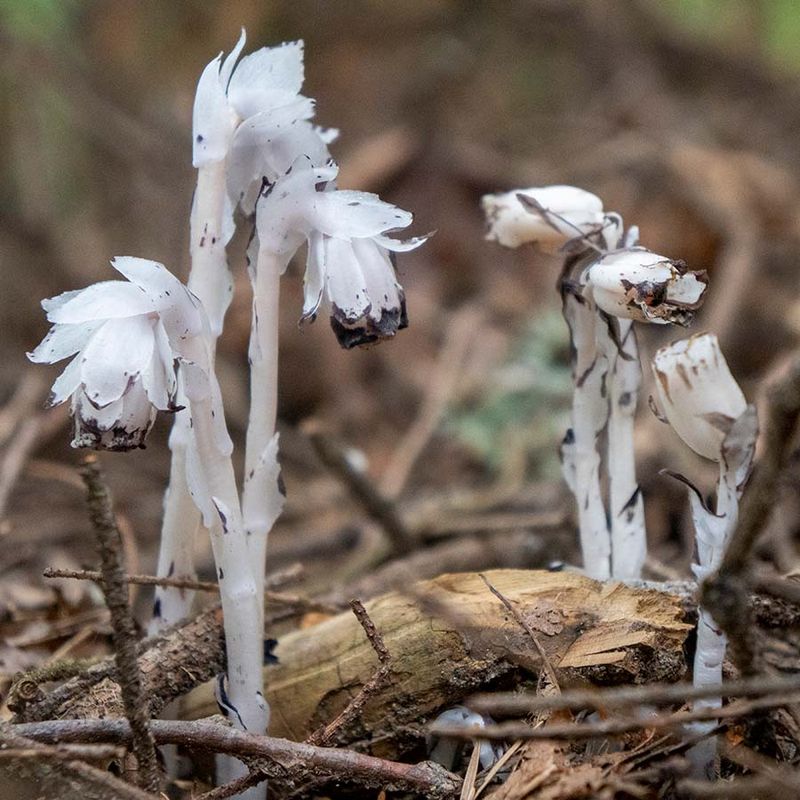
Pennsylvania has made tremendous strides in protecting its forest ecosystems through state parks, nature preserves, and conservation easements.
These protected areas provide stable, undisturbed habitats where complex ecological relationships can flourish for decades. Ghost Pipe thrives in mature forests that have been left alone long enough to develop rich underground networks.
Conservation efforts have allowed Pennsylvania’s forests to recover from historical logging and develop the old-growth characteristics that Ghost Pipe needs.
Protected forests maintain consistent moisture levels, stable temperatures, and the diverse tree species that support mycorrhizal fungi.
Without the threat of development or clear-cutting, these areas become ideal homes for specialized plants with unique requirements. Land trusts and conservation organizations across Pennsylvania have worked tirelessly to expand protected forest acreage.
Their efforts create connected corridors where fungi can spread and Ghost Pipe can colonize new areas naturally.
As more forest land receives permanent protection, Ghost Pipe finds more places to establish itself and flourish, leading to more sightings across the state’s expanding network of preserved woodlands.
Healthy Fungal Networks
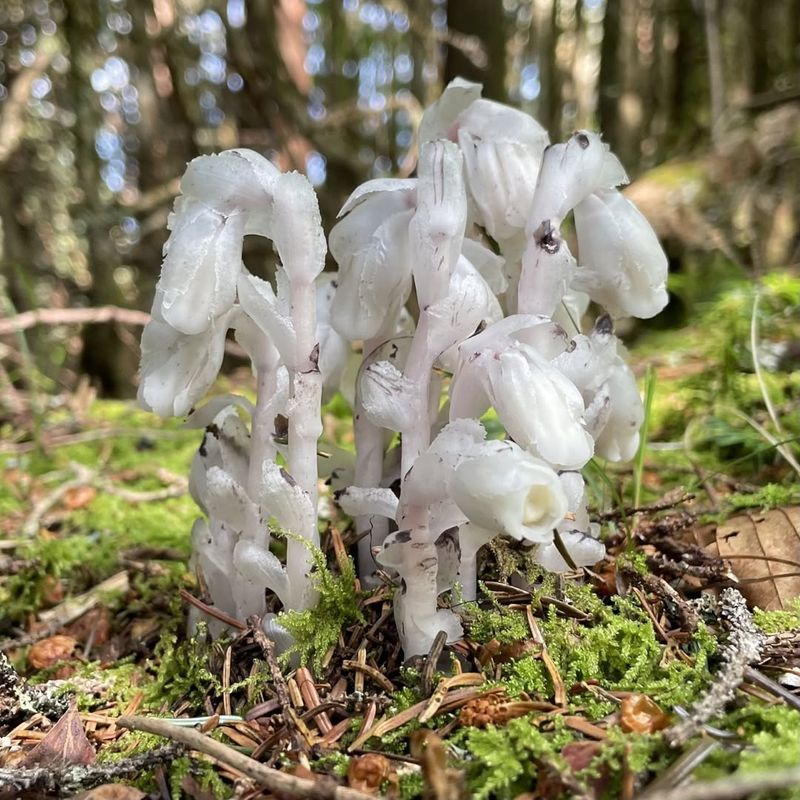
Ghost Pipe doesn’t play by the usual plant rules because it completely depends on underground fungal partnerships to survive.
The plant taps into mycorrhizal fungi that connect with tree roots, essentially stealing sugar that the fungi obtained from the trees.
This three-way relationship requires robust, healthy fungal networks threading through the soil like an invisible internet beneath the forest floor.
Pennsylvania’s forests have developed increasingly healthy fungal communities as they mature and recover from past disturbances. These fungal networks grow stronger over time, spreading through soil and connecting more trees in complex webs.
When fungal networks thrive, Ghost Pipe has abundant resources to tap into, allowing more plants to emerge and survive throughout the growing season.
Scientists are discovering that fungal networks are far more extensive and important than previously understood. A single fungal network can span acres, connecting hundreds of trees and supporting numerous Ghost Pipe plants.
As forest health improves across Pennsylvania, these underground networks expand and strengthen, providing Ghost Pipe with more opportunities to appear in places where conditions were previously too limited to support this fascinating parasitic relationship.
Moist, Shaded Forest Floors
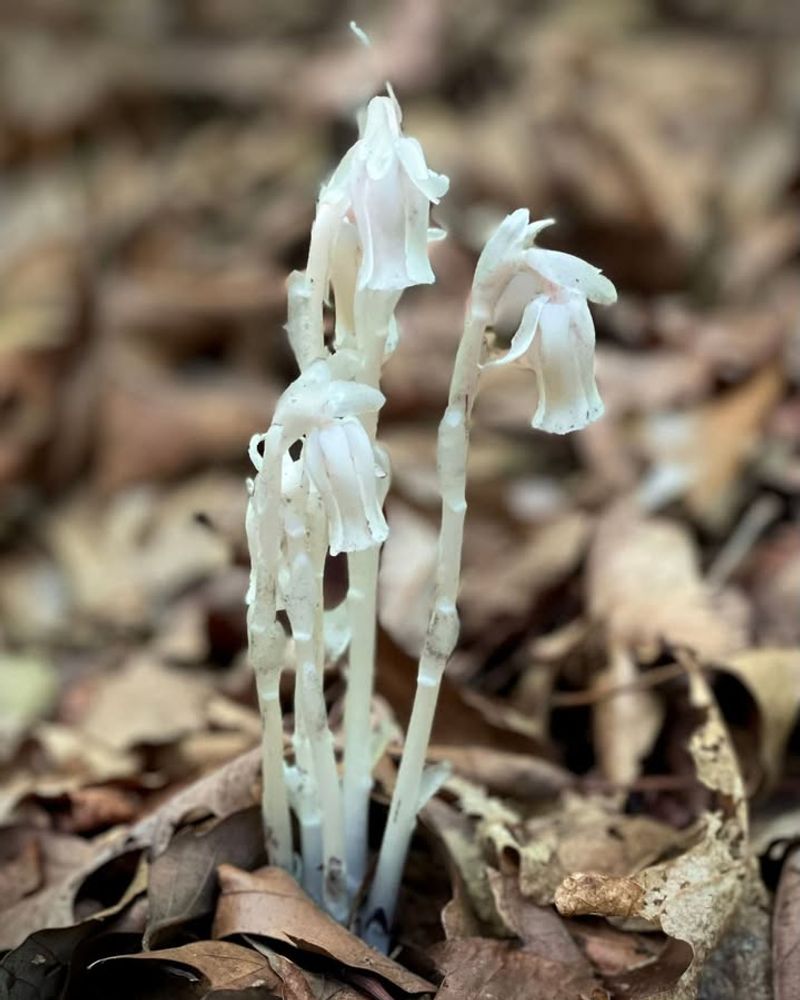
Pennsylvania’s mixed hardwood forests create perfect conditions for Ghost Pipe with their dense canopies that block most sunlight from reaching the ground.
These shaded environments maintain cool, consistent temperatures that prevent the soil from drying out during summer months. Ghost Pipe emerges from the damp leaf litter where moisture lingers long after rainstorms pass through.
The state’s diverse topography includes valleys, ravines, and north-facing slopes that stay particularly moist and shaded throughout the growing season.
These microhabitats provide ideal conditions where Ghost Pipe can push through the soil without struggling against drought stress. The combination of shade and moisture creates a stable environment where the plant can focus its energy on growth rather than survival.
Recent summers have brought periods of adequate rainfall mixed with humid conditions that keep forest floors from becoming too dry.
Ghost Pipe responds quickly to these favorable conditions, with more plants emerging when moisture levels remain consistently high.
The plant’s waxy white stems and nodding flowers seem almost magical when they appear in the dim, damp understory where few other flowering plants can successfully compete for space and resources.
Undisturbed Soil
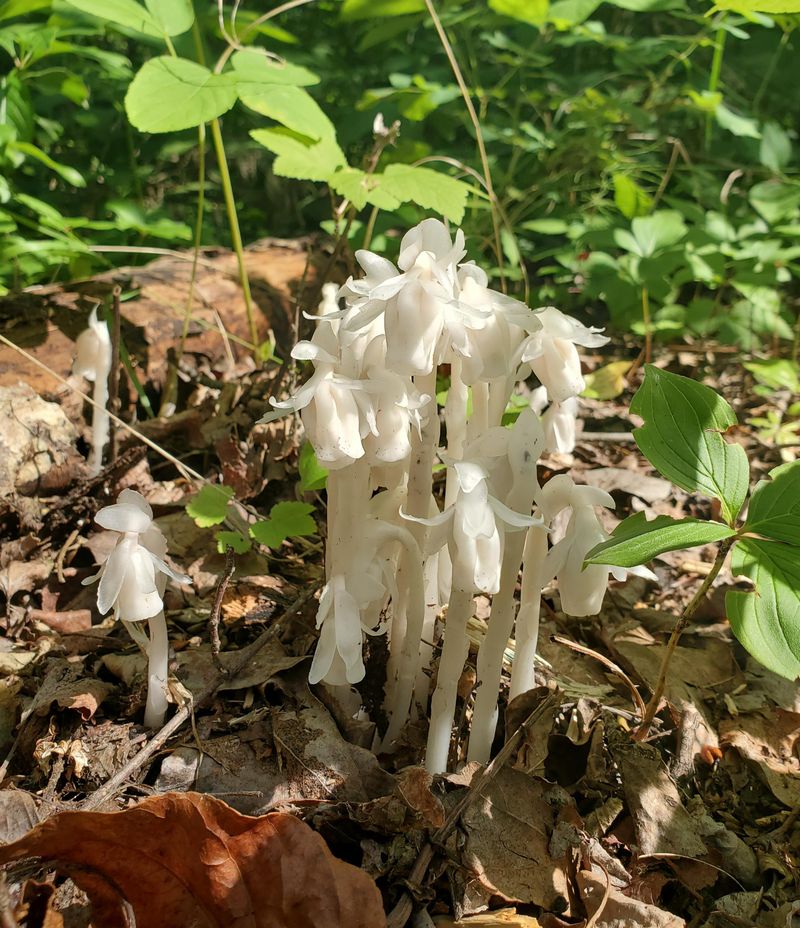
Construction equipment, farming, and foot traffic can destroy the delicate fungal threads that Ghost Pipe relies on for survival.
Pennsylvania’s protected forests provide large areas where soil remains undisturbed for years or even decades at a time. This stability allows fungal networks to grow thick and extensive without being torn apart by human activities.
Forest managers have become more aware of how soil disturbance impacts entire ecosystems, not just individual plants. Many trails are now carefully designed to minimize erosion and soil compaction while keeping hikers on designated paths.
This thoughtful approach preserves the underground world that supports Ghost Pipe and countless other organisms that depend on intact soil structure.
Areas with minimal human impact develop rich organic layers where fungi can flourish in the decomposing leaf litter and humus. Ghost Pipe emerges from these undisturbed zones where its fungal partners have had time to establish strong connections with tree roots.
As more land receives protection from development and heavy recreational use, Ghost Pipe finds more suitable locations to appear, contributing to increased sightings across Pennsylvania’s carefully managed forest lands and wilderness areas.
Seasonal Rainfall Patterns
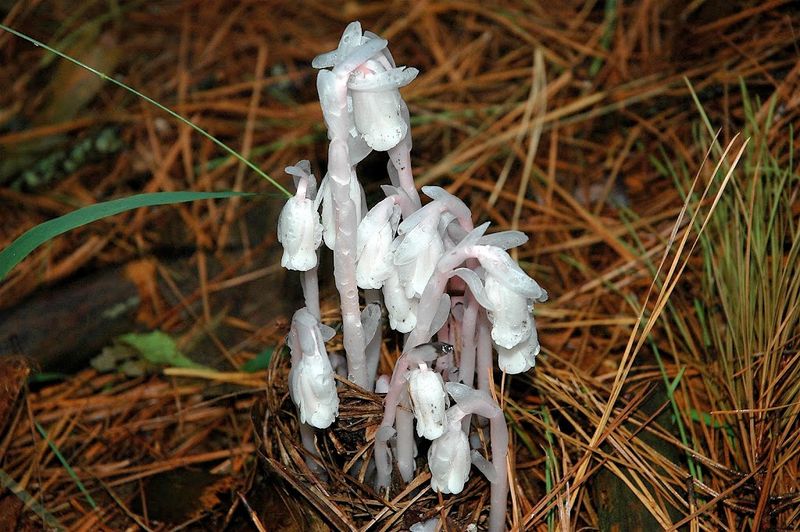
Weather patterns across Pennsylvania have provided generous rainfall during critical growing periods in recent years.
Spring rains saturate the soil just as Ghost Pipe begins its underground development, while summer storms maintain moisture levels when the plants push above ground. These wet conditions trigger more Ghost Pipe plants to emerge than would appear during drier years.
The plant’s growth cycle is closely tied to moisture availability because it must push through soil and leaf litter to reach the surface. Adequate rainfall softens the ground and makes emergence easier while keeping the plant’s delicate white stems from drying out.
Extended periods of humidity also benefit the fungal networks that Ghost Pipe depends on, creating a cascade of favorable conditions.
Climate variability means some years bring more rain than others, and Ghost Pipe populations respond dramatically to these fluctuations.
Wet summers can produce spectacular displays with dozens of plants appearing in areas where only a few might emerge during drier seasons.
Pennsylvania’s recent rainfall patterns have aligned well with Ghost Pipe’s needs, creating visible population booms that catch the attention of hikers and naturalists exploring the state’s increasingly lush and vibrant forest ecosystems.
Symbiotic Tree Growth
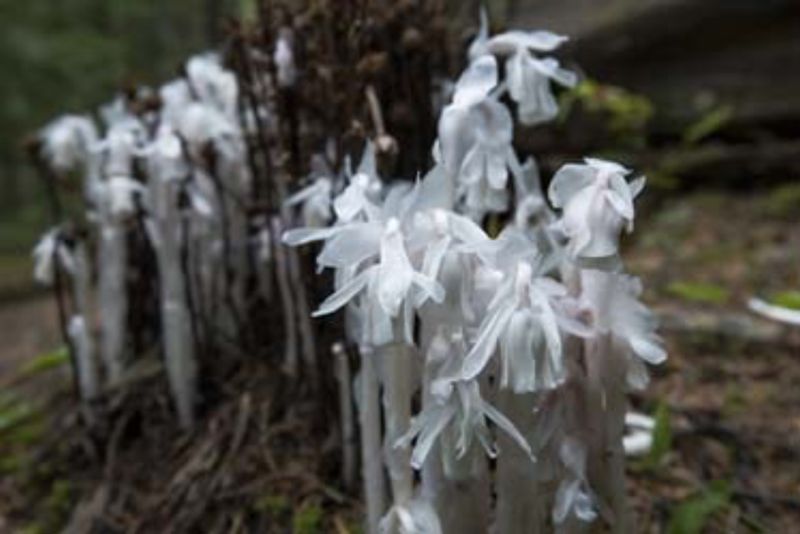
Oak, beech, and maple trees dominate Pennsylvania’s forests and provide the foundation for Ghost Pipe’s survival through their partnerships with mycorrhizal fungi.
These hardwood species form strong associations with fungi that extend their root systems and help them absorb water and nutrients. Ghost Pipe has evolved to exploit these relationships by tapping into the fungal connections.
As Pennsylvania’s forests mature, these important tree species grow larger and develop more extensive root systems that support bigger fungal networks.
Healthy, thriving trees produce abundant sugars through photosynthesis, and some of those sugars flow through fungi to tree roots. Ghost Pipe intercepts this flow of nutrients, benefiting from the productivity of the forest’s dominant trees.
Forest management practices that promote diverse, healthy hardwood stands indirectly support Ghost Pipe populations by ensuring robust fungal communities.
When oaks, beeches, and maples flourish, they create ideal conditions for the specialized fungi that Ghost Pipe needs.
The interconnected nature of forest ecosystems means that supporting tree health automatically benefits Ghost Pipe, leading to more frequent sightings as Pennsylvania’s hardwood forests continue to mature and develop the complex underground relationships that make this mysterious plant’s appearance possible.
Low Light Adaptation
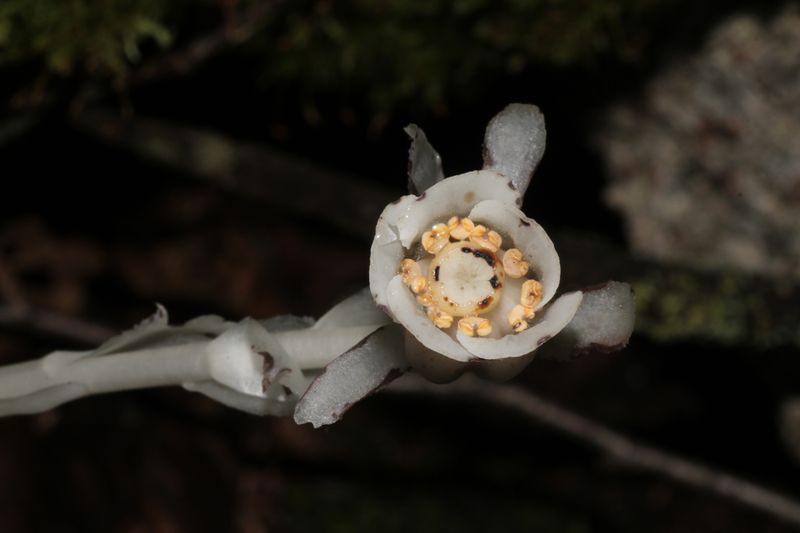
Most flowering plants struggle in deep forest shade because they need sunlight to produce energy through photosynthesis.
Ghost Pipe has completely abandoned photosynthesis, which frees it from competing for limited light resources. This adaptation allows Ghost Pipe to occupy ecological niches where typical green plants simply cannot survive or reproduce successfully.
The plant’s pure white color results from its lack of chlorophyll, the green pigment that captures sunlight in normal plants.
Without needing to reach for light, Ghost Pipe can emerge in the darkest corners of Pennsylvania’s forests where dense canopies block virtually all direct sunlight.
This strategy gives Ghost Pipe access to habitats that remain relatively empty of competing flowering plants. Pennsylvania’s mature forests create extensive areas of deep shade where Ghost Pipe can flourish without competition from sun-loving species.
The plant’s unique lifestyle means it can appear in locations that might seem impossible for flowering plants, surprising hikers who find these ghostly white stems in the gloomiest forest pockets.
As forests develop thicker canopies with age, they create more low-light habitats perfect for Ghost Pipe, expanding the potential range where this remarkable plant can emerge and complete its unusual life cycle.
Natural Population Cycles
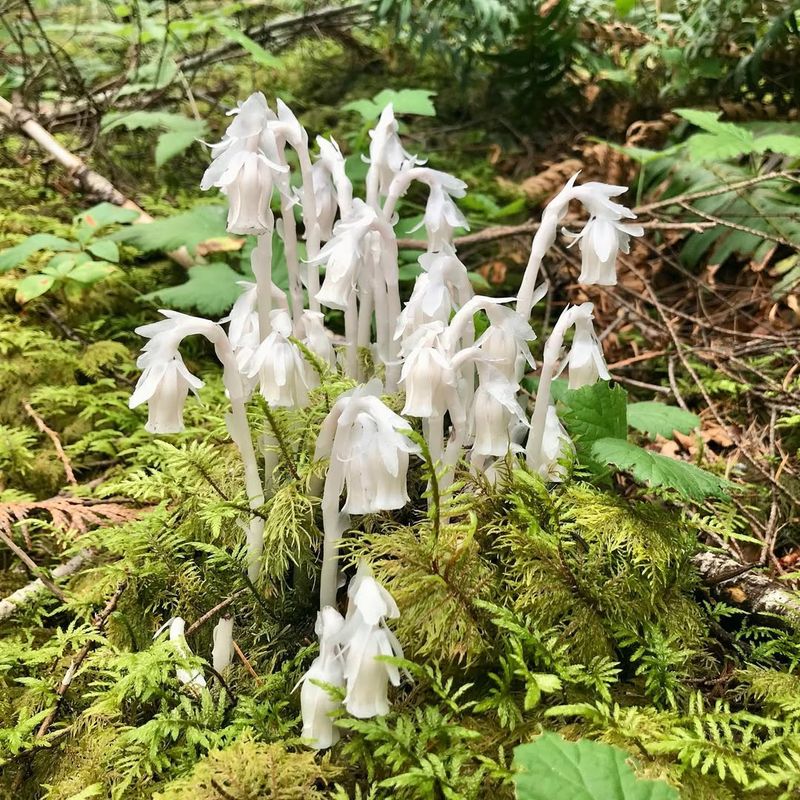
Plant populations naturally fluctuate from year to year based on countless environmental factors that align in different combinations.
Ghost Pipe experiences boom-and-bust cycles like many other organisms, with some years producing abundant displays while other years show sparse emergence. Pennsylvania may currently be experiencing a peak in one of these natural population cycles.
Multiple favorable conditions happening simultaneously can create perfect storms of Ghost Pipe abundance that seem sudden and dramatic.
When rainfall, temperature, fungal health, and tree productivity all align favorably, Ghost Pipe populations respond with impressive growth.
These peak years stand out in people’s memories and generate excitement among nature enthusiasts who share their discoveries widely.
Long-term ecological monitoring suggests that Ghost Pipe populations have always varied considerably across different seasons and locations.
What appears as a sudden increase may simply be a return to normal abundance after several quiet years with fewer sightings.
Understanding these natural rhythms helps us appreciate that Ghost Pipe’s current visibility across Pennsylvania forests represents the plant’s response to favorable conditions rather than a permanent population explosion, though the current boom certainly provides wonderful opportunities for people to encounter this fascinating botanical oddity.