Why Ghost Pipe Is Suddenly Appearing In North Carolina’s Mountain Forests
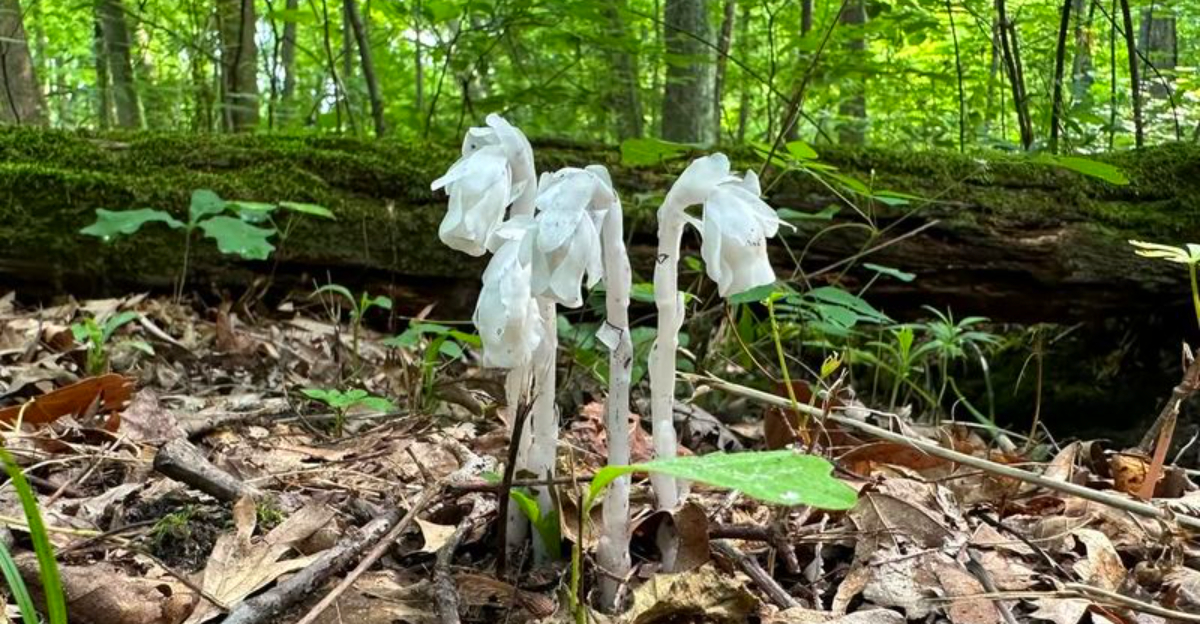
Hikers in North Carolina’s mountain forests are stopping in their tracks—and not because of wildlife.
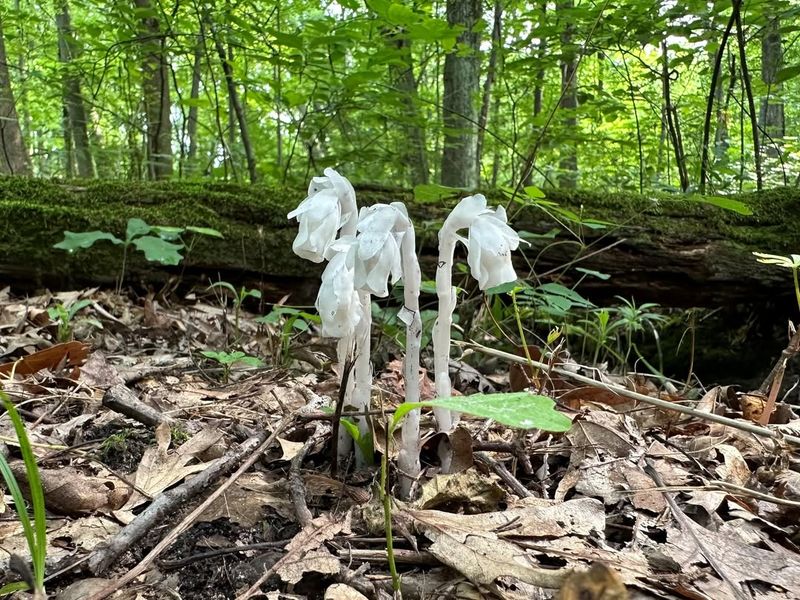
Scattered along shaded trails, a pale, almost translucent plant is emerging from the forest floor like something out of folklore.
Known as ghost pipe, its sudden appearance has sparked curiosity, confusion, and a fair bit of superstition.
Unlike typical plants, ghost pipe has no green leaves and doesn’t rely on sunlight to survive.
Instead, it lives quietly beneath the surface most of the year, only revealing itself when conditions are just right.
Recent weather patterns, shifting forest dynamics, and increased moisture are creating the perfect window for it to emerge in greater numbers.
Its otherworldly look makes it easy to assume something unusual—or even ominous—is happening.
But ecologists say ghost pipe’s presence is less about mystery and more about environmental signals.
When it appears, it tells a story about soil health, fungal networks, and the delicate balance of mountain ecosystems.
For North Carolina residents, spotting ghost pipe is a reminder that forests are always changing, even when those changes happen quietly—and glow white against the leaf litter.
It’s Ghost Pipe (Monotropa Uniflora), A Native Woodland Plant
Ghost pipe has been quietly living in North Carolina’s mountains for thousands of years, but most people have never heard of it.
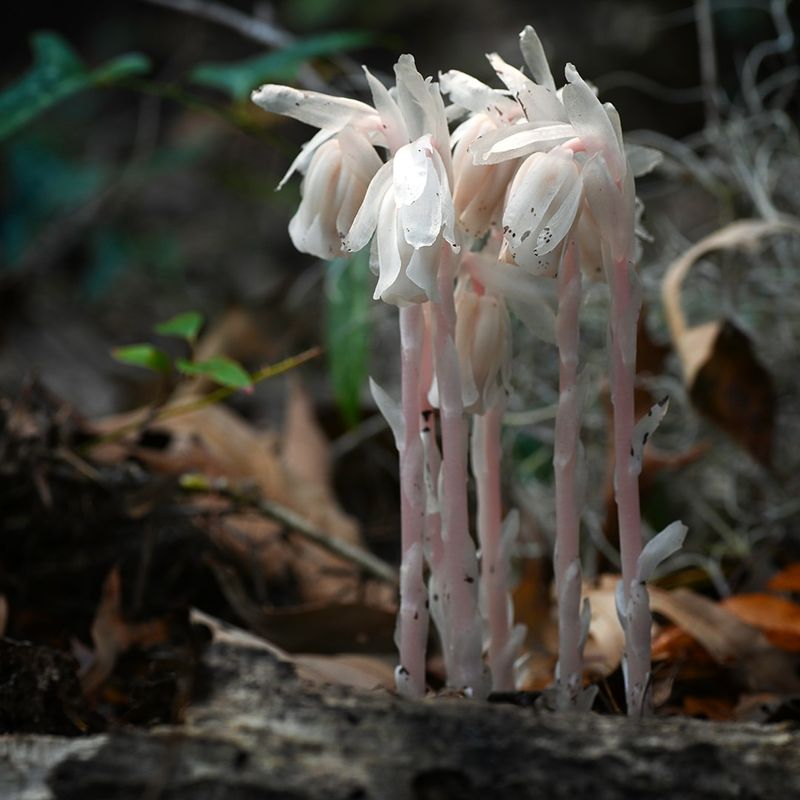
This strange-looking plant is completely white from stem to flower, earning it nicknames like corpse plant and Indian pipe.
Because it lacks any green color, many hikers mistake it for a fungus or even a plastic decoration stuck in the ground.
Ghost pipe is actually a flowering plant native to these woodlands, though it behaves very differently from most flowers you know.
It doesn’t need sunlight to grow, so it thrives in the darkest corners of the forest where few other plants can survive.
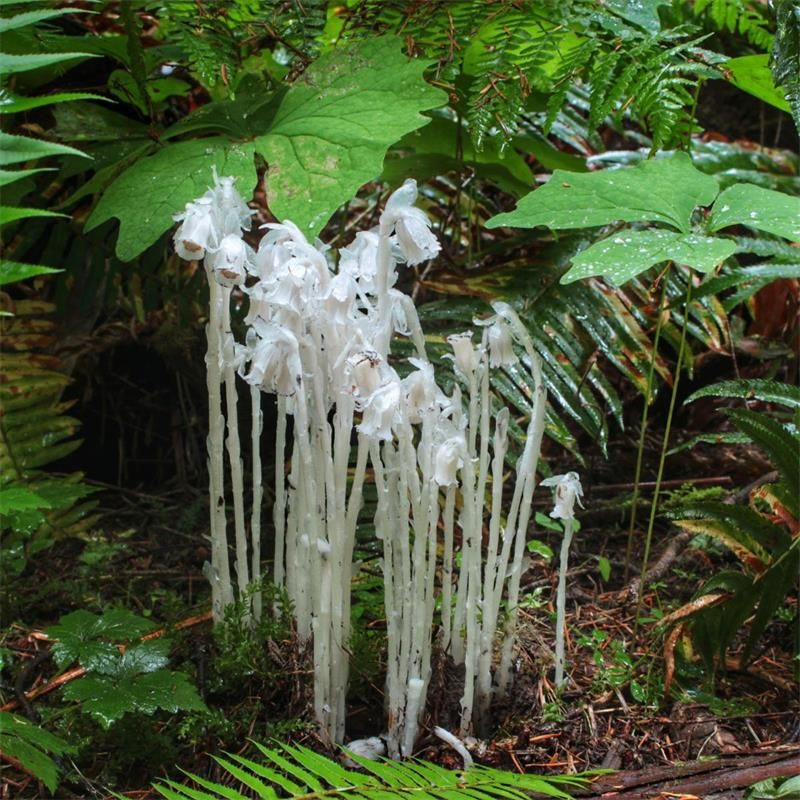
When people suddenly encounter clusters of these pale, waxy stems bending over like little bells, they’re often startled by how unusual they look.
The surprise comes not from the plant being new or invasive, but simply from hikers being unfamiliar with this hidden resident of the forest.
Ghost pipe has always been here, silently growing beneath the leaf litter, waiting for just the right moment to push through the soil and reveal itself to those walking above.
Recent Weather Patterns Created Ideal Conditions
Weather plays a huge role in when ghost pipe decides to emerge from its underground hiding place.
This plant needs consistent moisture, cool temperatures, and deep shade to trigger its growth cycle.
When North Carolina’s mountains experience extended periods of rain followed by mild, humid days, the forest floor becomes perfectly saturated.
These conditions signal to the ghost pipe that it’s time to push through the soil and start its brief life above ground.
Recent years have brought more unpredictable rainfall patterns, with some summers staying wetter longer than usual.
This extended moisture keeps the leaf litter damp and the underground fungal networks active, which ghost pipe depends on for survival.
When the weather aligns just right, entire colonies of ghost pipe can emerge within days, creating what seems like a sudden invasion.
In reality, these plants were always beneath the surface, just waiting for the perfect combination of rain, temperature, and humidity to make their appearance.
The recent surge in sightings may simply reflect a stretch of favorable weather conditions across the mountain region.
It Only Appears Briefly Each Year
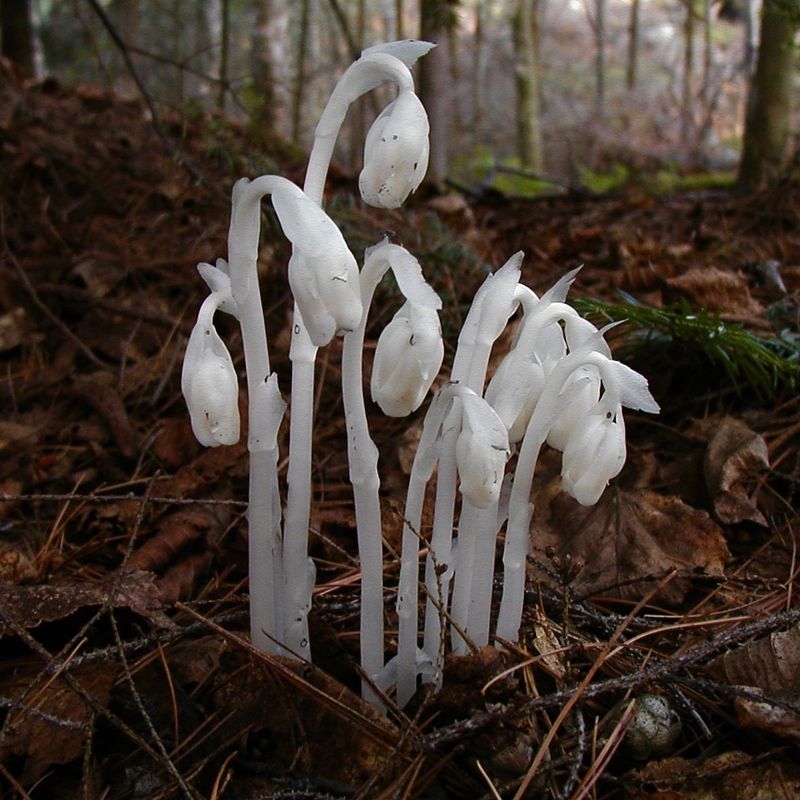
Ghost pipe doesn’t stick around for long once it emerges from the forest floor.
The entire above-ground life cycle of this plant lasts only a few weeks, from emergence to seed dispersal.
For most of the year, ghost pipe exists only as a network of roots connected to fungi deep in the soil where nobody can see it.
When conditions are right, it quickly sends up its pale stems, blooms, gets pollinated, and then fades away again.
This brief window means that even if ghost pipe grows in the same spot every year, you might easily miss it if you hike that trail at the wrong time.
When people suddenly spot large clusters during a summer hike, it feels like the plant appeared out of nowhere.
The truth is that ghost pipe has been there all along, just invisible beneath the surface.
Its fleeting presence makes every sighting feel special and unexpected, contributing to the sense that it’s suddenly becoming more common.
In reality, you’re just catching it during its short moment in the spotlight before it disappears underground for another year.
It Relies On Fungi Instead Of Sunlight
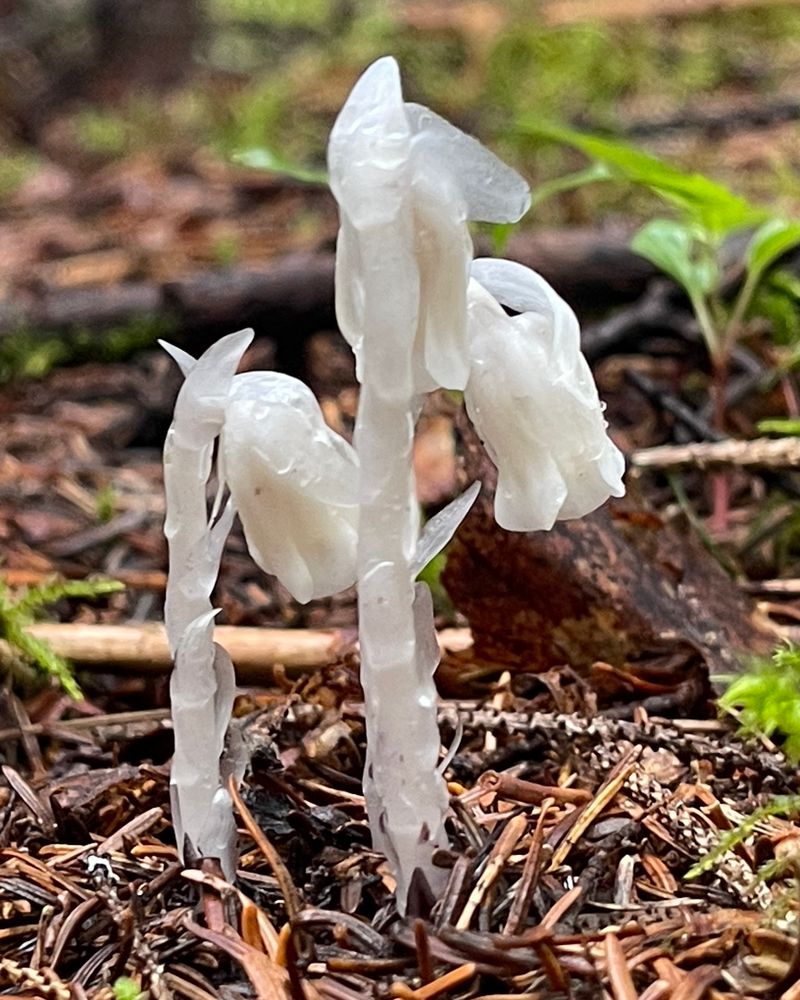
Most plants use green chlorophyll to capture sunlight and make their own food, but ghost pipe takes a completely different approach.
This unusual plant has no chlorophyll at all, which is why it appears ghostly white instead of green.
Instead of photosynthesis, ghost pipe taps into underground fungal networks that connect to tree roots throughout the forest.
These fungi form partnerships with trees, trading nutrients in a complex underground web.
Ghost pipe essentially steals nutrients from this network, taking what the fungi and trees have worked together to create.
Scientists call this survival strategy mycoheterotrophy, which means living off fungi instead of making your own food.
Because ghost pipe depends entirely on these hidden fungal connections, it can only grow where mature fungal networks already exist.
When forest conditions support healthy fungal communities, ghost pipe can thrive without ever needing to see the sun.
This unique lifestyle allows it to appear in the darkest parts of the forest, where most other flowering plants would struggle to survive.
Its sudden visibility often surprises people who don’t realize plants can live this way.
Mature Forests Support Its Hidden Life Cycle
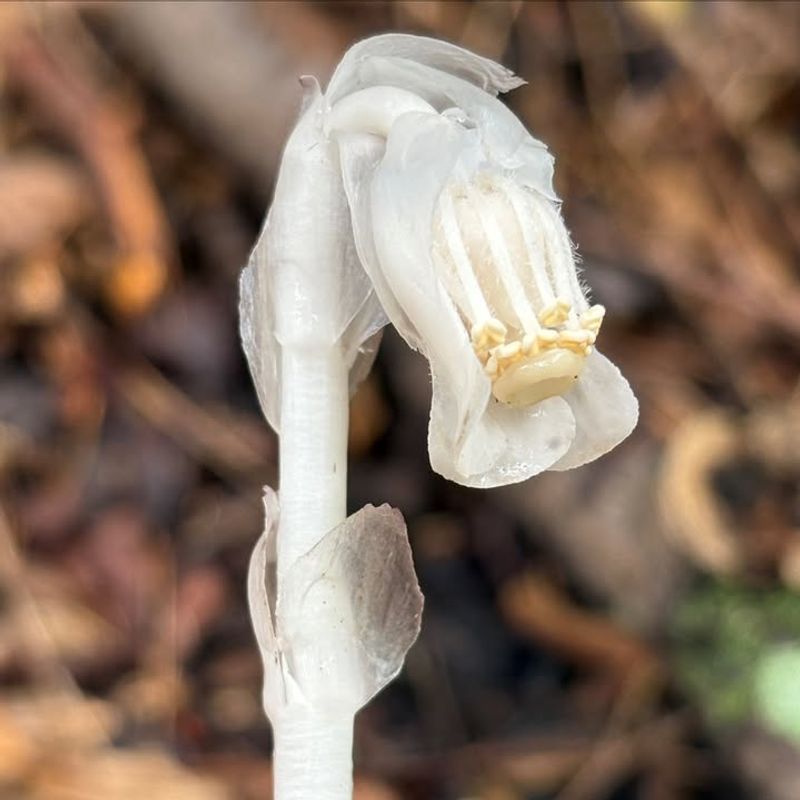
Ghost pipe needs more than just any forest to survive—it requires old, undisturbed woodlands with complex ecosystems.
Mature forests have deep layers of decomposing leaves and organic matter that create rich, spongy soil.
These older forests also host well-established fungal networks that have been growing and spreading for decades.
Young forests or recently disturbed areas simply don’t have the infrastructure that ghost pipe needs to plug into.
North Carolina’s mountain regions contain some of the oldest and most biodiverse forests in eastern North America.
As these forests continue to age and recover from past logging, their fungal networks become stronger and more extensive.
This allows sensitive plants like ghost pipe to expand into areas where they might not have been able to survive before.
When hikers explore these mature woodland areas, they’re more likely to encounter ghost pipe because the habitat is finally right.
The apparent increase in sightings may reflect the forest’s own recovery and maturation over time.
Healthier forests mean better conditions for this mysterious plant to complete its unusual life cycle.
Reduced Disturbance Allows It To Reappear
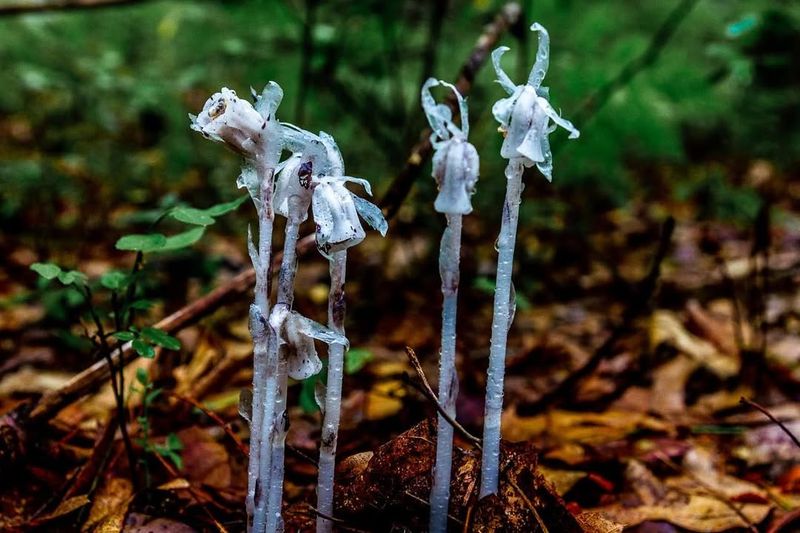
Ghost pipe is extremely sensitive to soil disturbance and habitat disruption.
When forests are logged, cleared, or heavily trampled, the delicate fungal networks underground get damaged or destroyed.
Without these fungal connections, ghost pipe cannot survive no matter how good the weather conditions might be.
In recent decades, many areas of North Carolina’s mountains have received better protection through conservation efforts and designated wilderness areas.
Logging activities have decreased in certain regions, and trail management has improved to reduce erosion and off-trail hiking.
As these protected areas remain undisturbed year after year, the soil ecosystems have time to heal and rebuild.
Fungal networks can reestablish themselves, and sensitive species like ghost pipe can return to places where they might have disappeared.
This gradual recovery process means that ghost pipe is now reappearing in forests where it hasn’t been seen in years.
The sudden sightings aren’t really sudden at all—they represent the forest slowly healing itself.
Better land management practices are allowing this delicate plant to reclaim its rightful place in the mountain ecosystem.
Climate Shifts May Be Altering Emergence Timing

Climate patterns across the Appalachian Mountains have been shifting in recent years, affecting when and where plants emerge.
Warmer springs and extended periods of moisture during summer months can trigger ghost pipe to appear earlier or later than usual.
These changes in timing mean that hikers who visit the same trails at the same time each year might suddenly encounter ghost pipe when they never saw it before.
Longer mild periods between seasons can also extend the window when ghost pipe is visible above ground.
Instead of a narrow two-week appearance, some colonies might now remain visible for three or four weeks.
This extended presence increases the chances that someone will spot the plant during a casual hike.
Additionally, shifting rainfall patterns can cause ghost pipe to emerge in slightly different locations within the forest than it traditionally has.
As water flow and soil moisture patterns change, the plant follows the conditions it needs to survive.
What appears to be a sudden increase in ghost pipe might actually be the plant responding to new climate rhythms by adjusting its schedule and location.
It Turns Black After Pollination, Making It More Noticeable

Ghost pipe undergoes a dramatic color change after it finishes flowering and begins producing seeds.
The pure white stems and flowers gradually darken to gray, then eventually turn completely black as the plant ages.
This transformation makes the plant much more visible against the brown and green forest floor.
While fresh white ghost pipe can blend into patches of sunlight or pale fungi, the blackened stems stand out starkly.
Hikers who might walk right past a cluster of white ghost pipe will definitely notice when those same plants turn dark.
The blackened stage can persist for weeks, even after the plant has finished its reproductive cycle.
This means that a single colony of ghost pipe can catch people’s attention twice—once when it first emerges white, and again when it darkens.
The dramatic color shift creates the impression that there are more plants than there actually are.
People might report seeing ghost pipe all summer long, when they’re really just observing the same plants at different life stages.
This extended visibility contributes to the feeling that ghost pipe is suddenly everywhere in the forest.
Increased Trail Use Means More Sightings
More people are hiking North Carolina’s mountain trails now than ever before, especially since outdoor recreation has surged in recent years.
Popular trails that once saw dozens of hikers per week now host hundreds, dramatically increasing the number of eyes scanning the forest floor.
With smartphones in nearly every pocket, hikers can instantly photograph unusual finds and share them on social media.
This means that every ghost pipe sighting gets documented and shared with thousands of people online.
Before the age of social media and nature apps, someone might spot ghost pipe and simply wonder what it was.
Now, that same sighting becomes a post with dozens of comments, shares, and identification help from plant enthusiasts.
The plant hasn’t necessarily become more common—it’s just being noticed and reported far more frequently.
Nature identification apps and online forums have also made people more curious about unusual plants they encounter.
What once might have been ignored now becomes a photo opportunity and a learning moment.
The perceived surge in ghost pipe appearances is partly a reflection of our increased presence in the woods and our enhanced ability to document and share what we find there.