Why Gophers Keep Showing Up In California Gardens
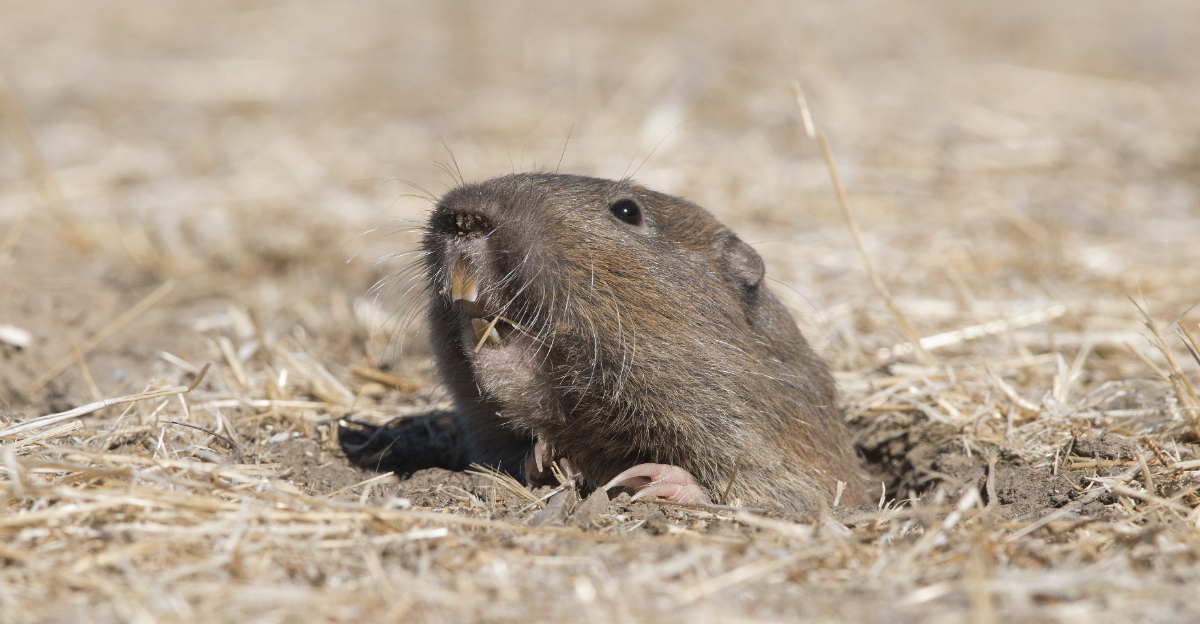
Fresh soil should feel like a win. You water, plant, step back, and picture things finally taking off. Then one morning, a soft mound appears out of nowhere, like your garden grew a bump overnight.
A day later, another one pops up. Plants start leaning, roots get disturbed, and suddenly it feels less like gardening and more like a quiet turf war.
Gophers don’t wander in by accident. California gardens often line up with what they need: loose soil, steady moisture, and plenty of roots close to the surface. Lawns, raised beds, and even carefully planned veggie patches can turn into active areas sooner than most gardeners expect.
That pattern of fresh mounds and disappearing plants starts to follow a rhythm. Once you spot it, you begin to see where the tunnels are heading next.
1. Rich Soil That’s Easy To Tunnel Through
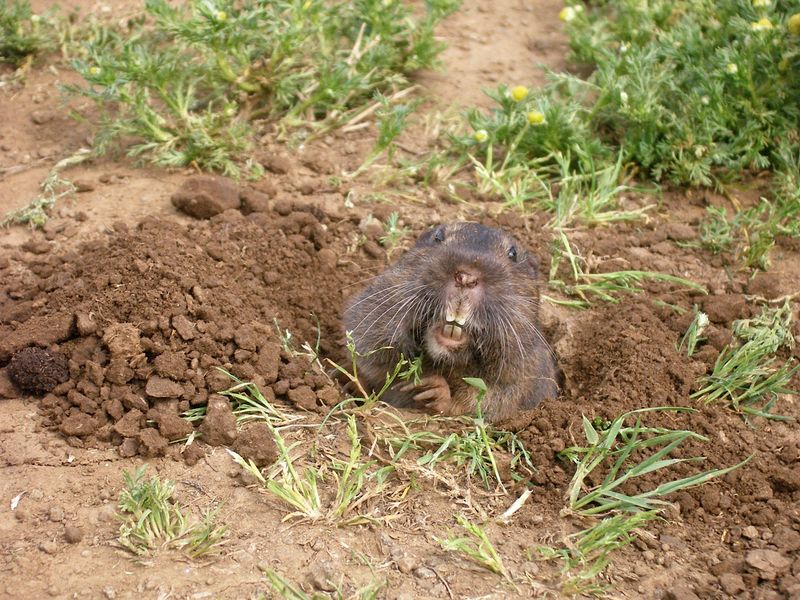
Healthy soil is something every gardener works toward, but that same soft, crumbly texture can also make digging easier below the surface. Loose, well-amended soil doesn’t attract gophers by itself, though it can lower the effort it takes for them to move through it once they’re nearby.
Compost, mulch, and organic matter help soil hold together while staying workable. That balance supports strong plant roots, and it can also allow tunnels to stay more stable instead of collapsing.
Sandy loam and clay-loam soils, common across many parts of California, often provide that middle ground.
Gophers are strong diggers and can push through firmer soil when needed. Still, areas that have been tilled, aerated, or regularly worked may allow them to expand a bit more easily over time.
Garden beds that get frequent attention can sometimes turn into easier pathways compared to compacted ground nearby. That doesn’t mean improving soil brings gophers in, but it can affect how quickly tunnels spread once they’re already present.
You can try focusing protection where it matters most. Installing hardware cloth under raised beds or using wire baskets around roots can reduce access while still letting plants grow normally.
2. Year-Round Irrigation That Softens The Ground
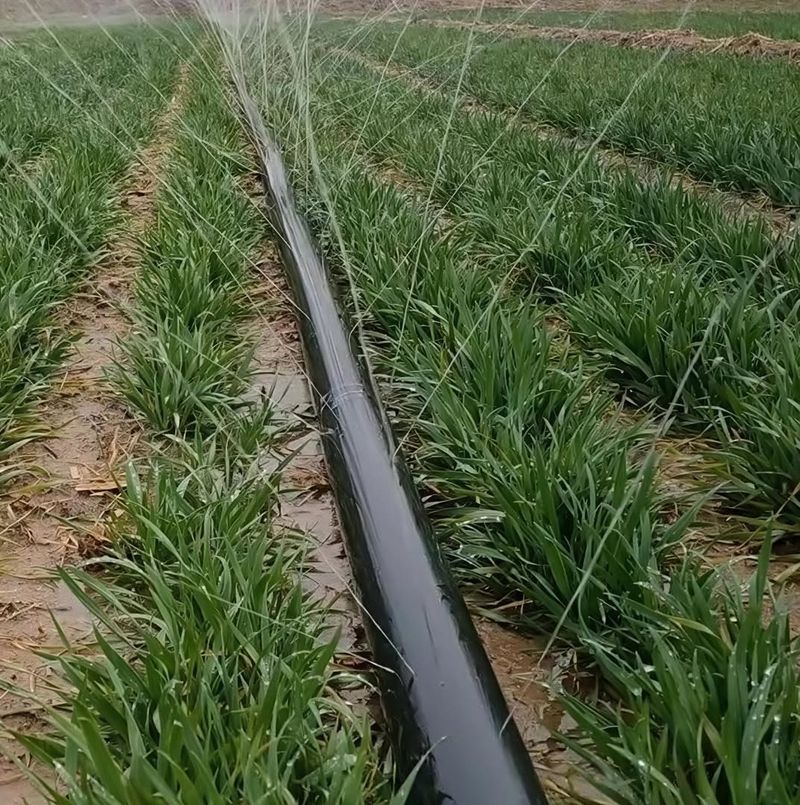
Ever notice how some parts of your garden stay soft no matter how dry the weather gets? Soil moisture can quietly change how easy it is for anything to move underground, especially during California’s long dry stretches.
Dry soil tends to firm up and become harder to move through, while moist soil stays softer and more workable beneath the surface.
Irrigation systems, drip lines, and regular watering create pockets where soil remains consistently easier to dig. Gophers don’t track water in a precise or targeted way, but they do respond to soil that offers less resistance as they tunnel.
Areas that stay damp longer can stand out over time. Low spots, slower-draining sections, or places near minor irrigation leaks may remain softer than the surrounding ground.
These zones don’t harden as quickly, which can allow more tunneling activity to develop gradually.
Watering alone doesn’t cause gopher problems. Plenty of well-irrigated gardens never see any activity at all.
Still, when gophers are already nearby, consistent moisture can make it easier for them to stay active instead of slowing down during drier periods.
One simple adjustment is keeping watering steady without going overboard. Checking for leaks, improving drainage where needed, and avoiding overly saturated areas can help limit soft spots while keeping plants healthy and growing well.
3. Root Crops And Tender Plants Gophers Target First

A vegetable garden can overlap with how gophers feed, especially when roots grow directly in the soil they tunnel through. Crops like carrots, potatoes, and beets develop underground, which means they may be encountered during digging.
Not every plant gets affected, but damage often shows up where tunnels pass through planted areas. Gophers feed on roots and underground plant parts, so they can impact both vegetables and ornamentals without obvious surface activity.
Bulbs such as tulips and lilies can also be disturbed below ground. Young trees, including citrus and avocado, may experience root damage if tunnels form close to their base, particularly early on.
New plants tend to be more vulnerable because their roots are smaller and easier to reach. More established plants sometimes handle minor disturbance better, depending on depth and strength.
A longer growing season means fresh roots are present for much of the year, which can support ongoing feeding where gophers already exist.
Targeted protection often works better than trying to control everything at once. Using gopher baskets for root crops or adding barriers around young trees can reduce access while still allowing normal growth and development.
4. Quiet Underground Spaces With Little Disturbance
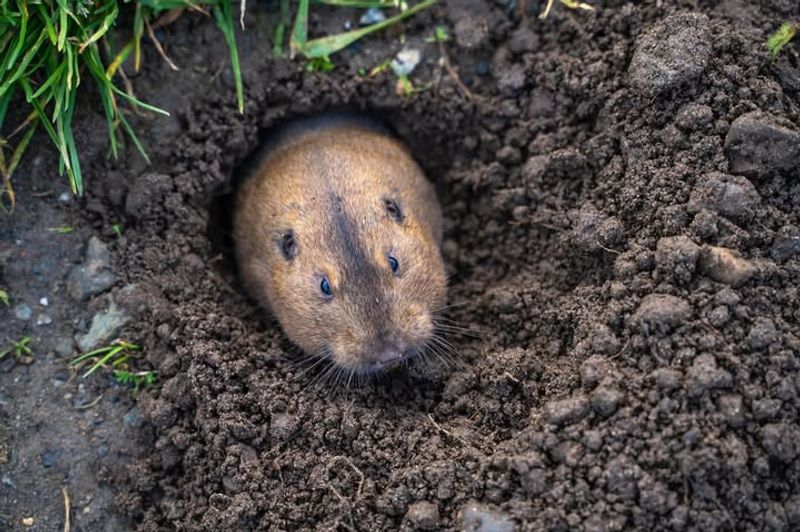
There’s something satisfying about a garden that stays peaceful and undisturbed, especially after putting in the work to get everything just right. That steady environment can also suit animals that spend most of their time below ground.
Gophers build tunnel systems where they can move, feed, and stay protected with very little interruption.
Home gardens usually stay more consistent than farmland or construction sites. Soil isn’t constantly turned, and heavy machinery isn’t part of the routine, which allows tunnels to remain intact for longer stretches.
Spots with less foot traffic often see more activity over time. Side yards, quiet corners, and areas beneath dense planting can go untouched for days or weeks, making them easier places for tunnels to form and expand.
Living underground also offers protection from predators like hawks, owls, and coyotes. Soil helps buffer temperature swings too, creating a more stable environment than what’s happening above ground.
A calm garden doesn’t automatically draw gophers in, but once they’re present, low disturbance can make it easier for their tunnel systems to stick around.
In some cases, light disruption can help shift patterns. Gently flattening fresh mounds or changing planting spots from time to time may make certain areas less predictable without affecting the overall flow of your garden.
5. Nearby Habitats That Constantly Feed New Arrivals
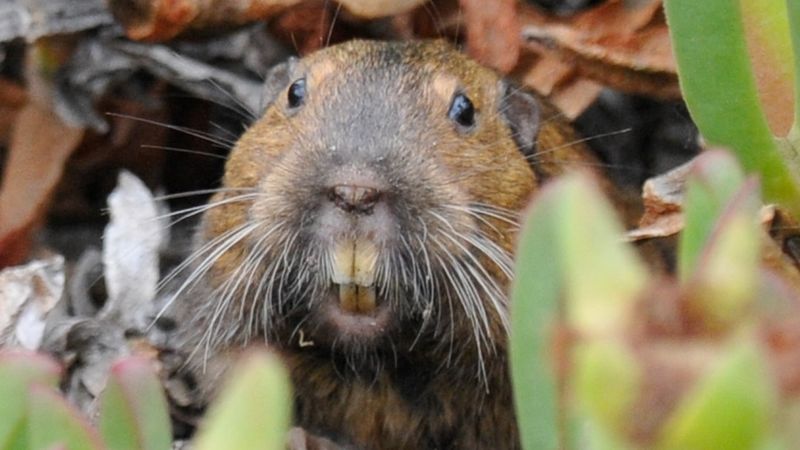
Many California neighborhoods sit close to open land, parks, or undeveloped areas. These spaces can support gopher populations that sometimes extend into nearby gardens.
Young gophers leave their original territory as they mature and begin searching for new areas to settle. This movement can bring them into residential spaces, especially when soil and food conditions are suitable.
Greenbelts, fields, and landscaped areas can act as starting points for nearby activity. Movement between these spaces and home gardens is possible, particularly where there are no strong barriers in place.
Not every nearby habitat leads to ongoing issues. Some gardens remain unaffected even when close to open land, depending on layout, soil, and plant choices.
Activity can also shift over time based on season and conditions. New tunnels appearing after a quiet period may reflect movement from surrounding areas rather than a constant presence.
Creating subtle boundaries can help limit access. Installing underground barriers along fence lines or reinforcing garden edges may reduce how easily new gophers move into planted spaces.
6. Garden Layouts That Encourage Tunnelling Paths
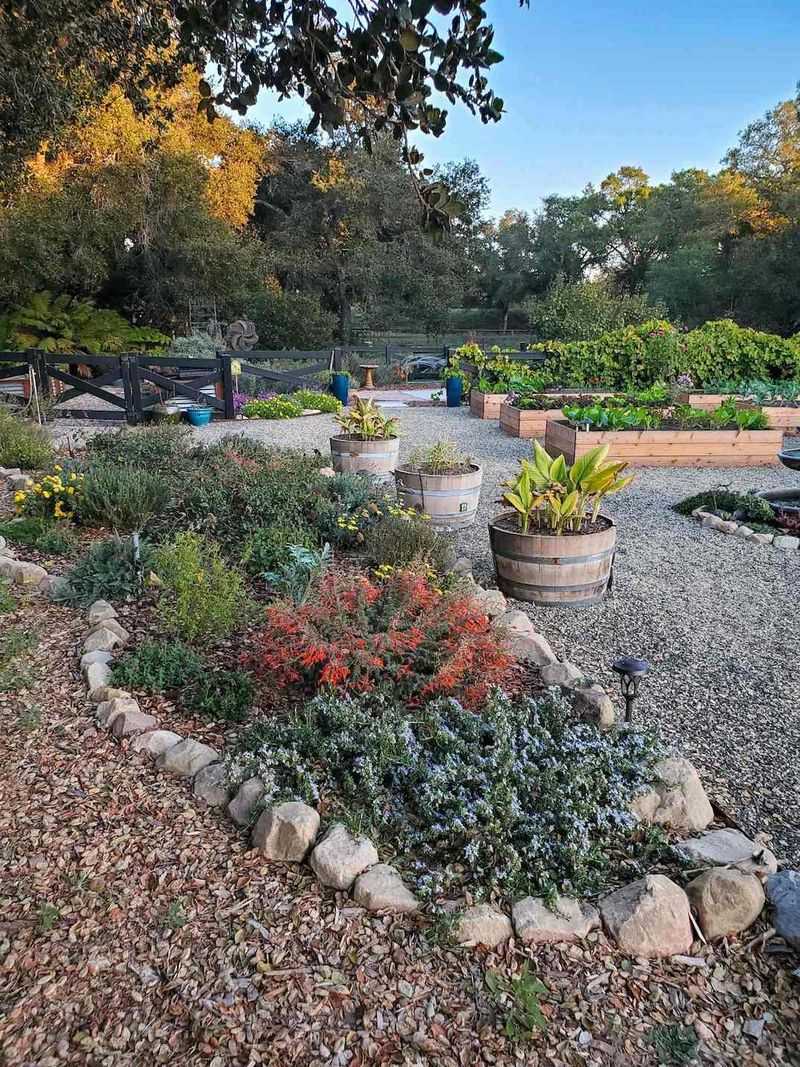
A well-organized garden makes everything feel easier to manage, with clean lines and clearly defined spaces guiding where plants go. Above ground, that structure helps with planting and upkeep.
Below the surface, those same edges can quietly shape how tunnels develop over time.
Gophers often move along boundaries like fence lines, garden edges, or where lawn meets planting beds. These features don’t draw them in directly, but they can guide the direction their tunnels take as they expand.
Hard surfaces such as patios, sidewalks, and retaining walls can influence movement too. Gophers may tunnel alongside these structures rather than directly beneath them, using those edges as a kind of reference point as they move through the soil.
Planting patterns can also come into play. Rows of vegetables or evenly spaced ornamentals can intersect with tunnel paths, which sometimes makes damage show up in neat lines or small clusters across a bed.
This doesn’t mean layout causes gophers, but it can make their activity easier to spot and follow once it starts.
Small layout changes can help in certain areas. Breaking up long rows, adding barriers in sections, or reinforcing edges with underground mesh may slow how easily tunnels spread across larger parts of the garden.
7. Reliable Food Sources That Draw Them Back
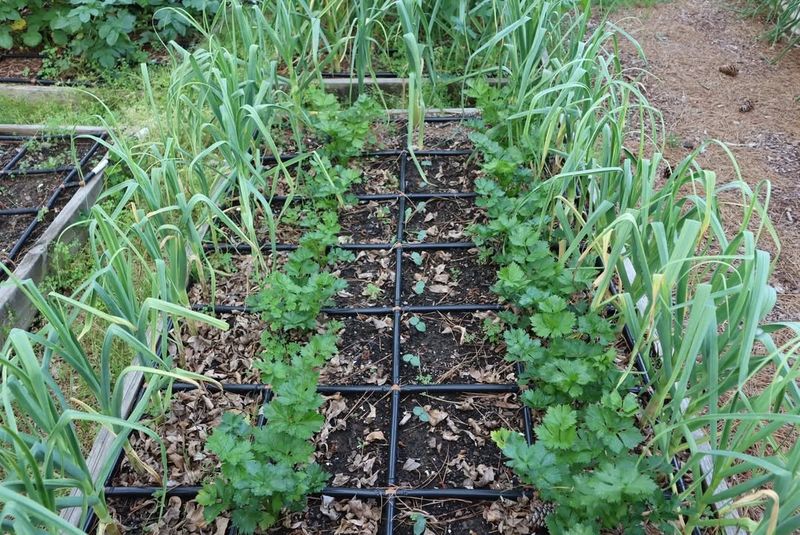
A productive garden supports steady growth above ground and ongoing activity below it. Gophers feed mainly on roots, so consistent planting can provide a reliable food source where they are already present.
Replanting after damage keeps fresh roots in the soil. New growth can be easier to access compared to older, established systems, which may contribute to repeated activity in the same areas.
Succession planting, common in California, keeps gardens active across multiple seasons. With roots present for much of the year, feeding opportunities remain available for longer periods.
Not all plants are equally appealing. Some may be disturbed more often, while others are left alone, depending on species and root structure.
A healthy garden doesn’t guarantee repeat problems, but consistent planting can make an area worth revisiting for gophers already nearby.
Focusing on protection where it matters most can make a difference. Using barriers, rotating crops, or choosing less vulnerable plants in high-activity zones may help reduce repeated damage while keeping the garden productive.