Why Grape Vines Need To Be Cut Back Hard Right Now In Oregon
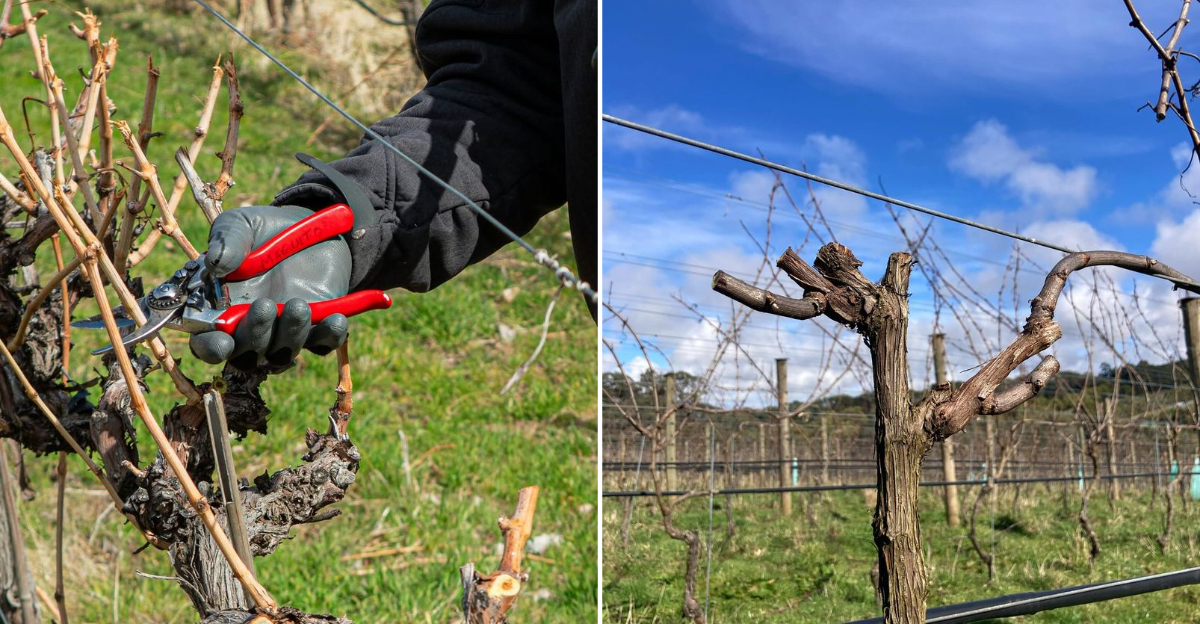
Pruning grape vines can feel scary, especially when it looks like you’re cutting away most of the plant. But in Oregon, this heavy pruning is exactly what grape vines need right now.
Cutting vines back hard helps control growth and boosts fruit production. It also improves air flow and reduces disease problems that show up in damp conditions.
When pruning is skipped or done lightly, vines often grow wild and produce fewer grapes.
Timing matters just as much as technique. Late winter is the sweet spot for most Oregon vineyards and backyard growers.
The plant is dormant, which makes recovery easier and stronger.
Doing this one task now can lead to healthier vines and bigger harvests later.
1. Timing Matters In Oregon Winters
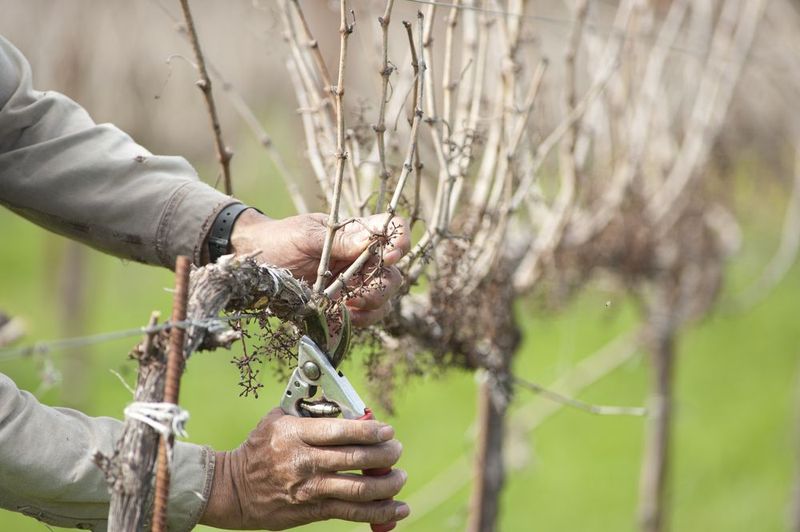
Oregon’s unique climate offers a narrow but ideal window for pruning grape vines. Late winter, typically from mid-February through early March, is when vines are still dormant but sap is beginning to rise.
This timing reduces stress on the plant and minimizes the risk of frost damage to fresh cuts.
Pruning too early, during the coldest part of winter, can expose tender wood to freezing temperatures. Waiting too long means you might cut into active growth, which wastes the plant’s stored energy.
In Oregon, where rain is frequent and temperatures are moderate, late winter pruning takes advantage of natural dormancy.
Pay attention to your local microclimate. Coastal regions may warm up earlier than the Willamette Valley or higher elevations.
Check for swelling buds as a sign that dormancy is ending. If buds are still tight and hard, you’re in the safe zone for hard pruning.
Cutting back vines during this period also helps prevent disease. Wet Oregon winters can encourage fungal growth, so removing old wood and opening up the canopy improves air circulation.
This simple step can reduce the need for chemical treatments later in the season.
2. Boosting Fruit Production
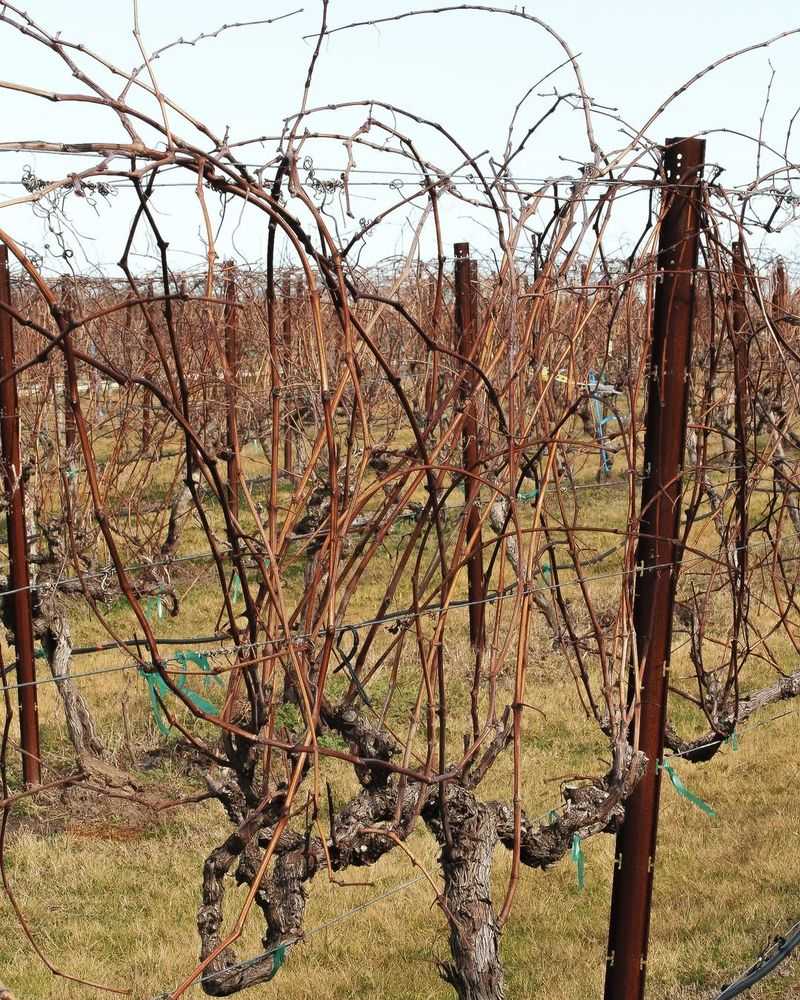
Hard pruning redirects the vine’s energy from growing excessive foliage to producing high-quality fruit. When you cut back old canes and leave only a few strong buds, the plant concentrates its resources on fewer clusters.
This results in larger, sweeter grapes with better flavor.
Oregon grape growers often aim for balanced vines that produce consistent yields year after year. Overgrown vines spread their energy too thin, leading to small, underdeveloped fruit.
By removing up to 90 percent of last year’s growth, you’re essentially resetting the vine for optimal performance.
Focus on leaving canes that are about pencil-thick and have healthy, evenly spaced buds. These will become your fruiting wood for the coming season.
Remove thin, weak shoots and anything thicker than your thumb, as these tend to produce fewer fruit clusters.
This method works especially well for popular Oregon varieties like Pinot Noir, Pinot Gris, and cold-hardy hybrids. Each variety has slightly different pruning needs, but the principle remains the same: fewer buds mean better grapes.
Keep records of your pruning cuts and harvest results to refine your technique over time.
3. Controlling Vine Size And Shape
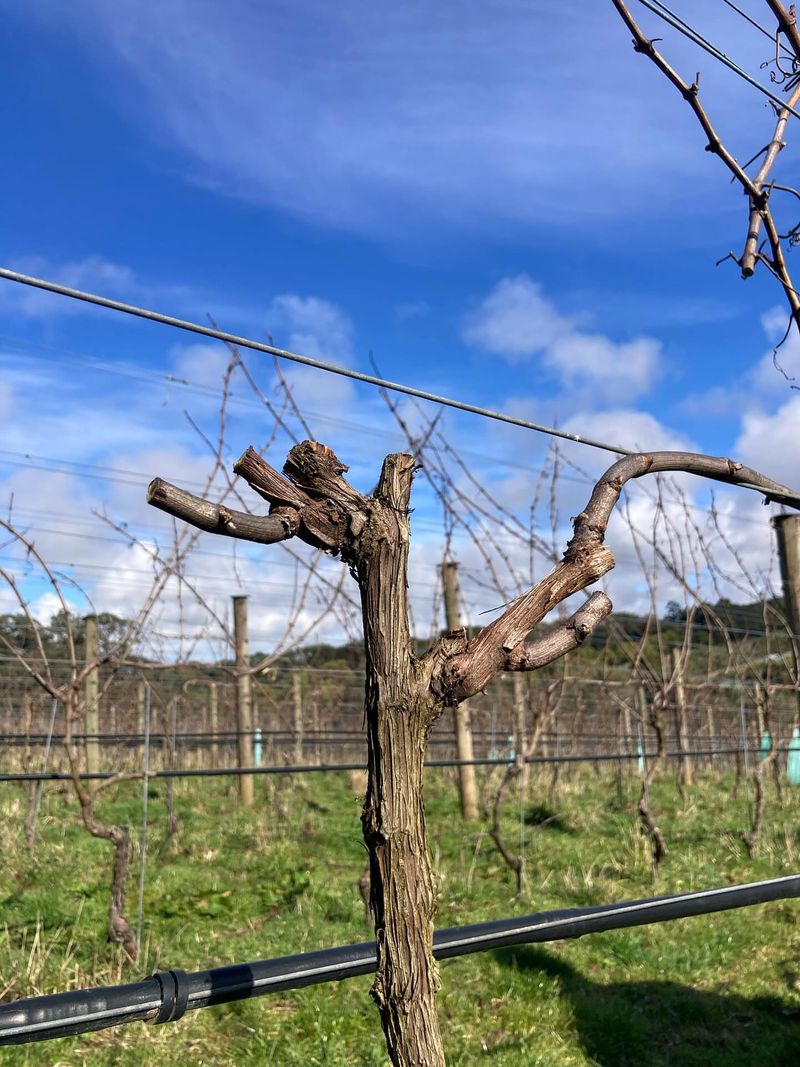
Grape vines can grow wild and unruly if left unchecked. Hard pruning keeps them manageable and shaped to fit your trellis or support system.
In Oregon, where space can be limited in backyard gardens, controlling vine size is practical and improves access for maintenance and harvest.
Start by identifying the permanent structure of your vine: the trunk and main cordons or arms. These should remain intact year after year.
Remove all the previous season’s growth except for a few carefully selected canes or spurs that will bear fruit.
Training systems like cane pruning and spur pruning are common in Oregon. Cane pruning involves leaving one or two long canes with several buds each, while spur pruning keeps short stubs with just two to three buds.
Choose the method that fits your space and variety.
Keeping vines compact also makes them easier to protect from pests and diseases. You can reach every part of the plant for spraying, thinning, or netting.
A well-shaped vine also looks better and can increase property value if you’re growing grapes as part of your landscape.
4. Removing Damaged Wood
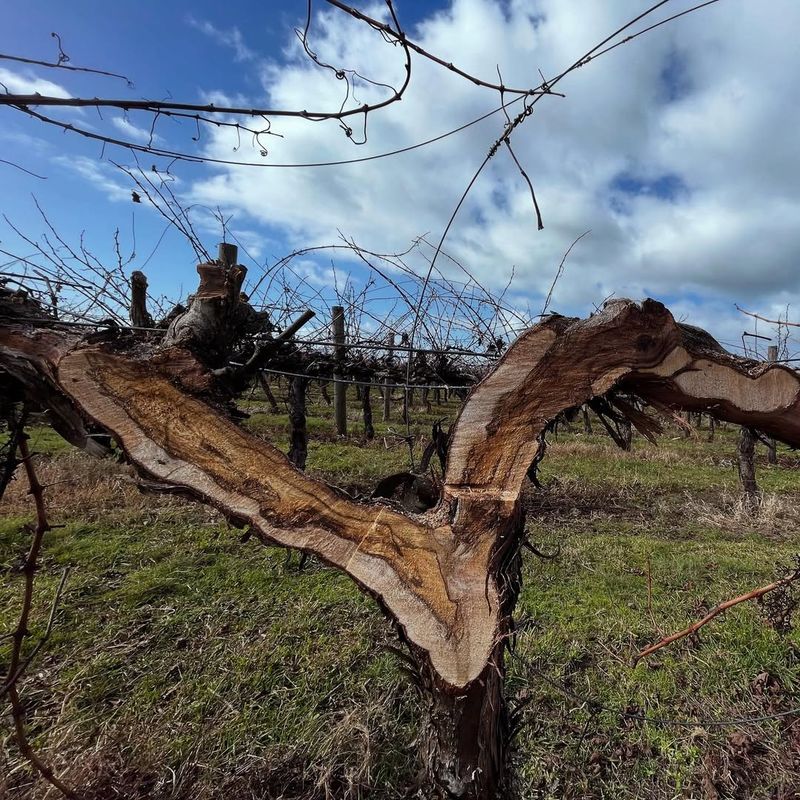
Damaged and diseased wood harbors pests and pathogens that can spread to healthy parts of the vine. Hard pruning in late winter is your chance to cut away these problem areas before the growing season begins.
Oregon’s damp climate can encourage fungal infections like powdery mildew and botrytis, so sanitation is key.
Look for canes that are brittle, discolored, or covered in cankers. These should be removed completely and disposed of away from your garden.
Don’t compost diseased wood, as some pathogens can survive and reinfect your plants.
Sterilize your pruning tools between cuts, especially if you’re working on multiple vines. A quick dip in rubbing alcohol or a bleach solution can prevent the spread of disease.
Sharp, clean cuts also heal faster and reduce the risk of infection.
Removing old wood also improves the overall health of your vine. It allows sunlight and air to reach the center of the plant, reducing humidity and creating an environment less favorable to disease.
This proactive approach can save you time and money on treatments later in the season.
5. Encouraging New Growth
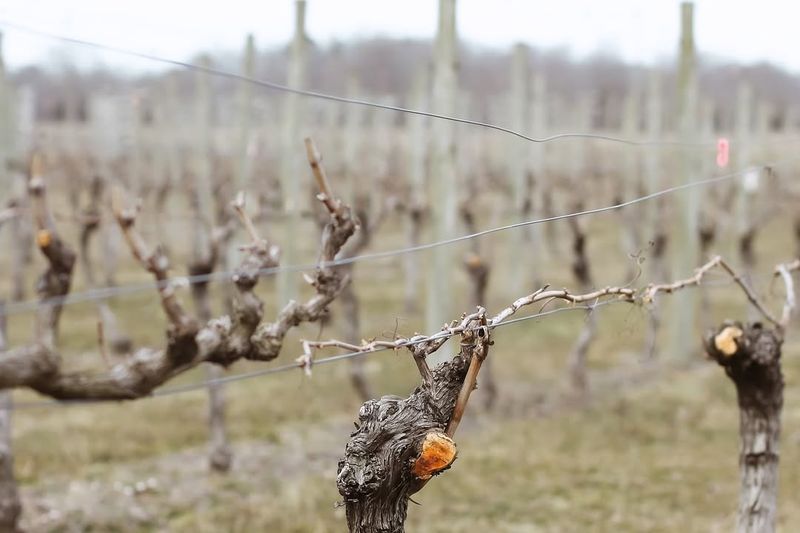
Hard pruning stimulates vigorous new growth by signaling the vine to push out fresh shoots from remaining buds. This renewal process is vital for maintaining productive vines over many years.
In Oregon, where vines can live for decades, annual hard pruning keeps them youthful and productive.
When you cut back old canes, the vine responds by directing stored carbohydrates to the buds you’ve left behind. These buds break dormancy and grow into strong, healthy shoots that will bear fruit.
The more drastic the pruning, the more vigorous the new growth.
Balance is important. Cutting too hard can lead to excessive vegetative growth at the expense of fruit.
Leaving too much wood results in weak shoots and poor fruit quality. Aim for a moderate approach that suits your vine’s age and vigor.
New growth also replaces old wood that may be losing productivity. Over time, older canes become less efficient at transporting water and nutrients.
By encouraging fresh growth each year, you keep your vine’s vascular system functioning at its best, which is especially important in Oregon’s variable spring weather.
6. Managing Sunlight And Airflow
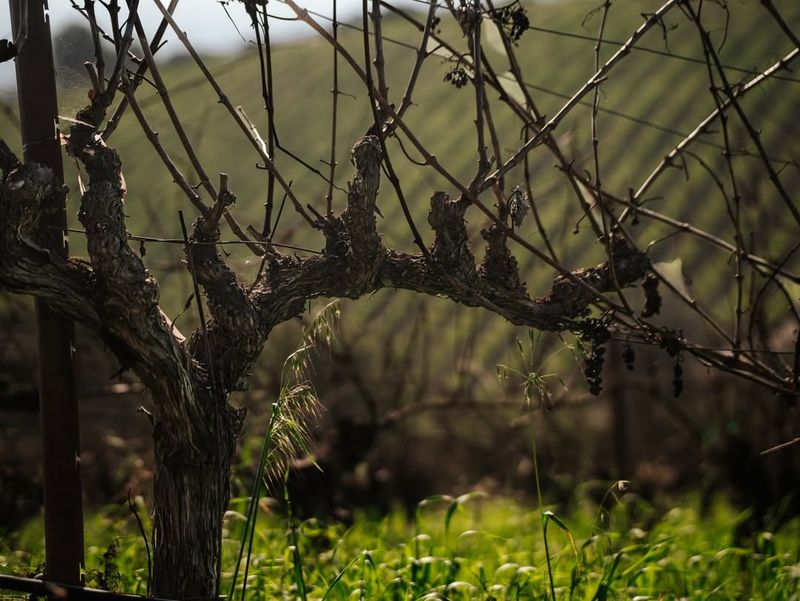
Proper sunlight exposure and air circulation are critical for healthy grape vines and high-quality fruit. Hard pruning opens up the canopy, allowing light to reach all parts of the plant and air to flow freely through the foliage.
This is particularly important in Oregon, where cloudy, humid conditions can persist through spring and early summer.
Grapes need sunlight to ripen properly and develop sugars. Shaded fruit tends to be sour and slow to mature.
By removing excess canes and shoots, you ensure that every cluster gets the light it needs. This also helps the leaves photosynthesize more efficiently, supporting overall vine health.
Good airflow reduces the risk of fungal diseases, which thrive in damp, stagnant conditions. When leaves and clusters are spaced out, moisture evaporates quickly after rain or morning dew.
This simple step can dramatically reduce disease pressure without the need for chemical sprays.
Consider the orientation of your vines when pruning. In Oregon, north-south rows often provide the best light distribution.
Prune to maintain an open, airy structure that allows sunlight to penetrate from all angles throughout the day.
7. Preventing Overcrowding And Disease
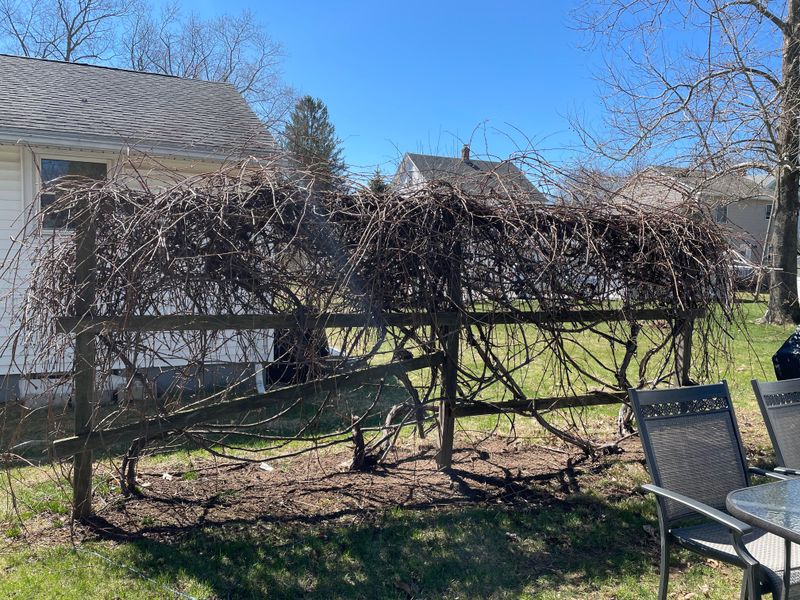
Overcrowded vines create a breeding ground for pests and diseases. When canes and shoots grow too densely, humidity builds up and air circulation drops.
This environment is ideal for fungal pathogens like powdery mildew, downy mildew, and botrytis bunch rot, all common in Oregon vineyards.
Hard pruning thins out the vine, reducing competition among shoots and improving access to light and air. Fewer shoots also mean fewer places for pests like leafhoppers and spider mites to hide.
This makes monitoring and treatment easier if problems do arise.
Spacing out fruiting wood also improves spray coverage. If you need to apply organic or conventional fungicides, an open canopy allows the product to reach all surfaces.
This increases effectiveness and reduces the amount of product you need to use.
Preventing overcrowding also supports the vine’s immune system. Healthy, well-spaced vines are better able to resist disease and recover from stress.
In Oregon’s unpredictable weather, this resilience can make the difference between a successful harvest and a disappointing one. Regularly thinning shoots throughout the season complements your hard pruning efforts.
8. Tools You’ll Need
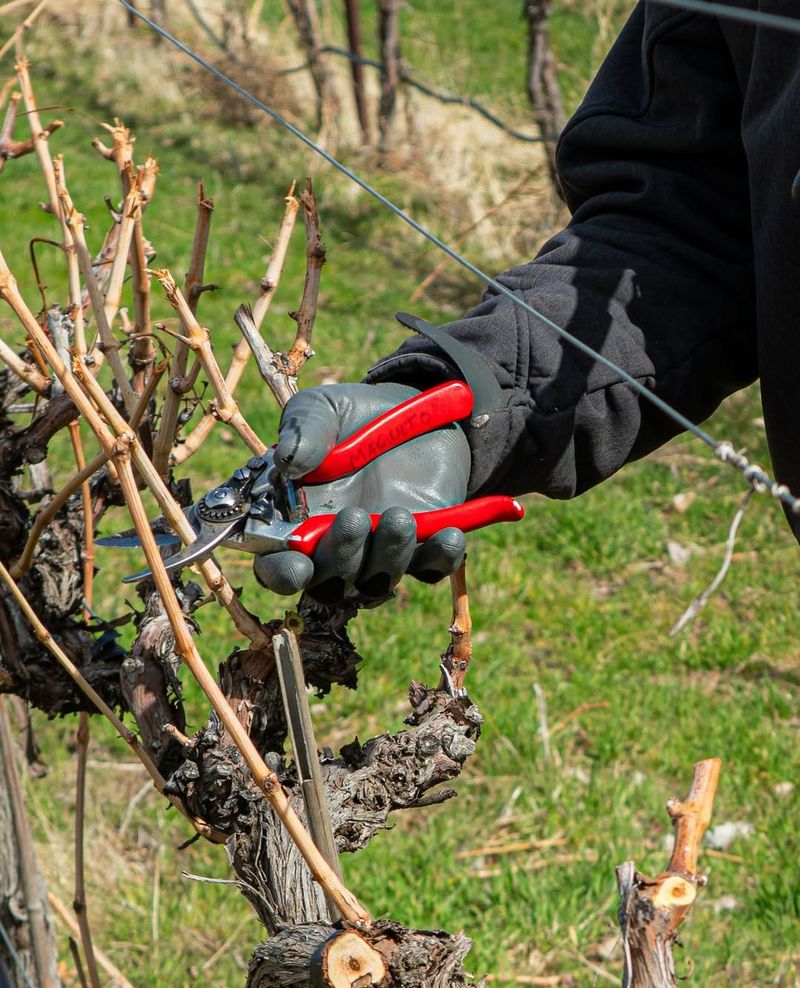
Having the right tools makes pruning faster, safer, and more effective. Sharp, clean equipment produces smooth cuts that heal quickly and reduce the risk of infection.
For most home grape growers in Oregon, a basic set of hand pruners, loppers, and a pruning saw will cover all your needs.
Bypass pruners are ideal for cutting canes up to about three-quarters of an inch thick. They make clean cuts that don’t crush the wood.
Look for models with replaceable blades and comfortable grips, especially if you’re pruning multiple vines.
Loppers extend your reach and provide extra leverage for thicker wood. Choose a pair with long handles and sharp, bypass-style blades.
A folding pruning saw is useful for removing old trunks or large branches that are too thick for loppers.
Don’t forget safety gear. Gloves protect your hands from cuts and blisters, while safety glasses shield your eyes from flying debris.
Keep a bottle of rubbing alcohol or bleach solution on hand for sterilizing blades between cuts. A holster or tool belt can keep your equipment organized and within easy reach as you work through your vineyard or garden.
9. Common Pruning Mistakes To Avoid
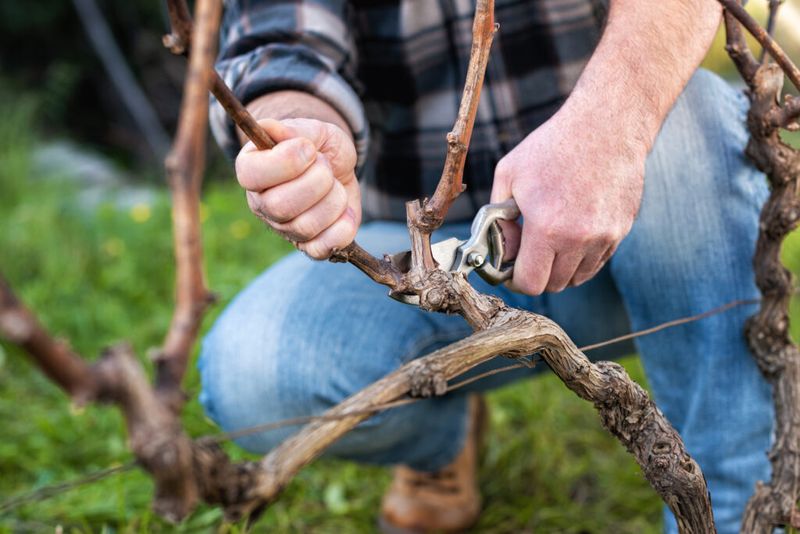
Even experienced gardeners can make pruning mistakes that hurt vine health and reduce yields. One common error is leaving too much wood.
It’s tempting to be cautious, but under-pruning leads to weak shoots and poor fruit quality. In Oregon, where growing conditions can be challenging, hard pruning is often the better choice.
Another mistake is cutting at the wrong angle or too close to the bud. Cuts should be made at a slight angle about a quarter inch above the bud, sloping away from it.
This allows water to run off and prevents rot from setting in.
Pruning during active growth is also problematic. Once buds start to swell and shoots emerge, cutting them off wastes the vine’s stored energy.
Time your pruning for late winter when vines are fully dormant but before spring growth begins.
Finally, neglecting tool maintenance can spread disease and make pruning harder. Dull blades crush wood instead of cutting cleanly, creating entry points for pathogens.
Clean and sharpen your tools regularly, and sterilize them between vines. Taking these precautions helps your grape vines thrive and produce abundant, high-quality fruit year after year in Oregon’s unique climate.