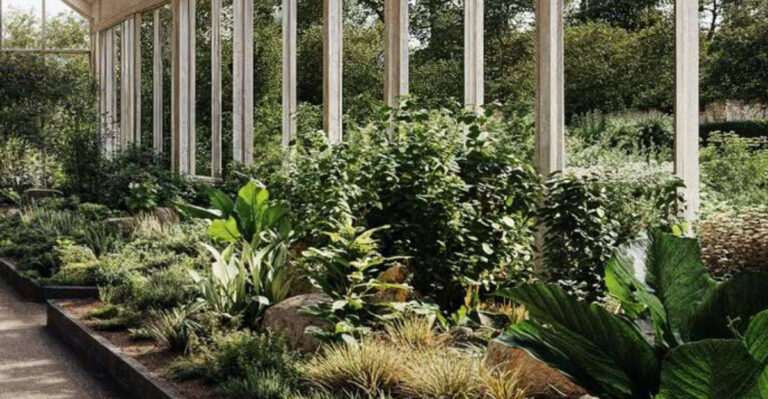
Why Grass Is Being Replaced By Gravel Gardens Across Nevada
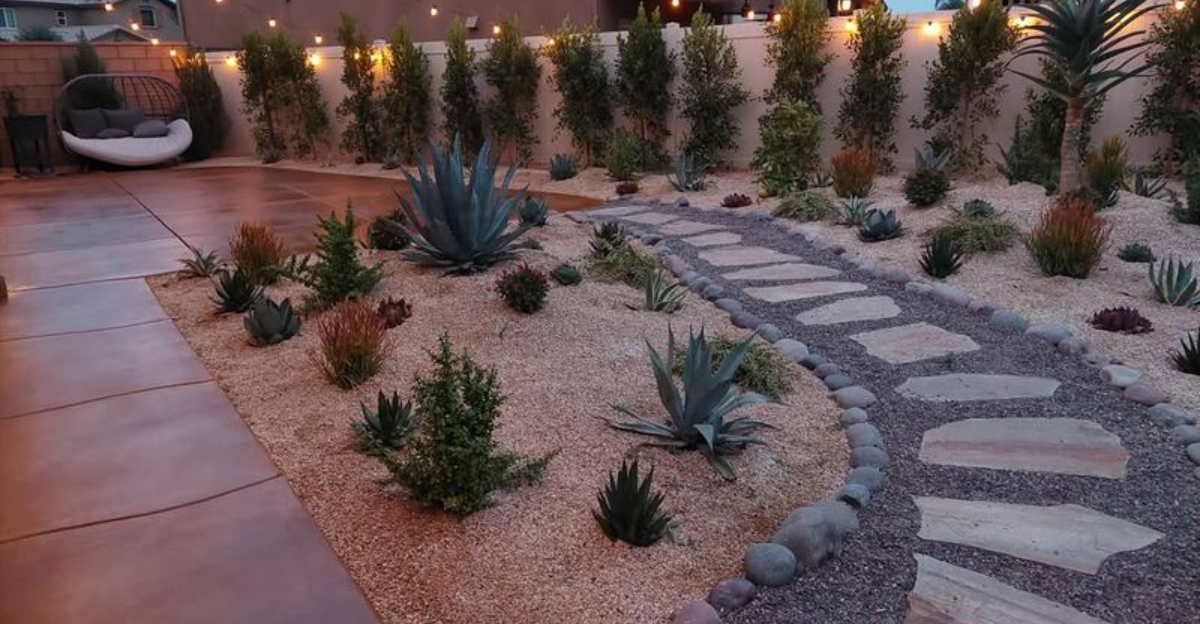
Nevada homeowners are making a big change to their yards, and it’s happening all across the state.
Traditional grass lawns are disappearing, replaced by beautiful gravel gardens filled with rocks, stones, and desert-friendly plants.
Water shortages, rising bills, and the hot desert climate are pushing people to rethink what their yards should look like, and gravel gardens are winning.
Water Conservation Is Critical
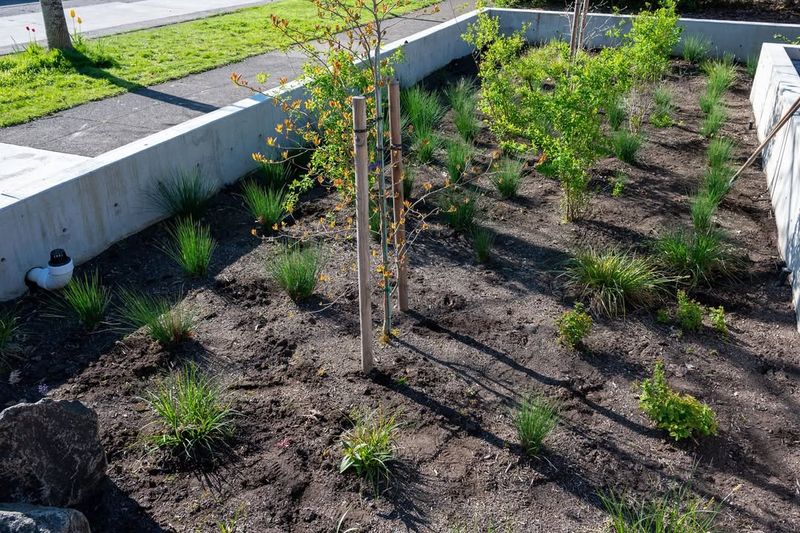
Nevada faces one of the worst water crises in America.
Lake Mead, the main water source for Las Vegas and much of the state, has dropped to record lows.
Traditional grass lawns guzzle thousands of gallons every week just to stay green.
Gravel gardens need almost no water once established.
A few drought-tolerant plants scattered among the rocks require only occasional watering during the hottest months.
Homeowners can save up to 75% of their outdoor water use by switching from grass to gravel.
Many Nevada cities now offer cash rebates for removing grass lawns.
Las Vegas pays homeowners three dollars for every square foot of grass they replace with desert landscaping.
That financial incentive, combined with the urgent need to save water, makes gravel gardens an obvious choice.
Beyond personal savings, every gravel garden helps the entire community.
When thousands of homes conserve water together, reservoirs last longer and water restrictions become less severe.
Your yard can actually make a difference in fighting drought.
Lower Utility Bills Every Month
Grass lawns cost serious money to maintain.
Water bills skyrocket during summer when lawns need daily watering in Nevada’s brutal heat.
Most homeowners spend between $100 and $300 monthly just keeping grass alive from May through September.
Gravel gardens slash those costs immediately.
Without constant watering, your monthly water bill drops dramatically.
Electricity costs also decrease since you won’t need to run sprinkler systems or pumps for hours each day.
Maintenance expenses vanish too.
Grass requires fertilizer, weed destroyer, lawn mower gas, and equipment repairs.
All those little purchases add up to hundreds of dollars yearly.
Gravel stays put and doesn’t need feeding or cutting.
Over ten years, the average Nevada homeowner saves between $15,000 and $25,000 by choosing gravel over grass.
That money can pay for vacations, home improvements, or college funds instead of disappearing into a thirsty lawn.
Financial freedom starts with smart landscaping choices that respect both your wallet and the desert environment.
Minimal Maintenance Required
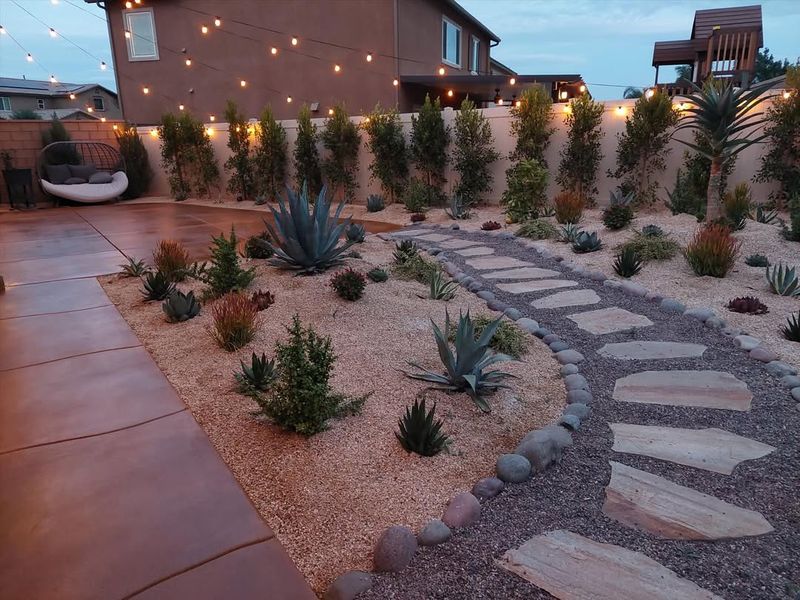
Saturday mornings in Nevada used to mean mowing, edging, and sweating under the scorching sun.
Grass demands constant attention or it quickly turns brown and patchy.
Weeds invade, sprinklers break, and bare spots need reseeding regularly.
Gravel gardens eliminate nearly all that work.
Once installed properly with landscape fabric underneath, gravel stays neat for years.
You might rake it smooth occasionally or pull a few weeds that poke through, but that’s about fifteen minutes monthly instead of hours weekly.
Desert plants chosen for gravel gardens are naturally tough survivors.
They evolved to thrive in harsh conditions without pampering.
Most need trimming just once or twice yearly to maintain their shape.
No fertilizing schedule, no pest control spraying, no constant fussing required.
Elderly homeowners especially appreciate gravel gardens because yard work becomes manageable again.
Families with busy schedules reclaim their weekends.
Even vacation homes can sit empty for months without the yard turning into an embarrassing disaster.
Low maintenance means more time enjoying life instead of fighting nature.
Extreme Heat Tolerance
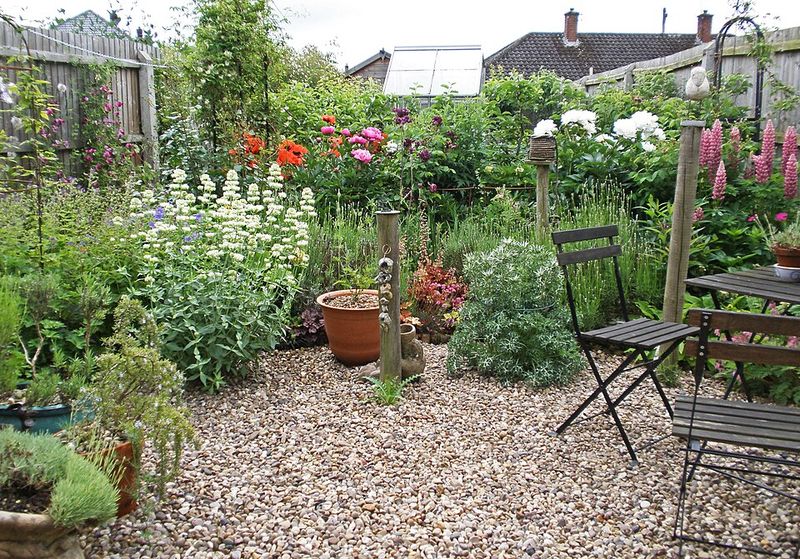
Summer temperatures in Nevada regularly exceed 110 degrees Fahrenheit.
Grass simply wasn’t designed for this kind of punishing heat.
Even with daily watering, lawns turn crispy brown by mid-July, looking withered and defeated despite your best efforts.
Gravel and rocks actually embrace the heat.
They don’t wilt, burn, or require life support during heat waves.
Decorative stones come in colors ranging from cool grays to warm reds, and they maintain their appearance regardless of temperature extremes.
Native desert plants paired with gravel have developed clever survival strategies over thousands of years.
Their waxy leaves reflect sunlight, deep roots find underground moisture, and compact growth patterns minimize water loss.
They actually look better in summer than they do in winter.
Heat-reflecting grass alternatives also keep outdoor spaces slightly cooler.
Light-colored gravel reflects rather than absorbs heat, unlike dark asphalt or withered grass.
Walking across a well-designed gravel garden feels more comfortable than crossing a struggling lawn.
Nevada’s climate isn’t changing anytime soon, so working with the heat instead of against it just makes sense.
Increased Property Values
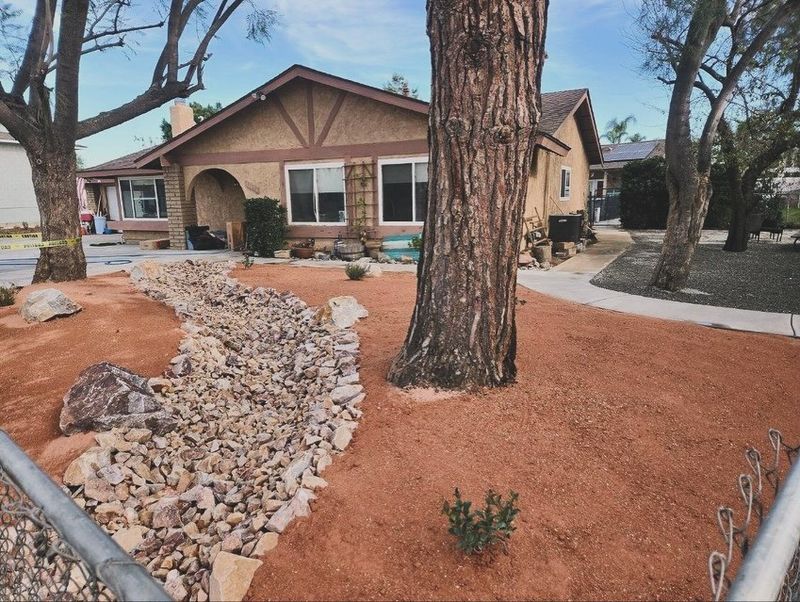
Curb appeal matters when selling homes, and attitudes about landscaping are shifting fast.
Buyers in Nevada increasingly view grass lawns as outdated water-wasters that signal higher maintenance costs.
Professional gravel gardens signal smart, modern homeownership instead.
Real estate agents report that well-designed desert landscaping helps homes sell faster in Nevada markets.
Buyers appreciate not inheriting a thirsty lawn that demands constant attention and expense.
Move-in ready means truly ready, not requiring immediate landscape overhaul.
Quality gravel gardens can add $5,000 to $15,000 to home values depending on size and design sophistication.
Professional installations with artistic rock arrangements, dramatic lighting, and diverse plant selections create outdoor living spaces that rival traditional yards in beauty while exceeding them in practicality.
Neighborhood associations are updating their rules too.
Many Nevada HOAs once required grass but now encourage or mandate water-wise landscaping.
Getting ahead of this trend positions your property as forward-thinking.
Future-proof landscaping protects your investment while making your home stand out for all the right reasons when market conditions favor sellers or buyers.
Environmental Responsibility Matters
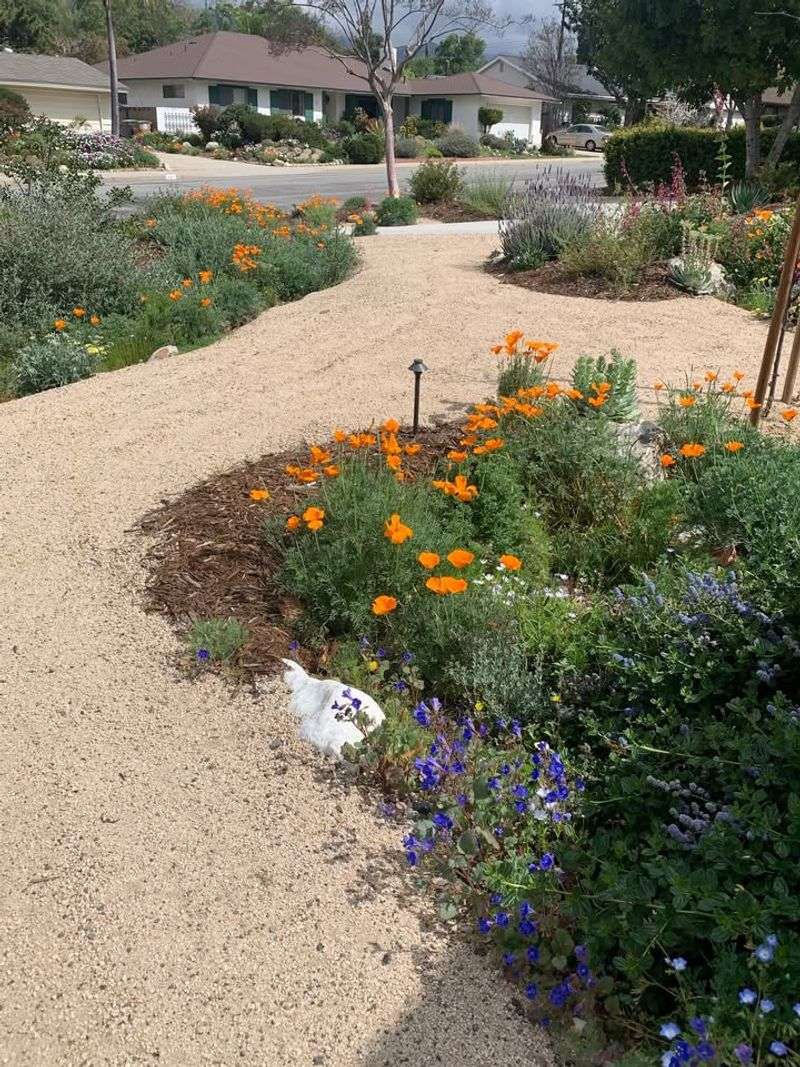
Climate change isn’t some distant future problem anymore.
Nevada experiences longer droughts, hotter summers, and unpredictable weather patterns right now.
Personal choices about landscaping directly impact the environment and community water supplies.
Traditional lawns require not just water but also chemical fertilizers and pesticides that run off into storm drains.
Those chemicals eventually reach rivers, lakes, and groundwater, harming fish, wildlife, and potentially human health.
Gravel gardens eliminate that pollution source entirely.
Gas-powered lawn mowers contribute surprisingly large amounts of air pollution.
One hour of mowing produces emissions equivalent to driving a car 100 miles.
Multiply that across thousands of Nevada homes weekly, and the air quality impact becomes significant.
Electric mowers help but gravel gardens solve the problem completely.
Native plants in gravel gardens support local ecosystems by providing food and shelter for desert wildlife.
Hummingbirds visit flowering desert plants, lizards find refuge under rocks, and beneficial insects thrive without pesticide exposure.
Your yard becomes part of the natural landscape again instead of fighting against it with chemicals and imported grass species that don’t belong.
Drought Restrictions Compliance
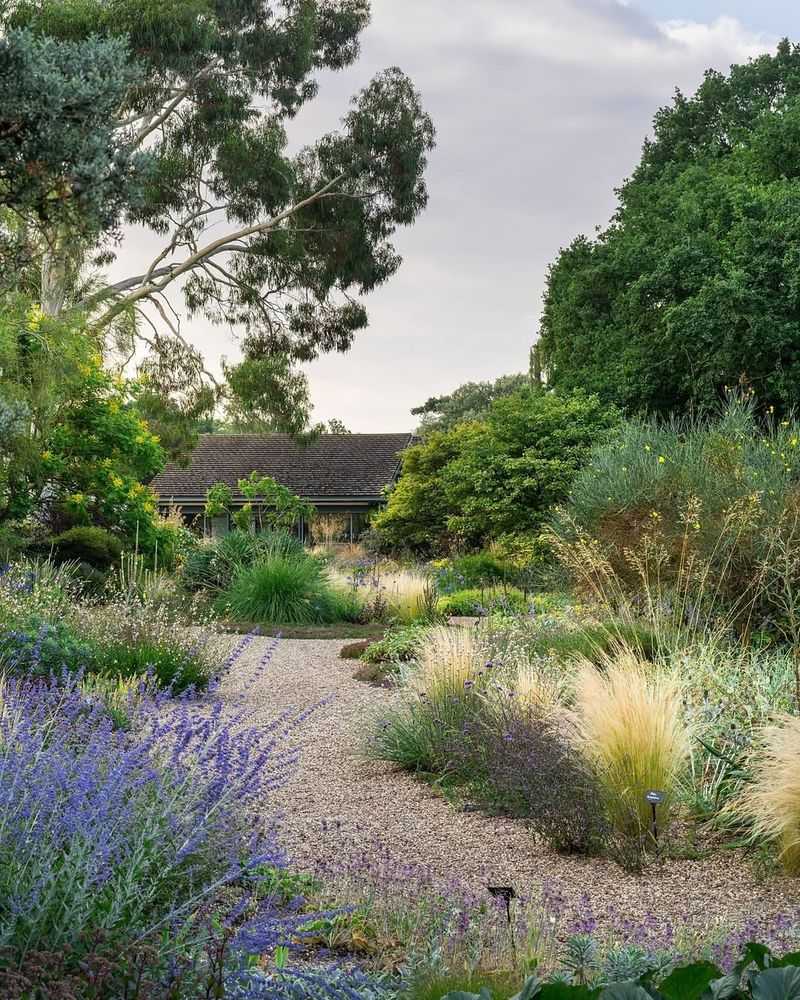
Water restrictions hit Nevada communities hard during drought years.
Cities limit watering schedules, prohibit certain lawn activities, and sometimes ban outdoor watering entirely.
Grass lawns become impossible to maintain legally, turning brown and ugly while homeowners face fines for violations.
Gravel gardens automatically comply with even the strictest water restrictions.
Since they require minimal irrigation, you’re never worried about breaking rules or watching your investment getting destroyed by forced neglect.
Watering bans don’t affect rock gardens the way they devastate grass.
Some Nevada municipalities have implemented permanent watering restrictions regardless of current drought conditions.
Southern Nevada Water Authority enforces strict rules year-round because Lake Mead’s crisis won’t resolve quickly.
Future restrictions will likely become more severe, not less, as population growth strains limited water supplies.
Forward-thinking homeowners recognize that grass lawns face an uncertain future in Nevada.
Installing gravel gardens now avoids future stress when authorities inevitably tighten regulations further.
Why invest money and effort into landscaping that might become illegal or impossible to maintain?
Drought-proof yards provide peace of mind that traditional lawns simply cannot offer in Nevada’s changing climate reality.
Creative Design Possibilities
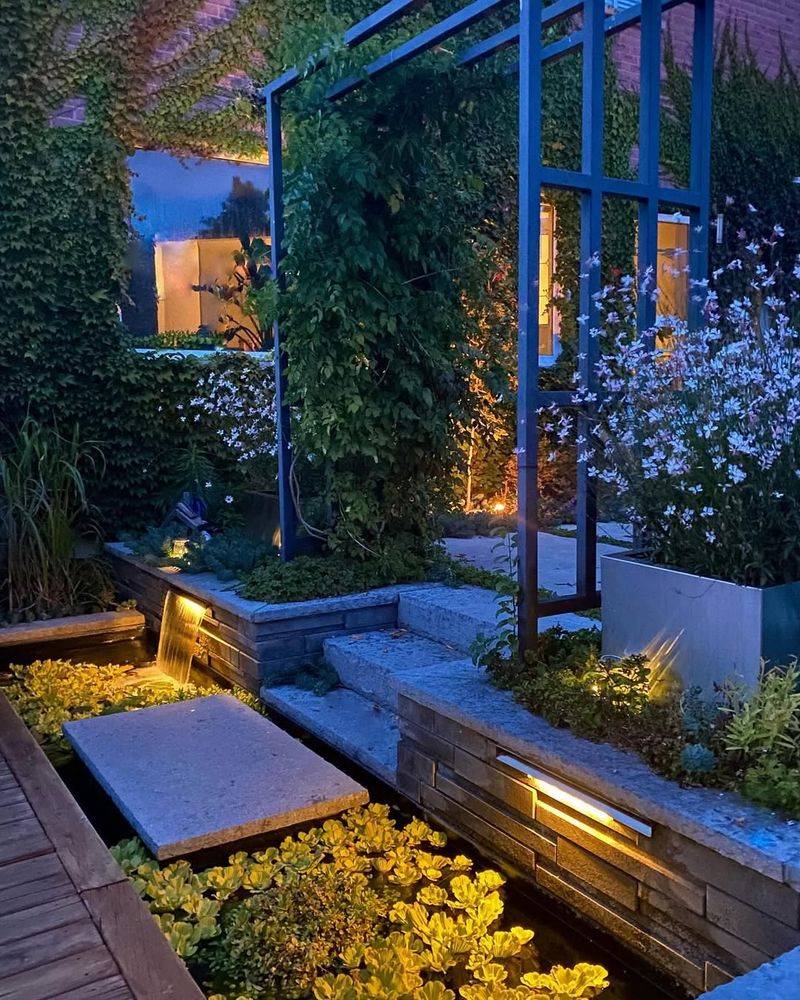
Grass offers exactly one look: green and flat.
Gravel gardens open up endless artistic possibilities limited only by imagination.
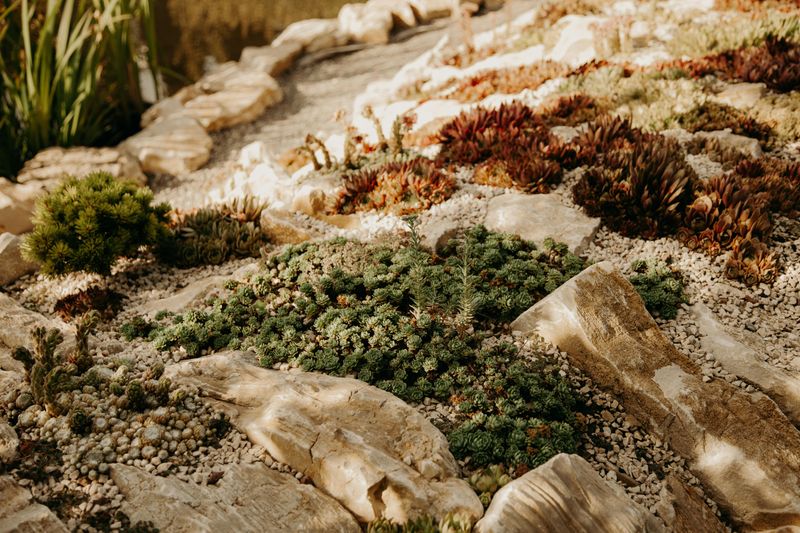
Rocks come in dozens of colors, sizes, and textures that can be combined into unique patterns and designs.
Homeowners create dry riverbeds that wind through yards, Japanese zen gardens with carefully raked patterns, or colorful mosaics using different stone types.
Large boulders serve as dramatic focal points while smaller pebbles fill spaces between plants.
Lighting transforms gravel gardens into magical nighttime displays.
Desert plants add incredible variety too.
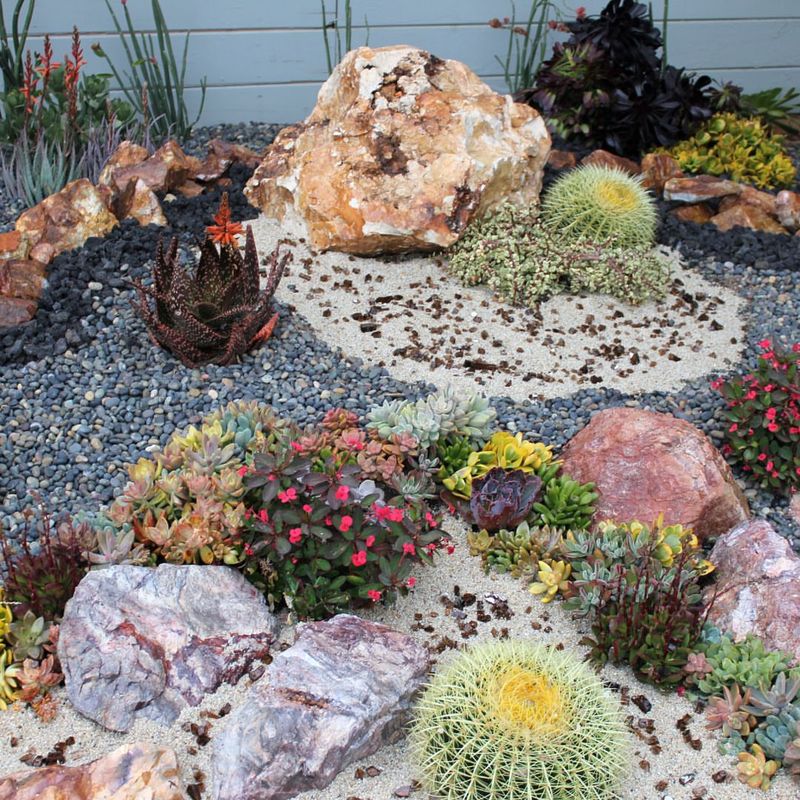
Red yucca blooms with tall coral flowers, purple sage spreads fragrant foliage, golden barrel cacti provide geometric interest, and agave creates architectural drama.
Mixing textures, heights, and seasonal colors creates dynamic landscapes that change throughout the year.
Many Nevada homeowners incorporate functional elements like fire pits, seating areas, or walking paths into gravel gardens.
These outdoor living spaces become extensions of the home rather than just empty lawn expanses.
Pinterest and Instagram overflow with gravel garden inspiration showing that water-wise landscaping can be absolutely stunning, proving beauty and practicality aren’t mutually exclusive in Nevada’s desert environment.
Pest And Weed Reduction
Grass lawns attract all sorts of unwanted visitors.
Grubs damage roots, chinch bugs create brown patches, and gophers tunnel underneath leaving ugly mounds everywhere.
Weeds like crabgrass and dandelions invade constantly despite expensive herbicide treatments that smell terrible and pose health concerns.
Gravel gardens naturally discourage most pests.
Insects that feed on grass find nothing to eat among rocks.
Rodents avoid open gravel areas where they’re exposed to predators.
Properly installed landscape fabric beneath gravel blocks weed seeds from reaching soil, preventing most weed problems before they start.
The few weeds that do appear in gravel pull out easily since they’re growing through fabric rather than establishing deep root systems.
No more wrestling with dandelion taproots or spreading crabgrass runners.
Five minutes of occasional weeding beats hours of lawn pest management.
Chemical-free pest control appeals to families with children and pets who play outdoors.
Nobody wants kids rolling around on grass recently sprayed with toxic pesticides.
Gravel gardens eliminate that worry entirely while also protecting beneficial insects like bees and butterflies that pollinate gardens and support healthy ecosystems throughout Nevada neighborhoods.
Community And Government Support
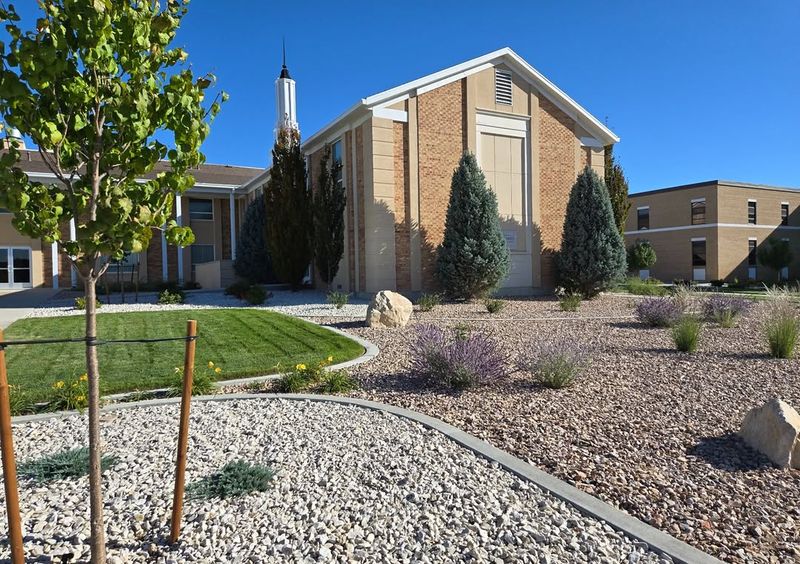
Nevada governments actively encourage gravel gardens through generous financial incentives.
Las Vegas offers the Water Smart Landscapes rebate paying up to $3 per square foot of grass removed.
Reno, Henderson, and other cities provide similar programs that can reimburse thousands of dollars for landscape conversions.
Local nurseries and landscape companies specialize in desert-appropriate designs now.
They offer free consultations, detailed plans, and installation services specifically for gravel gardens.
Home improvement stores stock desert plants and decorative rocks prominently, making materials easy to find and afford.
Neighborhood workshops teach homeowners how to design and install gravel gardens themselves.
Water authorities provide online resources, plant guides, and design templates.
Community momentum makes the transition easier as neighbors share experiences and recommendations.
Social acceptance has shifted dramatically too.
Gravel gardens once seemed strange or cheap, but now they signal environmental awareness and smart resource management.
Pride in water-wise landscaping has replaced shame about removing grass.
Nevada communities recognize that widespread adoption of gravel gardens helps everyone by conserving shared water resources, reducing strain on infrastructure, and creating a sustainable future in an increasingly challenging desert climate.