Why Great Horned Owls Are Roosting Near Minnesota Homes This December
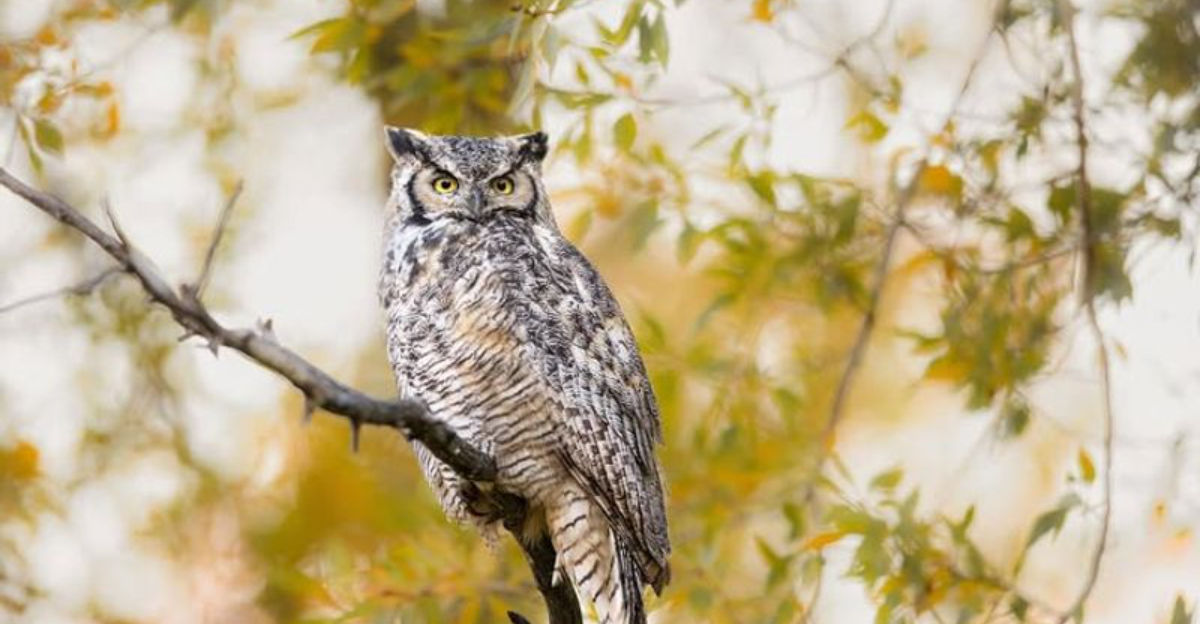
December in Minnesota brings long nights and biting cold, and great horned owls are making themselves known close to home.
These powerful birds are showing up near houses, barns, and tree lines, often perched silently while the world sleeps.
Their sudden closeness can feel surprising, but it follows a familiar winter pattern.
As temperatures drop, great horned owls shift their habits to stay ahead of hunger.
Prey animals move closer to buildings for warmth and shelter, and owls are quick to follow the action.
Neighborhoods offer tall trees, open hunting spaces, and quieter conditions during winter months.
For an owl, it is a smart move that stacks the deck in their favor.
Cold air also carries sound farther, making their calls seem closer than they really are.
Shorter days push owls to hunt more often, increasing the chances of sightings.
This behavior is not a cause for concern. It is a sign of adaptation and survival.
In Minnesota, winter forces wildlife to make tough choices, and great horned owls know how to play the hand they are dealt.
Their presence near homes is nature adjusting to the season, right under our noses.
1. Abundant Prey Around Human Dwellings
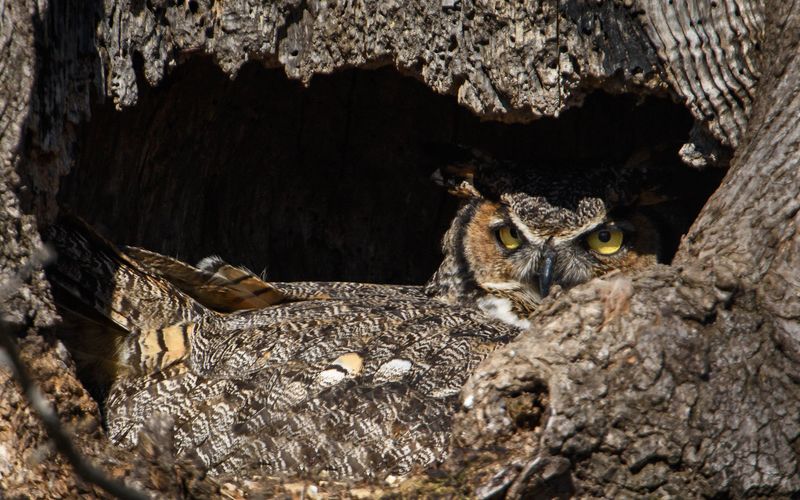
Rodents and rabbits thrive near human settlements throughout Minnesota, creating an all-you-can-eat buffet for hungry great horned owls.
Mice, rats, squirrels, and cottontail rabbits gather around homes where they find shelter in garages, sheds, and wood piles during the harsh December cold.
Bird feeders attract smaller birds and scatter seeds that draw rodents, essentially setting up a complete food chain right in your backyard.
Great horned owls have exceptional hearing and vision that allow them to detect the slightest movements of prey animals beneath snow cover or in dim lighting.
They can hear a mouse moving under a foot of snow from over 50 feet away, making Minnesota neighborhoods perfect hunting grounds.
The concentration of prey near homes means owls expend less energy hunting, which is crucial during winter when calories are precious.
Urban and suburban areas in Minnesota often have less deep snow accumulation than open fields because buildings and pavement retain heat.
This makes it easier for rodents to move around, which in turn makes them easier targets for owls.
Homeowners who notice owls roosting nearby might also spot increased rodent activity, as the two go hand in hand.
Gardens, compost bins, and trash areas provide additional food sources that attract prey animals throughout December.
Owls quickly learn which neighborhoods offer the best hunting opportunities and return to these productive areas night after night.
The relationship between human activity and prey abundance makes residential areas increasingly attractive to these adaptable predators during Minnesota winters.
2. Shelter From Harsh Winter Weather
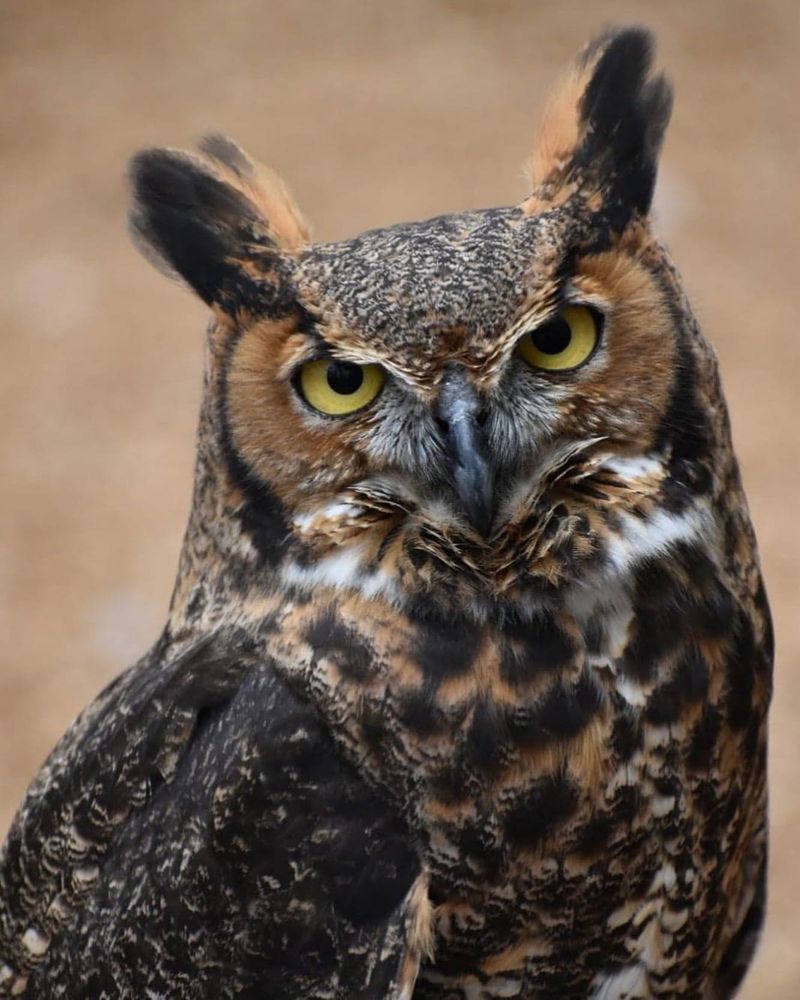
December temperatures in Minnesota regularly plunge below zero, with biting winds that make survival challenging even for well-adapted wildlife.
Great horned owls seek out protected roosting spots that shield them from wind chill and blowing snow during daylight hours when they rest.
Residential areas offer numerous sheltered locations including dense evergreen trees, building overhangs, and thick deciduous tree clusters that break the wind.
Mature spruce, pine, and cedar trees commonly found in Minnesota yards provide excellent insulation and cover.
These evergreens retain their needles year-round, creating dense canopies that block wind and reduce heat loss for roosting owls.
Many homeowners plant these trees as windbreaks and privacy screens, inadvertently creating perfect owl hideouts.
Buildings themselves radiate stored heat even in freezing conditions, creating slightly warmer microclimates in their immediate vicinity.
Owls roosting in trees near homes benefit from this ambient warmth, which can make a significant difference during extreme cold snaps.
Barns, sheds, and other outbuildings sometimes have openings that owls use for exceptionally well-protected roosting sites.
The combination of physical shelter and thermal benefits makes residential properties more comfortable than exposed woodland areas during Minnesota’s brutal December weather.
Owls are smart enough to recognize these advantages and choose roosting locations strategically.
Homeowners might notice the same owl returning to the same tree day after day because it has found an ideal shelter spot that meets all its needs for warmth and protection throughout the long winter.
3. Breeding Season Territory Establishment
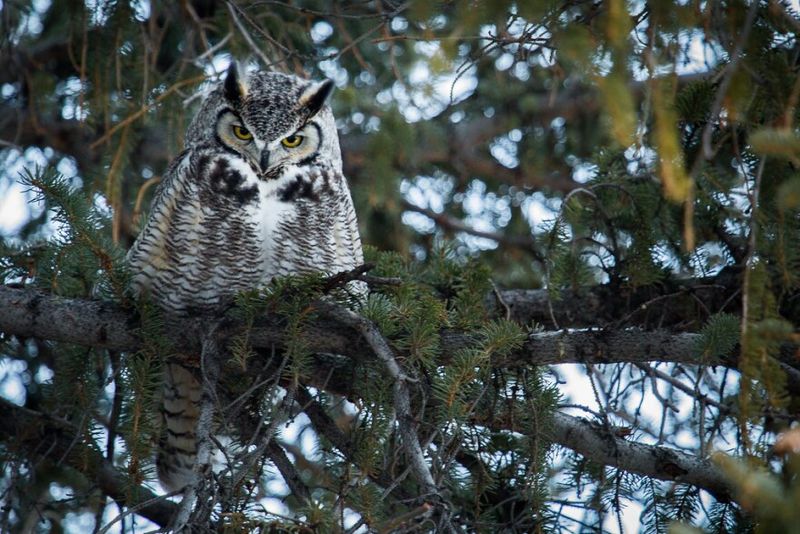
Great horned owls begin their breeding season remarkably early compared to most birds, with courtship and territory establishment starting in December across Minnesota.
Male owls hoot loudly to announce their presence and claim territories, which is why residents often hear their distinctive calls echoing through neighborhoods on cold December nights.
Females respond to these calls, and pairs form bonds that will lead to nesting as early as January or February.
Residential areas provide excellent nesting opportunities because they contain a variety of suitable nest sites.
Great horned owls don’t build their own nests but instead take over abandoned hawk, crow, or squirrel nests found in mature trees.
Many Minnesota yards contain large old trees with existing nests that owls can claim for their breeding season.
Establishing territory near homes also gives owls access to the abundant prey needed to feed growing chicks in late winter and early spring.
Pairs scout locations in December, evaluating both immediate food availability and long-term hunting prospects for the months ahead.
A territory with consistent prey near a Minnesota home offers better chances of successfully raising young than more remote locations.
The hooting you hear in December serves multiple purposes including attracting mates, warning rival owls away, and strengthening pair bonds.
This vocal activity increases throughout the month as breeding season progresses.
If you hear great horned owls calling near your Minnesota home this December, you’re witnessing the beginning of their fascinating reproductive cycle that defies the winter cold when most other birds remain silent.
4. Reduced Human Activity After Dark
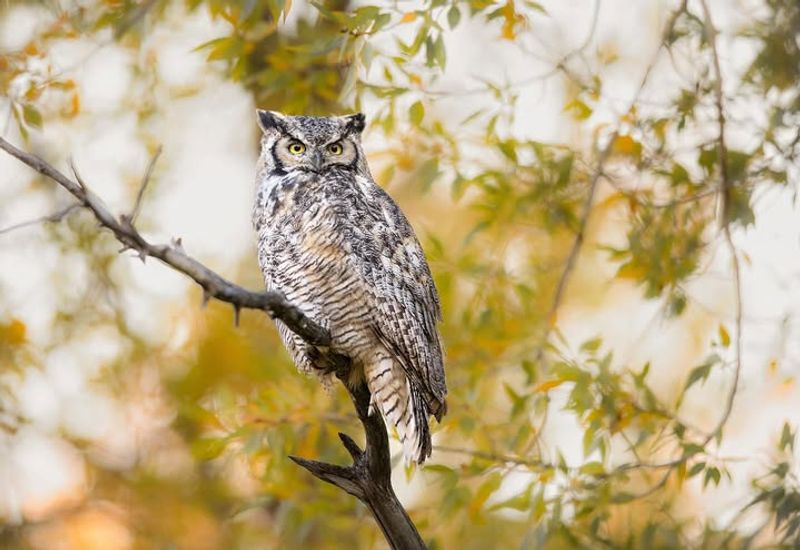
Winter darkness arrives early in Minnesota during December, with sunset occurring around 4:30 PM and complete darkness settling by 5:00 PM.
Most people retreat indoors during these long, cold evenings, leaving neighborhoods remarkably quiet and undisturbed.
Great horned owls are primarily nocturnal hunters, and the extended darkness combined with minimal human presence creates ideal conditions for their activities.
During summer months, people remain active outdoors well into the evening with yard work, barbecues, children playing, and evening walks.
December’s harsh conditions keep most Minnesotans inside, reducing noise, artificial lighting, and movement that might otherwise disturb hunting owls.
This predictable pattern of human withdrawal after dark makes residential areas functionally similar to wilderness for nocturnal predators.
Owls have learned that neighborhoods become peaceful hunting grounds once darkness falls and families settle in for the night.
The reduced activity allows them to hunt efficiently without the stress of constant disturbances.
Street lights and porch lights actually help owls by illuminating prey animals while the owls themselves remain hidden in shadows.
Even outdoor pets are typically brought inside during Minnesota’s December cold, eliminating another source of potential conflict or disturbance.
Dogs that might bark at owls during warmer months are safely indoors, and cats are protected from both the cold and from becoming owl prey themselves.
This absence of competing predators and disruptive activity makes December neighborhoods particularly attractive to great horned owls seeking efficient hunting territories with minimal interference throughout the long winter nights.
5. Frozen Lakes And Rivers Push Owls To New Areas
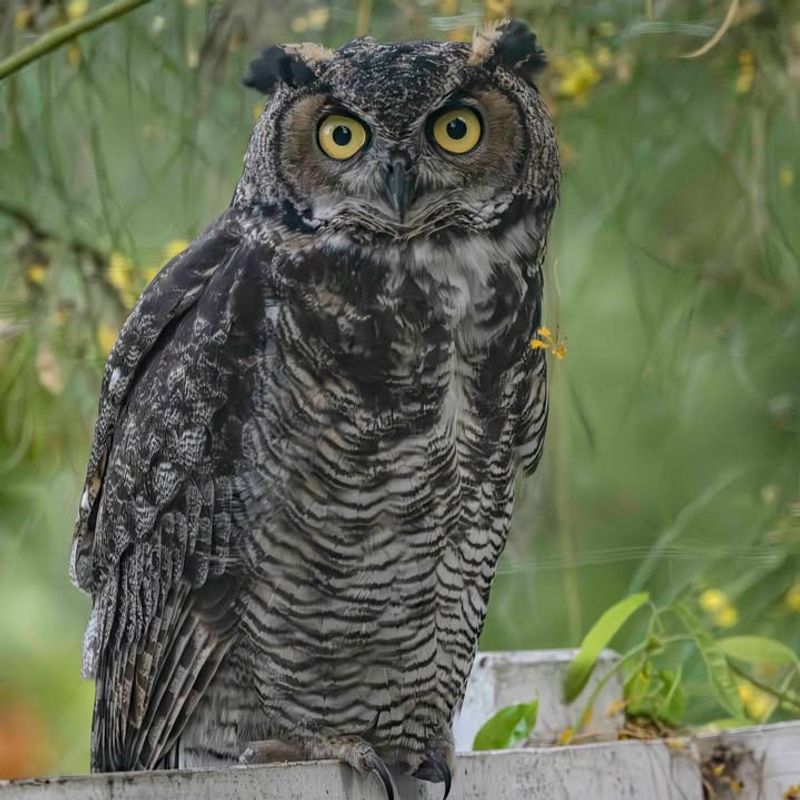
Minnesota’s numerous lakes, rivers, and wetlands freeze solid during December, dramatically altering the landscape and forcing wildlife to adjust their territories.
Great horned owls that spent autumn months hunting near water bodies for waterfowl, fish, and wetland mammals must relocate when these areas become inaccessible.
Frozen waterways no longer support the prey populations that owls relied on during milder months, pushing them toward alternative hunting grounds.
Residential areas near these frozen water bodies become natural destinations for displaced owls seeking new territories.
Many Minnesota homes are built near lakes and rivers, meaning owls don’t have to travel far to find suitable replacement habitat.
The transition from waterside hunting to neighborhood hunting happens gradually as ice thickens and prey availability shifts.
Wetland edges that provided excellent hunting during fall become barren, snow-covered expanses offering little food value by December.
Owls that established territories in these areas must expand their range or relocate entirely to survive winter.
Suburban neighborhoods offer the diversity of habitat and prey that frozen wetlands can no longer provide.
Some owls that typically hunt from perches overlooking water must adapt their techniques to hunt in residential settings with different vegetation and structures.
Fortunately, great horned owls are highly adaptable predators capable of adjusting their strategies to new environments.
Homeowners living near Minnesota’s frozen lakes and rivers are most likely to notice an increase in owl presence during December as these magnificent birds shift their territories in response to changing conditions, bringing their haunting calls and impressive hunting skills right into backyard spaces.
6. Competition For Limited Winter Habitat
Minnesota’s winter landscape offers far fewer suitable habitat options than the abundance available during warmer seasons.
Forest areas become inhospitable as deep snow buries ground cover and extreme cold makes survival difficult in exposed locations.
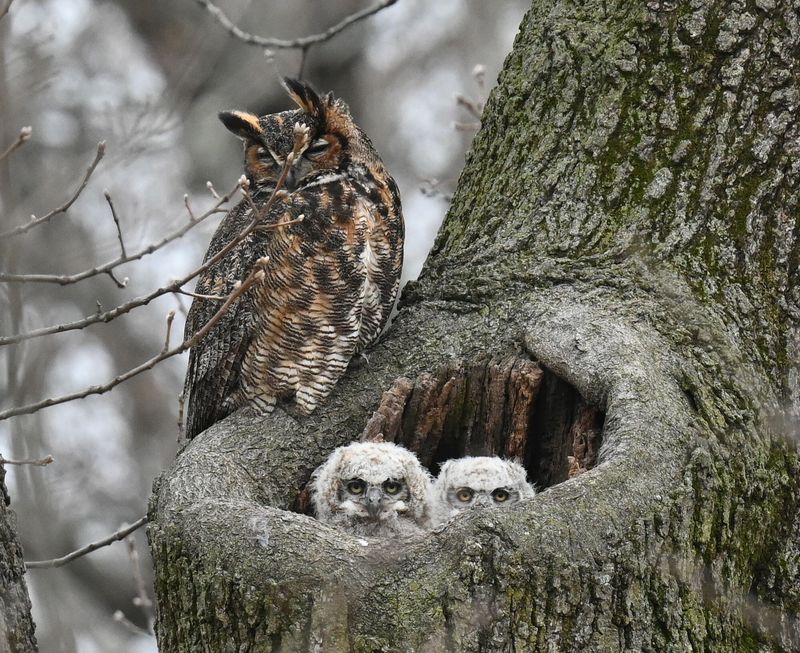
Great horned owls face increased competition from other raptors and wildlife species all seeking the same limited high-quality winter territories.
Younger owls and those without established territories face particular pressure to find suitable areas before the worst winter weather arrives.
Residential neighborhoods represent underutilized habitat that can support additional owls beyond those claiming traditional wilderness territories.
These areas provide resources comparable to natural habitats but with less competition from other large predators.
Red-tailed hawks, barred owls, and other raptors also concentrate in the best remaining habitats during Minnesota’s December cold.
Dominant birds claim prime natural territories, forcing subordinate individuals to explore alternative options.
Suburban areas become overflow habitat where displaced owls can establish themselves without constant territorial conflicts.
The pressure to secure adequate winter territory intensifies as December progresses and conditions worsen.
Owls that delay finding suitable areas risk starvation or exposure during January and February when Minnesota weather becomes even more severe.
Residential properties offer a solution by providing dispersed resources across a wide area, allowing multiple owls to coexist without direct competition.
Homeowners might notice different individual owls passing through their yards as various birds test the area for suitability.
Eventually, one owl typically claims a neighborhood territory and defends it from others.
This natural sorting process results in the stable owl presence many Minnesota residents observe throughout winter months near their homes.
7. Artificial Lighting Attracts Prey Animals
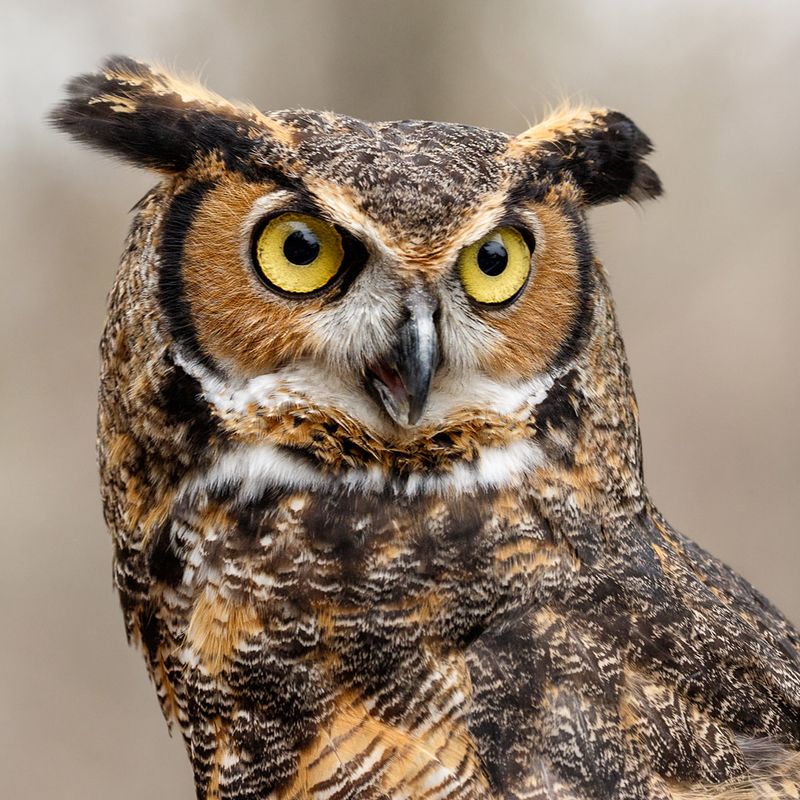
Outdoor lighting around Minnesota homes creates unexpected ecological effects that benefit hunting owls during December’s long nights.
Porch lights, security lights, and decorative landscape lighting illuminate areas where prey animals move and feed.
While December’s cold reduces insect activity, the lights still attract the occasional moth or beetle, which in turn draws small mammals and birds that feed on them.
More importantly, artificial lighting helps owls spot prey against snow-covered ground.
Rodents moving across illuminated yards are easily visible to owls perched in nearby shadows.
The contrast between lit areas and dark surroundings gives owls a tactical advantage, allowing them to remain hidden while observing well-lit hunting zones.
Many Minnesota homeowners leave lights on throughout winter nights for security purposes or to illuminate driveways and walkways.
This consistent lighting creates predictable hunting conditions that owls learn to exploit.
Rabbits and rodents, which are active during nighttime hours regardless of lighting, become more vulnerable in these illuminated spaces.
Holiday decorations add even more lighting during December, with strings of lights outlining homes, trees, and yards across Minnesota neighborhoods.
While festive for humans, this additional illumination creates extended hunting opportunities for opportunistic owls.
The lights don’t disturb the owls themselves, which have excellent vision adapted to both bright and dim conditions.
Bird feeders illuminated by nearby lights attract not only birds but also the mice and voles that clean up spilled seeds.
This concentration of activity in lit areas makes hunting more efficient for owls during the energy-demanding winter season.
Homeowners who notice owls near their outdoor lights are witnessing these intelligent predators taking advantage of human modifications to the environment for their survival benefit.