Why Growing Boxwood Near Your Front Door Works So Well In Georgia
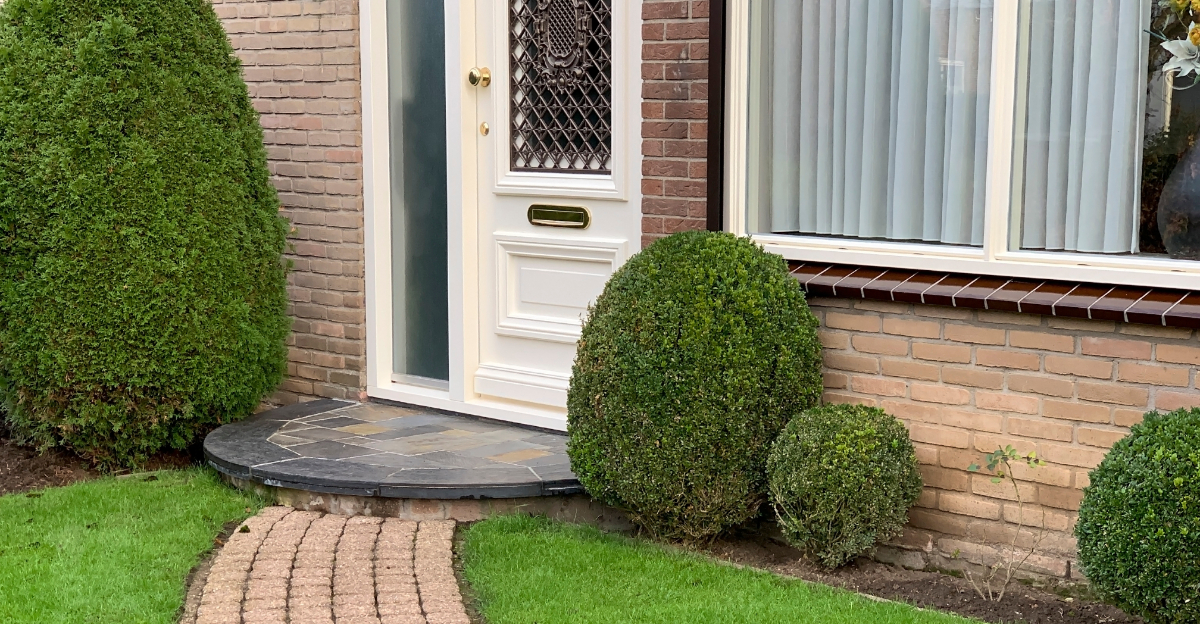
Front doors in Georgia tend to draw the eye more than any other part of the yard. That’s why slow-growing, evergreen shrubs like boxwood work especially well right by the front door in Georgia.
Boxwood has a way of fitting that role naturally, but what makes it work so well right by an entry? Its steady growth, year-round structure, and tolerance for Georgia’s conditions help create a look that stays polished instead of unruly.
Unlike flashier plants that fade or flop, boxwood holds its shape and frames the entrance without demanding constant attention.
Placing boxwood near the front door isn’t about making a bold statement. It’s about creating balance and consistency.
With the right placement and care, it quietly anchors the entry, making the whole home feel more put together through every season.
1. Evergreen Shape Keeps Entryways Looking Finished Year-Round
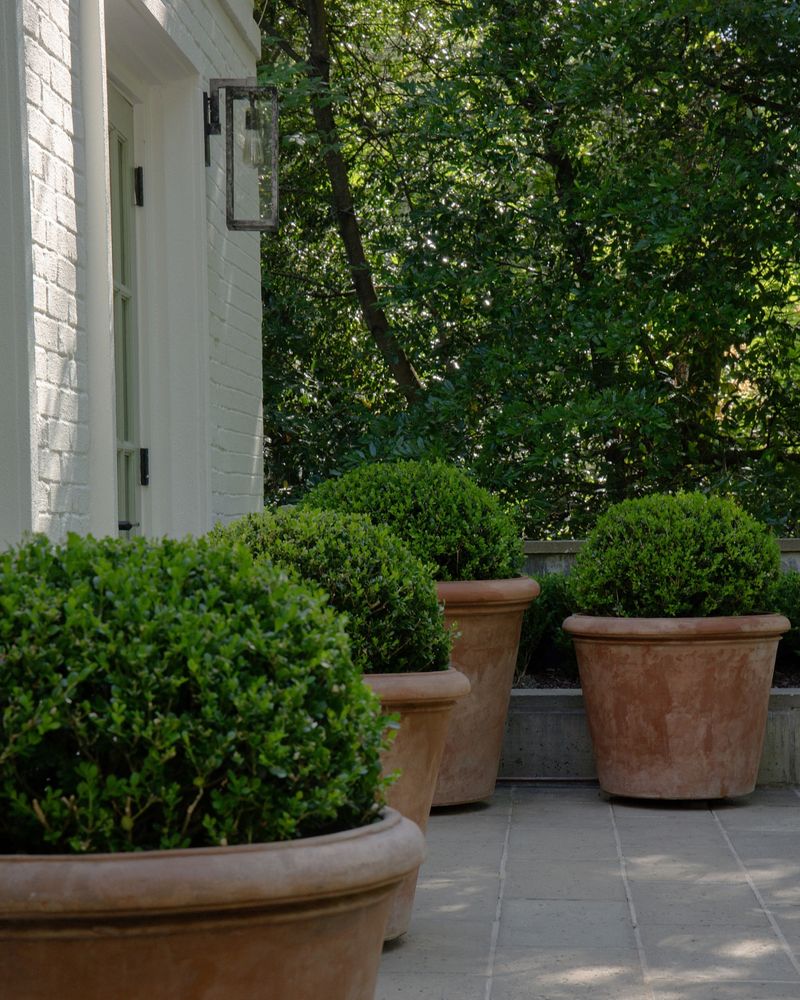
Walking up to a home surrounded by bare branches and brown stems during winter months makes even the nicest house look unfinished. Boxwood changes that story completely because these shrubs hold onto their rich green leaves through every season Georgia experiences.
While azaleas lose their leaves and perennials retreat underground when temperatures drop, boxwood continues providing that welcoming splash of color right where visitors notice it first.
Georgia winters might not bring heavy snow like northern states, but the landscape still turns pretty drab from December through February. Front door plantings need to carry the visual weight during these months when most garden plants take their break.
Boxwood handles this job effortlessly, maintaining its structured appearance and vibrant foliage whether temperatures hover at seventy degrees or dip down to twenty.
The evergreen nature means homeowners avoid that awkward period where bare spots appear around the entrance. Holiday decorations look especially attractive against boxwood’s dark green backdrop, and the shrubs provide continuity between seasons that deciduous plants simply cannot match.
Atlanta homeowners and those living in smaller Georgia towns equally appreciate not having to replant or fill gaps around their front doors each spring.
Maintenance stays minimal because the natural growth pattern keeps boxwood looking intentional rather than wild. Unlike fast-growing evergreens that quickly become shaggy, boxwood develops slowly into a refined shape that enhances architectural features around doorways and creates that finished appearance successful landscapes require throughout the entire year.
2. Slow Growth Means Less Pruning Near High-Traffic Areas
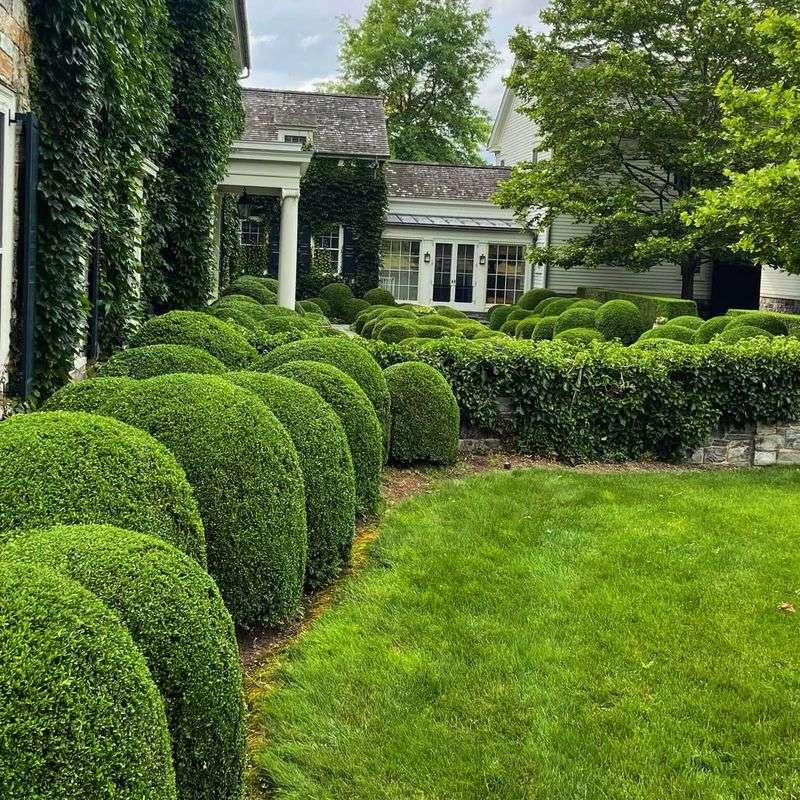
Nobody wants to wrestle with overgrown shrubs while carrying groceries or greeting guests at the front door. Boxwood grows at a pace that keeps it manageable, typically adding just three to six inches per year depending on the variety.
This measured growth rate means homeowners spend less time trimming and more time enjoying their landscape around entryways where convenience matters most.
High-traffic areas around front doors demand plants that respect boundaries without constant intervention. Fast-growing shrubs might seem appealing at the garden center, but they quickly become maintenance headaches when branches start blocking walkways or scratching against visitors.
Boxwood naturally stays within reasonable limits, developing into a tidy form that rarely encroaches on steps or pathways around Georgia homes.
The slow growth also means less frequent pruning sessions, which saves both time and money for homeowners who hire landscaping help. Many Georgia residents find they only need to shape their front door boxwood once or twice annually, compared to the monthly attention some other shrubs demand.
This characteristic becomes especially valuable near entryways where accessing plants with tools can be awkward around railings and light fixtures.
Established boxwood maintains its size reliably year after year, so the proportions that looked perfect when first planted continue working well as the shrubs mature. Homeowners in Athens and throughout Georgia appreciate this predictability because it eliminates surprises and keeps the front entrance looking intentional rather than overgrown or neglected throughout every season.
3. Boxwood Handles Georgia’s Humidity Better Than Many Shrubs
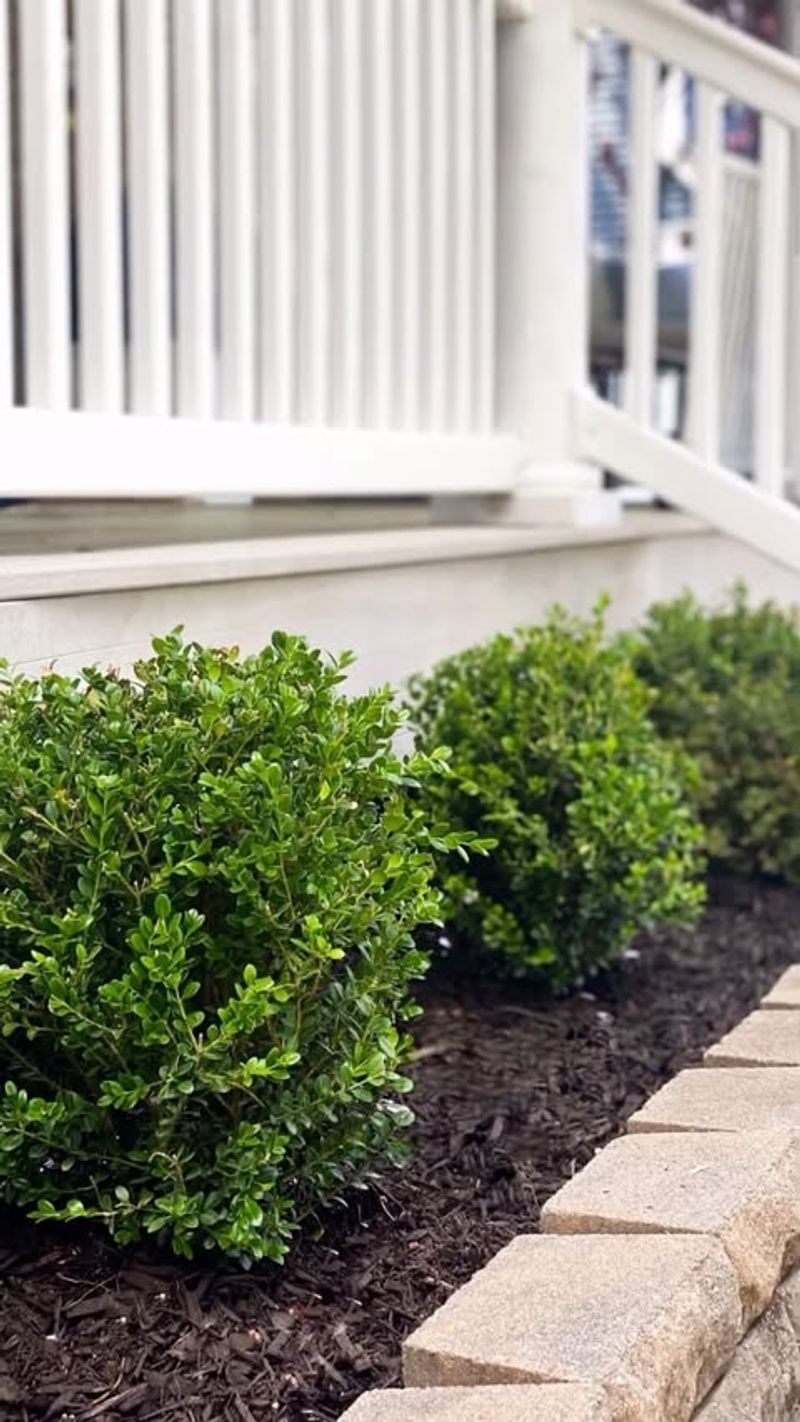
Georgia summers bring humidity levels that make many popular shrubs struggle with fungal problems and foliage issues. Boxwood demonstrates remarkable tolerance for these sticky conditions that define the growing season across the state.
The plant’s natural resistance to common moisture-related problems gives it a significant advantage around front doors where appearance matters every single day.
High humidity creates perfect conditions for leaf spot diseases and mildew that plague other evergreen shrubs commonly planted near entryways. Boxwood’s leathery leaves and good air circulation through its branching structure help it resist these issues that turn other plants unsightly during Georgia’s long, muggy summers.
Homeowners from Macon to Augusta notice their boxwood maintains clean, attractive foliage while neighboring plants show stress from the moisture-heavy air.
The ability to thrive in humid conditions becomes especially important near foundations where air circulation might be limited and moisture tends to linger. Many shrubs develop problems in these spots, but boxwood adapts well to the microclimate around Georgia home entrances.
This resilience means less need for fungicide treatments and fewer concerns about plants looking shabby during the peak growing season when curb appeal matters most.
Georgia’s combination of heat and humidity challenges even tough plants, but boxwood evolved in conditions similar enough that it handles Southern summers without the decline other species experience. Front door plantings need to look their best when temperatures soar and moisture hangs in the air, and boxwood delivers consistent performance through these demanding months year after year.
4. Foundation Areas Provide The Drainage Boxwood Prefers
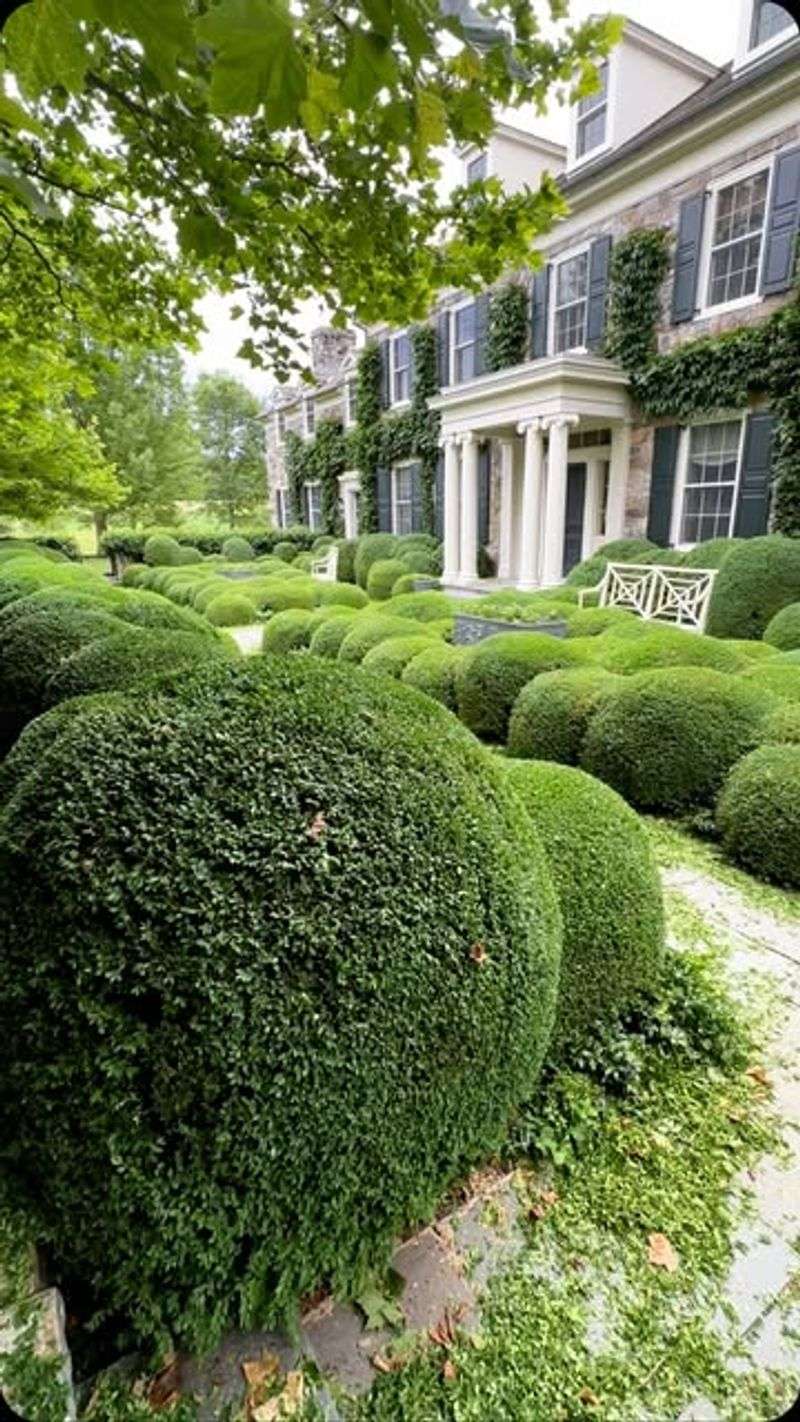
Foundation plantings sit in spots where builders typically ensure good drainage to protect the house structure itself. Boxwood thrives in these well-drained conditions that often exist right around Georgia home entrances.
The raised beds and amended soils common near foundations create an ideal environment that matches boxwood’s preferences perfectly.
Poor drainage causes more problems for boxwood than almost any other factor, making site selection crucial for success. The area immediately surrounding most home foundations naturally sheds water away from the structure, which means excess moisture doesn’t pool around plant roots.
Georgia clay soils can be challenging, but the foundation zone often receives better soil preparation during construction than other yard areas.
Many homeowners discover their front entrance area drains better than expected because of the grading work done during building. This hidden advantage makes the spot near the door particularly suitable for boxwood, which develops root problems when sitting in soggy soil.
Columbus and Savannah residents working with different soil types still find foundation areas offer improved drainage compared to lower-lying parts of their landscapes.
The slight elevation change near most foundations, combined with gutters directing water away from the house, creates conditions where boxwood roots can breathe properly between watering. This natural drainage advantage means less worry about root rot and other moisture-related issues that plague plants in poorly drained locations.
Front door plantings benefit from this built-in feature that makes boxwood establishment and long-term health much more likely around Georgia entryways.
5. Morning Sun Near Entryways Supports Healthy Growth
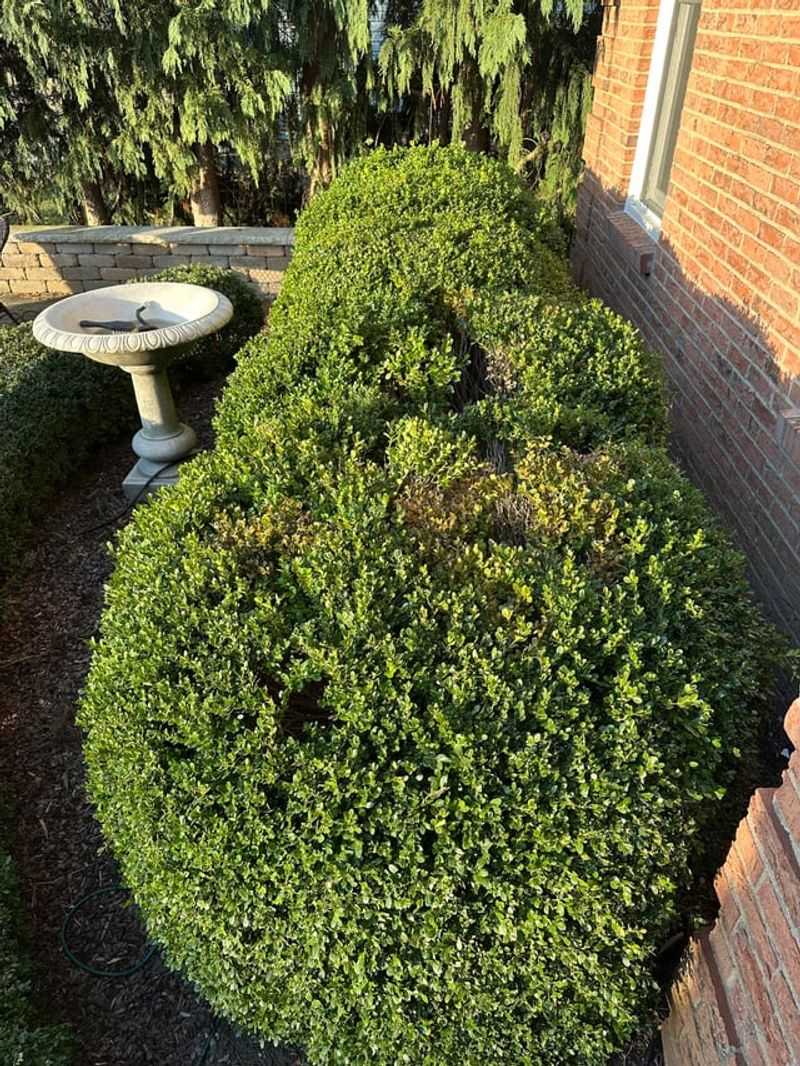
Most Georgia home entrances receive morning sun followed by afternoon shade, creating light conditions that suit boxwood perfectly. East-facing front doors offer gentler morning rays that energize plants without the intense heat that comes later in the day.
Boxwood uses this moderate sunlight efficiently, developing dense foliage and maintaining its rich green color throughout the growing season.
Full afternoon sun in Georgia can stress many plants during July and August when temperatures regularly climb into the nineties. Boxwood appreciates protection from the harshest rays, and front door locations often provide exactly that balance between adequate light and helpful shade.
The architectural features around entrances, including porches and roof overhangs, create microclimates that benefit these shrubs while still allowing enough sun for healthy growth.
Light patterns around front doors change with the seasons as the sun’s angle shifts, but boxwood adapts well to these variations. Winter sun sits lower in the sky and provides warmth that helps boxwood maintain its color during cooler months.
Summer’s higher sun angle often means more shade from the house itself, protecting plants when they need it most across Georgia’s diverse regions from Dalton to Albany.
The flexibility boxwood shows regarding light requirements makes it forgiving around entryways where conditions might not be ideal. Some front doors face north and receive limited direct sun, while others get more exposure, yet boxwood adjusts to both situations reasonably well.
This adaptability removes guesswork from plant selection for Georgia homeowners wanting reliable performance near their front entrance.
6. Dense Foliage Creates Natural Framing Around Doors
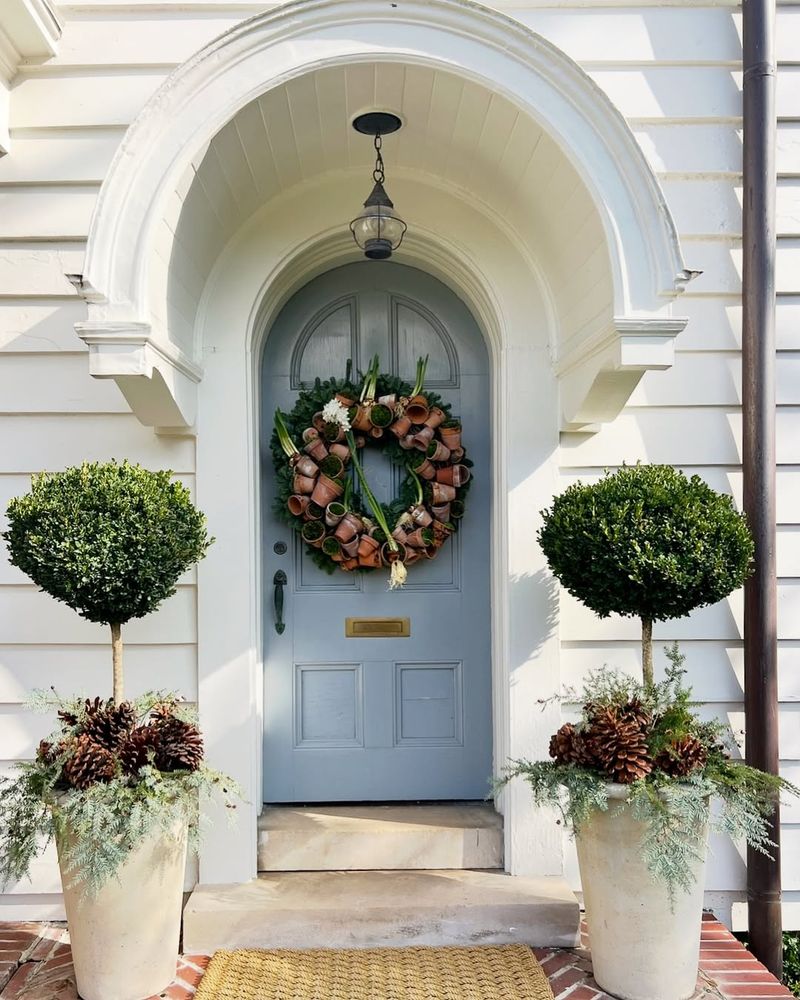
Boxwood’s naturally dense branching pattern creates a visual frame that draws attention to front doors without overwhelming architectural details. The tight growth habit produces a solid mass of greenery that defines the entrance space and guides visitors’ eyes exactly where homeowners want them to look.
This framing effect works equally well with grand double doors and simple single entrances found throughout Georgia neighborhoods.
Unlike shrubs with open, airy growth patterns, boxwood develops into a substantial presence that anchors the entrance area visually. The dense foliage provides enough visual weight to balance doorways and surrounding features without creating a cluttered appearance.
Georgia homes ranging from traditional brick colonials to modern farmhouse styles benefit from this versatile framing quality that complements rather than competes with architectural elements.
The consistent texture boxwood provides creates a calm backdrop that makes decorative elements like door wreaths, house numbers, and light fixtures stand out more effectively. Busy, irregular foliage can distract from these details, but boxwood’s uniform appearance keeps attention focused on the entrance itself.
Homeowners in Roswell and throughout Georgia appreciate how this characteristic enhances their curb appeal without requiring complicated design decisions.
Paired plantings on either side of a door create symmetry that feels both formal and welcoming, a balance many other shrubs struggle to achieve. Boxwood maintains this balanced look naturally as it matures, developing matching forms that frame entrances beautifully.
The dense foliage also provides a sense of privacy and enclosure that makes front entrance areas feel more intimate and intentional throughout every season.
7. Compact Size Fits Formal And Casual Front-Yard Styles
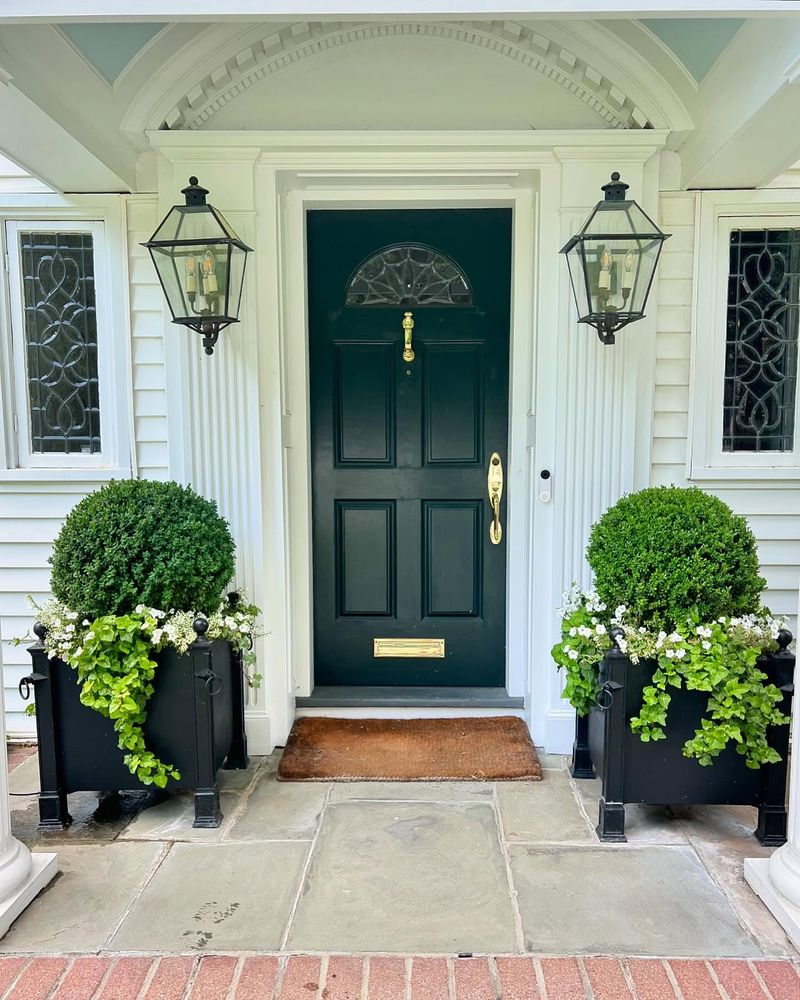
Garden design trends come and go, but boxwood works beautifully across the entire spectrum from formal estates to relaxed cottage gardens. The range of available varieties includes dwarf types staying under two feet tall and larger forms reaching four or five feet, giving Georgia homeowners options that fit any front entrance scale.
This versatility means boxwood complements whatever architectural style defines the home.
Formal landscapes rely on boxwood’s ability to maintain crisp edges and geometric shapes that create structure around entrances. The same plant works equally well in casual settings where a softer, less manicured appearance feels more appropriate.
Warner Robins homeowners with traditional brick facades and those in Athens with craftsman bungalows both find boxwood varieties that enhance their particular style without looking out of place.
Compact growth keeps boxwood proportional to typical front entrance dimensions where space is often limited. Oversized shrubs quickly dominate small entry areas and make homes feel crowded, but boxwood stays manageable and maintains proper scale as it matures.
The ability to select varieties based on mature size means homeowners can match plants precisely to their available space and desired look.
Mixing boxwood with other plants or using it as a standalone feature both work well because of its adaptable nature. Some Georgia homeowners prefer matched pairs flanking their door, while others incorporate boxwood into layered foundation plantings with seasonal flowers.
The compact, well-behaved growth habit supports either approach successfully, making boxwood a reliable choice regardless of the overall landscape design direction or personal style preferences around front entrances.