Why Hellebores Are Thriving Across Washington Shade Gardens This Year
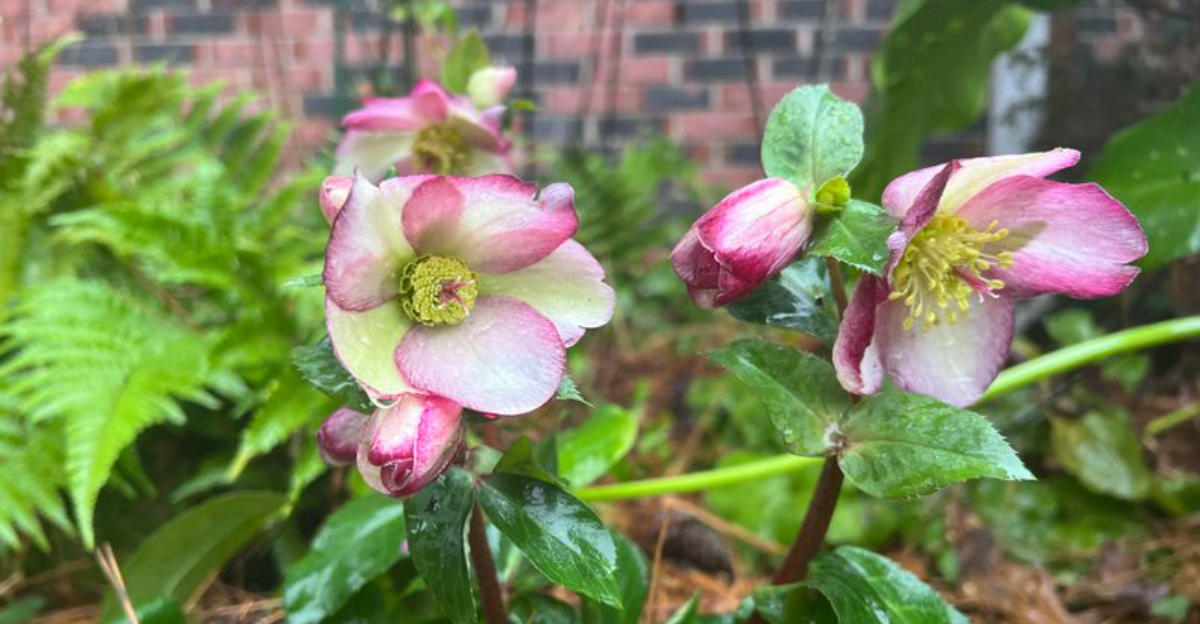
Hellebores are having a standout year in Washington shade gardens, quietly thriving while many other plants stay dormant or struggle.
Consistent moisture, mild temperatures, and filtered light have created ideal conditions that suit these plants perfectly without much extra effort.
Gardeners are noticing fuller foliage and earlier blooms, making hellebores one of the most reliable bright spots in shaded areas this season.
1. Perfect Match for Washington’s Rainy Climate

Hellebores absolutely love the consistent moisture that Washington’s rainy season provides, making them ideal candidates for gardens throughout the entire Pacific Northwest region today.
Most flowering plants struggle when rainfall becomes excessive, but hellebores have evolved to handle wet conditions without developing root problems or fungal diseases that plague others.
Washington gardeners notice their hellebores looking healthier each spring because winter rains provide exactly the hydration these plants need to produce spectacular blooms and foliage.
Rainfall patterns across the state create perfect growing environments where hellebores can establish deep root systems that support vigorous growth throughout multiple seasons ahead.
Unlike many perennials that require careful watering schedules, hellebores simplify garden maintenance by thriving naturally with whatever precipitation Washington weather delivers to your yard.
Gardeners appreciate not needing irrigation systems or constant watering efforts because hellebores manage beautifully with rainfall alone, saving time and reducing water bills significantly each month.
This natural compatibility between plant needs and local climate conditions explains why hellebores have become increasingly popular choices for Washington landscapes seeking low-maintenance beauty and reliability.
2. Shade Tolerance That Outshines Other Perennials
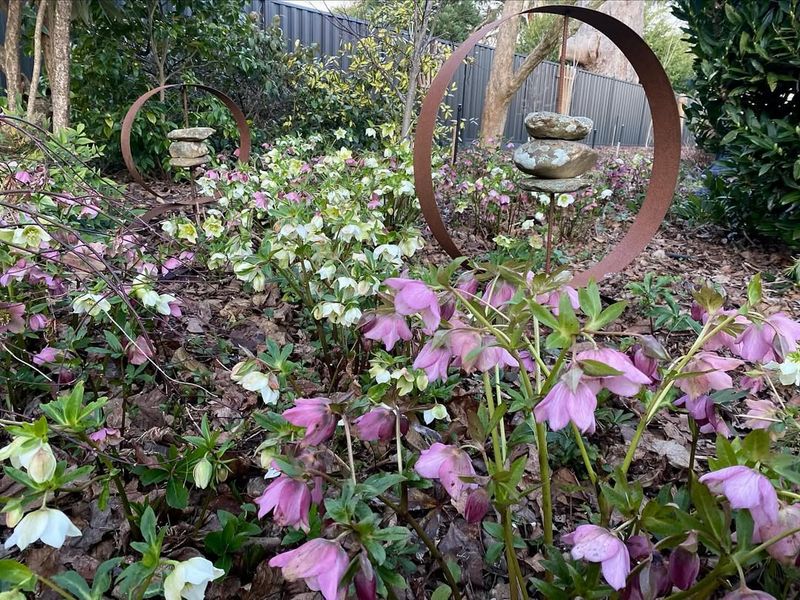
Washington gardens often feature towering evergreens and deciduous trees that cast heavy shadows, creating challenging conditions where many flowering plants simply refuse to perform well.
Hellebores have adapted over centuries to woodland environments where sunlight barely reaches the forest floor, making them champions at producing blooms in dimly lit spaces.
Gardeners across Washington find hellebores flourishing beneath Douglas firs, maples, and cedars where other perennials fade away or fail to produce any flowers whatsoever each spring.
Dense shade that would discourage most garden plants actually encourages hellebores to develop richer foliage colors and longer-lasting blooms that brighten dark corners beautifully throughout winter.
Washington landscapes benefit enormously from plants that embrace shade rather than merely tolerating it, and hellebores excel at transforming gloomy spots into enchanting garden features.
Homeowners appreciate how hellebores solve the persistent problem of bare ground under trees, filling these difficult areas with elegant flowers and attractive evergreen leaves year-round.
This exceptional shade tolerance makes hellebores irreplaceable in Washington gardens where sunny spots are limited and woodland settings dominate residential landscapes throughout urban and rural areas.
3. Early Blooming Brings Winter Color
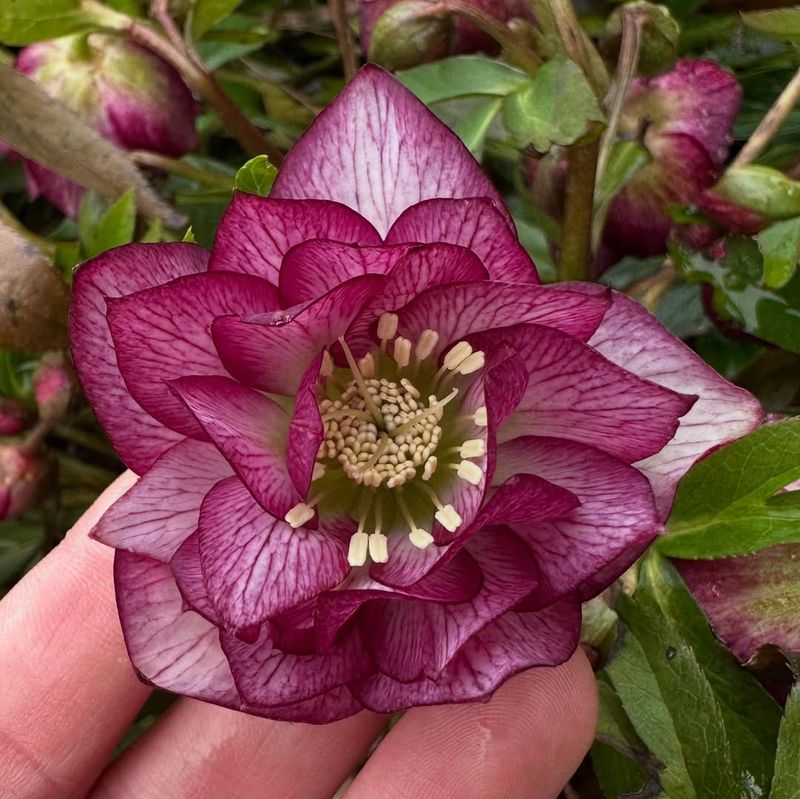
Washington winters can feel endlessly gray and dreary, leaving gardeners desperate for any splash of color to brighten spirits during months when everything seems dormant.
Hellebores begin flowering as early as January or February across Washington, pushing up blooms even when frost still threatens and most plants remain completely asleep underground.
This remarkable early blooming habit provides visual interest precisely when gardens need it most, offering hope and beauty during the darkest, coldest portion of the year.
Gardeners throughout Washington treasure hellebores because they bridge the gap between winter bleakness and spring abundance, creating continuity in landscapes that might otherwise feel lifeless temporarily.
Flowers appear in gorgeous shades ranging from pure white and soft pink to deep purple and even spotted varieties, giving Washington gardeners diverse options for design.
Early blooms also attract beneficial insects that emerge on warmer winter days, supporting local pollinator populations when few other food sources exist in residential neighborhoods.
Washington residents increasingly rely on hellebores to maintain garden interest throughout every season, ensuring landscapes never look abandoned or neglected even during challenging winter weather patterns.
4. Deer Resistance Protects Garden Investments
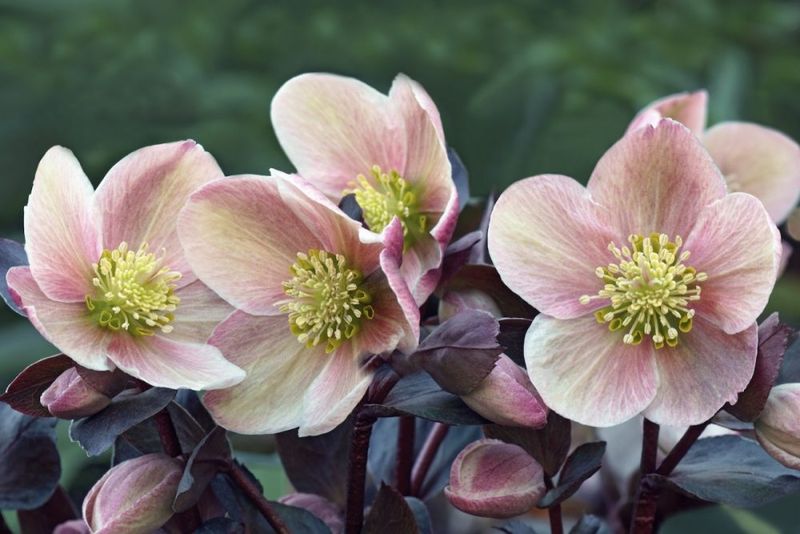
Deer populations have exploded throughout Washington suburbs and rural areas, creating constant frustration for gardeners who watch expensive plants get devoured overnight by hungry wildlife.
Hellebores contain compounds that taste unpleasant to deer, causing these animals to avoid the plants entirely and leave them beautifully intact while munching everything else nearby.
Washington gardeners celebrate finding plants that deer ignore, since protecting gardens with fencing or repellents becomes expensive and time-consuming without guaranteed success against persistent browsers.
Landscapes filled with hellebores remain gorgeous and undamaged even in neighborhoods where deer wander freely, browsing through yards and decimating unprotected plantings throughout every season.
This natural deer resistance means Washington gardeners can invest confidently in hellebores without worrying about losing their investment to wildlife damage that plagues so many other perennials.
Homeowners appreciate how hellebores provide reliable beauty year after year, never requiring replacement due to deer browsing that forces constant replanting of more vulnerable species.
Communities across Washington recommend hellebores specifically because they solve the deer problem elegantly, allowing residents to enjoy attractive gardens without engaging in frustrating battles with local fauna.
5. Evergreen Foliage Provides Year-Round Structure
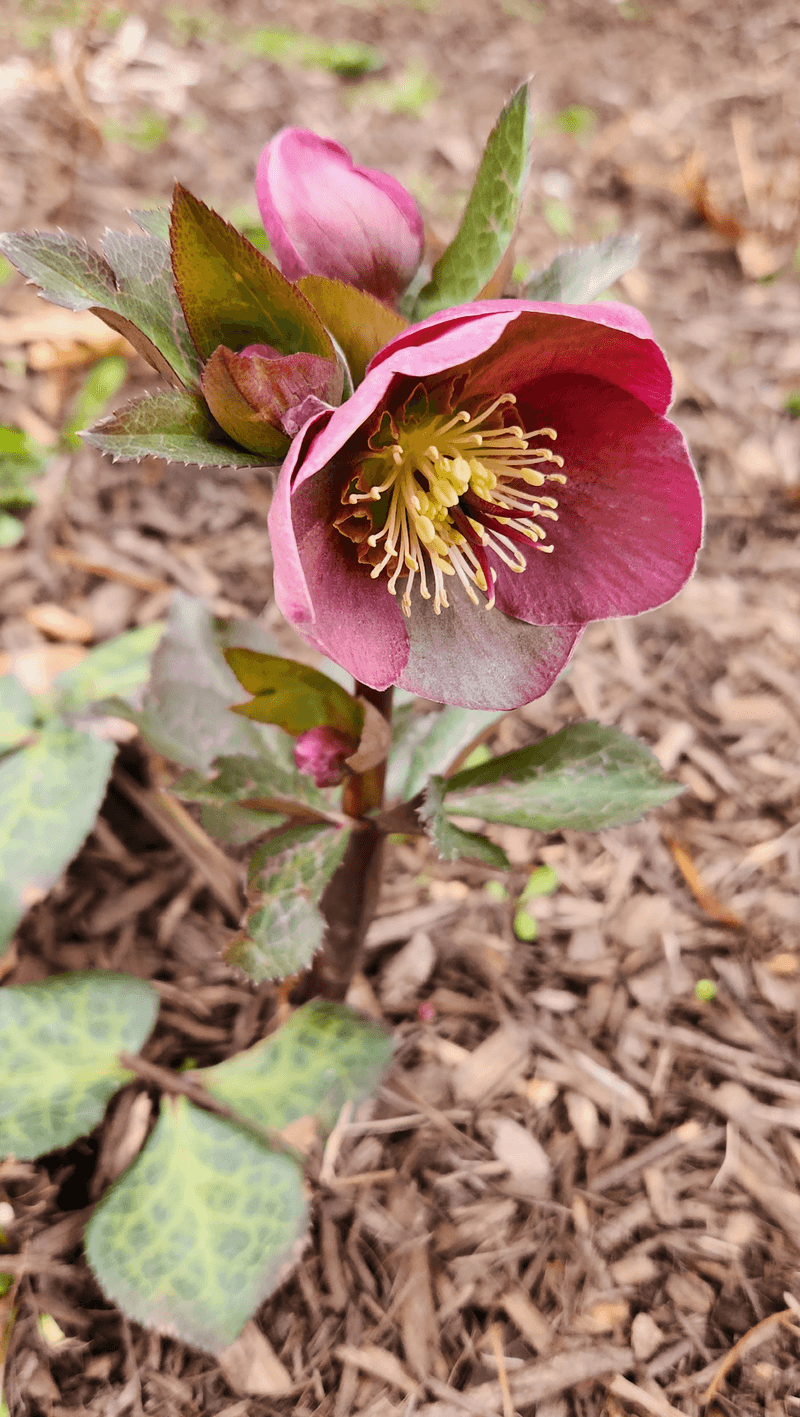
Most perennials disappear completely after blooming, leaving empty spaces that make gardens look unfinished and sparse until new growth emerges the following spring season.
Hellebores maintain attractive evergreen foliage throughout every season in Washington, providing consistent structure and visual interest even when flowers fade away after their spectacular display.
Leathery leaves create beautiful mounds of deep green texture that anchor garden beds, preventing the bare-ground look that makes landscapes appear neglected or poorly planned.
Washington gardeners value plants that work hard across all twelve months, and hellebores deliver continuous performance without requiring deadheading, cutting back, or other tedious maintenance.
Evergreen characteristics mean hellebores look presentable during garden tours, holiday gatherings, and everyday viewing, never embarrassing homeowners with dying foliage or empty spots in beds.
Foliage also suppresses weeds naturally by covering soil densely, reducing the amount of weeding required and helping Washington gardeners maintain tidy landscapes with less physical labor.
This year-round presence makes hellebores essential foundation plants in Washington shade gardens, where dependable structure matters more than fleeting seasonal displays that disappear too quickly.
6. Low Maintenance Requirements Save Time
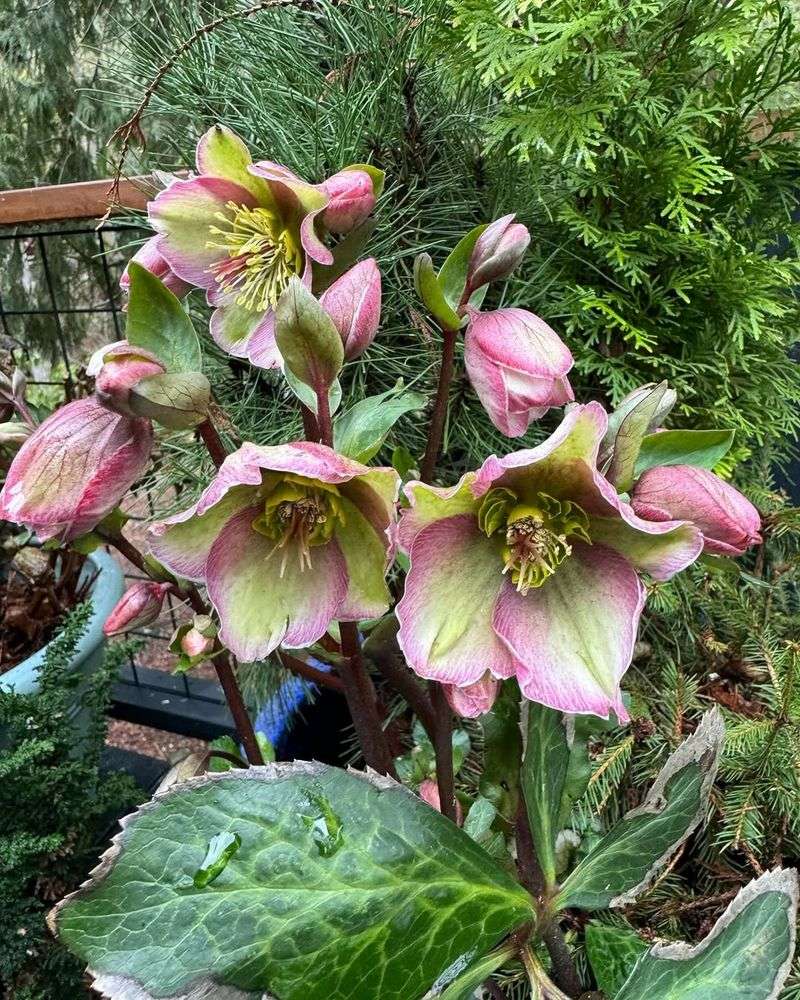
Busy Washington residents need gardens that look fantastic without demanding hours of weekly maintenance, and hellebores deliver exactly this kind of effortless beauty consistently.
Once established, hellebores require virtually no special attention, fertilizing, or fussing, making them perfect for gardeners who want results without investing excessive time or energy.
Washington’s naturally fertile soil and adequate rainfall provide everything hellebores need to thrive, eliminating the need for complicated feeding schedules or irrigation systems that complicate gardening.
These plants rarely suffer from serious pest problems or diseases, saving gardeners from purchasing chemicals or spending time diagnosing and treating issues that plague more finicky species.
Hellebores also self-clean by dropping spent flowers naturally, meaning Washington gardeners avoid tedious deadheading chores that consume weekends during peak growing seasons for other perennials.
Minimal maintenance translates directly into more time enjoying gardens rather than working in them, which appeals greatly to modern homeowners balancing careers, families, and personal interests.
Washington gardeners increasingly choose hellebores specifically because these plants simplify landscape management while delivering professional-looking results that impress neighbors and visitors throughout every season without fail.
7. Excellent Companion Plants for Native Ferns
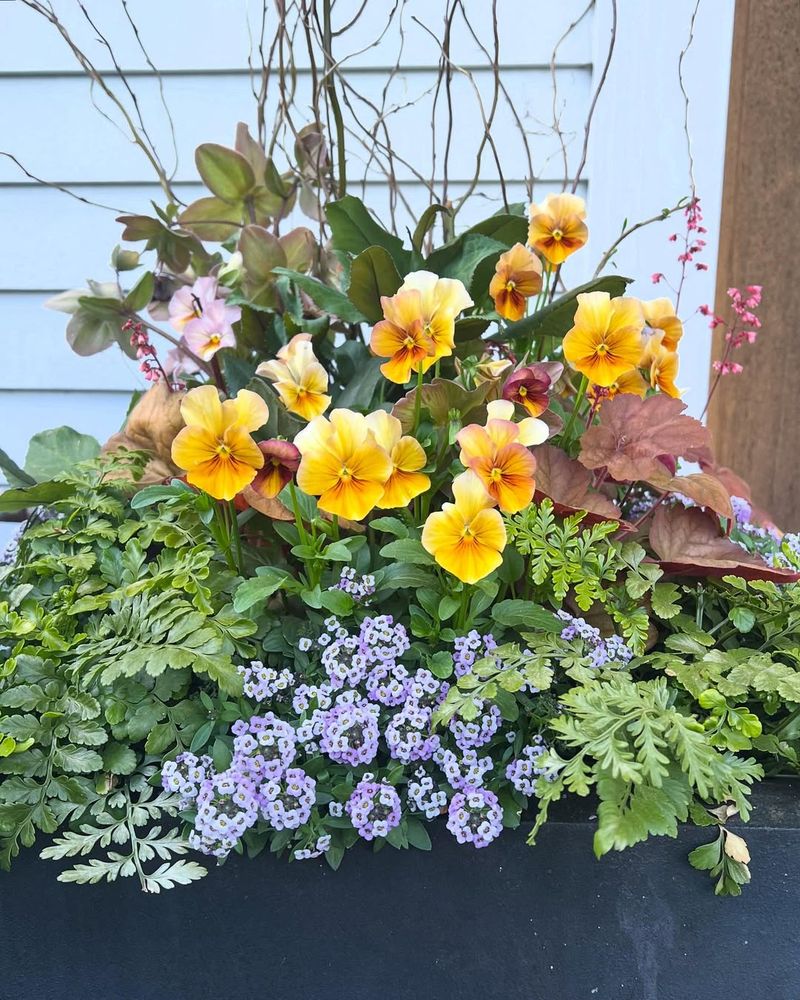
Washington’s native ferns create beautiful garden foundations, but they benefit enormously from companion plants that add contrasting textures, colors, and blooming periods throughout seasons.
Hellebores pair magnificently with ferns because both prefer similar growing conditions including shade, moisture, and the rich organic soil common in Pacific Northwest gardens today.
Fern fronds provide delicate, feathery backgrounds that make hellebore flowers stand out dramatically, creating layered compositions that feel naturalistic and professionally designed without requiring expert knowledge.
Washington gardeners appreciate how hellebores bloom before ferns unfurl their spring growth, ensuring continuous visual interest and preventing gardens from looking empty during transitional periods.
This partnership between hellebores and native ferns supports local ecosystems by providing habitat and food sources for beneficial insects, birds, and other wildlife throughout residential areas.
Combining these plants creates low-maintenance garden schemes that reflect Washington’s natural woodland character while requiring minimal intervention or artificial inputs to maintain health and beauty.
Landscape designers across Washington recommend hellebore-fern combinations specifically because they succeed reliably in shade, capture regional aesthetic qualities, and support sustainable gardening practices that benefit environments.
8. Adaptable to Various Soil Types
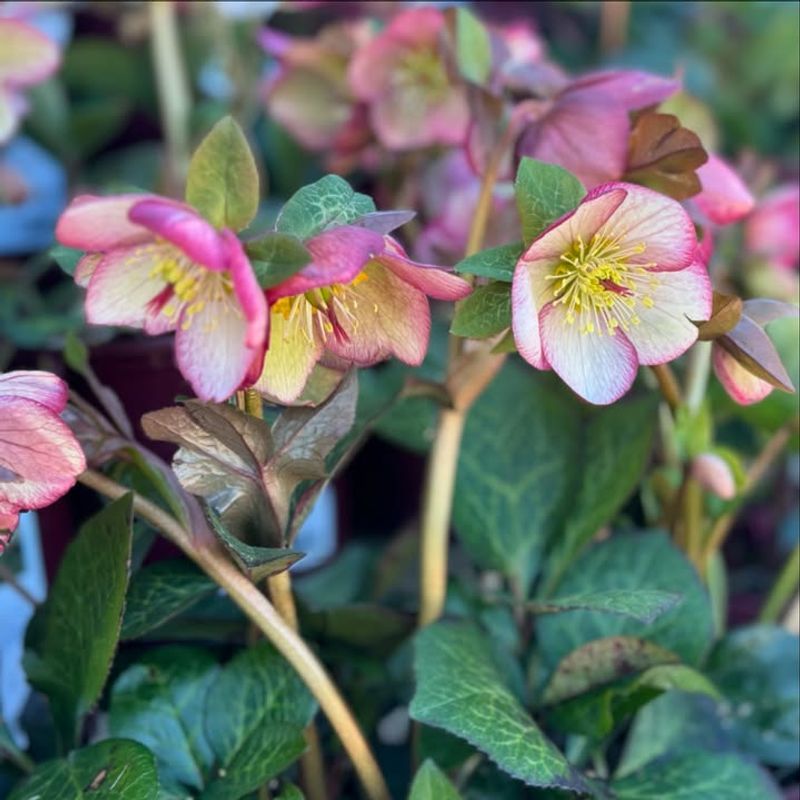
Washington soils vary dramatically from region to region, ranging from heavy clay in some areas to sandy loam in others, creating challenges for gardeners selecting plants.
Hellebores demonstrate remarkable adaptability by thriving in diverse soil types, provided drainage remains adequate and organic matter enriches the planting area with nutrients and structure.
Gardeners across Washington succeed with hellebores whether their yards contain glacial till, volcanic ash deposits, or amended garden beds created from native soil mixed with compost.
This flexibility eliminates the need for extensive soil replacement or complicated amendments that discourage homeowners from attempting shade gardening projects in challenging locations throughout the state.
Clay soils that plague many Washington gardens actually suit hellebores well because these plants appreciate consistent moisture retention that heavier soils naturally provide during drier months.
Even gardeners dealing with less-than-ideal soil conditions find hellebores forgiving and willing to establish successfully, rewarding minimal soil preparation efforts with years of reliable performance.
Washington’s diverse geography becomes less intimidating when gardeners discover plants like hellebores that adapt readily to local conditions, making beautiful shade gardens accessible to everyone regardless of location.
9. Long-Lived Perennials That Increase in Beauty
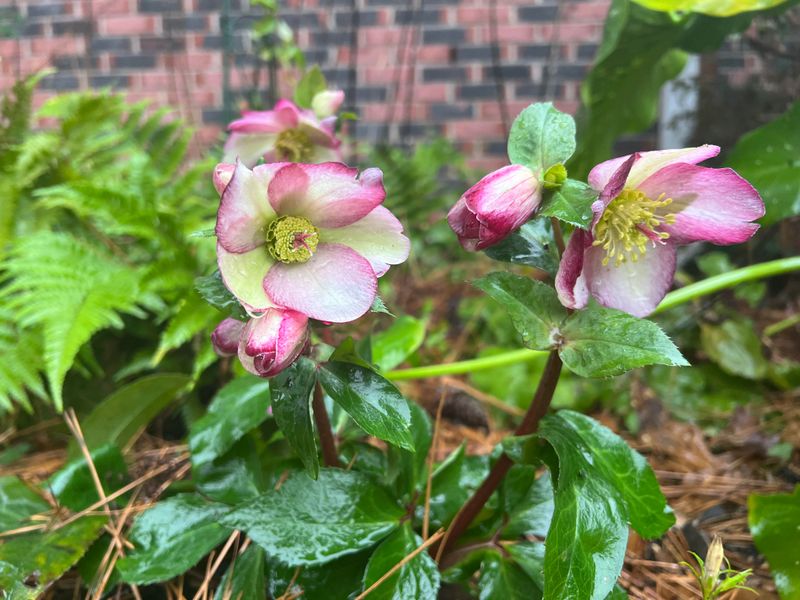
Many perennials decline after several years, requiring division or replacement to maintain garden quality, but hellebores actually improve dramatically as they mature over time.
Washington gardeners watch their hellebores expand into impressive clumps that produce dozens of flowers annually, creating spectacular displays that surpass anything achievable with newly planted specimens.
Established hellebores develop extensive root systems that support vigorous growth, increased bloom production, and enhanced resilience against occasional drought or other environmental stresses throughout seasons.
This long-lived nature makes hellebores excellent investments for Washington homeowners who prefer plants that reward patience with escalating beauty rather than requiring constant replacement and expense.
Mature clumps become focal points in shade gardens, commanding attention and anchoring compositions with their substantial presence and reliable performance throughout decades of garden evolution.
Gardeners appreciate plants that gain value over time rather than depreciating, and hellebores deliver exactly this kind of increasing return on initial investment year after year.
Washington landscapes benefit from hellebores that become treasured garden residents, developing character and sentimental value while continuing to perform beautifully without demanding replacement or renovation efforts.