Why Homegrown Tomatoes Often Lose Their Flavor In Wisconsin Gardens
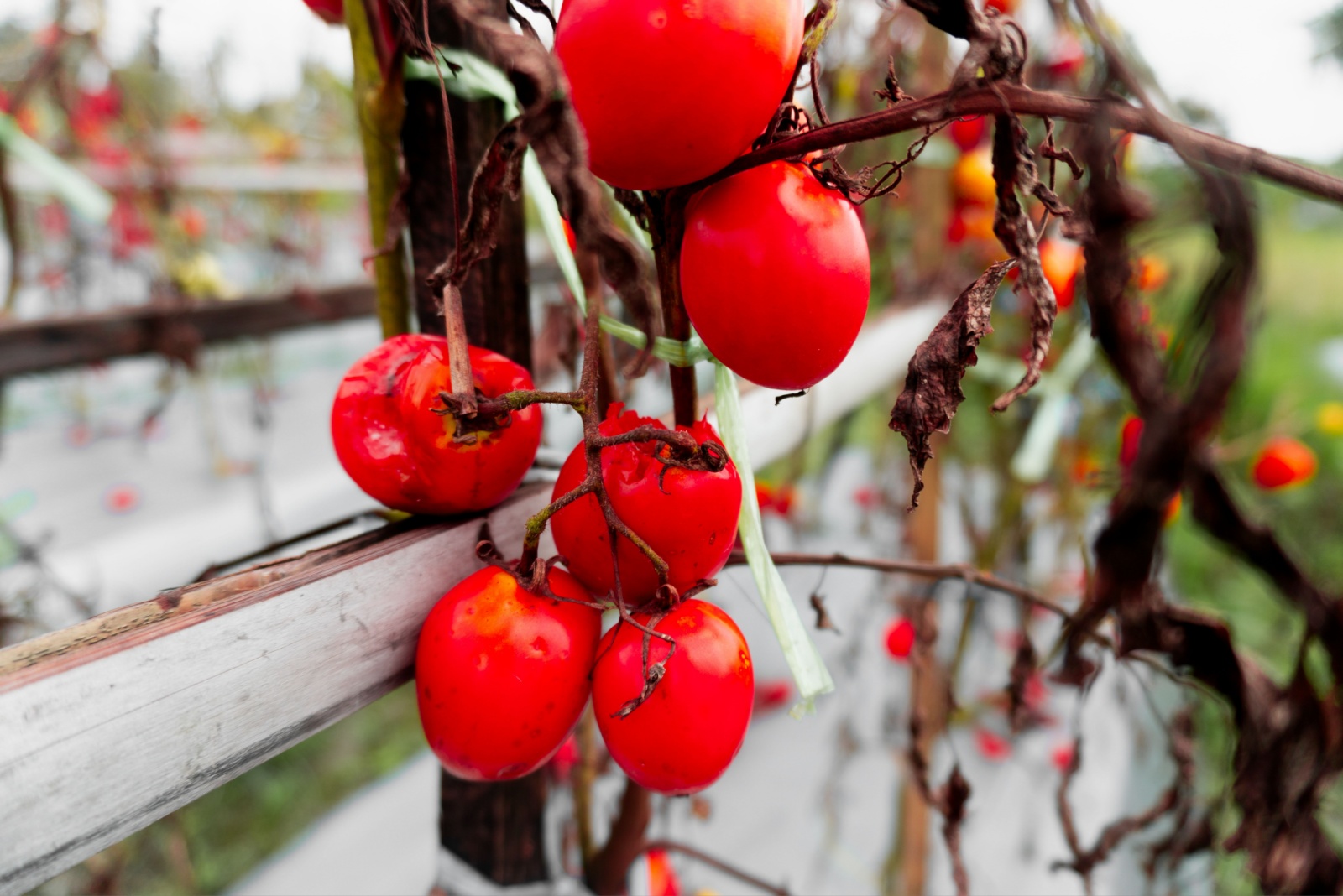
There’s nothing more disappointing for a Wisconsin gardener than nurturing tomato plants all summer—only to bite into a bland, watery fruit in July.
Many gardeners assume flavor is purely about variety, but in Wisconsin’s unpredictable climate, taste often depends on temperature swings, soil conditions, watering habits, and ripening timing.
Cool nights, uneven moisture, and sudden heat waves can stress tomato plants, diluting sugars and acids that create that classic backyard-fresh flavor.
Add in nutrient-poor soils, overfeeding with nitrogen, and premature harvesting before the fruit fully ripens, and it’s easy to see why even healthy-looking tomatoes sometimes fall flat.
Understanding how Wisconsin’s unique growing conditions affect tomato chemistry can help gardeners take back control of their harvest.
With the right adjustments, your plants can produce tomatoes that are rich, sweet, and bursting with the flavor you expect from homegrown produce.
Cool Night Temperatures Slow Sugar Production
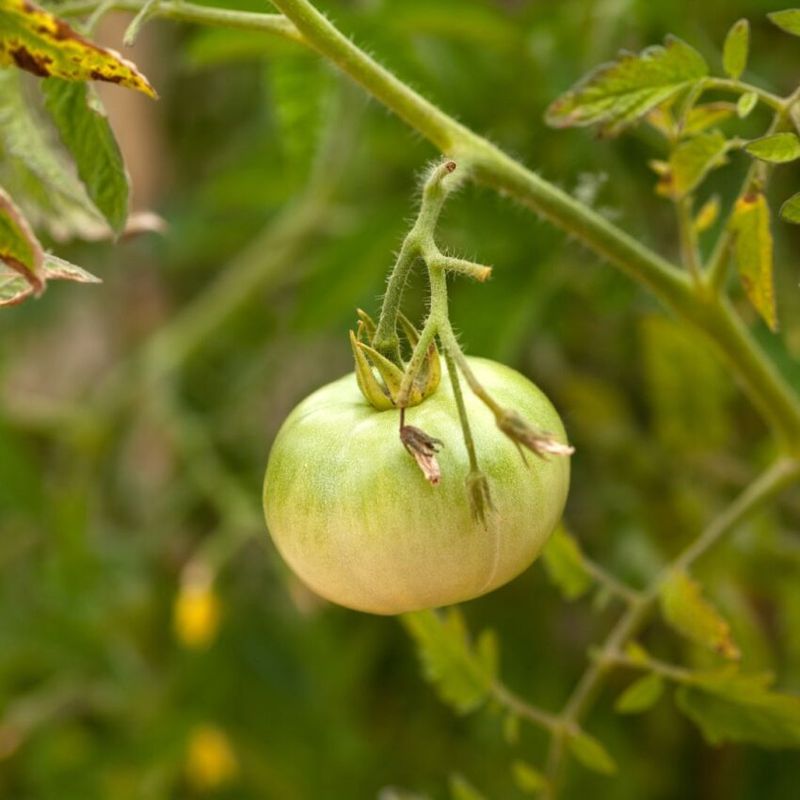
Nighttime temperatures in Wisconsin often dip below 55 degrees Fahrenheit, especially in early June and late August.
When this happens, tomato plants struggle to produce and store the sugars that give fruit its signature sweetness.
Plants essentially go into a semi-dormant state during cool nights, slowing down their metabolic processes.
Sugar production in tomatoes relies heavily on consistent warmth, ideally between 70 and 85 degrees Fahrenheit during the day and no lower than 60 at night.
Wisconsin’s unpredictable weather patterns interrupt this balance regularly.
Even a few consecutive cool nights can noticeably reduce the sugar content in developing fruit.
To combat this challenge, consider using row covers or plastic mulch to retain soil warmth overnight.
Black or red plastic mulch can raise soil temperature by several degrees, giving roots the warmth they crave.
You can also plant tomatoes near south-facing walls or fences that radiate stored heat after sunset.
Choosing cold-tolerant varieties bred for northern climates also makes a big difference.
Varieties like ‘Stupice’ or ‘Sub-Arctic Plenty’ perform better when nights turn chilly.
Protecting your plants from temperature swings helps them maintain steady sugar production throughout the growing season.
Excessive Watering Dilutes Tomato Flavor
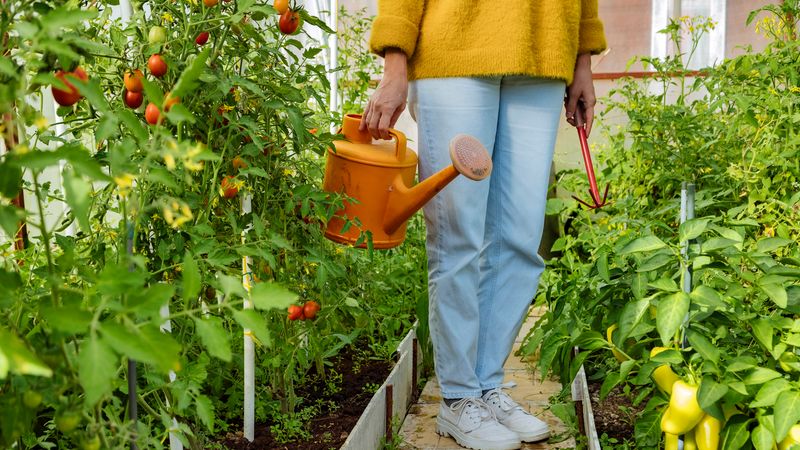
Wisconsin summers can bring sudden heavy rainstorms that drench gardens in minutes.
When tomato plants absorb too much water too quickly, the extra moisture dilutes the sugars and acids inside the fruit.
This results in tomatoes that taste watery and bland instead of rich and tangy.
Overwatering from well-meaning gardeners compounds the problem.
Many people assume tomatoes need constant moisture, so they water daily even when the soil is already saturated.
Tomatoes actually prefer deep, infrequent watering that encourages strong root development and concentrated flavor.
The key is maintaining consistent soil moisture without going overboard.
Aim to water deeply once or twice a week rather than lightly every day.
Mulching around plants with straw or shredded leaves helps regulate moisture levels and prevents rapid water uptake during storms.
Installing rain barrels with slow-drip irrigation gives you better control over water delivery.
You can also plant tomatoes in raised beds with well-draining soil that prevents waterlogging.
Monitoring rainfall amounts and adjusting your watering schedule accordingly keeps flavor compounds concentrated where they belong—in your tomatoes, not washed away by excess water.
Poor Soil Nutrition Limits Flavor Compounds
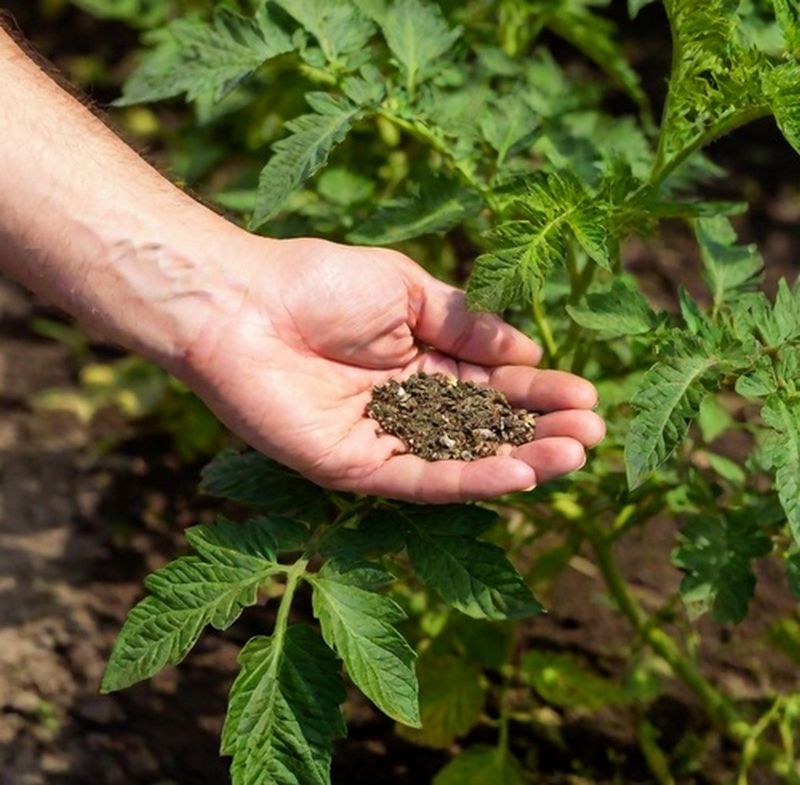
Tomato flavor depends on more than just water and sunlight—it requires a balanced diet of nutrients from the soil.
Wisconsin soils vary widely, but many gardens lack adequate potassium, magnesium, and organic matter.
Without these essential elements, plants cannot produce the aromatic compounds and complex sugars that create deep, satisfying flavor.
Potassium plays a crucial role in sugar transport within the plant and fruit development.
Low potassium levels result in tomatoes that taste flat and one-dimensional.
Magnesium supports chlorophyll production, which directly impacts photosynthesis and sugar creation.
Testing your soil before planting reveals exactly what your garden needs.
Wisconsin Extension offices offer affordable soil testing services that provide detailed nutrient breakdowns.
Based on results, you can amend soil with compost, aged manure, or targeted organic fertilizers.
Adding compost annually builds organic matter that improves nutrient availability and soil structure.
Kelp meal and greensand are excellent organic sources of potassium and trace minerals.
Epsom salt provides a quick magnesium boost when dissolved in water and applied as a foliar spray or soil drench.
Investing in soil health pays dividends in flavor intensity season after season.
Harvesting Fruit Before Full Ripeness
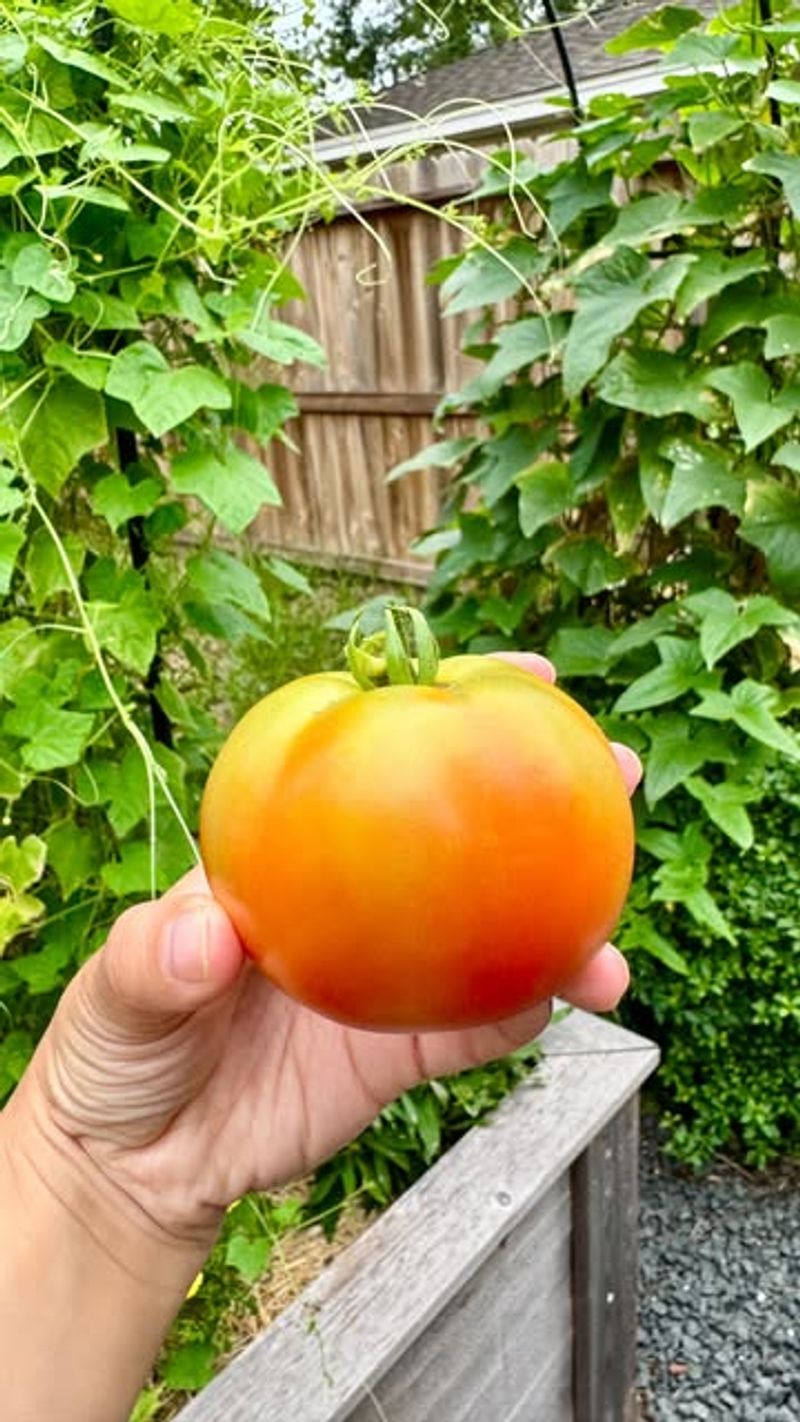
Patience is hard when frost threatens in late summer, but picking tomatoes too early robs them of their full flavor potential.
Many Wisconsin gardeners harvest fruit at the first blush of color, hoping they’ll ripen indoors.
While tomatoes will change color off the vine, they won’t develop the same depth of taste as vine-ripened fruit.
The final days of ripening are when tomatoes concentrate sugars and develop complex flavor notes.
Enzymes break down starches into sugars, and aromatic compounds reach their peak.
Cutting this process short leaves you with tomatoes that look ripe but taste disappointingly bland.
Whenever possible, let tomatoes ripen fully on the plant until they reach their mature color and feel slightly soft when gently squeezed.
For varieties prone to cracking, harvest just before full ripeness and finish ripening in a warm spot indoors.
Room temperature ripening preserves more flavor than refrigeration, which damages taste compounds.
Extending your season with protective measures allows more time for vine ripening.
Cold frames, cloches, or even large plastic storage bins placed over plants on chilly nights can buy you extra weeks.
The reward for your patience is tomatoes that taste like summer should—sweet, tangy, and utterly delicious.
Insufficient Sunlight During Key Ripening Phases
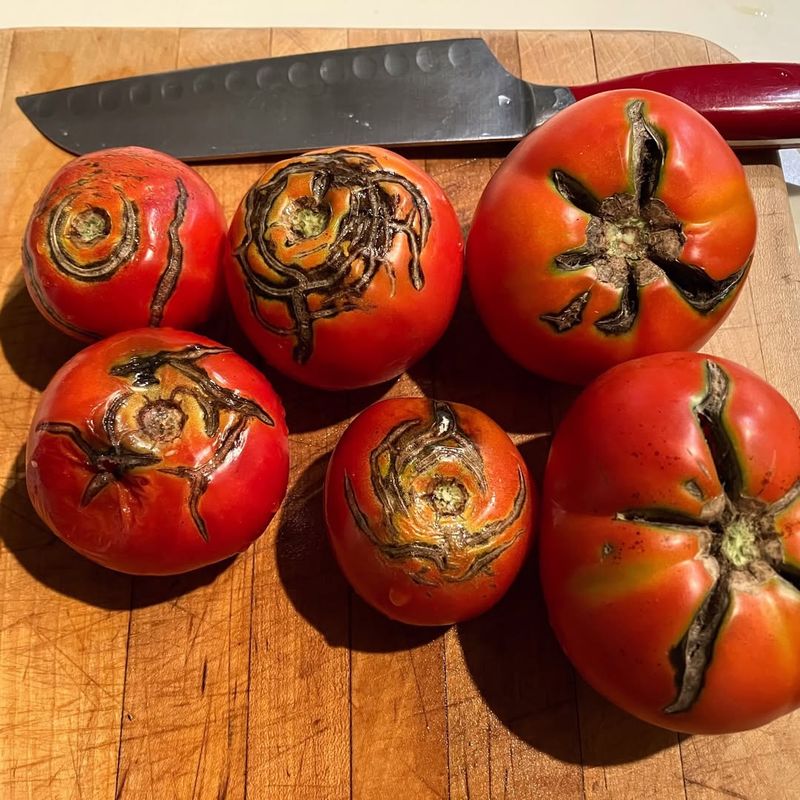
Wisconsin summers feature more cloudy days than many gardeners realize, especially in June and July.
Tomatoes need at least six to eight hours of direct sunlight daily to produce the sugars and acids that create great flavor.
When clouds roll in for days at a time, photosynthesis slows down significantly, and flavor development suffers.
Photosynthesis is the engine that powers sugar production in plants.
Reduced sunlight means less energy available for creating the compounds that make tomatoes taste amazing.
Even partial shade from nearby trees, buildings, or tall plants can limit light exposure enough to impact flavor.
Choose the sunniest spot in your yard for tomato planting—preferably a south-facing location with no afternoon shade.
Prune lower leaves and suckers to improve air circulation and allow more light to reach developing fruit.
Reflective mulches like aluminum foil or white plastic can bounce additional light onto plants from below.
If your garden has limited sunny areas, prioritize tomatoes over less sun-demanding crops.
Consider removing or trimming back plants or structures that cast shade during peak growing hours.
Painting nearby walls or fences white increases reflected light, giving your tomatoes every possible advantage.
Maximizing sunlight exposure translates directly into sweeter, more flavorful tomatoes.
Temperature Stress Causes Bland Or Mealy Fruit
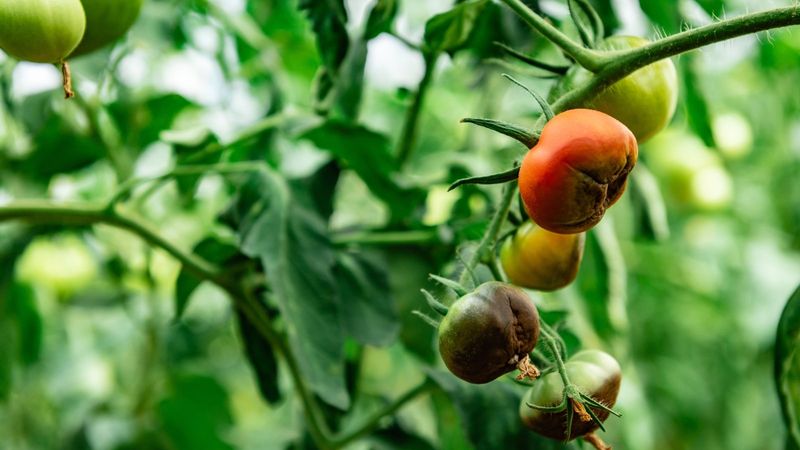
Wisconsin weather can be wildly unpredictable, swinging from 90-degree heat waves to 60-degree cool spells within days.
These dramatic temperature fluctuations stress tomato plants and disrupt the delicate ripening process.
When temperatures yo-yo, fruit texture and flavor both suffer, often resulting in mealy, bland tomatoes.
Tomatoes ripen best with steady, moderate temperatures between 70 and 85 degrees.
Sudden heat above 90 degrees can actually halt ripening altogether, while quick drops below 60 interfere with enzyme activity.
This stop-and-start ripening creates uneven texture and prevents proper flavor development.
Temperature-stressed fruit may look fine on the outside but taste disappointingly flat.
The internal chemistry gets thrown off balance, with sugars and acids failing to reach their ideal ratios.
Mealy texture develops when cell walls break down unevenly due to temperature shock.
Providing consistent conditions through mulching, shade cloth during extreme heat, and row covers during cool snaps helps stabilize plant environment.
Watering in the morning allows plants to hydrate before heat stress hits.
Selecting varieties known for temperature tolerance, like ‘Mountain Fresh’ or ‘Fantastic,’ also helps.
Creating a more stable microclimate around your plants protects flavor quality even when weather gets wild.
Overuse Of Nitrogen-Rich Fertilizers
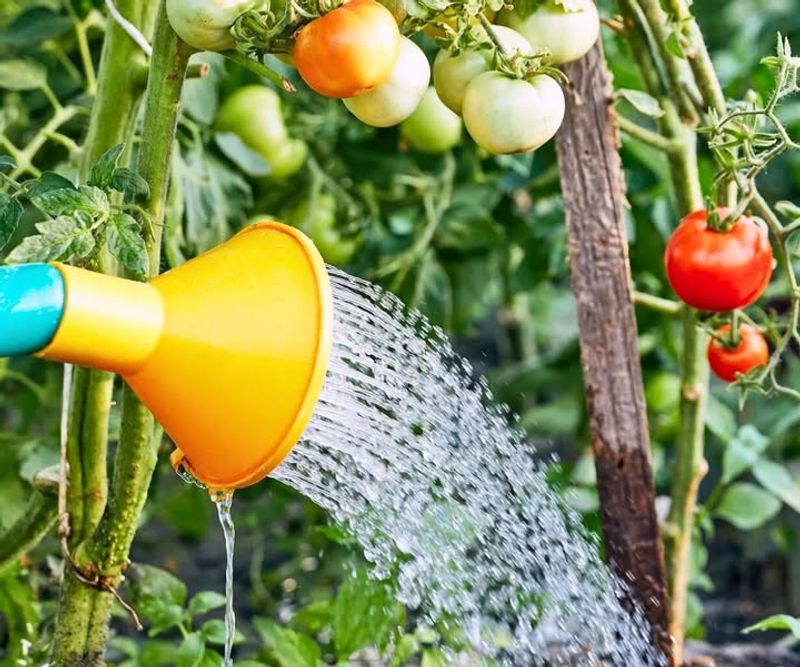
More fertilizer doesn’t always mean better tomatoes—in fact, too much nitrogen creates lush, dark green foliage but disappointing fruit.
Many gardeners enthusiastically apply nitrogen-heavy fertilizers or fresh manure, thinking they’re helping their plants.
Instead, they’re pushing all the plant’s energy into leaf production at the expense of flavor-packed fruit.
Nitrogen is essential for plant growth, but tomatoes need balanced nutrition with plenty of phosphorus and potassium once they start flowering.
Excessive nitrogen delays flowering, reduces fruit set, and produces tomatoes that look beautiful but taste watery and weak.
The plant essentially becomes a leafy giant with mediocre fruit.
Check fertilizer labels for the N-P-K ratio—the three numbers representing nitrogen, phosphorus, and potassium.
For tomatoes, look for ratios like 5-10-10 or 5-10-5 that emphasize phosphorus and potassium over nitrogen.
Apply fertilizer according to package directions rather than assuming more is better.
Organic options like compost and worm castings provide gentle, balanced nutrition without nitrogen overload.
If your plants have dark green, overly lush foliage but few flowers or fruit, cut back on nitrogen immediately.
Sometimes the best thing you can do is nothing—let your plants redirect their energy into producing flavorful tomatoes instead of excessive leaves.
Variety Selection Not Suited For Wisconsin Conditions
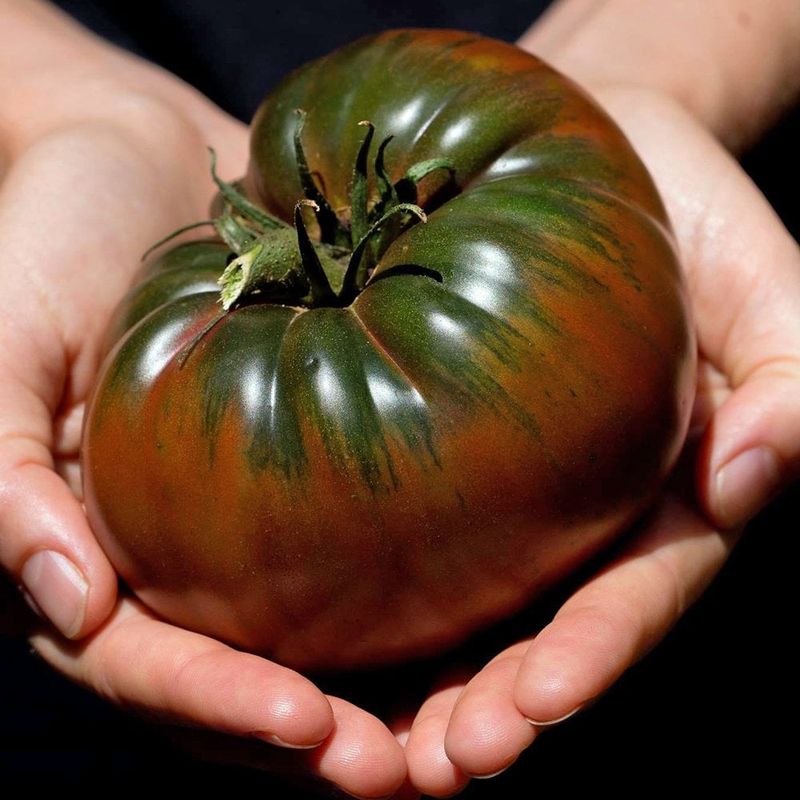
Walking into a garden center in spring, you’ll find dozens of tomato varieties—but not all are created equal for Wisconsin growing conditions.
Many modern hybrids prioritize disease resistance, uniform appearance, and shipping durability over actual taste.
These varieties might produce reliably, but they often lack the complex, rich flavor that makes homegrown tomatoes special.
Heirloom varieties and cultivars specifically bred for cooler climates generally deliver superior flavor in Wisconsin gardens.
Varieties like ‘Brandywine,’ ‘Cherokee Purple,’ and ‘Pruden’s Purple’ are famous for their outstanding taste.
Cold-adapted varieties like ‘Glacier,’ ‘Stupice,’ and ‘Black Krim’ combine excellent flavor with performance in shorter growing seasons.
Reading variety descriptions carefully helps you choose tomatoes bred for taste rather than just production or storage.
Look for words like ‘complex flavor,’ ‘rich taste,’ or ‘old-fashioned tomato flavor’ in catalog descriptions.
Avoid varieties marketed primarily for disease resistance or long shelf life unless flavor is also highlighted.
Experimenting with several varieties each season helps you discover which ones thrive in your specific microclimate and soil.
Keep notes on flavor, performance, and growing characteristics to build your personal list of winners.
Choosing the right varieties from the start gives you a huge advantage in the flavor department.
Irregular Watering Causes Cracking And Reduced Flavor Development
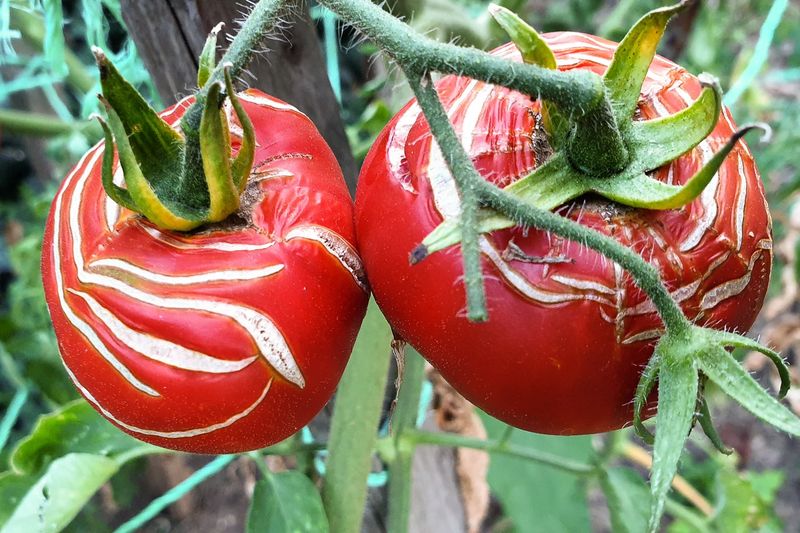
Consistency matters tremendously when watering tomatoes—alternating between bone-dry soil and soaking wet conditions creates serious problems.
When soil moisture swings wildly, tomatoes respond by absorbing water rapidly during wet periods, causing the skin to crack and split.
These cracks aren’t just cosmetic—they divert the plant’s energy away from flavor development and toward healing the fruit.
Cracked tomatoes are more vulnerable to disease and pests, which further stresses the plant.
The plant must allocate resources to defense and repair rather than concentrating sugars and developing complex flavor compounds.
Even tomatoes that don’t visibly crack suffer internally from irregular watering, resulting in uneven ripening and bland taste.
Establishing a consistent watering schedule prevents these boom-and-bust cycles.
Deep watering two to three times weekly works better than frequent shallow watering.
Mulch acts as a buffer, helping soil retain moisture during dry spells and preventing oversaturation during rain.
Drip irrigation or soaker hoses deliver water slowly and evenly, giving plants exactly what they need without extremes.
Checking soil moisture before watering—stick your finger two inches down—prevents guesswork.
When plants receive steady, reliable moisture, they can focus energy on what matters most: producing tomatoes with incredible, concentrated flavor that makes all your gardening efforts worthwhile.