Why Hostas Thrive In Michigan And How To Grow Bigger Plants Every Year
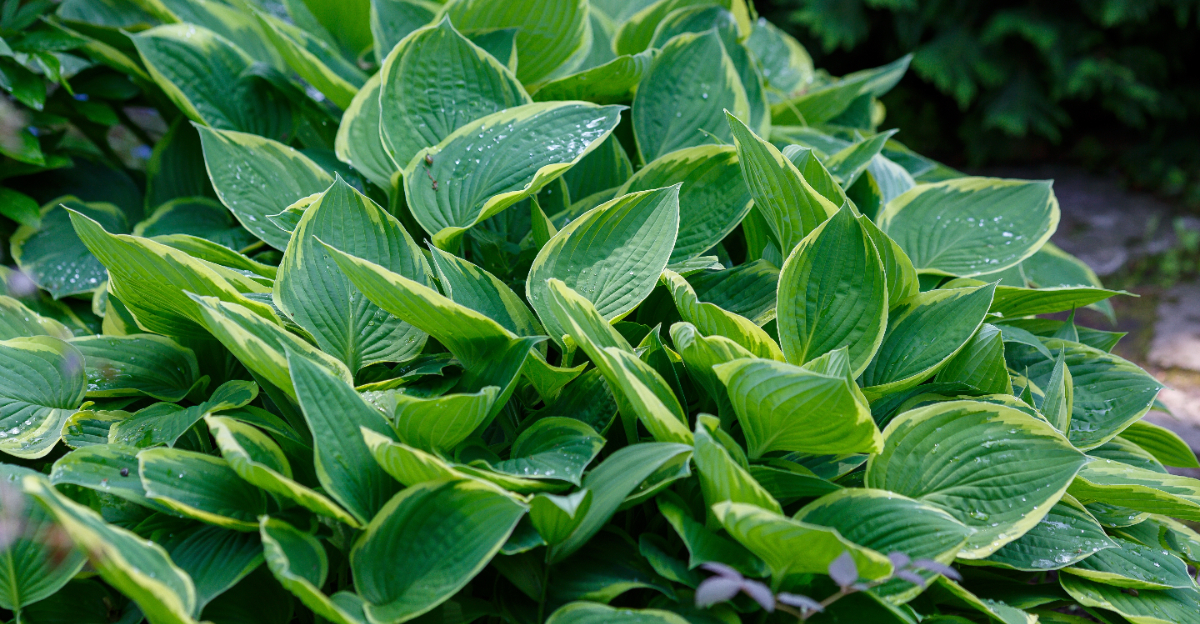
Step into a shaded Michigan garden and you will often find lush, oversized leaves creating a rich tapestry of green that feels cool, calm, and inviting.
Hostas have become a true favorite across Michigan, prized for their bold foliage, dependable growth, and ability to thrive where many plants struggle.
From long, cold winters to deeply shaded yards beneath mature trees, Michigan’s conditions suit hostas remarkably well, allowing them to return each year with greater size and strength.
These resilient perennials adapt to a range of soils, handle seasonal changes with ease, and reward gardeners with fuller clumps and vibrant leaves over time.
Beyond their beauty, hostas bring structure and lasting presence to garden beds that might otherwise feel difficult to fill.
Understanding why they perform so well in Michigan reveals how simple adjustments in care can help them grow even larger and healthier.
These ten reasons highlight what makes hostas such outstanding performers and how you can help them truly flourish.
Michigan Climate Matches Hostas Natural Cold Requirements
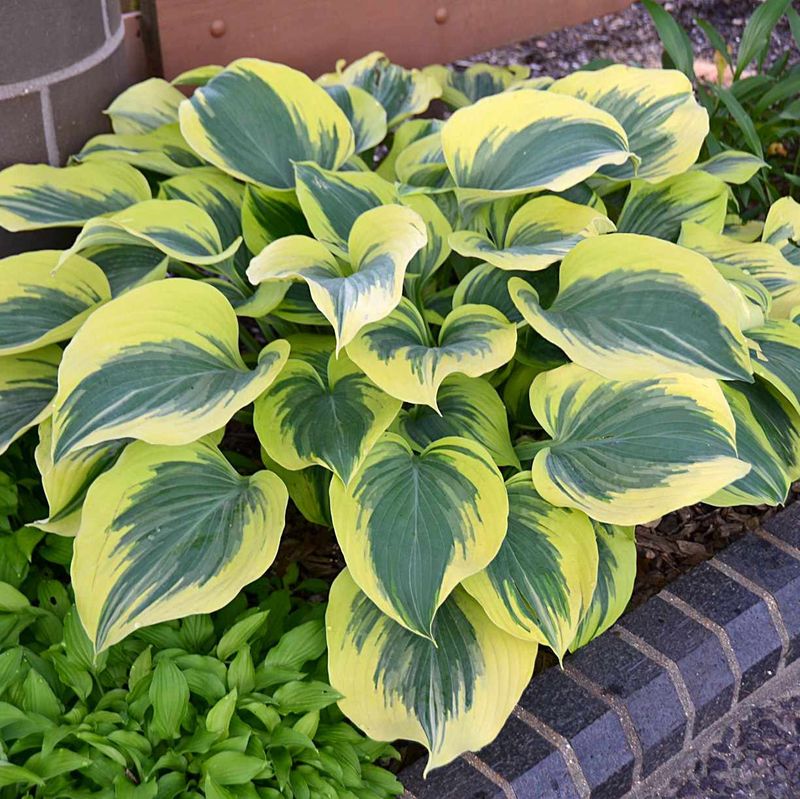
Here is something most gardeners do not realize right away: hostas actually need cold winters to perform their best.
These plants are native to parts of Asia where winters are cold and distinct, and Michigan delivers exactly that kind of seasonal rhythm.
Hostas require a true dormancy period, where freezing temperatures signal the plant to rest, store energy, and reset for the following growing season.
Michigan falls comfortably within USDA hardiness zones 4 through 6, which aligns perfectly with what most hosta varieties need to survive and flourish.
Without that cold dormancy period, hostas can become weak, produce fewer leaves, and gradually lose their vigor over time.
The deep freeze Michigan winters provide actually strengthens the root system rather than harming it.
To take full advantage of this natural cycle, avoid cutting back hosta foliage too early in fall. Let the leaves naturally yellow and collapse on their own before tidying the garden bed. This allows the plant to pull nutrients back into the crown before going dormant.
Gardeners who respect this seasonal process consistently see larger, more robust plants returning every spring, ready to push out impressive new growth right on schedule.
Cool Spring Temperatures Support Strong Leaf Growth
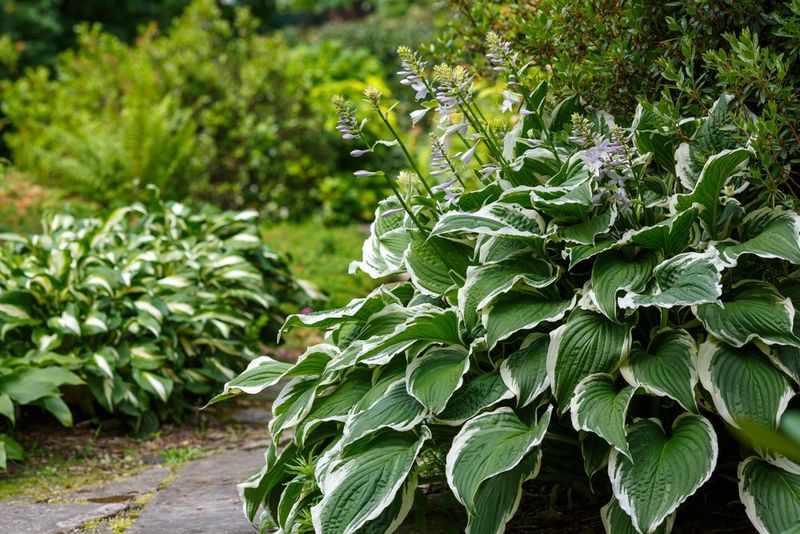
Few things in gardening are more exciting than watching hostas push through the soil in early spring.
Those tightly rolled spears of new growth burst upward with impressive energy, and Michigan’s cool spring temperatures are a huge reason why this process goes so well.
Hostas prefer to unfurl their leaves slowly in mild conditions rather than rushing open in sudden heat.
When spring temperatures stay in the 50s and low 60s Fahrenheit, hosta leaves expand gradually and develop thicker, more substantial cell walls.
This leads to larger, sturdier foliage that holds up beautifully throughout the entire growing season.
Rapid warm-ups in spring, which Michigan occasionally experiences, can sometimes cause leaves to open unevenly, so watching the forecast and protecting emerging growth during unexpected warm spells is a smart habit.
You can encourage even stronger spring growth by loosening compacted soil around the crown before new shoots appear.
Adding a thin layer of compost at this time gives the plant an early nutritional boost right when it needs it most.
Michigan’s reliably cool April and May temperatures create a slow, steady emergence that results in fuller plants with more leaf surface area.
That extra leaf area means more photosynthesis, more stored energy, and ultimately bigger plants heading into summer.
Hostas Thrive In Partial To Full Shade
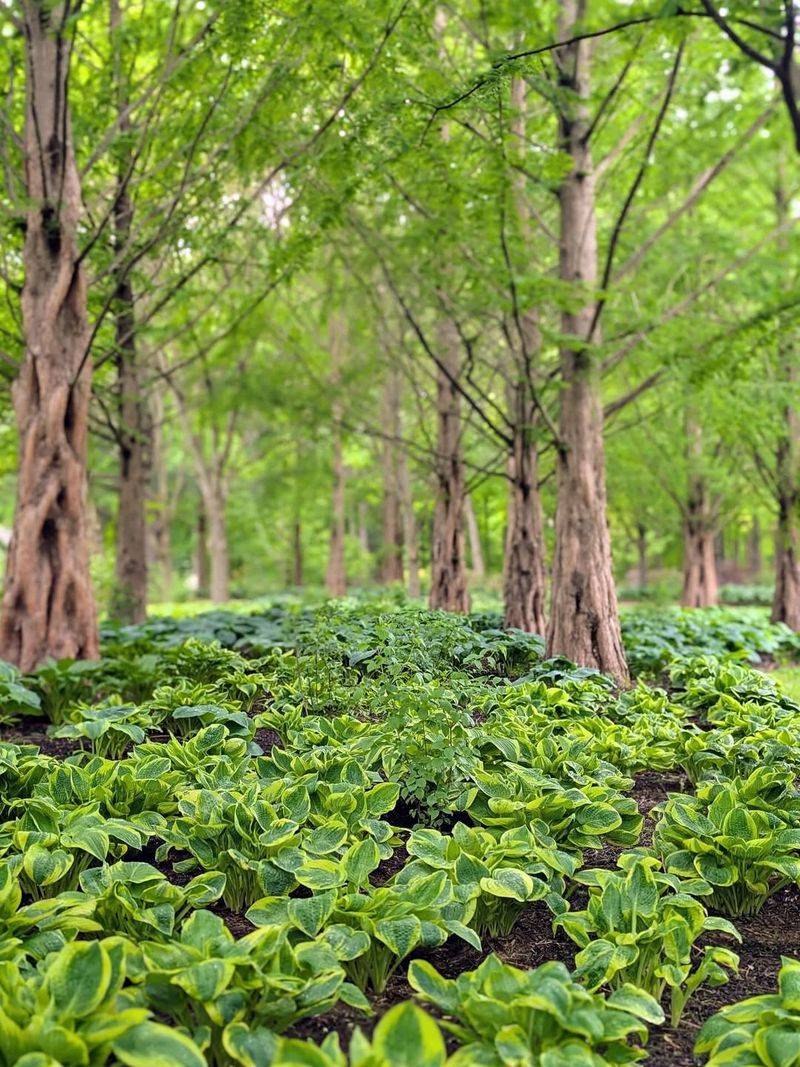
Walk through almost any established Michigan neighborhood and you will notice something consistent: big, beautiful trees casting deep shade over backyard gardens.
For most plants, that shade is a problem. For hostas, it is practically paradise. Shade is where hostas do their best work, producing the widest, most richly colored leaves possible.
Hostas generally prefer two to six hours of indirect or filtered sunlight each day, and Michigan landscapes naturally provide this in abundance.
Whether it is the dappled light filtering through a maple canopy or the cool north-facing side of a house, hostas soak up just enough light to fuel strong growth without the stress of direct sun exposure.
Blue-leaved varieties in particular perform exceptionally well in deeper shade, holding their distinctive color longer when protected from intense light. Positioning hostas under deciduous trees offers an added bonus.
As the trees leaf out in spring, they create a natural shade canopy that arrives right around the time hosta leaves are fully expanding.
Then in fall, when the trees drop their leaves, the extra light helps the plant finish its growing cycle efficiently.
Pairing hostas with shade-tolerant companions like ferns or astilbes creates a layered garden that looks stunning all season long and makes the most of Michigan’s naturally shaded landscapes.
Consistent Soil Moisture Encourages Larger Leaves
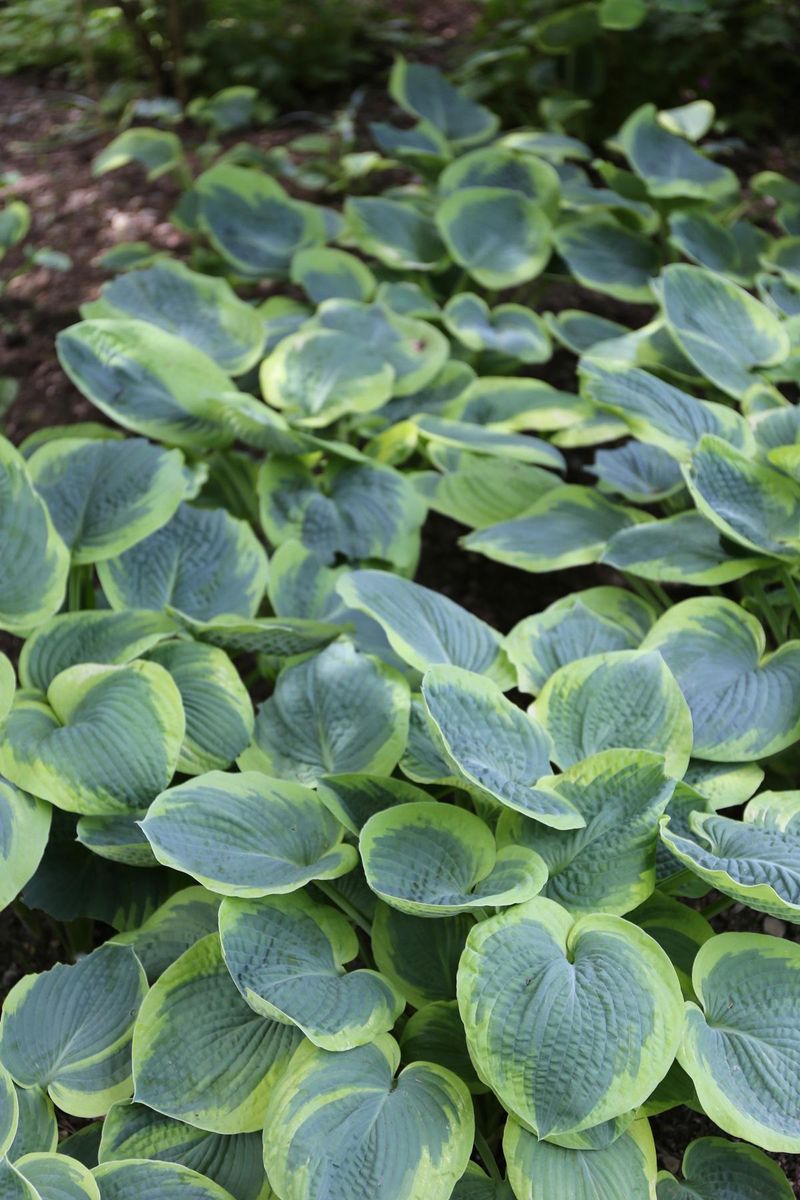
Size matters when it comes to hostas, and water is the single biggest factor that determines how large those leaves actually grow.
Hostas are thirsty plants that respond dramatically to consistent moisture, producing noticeably larger foliage when their roots have steady access to water throughout the growing season.
Irregular watering or prolonged dry spells cause leaf edges to crisp up and overall plant size to shrink. Michigan receives an average of 30 to 35 inches of rainfall annually, which is generally favorable for hostas, but summer dry spells do happen.
During these periods, deep, infrequent watering is far more effective than light daily sprinkling.
Watering deeply once or twice a week encourages roots to grow downward, building a stronger root system that can access moisture even when the surface dries out.
Morning watering is the best approach, giving leaves time to dry before evening and reducing the risk of fungal issues.
Installing a soaker hose or drip irrigation system around your hosta beds is a practical investment that pays off in dramatically larger plants over time.
Consistent moisture also keeps the soil cooler, which hostas genuinely appreciate during Michigan’s warmer summer months.
Gardeners who prioritize steady watering routinely report leaf sizes that nearly double compared to plants left to rely on rainfall alone throughout the season.
Rich Organic Soil Promotes Bigger Stronger Plants
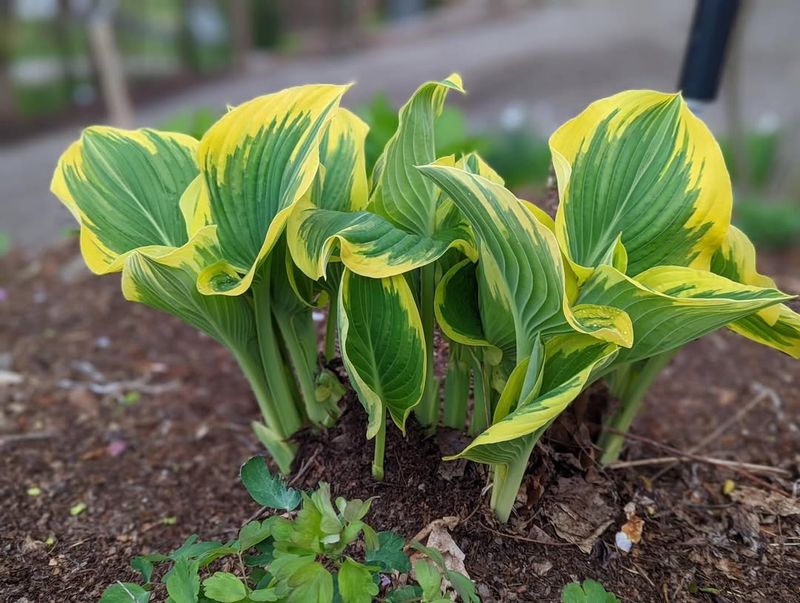
Healthy soil is the foundation of every impressive hosta, and Michigan gardeners who invest in their soil quality see results that are genuinely hard to believe.
Hostas are heavy feeders in the sense that they respond enormously to nutrient-rich, well-structured soil.
Sandy or clay-heavy soils without organic amendments produce thin, undersized plants that never reach their genetic potential.
Adding generous amounts of compost to hosta beds transforms the growing environment in multiple ways at once.
Compost improves drainage in heavy clay soils while simultaneously increasing moisture retention in sandy soils.
It feeds beneficial soil microorganisms that break down nutrients into forms hostas can easily absorb, and it gradually improves soil structure with every passing year of consistent application.
A practical approach is to top-dress hosta beds with two to three inches of finished compost each spring before new growth emerges.
Over time, this organic material works its way into the soil, building a rich, dark growing medium that hostas absolutely love. Aged leaf mold, well-rotted manure, and shredded bark also make excellent additions.
Michigan’s natural abundance of deciduous trees means free leaf material is available every fall, giving gardeners a ready supply of future compost right in their own yards. Plants grown in truly rich soil often double in size within just two or three growing seasons.
Regular Division Keeps Plants Healthy And Expanding
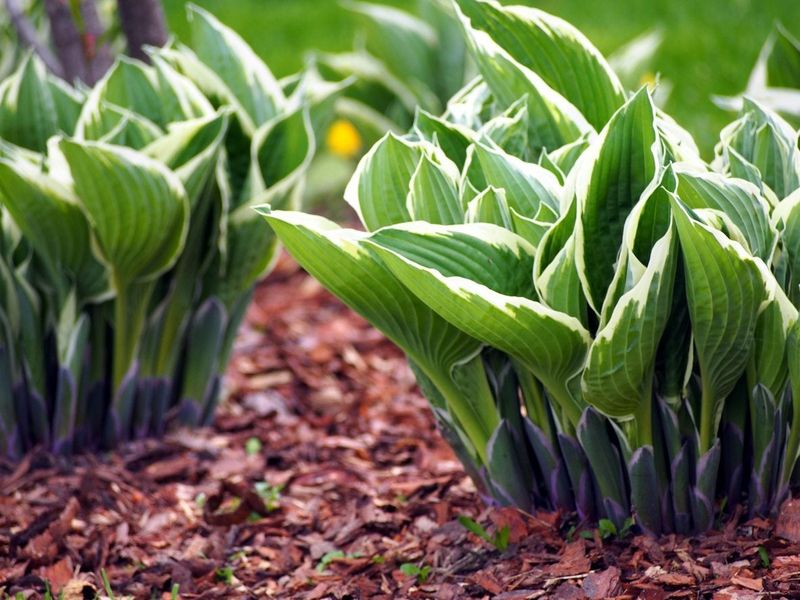
There is something almost counterintuitive about dividing a plant to make it grow bigger, but with hostas it works beautifully every time.
As hosta clumps mature, the center of the plant can become crowded and competition for nutrients between individual crowns intensifies.
Dividing the clump every three to five years relieves that competition and gives each division the space and resources it needs to grow aggressively.
The best time to divide hostas in Michigan is early spring, just as the new shoots are beginning to push through the soil but before the leaves fully unfurl.
At this stage the plant is easy to work with, and the divisions recover quickly in cool spring soil. Use a sharp spade or garden fork to lift the entire clump, then separate it into sections, making sure each division has a healthy root mass and at least two or three growing points.
Replant divisions at the same depth they were growing previously, water them in thoroughly, and keep the soil consistently moist for the first few weeks.
Many Michigan gardeners find that freshly divided hostas put on their most impressive growth in the season or two following division, often surpassing the size of the original undivided clump.
Division also gives you extra plants to fill new garden spaces or share with neighbors, making it one of the most rewarding practices in hosta care.
Mulch Helps Maintain Moisture And Root Stability
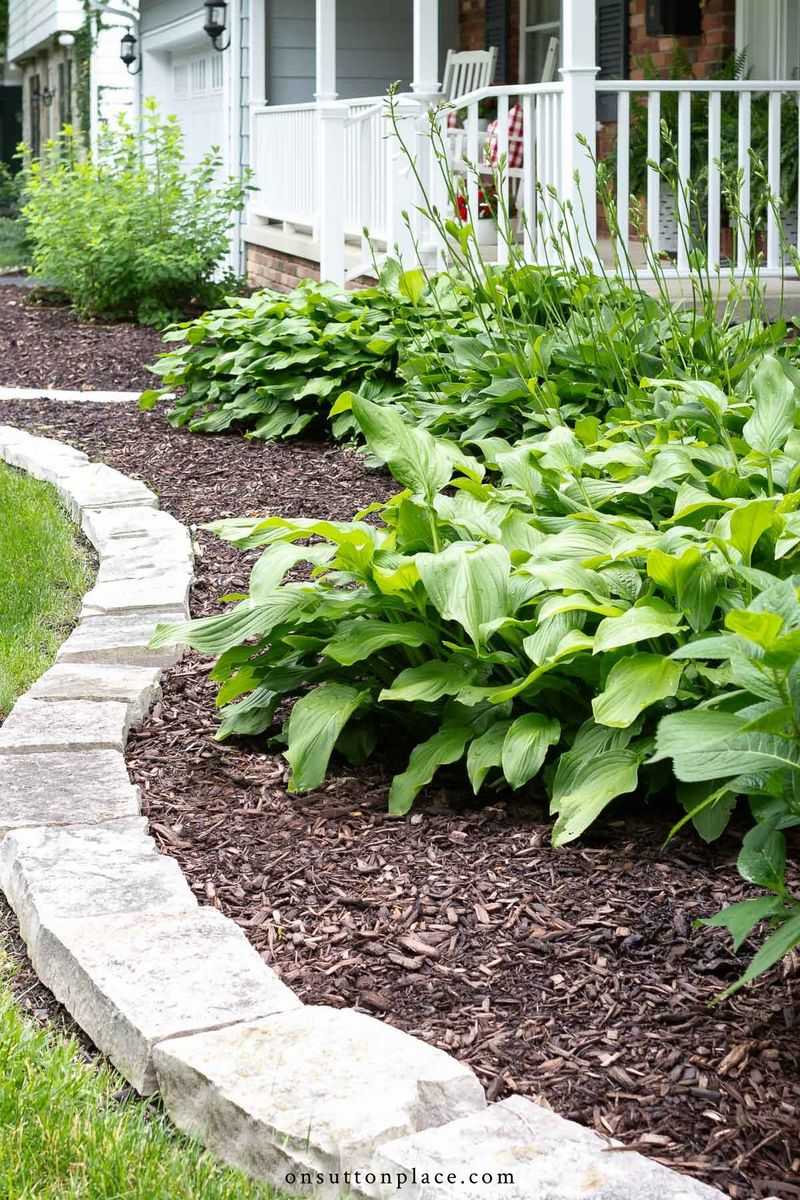
A two-inch layer of mulch around your hostas might be the simplest upgrade you can make to your garden this season.
Mulch performs multiple jobs simultaneously, and hostas respond to it with noticeably stronger, more consistent growth from spring through fall.
It is one of those low-effort, high-reward gardening habits that experienced growers rely on year after year.
Mulch slows evaporation from the soil surface, keeping moisture available to hosta roots even during dry Michigan summers.
It also moderates soil temperature, keeping roots cooler in summer heat and providing an extra layer of insulation during the freeze-thaw cycles that Michigan winters are famous for.
Those temperature swings can heave plants out of the soil if roots are left unprotected, and a solid mulch layer significantly reduces that risk.
Shredded hardwood bark, pine bark nuggets, and shredded leaves all work well around hostas.
Avoid piling mulch directly against the crown of the plant, as this can trap moisture and encourage rot.
Keep a small gap around the base of each plant and spread the mulch outward to the edge of the leaf canopy instead.
Replenishing mulch once or twice a year keeps it effective and gradually improves soil quality as it breaks down.
Michigan gardeners who mulch consistently report fewer watering needs, less weeding, and noticeably larger plants over time.
Protection From Harsh Afternoon Sun Prevents Leaf Stress
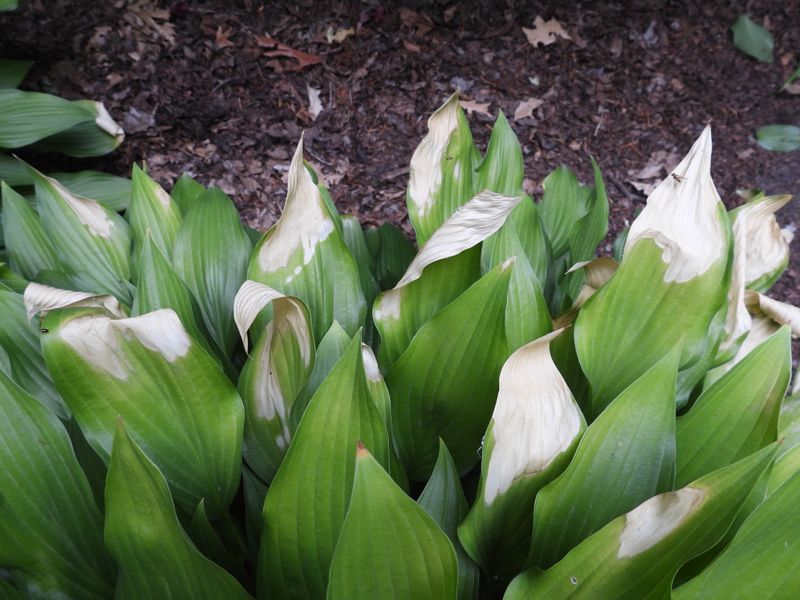
Afternoon sun in Michigan during July and August is no joke, and hosta leaves feel it more than most plants do.
Direct sun exposure during the hottest part of the day causes a condition called leaf scorch, where the margins and tips of leaves turn brown and papery.
Beyond being unsightly, scorched leaves reduce the plant’s ability to photosynthesize effectively, which ultimately limits overall plant size and vigor.
Hostas located on the east side of a house, fence, or tree line receive gentle morning sun and are then shaded during the afternoon hours when solar intensity peaks. This is the ideal sun exposure pattern for most hosta varieties.
Blue-leaved types are especially sensitive to afternoon sun, as their distinctive blue waxy coating, called bloom, fades permanently when exposed to too much direct light.
If your existing hostas are showing signs of sun stress, consider adding a shade structure, planting taller perennials nearby to create natural afternoon shade, or transplanting the hostas to a more sheltered location.
Relocating a stressed hosta to a shadier spot often produces a remarkable transformation within a single growing season.
Leaves grow larger, colors deepen, and the plant takes on a lush, full appearance that is hard to achieve in a sun-stressed environment.
Protecting your hostas from afternoon sun is one of the easiest ways to dramatically improve their performance.
Balanced Feeding Supports Vigorous Seasonal Growth
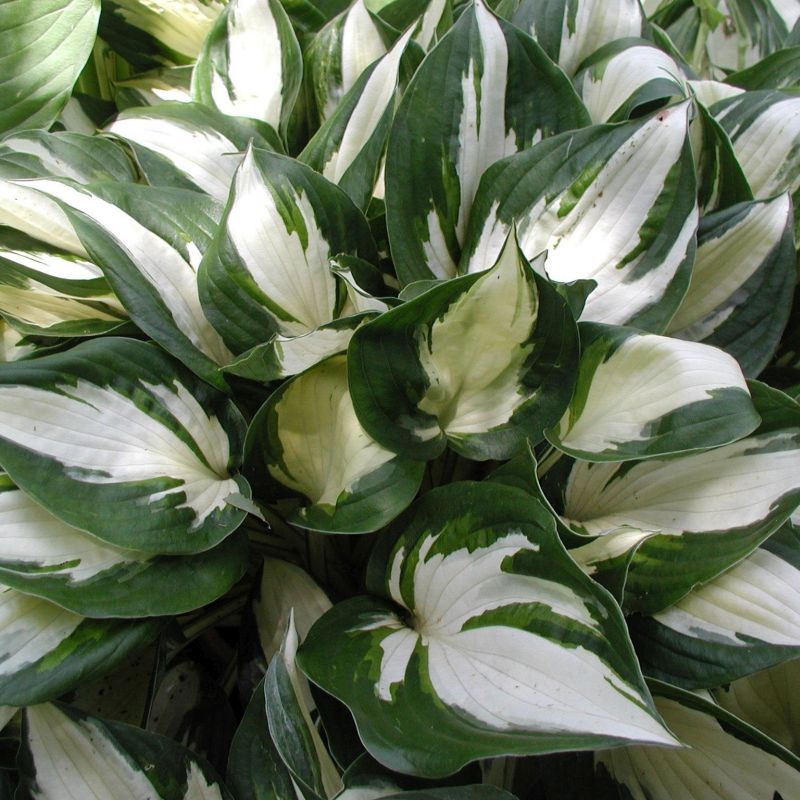
Hostas are not the neediest plants in the garden when it comes to feeding, but they do respond very well to a thoughtful fertilization routine.
Getting the timing and balance right makes a real difference in how large and lush your plants grow throughout the season.
Too little fertilizer and plants plateau in size; too much and you risk producing overly soft, floppy growth that is more vulnerable to stress.
A balanced slow-release granular fertilizer with an NPK ratio around 10-10-10 applied once in early spring is the most straightforward approach for Michigan hosta growers.
This gives plants a steady supply of nutrients right as they are pushing their most vigorous new growth.
A second light application in early summer can extend that momentum, but fertilizing after mid-July is generally not recommended because it encourages tender new growth too late in the season.
Organic options like composted manure, fish emulsion, or balanced organic granules work beautifully and have the added benefit of improving soil biology over time.
Avoid high-nitrogen fertilizers that push rapid leafy growth at the expense of root development and overall plant structure.
Michigan’s naturally decent rainfall helps carry fertilizer nutrients down to the root zone efficiently.
Hostas that receive consistent, balanced feeding year after year gradually build larger crowns and produce more impressive foliage with each passing growing season.
Slug And Pest Control Prevents Growth Setbacks
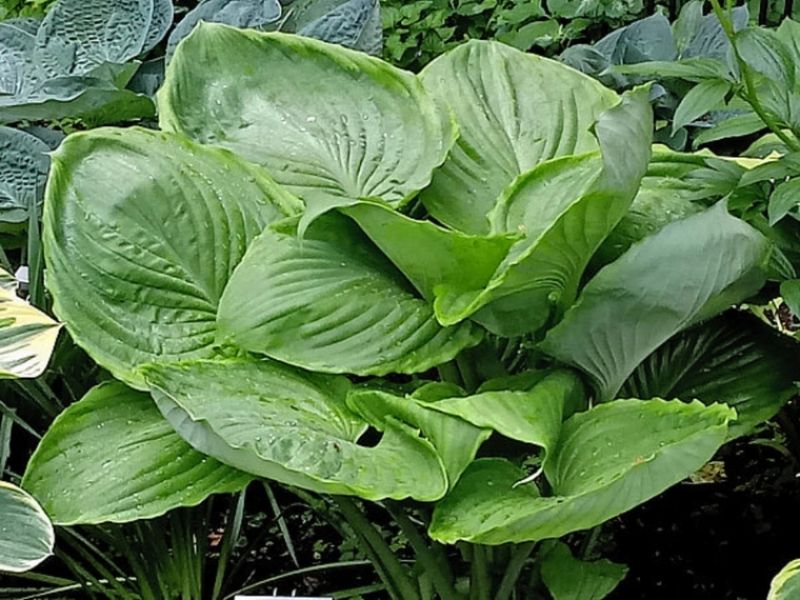
Ask any experienced hosta grower what their biggest frustration is, and slugs will come up almost immediately.
These moisture-loving pests are especially active in Michigan’s humid spring and summer conditions, and they have a particular fondness for the broad, tender leaves that hostas produce.
Slug feeding creates ragged holes throughout the foliage, reducing the leaf surface area available for photosynthesis and weakening the plant’s energy reserves over time.
Controlling slugs does not require complicated methods. Iron phosphate-based slug baits are highly effective and safe to use around children, pets, and beneficial wildlife.
Sprinkling bait granules around hosta beds in early spring, before slug populations build up, is the most proactive strategy.
Diatomaceous earth applied around the base of plants creates a physical barrier that slugs are reluctant to cross, though it needs reapplication after rainfall. Reducing slug habitat around hosta beds also helps significantly.
Removing dense ground-level debris, avoiding evening watering, and keeping mulch layers no thicker than two inches limits the cool, moist hiding spots slugs prefer.
Deer can also be a concern in rural Michigan areas, browsing hosta foliage down to the stems when given the chance.
Motion-activated deterrents, deer-repellent sprays, or physical fencing protect plants in deer-prone areas.
Keeping hostas free from pest pressure ensures that every bit of energy the plant produces goes directly into growing bigger, more beautiful foliage each season.