Why Illinois Gardens Should Grow At Least 5 Milkweed Plants
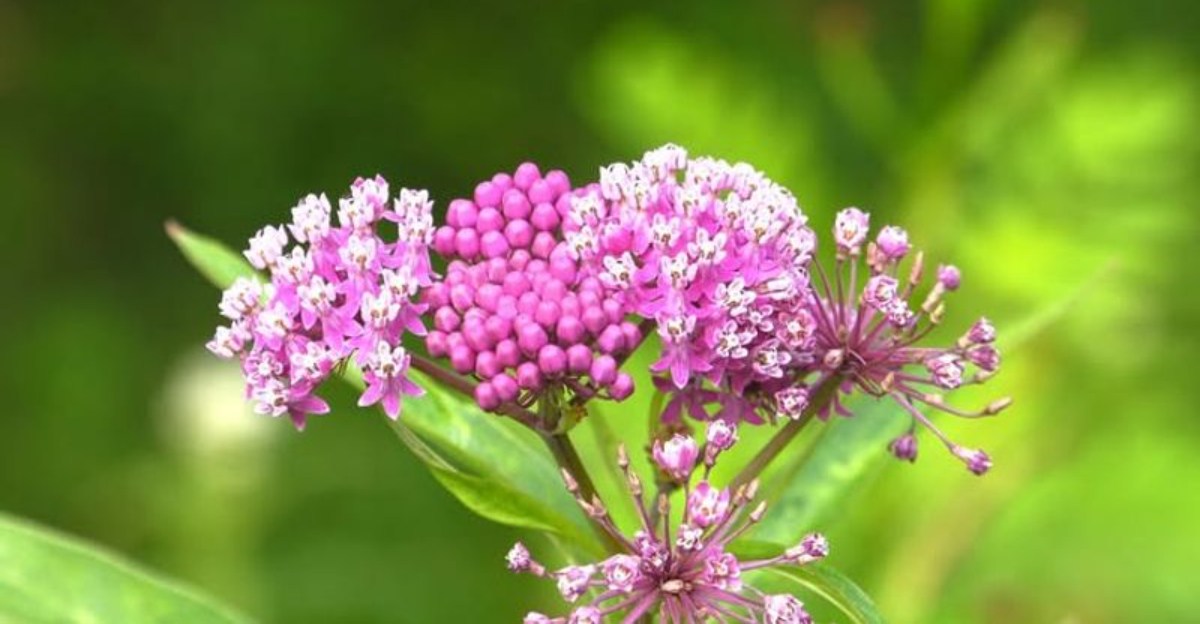
Milkweed isn’t just another pretty plant—it’s a powerhouse for Illinois gardens.
Planting at least five milkweed plants creates a small but meaningful habitat for pollinators, especially monarch butterflies, whose populations rely on these native plants for reproduction.
Each plant provides nectar for adults and a host for caterpillars, supporting the full life cycle of these iconic insects.
Beyond wildlife benefits, milkweed adds texture, height, and seasonal blooms to garden beds, blending beauty with ecological purpose.
In Illinois’ climate, milkweed thrives with minimal maintenance, making it an easy way for gardeners to make a positive environmental impact.
Multiple plants also increase the chances of successful pollination and seed production, helping sustain local populations year after year.
1. Monarch Butterflies Need Milkweed To Survive
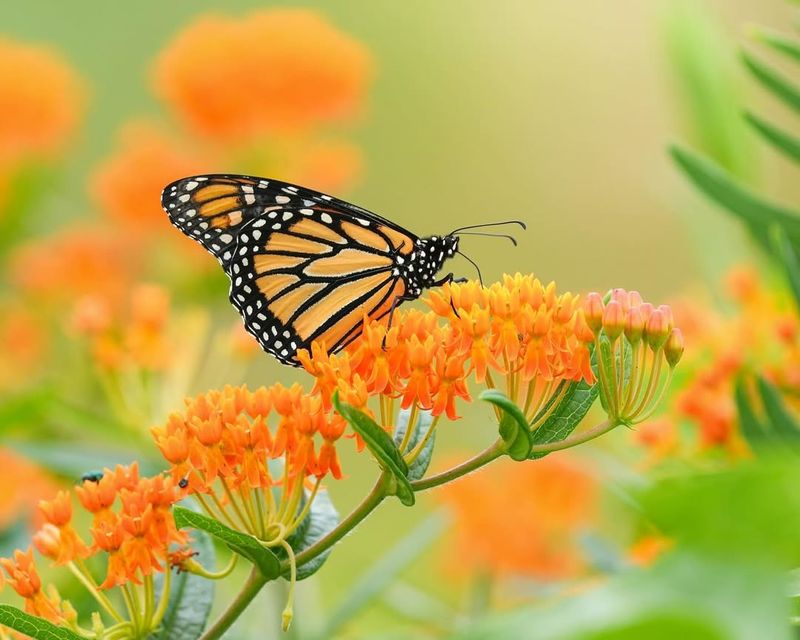
Monarch caterpillars eat only one thing: milkweed leaves.
Without this specific plant, they cannot grow into the magnificent butterflies we all recognize and love.
Female monarchs search desperately for milkweed plants where they can lay their tiny eggs, and each caterpillar will munch through dozens of leaves before forming its chrysalis.
Illinois gardens serve as critical feeding stations along the monarch migration route that stretches from Mexico to Canada.
When you plant five or more milkweed plants, you provide enough food for multiple caterpillars to reach adulthood.
A single milkweed plant might support only one or two caterpillars, but five plants can help an entire small generation thrive.
The monarch population has declined dramatically over recent decades, losing more than 80 percent of its numbers.
Habitat loss and disappearing milkweed are major reasons for this troubling trend.
Your garden can make a real difference in reversing this decline.
Every milkweed plant you add creates hope for these remarkable insects.
Watching caterpillars transform into butterflies right in your backyard brings joy and teaches valuable lessons about nature’s interconnected web.
2. Native Milkweed Thrives In Illinois Climate
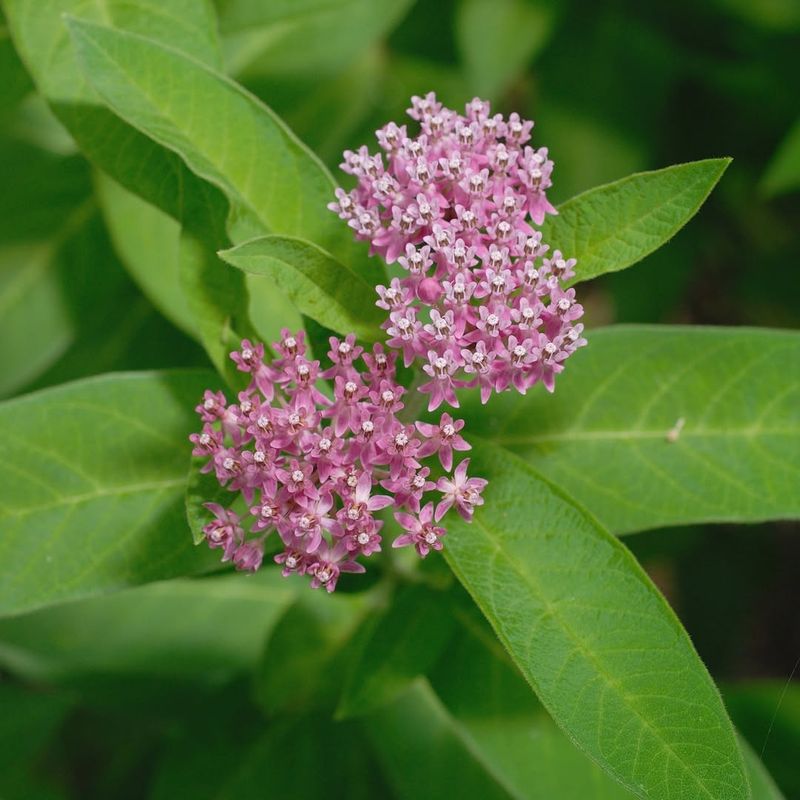
Illinois boasts several native milkweed species perfectly adapted to local weather patterns and soil conditions.
Common milkweed, swamp milkweed, and butterfly weed all flourish throughout the state without requiring special care or constant attention.
These tough plants handle hot summers, cold winters, and unpredictable spring weather with remarkable resilience.
Once established in your garden, native milkweeds return year after year, spreading slowly through underground roots and self-seeding.
You won’t need to replant them annually like many garden flowers.
Native plants also resist local pests and diseases far better than exotic species brought from other regions.
They’ve spent thousands of years adapting to Illinois conditions, developing natural defenses and growth patterns that match our seasons perfectly.
Swamp milkweed tolerates wet areas where other plants struggle, while butterfly weed thrives in dry, sandy spots.
This versatility means almost any Illinois garden has space suitable for at least one milkweed variety.
Native milkweeds need less water than typical garden plants once their roots grow deep.
This drought tolerance saves you time, effort, and money on your water bill during summer dry spells.
3. Milkweed Supports Dozens Of Beneficial Insects
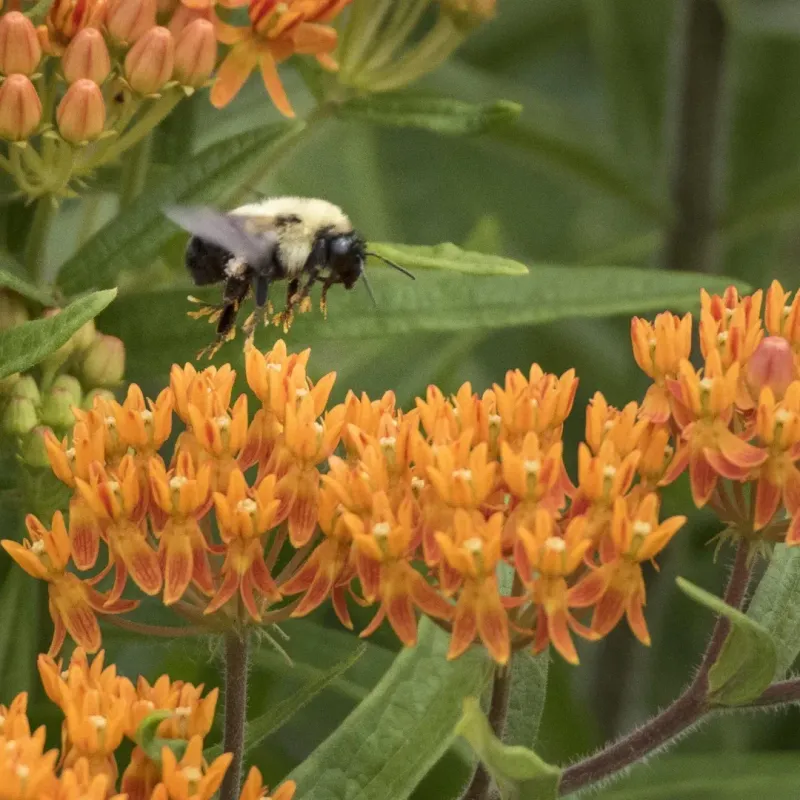
Monarchs get most of the attention, but milkweed flowers attract an incredible variety of helpful garden visitors.
Bumblebees, honeybees, and native solitary bees all visit milkweed blooms for their abundant nectar.
These hardworking pollinators then spread out across your garden, fertilizing vegetables, fruits, and other flowering plants.
Milkweed beetles, although they feed on the plant itself, serve as food for birds and other predators, supporting the entire food web.
Beneficial wasps patrol milkweed plants hunting for aphids and caterpillars that might damage other garden plants.
Hummingbird moths, often mistaken for actual hummingbirds, hover around milkweed flowers during twilight hours.
The sweet fragrance of milkweed blooms carries across your yard, drawing in pollinators from surprising distances.
Research shows that gardens with diverse native plants support three times more insect species than gardens with only non-native ornamentals.
Five milkweed plants create enough floral resources to significantly boost your garden’s pollinator population.
More pollinators mean better yields from vegetable gardens and fruit trees.
Your tomatoes, cucumbers, and squash will produce more abundantly when plenty of bees visit your yard regularly.
4. Beautiful Blooms Add Color Throughout Summer

Forget boring green foliage—milkweed produces stunning flower clusters that rival any ornamental plant.
Butterfly weed blazes with brilliant orange blooms that practically glow in sunlight.
Common milkweed offers softball-sized clusters of pink-purple flowers with an intoxicating sweet scent.
Swamp milkweed displays elegant rose-pink blossoms that complement almost any garden color scheme.
These flowers bloom for weeks during summer, providing continuous color when many spring bulbs have faded.
The unique structure of milkweed flowers creates interesting texture in garden beds, with intricate petals that curve backward in distinctive formations.
After flowers fade, attractive seed pods develop, adding architectural interest to fall gardens.
These silvery-green pods eventually split open to release seeds attached to silky white fluff that dances on autumn breezes.
Many gardeners leave dried seed pods standing through winter, where they collect snow and provide visual interest in otherwise dormant landscapes.
Birds appreciate these standing stems too, perching on them while hunting for seeds and insects.
Milkweed foliage itself has bold texture, with large leaves that create nice contrast against finer-leaved plants like grasses and asters.
5. Low Maintenance Requirements Save Time And Money
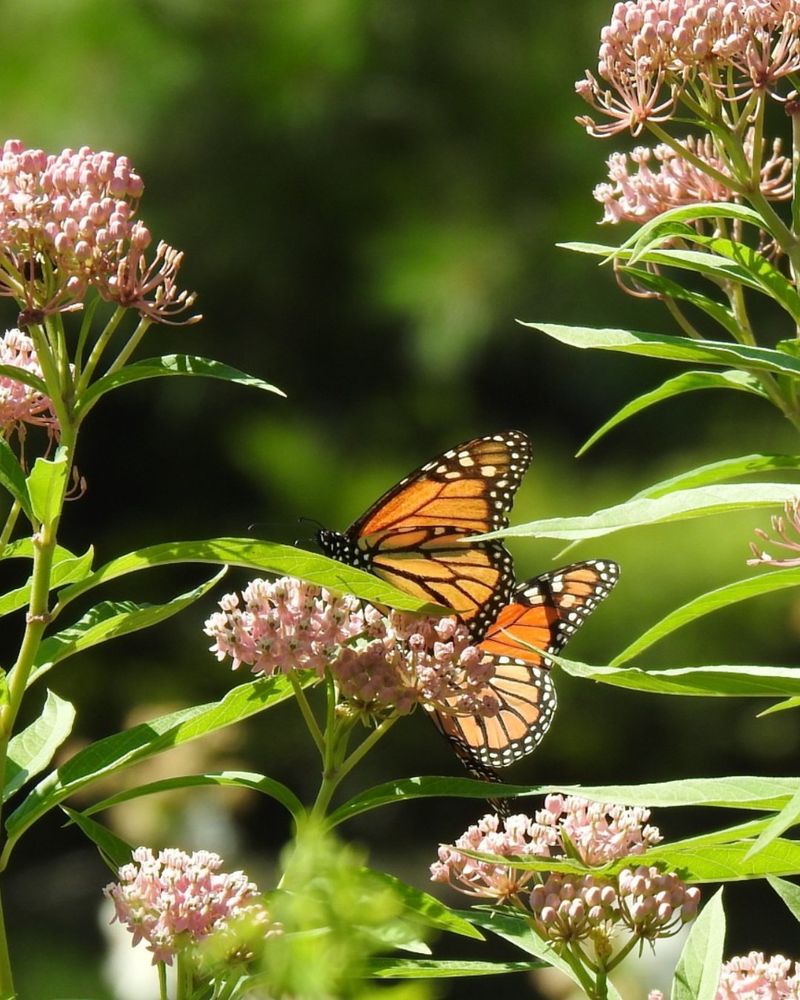
Busy gardeners appreciate plants that practically take care of themselves, and milkweed fits that description perfectly.
After the first growing season, established milkweed plants need watering only during severe droughts.
Their deep taproots reach moisture far below the surface where shallow-rooted plants cannot access it.
You won’t need to fertilize milkweed either—these plants evolved in prairies with naturally lean soil and actually perform better without rich amendments.
Too much fertilizer causes excessive leaf growth that attracts more aphids and makes plants flop over.
Milkweed has no serious disease problems in Illinois gardens when grown in appropriate conditions.
The plants contain natural chemical defenses that deter most pests, though you might spot harmless milkweed bugs or beetles occasionally.
These specialist insects cause minimal damage and serve as food for birds and beneficial predators.
Milkweed spreads at a manageable pace—fast enough to fill in nicely but slow enough that you won’t spend hours controlling invasive growth.
Simply pull up any shoots that appear where you don’t want them.
No special pruning or deadheading is necessary, though some gardeners trim spent flowers to encourage additional blooming.
6. Seeds Provide Food For Goldfinches And Other Birds
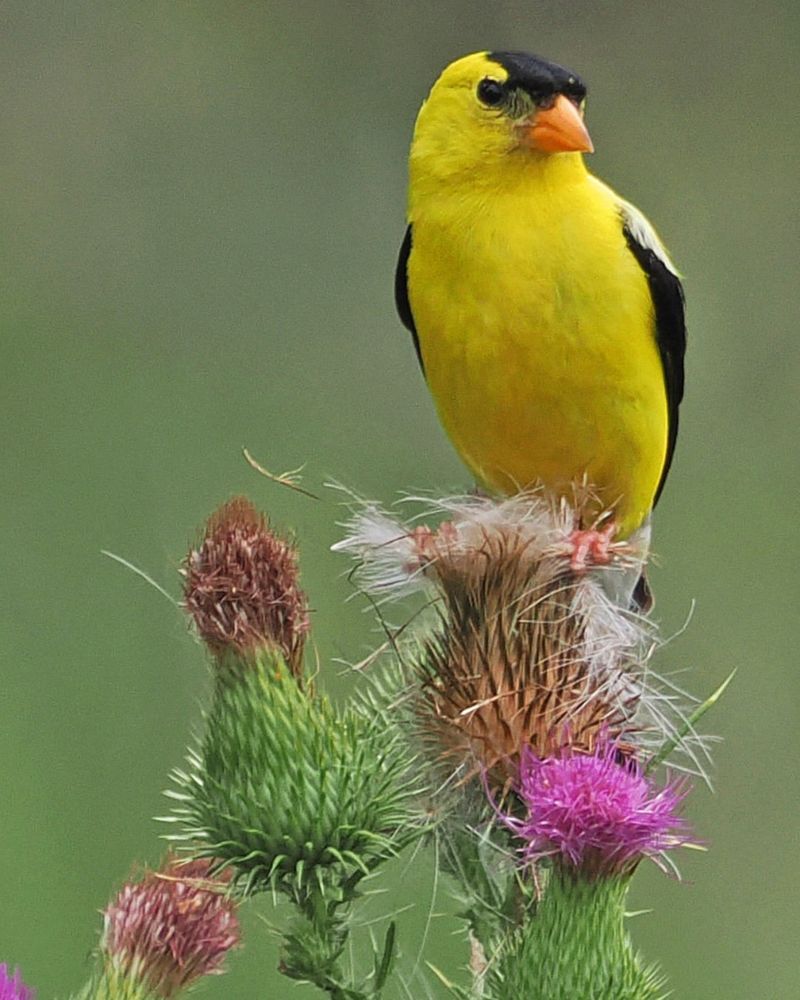
American goldfinches absolutely adore milkweed seeds and time their nesting to coincide with seed production.
These cheerful yellow birds wait until late summer to raise their babies specifically so they can feed them protein-rich seeds from plants like milkweed.
Watching goldfinches cling to swaying milkweed pods while extracting seeds provides endless entertainment.
The silky fluff attached to each seed also serves birds well—many species line their nests with this soft material.
Chickadees, titmice, and other cavity-nesters collect milkweed silk to create cozy nurseries for their young.
By leaving seed pods on plants through fall instead of cutting everything down, you provide natural bird feeders that require no filling or maintenance.
Some seeds inevitably fall to the ground, where sparrows, juncos, and other ground-feeding birds gobble them up throughout winter.
Milkweed caterpillars themselves become nutritious meals for parent birds feeding nestlings.
Research indicates that baby birds raised on native caterpillars grow stronger and healthier than those fed non-native insects.
Your five milkweed plants essentially operate as a wildlife cafeteria, serving different menu items throughout the growing season.
This natural food source helps bird populations thrive without artificial feeders that sometimes spread disease.
7. Milkweed Helps Combat Climate Change Effects

Native plant gardens packed with species like milkweed store more carbon in soil than traditional lawns or non-native ornamental beds.
Those deep roots we mentioned earlier don’t just find water—they also deposit carbon deep underground where it remains locked away for years.
Prairie plants like milkweed can develop root systems reaching six feet deep or more, creating underground carbon storage vaults.
Lawns, by comparison, have shallow roots that store minimal carbon and require constant mowing that releases greenhouse gases.
Replacing even a small lawn section with native plants including milkweed reduces your carbon footprint while creating habitat.
Native gardens also need less irrigation than lawns, conserving water resources that face increasing pressure from climate change.
During heavy rainstorms, milkweed’s extensive root system helps absorb water quickly, reducing runoff that contributes to flooding and erosion.
This natural stormwater management becomes increasingly valuable as climate change brings more intense precipitation events.
Supporting pollinator populations through milkweed planting strengthens ecosystem resilience against climate disruptions.
Healthy pollinator communities ensure that wild plants can reproduce successfully even as weather patterns shift.
Your small garden choice contributes to larger landscape-level benefits when neighbors follow your example and plant native species too.
8. Educational Opportunities Inspire Future Conservationists
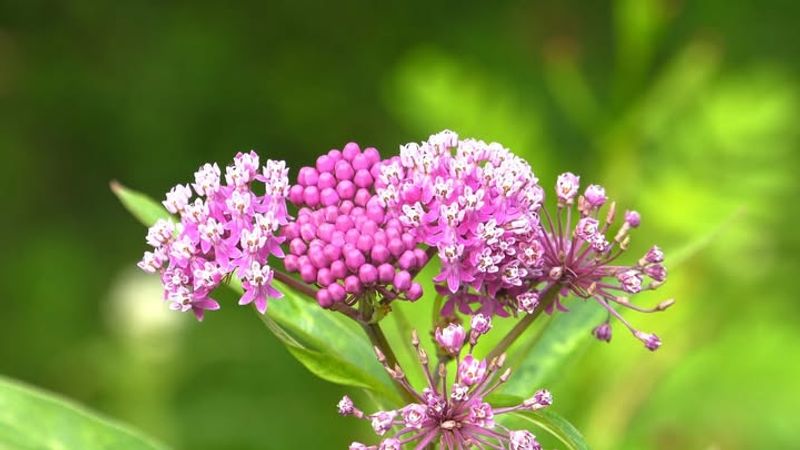
Few nature experiences match the wonder of discovering a tiny monarch egg on a milkweed leaf in your own backyard.
Children become completely mesmerized watching striped caterpillars munch through leaves, growing visibly larger each day.
The transformation from caterpillar to chrysalis to butterfly demonstrates biological concepts in ways no textbook can match.
Families who grow milkweed often check their plants daily, creating routines that build observation skills and scientific thinking.
Kids learn patience waiting for chrysalises to reveal their butterflies, and they experience genuine joy when those butterflies finally emerge.
These personal connections to nature foster environmental awareness that lasts a lifetime
Studies show that children who interact regularly with nature develop stronger conservation values as adults.
Your milkweed patch becomes an outdoor classroom teaching ecology, life cycles, plant identification, and habitat needs.
Neighbors and visitors inevitably ask questions about your milkweed plants, giving you chances to share knowledge and inspire others.
Schools increasingly seek community gardens where students can observe monarchs and other wildlife.
Your successful milkweed garden might motivate local schools to start their own pollinator projects, multiplying your conservation impact across the community.