Why Indoor Plants Lose Moisture Fast In Arizona Homes This Winter — And How To Fix It
Indoor plants dry out quickly in Arizona homes during winter because heating systems and naturally low humidity pull moisture from soil and leaves faster than many people expect.
Even plants that handled summer heat well can start drooping, browning, or shedding leaves once indoor air turns dry and warm around the clock.
Understanding why this happens, and making a few targeted changes, helps plants hold moisture longer and recover without turning daily care into extra work.
1. Low Humidity From Heating Systems
Heating systems work overtime during Arizona winters, pulling moisture straight out of the air and leaving your plants gasping for humidity they desperately need.
Central heating creates an environment similar to a desert, making it nearly impossible for tropical plants to retain the moisture they require daily.
Your houseplants evolved in humid forests and jungles, so dry indoor air stresses them out and causes leaves to brown at the edges.
Furnaces and space heaters strip away natural moisture faster than you might realize, especially when they run continuously throughout chilly winter nights.
Plants lose water through tiny pores called stomata, and low humidity forces these openings to work harder, depleting moisture reserves at alarming rates.
Homes across Arizona often drop below thirty percent humidity during winter, while most houseplants prefer levels between forty and sixty percent for health.
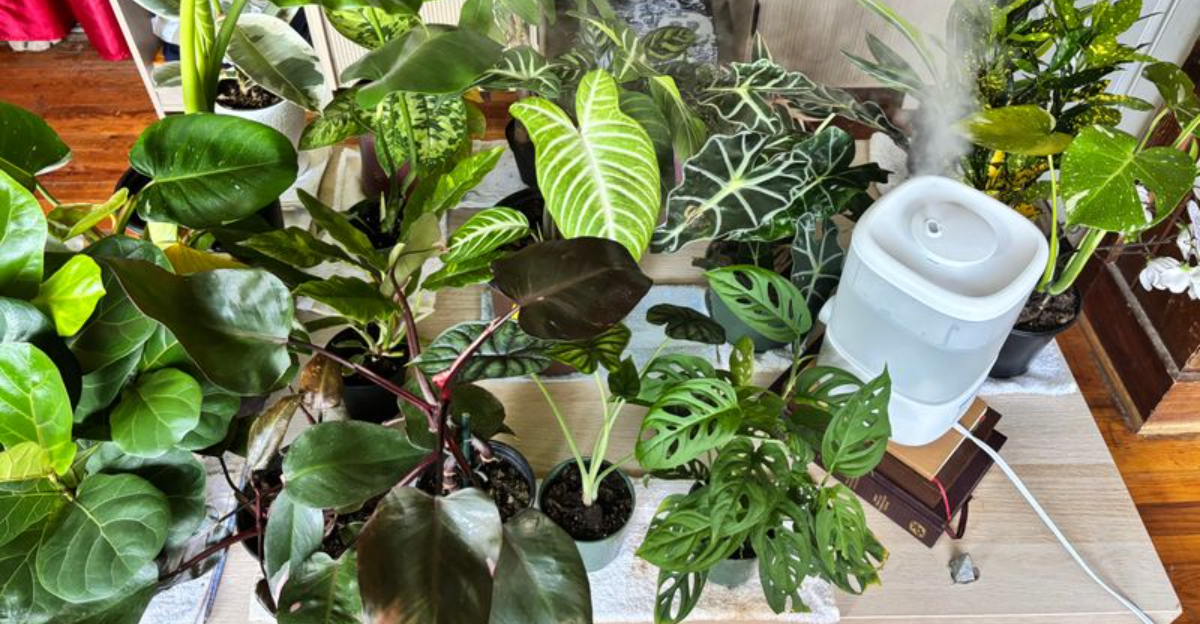
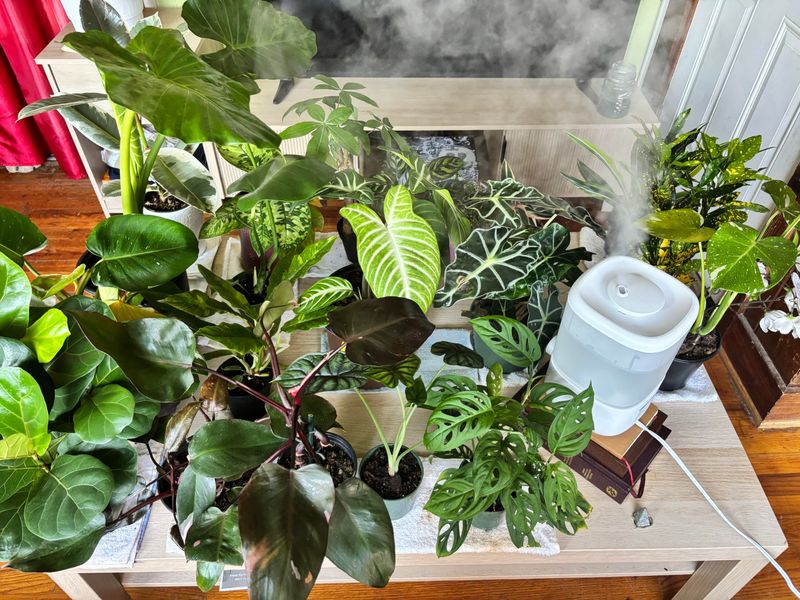
Grouping plants together creates a microclimate where they share moisture through transpiration, naturally boosting humidity levels around each leaf and stem surface.
Placing shallow trays filled with pebbles and water beneath pots adds moisture to the air as evaporation occurs throughout the day and night.
Humidifiers offer the most reliable solution, maintaining consistent moisture levels that keep plants healthy without requiring constant attention or manual misting every few hours.
2. Intense Sunlight Through Windows
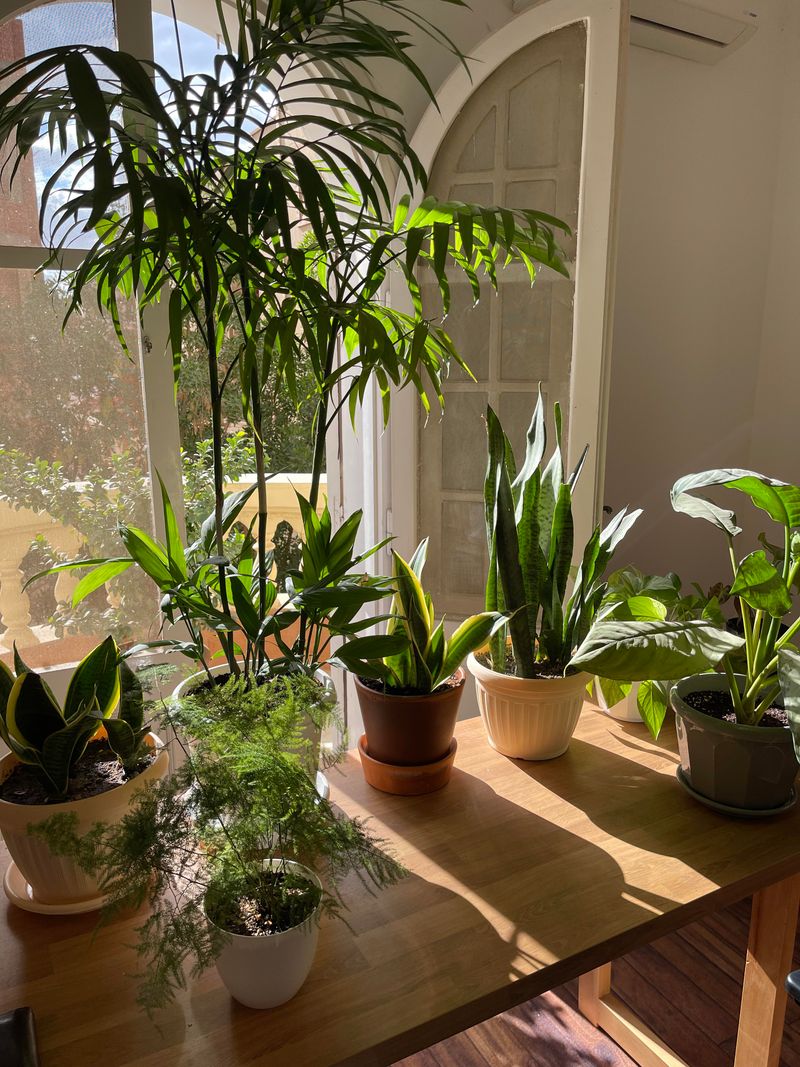
Winter sun sits lower in the sky, streaming through Arizona windows at angles that blast your houseplants with surprisingly intense light all day long.
Even though temperatures drop outside, sunlight remains powerful enough to heat up leaves and accelerate moisture loss through increased transpiration rates throughout winter months.
South-facing windows become particularly problematic during cooler seasons, concentrating solar energy directly onto plants that might have been perfectly positioned during summer before.
Glass magnifies heat, turning windowsills into mini greenhouses that bake soil and scorch delicate foliage faster than you can water to compensate for losses.
Plants positioned too close to windows experience temperature fluctuations between hot days and cold nights, stressing root systems and disrupting their natural moisture balance.
Arizona sunshine remains relentless year-round, so winter doesn’t provide the relief from intense rays that houseplants might enjoy in cloudier, northern climates farther away.
Sheer curtains filter harsh light without blocking it completely, creating a gentler environment that reduces heat stress while still providing adequate brightness for photosynthesis.
Moving plants back a few feet from windows maintains good light exposure while protecting them from the most intense concentration of heat and drying rays.
Rotating plants weekly ensures all sides receive equal light distribution, preventing one side from becoming overexposed and losing moisture faster than the shaded portions.
3. Terracotta Pots Wicking Away Water
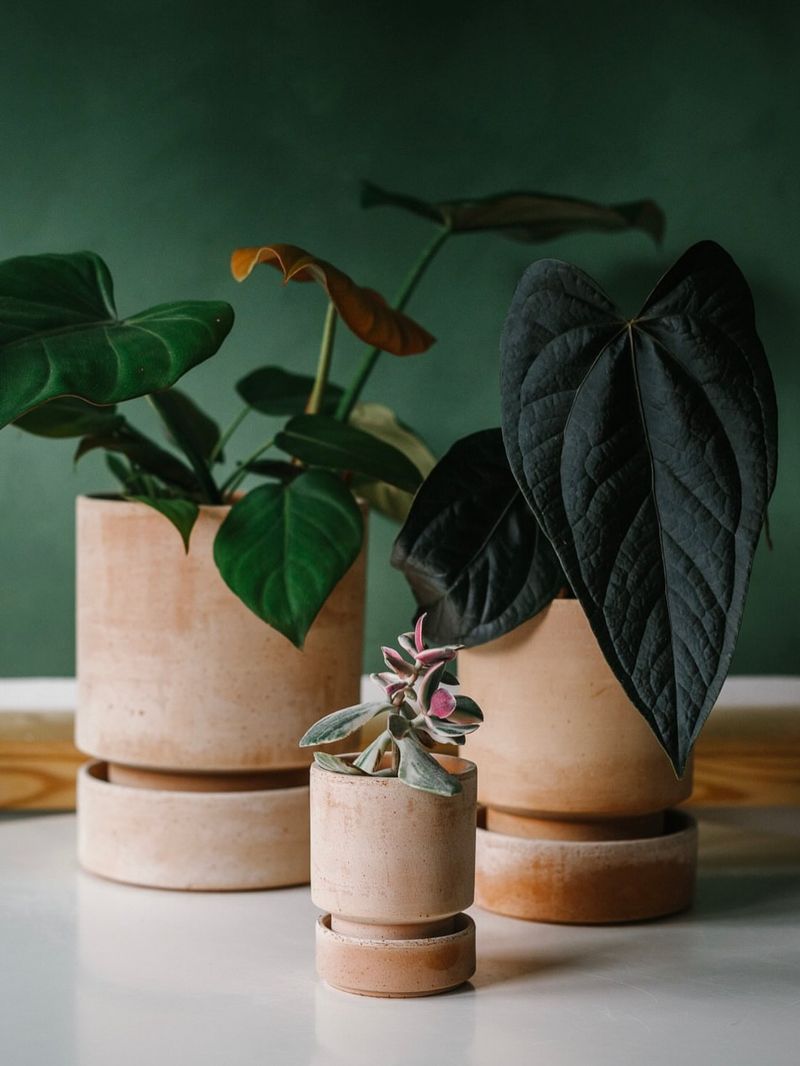
Terracotta looks beautiful and feels natural, but these porous clay pots pull moisture straight out of soil through their breathable walls all winter long.
Clay material absorbs water like a sponge, allowing it to evaporate through the pot’s exterior surface much faster than plastic or glazed ceramic containers ever would.
Arizona’s dry winter air accelerates this wicking effect dramatically, leaving soil bone-dry within days even after thorough watering that should have lasted much longer.
Plants in terracotta require almost twice as much water as those in non-porous pots, creating extra work and increasing the risk of accidentally under-watering.
The breathable nature of clay benefits some plants during humid summers, but this same quality becomes a liability when indoor air turns desert-dry each winter.
Roots near pot edges dry out first, potentially damaging the plant’s ability to absorb nutrients and water efficiently from soil that remains moist only in the center.
Lining terracotta interiors with plastic before adding soil creates a moisture barrier while maintaining the attractive appearance of clay pots you already own and love.
Switching to glazed ceramic or plastic pots during winter months helps plants retain moisture longer, reducing watering frequency and keeping root systems consistently hydrated throughout Arizona’s dry season.
Double-potting places terracotta inside a larger waterproof container, trapping moisture in the space between and slowing evaporation without requiring you to repot everything completely.
4. Increased Air Circulation From Vents
Heating vents blast warm, dry air directly onto nearby plants, creating constant airflow that strips moisture from leaves and soil at an accelerated pace.
Air movement speeds up evaporation dramatically, similar to how wind dries laundry on a clothesline much faster than still air ever could manage alone.
Plants positioned near vents experience artificial wind that mimics desert conditions, forcing them to lose water through transpiration much faster than they naturally would indoors.
Arizona homes rely heavily on forced-air heating systems during winter, meaning vents run frequently and create persistent air circulation throughout every room in the house.
Even ceiling fans, while helpful for distributing heat evenly, contribute to moisture loss by keeping air constantly moving around plants instead of letting it settle.
Leaves flutter slightly when air hits them, opening stomata wider in response to the movement and inadvertently releasing more precious moisture into the surrounding environment.
Mapping your home’s airflow patterns helps identify problem spots where plants struggle most, allowing you to relocate them to calmer areas with less direct exposure.
Placing plants on shelves or stands away from direct vent paths protects them while still allowing them to benefit from the warmth heating systems provide.
Adjusting vent louvers to redirect airflow toward ceilings instead of plant zones reduces moisture loss without sacrificing comfort or requiring you to completely redesign your layout.
5. Smaller Root Systems In Compact Pots
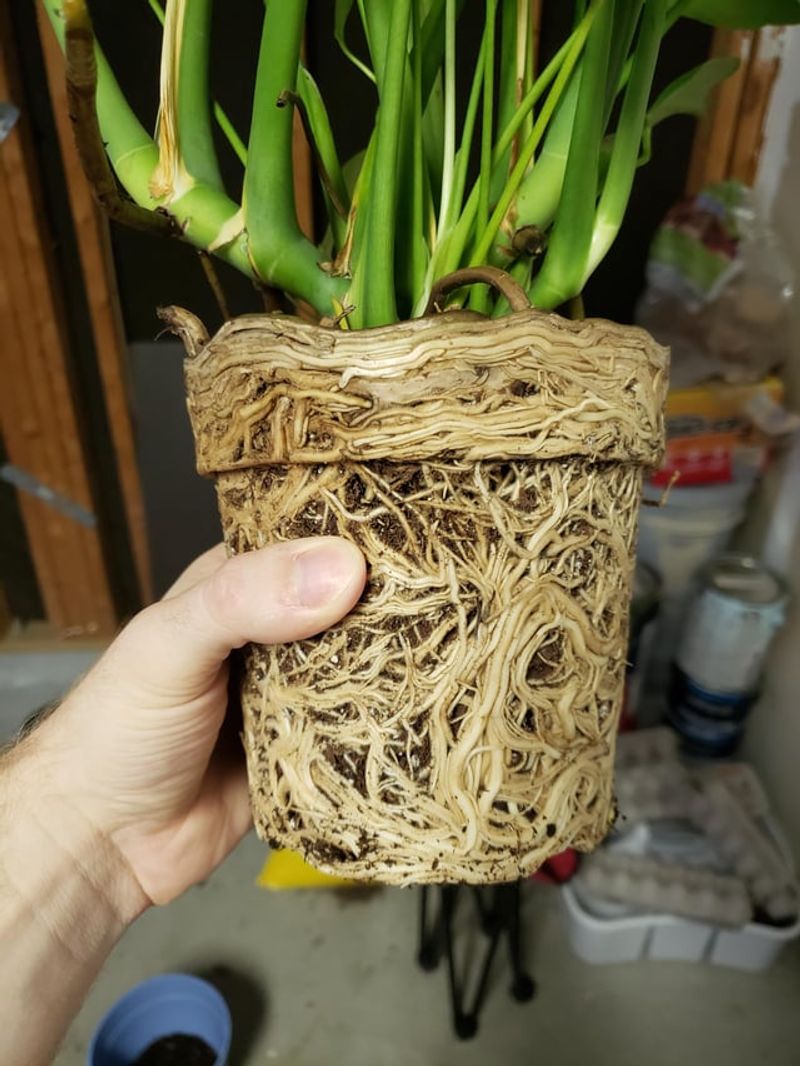
Plants outgrow their containers gradually, developing root systems too large for the pot size, which limits their ability to hold adequate moisture for winter survival.
Root-bound plants can’t absorb water efficiently because roots circle endlessly around the pot’s interior, creating a dense mass that repels water instead of soaking it up.
Compacted soil in overgrown pots forms channels where water runs straight through to drainage holes, bypassing roots entirely and leaving them chronically thirsty throughout winter.
Arizona’s dry conditions make this problem worse because plants need extra water reserves, but cramped roots simply can’t access enough soil to store that moisture properly.
Stunted root growth means less surface area for absorbing water, forcing plants to work harder and stress more when humidity drops and indoor heating increases.
Checking for roots growing through drainage holes or circling visibly at the soil surface indicates your plant desperately needs a larger home before winter stress worsens.
Repotting into containers one or two sizes larger gives roots room to spread, increasing the soil volume available for moisture retention throughout the entire season.
Spring typically works best for repotting, but moving severely root-bound plants during Arizona winters can prevent serious damage if done carefully with minimal root disturbance.
Fresh potting mix improves water retention compared to old, compacted soil, helping plants maintain consistent moisture levels even when indoor air turns exceptionally dry all winter long.
6. Faster Evaporation From Soil Surface
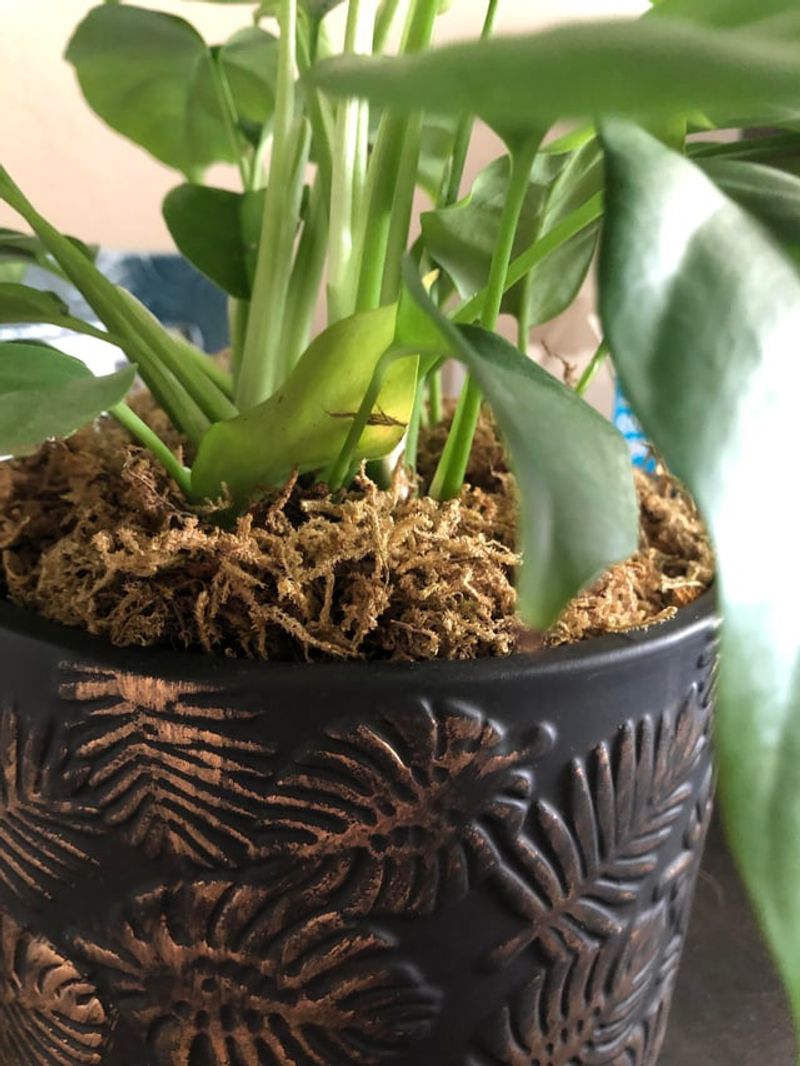
Bare soil surfaces lose moisture to the air constantly, with evaporation rates increasing dramatically when Arizona homes heat up and humidity levels plummet during winter.
Top layers of potting mix dry out first, creating a crusty surface that makes you think the entire pot needs water when deeper soil might still be damp.
Wide, shallow pots expose more soil surface area to dry air, accelerating moisture loss compared to taller, narrower containers that protect soil with their depth.
Arizona’s consistently low humidity means soil never gets a break from evaporation, losing water around the clock whether plants are actively growing or resting for winter.
Light-colored or bare soil reflects heat from sunny windows, warming the surface and speeding up the rate at which precious moisture escapes into the surrounding air.
Mulching the soil surface with decorative moss, bark chips, or pebbles creates a protective barrier that dramatically slows evaporation while adding visual interest to your pots.
Organic mulches like coconut coir or shredded bark also break down slowly, improving soil structure over time and helping it retain moisture more effectively throughout future seasons.
Keeping soil consistently moist but not waterlogged maintains the right balance, preventing the dry-wet cycles that stress plants and damage delicate feeder roots near the surface.
Self-watering pots with built-in reservoirs maintain steady moisture from below, reducing surface evaporation and ensuring roots always have access to water when they need it most.
7. Natural Winter Dormancy Confusion
Many houseplants naturally slow their growth during winter, reducing water uptake while Arizona homeowners continue watering on summer schedules, creating moisture imbalance problems.
Dormant plants need less frequent watering because their metabolic processes slow down, meaning soil stays wet longer and roots can’t absorb moisture as quickly.
Overwatering dormant plants actually causes more problems than underwatering, leading to root rot that mimics drought symptoms like wilting leaves and browning edges you might misinterpret.
Arizona’s mild winters confuse plant owners who see sunshine and assume plants need the same care as summer, when in reality shorter days trigger natural rest.
Indoor temperatures remain comfortable year-round in Arizona homes, but plants still respond to reduced daylight hours by slowing growth regardless of how warm they feel.
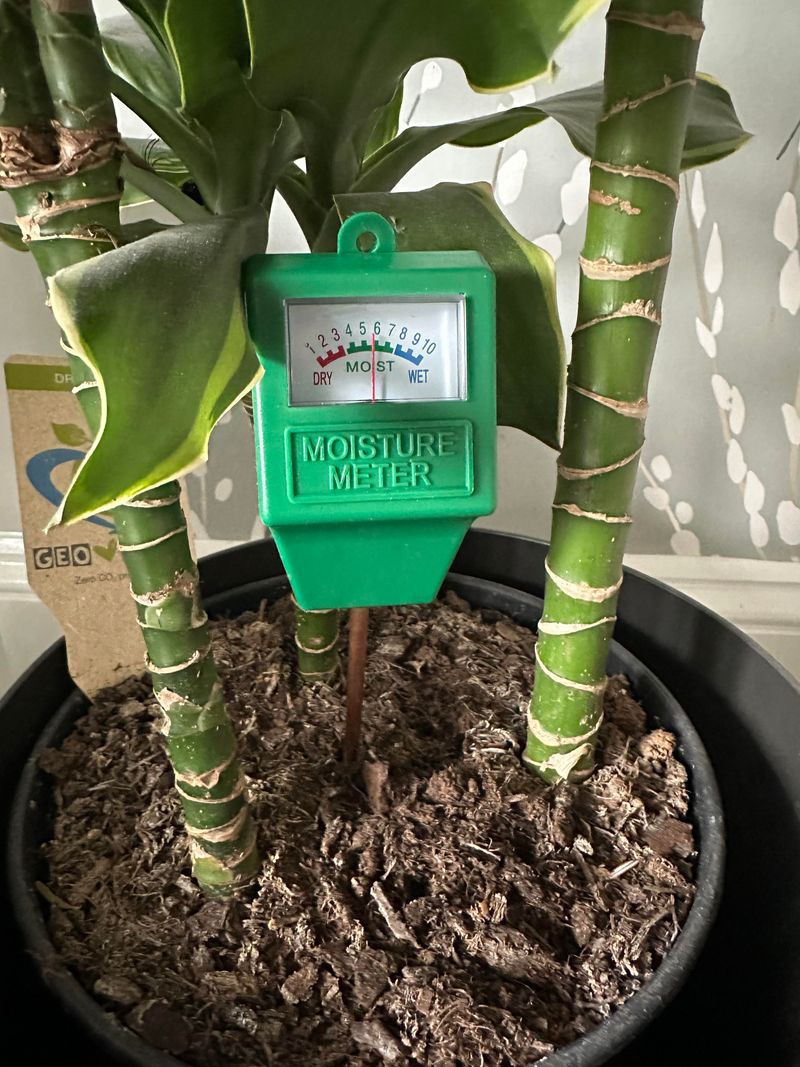
Checking soil moisture before watering prevents the common mistake of adding water when plants don’t actually need it, protecting roots from sitting in soggy conditions.
Sticking your finger two inches deep into soil provides accurate moisture readings, helping you water only when the top layer has dried out completely throughout winter.
Moisture meters offer precise measurements for those who prefer technology over guesswork, ensuring plants receive exactly the right amount of water during their dormant phase.
Adjusting your watering schedule to match each plant’s seasonal needs keeps them healthy through Arizona winters, preventing both drought stress and overwatering damage that ruins roots.