Why Indoor Winter Greens Dry Quickly In Colorado During Christmas
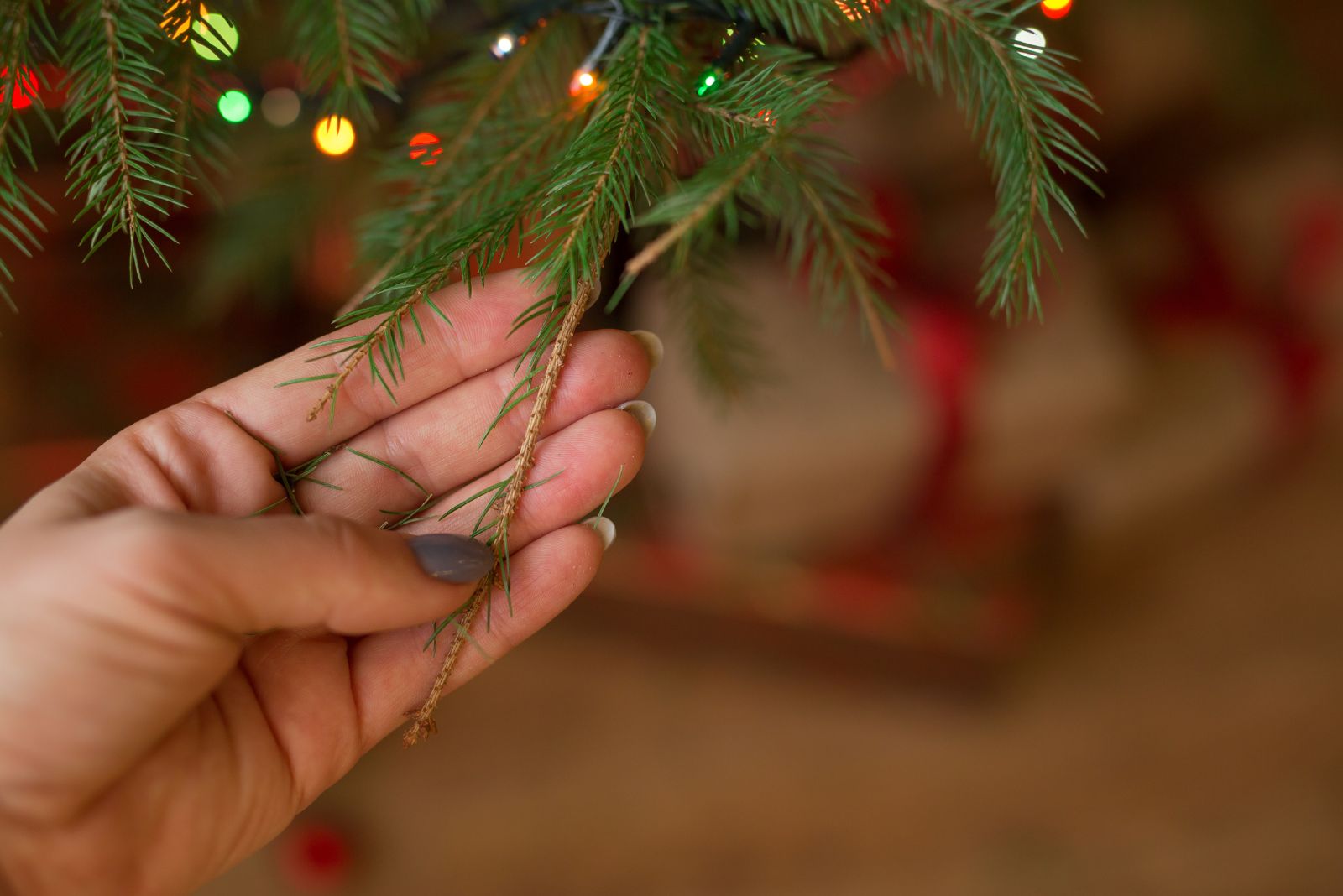
Colorado winters do not pull any punches, and indoor holiday greens feel it right away.
Fresh pine, fir, and cedar may look picture perfect at first, but the dry indoor air can turn them brittle in no time.
One day they smell like the mountains, and the next they start shedding needles and losing their shine.
It can feel like Christmas cheer slips through your fingers faster than expected.
The problem often starts with Colorado’s thin, dry air paired with indoor heating that runs around the clock.
Warm air pulls moisture straight out of winter greens, leaving them thirsty and stressed.
Even the healthiest branches can dry out fast when humidity drops and temperatures swing from cold nights to heated days.
Understanding why this happens helps homeowners stay ahead of the curve.
When you know what winter greens are up against, it becomes easier to keep them looking fresh longer.
With the right care and timing, those festive branches can hold their color and scent through the holiday stretch, keeping Colorado homes cozy, welcoming, and full of seasonal charm when it matters most.
1. Extremely Low Humidity Levels
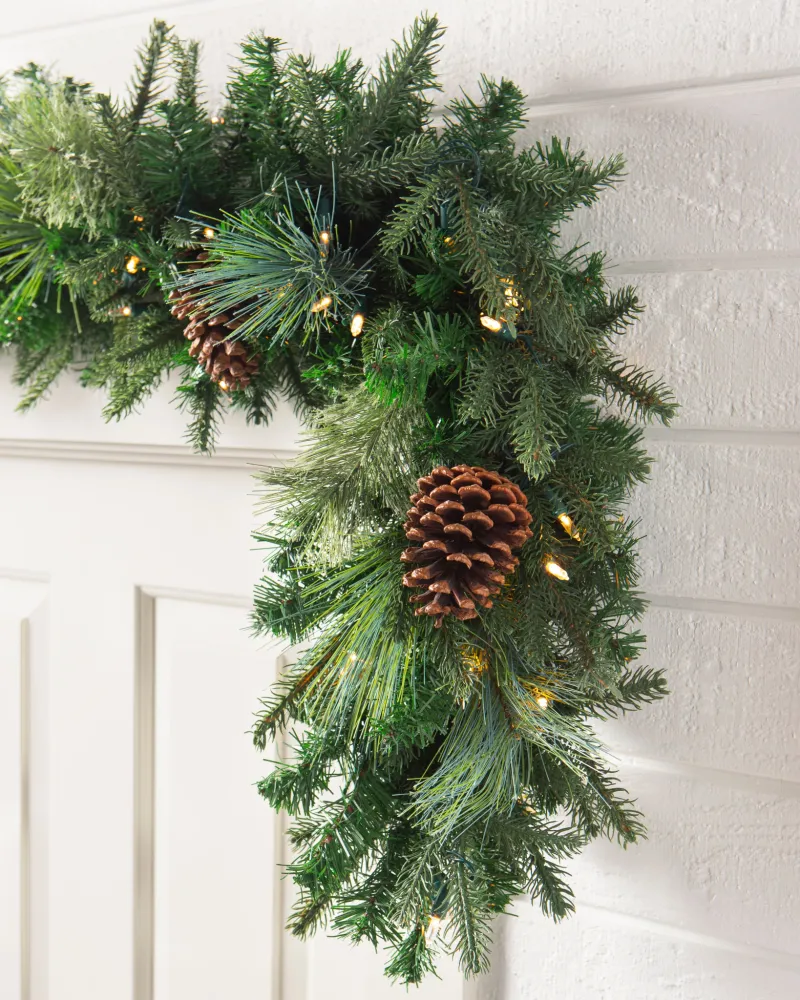
Colorado is famous for its dry air, and during winter, humidity levels can drop to an astonishing 10 to 20 percent indoors.
Most evergreen plants thrive in environments with much higher moisture content in the air, typically around 40 to 60 percent humidity.
When you bring fresh greens into a Colorado home during Christmas, they immediately begin losing moisture through their needles and branches.
This process happens much faster than in more humid climates because the dry air acts like a sponge, constantly pulling water from the plant material.
Your festive pine boughs and fir branches simply cannot retain their natural moisture in such arid conditions.
The needles become crispy and brittle within just a few days, and the once-vibrant green color quickly fades to dull brown.
Many Colorado residents notice this problem year after year but may not realize that low humidity is the primary culprit.
To combat this issue, consider using a humidifier in the room where you display your winter greens.
Misting your wreaths and garlands daily with a spray bottle can also help replace some of the lost moisture.
Placing a shallow dish of water near your decorations allows for slow evaporation that benefits the greens.
Some people even place their wreaths in the bathroom where steam from showers temporarily increases humidity.
Understanding Colorado’s uniquely dry climate is the first step toward keeping your holiday greenery looking fresh and beautiful throughout the entire Christmas season and beyond.
2. High Altitude Effects On Plant Moisture
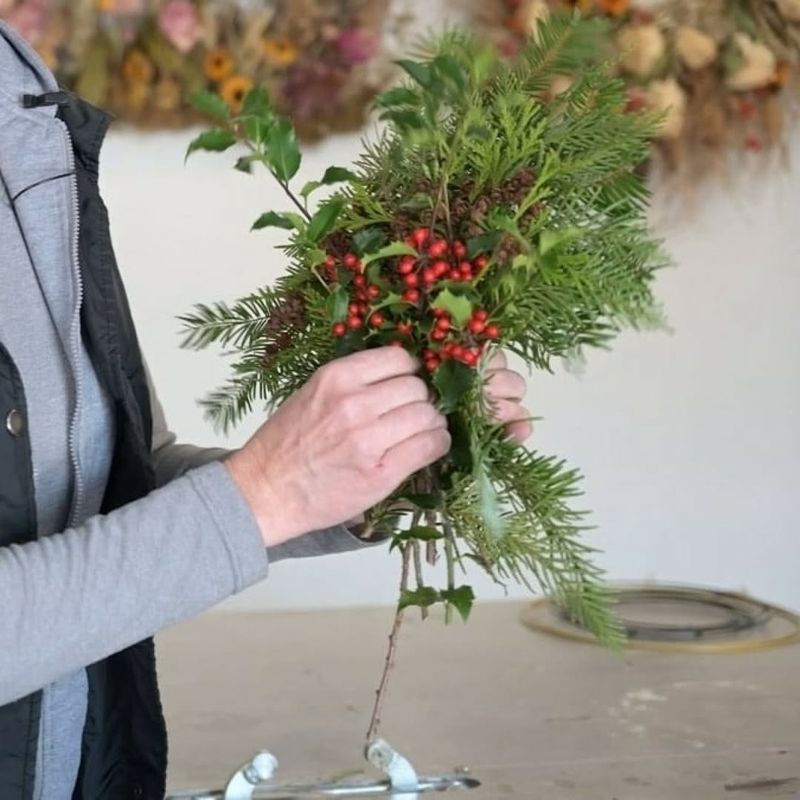
Living at high elevation comes with many perks, but preserving fresh holiday greenery is not one of them.
Colorado’s altitude, with many cities sitting between 5,000 and 6,000 feet above sea level, creates unique atmospheric conditions.
At higher elevations, air pressure is lower, which means water evaporates more quickly from all surfaces, including your Christmas decorations.
Fresh evergreen branches lose their internal moisture at an accelerated rate compared to the same greens displayed at sea level.
The science behind this is straightforward: lower atmospheric pressure allows water molecules to escape more easily into the surrounding air.
Your beautiful pine garlands and cedar swags are fighting a losing battle against physics itself.
Mountain communities throughout Colorado experience this phenomenon more intensely than Front Range cities, though all areas are affected.
Even cut evergreens that are freshly harvested will begin to dehydrate within hours of being brought inside a high-altitude home.
This rapid moisture loss causes needles to shrink, curl, and eventually drop from the branches.
To slow this process, keep your greens as cool as possible without freezing them.
Store wreaths and garlands in unheated garages or covered porches when not on display.
When bringing them indoors for parties or special occasions, limit their exposure time to heated rooms.
Some Colorado residents refresh their greens by soaking the cut ends in water overnight before displaying them again.
Recognizing how altitude affects your holiday decorations helps you plan better preservation strategies for a longer-lasting festive display.
3. Indoor Heating Systems Running Constantly
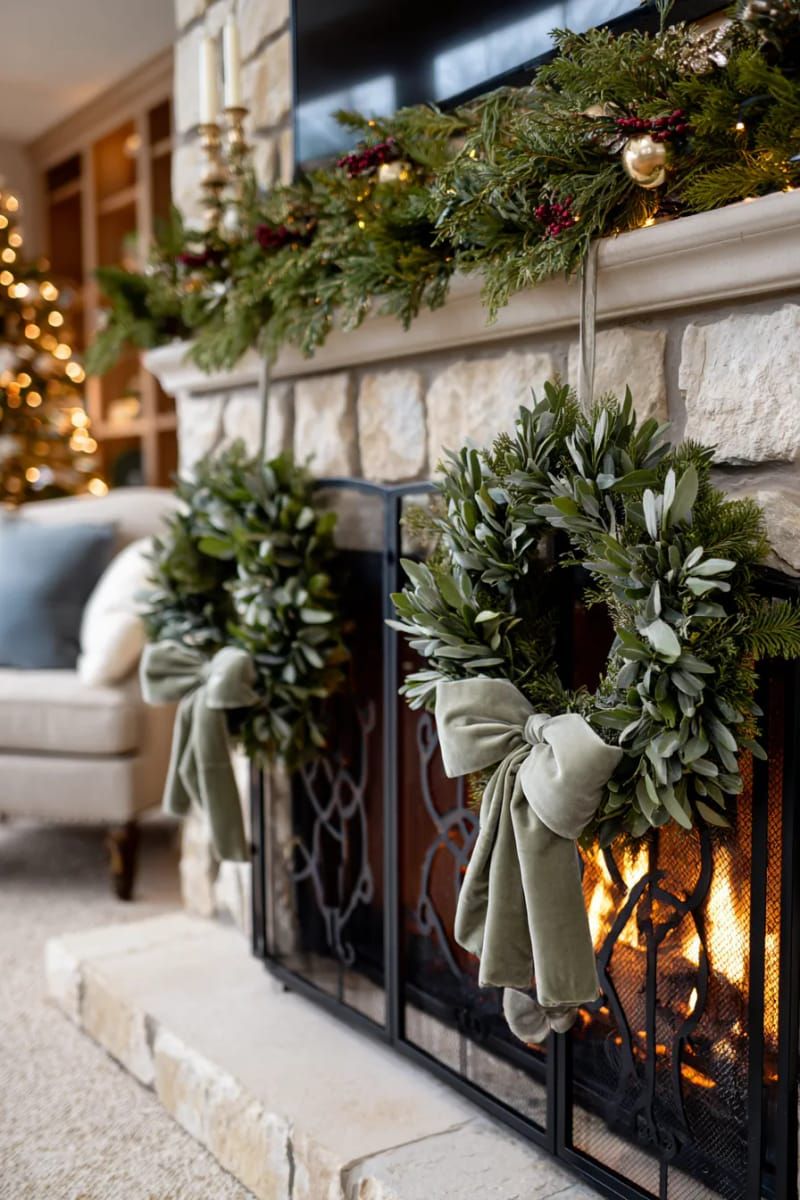
When December arrives in Colorado, thermostats get cranked up and furnaces run nearly nonstop to keep homes comfortable.
While this keeps your family warm, it creates an extremely harsh environment for fresh plant material.
Forced-air heating systems circulate hot, dry air throughout your home, which accelerates the dehydration of evergreen decorations.
Every time your furnace kicks on, it pushes moisture-depleted air across your wreaths, garlands, and centerpieces.
The constant flow of warm air acts like a blow dryer pointed at your holiday greens around the clock.
Radiators and baseboard heaters create similar problems by generating dry heat that rises and spreads through rooms.
Many Colorado homes maintain indoor temperatures between 68 and 72 degrees Fahrenheit throughout winter, which is comfortable for people but terrible for fresh greens.
The warmer your home, the faster your decorations will lose their needles and turn brown.
Placing evergreen decorations directly above or near heating vents is particularly damaging.
Even indirect exposure to heated air causes rapid deterioration of your Christmas greenery.
Consider turning down your thermostat by a few degrees during the holiday season to extend the life of your decorations.
Position wreaths and garlands away from heat sources like fireplaces, radiators, and heating vents whenever possible.
Using a programmable thermostat to lower temperatures at night can give your greens a brief respite from the drying heat.
Some Colorado homeowners choose to display their most prized evergreen decorations in cooler rooms like enclosed porches or entryways where heating is minimal.
4. Lack Of Water Uptake After Cutting
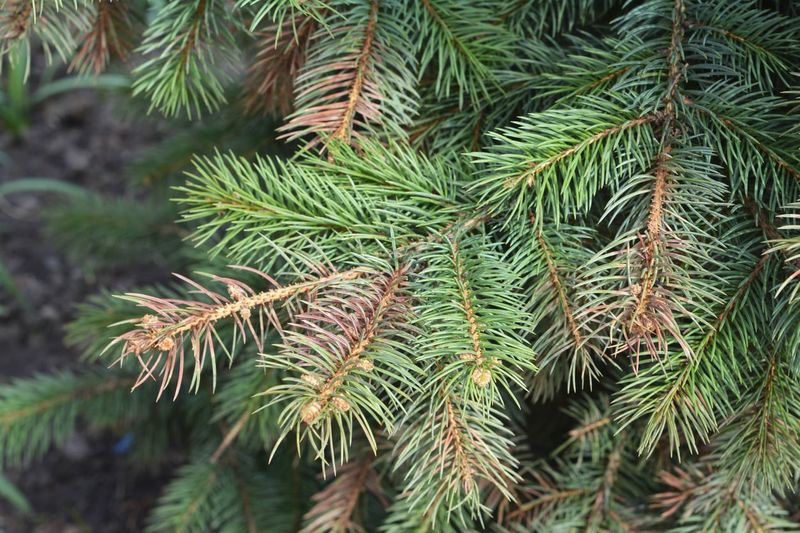
Fresh evergreen branches are essentially cut flowers, and they need water to stay vibrant and healthy-looking.
However, once a branch is severed from its tree, its ability to absorb water becomes limited and eventually stops altogether.
Within hours of cutting, the exposed end of the branch begins to seal itself with sap and resin.
This natural protective response prevents the branch from taking up any additional moisture, even if you place it in water.
Colorado’s dry climate makes this problem worse because the sealing process happens faster in low-humidity environments.
Your holiday greens arrive home already beginning to dehydrate, and they have no way to replenish their moisture reserves.
Wreaths and garlands are particularly vulnerable because they consist of many small branches wired or tied together.
None of these small pieces can effectively draw water from any source once they have been cut and arranged.
Some people try misting their decorations, but this only provides temporary surface moisture that evaporates quickly.
The internal structure of the needles and branches continues to dry out regardless of external treatments.
To maximize freshness, purchase or harvest your greens as close to display time as possible.
If you cut your own branches, make a fresh diagonal cut on the stem ends and immediately place them in water.
This gives the branches a few extra hours to absorb moisture before the cut seals completely.
For purchased wreaths and pre-made decorations, there is little you can do to restore water uptake, so focus instead on slowing moisture loss through humidity control and cool storage.
5. Intense Sunlight Through Windows
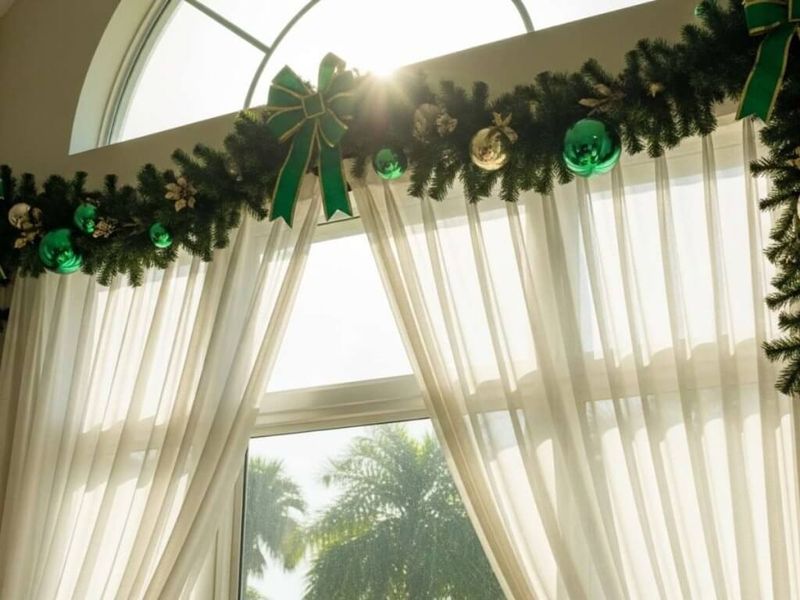
Colorado is blessed with approximately 300 days of sunshine per year, which residents absolutely love.
However, this abundant sunshine can be brutal on your indoor holiday decorations, especially during winter when the sun sits lower in the sky.
Sunlight streaming through windows carries both heat and ultraviolet radiation that damage fresh plant material.
When your evergreen wreath hangs in a sunny window or your garland drapes across a sunlit mantel, it is exposed to intense energy that accelerates deterioration.
The combination of light and heat causes needles to fade from rich green to yellowish-brown remarkably quickly.
UV rays break down chlorophyll and other pigments that give evergreens their characteristic color.
At the same time, the warmth from direct sunlight increases the rate at which moisture evaporates from the branches.
Even on cold winter days, a sunny spot near a window can become surprisingly warm, creating a hostile microclimate for fresh greens.
Colorado’s high altitude means UV radiation is more intense here than at lower elevations, compounding the problem.
Many homeowners do not realize that their beautiful sunny windows are actually the worst possible location for displaying evergreen decorations.
To protect your greens, choose display locations away from direct sunlight whenever possible.
North-facing windows receive less direct sun and are better choices for wreaths and swags.
If you must place decorations in sunny spots, consider rotating them with backup pieces stored in cool, dark places.
Closing curtains or blinds during the brightest part of the day can also help shield your greens from damaging rays and extend their festive appearance throughout the Christmas season.
6. Temperature Fluctuations Between Day And Night
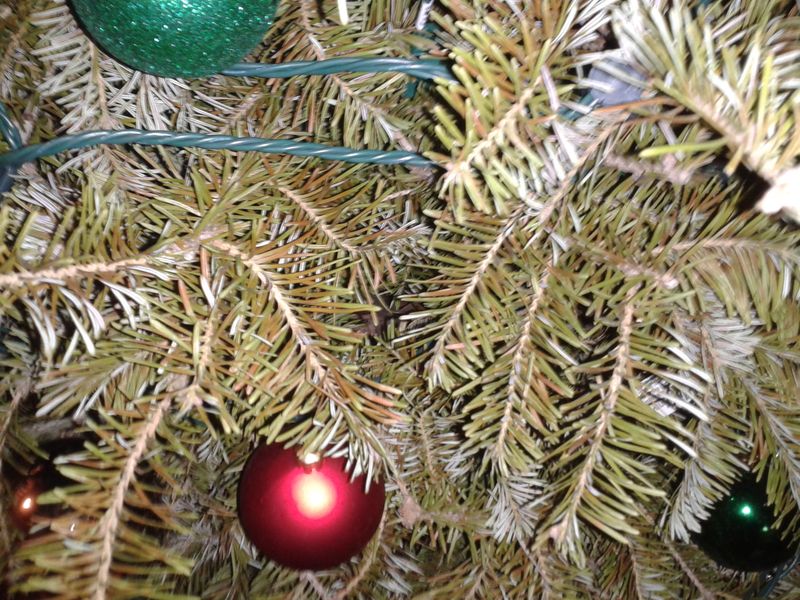
Colorado weather is notoriously unpredictable, with dramatic temperature swings happening within a single 24-hour period.
During December, it is not unusual for daytime temperatures to reach the 50s or even 60s Fahrenheit, then plummet below freezing at night.
These wild fluctuations do not just affect outdoor conditions; they also impact the environment inside your home.
When temperatures rise during the day, your heating system may shut off, allowing your home to cool down slightly.
At night, when temperatures drop sharply, the furnace runs constantly to maintain comfort.
This cycling between warmer and cooler conditions creates stress on fresh evergreen decorations.
Plant material responds to temperature changes by expanding and contracting at the cellular level.
Repeated cycles of warming and cooling damage the cell structure of needles and branches, causing them to deteriorate faster.
Additionally, temperature fluctuations can cause condensation to form on greens when warm air meets cooler plant surfaces.
This moisture then quickly evaporates in the dry indoor air, taking even more water from the plant tissue.
Homes in Colorado that experience significant temperature swings will see their holiday greens decline more rapidly than homes with stable indoor climates.
To minimize this effect, maintain as consistent a temperature as possible throughout your home during the holiday season.
Avoid placing decorations near drafty windows or doors where temperature variations are most extreme.
Insulating your home properly helps stabilize indoor conditions, which benefits both your comfort and your Christmas decorations.
7. Natural Resin And Sap Loss Over Time
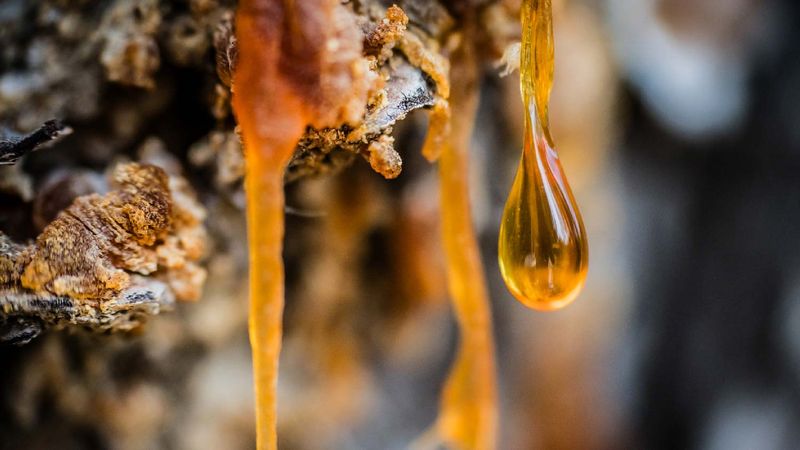
Evergreen trees produce resin and sap as part of their natural defense system against insects, disease, and environmental stress.
These sticky substances help seal wounds, prevent moisture loss, and protect the tree’s vascular system.
When branches are cut for holiday decorations, they contain a certain amount of stored resin and sap.
However, once separated from the tree, the branches can no longer produce new protective compounds.
Over time, the existing resin hardens and the sap dries up, leaving the needles and branches vulnerable to rapid dehydration.
In Colorado’s particularly dry climate, this natural protective coating breaks down even faster than in more humid regions.
As the resin depletes, the tiny pores on the needles, called stomata, can no longer regulate moisture loss effectively.
Water vapor escapes freely from the needles, causing them to shrivel and turn brown.
The aromatic scent that makes fresh evergreens so appealing actually comes from volatile compounds in the resin and sap.
When you notice your Christmas decorations losing their pleasant fragrance, it is a sign that the protective resins are depleting.
Different evergreen species have varying amounts of natural resin, which is why some types hold up better than others indoors.
Pine and fir branches typically contain more protective sap than spruce or cedar, making them slightly more resilient.
Unfortunately, there is no way to replenish the natural resins once they are gone.
Your best strategy is to start with the freshest possible greens and create conditions that slow their deterioration.
Colorado residents who understand this natural process can make better choices about which types of evergreens to use and when to replace their decorations for optimal holiday beauty.