Why Iowa Homeowners Are Being Urged To Leave Fallen Leaves In Place Until February
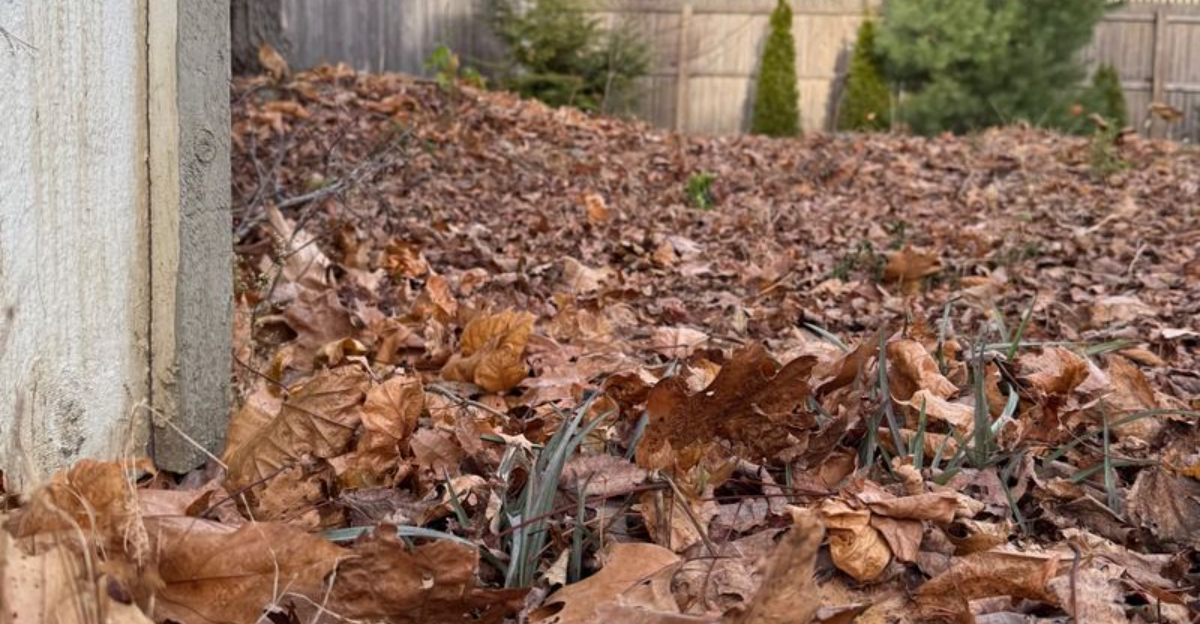
In Iowa, fall cleanup has long been treated like a race against winter.
Leaves fall, rakes come out, and yards are stripped bare before the first snowfall.
But experts are now urging homeowners to hit the brakes—and leave those fallen leaves in place until February.
What looks like a messy lawn is actually a protective blanket.
Leaves insulate soil, protect plant roots, and provide shelter for overwintering insects and pollinators.
In Iowa’s harsh winters, that layer of organic material can mean the difference between survival and collapse for countless beneficial species.
Removing leaves too early exposes soil to erosion, temperature swings, and nutrient loss.
It also disrupts insects that emerge in early spring, right when birds need them most.
Leaving leaves longer doesn’t mean abandoning your yard—it means working with seasonal rhythms instead of fighting them.
By waiting just a little longer, Iowa homeowners can improve soil health, support wildlife, and reduce spring maintenance.
Sometimes the best winter prep is knowing when not to clean up.
Fallen Leaves Insulate Beneficial Insects Over Winter
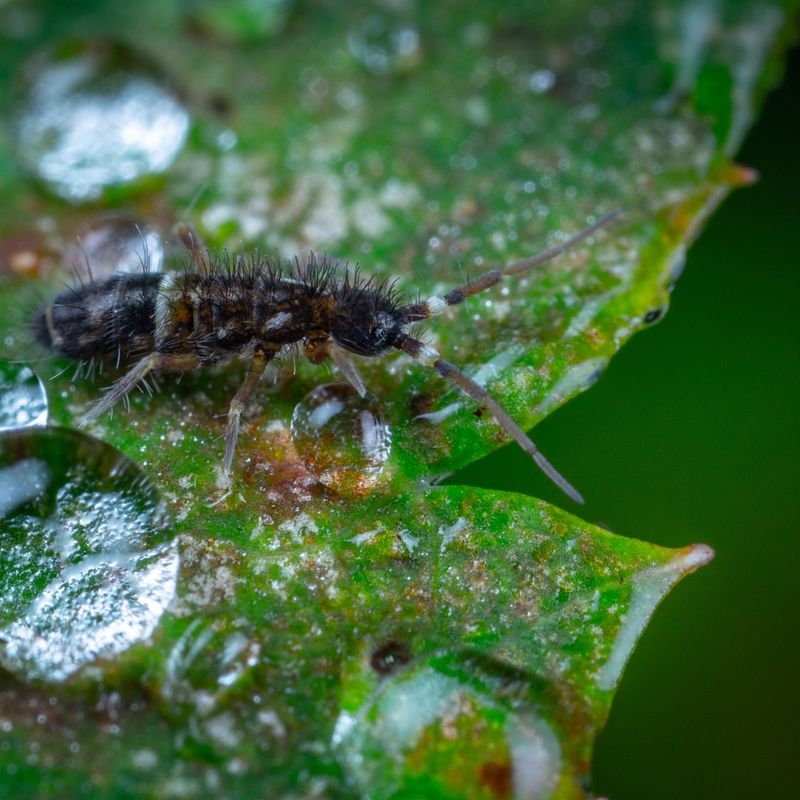
When autumn arrives and trees shed their colorful coats, those leaves become more than just yard debris.
They transform into cozy winter hotels for thousands of tiny creatures that keep Iowa gardens healthy and thriving.
Native bees, butterflies, moths, ladybugs, and countless other beneficial insects depend on leaf litter as their winter shelter.
Iowa’s brutal winter temperatures can plunge well below freezing for weeks at a time.
Without the insulating blanket of leaves, many of these helpful insects simply wouldn’t survive until spring.
The leaf layer acts like a warm sleeping bag, trapping heat from the soil and creating a stable microclimate that protects against harsh winds and bitter cold.
Research shows that up to 90% of certain native bee species and butterfly populations overwinter directly in or beneath leaf litter.
When homeowners rake away leaves in fall, they’re unknowingly removing the only protection these insects have.
The temperature swings Iowa experiences—from freezing nights to warmer days—can be especially harmful to exposed insects.
Think of your leaf pile as a neighborhood shelter during a storm.
Just as people need warm places to wait out blizzards, insects need that leaf cover to make it through Iowa’s long winters.
By leaving leaves in place until February, you’re giving these beneficial bugs the best possible chance to survive.
Come spring, they’ll reward your patience by pollinating your garden, controlling pests naturally, and keeping your yard ecosystem balanced and healthy.
It’s a small effort that creates a big impact for Iowa’s native wildlife.
Butterflies And Moths Overwinter Directly In Leaf Piles
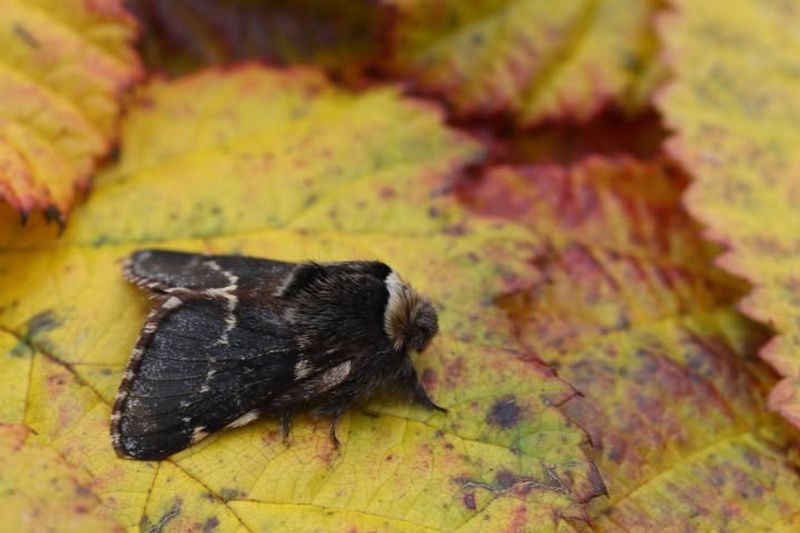
Picture a luna moth caterpillar tucked safely inside a curled oak leaf, waiting patiently for spring warmth to arrive.
This isn’t just a charming image—it’s exactly how many Iowa butterfly and moth species survive winter.
Species like swallowtails, mourning cloaks, and cecropia moths spend the coldest months as eggs, pupae, or larvae nestled within leaf litter.
These delicate life stages are completely immobile and utterly dependent on their leafy hideaways.
A swallowtail chrysalis attached to a twig buried in leaves has no way to escape if someone rakes that pile away.
The moment those leaves get bagged and hauled to the curb, any butterflies or moths inside are removed from your yard forever.
Timing matters enormously here.
Most of these species won’t emerge until temperatures consistently stay above freezing, which in Iowa typically happens in late February or early March.
Raking in October or November means removing them months before they have any chance to complete their life cycle.
Many homeowners don’t realize that the beautiful butterflies visiting their summer flowers actually spent last winter as tiny larvae in those very same leaves.
By cleaning up too early, you’re essentially preventing next year’s butterfly population from ever existing.
It’s like clearing out an apartment building while everyone’s still asleep inside.
Waiting until February gives these amazing insects time to transform and emerge naturally.
Once warmer weather arrives and they’ve safely left their winter homes, you can clean up leaves without harming them.
Your patience directly translates into more butterflies and moths gracing your Iowa garden next summer, creating that magical flutter of wings everyone loves to see.
Ground-Nesting Bees Rely On Undisturbed Leaf Cover

About 70% of native bee species in Iowa don’t live in hives—they nest underground.
These ground-nesting bees dig small tunnels in your yard’s soil where they lay eggs and store food for their young.
Once their nesting work is done in fall, they seal up their tunnels and depend on leaves above to protect their nurseries through winter.
Leaf cover acts as critical insulation for these underground bee homes.
The layer of leaves prevents soil from freezing too deeply and buffers against Iowa’s notorious freeze-thaw cycles.
When temperatures swing from 20 degrees one day to 45 degrees the next, exposed soil expands and contracts violently, crushing delicate bee tunnels and the larvae inside.
Raking leaves away in fall removes this protective barrier at exactly the wrong time.
The bees are already tucked in for winter, unable to relocate or rebuild.
Without their leafy blanket, the soil becomes vulnerable to every temperature swing, ice formation, and harsh wind that Iowa winter throws at it.
Many homeowners worry that leaving leaves will harm their lawn, but grass actually benefits from this natural mulch layer.
The leaves break down slowly, adding nutrients while protecting both grass roots and bee nests below.
It’s a win-win situation that requires nothing more than patience.
By February, the worst of Iowa’s temperature fluctuations have usually passed.
The ground begins stabilizing as spring approaches, and bee larvae are closer to emerging as adults.
Cleaning up leaves at this point is much safer for your underground bee neighbors.
These native bees are incredible pollinators—far more efficient than honeybees for many crops.
Protecting them through winter means enjoying better pollination, healthier gardens, and more productive vegetable plants come growing season.
Leaves Protect Plant Roots From Freeze–Thaw Damage
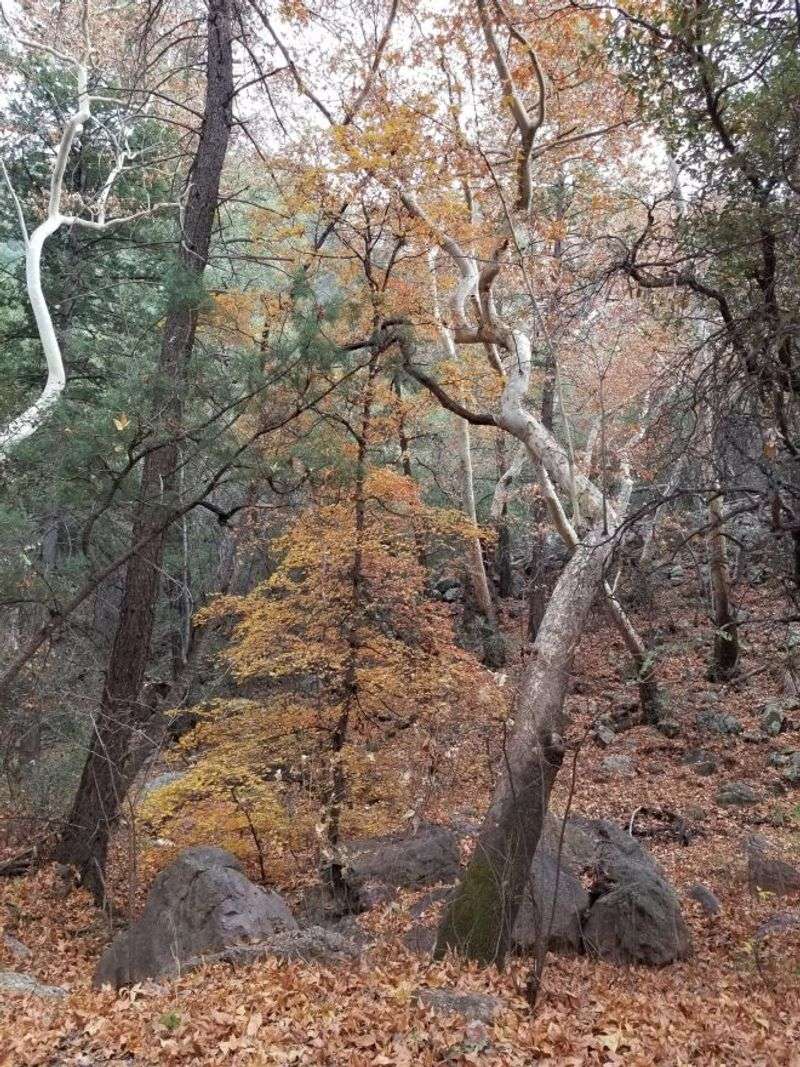
Your perennial flowers, shrubs, and garden plants face a serious winter threat that has nothing to do with cold temperatures alone.
It’s the constant back-and-forth between freezing and thawing that causes the most damage to plant roots and soil structure.
Iowa’s unpredictable winter weather creates perfect conditions for this destructive cycle, but fallen leaves offer an elegant natural solution.
When leaves blanket your garden beds, they function exactly like store-bought mulch—only better and completely free.
This organic layer insulates the soil, keeping temperatures more stable even when the air above swings wildly.
Plant roots stay protected in a consistently cool environment rather than experiencing the stress of repeated freezing and thawing.
The damage from freeze-thaw cycles happens when ice crystals form in soil and plant tissue.
As water freezes, it expands, physically tearing delicate root hairs and disrupting soil structure.
When it thaws, plants can be heaved right out of the ground, leaving roots exposed to drying winds and the next freeze.
Leaves prevent this by maintaining steady soil temperatures.
They also protect beneficial soil microbes—the tiny organisms that break down organic matter and make nutrients available to your plants.
These microbes go dormant in winter but can be harmed by extreme temperature swings just like plant roots can.
Gardeners often spend money on commercial mulch to protect their plants, not realizing that nature provides the perfect material for free every autumn.
Leaving leaves in place until February gives your perennials, bulbs, and shrubs maximum protection during the harshest months.
Come spring, partially decomposed leaves add valuable organic matter to your soil, improving its structure and fertility.
Your plants emerge healthier and stronger, ready to put on an amazing show.
Early Cleanup Reduces Spring Pollinator Populations
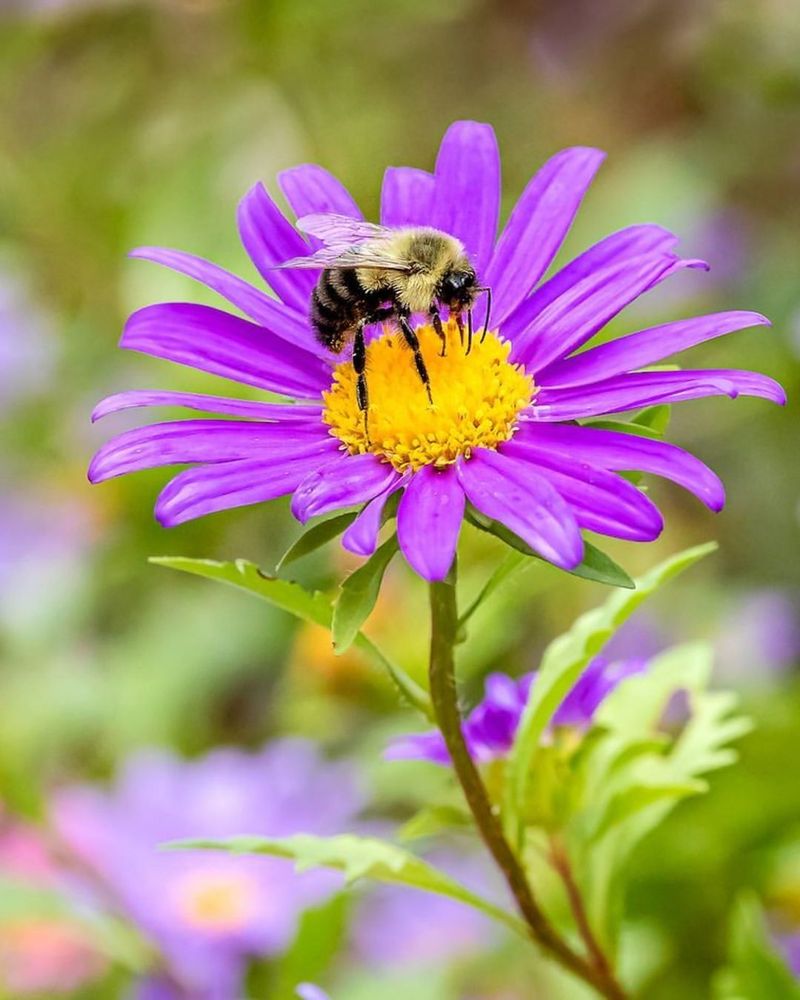
Imagine preparing your garden for spring planting, excited for flowers and vegetables to bloom.
Now imagine those plants sitting there with barely any pollinators to visit them.
This frustrating scenario becomes more likely when leaves get removed too early in fall, directly reducing the number of pollinators available when your garden needs them most.
The connection is straightforward but often overlooked.
When you rake away leaves in October or November, you’re removing the insects overwintering inside.
Fewer insects surviving winter means fewer pollinators emerging in spring, right when Iowa’s fruit trees, garden vegetables, and wildflowers begin blooming.
The timing creates a critical mismatch.
Apple trees might bloom in late April, but if the native bees that would pollinate them were removed with last fall’s leaves, those trees produce far less fruit.
Tomato and squash plants rely on bee pollination—no bees means hand-pollinating every flower yourself or accepting a disappointing harvest.
This isn’t just about your backyard garden.
Iowa’s agricultural economy depends heavily on pollination, from pumpkin patches to apple orchards to specialty crop farms.
When residential areas fail to provide overwintering habitat for native pollinators, it affects pollinator populations across entire regions.
Conservation experts estimate that leaving leaves until late winter can increase local pollinator populations by up to 30% or more.
Those are significant numbers that translate directly into better garden productivity and healthier ecosystems.
The insects that survive winter in your leaf piles don’t just stay in your yard—they range across neighborhoods, pollinating community gardens, parks, and farms.
By waiting until February to clean up, you’re essentially investing in your spring garden’s success.
You’re ensuring that when your plants need pollination services most, there’s a healthy population of bees, butterflies, and other beneficial insects ready to do the work.
February Timing Matches Insect Emergence Cycles
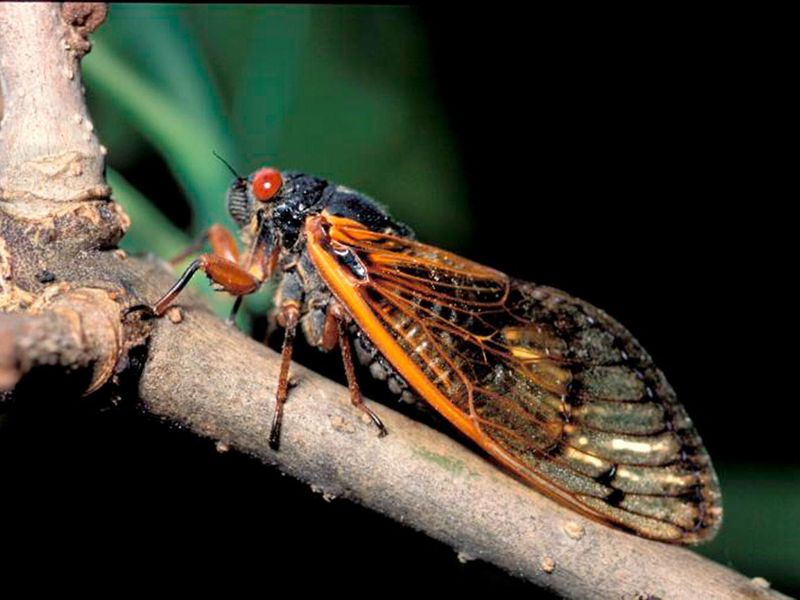
Scientists and conservation experts didn’t pick February randomly when recommending leaf cleanup timing.
This specific timeframe aligns perfectly with the natural life cycles of Iowa’s overwintering insects, giving them the best chance to emerge safely before cleanup begins.
Understanding why February works so well helps explain the importance of waiting.
Most beneficial insects overwintering in Iowa leaves remain dormant until consistent warming signals that spring has truly arrived.
In Iowa’s climate, this typically happens in late February or early March when daytime temperatures regularly climb above 50 degrees.
This warming triggers insects to complete their development and emerge from their winter shelters.
Cleaning up leaves in February means you’re working after the worst cold has passed but before most insects have emerged.
It’s a sweet spot in the calendar that balances yard maintenance needs with wildlife protection.
By this point, the risk of prolonged deep freezes has diminished significantly, so insects that do get disturbed during cleanup have much better survival odds.
Iowa State University Extension and various conservation organizations have studied insect emergence patterns specifically for the Midwest climate.
Their research consistently points to late winter as the safest cleanup window.
Waiting until February also means you’re working with partially decomposed leaves that are easier to handle and often don’t need to be removed entirely.
Some homeowners worry that February cleanup is too late, but lawns and gardens actually benefit from this timing.
Grass typically doesn’t begin active growth until March or April anyway, so February leaf removal still happens well before your lawn needs full sun.
Perennial beds protected by leaves through the coldest months emerge healthier and stronger.
This science-based timing recommendation gives you clear guidance that protects wildlife while still maintaining your yard.
It’s not about never cleaning up—it’s about cleaning up smart, at the time that works best for both your landscape and Iowa’s beneficial insects.
Leaving Leaves Reduces Yard Waste And Labor
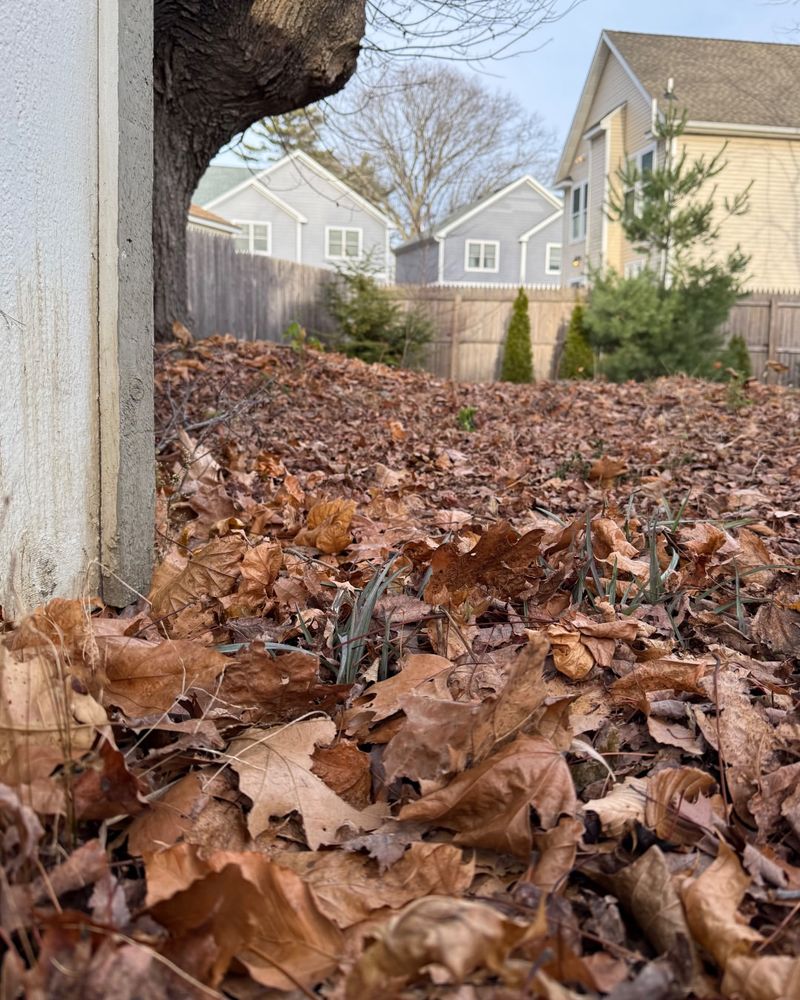
Beyond the wildlife benefits, waiting to remove leaves until February offers practical advantages that save you time, effort, and money.
Many homeowners discover that delayed leaf cleanup actually makes yard maintenance easier while providing environmental benefits that extend well beyond their property lines.
It’s one of those rare situations where doing less work creates better results.
Consider the typical fall leaf removal process: raking or blowing leaves into piles, stuffing them into countless bags, hauling those bags to the curb, and sending them off to landfills or municipal composting facilities.
This requires significant physical labor, uses plastic bags, and contributes to the millions of tons of yard waste that burden waste management systems every year.
By leaving leaves in place until February, you’re giving them time to partially break down naturally.
Winter weather, freeze-thaw cycles, and soil organisms begin decomposing leaves right where they fall.
When February arrives, you’ll often find that leaf volume has decreased by half or more, requiring fewer bags and less hauling.
Many leaves can simply be mowed over in late winter, chopping them into small pieces that quickly decompose and feed your lawn.
This approach, called grasscycling with leaves, returns valuable nutrients to your soil without any bagging or disposal needed.
You’re essentially creating free fertilizer while eliminating waste.
The environmental impact extends beyond your yard.
Reducing yard waste sent to landfills decreases methane emissions from decomposing organic matter in oxygen-poor landfill conditions.
Keeping leaves on your property supports natural nutrient cycling and improves soil health without chemical fertilizers.
Financially, you’ll save on bags, potential yard waste disposal fees, and fertilizer costs since decomposing leaves enrich your soil naturally.
You’ll also save hours of labor during busy fall months when many other outdoor tasks compete for your time.
Waiting until February means working in calmer conditions after the autumn rush, often with leaves that are easier to manage and more beneficial to leave in place.