Why January Is A Smart Time To Start Peas In Arizona Gardens
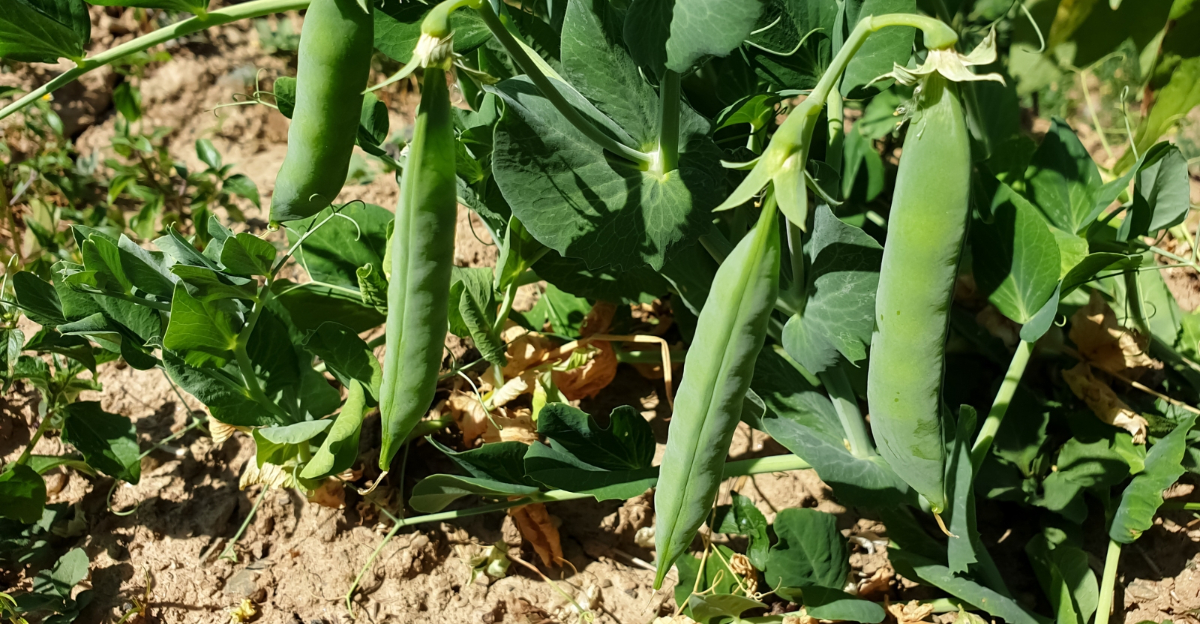
January might look quiet in Arizona gardens, but it creates one of the most forgiving and productive windows for starting peas.
Cool days and cold nights slow top growth just enough to let roots establish without stress.
Peas prefer steady, mild conditions, and Arizona’s January weather delivers exactly that before heat arrives too fast.
Starting now allows vines to grow strong and balanced instead of rushing once temperatures spike.
Soil moisture stays more consistent this time of year, which helps peas avoid the stop-and-start growth common in spring plantings.
What feels early on the calendar actually lines up perfectly with how peas are built to grow in desert climates.
By the time warmer weather sets in, January-planted peas are already established and flowering.
That head start often means better yields and fewer setbacks later.
In Arizona gardens, January planting turns peas into one of the easiest and most reliable cool-season crops.
1. Cool January Temperatures Support Strong Early Growth
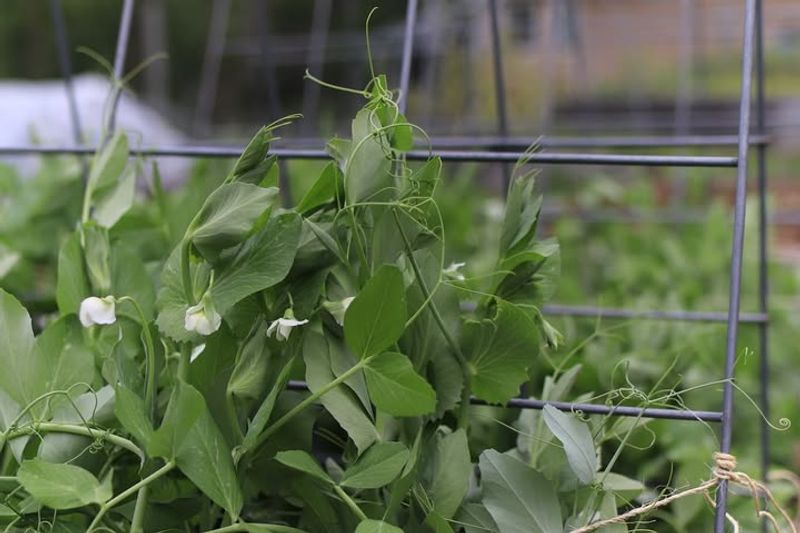
Peas are naturally wired to flourish when temperatures stay moderate, and that’s exactly what Arizona delivers in January.
Most regions across the state see daytime highs ranging from the mid-50s to low 70s, which is ideal for pea seedlings to sprout and establish themselves without stress.
Nighttime temperatures typically hover in the 30s and 40s, keeping the soil cool enough to prevent rapid bolting or premature flowering.
Gardeners in Phoenix, Tucson, and surrounding areas find that this month offers a sweet spot where plants can focus energy on developing strong root systems rather than rushing to produce pods.
Unlike summer planting, where heat forces plants to mature too quickly, January allows peas to grow at a steady, healthy pace. The cooler air also means less water evaporates from the soil, keeping moisture levels more consistent.
Arizona’s winter climate mimics the spring conditions that peas experience in other parts of the country, making January planting feel perfectly natural for these crops.
Plants grow sturdy stems and abundant foliage during this period, setting the foundation for a productive harvest later.
This temperature advantage gives Arizona gardeners a head start that few other states can match during winter months.
2. Peas Handle Light Frost Better Than Heat
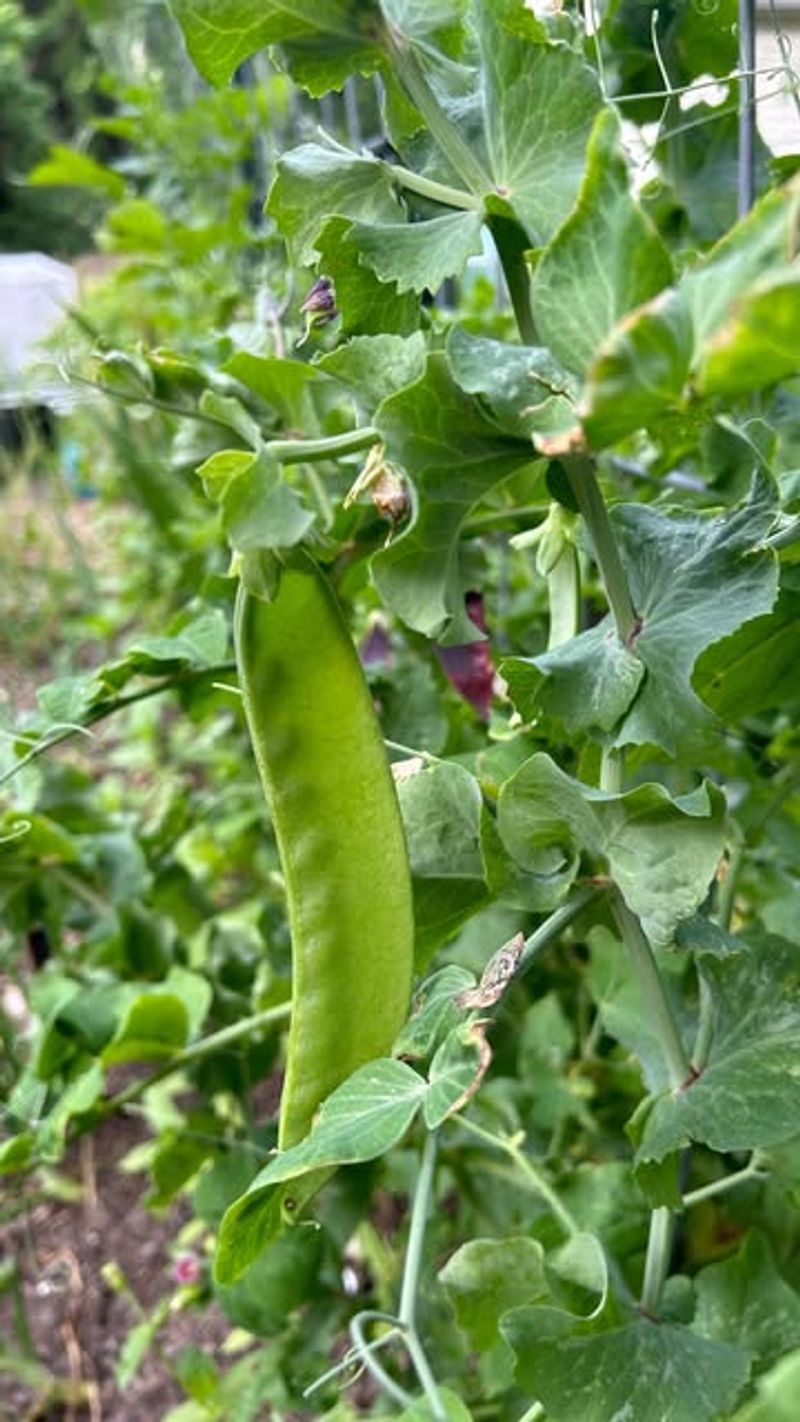
One of the remarkable traits of pea plants is their ability to tolerate chilly mornings without suffering damage.
Arizona occasionally experiences light frost events in January, especially in higher elevation areas and northern regions, but peas can handle brief dips into the upper 20s with minimal impact.
Their cell structure is naturally resilient to cold, allowing them to bounce back quickly once the sun warms things up.
Heat, on the other hand, is a different story entirely. When temperatures climb above 80 degrees consistently, pea plants struggle significantly.
They stop producing flowers, existing pods become tough and bitter, and the entire plant begins to decline rapidly. Arizona summers are absolutely brutal for cool-season crops like peas, making winter planting the only viable option.
Gardeners throughout the state have learned that a little frost is far less damaging than even a few days of excessive warmth.
Young pea plants can withstand overnight temperatures that would concern some growers, then continue growing vigorously the next day.
This cold tolerance is built into their genetics, evolved over centuries of growing in temperate climates. January provides the perfect balance where frost risk exists but remains manageable, while heat stress is completely off the table for several months ahead.
3. Early Planting Avoids Spring Heat Stress
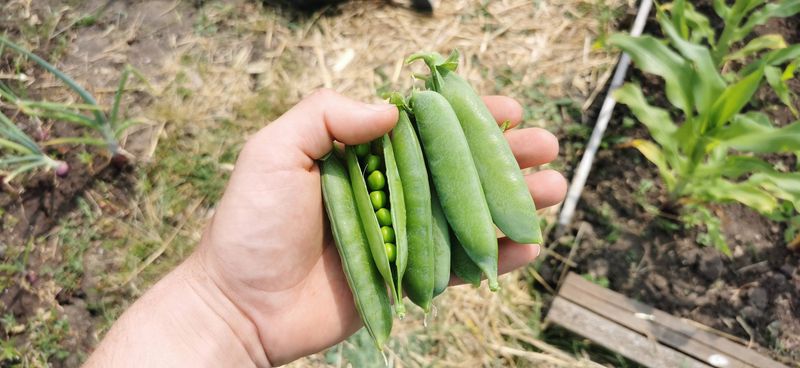
Timing your planting in January gives pea plants a crucial advantage by allowing them to complete most of their growth cycle before Arizona’s intense heat arrives.
By mid-March through April, temperatures across the state begin climbing rapidly, and peas planted too late will struggle to produce before conditions become unbearable. Starting in January means your plants have two to three full months of favorable weather to grow, flower, and set pods.
Many Arizona gardeners who wait until February or March find their pea harvests disappointingly small because the plants simply run out of time.
The sudden temperature spikes that characterize Arizona springs can stop pod production almost overnight.
Plants that seemed healthy and productive one week can look stressed and finished the next when an unexpected warm spell hits.
January planting creates a buffer against this unpredictability.
Your peas will be well-established with mature root systems by the time warmer weather threatens.
They’ll have already started flowering and setting pods, giving you a harvest window that extends into early spring rather than barely beginning.
This strategic timing is what separates successful Arizona pea growers from frustrated ones.
The desert climate doesn’t give second chances once heat arrives, so getting ahead of the curve in January is essential for maximizing your crop.
4. Winter Soil Moisture Helps Seeds Establish
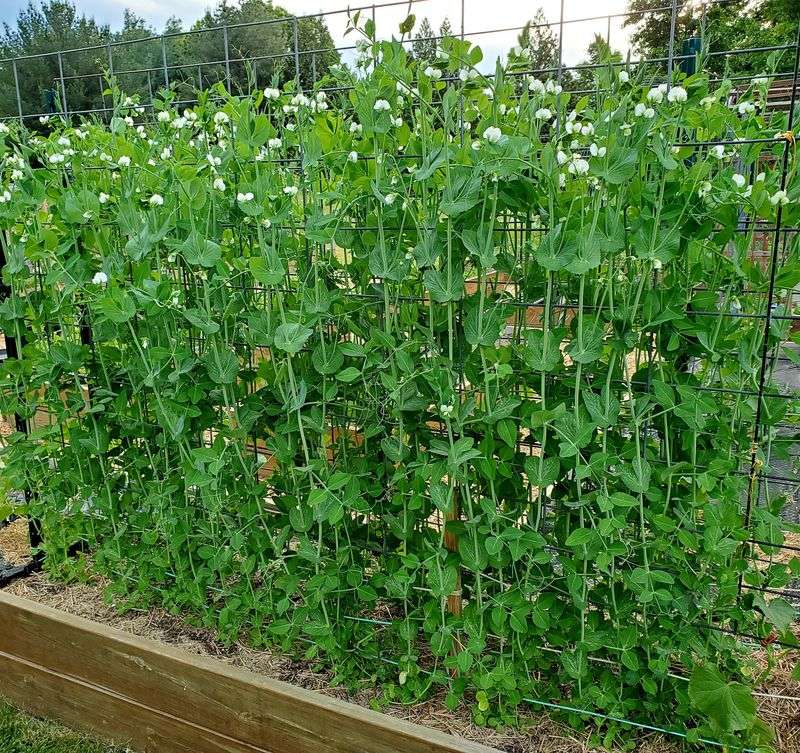
Arizona’s winter months bring occasional rainfall and cooler temperatures that naturally help soil retain moisture much longer than during other seasons.
This environmental advantage makes January an excellent time for seed germination because the soil doesn’t dry out as quickly between waterings.
Pea seeds need consistent moisture to swell, crack their seed coat, and send out their first roots, and winter conditions support this process beautifully.
Gardeners across the state find that seeds planted in January require less frequent watering compared to summer plantings, where daily irrigation might be necessary.
The combination of lower evaporation rates and occasional winter storms creates a more forgiving environment for new seedlings. Soil stays workable and moist without becoming waterlogged, providing ideal conditions for root development.
This natural moisture balance also reduces the risk of seeds rotting before they sprout, a common problem when soil stays too wet for too long.
Arizona’s well-draining desert soils combined with winter’s moderate moisture levels create perfect germination conditions.
Young seedlings establish themselves with less stress, developing strong root systems that will support vigorous growth later.
The moisture advantage of January planting sets your peas up for success right from the start, giving them the hydration they need without the constant attention required during hotter months.
5. January Sunlight Is Gentle But Sufficient
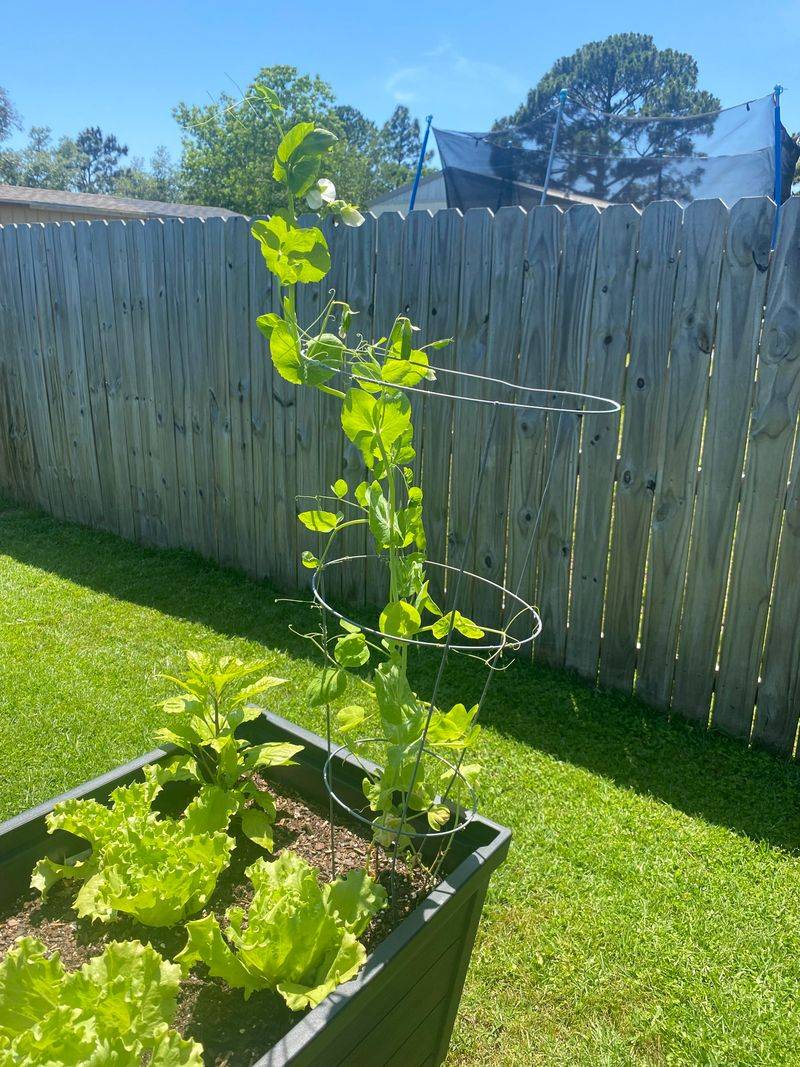
Winter sunlight in Arizona provides an interesting balance that works perfectly for establishing pea plants.
The sun sits lower in the sky during January, creating less intense rays that won’t scorch tender young seedlings the way summer sun does.
This gentler light still provides plenty of energy for photosynthesis and growth, but without the harsh intensity that can stress plants.
Pea plants need good light to thrive, but they don’t require the blazing sunshine that desert summers deliver.
The moderate light levels of January allow plants to grow steadily without experiencing leaf burn or excessive water loss through their foliage. Arizona gardeners appreciate this because it means less shading or protection is needed for young plants.
Day length in January also works well for peas, providing around ten hours of daylight that encourages vegetative growth before flowering begins. As days gradually lengthen through February and March, plants naturally transition into their flowering and pod production phase.
This progression aligns perfectly with pea plant biology, allowing them to follow their natural growth pattern. The quality of Arizona’s winter sunlight supports healthy, green foliage development without pushing plants to mature too rapidly.
It’s strong enough to fuel growth but gentle enough to keep plants comfortable, creating ideal conditions that would be impossible to replicate during any other season in the state.
6. Fewer Pests Are Active This Time Of Year
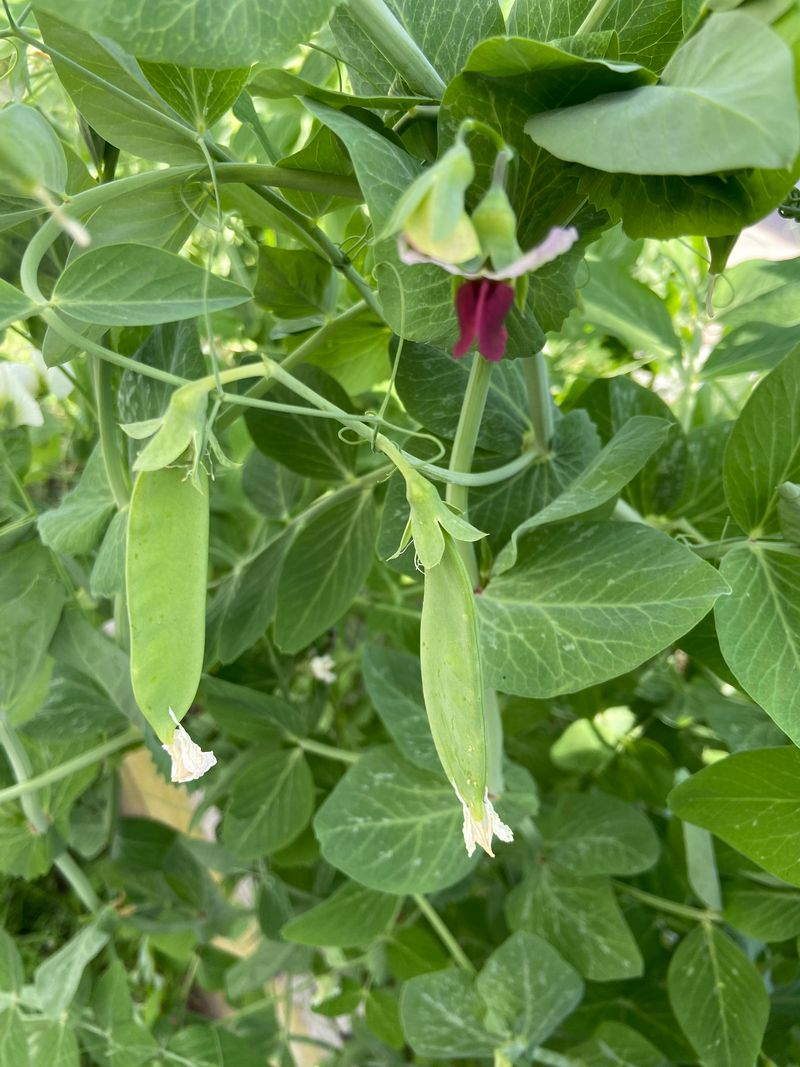
January’s cooler temperatures across Arizona bring a welcome reduction in insect activity, giving your pea plants a chance to establish themselves without immediate pest pressure.
Aphids, spider mites, and other common garden insects that plague summer crops are largely dormant or significantly less active during winter months.
This natural lull in pest populations means your seedlings can focus on growing rather than recovering from insect damage.
Gardeners throughout the state know that summer planting often requires constant vigilance against pests that can decimate young plants within days. Winter planting flips this script entirely, offering weeks where pest problems are minimal or nonexistent.
By the time insect populations begin increasing in spring, your pea plants are already mature and robust enough to tolerate some pest presence without serious harm.
The cooler weather also slows down the reproduction cycles of many pests, preventing the explosive population growth that occurs during warm months.
Arizona’s winter environment simply doesn’t support the rapid pest multiplication that makes summer gardening so challenging.
This pest advantage of January planting reduces the need for interventions and allows for a more hands-off growing experience.
Your peas can develop strong, healthy growth during their most vulnerable seedling stage without battling swarms of hungry insects, setting them up for success throughout their entire growing season.
7. Roots Develop Better Before Rapid Warming
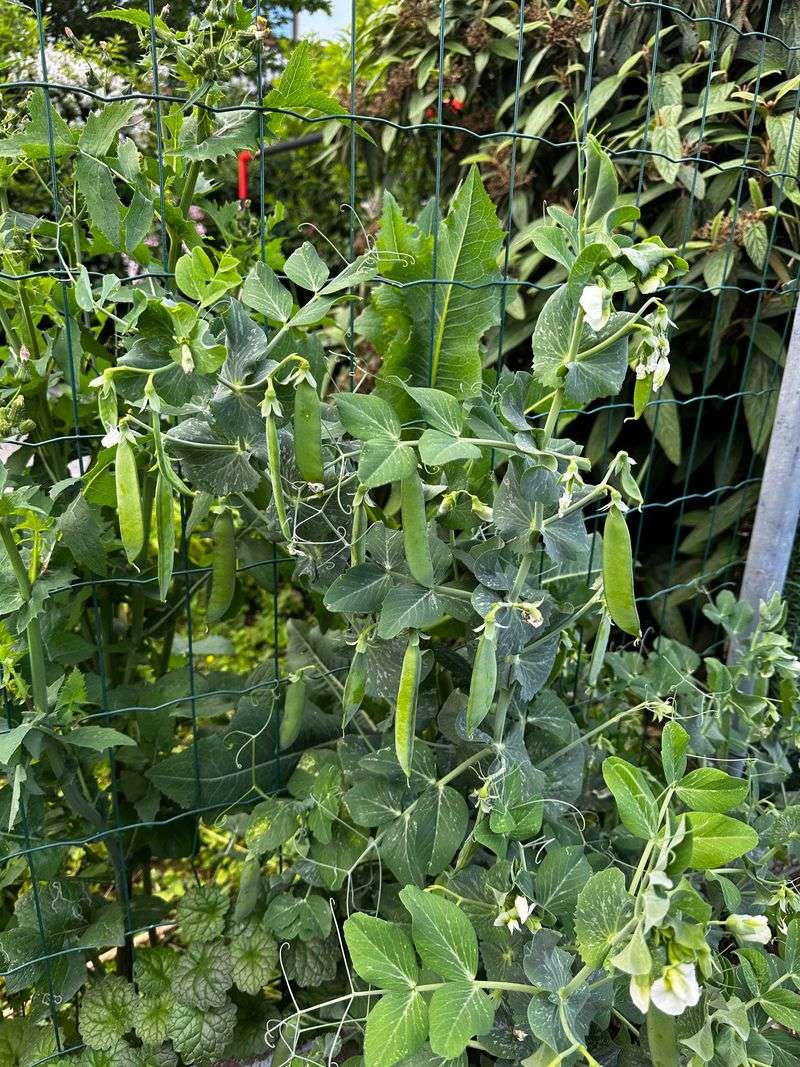
Root system development is absolutely critical for pea plant success, and January’s cool soil temperatures encourage strong, extensive root growth.
When soil stays cool, pea plants naturally invest more energy into building robust underground structures rather than rushing to produce above-ground growth.
This creates plants with deep, well-branched root systems that can access water and nutrients efficiently throughout their life cycle.
Arizona’s unique climate means that once soil temperatures begin rising in spring, plant growth shifts dramatically toward flowering and pod production.
Plants that started in January have already established extensive root networks by this time, giving them a solid foundation to support heavy pod loads. Late-planted peas simply don’t have time to develop these strong roots before warm weather forces them into reproductive mode.
Gardeners across the state notice that January-planted peas show better drought tolerance and overall vigor compared to later plantings. The extensive root systems developed during cool months allow plants to find moisture deeper in the soil profile as surface layers dry out.
These roots also support better nutrient uptake, resulting in healthier, more productive plants.
The cool soil conditions of January essentially give your peas a head start on building the underground infrastructure they’ll rely on for months to come, making this timing crucial for achieving the best possible harvest in Arizona gardens.
8. Earlier Planting Leads To Earlier Harvests
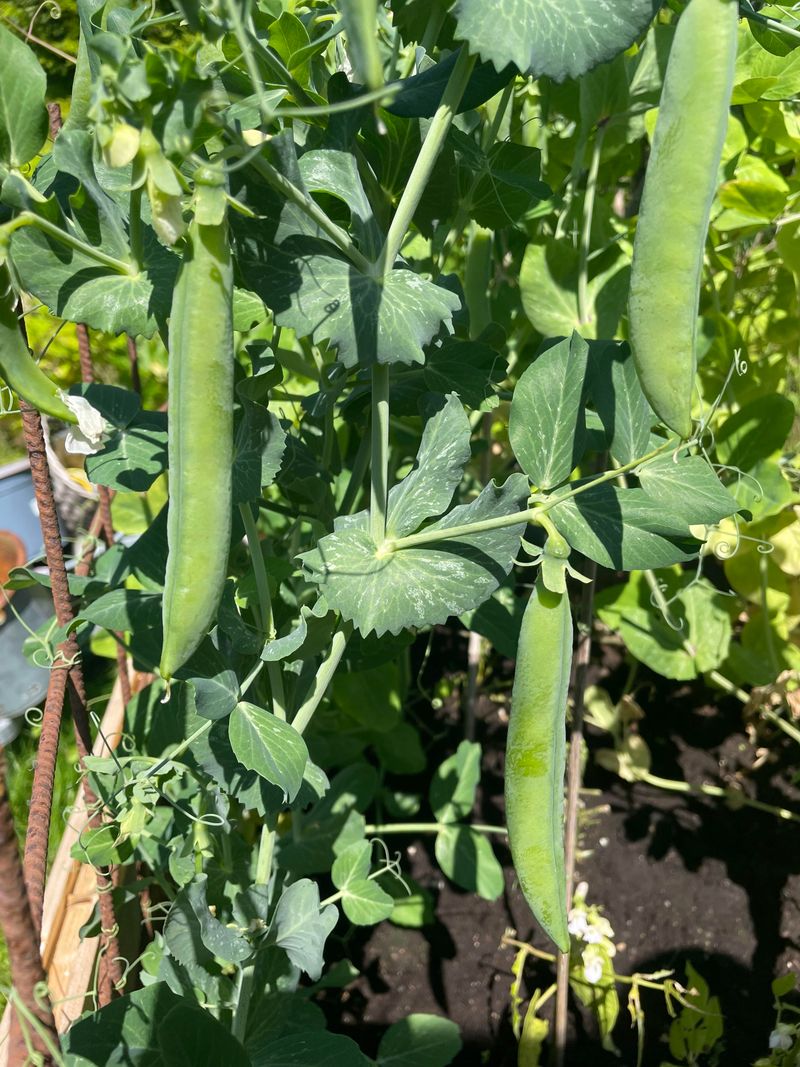
Getting peas in the ground during January means you’ll be harvesting fresh pods weeks before gardeners who waited until later months.
This timing advantage is significant in Arizona, where the growing season for cool-season crops is compressed by the early arrival of hot weather. January planting can result in harvests beginning in late March or early April, giving you a substantial head start.
Fresh peas from your own garden are a special treat, and having them ready earlier extends the time you can enjoy this crop before heat makes further production impossible.
Arizona gardeners who plant in January often get multiple harvests from their pea plants, picking pods continuously for several weeks.
Those who delay planting might only get one or two pickings before plants succumb to rising temperatures.
The early harvest also means you can clear your pea plants and transition that garden space to warm-season crops sooner. This efficient use of limited growing space is valuable in Arizona, where careful crop rotation and succession planting make the most of your garden beds year-round.
January planting essentially maximizes your pea production window, squeezing every possible harvest out of the favorable weather before summer arrives.
The satisfaction of eating homegrown peas in early spring, knowing you planned and timed everything perfectly for Arizona’s unique climate, makes the January planting effort absolutely worthwhile.
9. Plants Finish Strong Before Extreme Heat Arrives
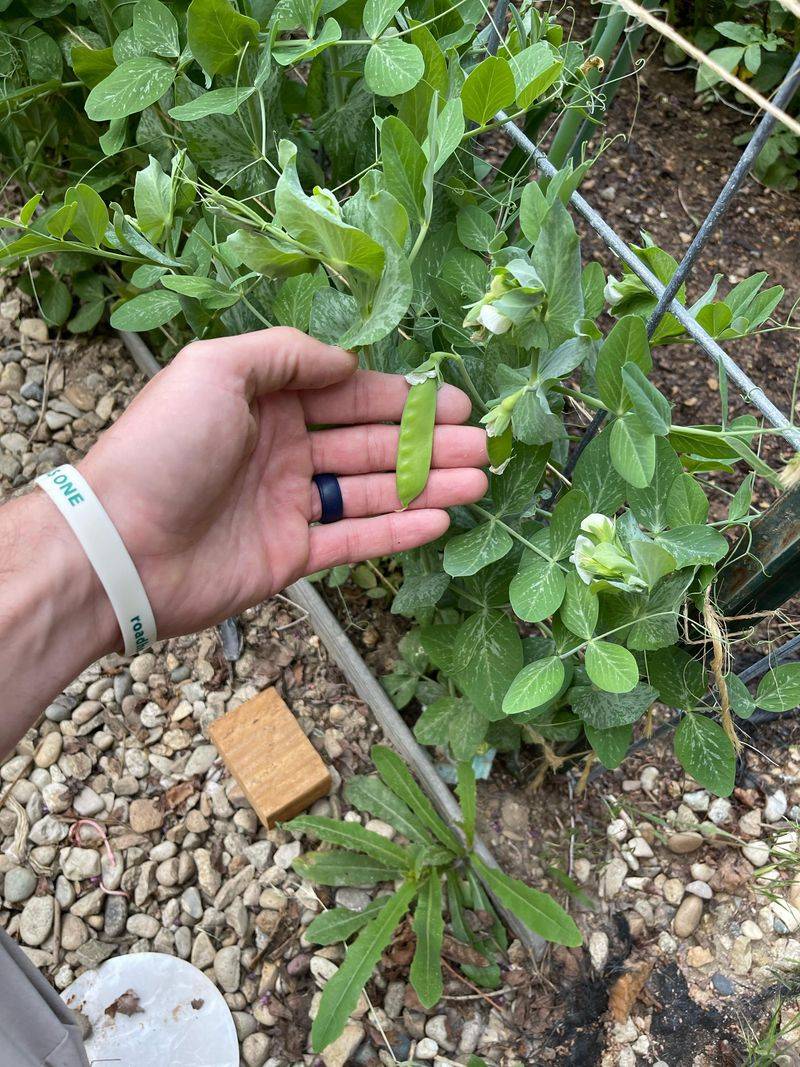
Perhaps the most compelling reason to plant peas in January across Arizona is that it allows plants to complete their entire productive life cycle before summer’s punishing temperatures arrive.
Peas are cool-season crops that naturally decline once heat becomes intense, so timing their growth to finish before May is essential. January planting gives you the maximum possible growing window within Arizona’s climate constraints.
Plants that start in January typically reach peak production in April, when temperatures are warming but haven’t yet become unbearable. They’ll continue producing pods through late April and sometimes into early May, depending on your specific location within the state.
By the time extreme heat finally arrives, your plants will have given you everything they can, and you can remove them without regret.
This timing means you get to see your pea plants at their absolute best, producing abundantly during their prime rather than struggling through marginal conditions.
Arizona gardeners know that working with the climate rather than against it leads to much better results and less frustration. January planting aligns perfectly with what peas need and what Arizona’s weather provides, creating a harmonious growing experience.
Your plants will finish their season looking tired but accomplished, having produced a generous harvest, rather than stressed and defeated by heat they were never meant to endure.