Why January Is The Perfect Time To Plant Peas In Georgia Gardens
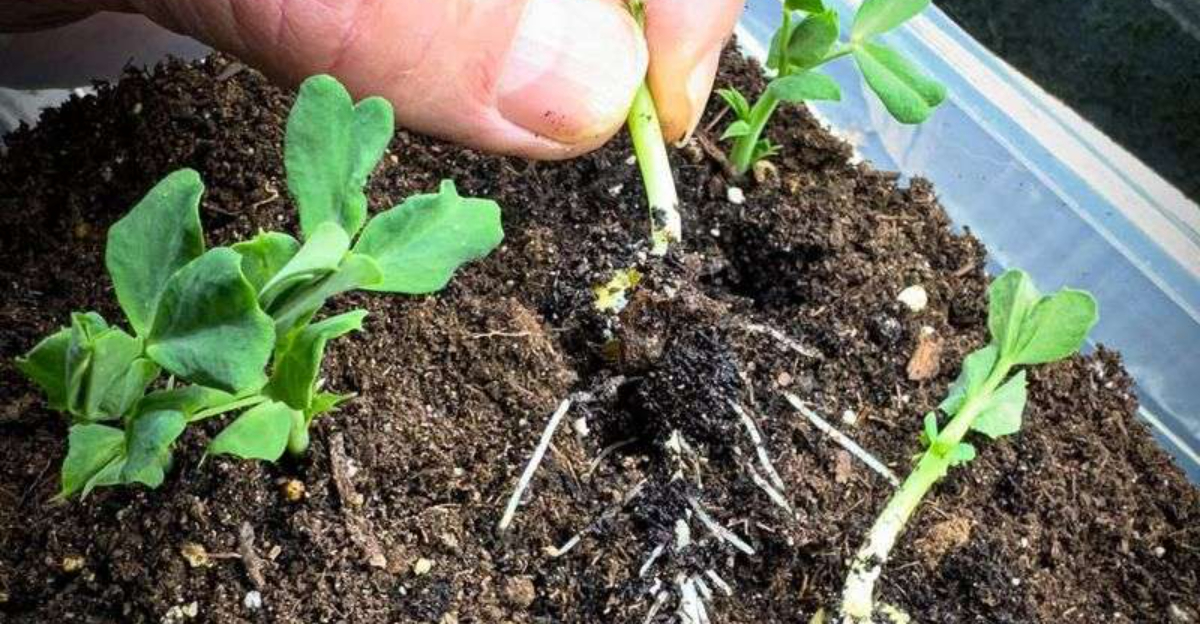
January may feel quiet in Georgia gardens, but it is actually the perfect month to plant peas. Cool-season crops thrive in the mild winter weather, giving peas a head start before spring temperatures rise.
Early planting ensures stronger plants, healthier roots, and an earlier, more abundant harvest. Start your peas now and enjoy fresh, sweet pods sooner than you think.
Planting in January allows seeds to germinate in cool, moist soil, reducing the risk of pests and disease. Gardeners can also stagger planting to extend the harvest and enjoy fresh peas for weeks.
Proper spacing, soil preparation, and consistent watering help plants grow vigorously and produce maximum yields. Timing is everything for a bountiful pea crop in Georgia.
Homeowners who plant peas in January set their gardens up for success and a rewarding spring harvest. Get ahead of the season and grow delicious, homegrown peas.
Peas Thrive In Cool Georgia Winter Temperatures
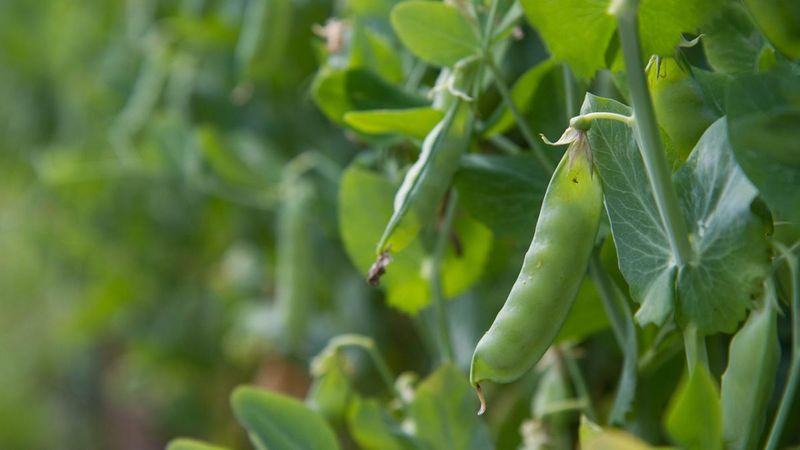
Georgia’s January weather creates a sweet spot for pea cultivation that’s hard to beat during any other time of year.
Air temperatures typically hover between 40°F and 70°F throughout the month, which happens to be the exact range where pea plants perform their best.
Unlike heat-loving vegetables such as tomatoes or peppers, peas actually struggle when temperatures climb too high.
When you plant peas in January, they get to establish their root systems during mild conditions that encourage steady, healthy growth. The plants don’t experience the stress that comes with blazing summer sun or scorching temperatures.
Instead, they can focus all their energy on developing strong stems, abundant foliage, and eventually those delicious pods you’re waiting for.
Cool weather also means the plants can photosynthesize efficiently without losing excessive moisture through their leaves. This natural advantage helps your pea plants stay hydrated and vigorous.
The moderate temperatures prevent the rapid bolting that occurs when peas face heat stress, ensuring your plants remain productive for a longer period.
Georgia gardeners who take advantage of January’s cool climate often report healthier plants with better overall yields. The combination of comfortable daytime warmth and cooler nights creates ideal growing conditions that simply can’t be replicated later in the season.
Soil Is Usually Workable During Georgia Winters
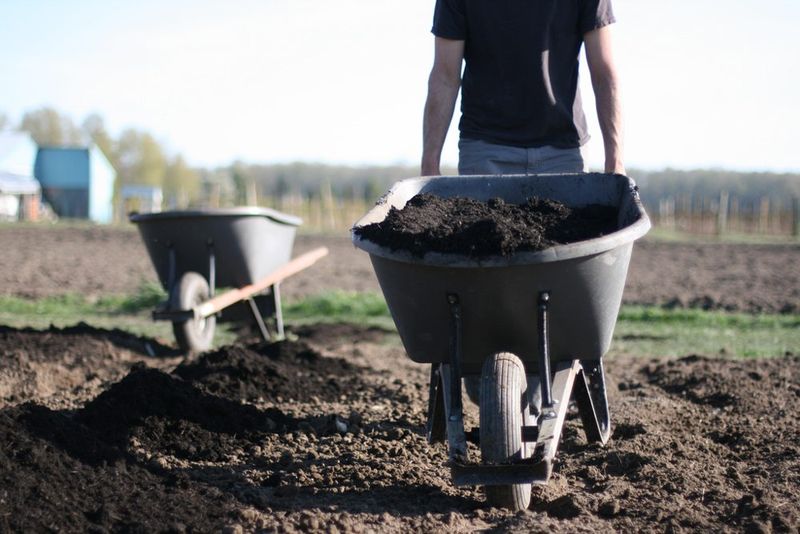
One of the biggest advantages Georgia gardeners enjoy is the relatively mild winter climate that keeps soil in excellent working condition.
Unlike northern states where the ground freezes solid for months, most regions of Georgia experience only occasional surface freezing during January. This means you can typically dig, till, and plant without waiting for a spring thaw.
Workable soil allows you to direct seed your peas right into the garden bed without any complicated workarounds. The soil texture remains loose enough to accept seeds easily, and the moisture content is usually just right for proper seed-to-soil contact.
When soil conditions are ideal, germination rates improve dramatically because seeds can absorb water and begin sprouting without delay.
The ability to work your soil in January also gives you a head start on soil preparation and amendments. You can mix in compost, adjust pH levels, and create the perfect growing environment while other gardeners are still waiting for warmer weather.
This extra preparation time often translates into stronger plants and better harvests down the road.
Even during colder January weeks, Georgia’s soil typically warms up quickly during sunny afternoons, creating perfect conditions for seed germination.
This natural warming cycle helps pea seeds sprout reliably and establish themselves before the growing season truly kicks into high gear.
Early Planting Leads To Earlier Spring Harvests
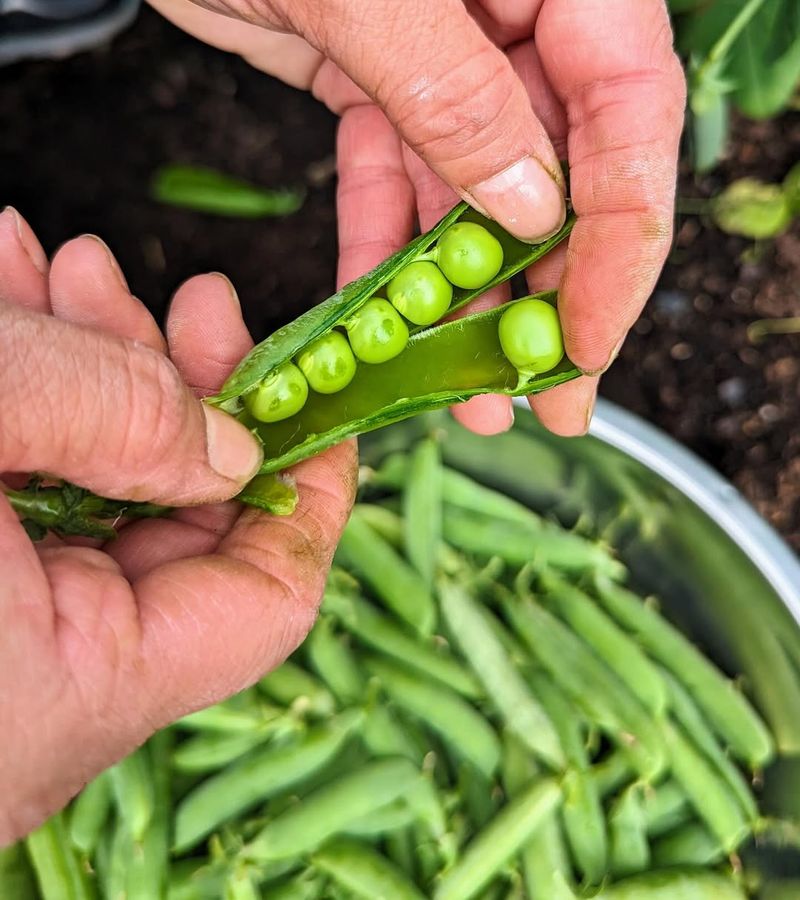
Imagine stepping into your garden in early spring and picking fresh, crisp pea pods while your neighbors are just starting to plant their warm-season vegetables. That’s the beautiful reward of January pea planting in Georgia.
By getting your seeds in the ground during winter, you’re setting yourself up for harvests that arrive weeks earlier than traditional spring plantings.
Peas planted in January typically begin forming pods by late March or early April, depending on the specific variety you choose.
This early production window means you’ll enjoy fresh garden vegetables when they taste absolutely incredible and when grocery store prices for fresh produce are still relatively high.
There’s something deeply satisfying about harvesting homegrown food while spring is just beginning to unfold.
Early harvests also give you more flexibility in your overall garden planning. Once your pea plants finish producing, you can clear the space and use it for warm-season crops like tomatoes, squash, or beans.
This efficient use of garden real estate maximizes your growing area and extends your harvest season considerably.
The quality of early-season peas tends to be exceptional because the plants mature during cool weather that enhances sweetness and tenderness.
Your family will notice the difference in flavor, and you’ll appreciate having fresh vegetables on the table before summer’s bounty even begins.
Cool Weather Reduces Common Pest Pressure
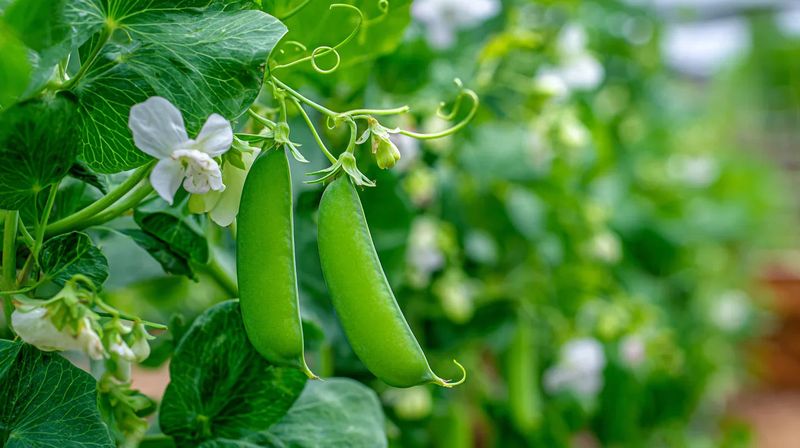
January planting gives your pea plants a remarkable advantage when it comes to avoiding the insect troubles that plague warm-season gardens.
Most common garden pests remain dormant or inactive during Georgia’s winter months, which means your young pea seedlings can establish themselves without facing immediate threats from hungry insects.
This natural pest-free window is like getting a protective shield for your plants during their most vulnerable early growth stage.
Aphids, spider mites, and other sap-sucking insects that love to attack pea plants typically don’t become active until temperatures warm up considerably.
By the time these pests emerge in spring, your pea plants have already developed strong root systems and sturdy stems that can better withstand minor pest pressure. The head start makes a tremendous difference in overall plant health and productivity.
Cool weather also means beneficial insects like ladybugs and lacewings are still around in small numbers, ready to handle any early pest arrivals. This natural balance helps keep your garden ecosystem healthy without requiring chemical interventions.
You’ll spend less time worrying about pest control and more time enjoying the gardening process.
The reduced pest pressure during winter planting often results in cleaner foliage and better photosynthesis throughout the growing season. Your plants can dedicate their energy to growth and pod production rather than recovering from insect damage.
Peas Improve Soil Nitrogen Levels
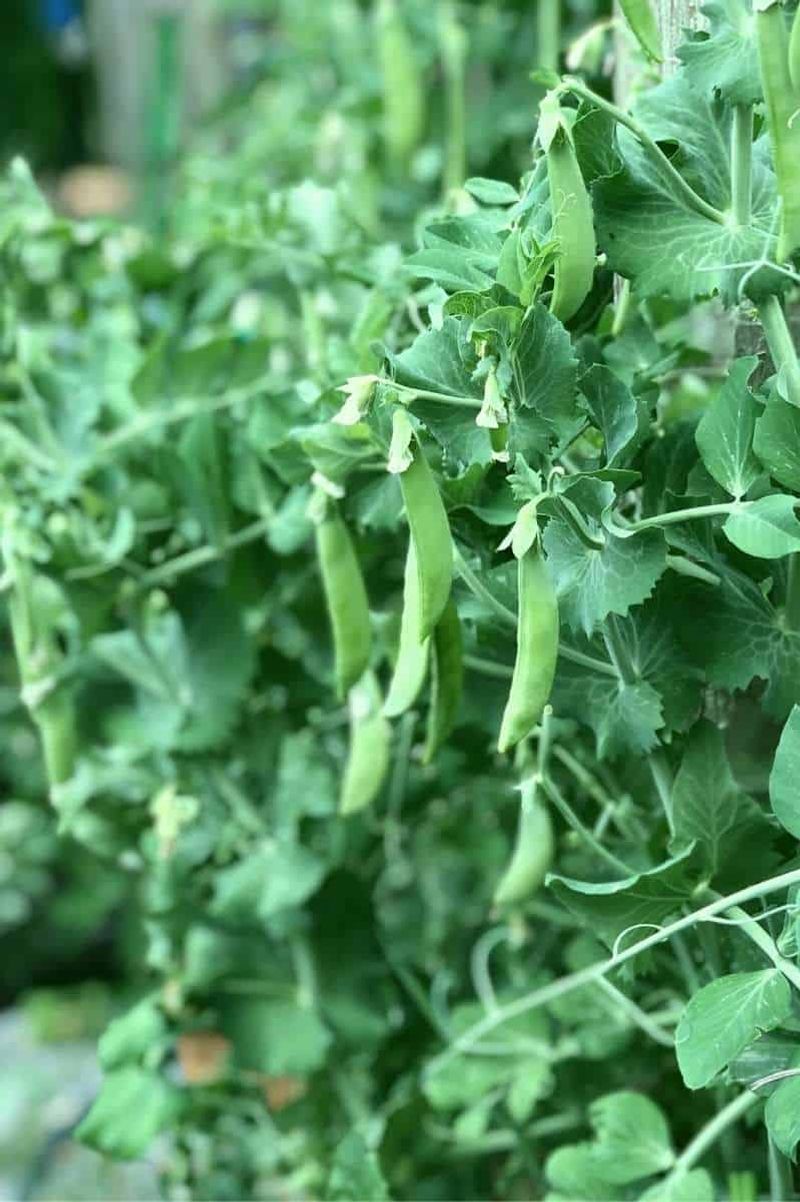
Peas belong to a special family of plants called legumes, and they possess an almost magical ability to improve your garden soil while they grow.
Through a fascinating partnership with beneficial bacteria, pea roots develop small nodules that capture nitrogen from the air and convert it into a form that plants can use.
This natural process, called nitrogen fixation, essentially creates free fertilizer for your garden.
When you plant peas in January, they begin forming these nitrogen-rich root nodules early in their growth cycle. As the plants mature and eventually finish producing, you can cut them off at ground level and leave the roots in the soil.
Those roots will decompose and release their stored nitrogen, enriching the soil for whatever vegetables you plant next in that space.
This soil improvement benefit is particularly valuable for Georgia gardeners planning to follow their peas with nitrogen-hungry crops like tomatoes, peppers, or leafy greens.
You’re essentially preparing your garden beds naturally, reducing the need for synthetic fertilizers and building healthier soil over time. The improved soil structure and fertility will benefit your entire garden for months to come.
Many experienced gardeners consider peas an essential part of crop rotation specifically because of their nitrogen-fixing abilities. By including peas in your January planting schedule, you’re investing in long-term soil health while also growing delicious vegetables for your kitchen.
Spring Heat Arrives Quickly In Georgia
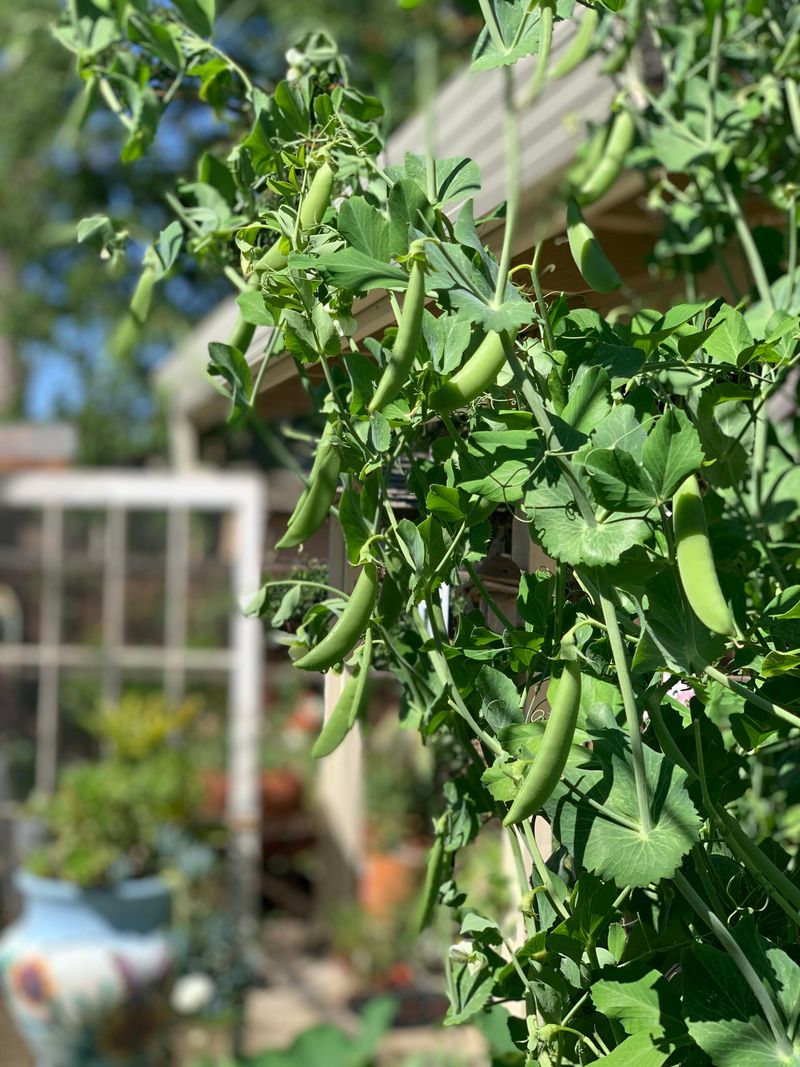
Georgia’s climate has a personality all its own, and one of its most notable characteristics is how rapidly spring temperatures can climb. What feels like comfortable weather in March can suddenly shift to summer-like heat by late April or early May.
For pea plants, which prefer cooler conditions, this quick temperature transition can spell trouble if you haven’t planned ahead with early planting. Peas are particularly sensitive to heat when it comes to flowering and pod formation.
Once temperatures consistently reach the upper 70s and beyond, pea plants often stop producing flowers, and existing pods may develop a tough, starchy texture instead of remaining sweet and tender.
The plants essentially decide to shut down production because the conditions no longer suit their biological needs.
By planting in January, you give your peas a generous window to grow, flower, and produce pods before Georgia’s heat arrives in full force. This timing strategy maximizes your harvest potential and ensures you get the most productivity from each plant.
Your peas will have completed most of their pod formation during ideal temperature ranges, resulting in better quality and quantity.
Gardeners who wait until March or April to plant peas often find themselves disappointed with minimal harvests because the plants simply don’t have enough cool weather time to perform well. January planting sidesteps this frustration entirely and sets you up for genuine success.
January Rainfall Supports Germination
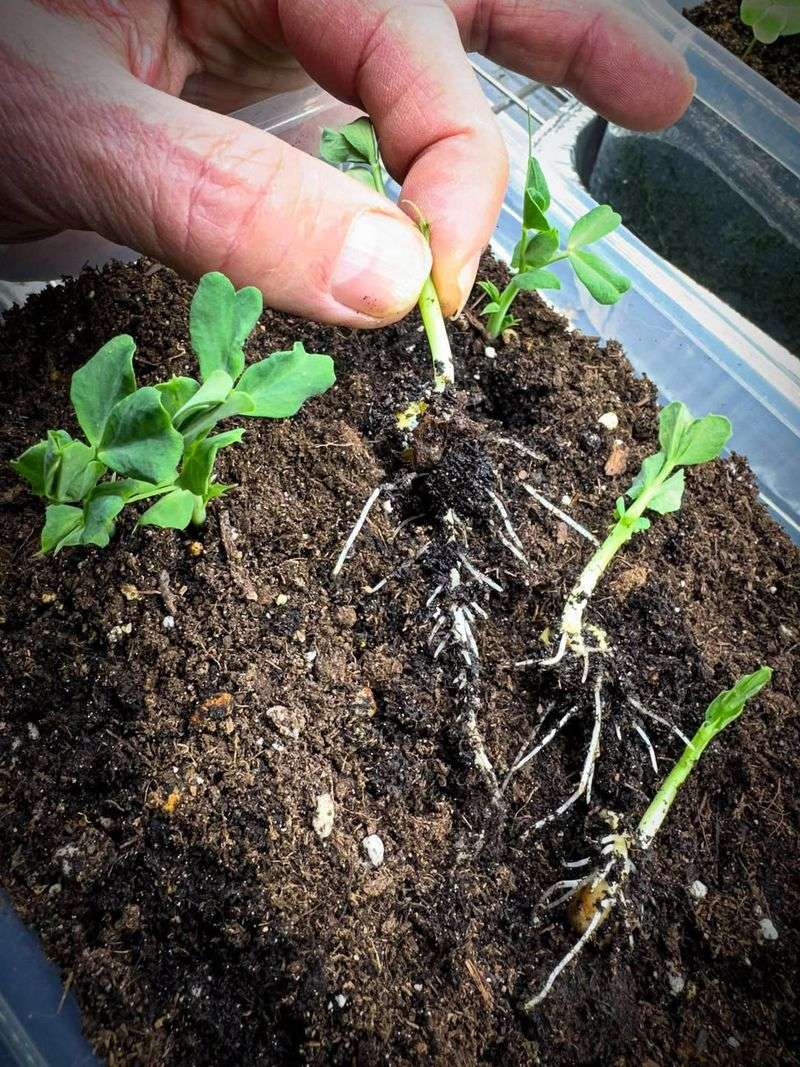
Georgia’s January weather patterns typically bring regular rainfall that creates naturally moist soil conditions perfect for seed germination.
Unlike the dry summer months when you might need to water daily, winter moisture levels tend to remain consistent without much intervention.
This natural irrigation is a tremendous benefit for newly planted pea seeds, which need steady moisture to sprout and establish successfully.
When pea seeds receive consistent moisture during their germination period, they swell evenly and send out roots without stress or delay.
The reliable winter rainfall means you won’t need to hover over your garden with a hose every day, worrying about whether your seeds are getting enough water.
Nature handles much of the work for you, making January planting remarkably low-maintenance compared to other times of year.
Of course, weather patterns can vary, and some January periods may be drier than others. During occasional dry spells, you can supplement with light irrigation to keep the soil consistently moist but not waterlogged.
The key is maintaining that gentle, steady moisture level that encourages strong germination without washing seeds away or causing rot.
The combination of cool temperatures and adequate moisture creates ideal sprouting conditions that often result in excellent germination rates. Your pea seeds will have everything they need to transform into vigorous seedlings ready to grow into productive plants throughout the season.
Peas Tolerate Light Frost Conditions
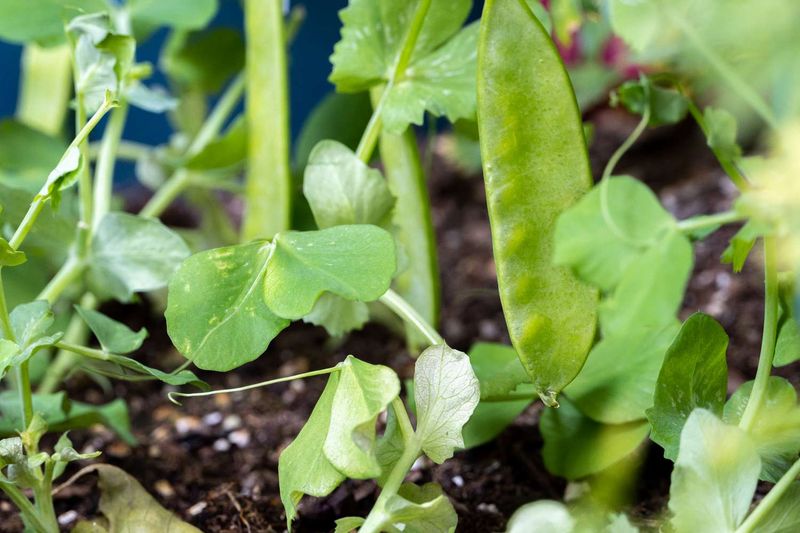
Pea plants possess a remarkable toughness that surprises many beginning gardeners. These cool-season vegetables can handle light frost events without suffering significant damage, making them perfect candidates for Georgia’s occasionally chilly January nights.
While a hard freeze might cause some concern, the light frosts typical of Georgia winters rarely harm established pea seedlings.
When temperatures dip just below freezing overnight, pea plants may show some temporary wilting or slight discoloration, but they typically bounce back quickly once the sun warms things up the next morning.
This natural resilience means you don’t need to panic every time the weather forecast mentions frost. Your pea plants are built to handle these minor cold events as part of their normal growing conditions.
For gardeners who want extra peace of mind during particularly cold nights, lightweight row covers or frost blankets provide excellent protection. These simple covers trap heat radiating from the soil and can raise the temperature around your plants by several degrees.
They’re easy to drape over your pea rows in the evening and remove the next morning when temperatures rise.
The frost tolerance of peas gives you confidence to plant in January without excessive worry about weather fluctuations. This hardy nature is one reason why peas have been a favorite cool-season crop for generations of gardeners across the South and beyond.
Supports Efficient Garden Space Planning
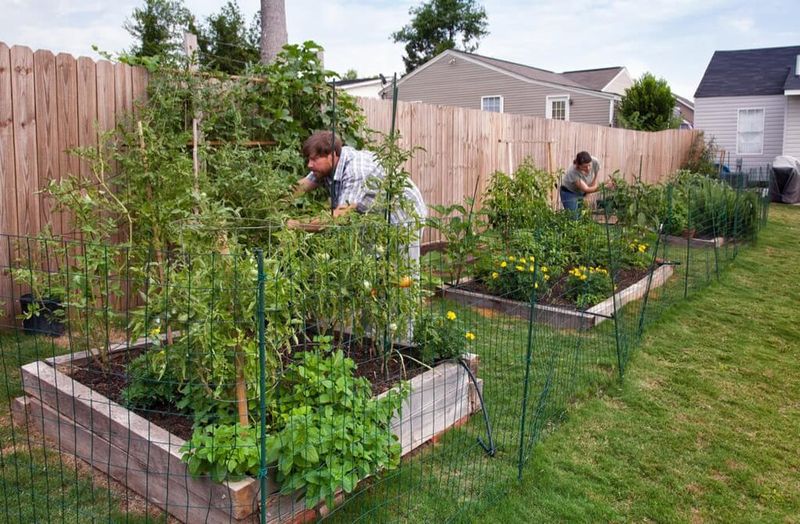
Smart gardeners know that maximizing limited garden space requires strategic planning and creative timing.
January pea planting fits beautifully into this approach because peas complete their entire lifecycle relatively quickly, finishing production just as warm-season crops are ready to be transplanted.
This natural succession allows you to grow two different crops in the same space during a single year, essentially doubling your garden’s productivity.
When your pea plants finish producing in late spring, you can remove them and immediately plant heat-loving vegetables like tomatoes, peppers, cucumbers, or squash in the same beds.
The soil will be enriched from the peas’ nitrogen-fixing abilities, giving your summer crops a nutritional boost right from the start.
This efficient use of space and resources makes every square foot of your garden work harder for you.
Crop rotation benefits extend beyond just nitrogen enrichment. By alternating between different plant families in your garden beds, you help prevent soil-borne diseases and reduce pest populations that target specific crops.
Peas followed by tomatoes or other warm-season vegetables create a healthy rotation that supports long-term garden vitality.
This succession planting strategy also keeps your garden productive and visually appealing throughout the entire growing season. Instead of having empty beds waiting for warmer weather, you’ll enjoy continuous harvests and the satisfaction of knowing you’re using your garden space as efficiently as possible.