Why January Is The Perfect Time To Plant Peas In South Carolina Gardens
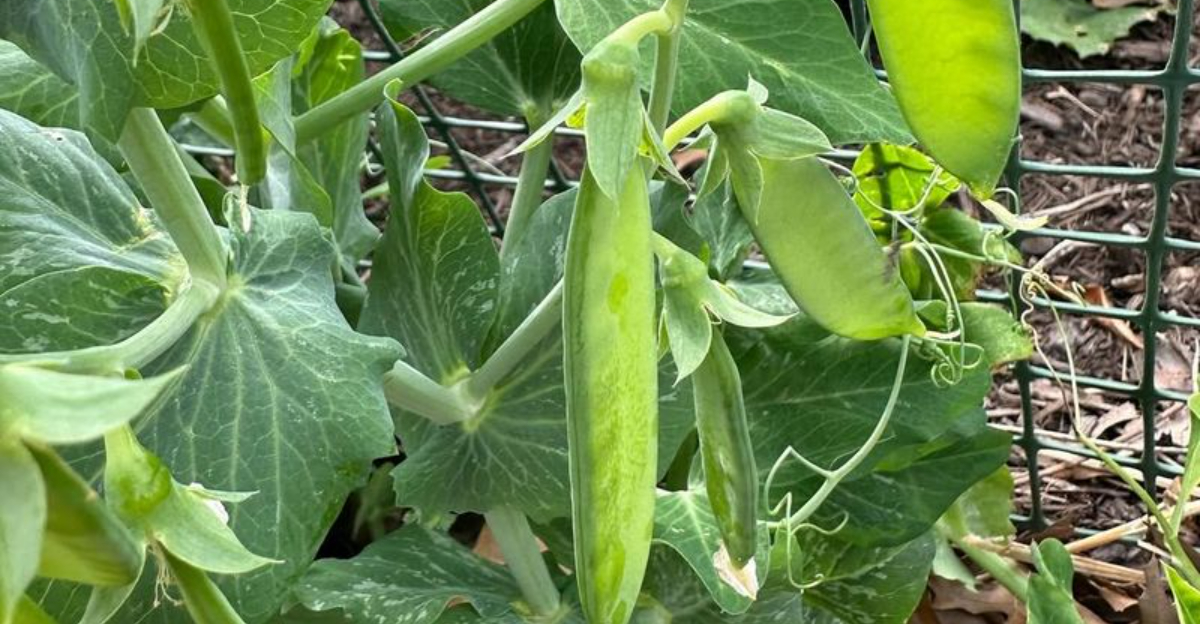
January is the ideal month for South Carolina gardeners to plant peas. Cool-season crops thrive in mild winter temperatures, allowing seeds to establish roots and grow strong before the heat of spring arrives.
Early planting ensures healthier plants and a longer, more productive harvest. Start your peas now and enjoy fresh, sweet pods sooner than expected.
Planting peas in January gives seeds time to germinate in cool, moist soil while reducing the risk of pests and disease. Gardeners can also space and stagger plantings to extend the harvest period.
Proper soil preparation, watering, and sunlight help seedlings grow vigorously and produce abundant pods. Timing your planting is key to a successful pea crop in South Carolina.
Homeowners who plant peas in January set the stage for a thriving garden and a rewarding spring harvest. Get a jump start on the season and grow delicious, homegrown peas.
Peas Grow Best In Cool Weather Conditions
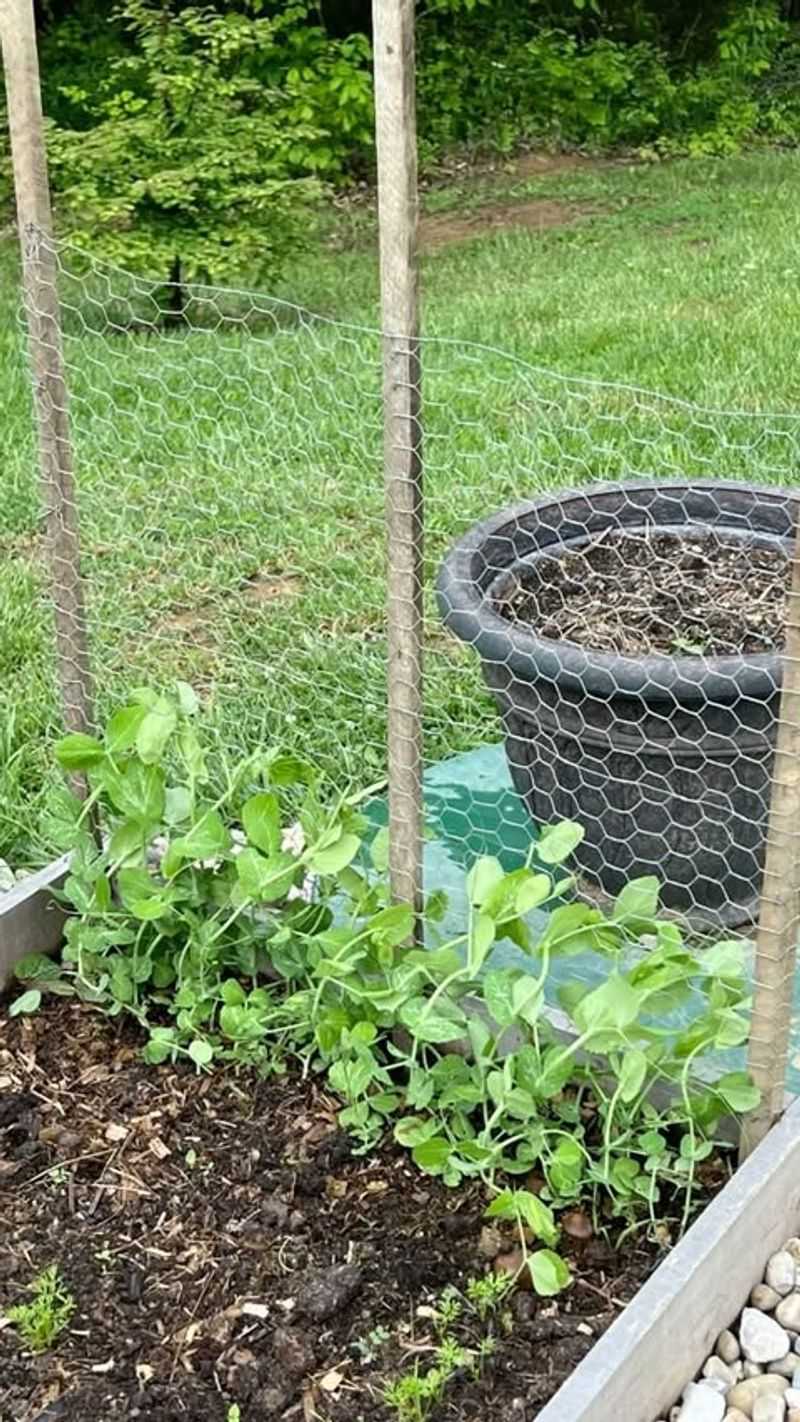
Cool temperatures create the ideal environment for peas to flourish, and January in South Carolina delivers exactly what these vegetables need.
Peas perform optimally when temperatures range between 40°F and 70°F, making them perfectly suited for winter planting in the Palmetto State.
Unlike warm-season crops that struggle in cooler weather, peas actually prefer these moderate conditions for germination and early growth.
South Carolina’s January climate typically falls within this favorable temperature range, especially in the coastal and Midlands regions where winter days remain mild.
The cooler nights and moderate daytime temperatures prevent stress on young seedlings while encouraging strong root development. This temperature sweet spot allows peas to establish themselves without the shock of extreme cold or the exhaustion of summer heat.
When temperatures climb above 75°F, pea plants begin to struggle, producing fewer pods and experiencing reduced quality. By planting in January, you give your peas the maximum amount of time to grow and produce before spring temperatures rise.
The extended cool period allows plants to develop robust vines, abundant flowers, and plentiful pods.
Starting your pea garden during this optimal temperature window means healthier plants and better harvests throughout early spring.
Soil Rarely Freezes Deeply In Most Regions
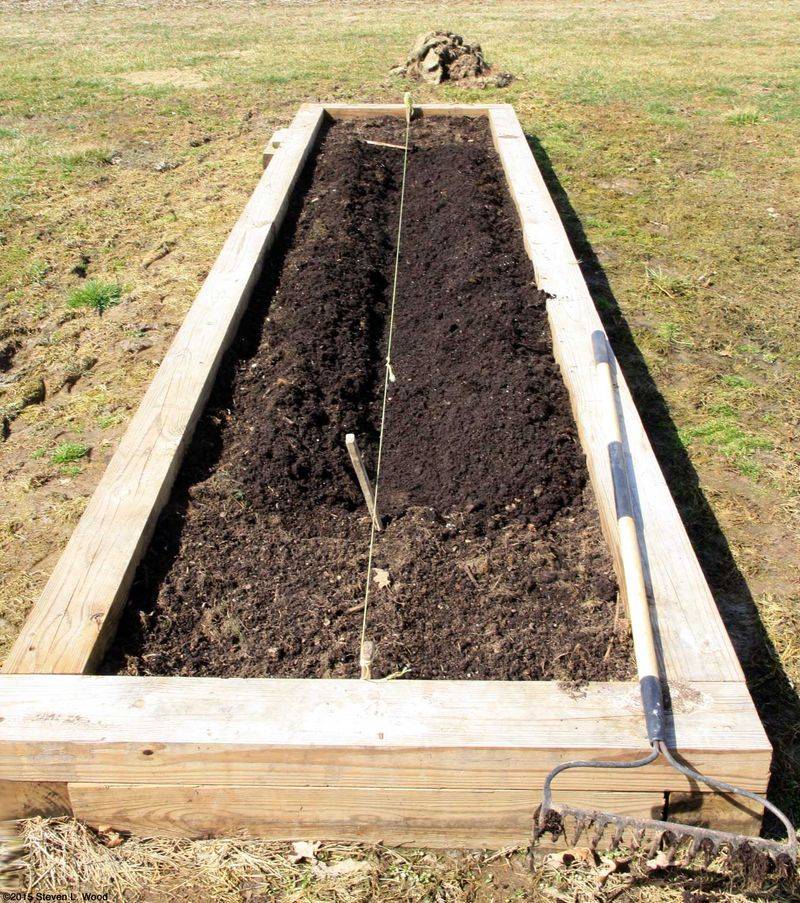
South Carolina’s geography creates diverse winter soil conditions that generally favor January pea planting across most of the state. The coastal regions rarely experience soil freezing, with temperatures staying mild enough for consistent planting throughout winter months.
Gardeners in Charleston, Myrtle Beach, and surrounding areas can plant peas with confidence knowing their soil remains workable and receptive to seeds.
Moving inland to the Midlands, including Columbia and surrounding counties, soil freezing occurs occasionally but rarely penetrates deeply enough to harm pea seeds or young plants.
Brief cold snaps might create a thin frozen layer on the surface, but the soil below remains suitable for germination. These areas typically experience only light freezing that quickly thaws during sunny winter days.
The Upstate region, including Greenville and Spartanburg, sees more frequent freezing events, but even here, deep soil freezing is uncommon.
Gardeners in these areas can still plant successfully in January by choosing warmer microclimates and monitoring weather forecasts for extended cold periods. Raised beds warm faster and drain better, making them excellent choices for Upstate gardeners.
Understanding your specific region helps you time planting perfectly for maximum success with minimal risk.
Early Planting Leads To Earlier Spring Harvests
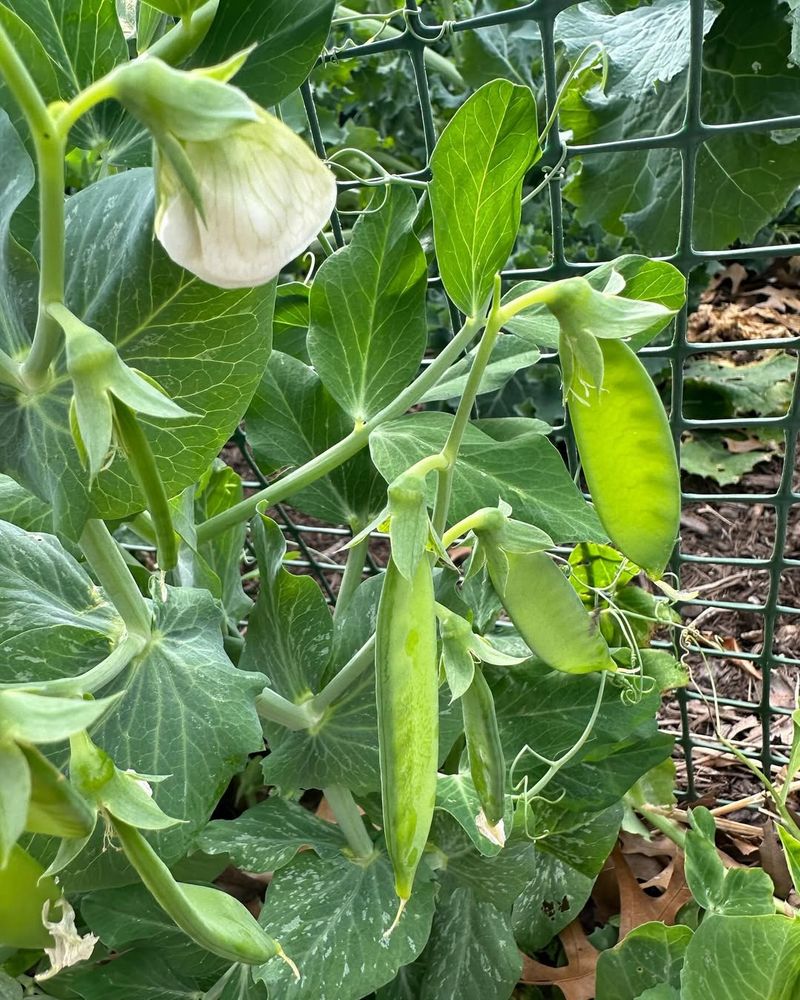
Timing your pea planting for January creates a significant advantage by allowing you to harvest fresh peas well before spring heat arrives.
Peas typically require 60 to 70 days from planting to harvest, meaning January-sown seeds produce pods ready for picking in March or early April. This early harvest window captures the sweet spot before temperatures climb too high and compromise pod quality.
Harvesting before the spring heat wave hits means your peas retain their sweetness and tender texture. As temperatures rise into the 80s, pea plants begin to decline rapidly, with pods becoming tough and starchy.
By getting a head start in January, you maximize your productive harvest period and enjoy the best-tasting peas possible.
Early harvests also boost overall garden productivity by allowing you to succession plant or rotate crops more efficiently. After your pea harvest concludes in April, the same garden space becomes available for warm-season vegetables like tomatoes, peppers, or squash.
This double-cropping approach maximizes your garden’s output throughout the growing season.
Planning ahead with January planting means you’ll be enjoying fresh garden peas while others are just starting their spring gardens, giving you both bragging rights and delicious early-season vegetables.
Lower Insect Activity In Winter Months
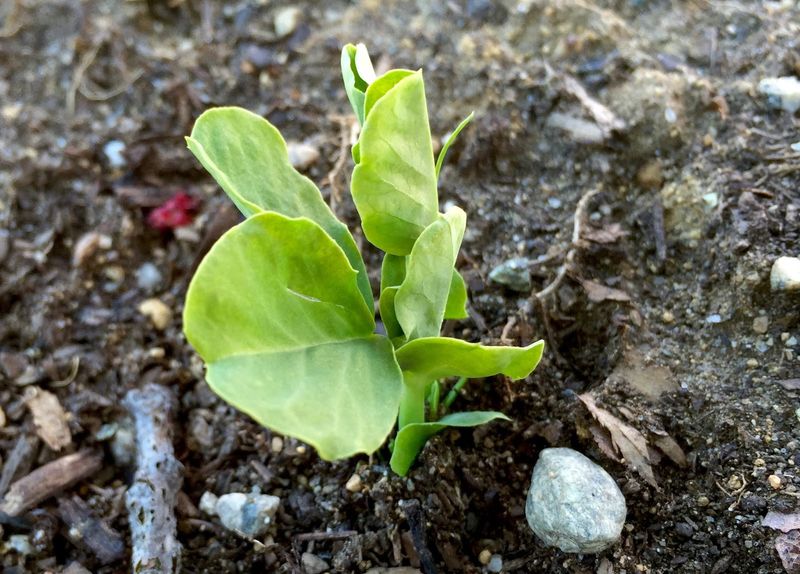
January planting provides a natural advantage by allowing your pea seedlings to establish themselves during a period of minimal insect pressure.
Cooler winter temperatures dramatically reduce insect populations, with many common garden pests either dormant or significantly less active.
This quiet period gives young pea plants the chance to develop strong root systems and healthy foliage without constant attack from hungry insects.
Aphids, one of the most troublesome pests for pea plants, remain largely inactive during January’s cooler weather. These tiny sap-sucking insects multiply rapidly in warm conditions but struggle to reproduce when temperatures stay below 60°F.
By the time aphid populations begin building in late spring, your peas are already mature and producing heavily.
Other common pests like cucumber beetles, spider mites, and thrips also show reduced activity during winter months. This natural pest-free window allows seedlings to focus energy on growth rather than recovering from insect damage.
Healthy, vigorous plants established during this period develop better resistance to pests that may appear later in the season.
Taking advantage of this natural lull in pest activity means fewer interventions, less worry about damage, and healthier plants overall throughout your pea-growing season.
Peas Add Natural Nitrogen To Garden Soil
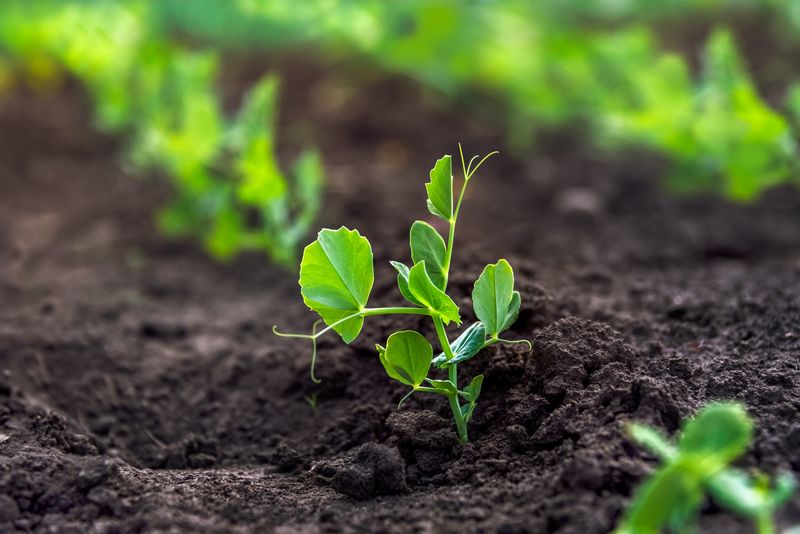
Peas belong to the legume family, which means they possess a remarkable ability to enrich your garden soil naturally through nitrogen fixation.
Special bacteria called rhizobia colonize pea roots, forming visible nodules that convert atmospheric nitrogen into a form plants can use.
This natural process essentially creates fertilizer right in your garden beds without any chemical inputs.
Throughout their growing season, pea plants accumulate nitrogen in their root systems and foliage. When you finish harvesting and turn the spent plants back into the soil, all that captured nitrogen becomes available for your next crop.
This enrichment improves soil fertility significantly, reducing or eliminating the need for synthetic nitrogen fertilizers in subsequent plantings.
Planting peas in January maximizes this soil-building benefit because the plants have the entire cool season to establish extensive root systems covered with nitrogen-fixing nodules.
The longer growing period means more nitrogen accumulation and greater soil improvement. Following crops like tomatoes, peppers, or leafy greens benefit tremendously from this natural fertilization.
Smart gardeners view peas as both a productive crop and a soil improvement strategy, making January planting a win-win situation for immediate harvests and long-term garden health.
January Rainfall Helps Maintain Soil Moisture
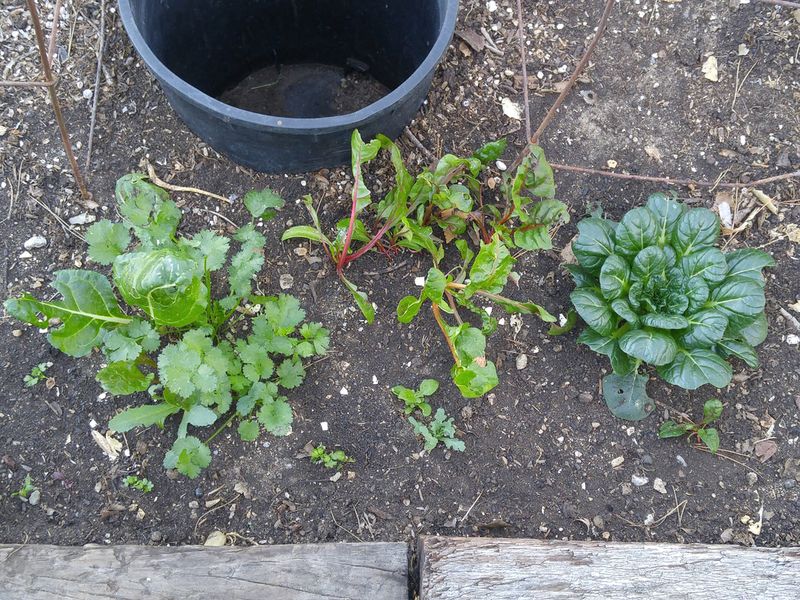
South Carolina typically receives adequate rainfall during January, providing natural irrigation that supports pea seed germination and early growth.
Average January precipitation across the state ranges from three to four inches, creating consistently moist soil conditions ideal for seed sprouting. This natural moisture eliminates much of the watering work that would be necessary during drier months.
Regular winter rains keep soil moisture levels steady without the extreme fluctuations that can stress young plants. Pea seeds need consistent moisture to germinate properly, and January’s rainfall pattern typically delivers exactly what they require.
The cooler temperatures also reduce evaporation rates, meaning the moisture stays in the soil longer and penetrates deeper.
However, gardeners should remain attentive during occasional dry spells that can occur even in winter months. If rainfall is scarce for more than a week, supplemental watering helps ensure consistent germination and prevents seedling stress.
Checking soil moisture regularly by feeling the top few inches helps you determine when additional water is needed.
Well-drained soil becomes especially important during wetter periods to prevent waterlogging, which can cause seeds to rot before sprouting. Raised beds or amended soil with good drainage structure work best for January planting success.
Peas Tolerate Light Cold Events
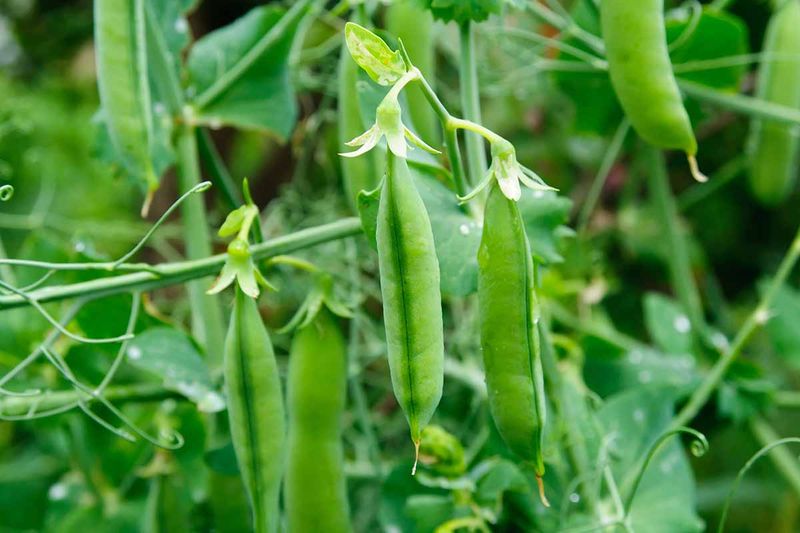
Pea plants demonstrate impressive resilience when facing light frost and brief cold snaps, making them reliable crops for January planting in South Carolina. Mature pea plants can withstand temperatures down to about 25°F for short periods without significant damage.
This cold tolerance means you can plant with confidence even when occasional chilly nights are forecast. Young seedlings show slightly less cold tolerance than established plants but still handle light frost remarkably well.
Once pea plants develop their first true leaves, they become increasingly hardy and can bounce back quickly from brief exposure to near-freezing temperatures. This natural toughness makes peas one of the most forgiving vegetables for early-season planting.
For extra protection during particularly cold nights, simple row covers or frost blankets provide an additional layer of insulation. These lightweight fabrics trap heat radiating from the soil while still allowing light and moisture to reach your plants.
Draping them over pea rows before sunset and removing them the following morning takes minimal effort but offers valuable protection.
Gardeners in the Upstate region especially appreciate this cold tolerance, as it extends their planting window and provides peace of mind during unpredictable winter weather patterns throughout the growing season.
Efficient Use Of Garden Space
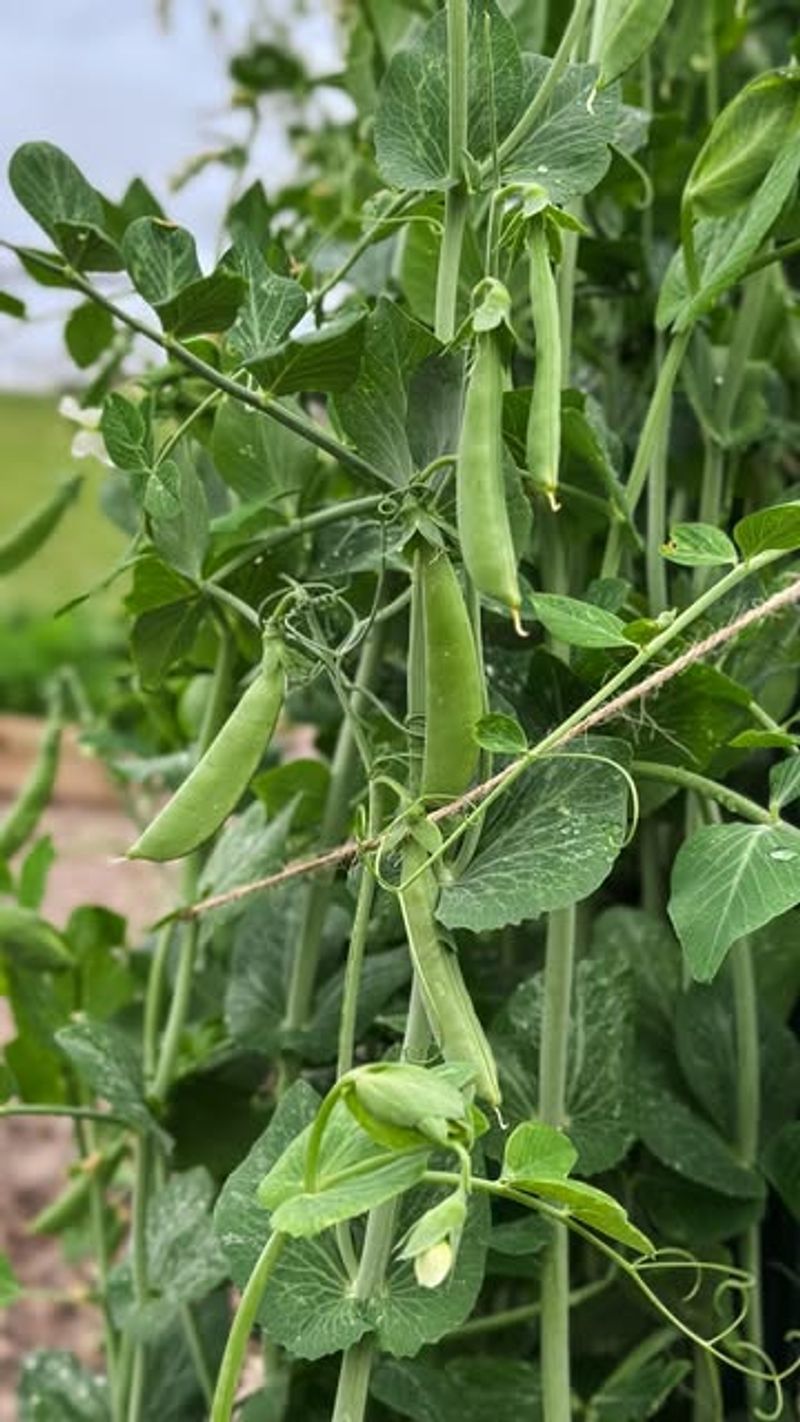
January pea planting creates excellent opportunities for maximizing garden productivity through strategic crop rotation and succession planting.
Peas complete their entire lifecycle relatively quickly, typically finishing production by late April or early May in most South Carolina regions. This early finish frees up valuable garden space right when warm-season vegetables are ready for transplanting.
After harvesting your peas, the same beds become perfect homes for tomatoes, peppers, squash, or beans. The nitrogen-enriched soil from your pea crop provides an excellent foundation for these heavy feeders, reducing fertilizer needs and promoting vigorous growth.
This seamless transition from cool-season to warm-season crops means your garden space works hard throughout the entire growing year.
Vertical growing methods make peas even more space-efficient, with trellised varieties producing heavily in narrow rows that leave room for interplanting with other cool-season crops.
Bush varieties work wonderfully in smaller spaces or container gardens, adapting to whatever space you have available. Either option allows you to pack more productivity into limited garden areas.
Smart garden planning that incorporates January pea planting essentially gives you two complete growing seasons in the same space, doubling your harvest potential without expanding your garden footprint.