Why January Is The Perfect Time To Plant Peas In Your California Garden
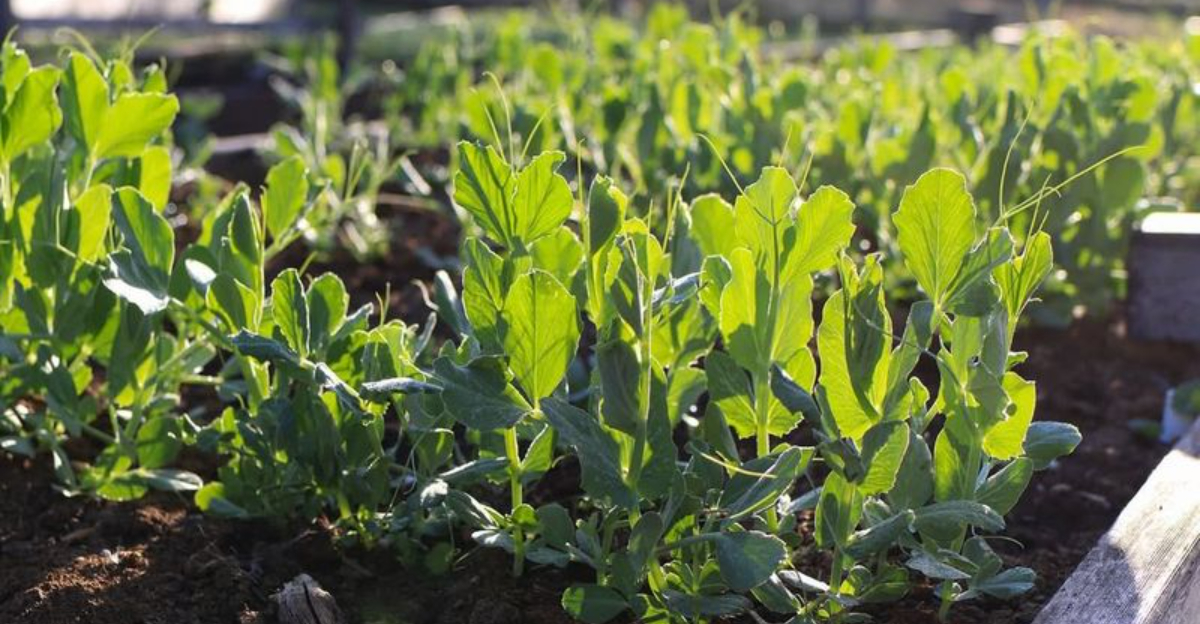
January is the perfect month to get a jump start on your California garden, especially when it comes to planting peas. Cool, mild weather gives these tasty crops the ideal environment to sprout strong roots and grow quickly.
Plant now, harvest sooner than you think. Peas thrive in California winters, making January the ideal time to sow seeds and give your garden a head start before spring.
Fresh, homegrown peas could be ready in just weeks. From sweet snap peas to tender garden varieties, planting early ensures a longer harvest and healthier, more robust plants.
A little winter effort brings big rewards. Even small garden spaces or containers can yield plenty with the right care.
Timing is everything for a successful pea crop. By planting in January, you’re setting your garden up for abundant, flavorful results.
1. California’s Mild Winter Temperatures Are Ideal For Pea Germination
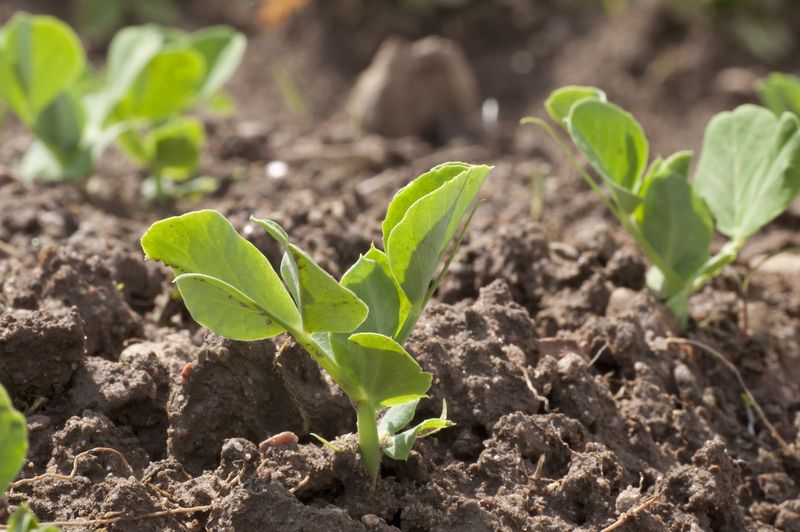
Peas are happiest when the soil temperature sits between 40 and 75 degrees Fahrenheit, and January in California delivers exactly that. Unlike the frozen ground in many other states, California soil remains workable and warm enough to encourage seed sprouting.
When you plant peas during this month, the seeds wake up slowly and steadily, developing strong root systems before the warmer spring weather arrives. This gradual start gives your plants a solid foundation that pays off later with healthier vines and more abundant pods.
Most coastal and inland valleys in California experience daytime temperatures in the 50s and 60s during January, which is perfect for pea growth. The cooler nights don’t harm the seeds either since peas can tolerate light frosts once they’ve germinated.
This temperature sweet spot means your peas won’t struggle with heat stress like they would if planted later in spring. Instead, they grow at a comfortable pace, building strength without rushing.
Gardeners in Southern California and the Central Valley find that January planting allows peas to mature before the intense heat of late spring and summer sets in. When temperatures climb above 80 degrees, pea plants often stop producing and their quality declines.
By getting your seeds in the ground now, you’re giving them the cool conditions they need to flourish. The result is sweeter, more tender peas that are ready to harvest when the weather is still pleasant and your garden is just waking up from its winter rest.
2. Early Planting Means Harvesting Before Summer Heat Arrives
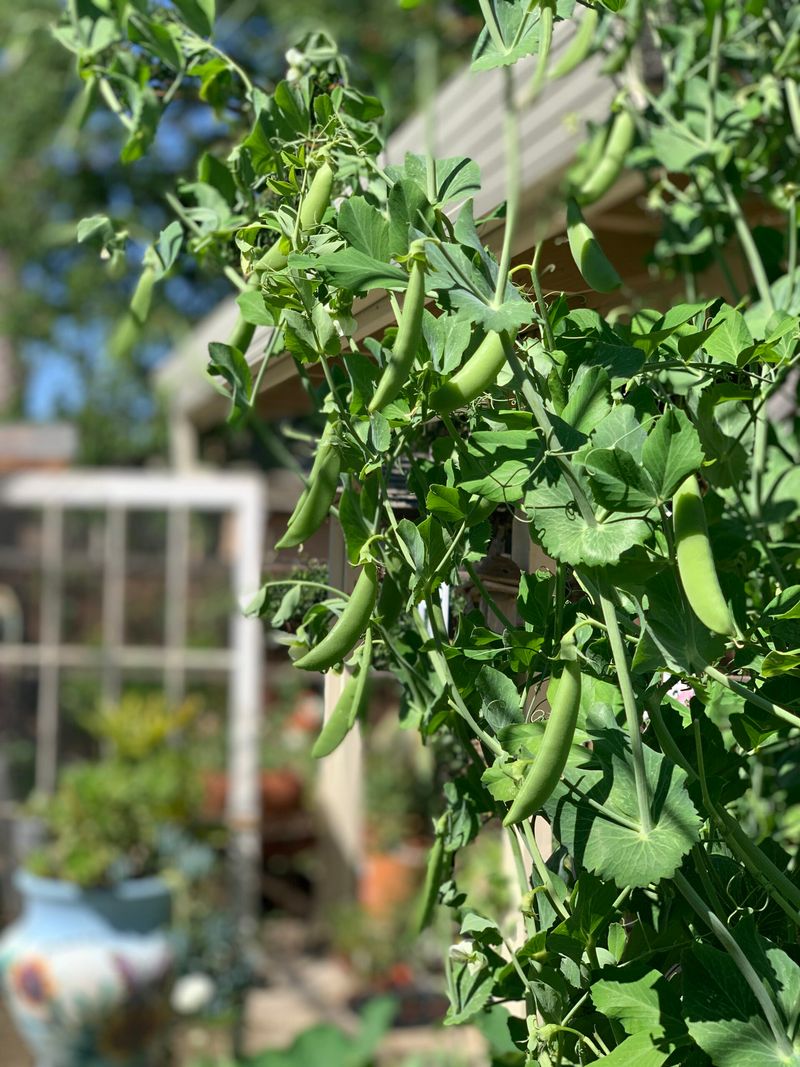
Timing is everything when it comes to growing peas in California, and January planting gives you a significant advantage. Peas typically take 60 to 70 days to reach harvest from the time you plant them, which means January-sown seeds will be ready to pick in March or April.
This timing is crucial because it allows you to enjoy your harvest before California’s notorious summer heat waves begin. Once temperatures consistently rise above 75 degrees, pea plants struggle and their production drops dramatically.
When you plant in January, you’re essentially racing against the calendar to get your crop mature before hot weather arrives. This strategy works beautifully in California’s Mediterranean climate where spring offers a generous window of mild weather.
Your pea vines will climb their supports, bloom with delicate flowers, and fill out their pods all while enjoying cool mornings and pleasant afternoons. The plants put their energy into producing sweet, crisp peas instead of battling heat stress.
Gardeners who wait until February or March to plant often find themselves disappointed when their peas mature right as temperatures spike. The pods become tough and starchy, and the plants quit producing altogether.
By contrast, January planters in California get to harvest armfuls of tender peas at their peak flavor and texture. You’ll be filling your kitchen with fresh sugar snap peas, snow peas, or shelling peas while your neighbors are just starting to see their first blooms.
This early harvest also frees up valuable garden space for warm-season crops like tomatoes and peppers that you’ll want to plant in late spring.
3. Fewer Pest Problems During Cool Winter Months
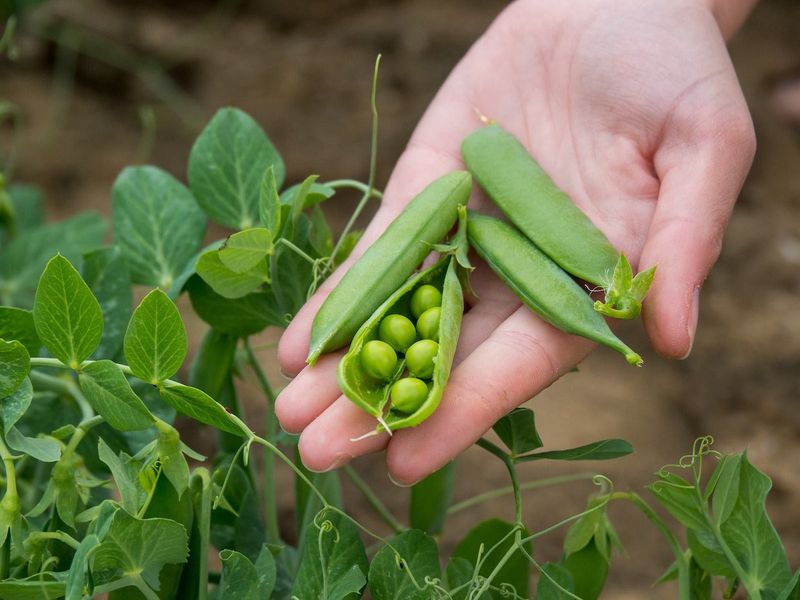
One of the biggest perks of January pea planting in California is the natural pest protection that comes with the season. Many common garden pests like aphids, spider mites, and cucumber beetles are either dormant or far less active during the cooler winter months.
When your pea plants are establishing themselves and growing through January, February, and March, they face minimal pest pressure compared to crops planted later in the year. This means less time spent inspecting leaves for damage and fewer interventions needed to protect your plants.
Aphids, which can be particularly troublesome for peas, typically don’t reach problematic population levels until the weather warms up significantly.
By planting in January, your peas get a head start and develop strong, vigorous growth before aphid colonies have a chance to explode.
Even if a few aphids show up later in the season, your well-established plants can tolerate minor infestations much better than weak, struggling vines.
California gardeners appreciate this natural advantage because it reduces the need for pest control measures, whether organic or conventional.
The cooler temperatures also slow down the life cycles of many insects, giving your peas time to mature without constant attacks. Beneficial insects like ladybugs and lacewings are still present during California’s mild winters, providing natural pest control when needed.
This balanced ecosystem works in your favor when you plant early. You’ll spend more time enjoying your garden and less time fighting pest battles, which makes January planting not just smart but also more relaxing and rewarding for California gardeners at every skill level.
4. January Rains Provide Natural Irrigation For Your Peas
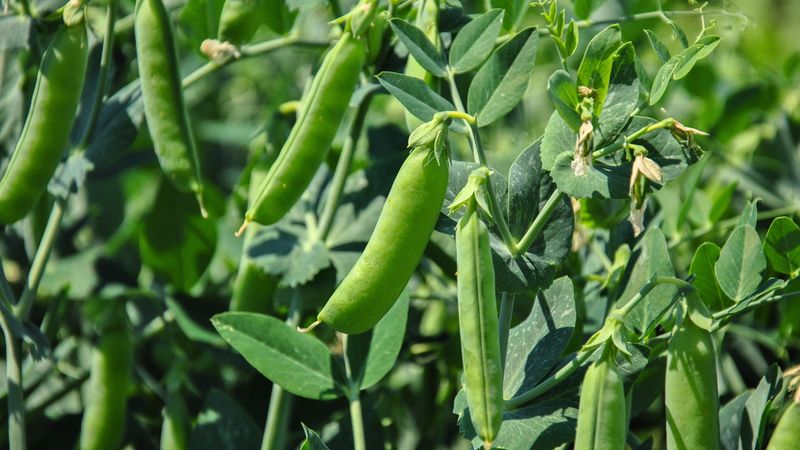
California’s rainy season typically peaks between December and March, making January an excellent time to take advantage of natural irrigation for your pea crop.
When you plant peas during this month, winter rains help keep the soil consistently moist, which is exactly what germinating seeds and young seedlings need.
This natural watering system reduces your irrigation workload and water bills while providing ideal growing conditions. The gentle, steady moisture from winter storms encourages strong root development without the risk of overwatering that can happen with manual irrigation.
Peas need consistent moisture to germinate properly and establish healthy plants, and January rains in California deliver just that. The soil stays evenly moist but not waterlogged, creating perfect conditions for seeds to sprout and roots to spread.
Unlike the dry conditions of summer when you’d need to water daily, winter-planted peas often thrive with minimal supplemental watering.
This is particularly beneficial in regions facing water restrictions or for gardeners looking to conserve resources. Nature does most of the work for you when you plant at the right time.
Of course, California winters can be unpredictable, and some years bring more rain than others. Even in drier winters, the cooler temperatures mean less water evaporates from the soil, so your peas stay hydrated longer between waterings.
If you do need to supplement with irrigation, the amounts required are far less than what summer crops demand. This efficient water use makes January pea planting both environmentally smart and economically sensible for California gardeners.
Your peas will develop deep, robust root systems that help them access moisture even as spring arrives and rainfall becomes less frequent.
5. Peas Naturally Enrich Your California Soil With Nitrogen
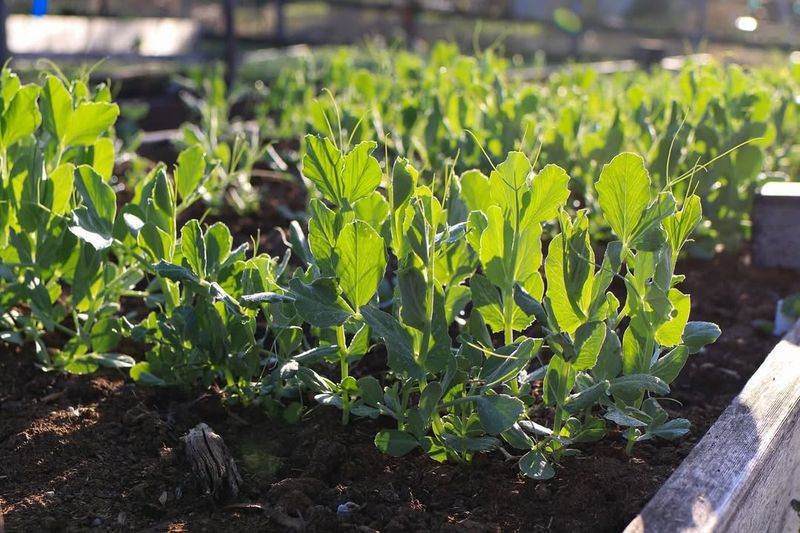
Growing peas in your California garden does double duty because these plants are legumes that actually improve your soil while they grow. Peas form a special relationship with beneficial bacteria called rhizobia that live in nodules on their roots.
These bacteria have the remarkable ability to capture nitrogen from the air and convert it into a form that plants can use. As your January-planted peas grow through winter and spring, they’re quietly building up nitrogen reserves in the soil that will benefit whatever you plant next in that spot.
Nitrogen is one of the most important nutrients for plant growth, and it’s often the first to become depleted in garden soil. Many California gardeners spend money on fertilizers to replenish nitrogen levels, but peas offer a free, natural alternative.
When your pea plants finish producing and you cut them down, leave the roots in the ground where they’ll decompose and release their stored nitrogen. This practice, called green manuring, has been used by farmers for centuries to maintain soil fertility.
The nitrogen boost is particularly valuable if you plan to follow your peas with heavy feeders like tomatoes, peppers, or squash.
California’s mild climate allows the nitrogen-fixing process to continue throughout the winter months when your peas are growing. The beneficial bacteria remain active in the warmer soil temperatures, steadily enriching your garden bed.
By planting peas in January, you’re not just growing food for your table but also investing in the long-term health of your California garden soil.
This sustainable approach reduces your reliance on synthetic fertilizers, saves money, and creates a more balanced, productive growing environment for all your crops throughout the year.
6. Maximum Garden Space Efficiency Through Succession Planting
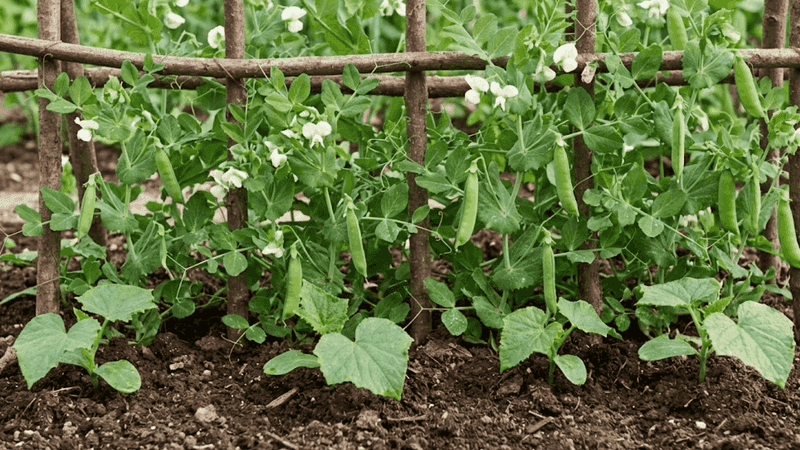
Smart California gardeners know that maximizing garden space means planning for succession planting, and January peas are the perfect way to start.
When you plant peas now, you’ll harvest them by late March or April, which opens up that garden bed right when it’s time to transplant warm-season crops.
This strategic timing allows you to get two full harvests from the same space in a single growing season. After your peas finish, the soil is enriched with nitrogen and ready to support hungry summer vegetables like tomatoes, cucumbers, or beans.
Space is often limited in California gardens, especially in urban and suburban areas where yards are smaller. Making the most of every square foot becomes essential for productive gardening.
Peas are ideal first-season crops because they grow vertically on trellises or supports, using minimal ground space while producing generous harvests.
Once you’ve picked your last pea pod, you can immediately prepare that same vertical growing area for pole beans or cucumbers, or you can plant sprawling crops like squash in the newly available bed.
This efficient use of space means more food from your California garden without needing additional square footage.
The timing of January pea planting also aligns perfectly with California’s natural growing seasons. You’re working with the climate rather than against it, which always yields better results.
Your peas mature during the cool season when few other crops are producing, giving you fresh vegetables when grocery store prices are often higher. Then, as summer approaches and your peas finish, you transition seamlessly to heat-loving crops that will carry you through the warmer months.
This rhythm of planting and harvesting keeps your California garden productive year-round and ensures you’re always growing something delicious and nutritious for your family to enjoy.