Why Joshua Trees Are Blooming So Early This Year In California
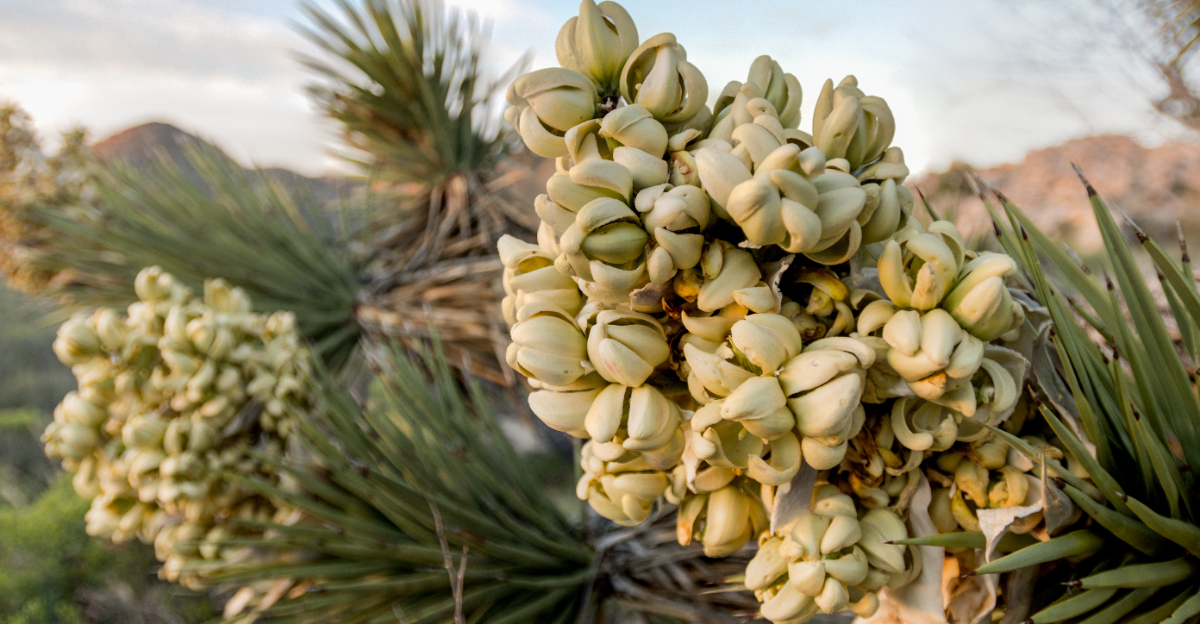
California’s deserts are waking up sooner than usual, and Joshua trees are leading the charge with blooms arriving earlier than expected.
Unusual weather conditions, including warmer temperatures and off-season rainfall, are believed to be contributing to this earlier flowering, though researchers are still studying the exact combination of triggers.
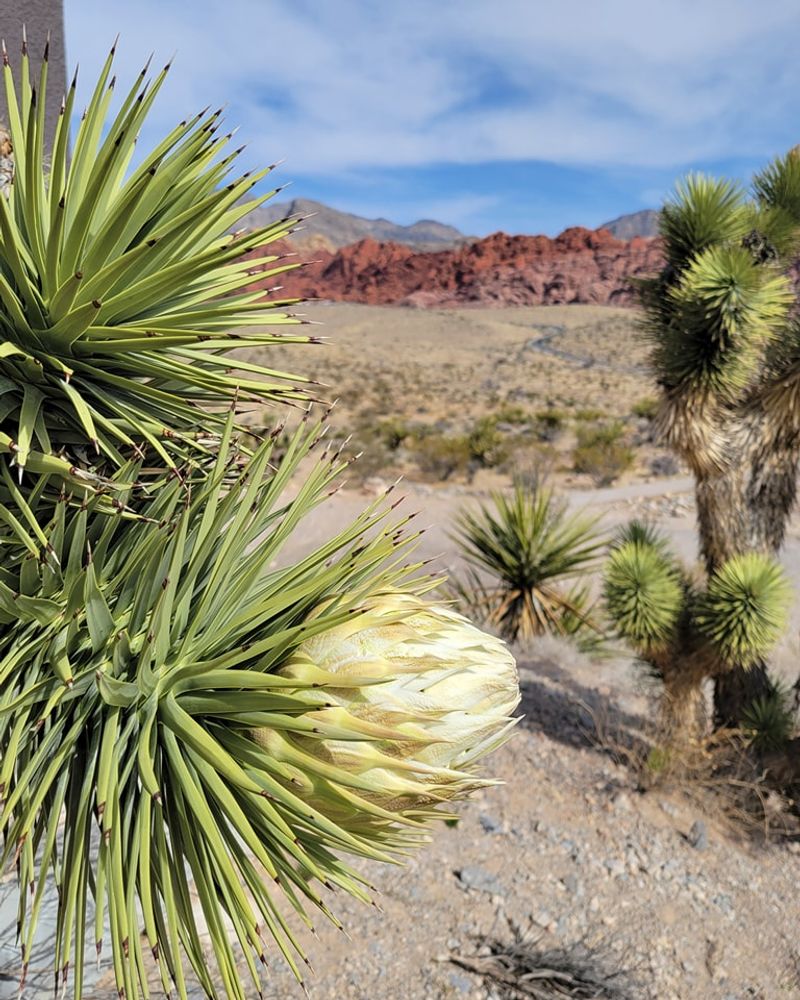
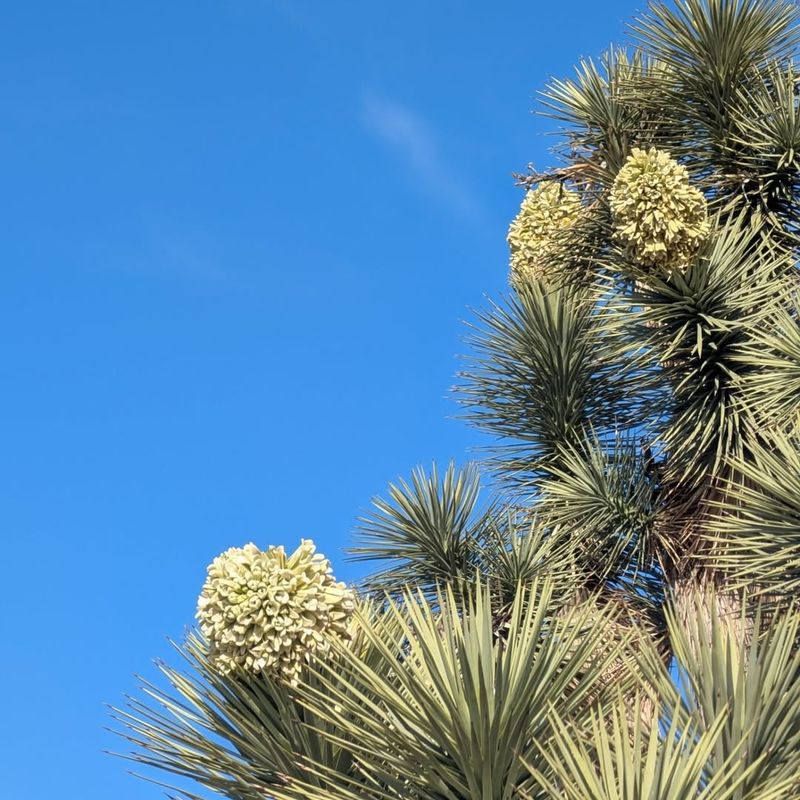
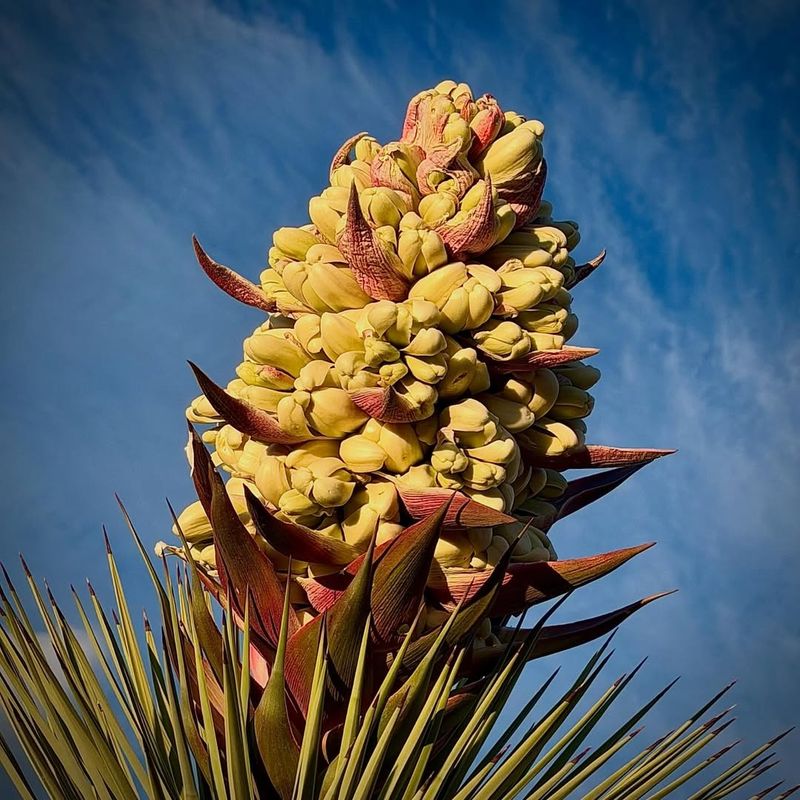
Early blooms mean vibrant white-green clusters against dramatic desert skies, creating a striking contrast that draws photographers, hikers, and nature lovers alike.
For gardeners and desert enthusiasts, early blooms are a chance to experience the magic of the Mojave and high desert landscapes sooner than usual.
Curious why these iconic spiky silhouettes are flowering ahead of schedule? A closer look at climate trends, soil moisture, and seasonal cues helps explain this unusual but beautiful shift in California’s desert rhythm this year.
A Surprising Start To Bloom Season
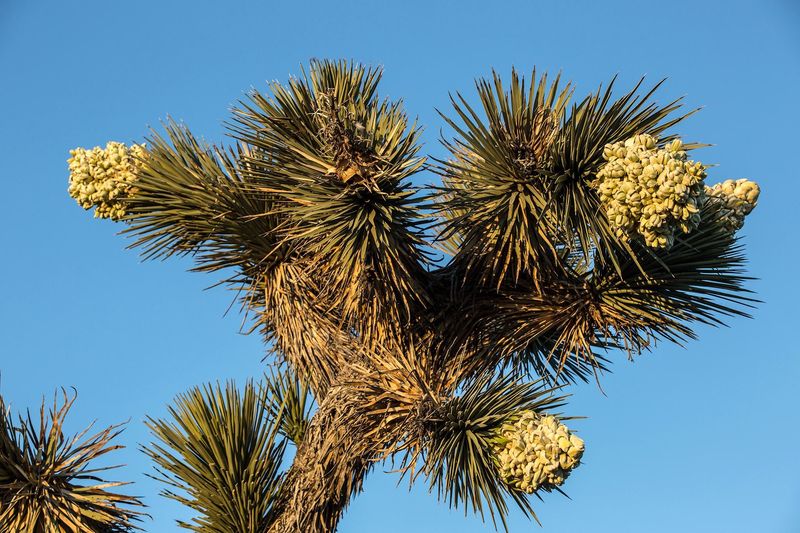
Walking through the Mojave this winter, you might have done a double take. Those towering Joshua trees that typically flower from late winter into spring, often between late February and April depending on conditions, have already opened up, their clusters of creamy white blooms catching the light weeks ahead of schedule.
This early flowering caught even longtime desert watchers off guard. Joshua trees typically follow a predictable rhythm, responding to a combination of environmental cues such as temperature, moisture, and daylight before they bloom.
But this year, something shifted that timing.
The early blooms aren’t just a curiosity for hikers and photographers. They represent a noticeable departure from the pattern these plants have followed for generations.
When a species that’s been around for thousands of years suddenly changes its schedule, it can signal changes in the environment around it.
Many visitors to Joshua Tree National Park and surrounding desert areas have been sharing photos and observations, documenting flowers appearing in January, instead of their usual spring window.
It’s beautiful to see, but it also raises questions about what’s driving this shift and whether it will become the new normal for these desert icons.
What’s Causing The Early Flowers
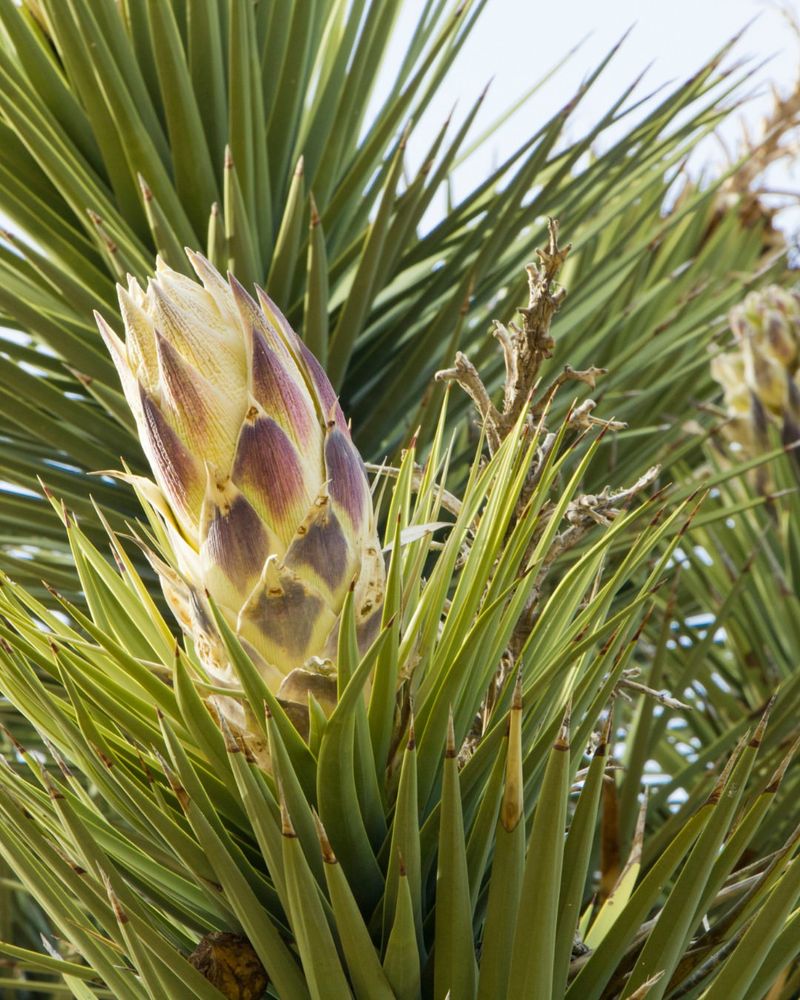
Temperature patterns across the California desert have been anything but typical lately.
Unusual weather conditions, including warmer temperatures and atypical rainfall patterns, are thought to have encouraged earlier flowering, though scientists are still working to determine the exact mechanisms involved.
These plants rely on environmental cues to know when it’s time to bloom, and those signals came much sooner this year.
Joshua tree flowering is influenced by a mix of temperature, moisture, and seasonal conditions rather than a single fixed trigger, and researchers are continuing to study how shifts in these factors affect bloom timing.
When winter temperatures stay relatively mild without extreme cold snaps, and then warm days arrive earlier than usual, the trees may begin their bloom cycle ahead of schedule.
Climate scientists have noted that California’s deserts are experiencing more variable weather patterns, with traditional seasonal boundaries becoming less distinct. This isn’t just about one warm week in January.
It’s about sustained shifts in weather conditions that can alter how plants respond to seasonal change.
The desert floor absorbs and radiates heat differently under varying conditions, creating microclimates that can accelerate or delay blooming.
When you combine warmer overnight lows with sunny, pleasant days throughout winter, Joshua trees can receive cues that encourage earlier flowering compared with their typical seasonal timing.
The Role Of Rain And Mild Weather
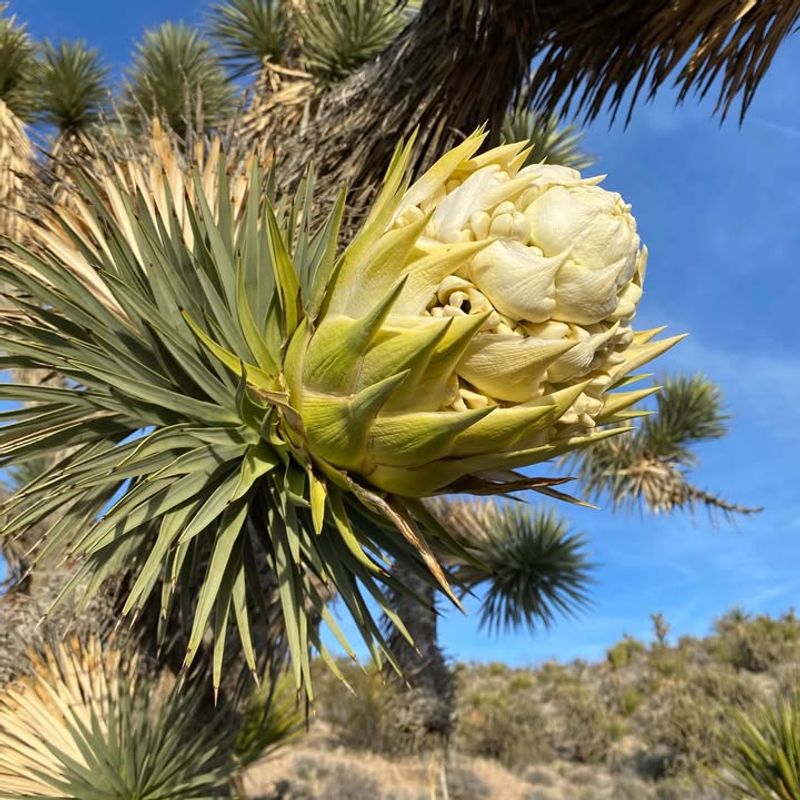
In some parts of California’s desert regions, recent precipitation followed a period of drier conditions, and the timing and amount of that rain may have contributed to the early blooming being observed.
Joshua trees don’t just need water; they need it at specific times to support flower development.
When winter rains arrive earlier than usual, they can provide moisture while the trees are forming flower buds. Combined with mild temperatures, this may encourage faster bud development.
The soil can remain moist longer than in very dry winters, giving roots steadier access to water during an important growth phase.
Mild weather between storms also mattered significantly. Instead of the usual pattern of colder nights and cooler days, some periods this winter brought stretches of relatively warm, spring-like conditions.
Joshua trees responded by advancing their internal calendars, moving through their pre-bloom preparation stages faster than normal.
The lack of hard freezes may also have played a role. Typically, colder periods can slow bud development and prolong dormancy.
With fewer freezing nights, the trees may progress through their bloom cycle more quickly, producing flowers earlier in the season.
The Important Link With Yucca Moths
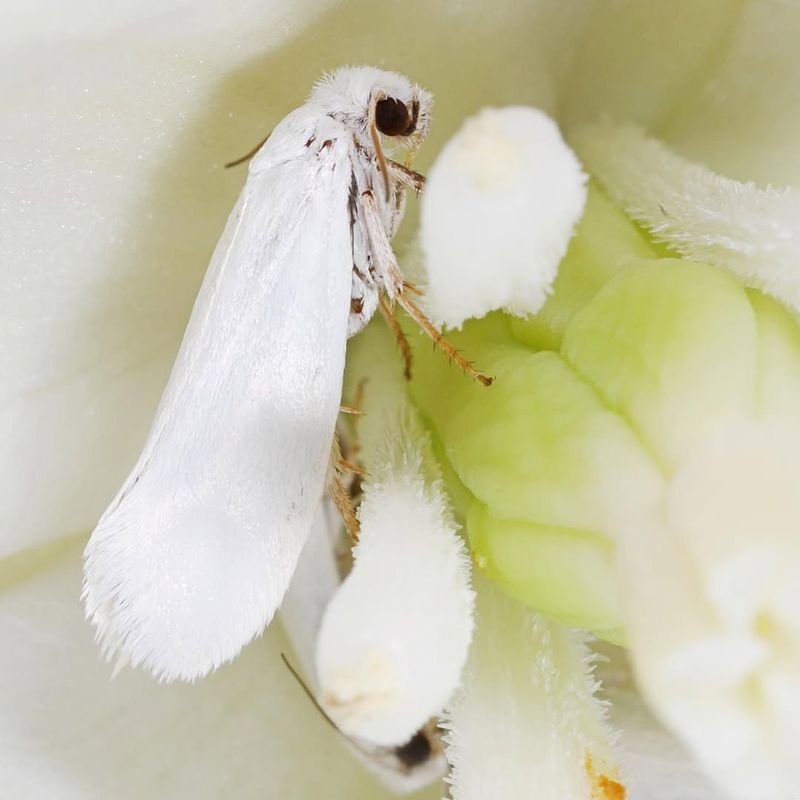
Here’s where early blooming gets complicated. Joshua trees rely on highly specialized yucca moth pollinators, and this relationship is one of nature’s most remarkable partnerships.
The moths emerge at specific times based on their own environmental cues, which don’t always match up with the trees’ new early schedule.
Female yucca moths collect pollen from Joshua tree flowers and deliberately pollinate other blooms while laying their eggs inside the flowers. The moth larvae feed on some of the developing seeds, while enough seeds survive to ensure the next generation of trees.
This close relationship means both species depend heavily on each other for successful reproduction.
When Joshua trees bloom too early, there’s a real risk that the moths won’t be active yet. These insects have their own temperature and daylight requirements that trigger emergence from their pupae.
If the timing gets too far out of sync, trees might bloom without pollinators present, resulting in flowers that produce little or no viable seed.
Scientists monitoring this situation are concerned about what happens if this mismatch continues or worsens.
A few years of poor seed production might not devastate Joshua tree populations immediately, but repeated failures could prevent new trees from establishing, gradually aging the population without young replacements growing up to take their place.
How Joshua Trees Respond To Weather Changes
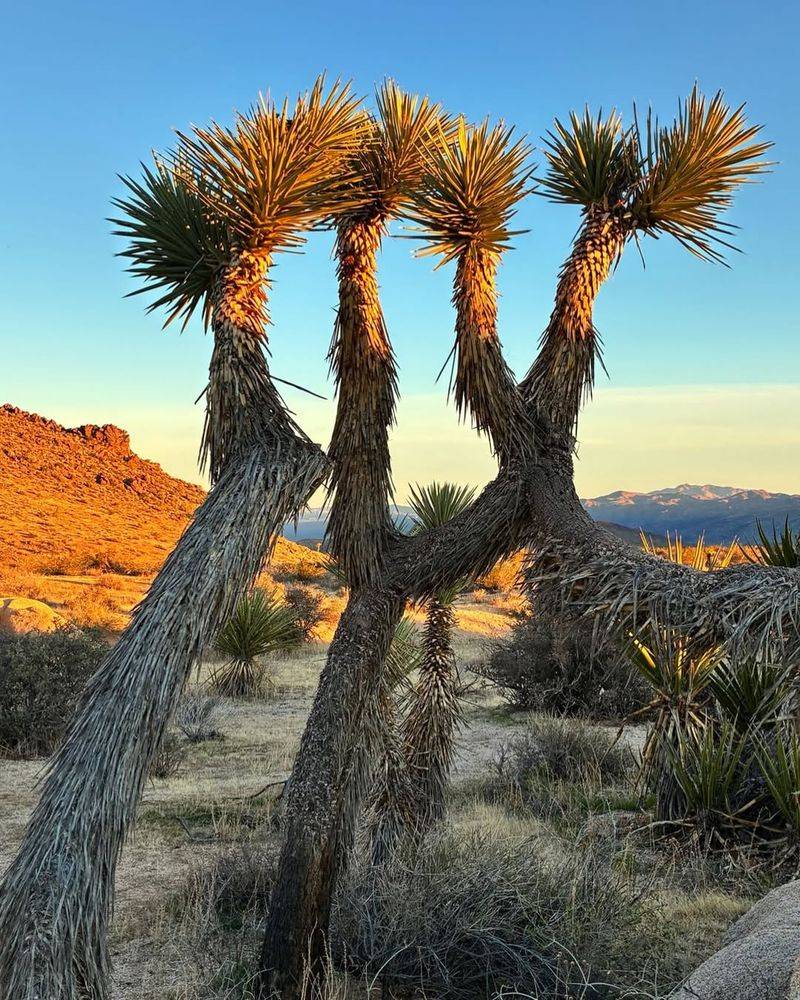
Joshua trees might look ancient and unchanging, but they’re actually quite responsive to environmental conditions.
These plants have survived in harsh desert environments for thousands of years by adjusting how they grow, bloom, and allocate their energy based on seasonal conditions.
During wetter years, Joshua trees often invest more energy in growth and flowering. They may produce more blooms and allocate more resources to seed production when conditions favor success.
In drier years, they tend to conserve energy, sometimes reducing or skipping flowering to focus on survival. This flexible strategy has helped them persist through long-term environmental variability.
Temperature is one of several important signals Joshua trees use to time their seasonal activities, along with moisture and other environmental cues.
Warmer conditions can influence how quickly they reach flowering readiness, though the exact responses can vary from year to year.
The trees don’t consciously decide to bloom early; they’re responding automatically to environmental triggers shaped by evolution.
However, evolution happens slowly, and rapid climate change can challenge a species’ ability to keep pace.
Joshua trees developed their timing mechanisms under long-term climate patterns, and faster shifts in temperature and precipitation may sometimes disrupt how well those responses align with current conditions or with the timing of their pollinator partners.
Is Early Blooming A Problem?
At first glance, early blooms might seem harmless or even delightful. But ecologists see potential warning signs in this shift.
The primary concern centers on reproductive success: if blooming happens before pollinators are active, or if late frosts damage open flowers, the trees produce fewer viable seeds.
Joshua trees already face reproduction challenges. They’re slow-growing and can take decades to reach flowering maturity.
Their reliance on specialized yucca moth pollinators makes them vulnerable to disruptions in that relationship. Early blooming adds another layer of risk to an already delicate reproductive process.
There’s also the question of energy expenditure. Producing flowers requires significant resources.
If trees bloom early and those flowers fail to produce seeds due to pollinator mismatch or weather damage, they’ve used energy that could otherwise support growth or be stored for future stress.
Young Joshua trees are particularly vulnerable. Established adult trees can survive years of poor seed production, but populations need regular successful reproduction to remain healthy over time.
If early blooming becomes more common and consistently results in reduced seed production, fewer young trees may establish, gradually shifting the population toward older individuals without adequate replacement.
Why Experts Are Watching Closely
Botanists and ecologists have increased attention on bloom timing and long-term monitoring of Joshua tree populations in parts of California’s deserts, as unusual flowering patterns may provide insight into broader environmental change.
These early blooms represent more than just an interesting seasonal quirk; they’re potentially an early indicator of how shifting climate and weather patterns are affecting desert ecosystems and the specialized relationships within them.
Research teams are tracking bloom timing, pollinator activity, seed production rates, and seedling establishment across different elevations and locations.
This data helps scientists understand whether early blooming is happening uniformly or varies by region, and whether it correlates with other environmental changes like rainfall patterns or temperature extremes.
The information gathered now will be useful for predicting Joshua tree responses and guiding conservation strategies.
If early blooming continues and contributes to reduced reproduction, managers may consider measures such as seed collection and conservation programs to help preserve genetic diversity for future restoration efforts.
Joshua trees also serve as indicator species for the broader desert ecosystem. Changes in their behavior can reflect wider environmental shifts affecting many other plants and animals.
By studying these iconic trees, scientists gain insights into how desert communities respond to changing conditions, helping inform conservation priorities across the region.
What It Could Mean For The Months Ahead
Looking forward, the early bloom raises questions about what the rest of the year will bring for Joshua trees and the desert ecosystem. If spring arrives early, does summer heat come sooner too?
Will there be enough moisture in the soil to support seed development if the trees did manage to get pollinated?
One concern is that early blooming could leave trees vulnerable to late-season cold snaps. California’s deserts can experience freezing temperatures into early spring, and open flowers or developing fruits can be sensitive to frost damage.
An unusually warm February followed by a colder period could reduce this year’s reproductive success.
There’s also the question of whether this becomes a longer-term pattern. One year of early blooming might be an anomaly, but if it repeats over several years, it could signal a shift in how Joshua trees respond to changing environmental conditions.
Repeated mismatches with pollinator timing could have long-term consequences for population health and distribution.
The coming months will be telling. Scientists will monitor seed development, pollinator activity, and whether any late-season weather events impact the trees.
This year’s early bloom might turn out fine, or it might be part of a broader pattern showing how these desert plants respond and adapt to changing climate and weather conditions.