Why Kentucky Gardeners Are Turning To Woodland-Style Backyards In 2026
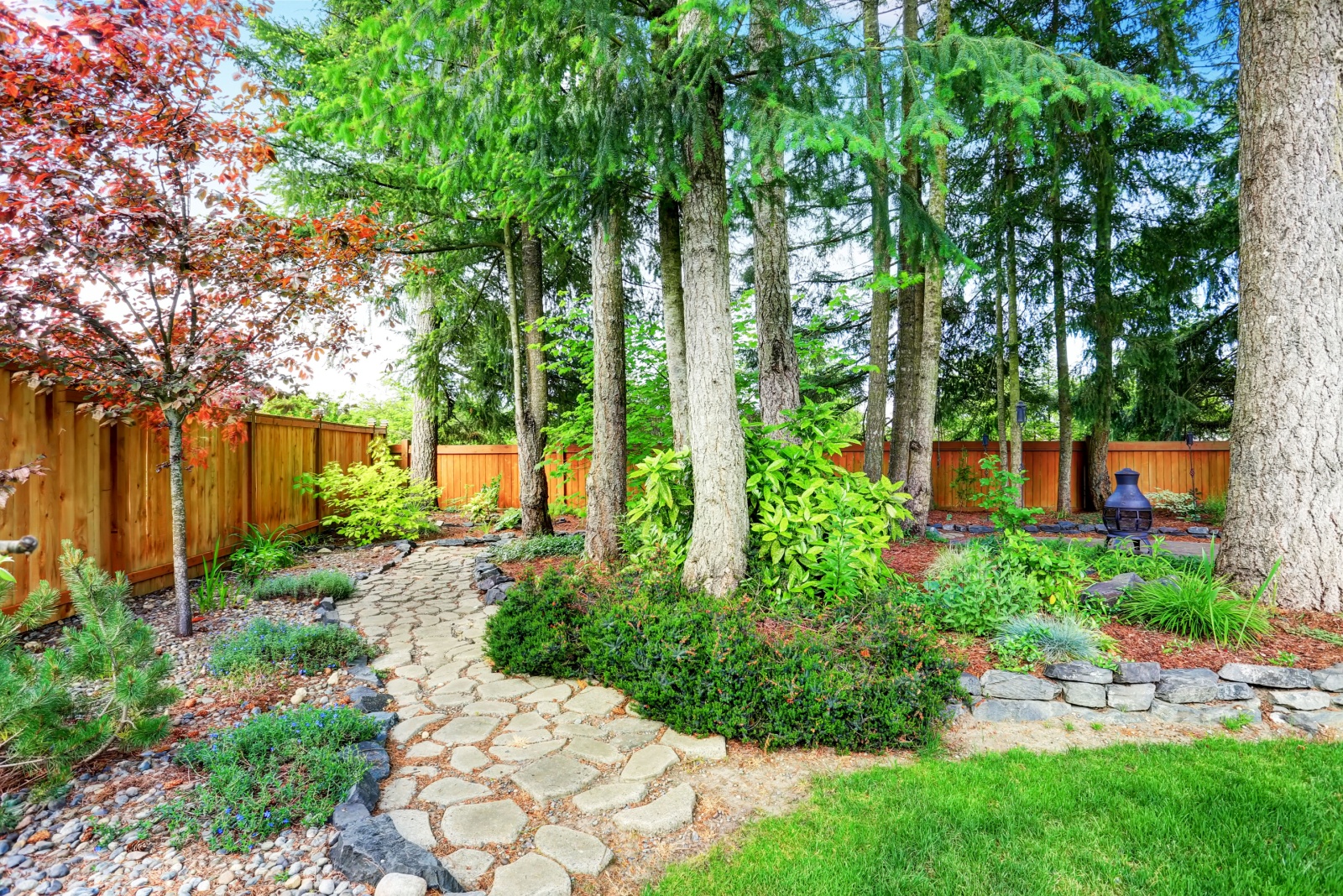
Kentucky gardeners are discovering a new way to design their outdoor spaces that feels natural and looks absolutely beautiful in every season.
Woodland-style backyards bring the peaceful feeling of a forest right to your home with native plants and shady spots for relaxation.
This gardening trend works perfectly with Kentucky’s climate and helps local wildlife find food and shelter throughout the entire year.
Many homeowners are finding that woodland gardens require less work than traditional lawns while creating stunning spaces everyone can truly enjoy.
Native Plants Thrive Without Extra Care
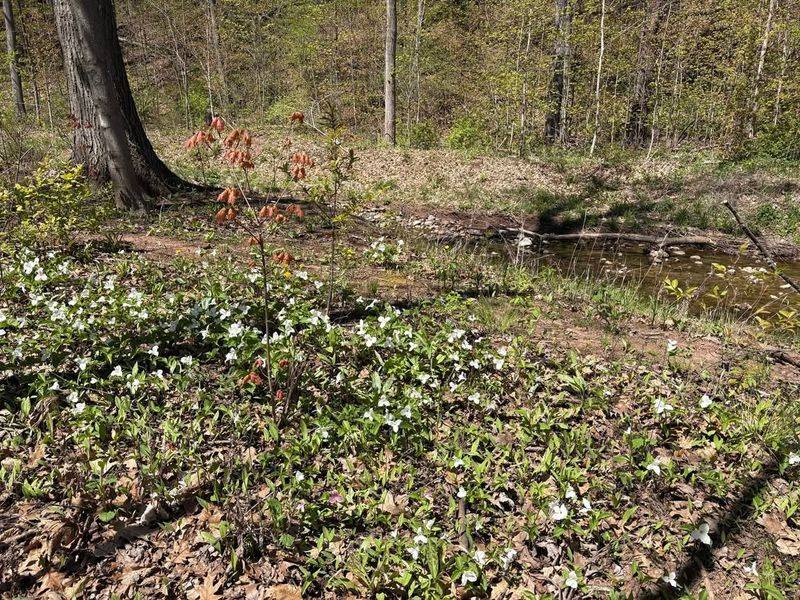
Woodland gardens in Kentucky rely on plants that already grow wild in local forests, which means they adapt quickly to backyard conditions.
Gardeners are choosing species like wild ginger, bloodroot, and trillium because these natives require minimal watering once their roots establish properly.
Unlike grass lawns that need constant mowing and fertilizing, native woodland plants grow at their own pace without demanding weekly attention.
Kentucky’s natural rainfall patterns provide enough moisture for most native species, saving both time and money on irrigation systems throughout summer.
These plants have evolved alongside local insects and animals, creating balanced ecosystems that support themselves with very little human intervention needed.
Homeowners appreciate how native gardens stay healthy through Kentucky’s humid summers and occasional drought periods without requiring chemical treatments or pesticides.
Choosing natives also means supporting local nurseries that specialize in regional plants, helping the community while creating beautiful, low-maintenance garden spaces.
Wildlife Finds Safe Habitat Close To Home
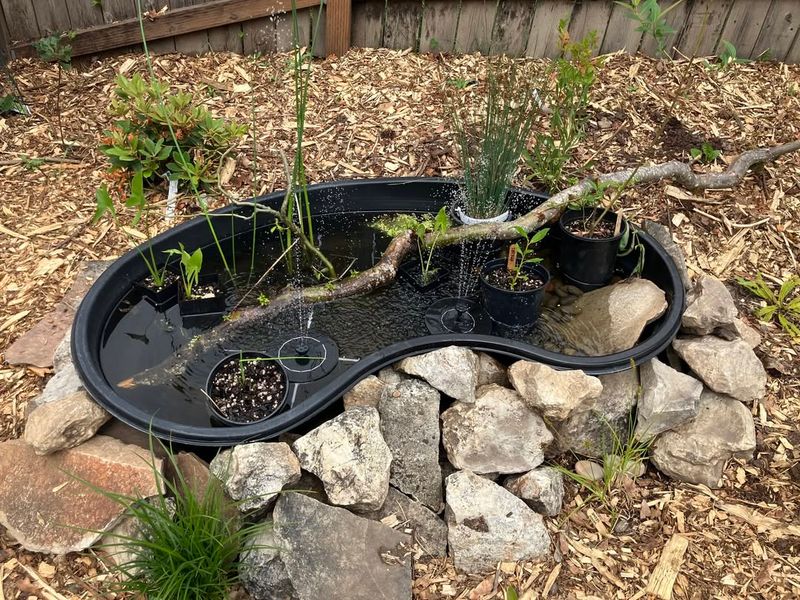
Creating woodland-style gardens transforms ordinary backyards into welcoming habitats where birds, butterflies, and beneficial insects can find food and safe shelter.
Kentucky gardeners notice more songbirds visiting when they plant native berry bushes and seed-producing flowers that provide natural food sources year-round.
Butterflies need specific host plants for their caterpillars, and woodland gardens offer exactly what these beautiful pollinators require for their lifecycle.
Small mammals like chipmunks and rabbits also benefit from the layered vegetation structure that mimics their natural forest environment perfectly.
Homeowners enjoy watching nature unfold right outside their windows as different species visit throughout each season, creating living entertainment for families.
Providing habitat helps struggling pollinator populations recover while teaching children about ecology and environmental stewardship through direct observation and experience.
Woodland gardens also reduce the need for pest control because natural predators like birds and beneficial insects keep problem populations balanced.
Shade Gardening Solves Common Yard Challenges
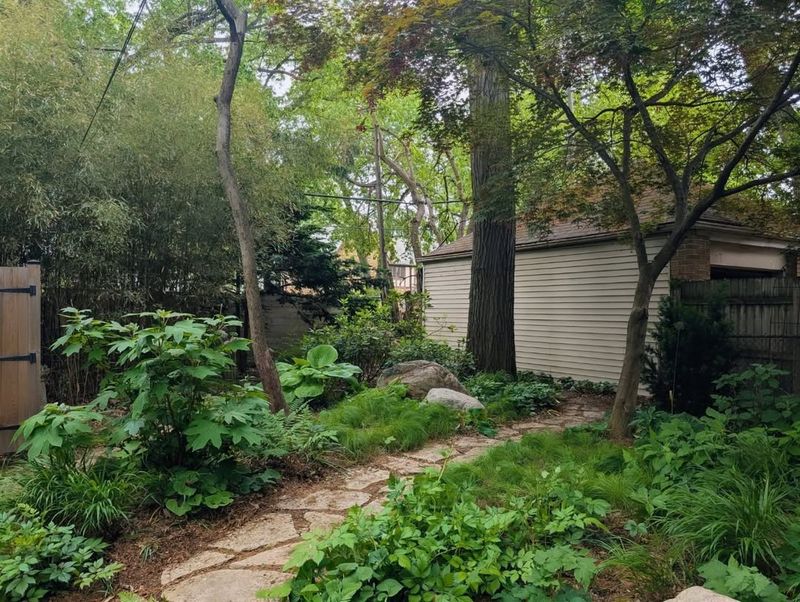
Many Kentucky properties feature mature trees that create dense shade where traditional grass struggles to grow, leaving frustrating bare patches everywhere.
Woodland-style gardening embraces these shady conditions by using plants that actually prefer filtered light and moist, cool soil found under tree canopies.
Hostas, ferns, and native wildflowers transform problem areas into attractive garden beds that look intentional rather than neglected or difficult to maintain.
Gardeners no longer waste time and money trying to force sun-loving grass to survive in spaces where it simply cannot thrive.
Shade gardens also stay cooler during Kentucky’s hot summer months, creating comfortable outdoor spaces where families can relax without harsh sun exposure.
The layered planting approach mimics forest floors, with ground covers, mid-height perennials, and understory shrubs creating visual interest at multiple levels.
This solution turns yard challenges into opportunities for creativity and beauty while working with nature instead of fighting against natural conditions.
Lower Maintenance Means More Free Time
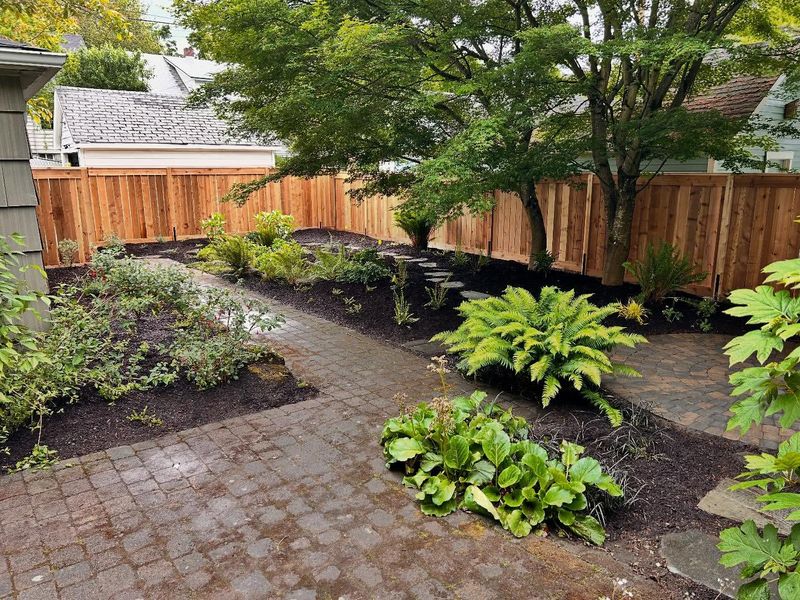
Traditional lawns demand weekly mowing, edging, fertilizing, and watering, consuming precious weekend hours that families would rather spend enjoying their outdoor spaces.
Woodland gardens require only seasonal cleanup and occasional weeding once plants establish themselves, freeing up significant time for relaxation and recreation instead.
After the initial planting period, native woodland plants spread naturally to fill spaces, reducing the need for constant replanting or redesigning efforts.
Leaf litter can stay in place as natural mulch, eliminating the exhausting task of raking and bagging leaves every autumn season.
Kentucky gardeners appreciate how woodland-style designs reduce noise pollution since gas-powered mowers and blowers become unnecessary for maintaining attractive outdoor spaces.
The money saved on lawn equipment, fuel, and professional lawn services can be redirected toward family activities or other home improvements.
Busy professionals and retirees alike find that woodland gardens offer beauty without demanding constant attention, making them ideal for modern lifestyles.
Climate Change Resilience Matters Now
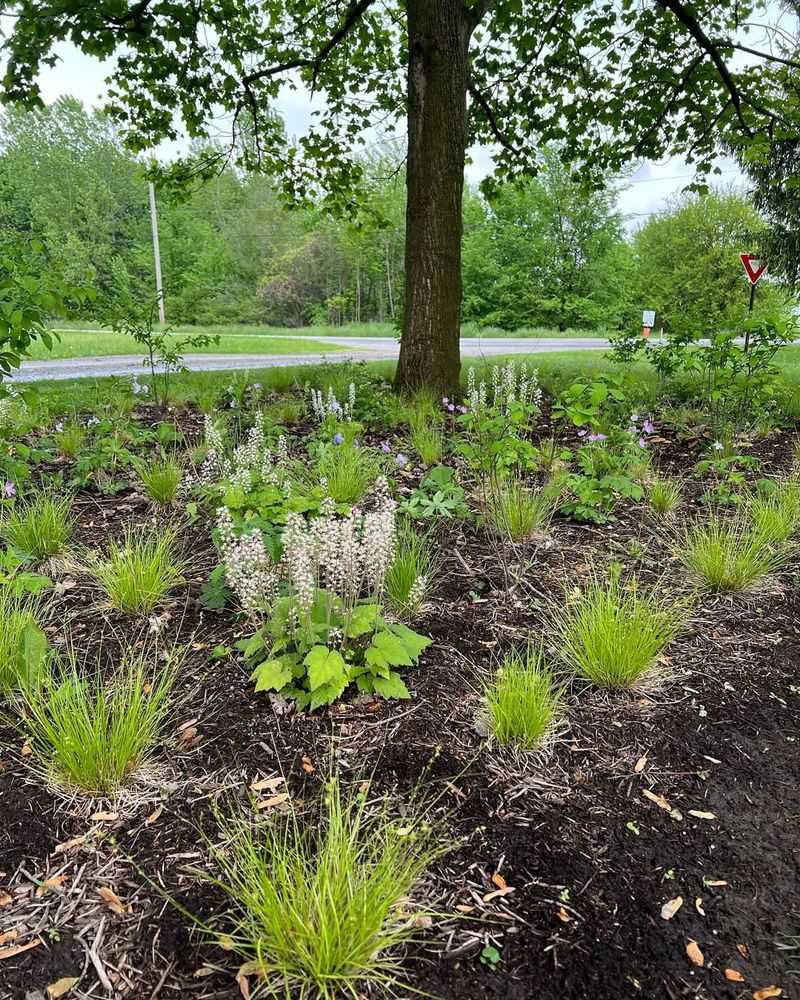
Kentucky’s weather patterns are becoming less predictable, with more intense storms followed by extended dry periods that stress traditional landscape plants.
Woodland gardens feature deep-rooted native species that access moisture far below the surface, helping them survive drought conditions much better.
The layered canopy structure of woodland gardens also moderates temperature extremes, protecting sensitive plants from harsh sun and sudden temperature fluctuations.
Native plants have adapted to Kentucky’s specific climate over thousands of years, making them naturally equipped to handle regional weather variations.
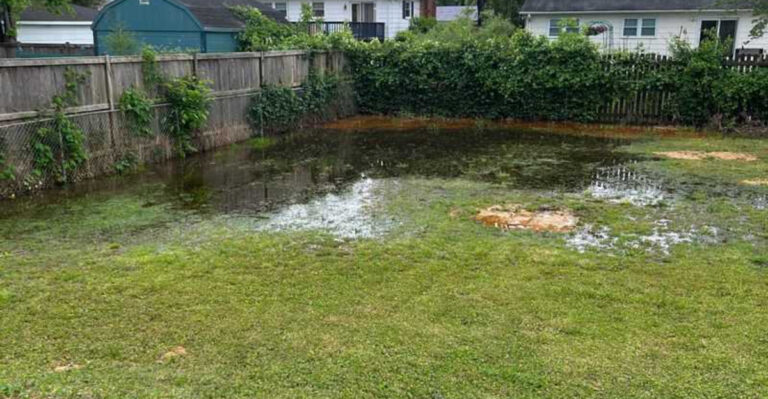
Woodland-style gardens absorb rainwater more effectively than lawns, reducing runoff that can cause flooding and erosion problems during increasingly heavy rainfall events.
The organic matter in woodland soil acts like a sponge, storing water for gradual release during drier periods when plants need it most.
Gardeners feel confident that their landscapes will remain attractive and functional despite unpredictable weather patterns affecting the region in coming years.
Connection To Kentucky’s Natural Heritage
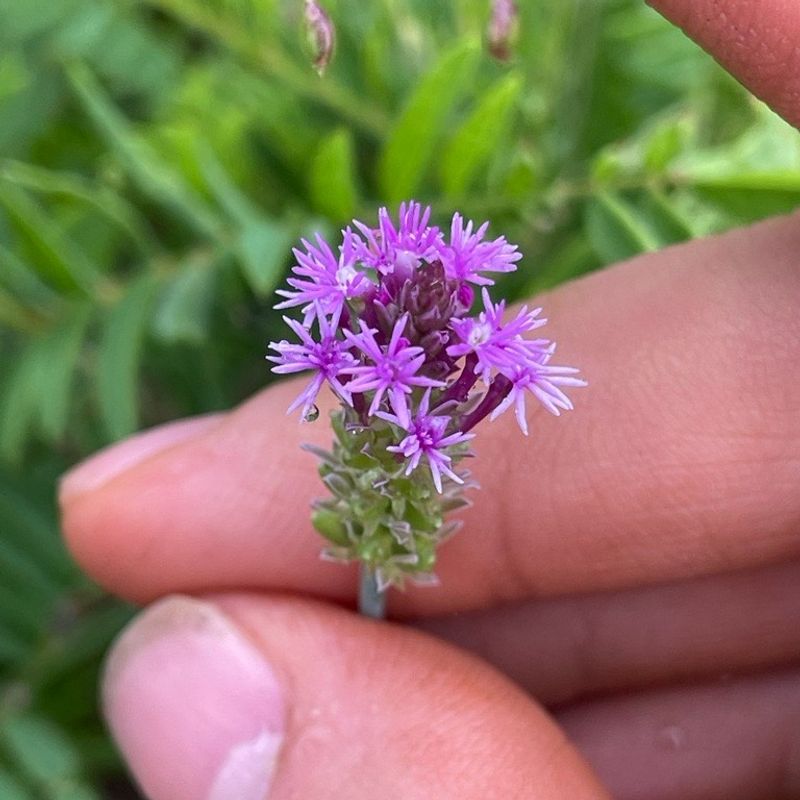
Kentucky’s forests are legendary for their biodiversity and seasonal beauty, and woodland gardens bring that regional character directly into residential neighborhoods.
Gardeners feel a deeper connection to their local environment when they cultivate the same plant species their ancestors saw in natural landscapes.
Children growing up with woodland gardens learn to identify native plants and understand the ecological relationships that make Kentucky’s natural areas special.
This style of gardening preserves genetic diversity by maintaining populations of native plants that might otherwise disappear from developed areas completely.
Woodland gardens also reflect Kentucky’s cultural identity, celebrating the state’s forested heritage rather than imposing generic landscape designs from other regions.
Visitors often comment on how authentic and place-appropriate these gardens feel compared to cookie-cutter lawn-and-shrub combinations found in many subdivisions.
Creating woodland-style spaces helps preserve Kentucky’s botanical legacy while educating future generations about the importance of native ecosystems and conservation efforts.
Improved Soil Health Naturally Over Time
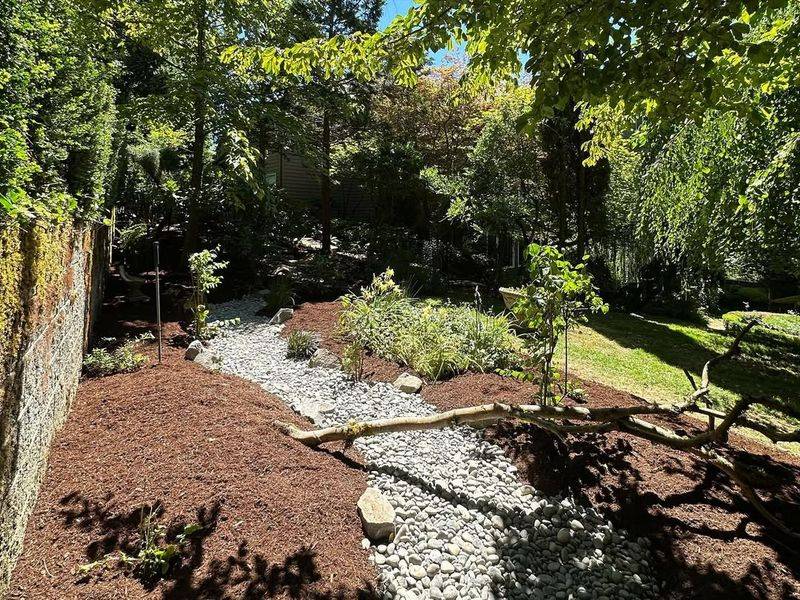
Woodland gardens build soil quality naturally through continuous cycles of plant growth, leaf drop, and decomposition that create rich organic matter.
Unlike lawns that often deplete soil nutrients and require synthetic fertilizers, woodland systems constantly improve the ground they grow in over time.
The diverse root systems of different plant species create channels that improve drainage and allow air to reach deeper soil layers.
Beneficial fungi and bacteria thrive in woodland garden soil, forming symbiotic relationships with plant roots that help them absorb nutrients more efficiently.
Kentucky gardeners notice fewer problems with compacted clay soil when they switch to woodland-style designs that incorporate organic matter and varied planting.
Earthworms and other soil organisms multiply in these environments, further aerating and enriching the earth without any mechanical intervention required.
Healthy soil supports stronger plants that resist pests and diseases naturally, creating a positive cycle that improves garden performance with each passing year.
Cost Savings Add Up Quickly
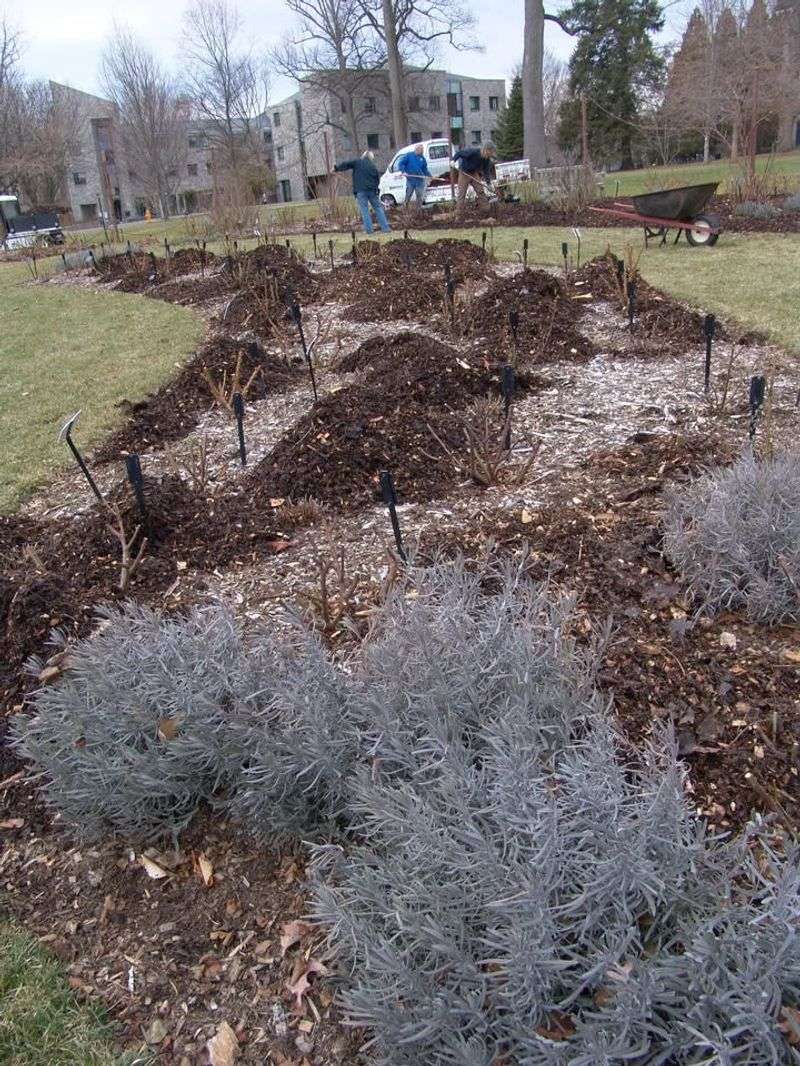
Converting traditional lawns to woodland gardens eliminates ongoing expenses for lawn fertilizers, pesticides, herbicides, and professional application services that add up significantly.
Water bills decrease substantially since native woodland plants require far less supplemental irrigation once their root systems establish in the ground.
Homeowners avoid purchasing and maintaining expensive lawn equipment like mowers, edgers, and leaf blowers that require regular fuel and mechanical servicing.
Woodland gardens use free natural mulch from fallen leaves instead of purchasing bagged mulch products every spring to cover bare soil.
Native plants typically cost less than exotic ornamentals and rarely need replacing since they’re adapted to survive Kentucky’s growing conditions long-term.
The reduced need for professional landscaping services means significant savings over the years as woodland gardens largely maintain themselves after initial establishment.
Many Kentucky gardeners report that their woodland conversion paid for itself within just a few years through eliminated maintenance costs and expenses.
These financial benefits make woodland-style gardening attractive for budget-conscious families looking to reduce household expenses without sacrificing outdoor beauty and enjoyment.
Seasonal Beauty Evolves All Year Long
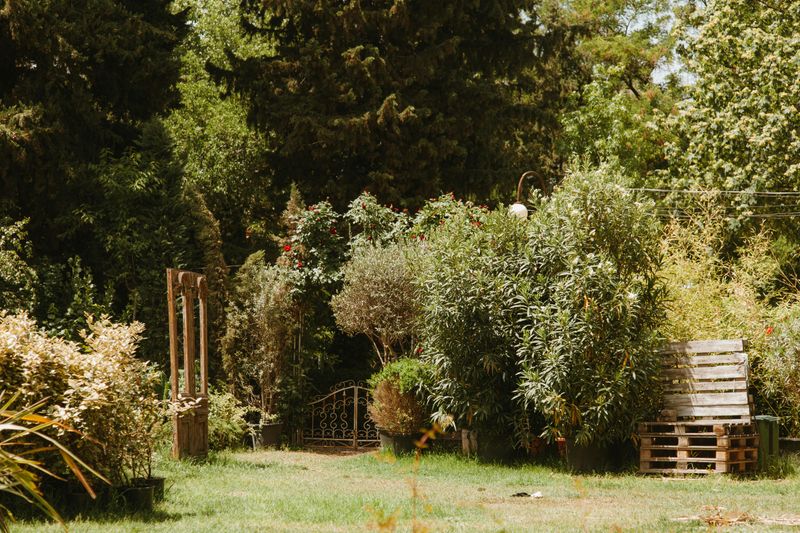
Woodland-style backyards offer a dynamic kind of beauty that changes gracefully with the seasons instead of relying on a single peak moment.
Spring brings delicate wildflowers emerging through leaf litter, while summer fills shaded spaces with lush green textures from ferns and understory plants.
In fall, woodland gardens truly shine as native trees and shrubs display rich shades of gold, copper, and deep red without any extra effort from homeowners.
Fallen leaves add visual interest while nourishing the soil below, creating a landscape that feels alive rather than messy or neglected.
Even winter has its own appeal, with bare branches, evergreen ground covers, and seed heads providing structure and subtle interest during colder months.
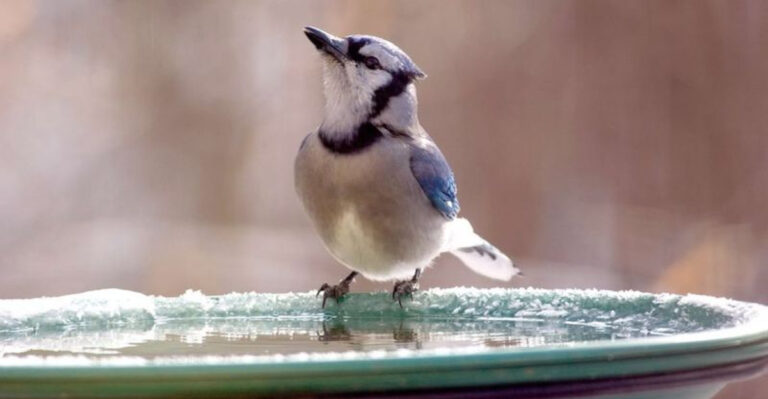
Birds continue visiting woodland gardens throughout winter, adding movement and life when traditional lawns look dormant and empty.
Kentucky gardeners appreciate how woodland landscapes never feel static or boring, offering something new to notice in every season.
This evolving beauty encourages people to spend more time outdoors year-round, deepening their enjoyment of their own backyard spaces without additional planting or redesign work.