Why Kentucky Homeowners Are Choosing To Build Wildlife Water Stations
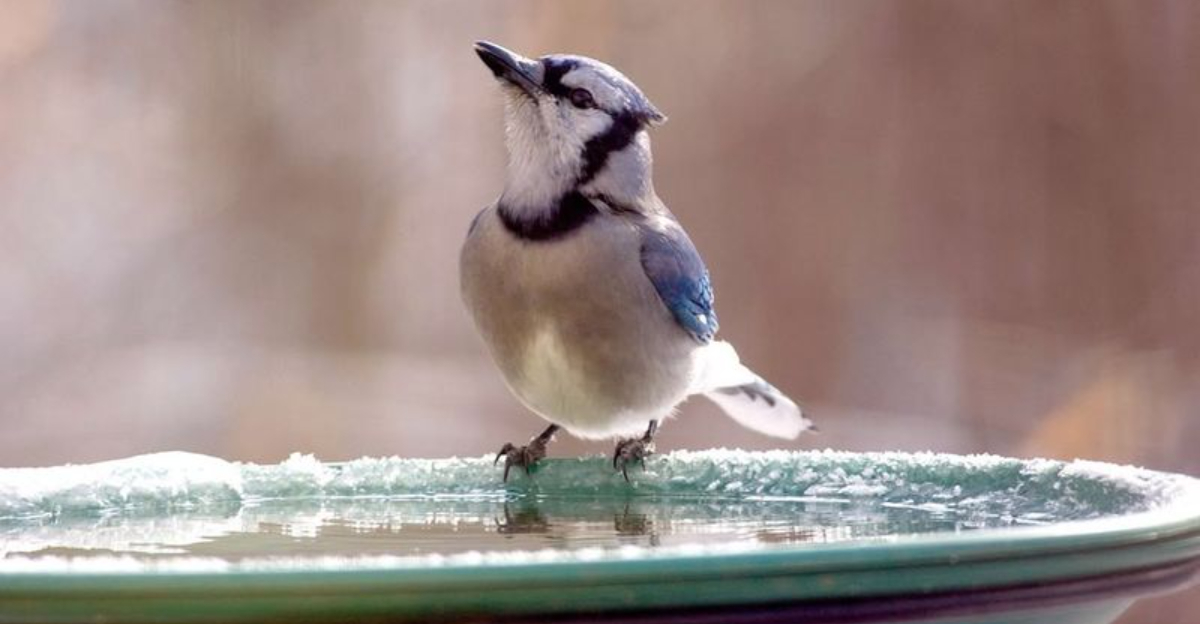
Kentucky yards are changing in small but meaningful ways, and wildlife water stations are becoming a welcome sight.
As summers grow hotter and dry stretches last longer, homeowners notice birds, butterflies, and small animals searching for a safe place to drink.
A simple bowl of water or shallow basin can turn a quiet yard into a life-saving stop, bringing nature a little closer to home.
These stations fit right into the rhythm of Kentucky landscapes, blending care for wildlife with everyday outdoor living.
Homeowners enjoy watching birds splash, bees pause for a sip, and deer linger at the edge of the trees.
Building a water station feels like lending a helping hand without much effort.
It adds purpose to the yard while creating moments of calm and connection.
By choosing to provide water, Kentucky homeowners support local wildlife, balance their backyard ecosystems, and turn ordinary outdoor spaces into welcoming refuges that give back to the land around them.
1. Supporting Local Ecosystems During Drought Conditions
Kentucky summers can be brutal, with temperatures soaring and rainfall becoming unpredictable.
Many areas across the state experience drought conditions that leave streams and natural water sources running low.
Wildlife that depends on these sources suddenly finds itself struggling to stay hydrated, which affects everything from daily survival to raising young.
Homeowners recognize this challenge and step up to fill the gap.
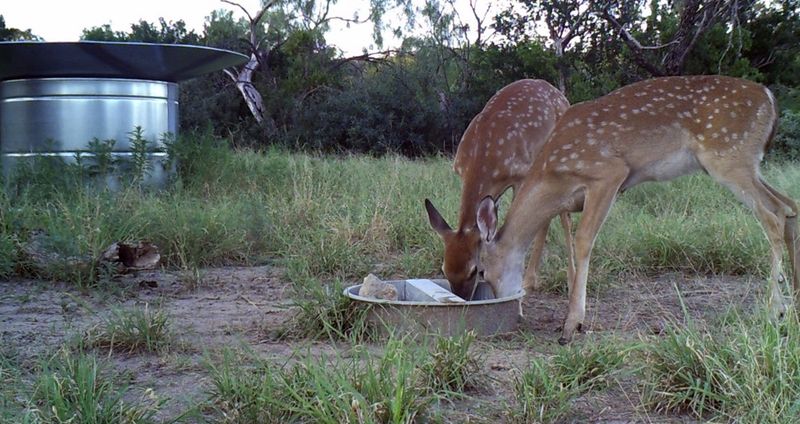
By placing water stations in their yards, they create reliable spots where animals can drink safely.
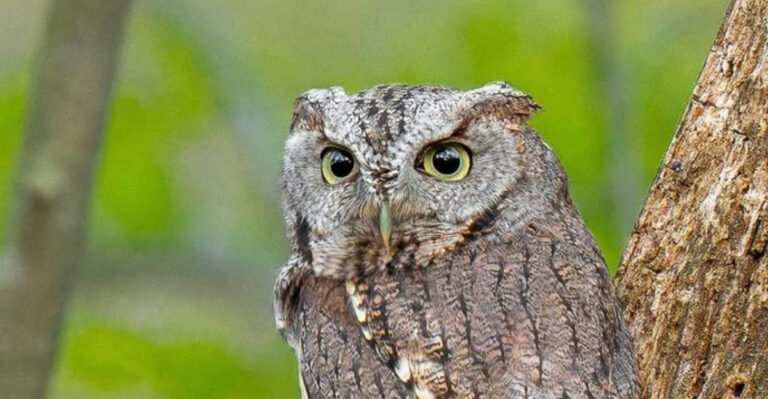
Cardinals, blue jays, and woodpeckers visit throughout the day.
Squirrels stop by between foraging trips, and rabbits cautiously approach during quieter evening hours.
The impact extends beyond individual animals.
When wildlife has access to water, entire ecosystems stay balanced.
Birds continue pollinating flowers and controlling insect populations.
Small mammals keep seed dispersal happening naturally.
Even amphibians like frogs benefit when shallow water stations provide moisture they need to survive hot days.
Kentucky residents in both rural and suburban areas notice the difference these stations make.
Communities from Bowling Green to Covington report seeing more diverse wildlife since adding water features.
The effort required is minimal, just refilling containers every few days and keeping them clean.
Yet the positive effects ripple through local environments, helping nature cope with increasingly unpredictable weather patterns that challenge traditional water sources across the Bluegrass State.
2. Attracting Beautiful Songbirds To Your Property
Few things compare to waking up to cheerful birdsong floating through your windows.
Kentucky homeowners who install water stations quickly discover they’ve created a magnet for stunning songbirds.
Species that might have just flown past now stop regularly, treating yards like their favorite café.
Cardinals are among the first visitors, their brilliant red feathers catching sunlight as they splash and drink.
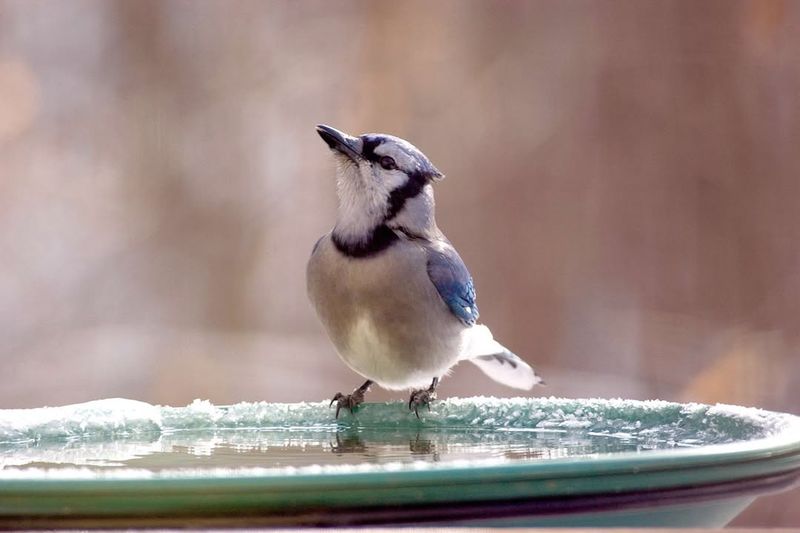
Blue jays arrive with their bold personalities, often announcing their presence with distinctive calls.
Goldfinches, chickadees, and tufted titmice join the party, each bringing unique colors and behaviors that fascinate anyone watching from inside.
Water stations work better than feeders for attracting variety.
Every bird needs water, but not all eat the same seeds.
A simple basin brings in species that might ignore traditional bird feeders completely.
Warblers passing through during migration seasons make surprise appearances, delighting birdwatchers who never expected such rare visitors.
The entertainment value alone makes water stations worthwhile.
Families gather by windows to watch birds bathe, their splashing antics providing natural comedy.
Kids learn to identify different species, developing appreciation for nature without leaving home.
Many Kentucky residents keep journals documenting which birds visit and when, turning their backyards into personal wildlife observatories.
Setting up stations near windows or patios creates front-row seats to nature’s daily show.
The investment is small, but the rewards, both in beauty and connection to the natural world, make every Kentucky homeowner who tries it wonder why they waited so long.
3. Helping Pollinators Like Bees And Butterflies Thrive
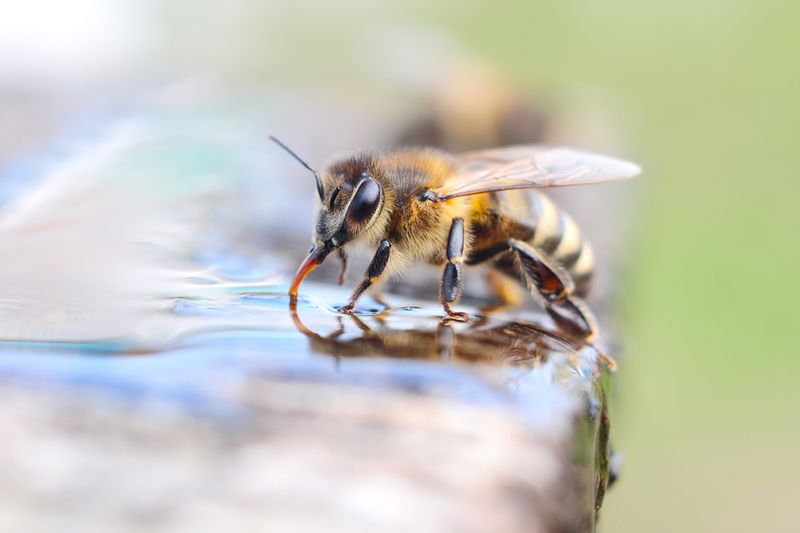
Pollinators work tirelessly keeping Kentucky gardens productive and beautiful.
Bees, butterflies, and other insects need water just like larger animals, but they face unique challenges.
Regular birdbaths are too deep and dangerous for small creatures that can’t swim.
Smart homeowners solve this by creating pollinator-friendly water stations with shallow areas and landing spots.
Adding rocks, marbles, or sticks to water dishes gives insects safe places to perch while drinking.
Butterflies land on these surfaces, unfurling their proboscis to sip water without risking drowning.
Honeybees cluster around edges, collecting water they’ll carry back to hives for cooling and mixing with honey.
The timing matters significantly.
Spring through fall, when pollinators are most active, Kentucky experiences warm stretches where natural water sources evaporate quickly.
Flowers provide nectar, but insects still need plain water for hydration and various biological processes.
Gardens with water stations see increased pollinator activity, which means better vegetable yields and more vibrant flower displays.
Monarch butterflies migrating through Kentucky especially benefit from these stations.
Their long journey requires frequent stops for fuel and hydration.
Homeowners who provide water along migration routes literally help these beautiful travelers survive their incredible journey.
Mason bees, bumblebees, and native bee species also visit regularly, supporting local agriculture and wild plant reproduction.
Creating pollinator water stations costs almost nothing but delivers enormous benefits.
Kentucky gardens become healthier, more productive spaces where tiny workers get the support they need to keep ecosystems functioning properly throughout the growing season.
4. Teaching Children About Wildlife Conservation And Responsibility
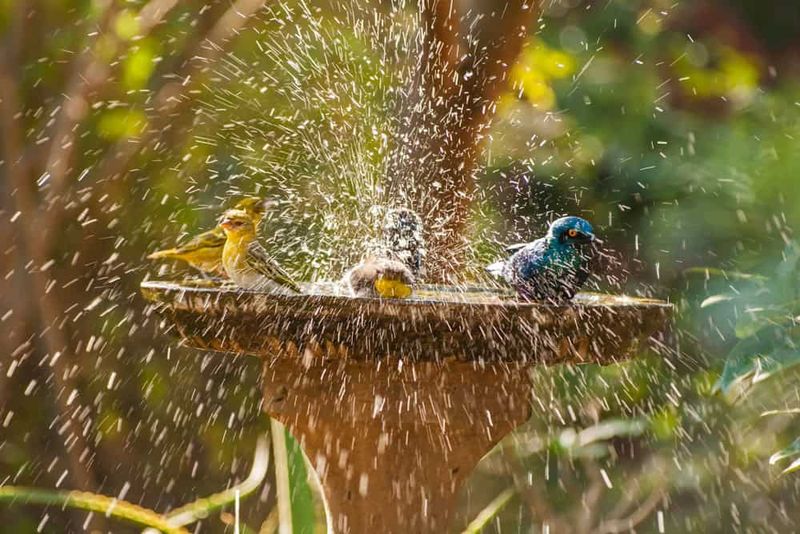
Kids today spend countless hours on screens, disconnected from the natural world right outside their doors.
Wildlife water stations offer Kentucky parents a simple way to change that.
When children take responsibility for maintaining these stations, they learn valuable lessons about caring for living things and understanding ecosystems.
The daily routine of checking water levels and refilling stations teaches consistency and commitment.
Children discover that animals depend on them, creating a sense of purpose and accomplishment.
They learn to observe quietly, noticing which creatures visit at different times and understanding animal behavior patterns firsthand.
These experiences spark curiosity that books alone can’t match.
Kids ask questions about why birds splash, how butterflies drink, and where animals go when it rains.
Parents find natural teaching moments appearing regularly, discussing topics from biology to weather patterns to environmental stewardship.
Kentucky’s rich biodiversity means there’s always something new to discover and learn about together.
Schools across the state are catching on too.
Teachers incorporate water station projects into science curricula, having students track visitors and research local species.
The hands-on approach makes conservation tangible rather than abstract.
Children who maintain water stations often become passionate advocates for protecting natural habitats and wildlife.
Beyond education, these projects build empathy.
Watching a thirsty squirrel drink gratefully or seeing butterflies gather at a station helps children understand their actions directly impact other living beings.
This emotional connection to nature often lasts a lifetime, shaping how young Kentuckians view their relationship with the environment and inspiring future conservation efforts throughout the Commonwealth.
5. Creating Natural Pest Control By Supporting Beneficial Animals
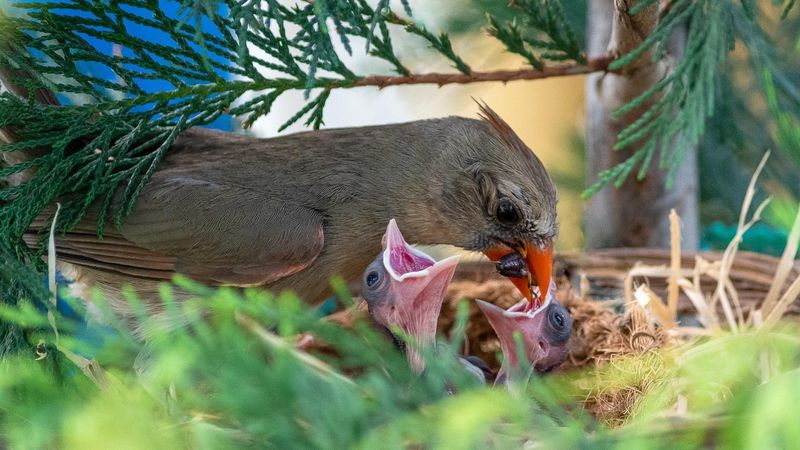
Chemical pesticides harm more than just unwanted bugs, they affect soil health, water quality, and beneficial creatures too.
Forward-thinking Kentucky homeowners are choosing a smarter approach by supporting natural pest controllers through water stations.
Animals that eat insects need hydration to hunt effectively, and providing water keeps these helpful hunters active in your yard.
Toads are champion insect eaters, consuming hundreds of mosquitoes, slugs, and garden pests nightly.
They need moist environments and accessible water to thrive.
Shallow water stations positioned near gardens create perfect toad habitats.
Similarly, birds like wrens, swallows, and bluebirds feed their babies entirely on insects, making dozens of trips daily to catch caterpillars, beetles, and aphids.
Bats, though often misunderstood, devour thousands of mosquitoes each night.
While they don’t drink from ground stations, the overall ecosystem health supported by water features helps maintain bat populations.
Dragonflies, which spend their nymph stage in water, become aerial acrobats that catch flying insects mid-flight.
Even spiders, which many folks tolerate reluctantly, control pest populations more effectively when the broader ecosystem stays balanced.
Kentucky gardeners who maintain water stations report fewer pest problems without resorting to sprays or chemicals.
Their vegetables grow healthier, flowers bloom more abundantly, and they avoid exposing their families to potentially harmful substances.
The approach saves money too, water costs nothing compared to repeated pesticide purchases.
Nature provides free pest control services when given the right support.
Water stations are key infrastructure for this biological approach, keeping beneficial animals healthy and active throughout Kentucky’s growing season.
6. Improving Property Value Through Enhanced Landscaping Appeal
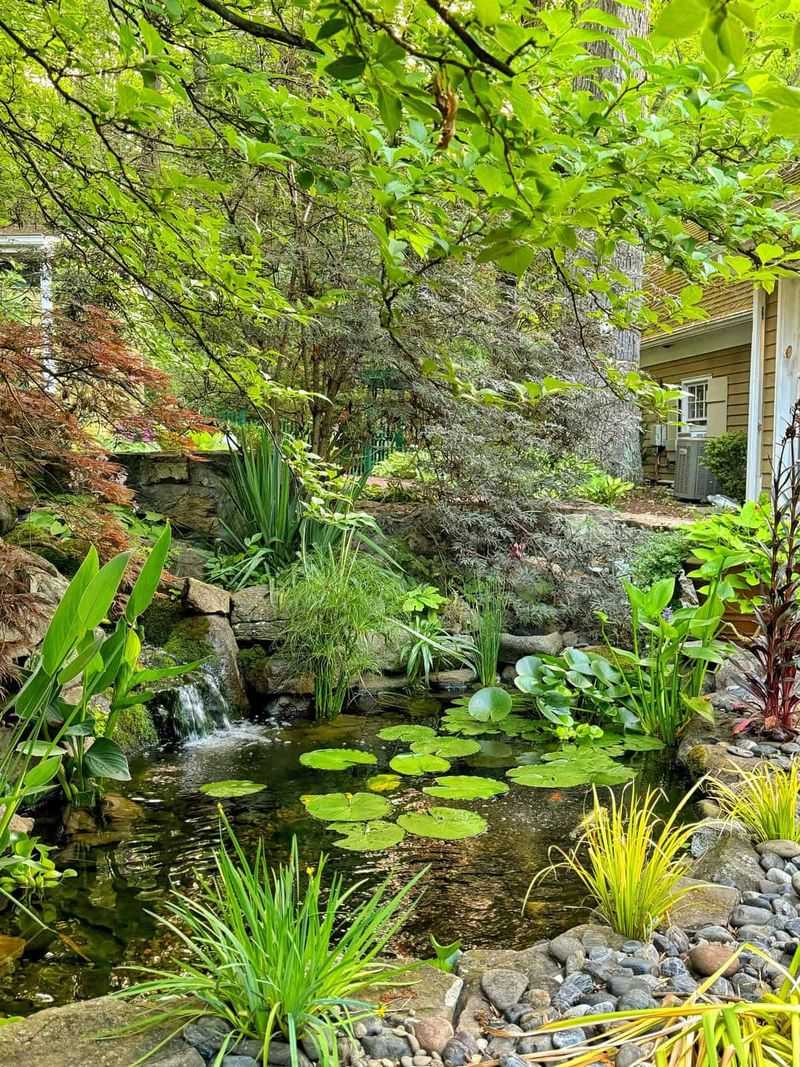
Real estate agents across Kentucky notice a trend: properties with wildlife-friendly features sell faster and command higher prices.
Water stations, when thoughtfully designed, add aesthetic appeal while demonstrating environmental consciousness that today’s buyers value.
They transform ordinary yards into dynamic spaces where nature and human living blend beautifully.
Well-placed water features become focal points in landscape design.
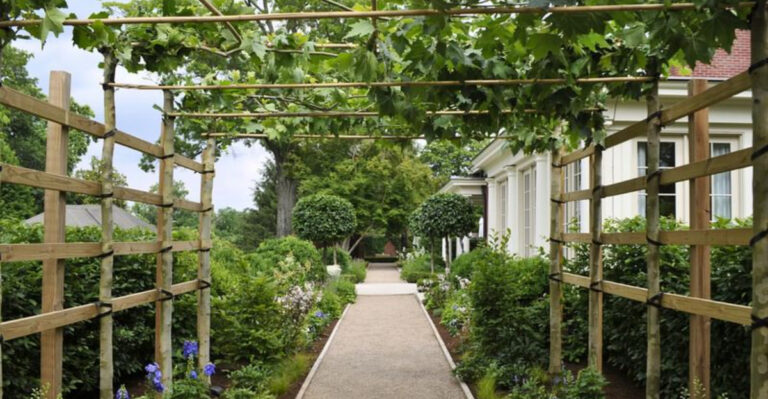
A stone birdbath surrounded by native flowers creates visual interest and draws the eye naturally.
Modern water stations come in styles from rustic to contemporary, matching any home’s architecture.
Potential buyers touring properties often pause longest at yards where birds are actively visiting, imagining peaceful mornings enjoying the view.
The wildlife activity itself adds perceived value.
Yards buzzing with butterflies and songbirds feel alive and well-maintained.
They suggest the property owner cares about details and environmental quality.
In competitive housing markets around Louisville, Lexington, and other Kentucky cities, these small distinctions help listings stand out from dozens of similar homes.
Beyond resale value, water stations enhance daily enjoyment for current homeowners.
They create outdoor spaces people actually want to use, increasing the functional square footage of properties.
Patios and decks positioned near water features become favorite gathering spots where families naturally spend more time together outdoors.
Professional landscapers throughout Kentucky now routinely include water features in their designs.
The trend reflects growing awareness that properties offering habitat for wildlife appeal to modern sensibilities about sustainable living.
Homeowners investing in these features enjoy both immediate quality-of-life improvements and long-term financial benefits when they eventually decide to sell their Kentucky property.
7. Connecting With Nature Without Leaving Home
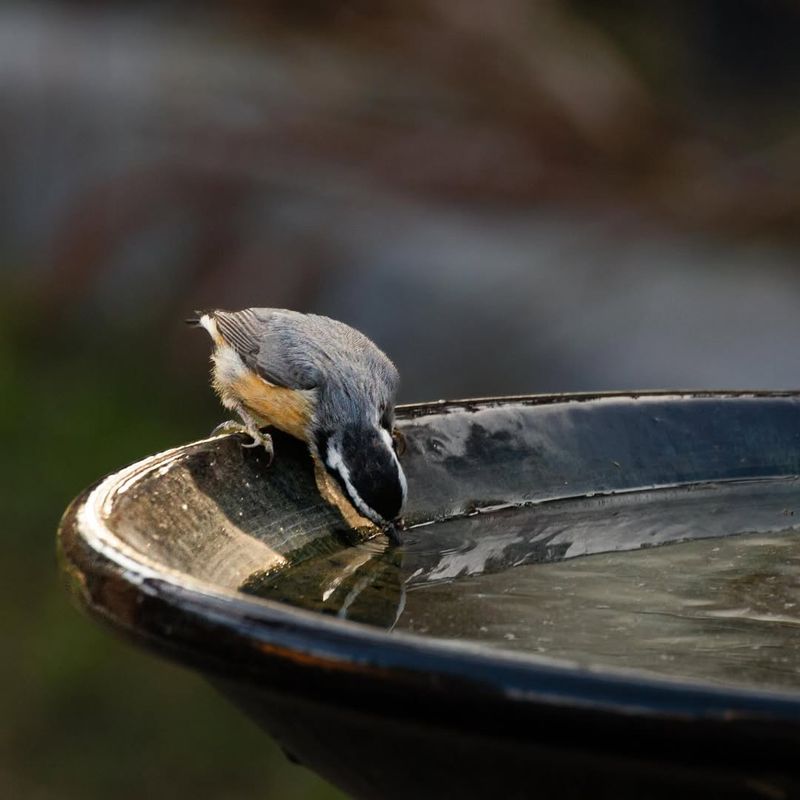
Modern life moves fast, leaving little time for nature hikes or camping trips.
Kentucky homeowners find that wildlife water stations bring the wilderness to them, creating daily opportunities to connect with the natural world.
These simple additions transform backyards into peaceful retreats where stress melts away while watching animals go about their lives.
Morning coffee becomes meditation when accompanied by birds splashing in a nearby basin.
The simple act of observing wildlife grounds people in the present moment, offering a break from worries about work or responsibilities.
Psychologists confirm that nature connection improves mental health, reduces anxiety, and increases overall life satisfaction.
Water stations make this therapeutic contact effortless and consistent.
Elderly residents and people with mobility challenges especially appreciate these features.
When visiting natural areas isn’t easy, having nature visit you becomes incredibly meaningful.
Retirees across Kentucky spend hours watching their water stations, finding joy and purpose in caring for visiting creatures.
The activity provides gentle structure to days while maintaining important connections to the living world.
Families discover that water stations create shared experiences bridging generation gaps.
Grandparents teach grandchildren about different bird species.
Parents and teens find common ground discussing visiting wildlife.
These moments of connection happen naturally, without forcing conversation or competing with digital distractions.
The peace found in wildlife watching is genuine and accessible.
Kentucky homeowners don’t need expensive equipment or special skills, just a water station and willingness to pause and observe.
In a world that often feels chaotic and disconnected, these backyard sanctuaries offer something increasingly rare: quiet moments of wonder and authentic connection with the natural world right outside the door.