Why Lady Slipper Orchids Are Protected Across Maine Forests
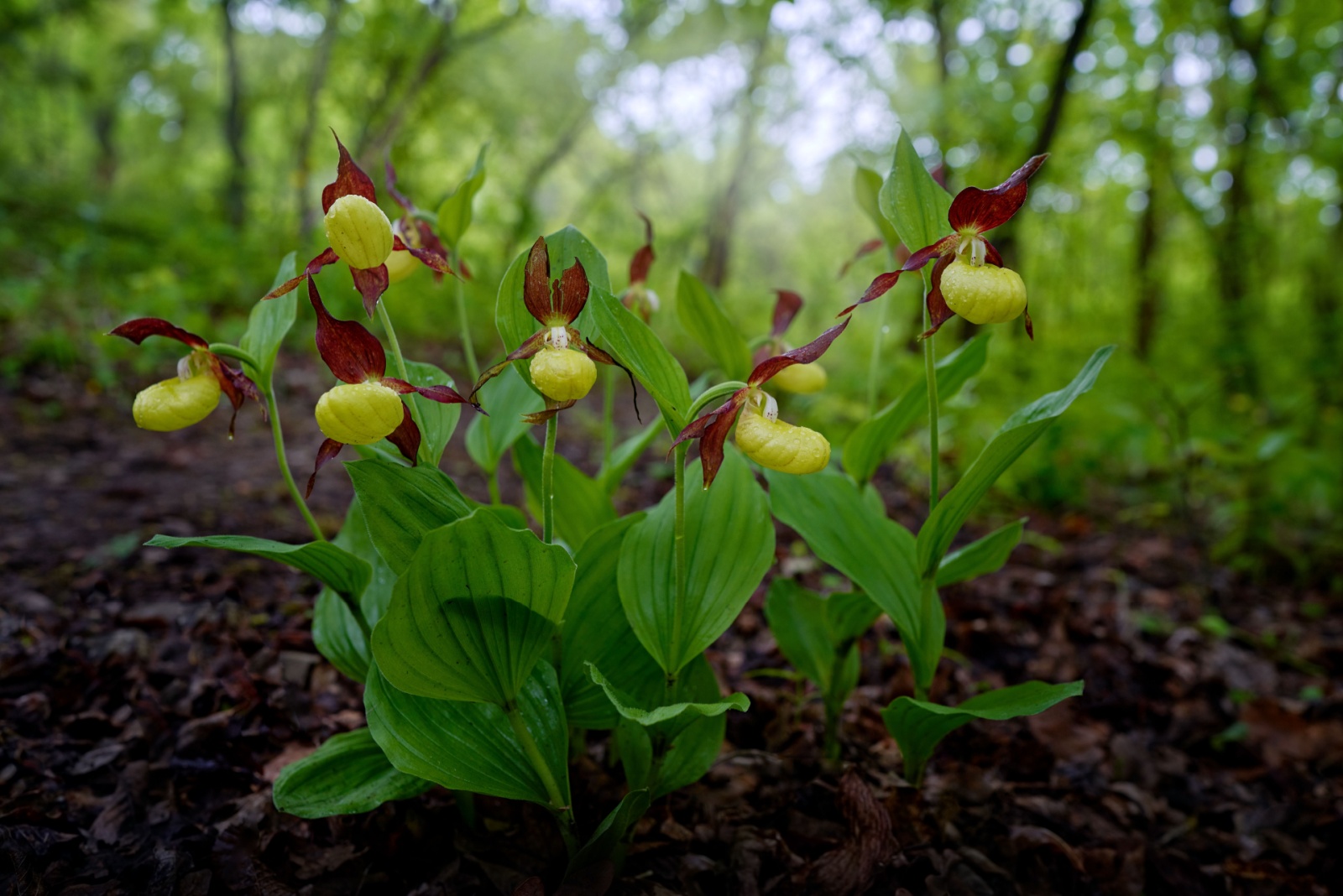
Deep in Maine forests, a rare flower steals the show and holds the line against loss.
Lady slipper orchids stand as crown jewels, delicate yet tough as old boots.
Their beauty draws eyes and hands, but one wrong move tips the apple cart.
That risk sparks firm rules, forged to keep balance and guard a fragile legacy.
These blooms rely on quiet partners beneath soil and shade, ties that break at the first sign of trouble.
Pull one plant, and the whole house of cards may fall. State law steps in, not to spoil joy, but to play it smart and long.
Protection keeps forests rich, wild, and true to form. For walkers and photographers, respect pays off in spades.
Leave roots at rest, and Maine keeps its natural trump card, safe, scarce, and worth the wait for all who roam pine paths with care intact always.
Lady Slipper Orchids Grow Extremely Slowly In The Wild
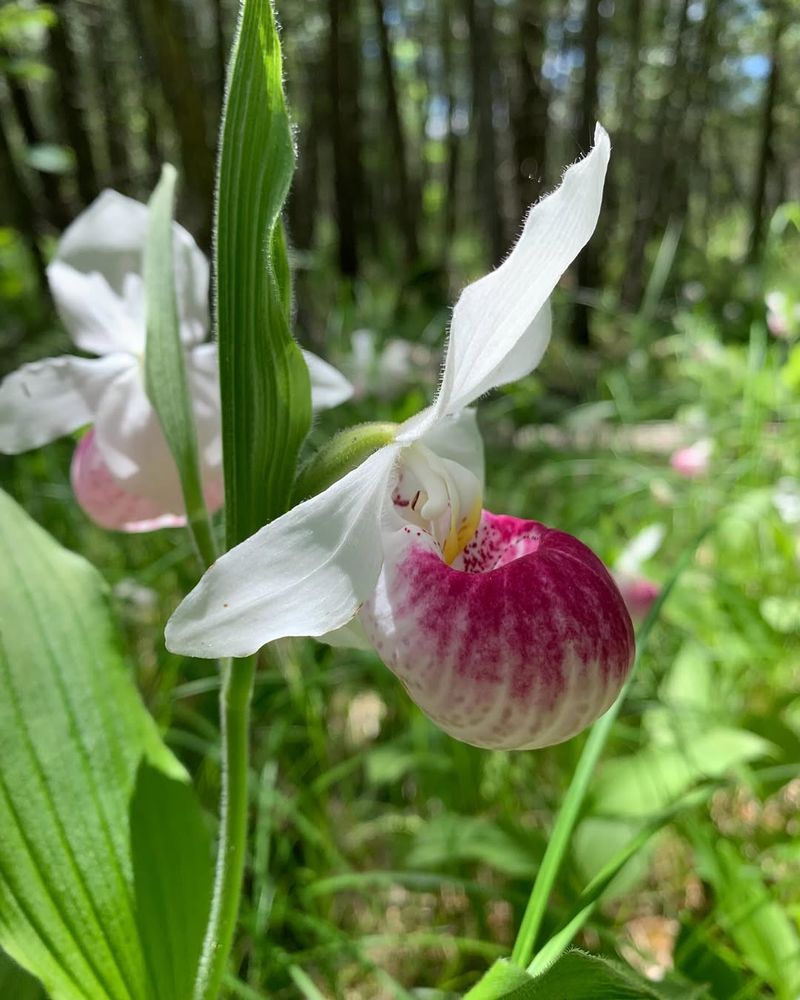
A single lady slipper orchid can take up to 16 years before it produces its first flower.
During this long wait, the plant builds up energy stored in underground roots while developing the strength needed for blooming.
Most wildflowers bloom within their first or second year, but lady slippers follow a much slower timeline.
Young plants spend years as tiny seedlings hidden beneath fallen leaves and forest debris.
Only after more than a decade do they finally push up their characteristic leaves and distinctive pouch-shaped blooms.
This incredibly slow growth rate makes every mature plant precious and irreplaceable.
When someone picks a flowering lady slipper, they destroy more than a decade of natural development.
The plant cannot simply regrow the following season like a dandelion or daisy might.
Forests need many years to replace even a single lost orchid.
Maine recognizes this vulnerability and protects these slow-growing treasures accordingly.
Understanding their growth timeline helps explain why conservation efforts take these orchids so seriously.
Patience defines their entire existence in the forest ecosystem.
These Orchids Depend On Specific Soil Fungi To Survive
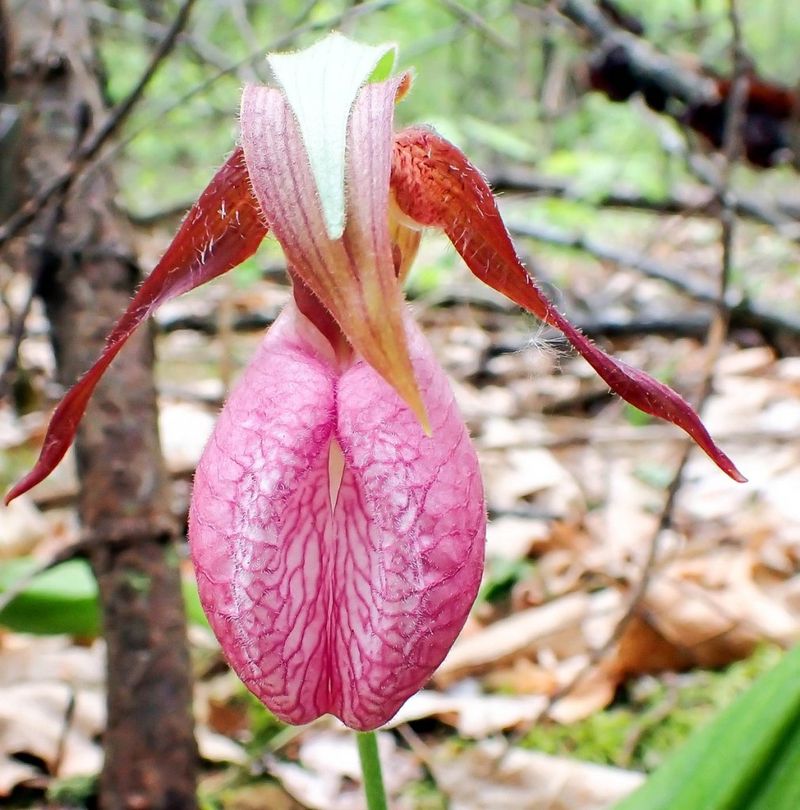
Lady slippers cannot survive without forming partnerships with certain types of soil fungi.
This relationship, called mycorrhizal symbiosis, provides the orchid with nutrients it cannot obtain on its own.
The fungus attaches to the orchid’s roots and helps break down organic matter in the soil.
Without this microscopic helper, lady slipper seeds cannot even sprout.
The seeds themselves contain no stored food energy, unlike most plant seeds.
They rely completely on fungal partners to supply nutrients during germination and early growth.
This makes lady slippers extraordinarily picky about where they can live.
The right fungus must already exist in the soil before an orchid seed has any chance of survival.
Maine forests provide these perfect fungal communities in only certain locations.
Removing orchids from their native spots separates them from their invisible life partners.
Even if someone tries to replant them elsewhere, the necessary fungi probably will not be present.
Protection laws acknowledge this hidden dependency that makes lady slippers so fragile and location-specific in nature.
Transplanting Lady Slippers Almost Always Fails
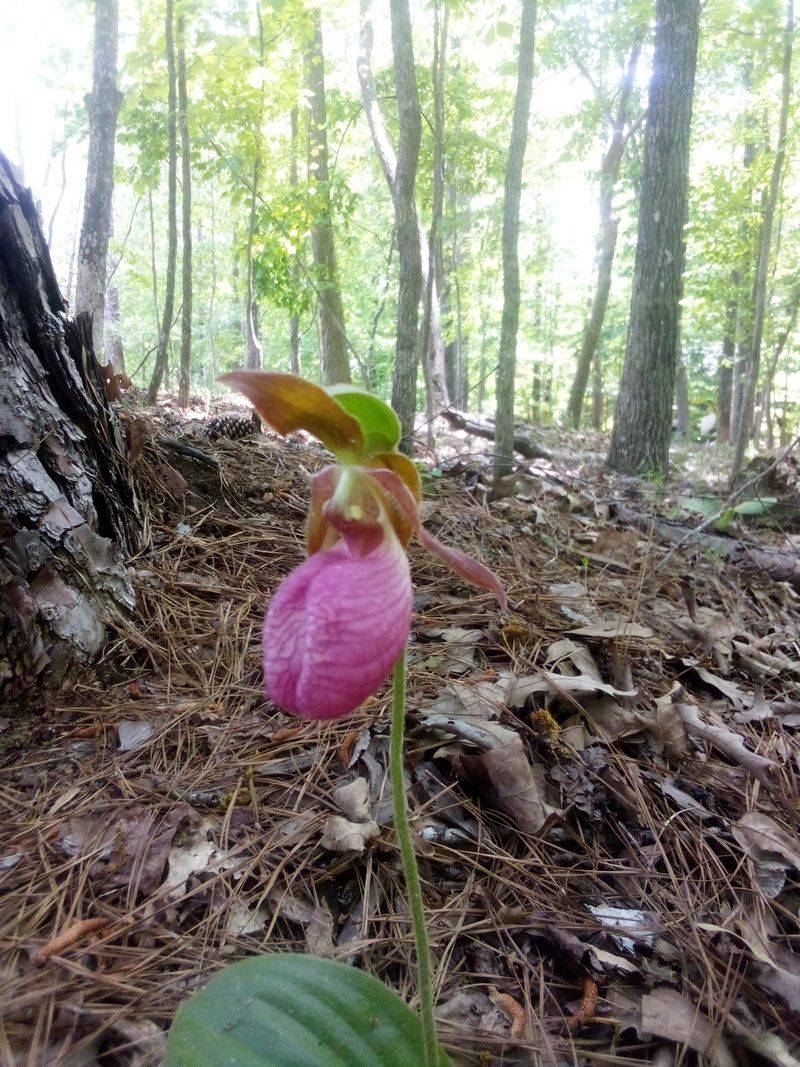
Many well-meaning gardeners have tried moving lady slippers to their home gardens, but success rates remain extremely low.
Research shows that more than 95 percent of transplanted lady slippers fail to survive their first year.
The problem goes back to their dependence on specific soil conditions and fungal partnerships.
When someone digs up a lady slipper, they damage the delicate root system and separate the plant from its fungal allies.
Garden soil rarely contains the exact fungi species that the orchid needs.
Even if the soil looks similar to forest ground, the invisible microbial community differs dramatically.
Transplanted orchids often appear healthy for a few weeks before slowly declining.
Their stored energy runs out, and without proper fungal support, they cannot replenish it.
Some people try adding fertilizer or special soil amendments, but these efforts rarely work.
The complex ecosystem that supports lady slippers cannot be recreated in a backyard.
Maine’s protection laws prevent people from attempting these doomed transplant efforts.
Leaving orchids undisturbed in their natural habitat gives them the best chance for long-term survival and reproduction.
Habitat Loss Has Significantly Reduced Native Populations
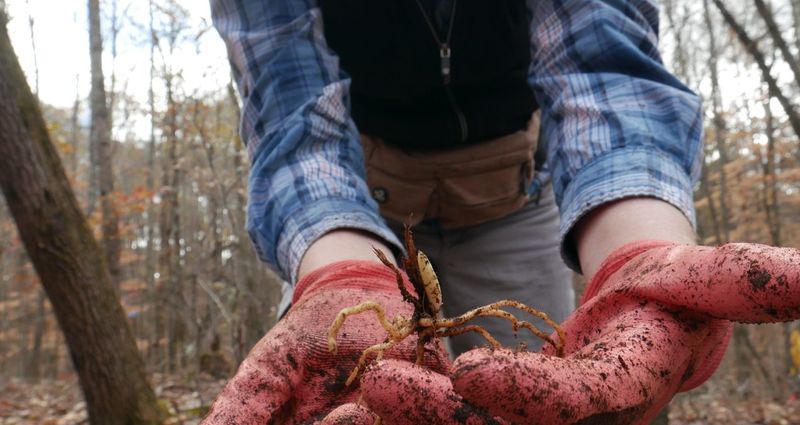
Development, logging, and land clearing have dramatically shrunk the available habitat for lady slippers across Maine.
Areas that once supported healthy orchid populations now feature houses, roads, or commercial properties.
Forest fragmentation creates additional problems beyond simple habitat loss.
Smaller, isolated forest patches cannot support the same biodiversity as large, connected woodlands.
Lady slippers need mature forest conditions with specific light levels, moisture, and soil composition.
Young, disturbed forests often lack these characteristics for many decades.
Climate change adds another layer of stress by altering temperature and rainfall patterns.
Some traditional lady slipper habitats may become too dry or too warm to support the plants.
Invasive plant species also compete for space and resources in remaining forest patches.
When aggressive non-native plants take over, they crowd out delicate natives like orchids.
Protection laws help preserve the remaining populations while habitat restoration efforts work to expand suitable areas.
Every protected lady slipper site represents a small victory against the broader trend of habitat decline throughout the state.
They Play A Role In Maine’s Forest Ecosystem Balance
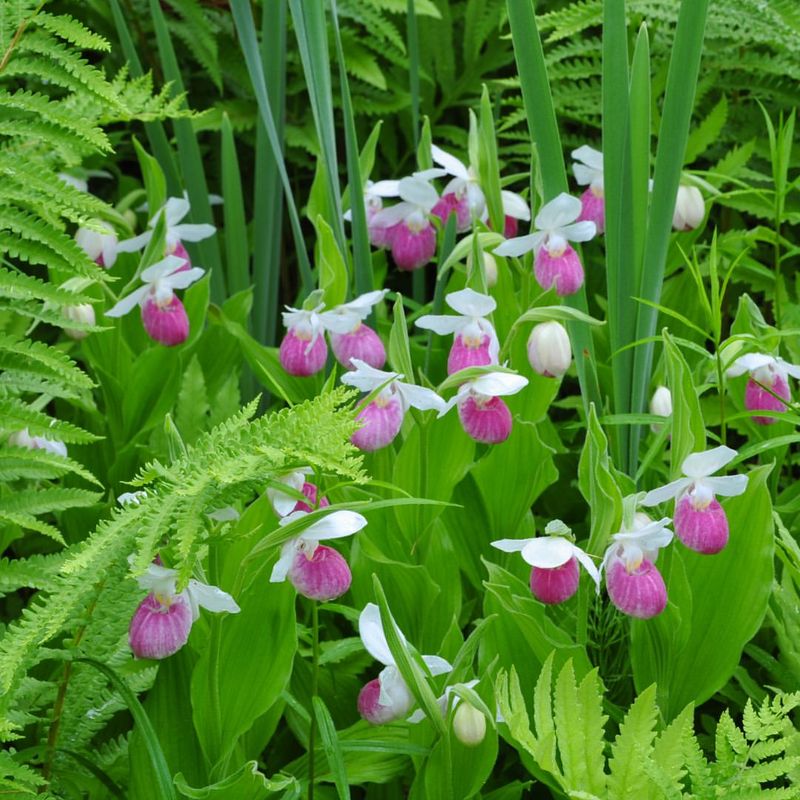
Lady slippers contribute to the intricate web of relationships that keep forest ecosystems healthy and balanced.
Native bees depend on lady slipper flowers as food sources during their spring blooming period.
The orchids produce no nectar, but their flowers trick bees into visiting by resembling other rewarding flowers.
While this might seem unfair, it provides important training opportunities for young bees learning to forage.
The presence of lady slippers indicates overall forest health and proper soil conditions.
Scientists use them as indicator species to assess ecosystem quality.
Forests with thriving lady slipper populations typically support diverse communities of other native plants and animals.
Their fungal partners also support many other plant species beyond just orchids.
Protecting lady slippers means protecting the broader fungal networks that benefit entire forest communities.
Birds and small mammals rely on the insects that visit lady slippers for food.
Removing one piece of this ecological puzzle can create unexpected ripple effects.
Maine recognizes that safeguarding lady slippers helps maintain the complex natural systems that define the state’s forest character and ecological heritage.
Picking Or Digging Them Up Is Illegal Under State Law
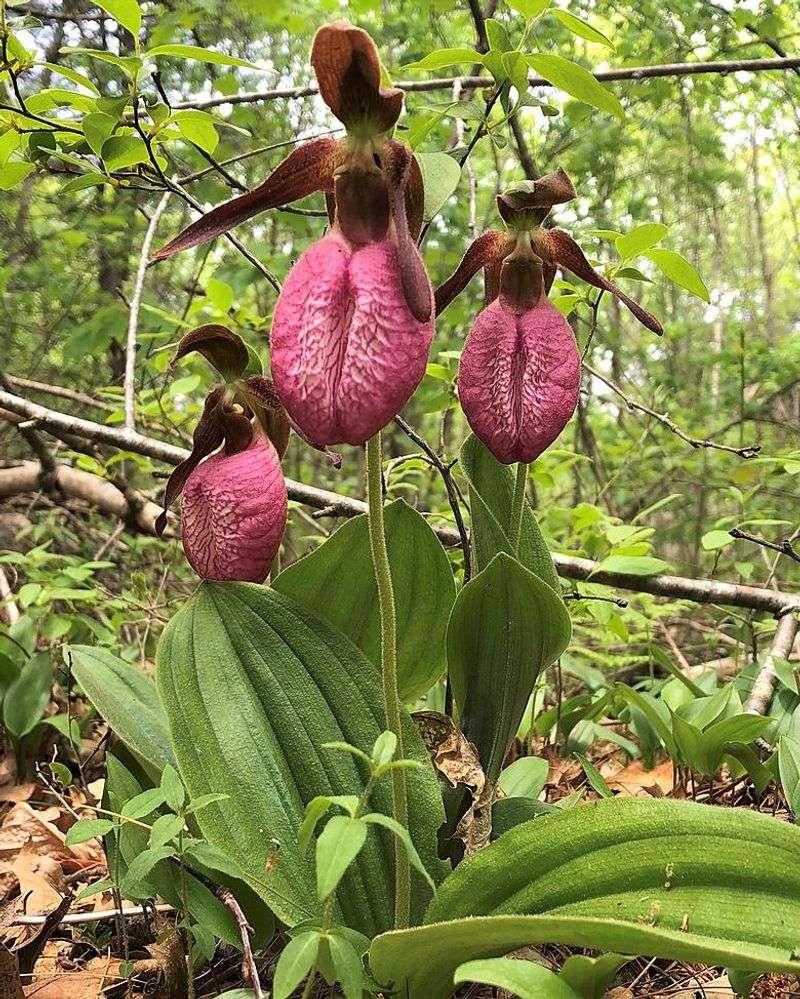
Maine law specifically prohibits picking, uprooting, or possessing lady slipper orchids without proper authorization.
Violators can face fines and legal penalties for harming these protected plants.
The state classifies lady slippers as species of special concern, giving them official protection status.
This legal framework applies to both public and private lands throughout Maine.
Property owners cannot simply harvest orchids growing on their own land without consequences.
The law recognizes that these plants belong to Maine’s natural heritage, not to individual landowners.
Enforcement officers patrol popular hiking areas during blooming season to prevent illegal collection.
They educate visitors about protection laws and investigate reports of orchid theft.
Commercial trade in wild-collected lady slippers is strictly forbidden.
Anyone caught selling or buying wild orchids faces serious legal consequences.
The law also protects the habitat surrounding lady slipper populations.
Activities that damage soil, remove forest cover, or otherwise harm orchid habitat may violate protection statutes.
These strong legal protections reflect Maine’s commitment to preserving its native botanical treasures for future generations to appreciate and study.
Protected Status Helps Preserve Maine’s Native Biodiversity
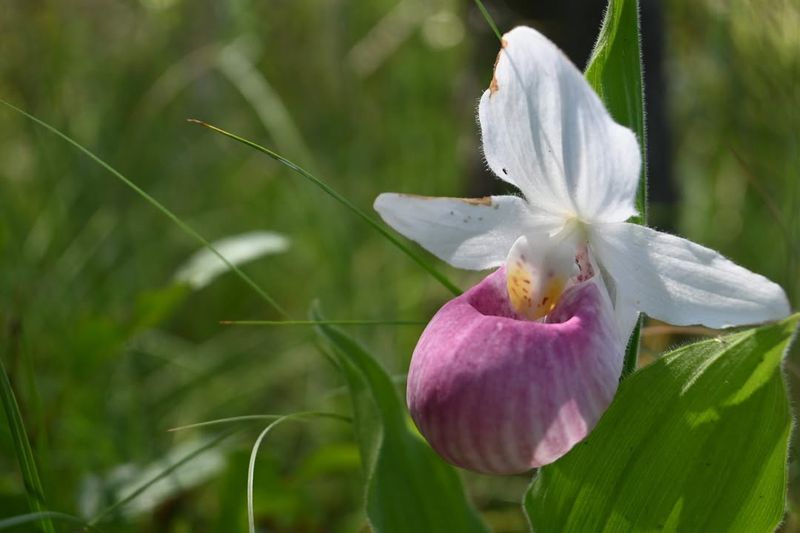
Biodiversity refers to the variety of different plant and animal species living in an area.
Higher biodiversity generally means healthier, more resilient ecosystems.
Maine’s forests once supported incredibly diverse plant communities, but many native species have declined.
Protecting lady slippers helps maintain the state’s botanical diversity.
When one species receives protection, the habitats preserved for it also shelter many other organisms.
Lady slipper conservation sites protect rare ferns, mosses, and other wildflowers that share the same habitat preferences.
These protected areas serve as refuges where native plants can survive without human interference.
Genetic diversity within lady slipper populations also matters greatly.
Different populations contain slightly different genetic variations that help the species adapt to changing conditions.
Protecting orchids across multiple sites preserves this genetic variety.
Scientists study protected populations to learn more about orchid biology and ecology.
This research improves conservation strategies for lady slippers and other rare plants.
Maine’s protection efforts contribute to broader regional and national biodiversity conservation goals that benefit countless species beyond just orchids.
Conservation Efforts Focus On Education, Not Cultivation
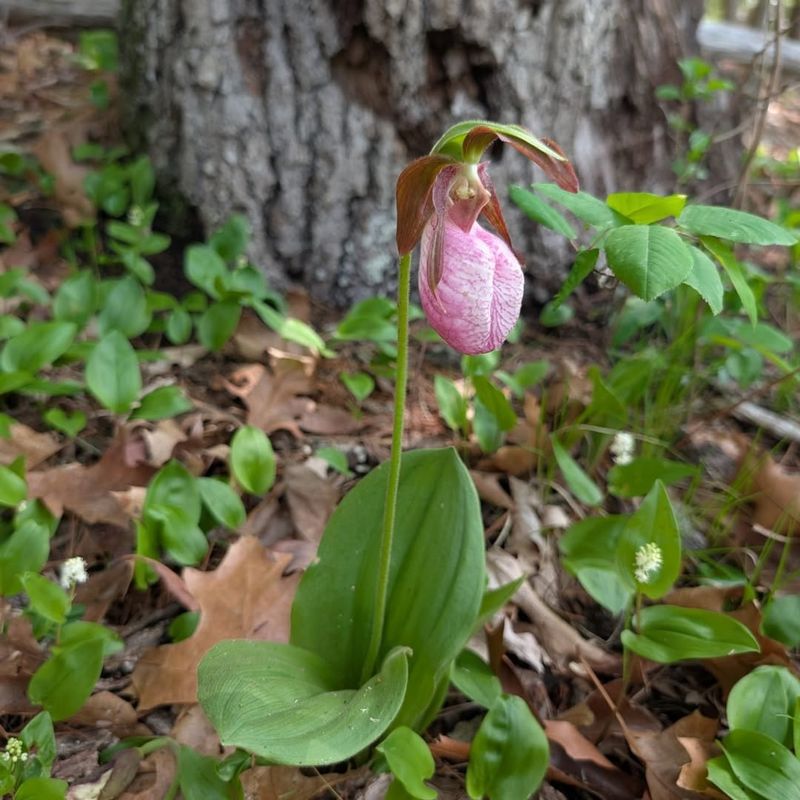
Rather than attempting to grow lady slippers in greenhouses or gardens, Maine conservation programs emphasize education and habitat protection.
Experience has shown that cultivation efforts rarely succeed with these particular orchids.
The complex requirements and slow growth rates make commercial or hobby cultivation impractical.
Instead, conservation groups teach people about why lady slippers need protection in their natural homes.
School programs bring students into forests to observe orchids and learn about ecosystem relationships.
Guided nature walks during blooming season help visitors appreciate these flowers without harming them.
Volunteers monitor known lady slipper populations and report any threats to conservation authorities.
Citizen science projects engage community members in tracking orchid numbers and locations.
Educational materials explain the laws protecting lady slippers and the reasons behind them.
When people understand the biological challenges these orchids face, they become better stewards.
Some programs teach photographers how to capture beautiful images without trampling surrounding vegetation.
Conservation success depends on changing human behavior rather than manipulating nature.
Maine’s education-focused approach builds lasting appreciation and respect for these remarkable native orchids.