Why Lavender Is A Smart Choice For Front Doors In Arizona
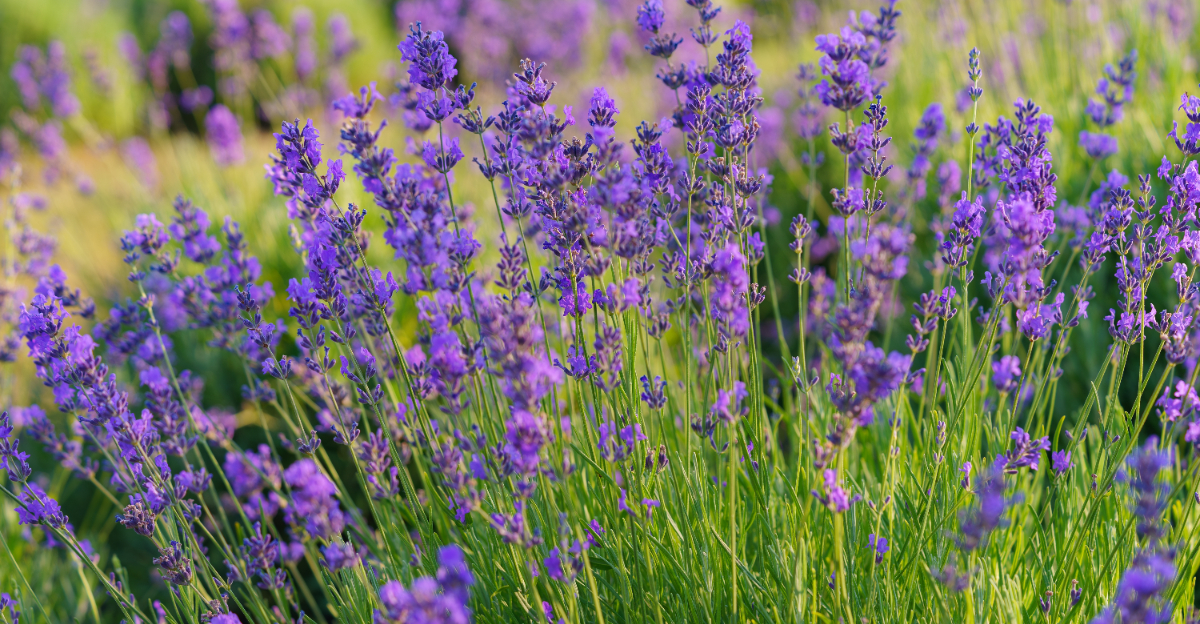
A front door in Arizona takes a beating from sun, reflected heat, and dry wind, so not every plant can handle that kind of spotlight.
You might want something welcoming and colorful, but also tough enough to survive triple-digit afternoons without constant watering.
That is where lavender stands out. With its silvery foliage, fragrant purple blooms, and love for full sun, it fits desert conditions better than many softer, thirstier plants people try first.
Lavender thrives in fast-draining soil and does not mind dry air once established, which makes it a practical choice near warm entryways.
The scent greets you before you even reach the handle, and the compact shape keeps the area looking neat instead of overgrown.
When planted in the right spot, lavender turns a harsh, sun-baked entrance into something inviting and resilient at the same time.
1. Handles Arizona Heat Without Fading Or Wilting
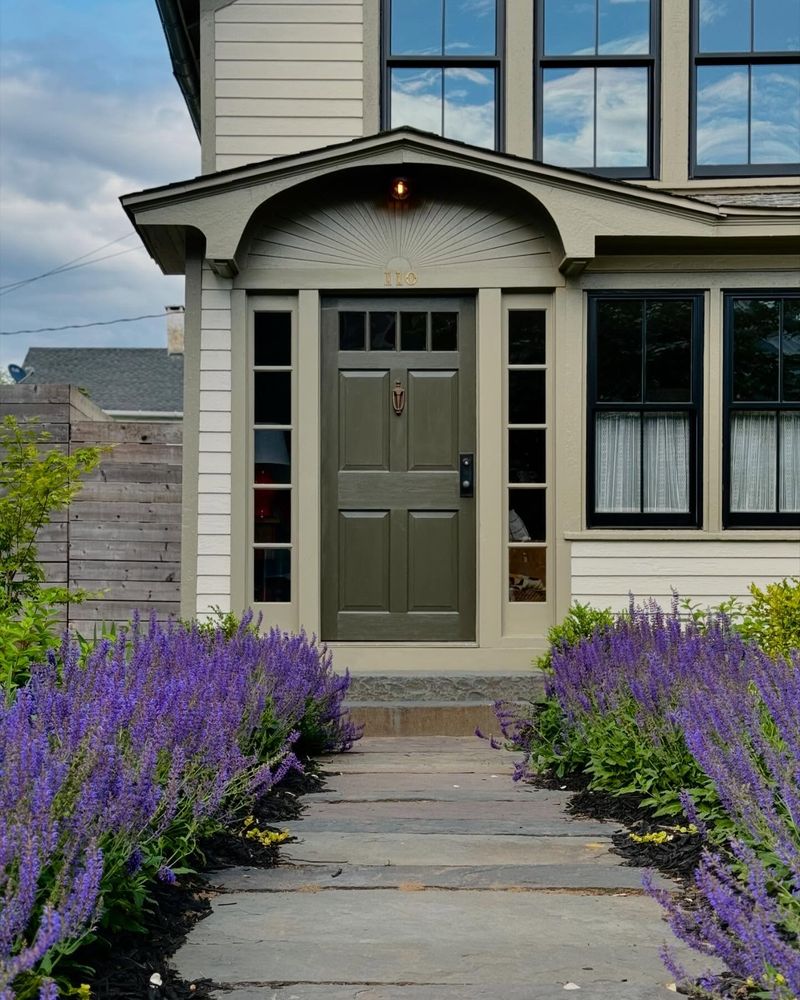
While most flowering plants struggle when Phoenix hits 115 degrees, lavender varieties like Spanish and French lavender keep their color and structure intact. The plant evolved in Mediterranean climates with scorching summers, so Arizona heat feels like home.
Your front door area gets blasted with reflected heat from walls, concrete, and pavement. Lavender handles this microclimate better than almost any other flowering option.
The silvery leaves reflect sunlight instead of absorbing it, keeping the plant cooler naturally. This built-in protection means your entryway stays colorful even during July and August.
Other popular choices like petunias or impatiens turn crispy brown by mid-morning in Arizona summers. Lavender maintains its purple blooms and grey-green foliage through the entire season.
The key is choosing the right variety for your specific Arizona location. English lavender works well in higher elevations like Flagstaff, while Spanish lavender thrives in Phoenix and Tucson valleys.
Planting lavender on the south or west side of your front door gives it the intense sun exposure it actually craves. Most Arizona gardeners are shocked to learn that lavender performs better with more sun, not less.
This makes your hottest, brightest entryway the perfect spot instead of a problem area you need to solve.
2. Thrives In Dry Soil And Rarely Needs Extra Water
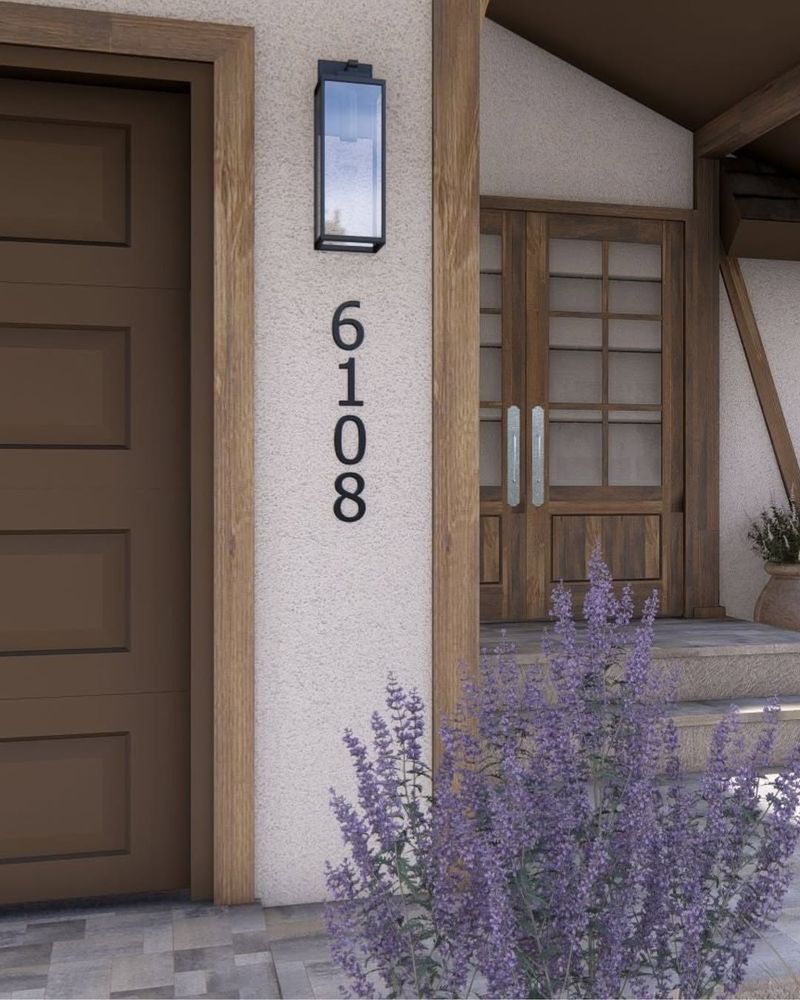
Water bills in Arizona can skyrocket during summer if you’re constantly irrigating thirsty plants. Lavender flips that script entirely.
Once established, it needs watering maybe twice a month during the hottest stretches. Compare that to roses or hydrangeas that demand water every few days, and you’ll see why Arizona homeowners are switching.
The plant’s root system is designed for drought. Lavender sends roots deep into the soil searching for moisture, rather than staying shallow and dependent on frequent watering.
This means after the first growing season, your front door lavender practically takes care of itself.
Overwatering actually harms lavender more than underwatering. The roots rot quickly in soggy soil, which is why lavender does so well in Arizona’s naturally dry ground.
Your existing soil conditions are probably perfect without any amendments. Sandy or rocky soil that drains fast is exactly what lavender prefers.
Many Tucson and Mesa residents report watering their established lavender only when they remember, sometimes going three weeks between waterings in summer. The plants still bloom beautifully.
This drought tolerance saves money on water bills and saves you time on maintenance. If you forget to water your front door plants occasionally, lavender won’t punish you for it.
The plant actually prefers a little neglect over constant attention, making it ideal for busy households or vacation homes across Arizona.
3. Naturally Repels Mosquitoes Around Entry Areas
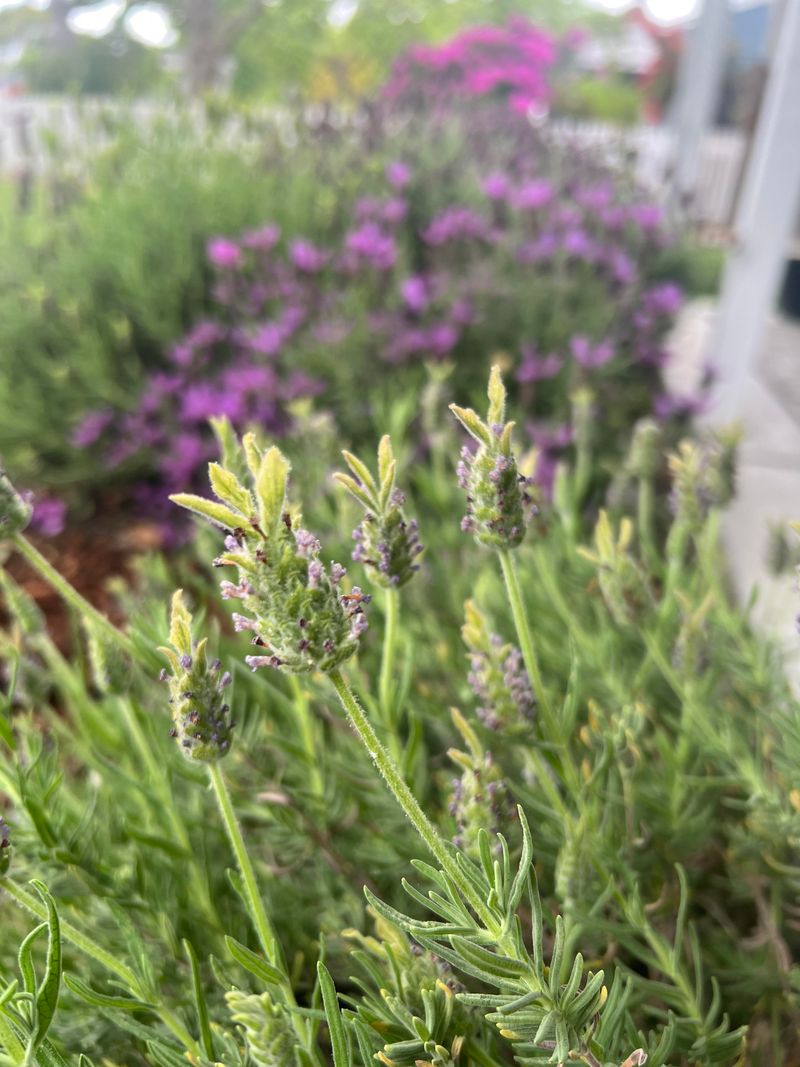
Lavender creates a natural barrier that keeps these pests away from your front door. The essential oils in lavender leaves and flowers contain compounds that mosquitoes genuinely dislike, so they avoid the area entirely.
Arizona evenings bring out mosquitoes, especially if you have any standing water nearby from monsoon rains or irrigation. Planting lavender on both sides of your entrance creates a protective zone.
Every time someone brushes past the plants or a breeze moves through them, those repellent oils release into the air. Your family walks through this invisible shield every time they come home.
Chemical mosquito repellents can smell harsh and require constant reapplication. Lavender works 24 hours a day without any effort from you.
The scent is pleasant to humans but irritating to mosquitoes, making it the perfect compromise. Guests will comment on how nice your entryway smells, not realizing it’s also functional pest control.
This matters more than you might think in places like Scottsdale or Chandler where West Nile virus appears some summers. Reducing mosquito exposure right at your front door adds a layer of protection for your household.
The plants work best when they’re close enough to the door that people actually walk past them, releasing oils from the foliage. Position them within two feet of your entrance on either side for maximum effect.
You’ll notice fewer mosquitoes hovering around your porch light and fewer bites when checking the mail at dusk.
4. Stays Compact And Clean Near Walkways
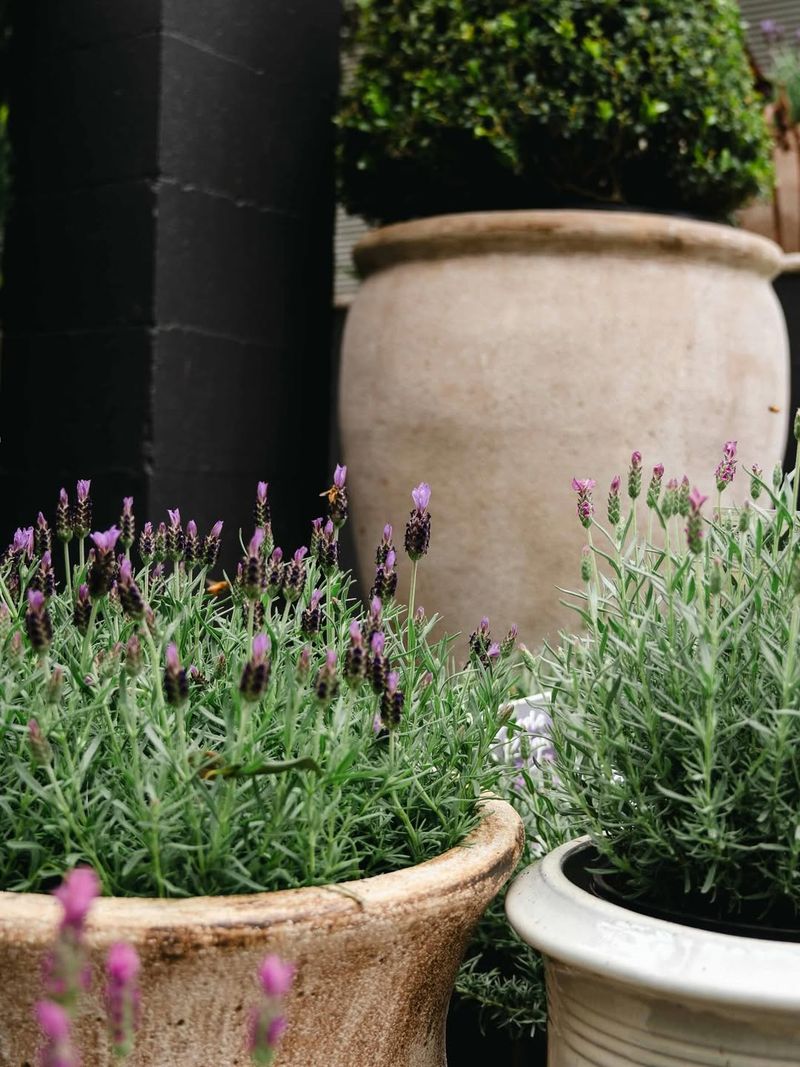
Sprawling plants that invade your walkway create tripping hazards and look messy. Lavender varieties suitable for Arizona grow in controlled, mounded shapes that respect boundaries.
Spanish lavender typically reaches 18 to 24 inches tall and wide, making it perfect for tight spaces beside front doors and along entry paths.
The plant doesn’t send out runners or suckers that pop up in unwanted places. What you plant is what you get, staying right where you positioned it.
This predictable growth pattern means you won’t spend weekends cutting back aggressive stems that block your sidewalk. Lavender maintains its footprint year after year with minimal intervention.
One simple pruning session each spring keeps lavender looking tidy. Cut back about one-third of the growth after the last frost, and the plant responds by growing fuller and more compact.
This takes maybe ten minutes per plant. Compare that to shrubs that need monthly trimming or groundcovers that constantly creep onto hardscaping.
Arizona homeowners appreciate plants that look intentional rather than wild. Lavender’s naturally rounded form gives your entrance a designed, purposeful appearance.
The grey-green foliage stays attractive even when flowers fade, so your front door area never looks bare or neglected. Unlike some desert plants that can appear scraggly, lavender maintains a soft, full shape that complements both modern and traditional Arizona architecture.
The compact growth also means you can plant multiple lavenders along your entry path without them merging into one tangled mass. Each plant keeps its individual character while creating a cohesive look.
5. Fills The Air With Fresh Scent Every Time You Pass
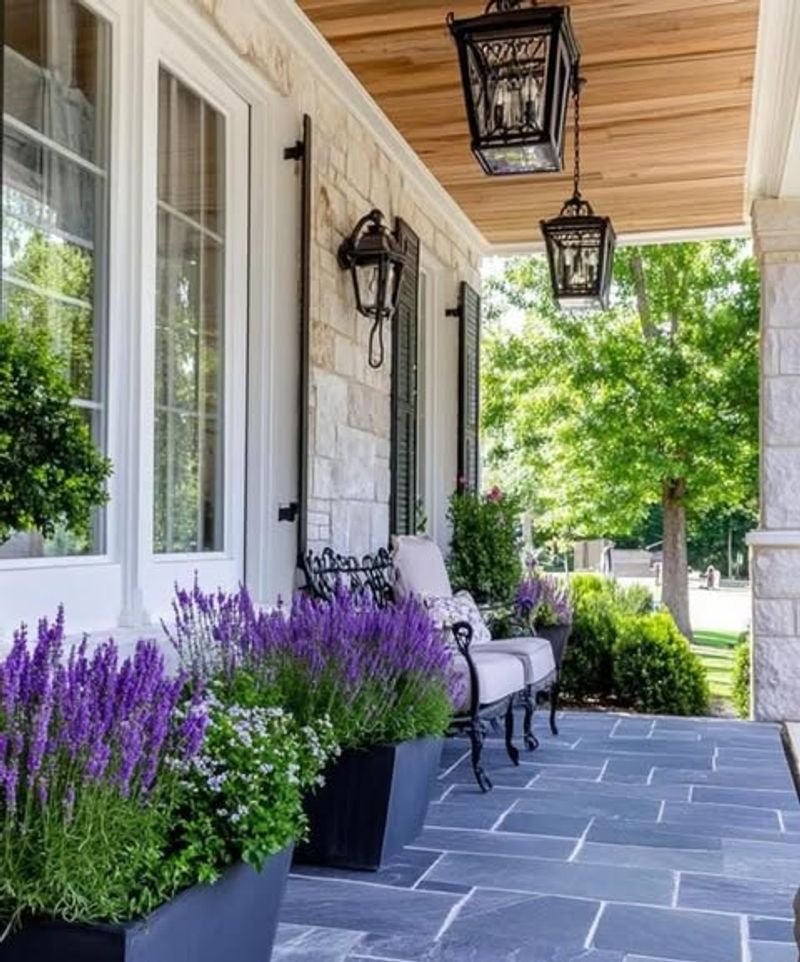
Coming home should feel welcoming, and scent plays a bigger role in that feeling than most people realize. Lavender releases its signature fragrance naturally, especially during hot afternoons when the sun warms the essential oils in the leaves.
Your front entrance becomes an aromatic experience rather than just a functional space.
The scent intensifies when you brush against the plants or when wind moves through them. Kids running in from school, you carrying groceries, guests arriving for dinner—everyone gets a subtle aromatherapy moment at your doorstep.
Research shows lavender scent reduces stress and anxiety, so you’re literally helping people relax as they enter your Arizona home.
Unlike artificial air fresheners that smell chemical or fade quickly, lavender provides authentic fragrance that varies with the seasons. Spring and early summer bring the strongest scent when flowers are blooming.
Even outside of bloom time, the foliage releases aroma when touched or heated by the sun. This natural variation keeps the experience interesting rather than monotonous.
Many Phoenix and Tempe residents specifically mention the scent as their favorite lavender benefit. After a long day in traffic or dealing with work stress, that moment of pleasant fragrance at your front door shifts your mindset.
You’re home, and it smells wonderful. The scent also masks less pleasant odors that can linger near entries, like trash bins or pet areas.
Lavender essentially upgrades your home’s first impression for both residents and visitors. Plant it close enough to your door that the scent reaches you consistently, but not so close that it blocks the entrance.
Two to three feet from the door is usually the sweet spot in Arizona installations.
6. Loves Full Sun Along South Facing Entrances
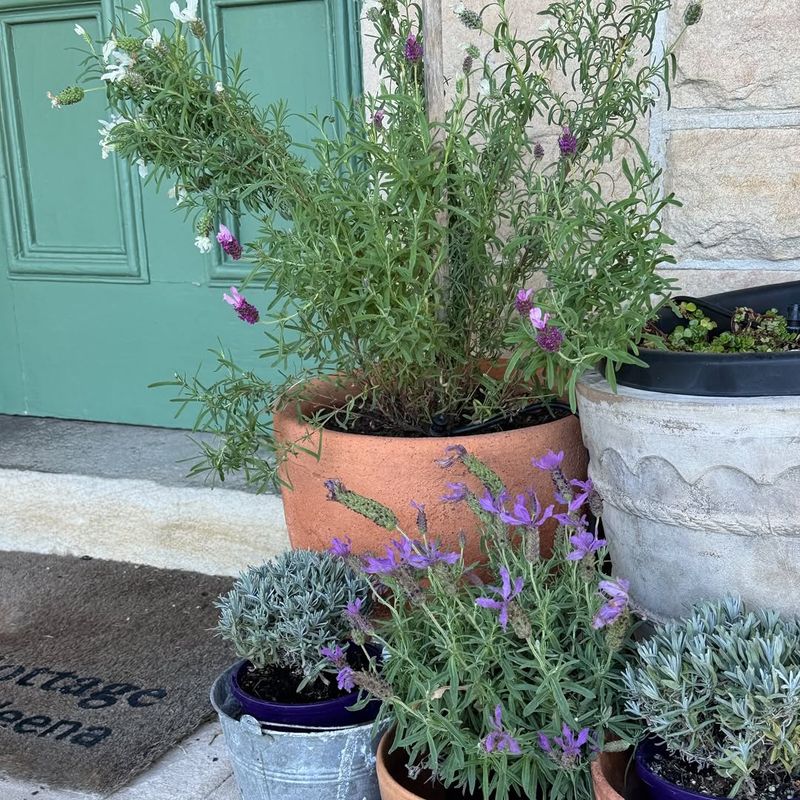
South-facing entrances in Arizona get punishing sun exposure that makes most plants struggle to survive. Lavender sees that same harsh light as paradise.
The plant genuinely needs six to eight hours of direct sun daily to bloom well and stay healthy. Your problem area becomes lavender’s preferred habitat.
Most flowering plants require afternoon shade in Arizona to survive. This limits your options and often means installing shade structures or choosing locations away from your actual front door.
Lavender eliminates those compromises. Plant it in the sunniest, hottest spot you have, and it will outperform shadier locations every time.
The intense Arizona sun actually improves lavender’s fragrance and essential oil production. More sun equals more aromatic compounds in the foliage and flowers.
Commercial lavender farms in Provence, France plant in full sun for exactly this reason. Your south-facing entrance replicates those ideal conditions without any special effort.
Reflected heat from stucco walls, concrete driveways, and stone walkways would stress most plants. Lavender tolerates and even benefits from this extra warmth.
The heat helps the plant dry out between waterings, preventing root rot issues common with other species. If your front door faces south or southwest in cities like Gilbert or Peoria, you’ve got the perfect lavender location.
North-facing entries with limited sun will struggle to keep lavender blooming consistently. The plant might survive, but it won’t thrive or flower abundantly.
Save lavender for your sunniest spots and choose shade-tolerant plants for dimmer areas. This sun-loving nature makes lavender one of the few attractive flowering options for Arizona’s most challenging exposures.
7. Keeps Looking Good Even Through Harsh Desert Summers
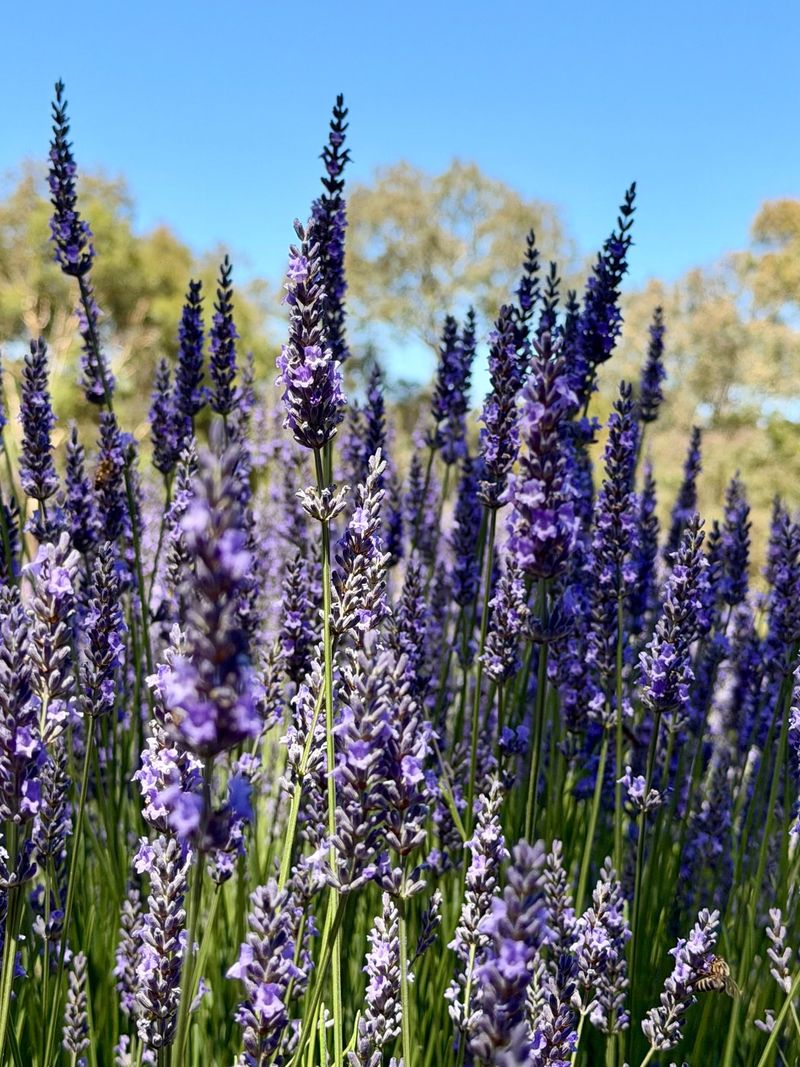
Arizona summers test every plant’s limits. June through September brings relentless heat, low humidity, and intense UV radiation that bleaches colors and burns foliage.
Lavender maintains its appearance throughout these brutal months when other plants give up. The grey-green leaves don’t scorch or brown at the edges, and the woody stems stay strong rather than getting brittle.
Many Arizona gardeners resign themselves to ugly landscapes from July through September, accepting that plants will look rough until cooler weather returns. Lavender refuses to participate in that cycle.
Your front door area stays attractive all summer long, which matters because that’s when you’re hosting pool parties and outdoor gatherings. First impressions stay positive even during the toughest months.
The secret lies in lavender’s leaf structure. Those silvery, slightly fuzzy leaves reflect sunlight and reduce water loss through transpiration.
It’s natural engineering that protects the plant from exactly the conditions Arizona summers deliver. The purple flowers may fade after their main spring bloom, but the foliage remains handsome and full.
Compare this to roses that get spider mites and sunburned leaves by August, or annuals that simply stop flowering in extreme heat. Lavender keeps working and looking presentable.
For Chandler and Surprise homeowners who take pride in year-round curb appeal, this summer resilience is invaluable. Your landscaping investment doesn’t take a three-month vacation when temperatures soar.
Plant lavender once, and it delivers consistent beauty through every Arizona season, including the ones that challenge everything else in your yard.