Why Lavender Is Becoming A Front Door Favorite In Oregon Homes
Lavender is quietly changing the look and feel of front doors across Oregon, and it is easy to see why. This fragrant favorite brings instant charm, soft color, and a welcoming vibe that feels both relaxed and intentional.
For homeowners, lavender checks a lot of boxes. It handles Oregon’s mild summers well, shrugs off light drought once established, and does not demand constant attention.
Planted near an entry, it releases a calming scent every time someone walks by, turning an everyday moment into something a little more special. Bees love it, neighbors notice it, and it pairs beautifully with everything from modern homes to cozy cottages.
There is also something timeless about lavender. It feels classic without being fussy, practical without being boring.
As more people look for low effort plants that still make a statement, lavender has earned its spot as a front door favorite in Oregon homes.
1. Thrives In Oregon’s Climate
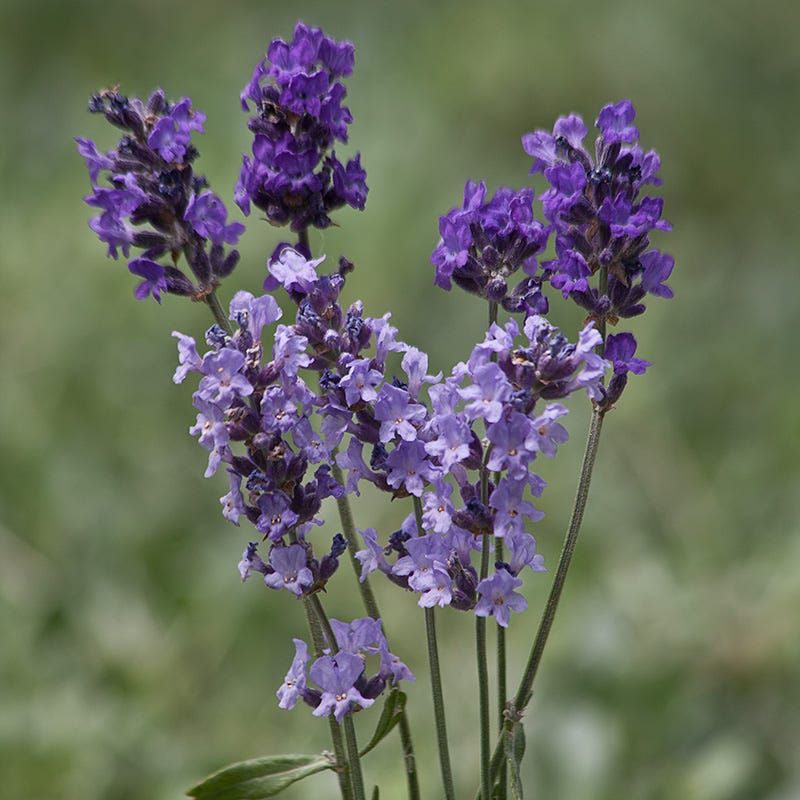
Oregon’s climate creates nearly perfect conditions for lavender to flourish at your front door. The mild winters rarely damage established plants, while summers provide enough warmth for those purple blooms to develop fully.
Lavender handles our wet winters better than many people expect, especially when planted in well-draining soil.
Most Oregon gardens fall into USDA zones 8 and 9, which suit English and French lavender varieties beautifully. Coastal areas benefit from the moderating ocean influence, though you’ll want to choose varieties that tolerate slightly more moisture.
Inland gardens enjoy hotter, drier summers that lavender absolutely loves once established.
Plant your lavender in spring after the last frost passes, typically March through May depending on your location. Choose a spot near your front door that receives at least six hours of direct sunlight daily.
Amend heavy clay soil with compost and coarse sand to improve drainage, as lavender roots dislike sitting in water.
Water newly planted lavender regularly for the first growing season to establish strong roots. After that, these Mediterranean natives become remarkably drought-tolerant, requiring minimal supplemental watering even during our dry summers.
This resilience makes lavender an economical and environmentally friendly choice for Oregon entryways.
2. Fragrant Welcome For Guests
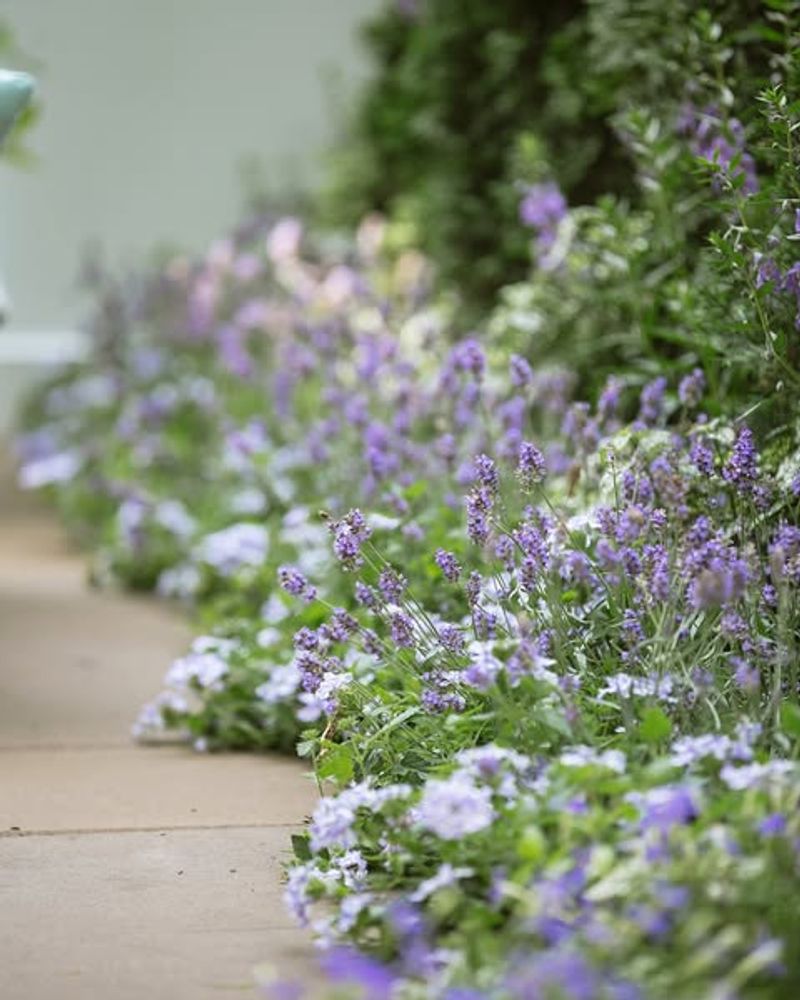
Walking up to a front door flanked by blooming lavender creates an unforgettable sensory experience. The sweet, herbal fragrance greets visitors before they even ring the doorbell, setting a relaxed and inviting tone.
That signature scent comes from essential oils in the flowers and foliage, which release more strongly on warm, sunny days.
Position lavender plants within two to three feet of your front walkway or door for maximum fragrance impact. English lavender varieties like ‘Hidcote’ and ‘Munstead’ offer particularly strong, sweet scents that many homeowners prefer.
French lavender has a slightly camphor-like quality that some find refreshing and mosquito-repelling.
The fragrance peaks during bloom time, typically June through August in most Oregon locations. Brushing against the plants releases additional scent from the foliage throughout the growing season.
Some homeowners intentionally plant lavender along pathways where guests will naturally walk close by.
Beyond greeting visitors, lavender’s calming aroma can help you unwind after a long day. Research suggests lavender scent may reduce stress and promote relaxation, making your front entrance a peaceful transition zone.
Cutting fresh stems for indoor arrangements brings that same welcoming fragrance inside your home, extending the sensory benefits year-round.
3. Low Maintenance And Long-Lasting
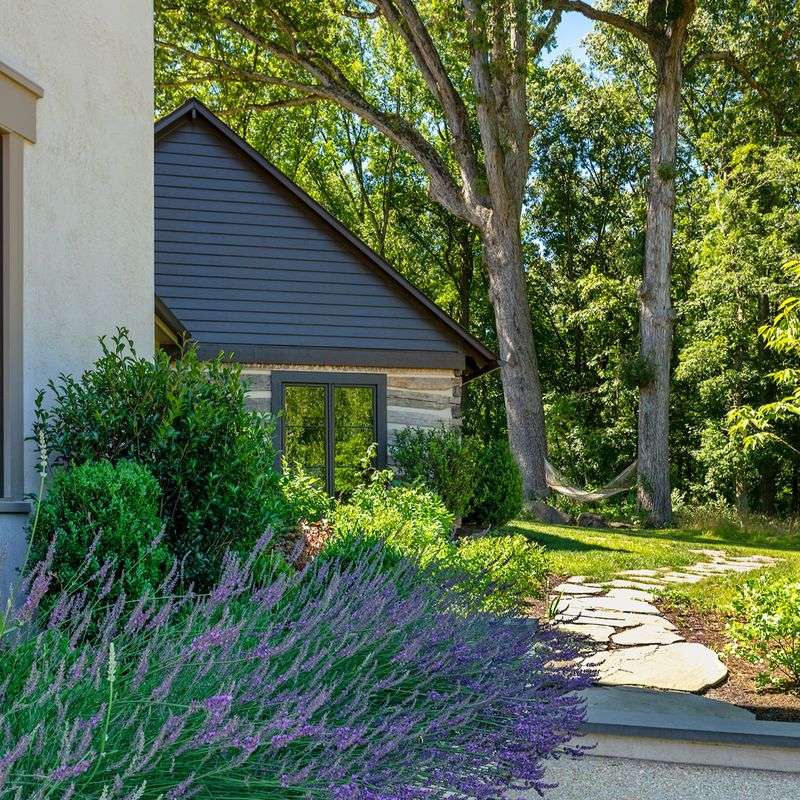
Busy homeowners appreciate how little fuss lavender requires once established at the front door. Unlike high-maintenance annuals that need constant deadheading and feeding, lavender takes care of itself with minimal intervention.
This perennial herb returns year after year, growing fuller and more impressive with age.
Prune your lavender plants once annually in early spring, just as new growth begins to emerge. Remove about one-third of the previous year’s growth, cutting just above where you see green leaves developing.
Avoid cutting into old woody stems, as lavender struggles to regenerate from bare wood.
Fertilizing lavender actually does more harm than good in most Oregon soils. Our naturally fertile soil provides adequate nutrients, and excess nitrogen encourages floppy growth with fewer flowers.
Skip the fertilizer entirely and let your lavender develop its naturally compact, aromatic form.
Watering needs decrease dramatically after the first year, especially for inland gardens. Coastal gardeners might provide occasional summer water during extended dry spells, but established plants tolerate drought remarkably well.
Overwatering causes more problems than underwatering, potentially leading to root rot in our heavy soils.
Expect your lavender plants to thrive for 10 to 15 years with proper care. They maintain their attractive form and flowering capability throughout this lifespan, making them exceptional value for front door landscaping.
4. Pollinator-Friendly
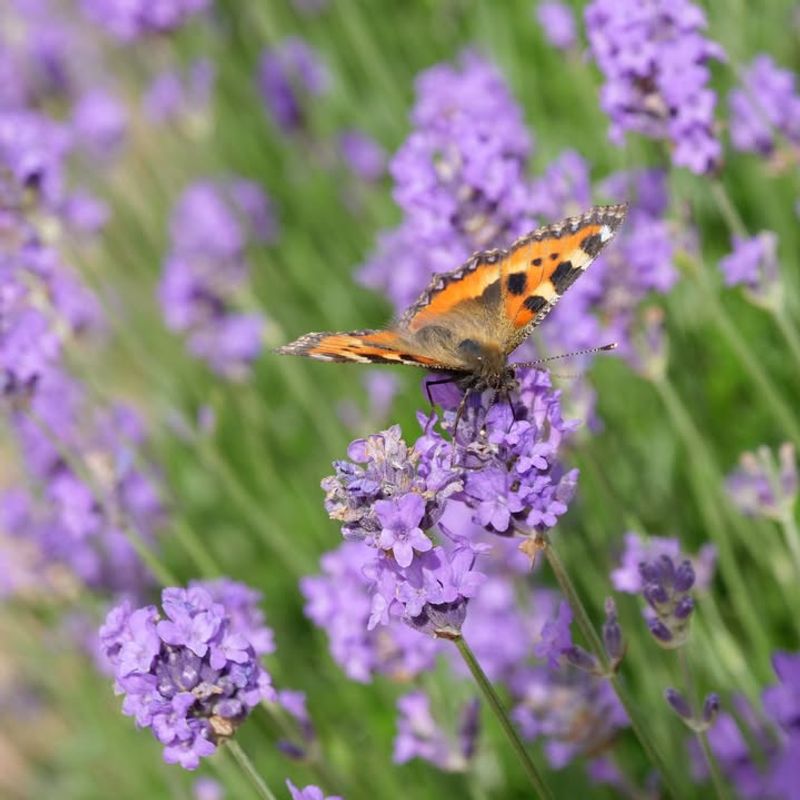
Lavender flowers act like magnets for beneficial insects, transforming your front entrance into a mini wildlife sanctuary. Honeybees, bumblebees, and native mason bees visit lavender blooms constantly during flowering season, collecting nectar and pollen.
Butterflies including swallowtails and painted ladies also frequent these purple spires throughout summer.
The tubular flower structure provides easy access to nectar while the abundant blooms offer reliable food sources. Each lavender plant produces dozens of flower spikes, and planting multiple specimens creates an even more attractive pollinator destination.
This activity happens right at your front door, offering educational opportunities for children and nature enthusiasts.
Oregon gardeners increasingly recognize the importance of supporting pollinator populations, especially as habitat loss affects bee and butterfly numbers. Your front door lavender contributes to this conservation effort while requiring no extra work on your part.
The plants naturally attract beneficial insects without any special treatments or additions.
Time your enjoyment of pollinator activity for mid-morning through early afternoon on sunny days. Watch closely and you’ll observe fascinating behaviors as different bee species work the flowers efficiently.
Some gardeners find this gentle buzz of activity adds to the peaceful, natural ambiance of their home entrance.
Avoid using pesticides anywhere near your lavender plants, as these chemicals harm the beneficial insects you’re trying to attract. Lavender rarely suffers from pest problems anyway, making chemical treatments unnecessary.
5. Versatile Planting Options
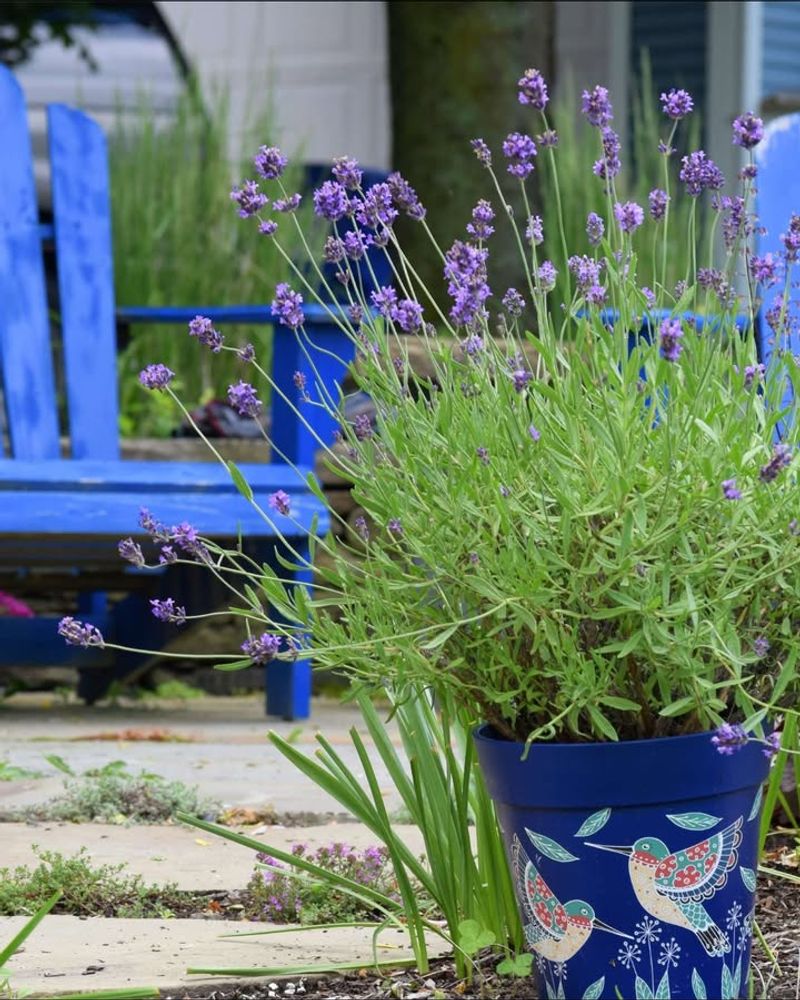
Front door landscaping comes in many forms, and lavender adapts beautifully to whatever space you have available. Container plantings work wonderfully for apartments, condos, or homes with limited ground space.
Large terracotta or glazed ceramic pots (at least 12 inches in diameter) provide adequate root room while enhancing drainage.
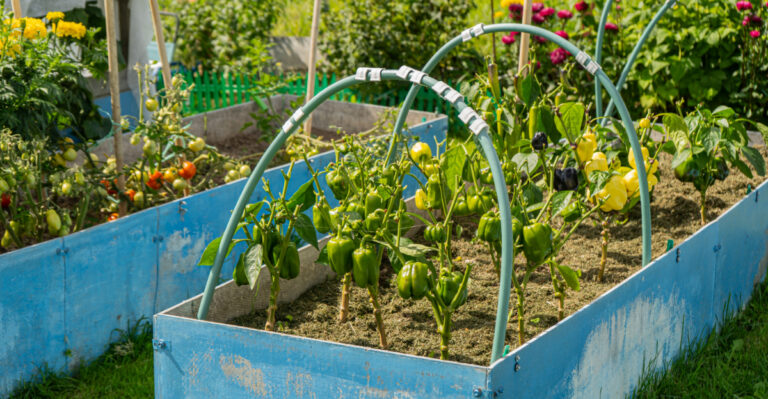
Raised beds solve drainage challenges common in Oregon’s clay-heavy soils while creating an attractive architectural element. Build beds 8 to 12 inches high, filling them with a mixture of native soil, compost, and coarse sand.
This elevation ensures excess winter moisture drains away from lavender roots, preventing rot issues.
Border plantings along walkways or foundation edges create classic, formal-looking entryways. Space plants 18 to 24 inches apart for English lavender varieties, allowing room for mature width.
French lavender needs slightly more space, about 24 to 30 inches between plants.
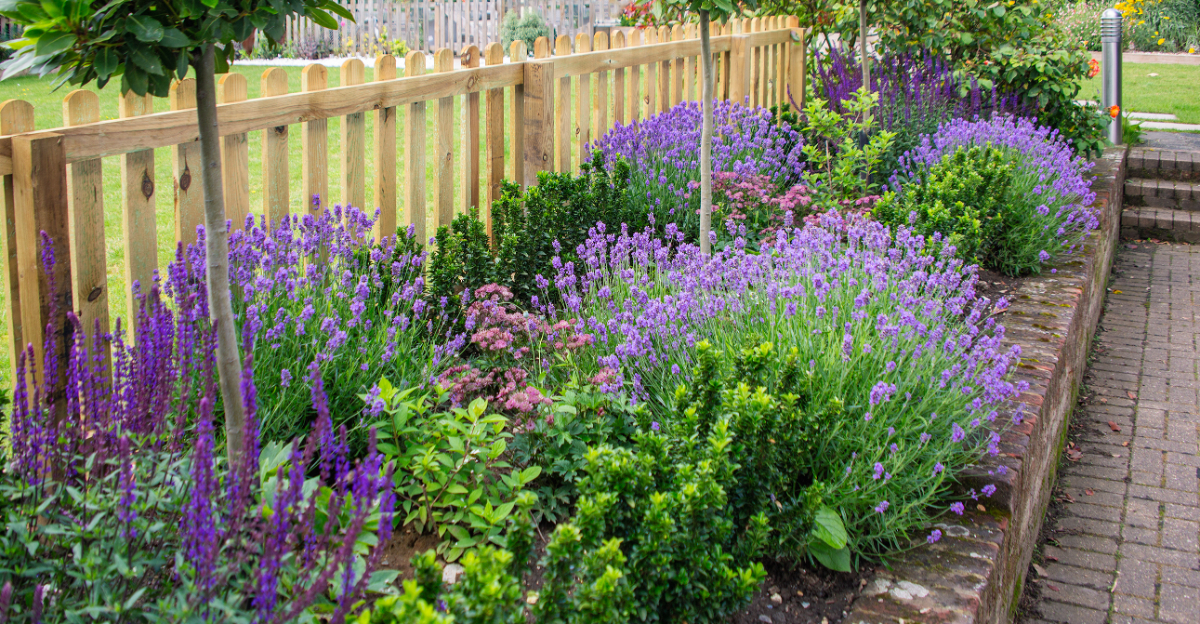
Mixed plantings combine lavender with complementary species for extended seasonal interest. Try pairing lavender with ornamental grasses, salvia, or catmint for textural contrast.
These combinations create layered, professional-looking designs that bloom at different times throughout the growing season.
Symmetrical plantings flanking your front door create formal elegance, while asymmetrical groupings feel more casual and cottage-like. Both approaches work beautifully with lavender, so choose based on your home’s architectural style and personal preference.
Experiment with different arrangements until you find what feels right for your space.
6. Seasonal Color And Texture
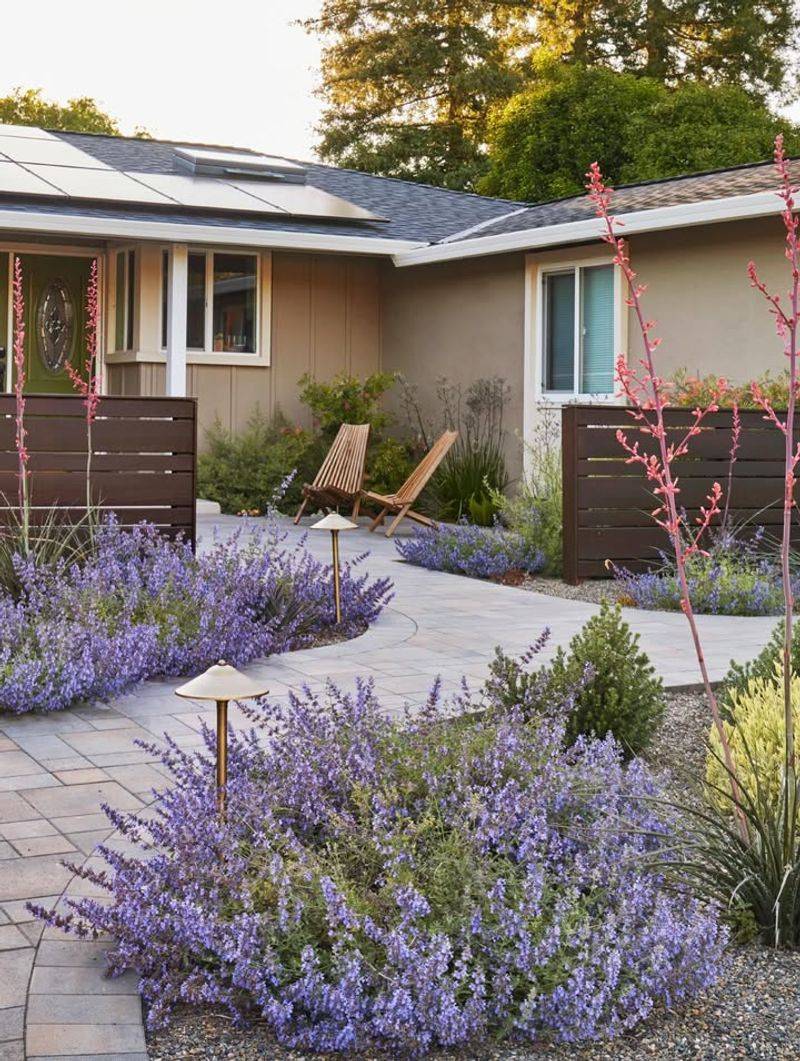
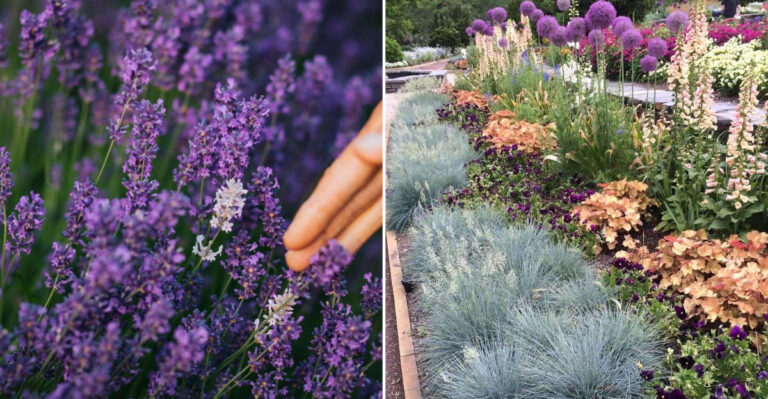
Lavender offers visual appeal that extends beyond its famous purple flowers, providing year-round interest at your front door. The silvery-green foliage creates a soft, Mediterranean look that contrasts beautifully with darker green shrubs or brightly colored flowers.
This evergreen nature means your entrance maintains structure and color even during winter months.
Bloom time brings the showstopping purple display that lavender is famous for, typically starting in June and continuing through August in most Oregon locations. English lavender blooms slightly earlier than French varieties, allowing you to extend the flowering season by planting both types.
Deadheading spent flowers can encourage a lighter second flush of blooms in late summer.
The compact, mounding growth habit provides textural interest throughout the growing season. Lavender’s fine-textured foliage creates visual softness that balances harder landscape elements like stone, concrete, or wood.
This texture becomes especially valuable during winter when many other plants lose their leaves.
Fall brings subtle color changes as lavender prepares for dormancy, with foliage taking on slightly grayer tones. The woody stems and dried flower stalks add winter interest, though many gardeners prefer to prune these off in early spring.
New growth emerges bright and silvery in March or April, signaling the start of another growing cycle.
Combining lavender with spring bulbs creates early season color before lavender blooms. Daffodils, tulips, or alliums planted among lavender provide succession blooming that keeps your entrance vibrant from March through August.
7. Companion Planting Benefits
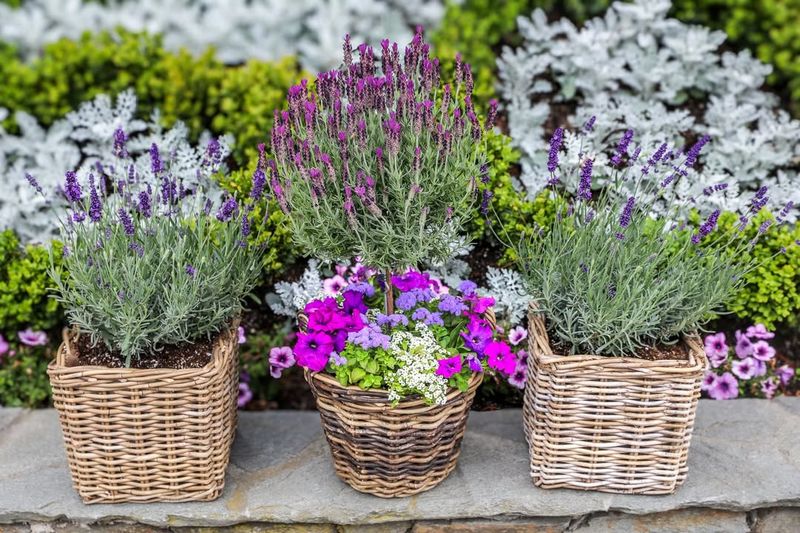
Lavender plays well with numerous other plants, creating diverse and interesting front door landscapes. Rosemary makes an excellent companion, sharing similar cultural requirements and offering contrasting blue flowers and darker green foliage.
Both herbs appreciate excellent drainage and minimal watering once established.
Ornamental grasses like Mexican feather grass or blue fescue provide textural contrast while tolerating the same dry conditions lavender prefers. The grass foliage movement adds dynamic interest that complements lavender’s static form.
These combinations create modern, low-water landscapes increasingly popular in Oregon gardens.
Flowering perennials that bloom at different times extend your entrance’s visual interest beyond lavender’s summer peak. Spring-blooming euphorbia or early summer catmint provide color before lavender hits its stride.
Fall-blooming sedum or asters carry the show after lavender finishes flowering.
Avoid planting lavender with moisture-loving species like hydrangeas, ferns, or hostas, as their conflicting water needs create maintenance challenges. Instead, group lavender with other Mediterranean plants that thrive in similar conditions.
This approach simplifies care while creating cohesive, healthy plant communities.
Smaller shrubs like dwarf barberry or compact spirea provide height variation and year-round structure alongside lavender. Choose varieties with complementary foliage colors—burgundy, chartreuse, or variegated options create striking color combinations.
These mixed plantings look professionally designed while requiring minimal maintenance once established, giving your Oregon home entrance lasting beauty and curb appeal.