Why Lavender Struggles In Connecticut And What Successful Growers Do Differently
Every summer, somewhere in Connecticut, a gardener stands over a failed lavender plant wondering what went wrong.
The spring looked so promising.
The purple blooms were exactly what the garden needed.
And then July happened.
Here is the thing about lavender: it has a reputation for being low-maintenance.
In the right place, that reputation is earned.
Connecticut is not always that place, at least not without some know-how.
Humid summers, heavy clay soil, and well-meaning overwatering create conditions that lavender quietly hates.
It looks fine for a while. Then it does not.
The good news is that plenty of Connecticut gardeners grow lavender successfully, and they are not doing anything magical.
They just made a few specific decisions early on that changed everything.
The answers are simpler than you think, and they start right here.
Connecticut’s Climate Is Not The Problem
Blame the weather all you want, but Connecticut’s climate is not what is sending your lavender to an early grave.
Lavender actually handles cold winters reasonably well.
Many varieties are rated for USDA hardiness zones 5 and 6, which covers most of the state.
The real issue is not the temperature itself.
It is the combination of humidity, wet springs, and poorly understood microclimates that catch growers off guard.
Lavender originates from the dry, rocky hillsides of the Mediterranean, where air circulates freely and rain drains fast.
Connecticut summers bring heat and humidity together in a way that suffocates plants accustomed to breezy, arid conditions.
That sticky summer air promotes fungal issues and root stress that look exactly like cold damage but are actually something else entirely.
Successful growers in the state understand that the climate is workable, not impossible.
They choose planting spots with maximum sun exposure and strong airflow, often near slopes or raised areas where moisture does not linger.
The weather is not working against you. Your setup might be.
The Real Reason Lavender Fails After The First Summer
Most people assume their lavender plant simply could not handle the winter.
The truth is, it probably never made it to winter at all.
The actual culprit is usually root rot caused by excess moisture during the plant’s first summer.
By the time the leaves turn brown, the damage is already done.
This is one of the most misunderstood problems for new lavender growers in the Northeast.
Lavender roots need to breathe.
When they sit in moist, compacted soil for extended periods, the roots begin to suffocate and break down from the inside out.
Plants that looked perfectly healthy in June can collapse almost overnight in August.
Gardeners are left scratching their heads and blaming an early frost that never actually happened.
Winning growers pay close attention to their plants during the first 90 days after planting.
They treat that window as a critical establishment period.
They water deeply but infrequently, allowing the soil to dry out completely between sessions.
They also avoid mulching too close to the crown, which traps moisture against the most vulnerable part of the plant.
Your Connecticut Garden Changes Every Week. Your Plan Should Too.
Gardening in Connecticut changes quickly throughout the season. Every Friday you’ll receive a simple weekly plan showing exactly what to plant, prune, fertilize, harvest, and protect so you never miss the right timing.
Get through the first summer. The rest takes care of itself.
Soil That Finishes Lavender Before Heat Even Arrives
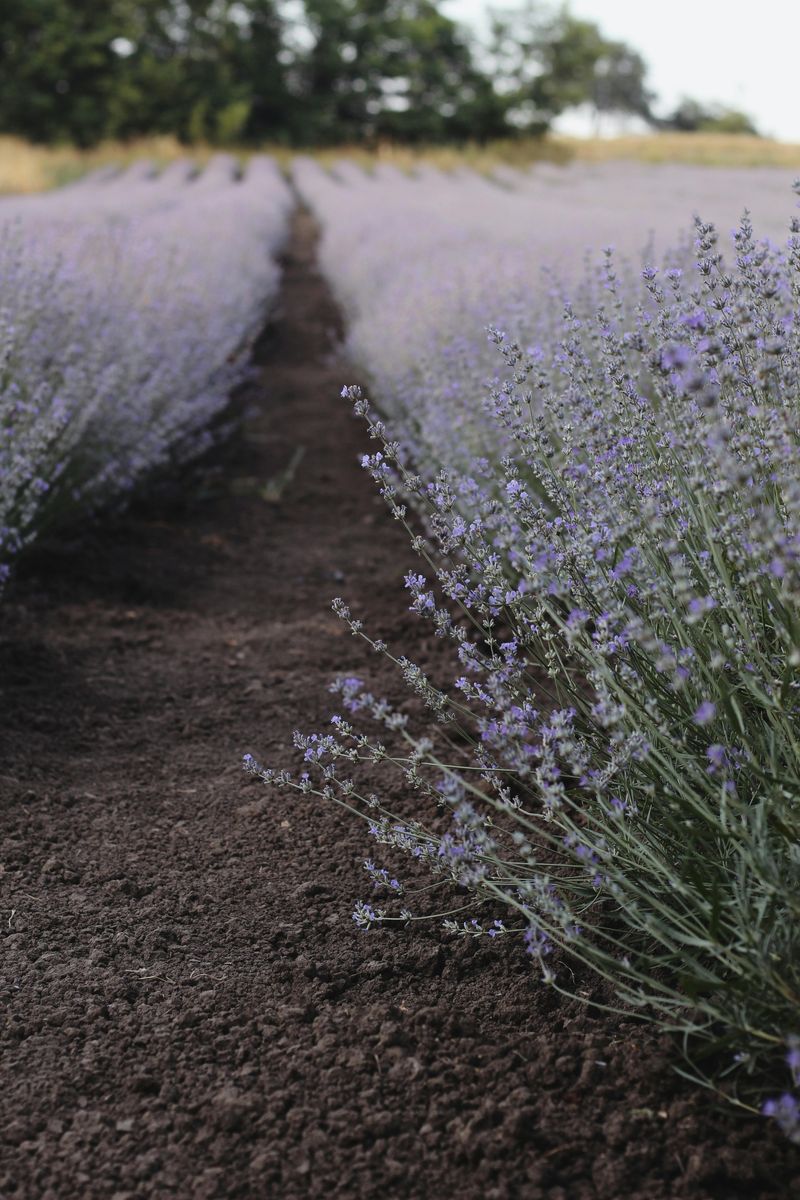
Connecticut’s native soil is the silent enemy that most gardeners never suspect.
Much of the state sits on heavy clay or loam that holds water like a sponge, which is great for tomatoes and terrible for lavender.
Before summer heat even arrives, that waterlogged soil is already stressing roots that were built for fast-draining, gritty ground.
Lavender in its natural habitat grows in soil that is almost aggressively poor by garden standards.
Thin, alkaline, and rocky, that Mediterranean earth drains within minutes of a rainstorm.
Replicating those conditions in a Connecticut backyard requires some deliberate effort. It is absolutely within reach for any motivated home grower.
Growers who consistently succeed amend their beds heavily before planting. They mix in coarse builder’s sand, perlite, or crushed granite to break up the clay and improve drainage significantly.
Raised beds filled with a custom blend of sandy loam and gravel are another popular solution that sidesteps native soil problems completely.
A soil pH between 6.5 and 7.5 also matters, so testing before planting is a smart step.
Nothing you do later matters as much as what you do with the soil first.
The Varieties Successful Growers Choose Over Common Ones
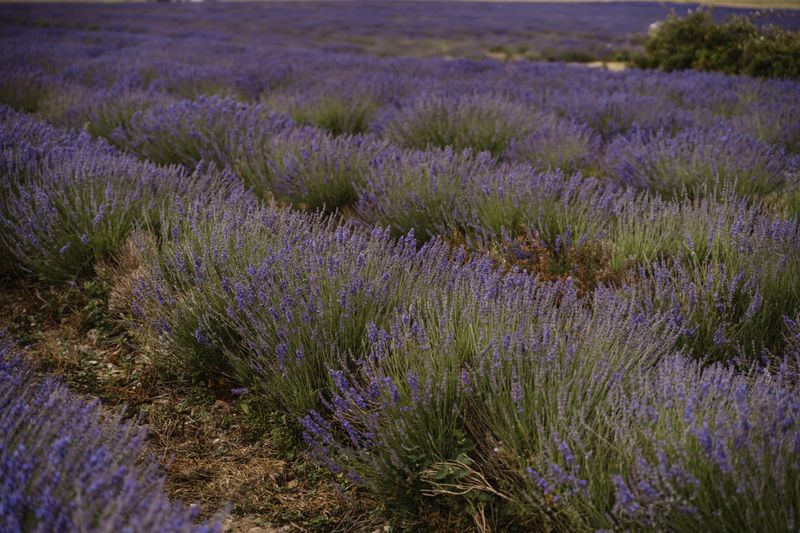
Step into any big-box garden center in spring and you will find lavender plants that look gorgeous in the pot. By August, most of them have fallen apart in the ground.
The reason is usually variety. Most of those plants are Spanish or French lavender, which are stunning in warmer climates.
In the cold, wet Northeast, they are simply the wrong fit.
Choosing the wrong variety is one of the fastest ways to guarantee failure before the season even gets going.
English lavender varieties, especially those bred or selected for hardiness, are the go-to choice for serious growers in this region.
Varieties like Hidcote, Munstead, and the increasingly popular Phenomenal have proven track records in challenging northern climates.
Phenomenal in particular has earned a devoted following among New England growers for its exceptional resistance to both humidity and harsh winters.
Buying from a regional nursery rather than a national chain also makes a meaningful difference.
Local growers often carry stock that has been trialed in similar conditions, giving transplants a stronger start from day one.
Asking specifically for cold-hardy, humidity-tolerant varieties signals to the nursery staff that you know what you need.
Pick the wrong variety and no amount of good soil or careful watering will save it.
Drainage Decisions Made In Spring Determine Survival In July
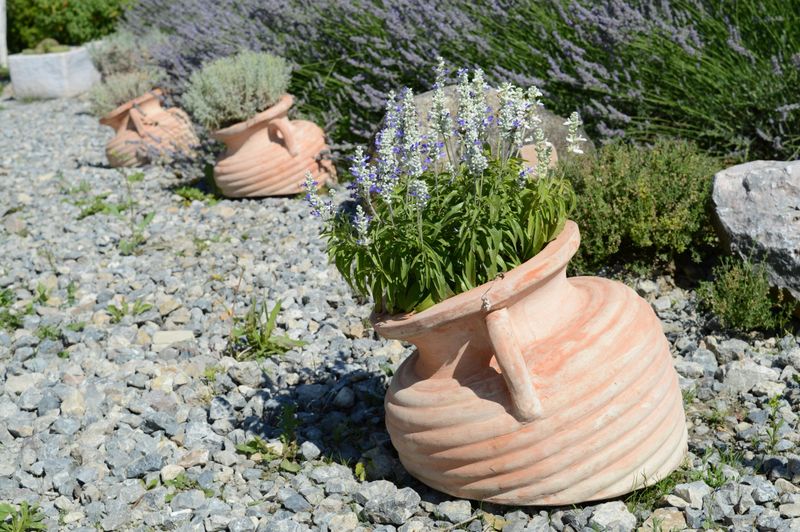
Spring planting feels forgiving.
The soil is cool, rain is frequent, and drainage problems are easy to overlook.
By midsummer, those same problems can become full-blown crises.
The decisions you make in April about where and how you plant matter more than most people expect.
They will directly determine whether your lavender is thriving or struggling when July heat and humidity arrive.
This is not a metaphor.
It is a cause-and-effect relationship that experienced growers take seriously.
Slope and elevation matter far more than most beginners realize.
Even a gentle grade of just a few inches can mean the difference between water moving away from roots and water pooling around them for hours after a storm.
Planting at the top of a slight slope, near a retaining wall, or in a raised bed puts gravity on your side during those wet summer stretches.
Plant high in a raised bed or mound with a gritty, well-drained mix throughout.
Some growers line the bottom of raised beds with three to four inches of crushed stone before adding their soil mix.
That creates a drainage reservoir that pulls excess moisture away from roots rapidly.
One extra step in April. Blooming lavender in July.
Pruning Habits That Keep Connecticut Lavender Coming Back
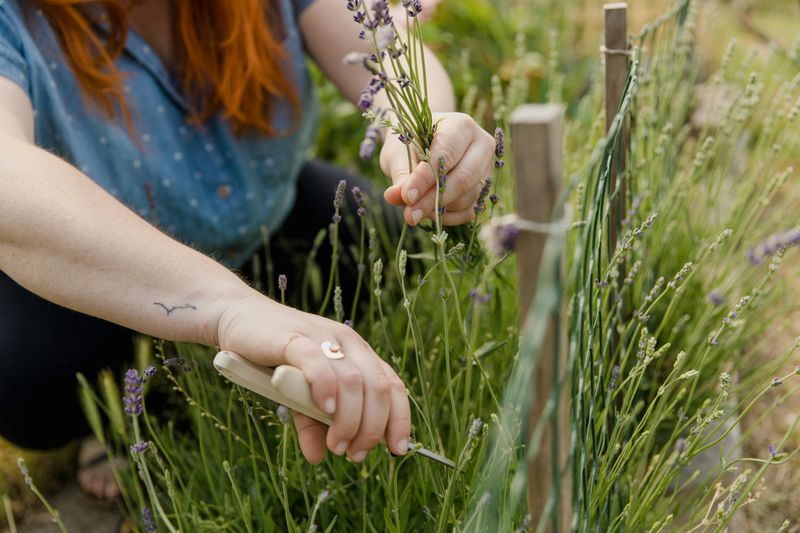
Skipping the annual prune is one of the most common mistakes Connecticut growers make.
Two or three seasons later, a thriving lavender plant becomes a woody, lifeless shrub.
Lavender does not behave like most perennials that you can cut back hard and expect to bounce back from the base.
Once those woody stems take over, the plant essentially stops producing new growth and slowly declines from the base up.
The timing and technique of pruning are both critical.
Most successful growers in cooler climates prune twice a year: a light shaping right after the first bloom flush fades in early summer, and a more significant cutback in late summer or early fall before the first frost arrives.
Cut back to just above the green foliage.
Never cut into the brown woody section.
That habit keeps the plant compact and encourages fresh stems that will carry next year’s flowers.
Think of pruning as a conversation with the plant rather than a one-time chore.
Regular, attentive trimming builds a stronger, more resilient structure over time and extends the productive life of each plant by years.
Growers who treat pruning as seasonal maintenance rather than an optional task see a very different result.
They are the ones still harvesting fragrant blooms from the same plants five and six years later.
Consistency with the shears is one of the simplest paths to long-term lavender success.
Location Makes Or Breaks Lavender In A Connecticut Garden
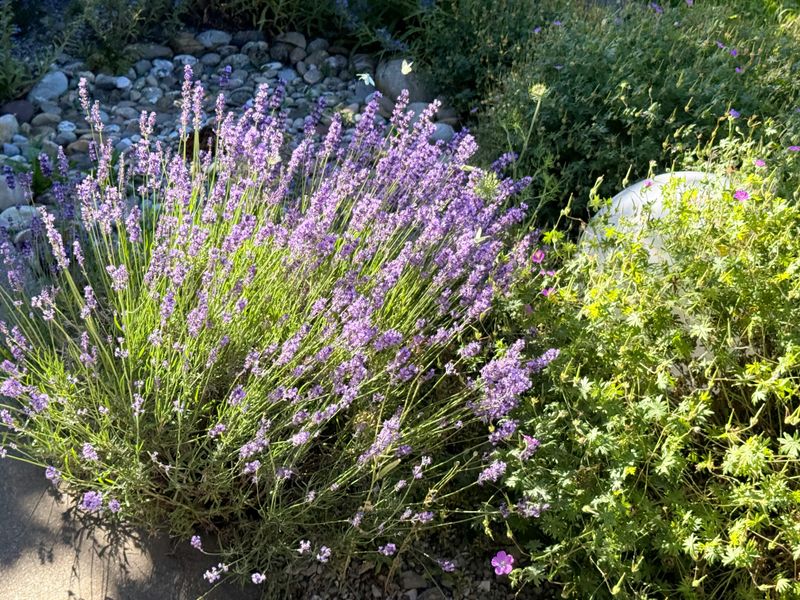
Not every corner of your yard is created equal.
Location alone can mean the difference between lavender that explodes with blooms and lavender that barely survives a single season.
A south-facing slope near a stone wall or brick path is close to ideal.
The hardscape absorbs heat during the day and releases it at night, mimicking the warm, dry conditions lavender loves.
Spots like these also tend to drain faster and stay drier than open lawn areas, which is exactly what this plant needs.
Low-lying areas near downspouts are almost guaranteed failure zones.
The same goes for shaded corners under trees or any spot where water visibly pools after rain.
Even partial shade significantly reduces both bloom production and the plant’s overall ability to handle moisture stress.
Full sun means at least six to eight hours of direct sunlight per day, and anything less is a compromise the plant will eventually make you pay for.
Successful Connecticut growers often walk their yards after a heavy rain specifically to observe where water moves and where it collects.
That simple observation exercise takes about ten minutes and can save years of frustration.
Connecticut can grow lavender. It just has to be the right corner of the right yard.