Why Lead Concerns Around Illinois Neighborhood Soils Are Getting More Attention
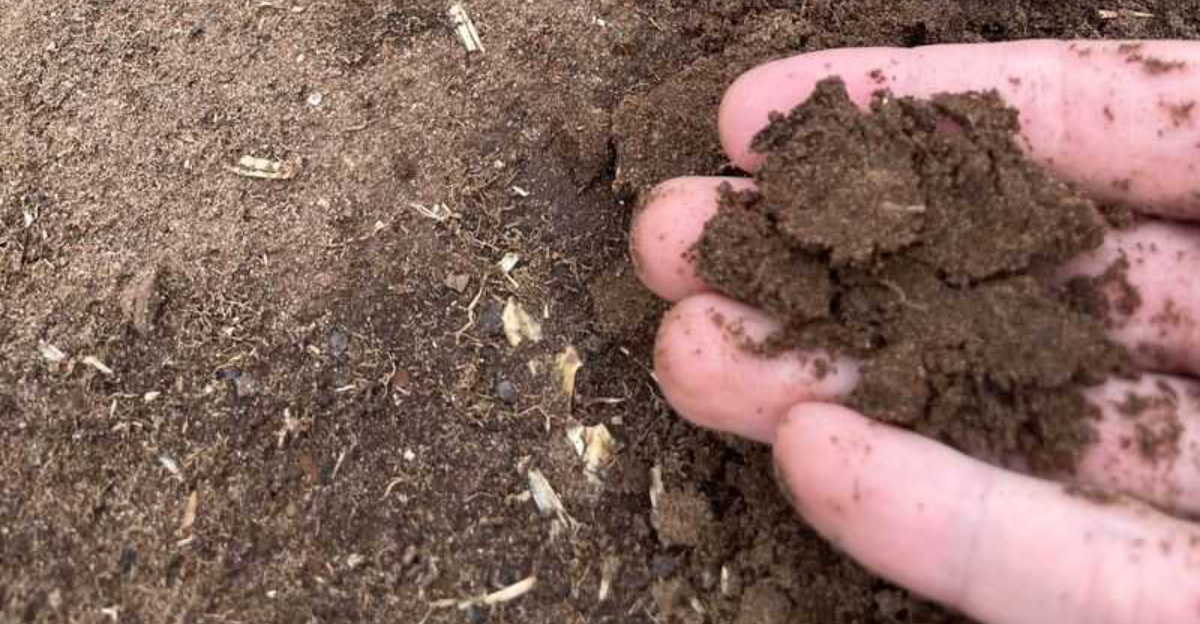
Illinois gardeners keep bringing up lead concerns in neighborhood soils, and it’s quickly becoming one of the most talked-about topics this season.
You can feel the shift as more people start asking questions and paying closer attention to what’s happening beneath their lawns and flower beds.
I’m glad these conversations are opening the door for clearer guidance and a better understanding of what’s going on.
1. Historical Industrial Activities Left Lasting Contamination
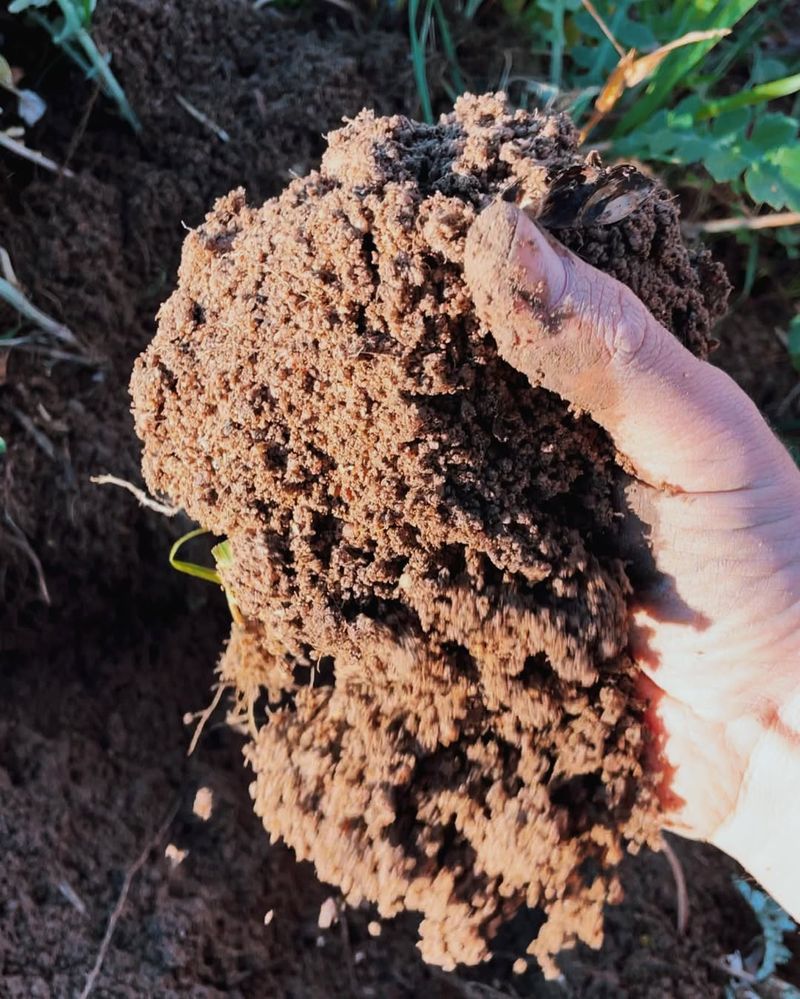
Many Illinois neighborhoods developed near factories, smelters, and manufacturing plants that released lead particles into the air for decades.
These tiny bits settled onto the ground and mixed with soil over time.
Chicago, Peoria, and East St. Louis all had heavy industrial zones that contributed to this problem.
Even though many of these facilities closed years ago, the lead remains in the ground because it does not break down naturally.
Families living in older neighborhoods built before the 1980s often face higher exposure risks.
Testing soil near former factory sites reveals surprisingly high lead levels that concern public health officials.
Communities across Illinois are now mapping these contaminated areas to warn residents.
Understanding this history helps explain why certain neighborhoods require more attention and soil remediation efforts today.
Awareness campaigns in Illinois educate homeowners about testing their yards, especially if they grow vegetables or have young children playing outside regularly.
Local governments work with environmental agencies to identify hotspots and provide resources for cleanup projects in affected areas.
2. Lead-Based Paint From Older Homes Contaminates Yards
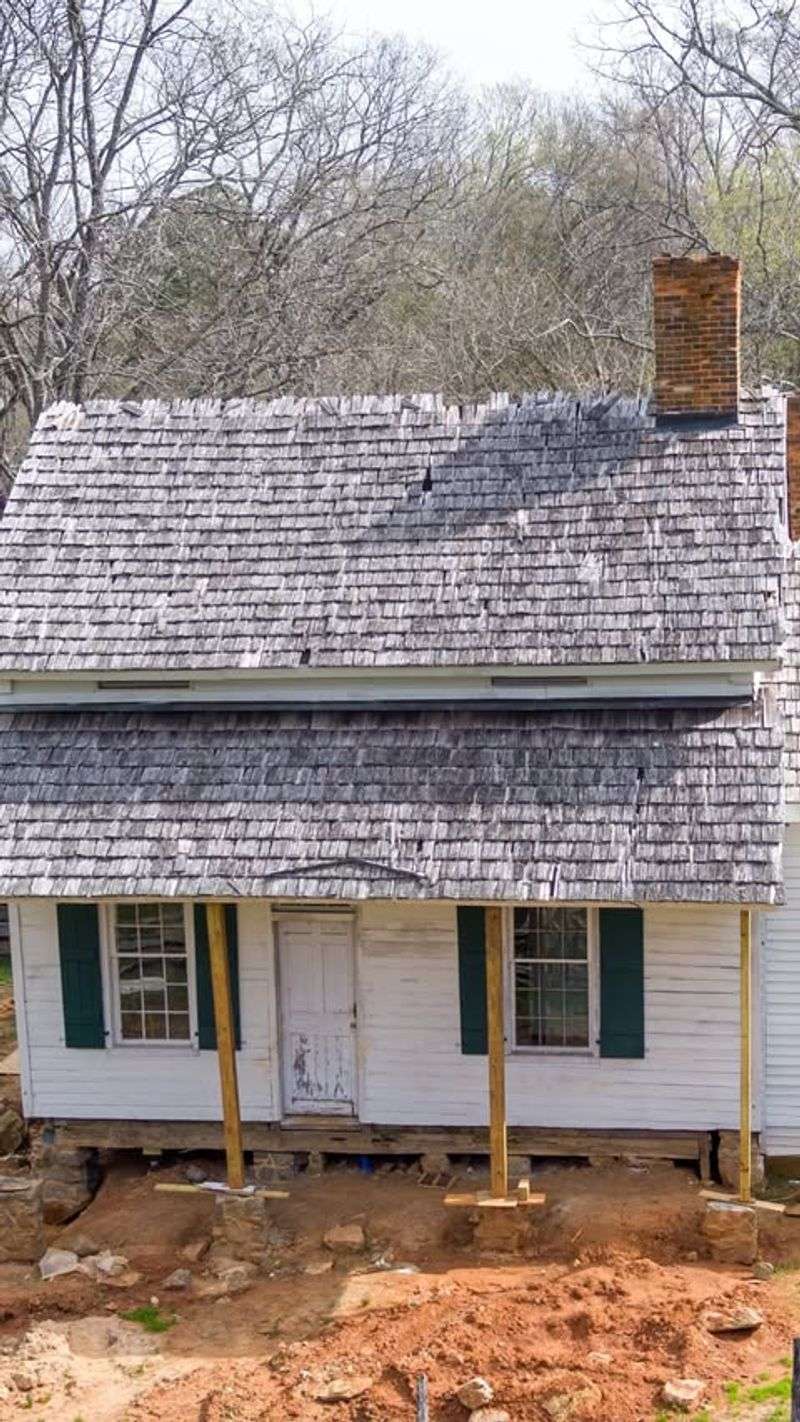
Homes built before 1978 commonly used paint containing high levels of lead, which was later banned because of health risks.
When this paint chips, peels, or gets scraped off during renovations, tiny flakes fall onto the soil around the house foundation.
Rain and weather gradually break down these paint chips, spreading lead particles throughout the yard.
Illinois has thousands of older homes, particularly in Springfield, Rockford, and Chicago neighborhoods, where this issue persists.
Children playing near the house or digging in flower beds face the highest exposure risk.
Window sills and doorways often show the worst contamination because paint wears away faster in these high-traffic spots.
Homeowners should test soil within six feet of their house exterior to check for elevated lead levels.
Simple steps like planting grass or laying mulch can reduce direct contact with contaminated dirt.
Illinois health departments offer free or low-cost testing kits to help families identify problem areas in their yards.
Renovating older homes requires special care to prevent spreading more lead dust and debris into surrounding soil areas.
3. Children Face Greater Health Risks From Soil Lead
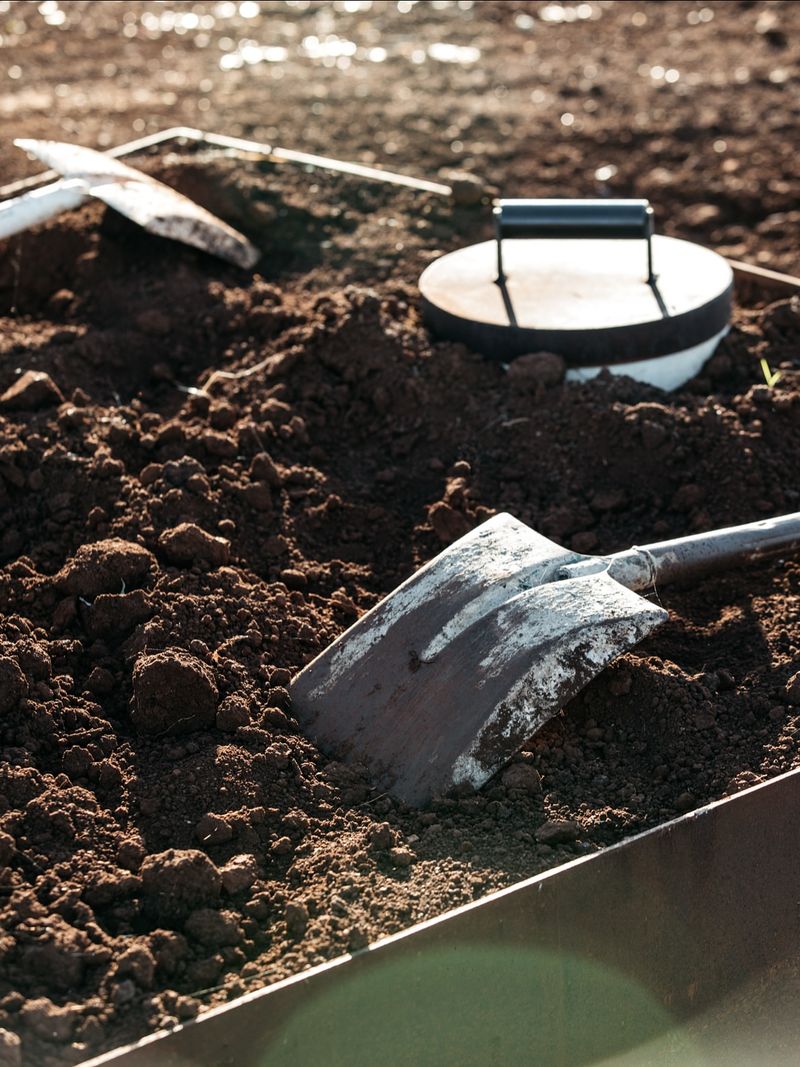
Young children absorb lead more easily than adults, making them especially vulnerable to contaminated soil in Illinois neighborhoods.
Their developing brains and bodies process toxins differently, and even small amounts can cause lasting harm.
Kids naturally put their hands in their mouths after playing outside, which increases their chances of swallowing lead particles.
Crawling babies and toddlers spend more time close to the ground, touching dirt and grass that might contain lead.
Illinois pediatricians now routinely screen children for lead exposure, especially those living in older urban areas.
Symptoms may not appear immediately, but lead can affect learning, behavior, and growth over time.
Parents should encourage handwashing after outdoor play and keep play areas away from house foundations where contamination concentrates.
Creating safe play zones with clean soil or sand gives children places to explore without unnecessary exposure.
Regular testing helps families in Illinois catch problems early and take action before health issues develop.
Community programs provide education about reducing risks and creating safer outdoor environments for children throughout the state.
4. Leaded Gasoline Created Widespread Soil Pollution
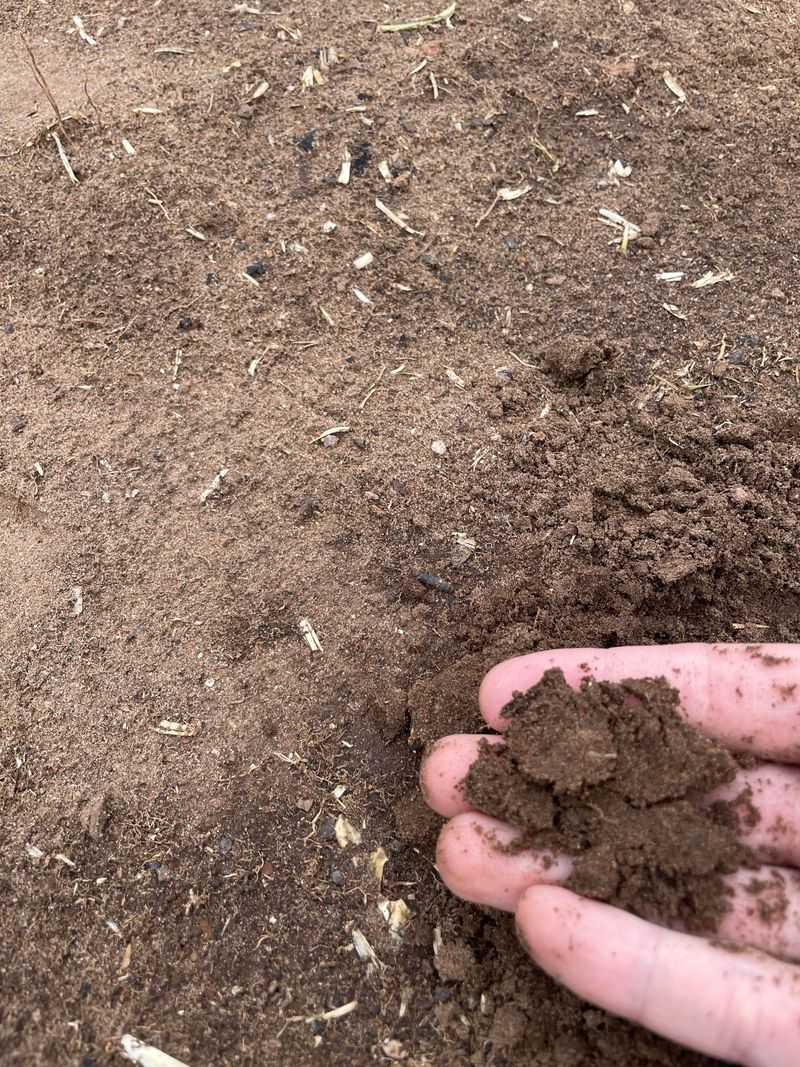
Before 1996, most vehicles burned gasoline containing lead, which came out through exhaust pipes and settled on nearby ground.
Busy roads and highways across Illinois accumulated particularly high levels of this contamination over decades of traffic.
Neighborhoods located near major roadways often show elevated lead concentrations in their soil even today.
The closer a property sits to a heavily traveled street, the higher the contamination typically measures.
Illinois communities near Interstate 55, Interstate 80, and other major routes face ongoing concerns about this legacy pollution.
Vegetable gardens planted near busy roads may absorb lead from contaminated soil, making produce unsafe to eat.
Experts recommend testing soil before planting edible crops, especially within 25 feet of streets that existed before the mid-1990s.
Homeowners can reduce exposure by creating barriers like fences or hedges between roads and play areas.
Replacing contaminated topsoil with fresh, clean dirt provides another solution for families concerned about their yards.
Understanding how leaded gasoline affected Illinois neighborhoods helps residents make informed decisions about soil safety today.
5. Soil Testing Reveals Hidden Contamination Levels
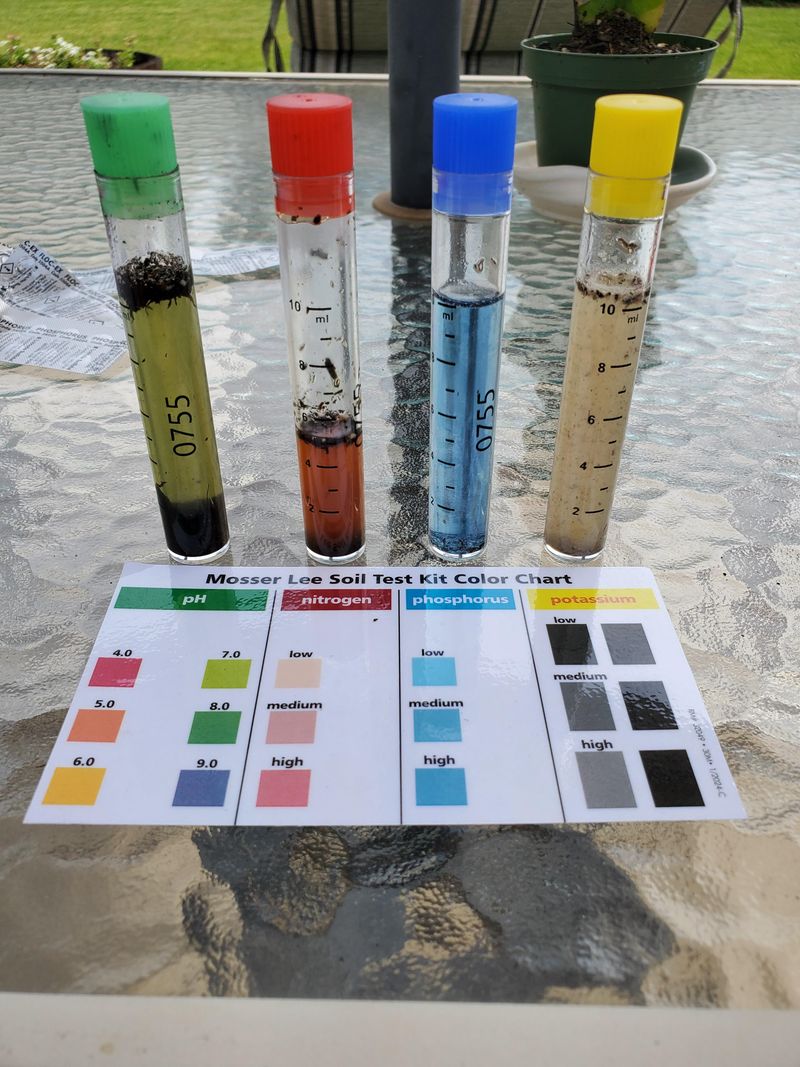
Lead cannot be seen, smelled, or tasted, so testing remains the only reliable way to know if Illinois soil contains dangerous amounts.
Professional laboratories analyze samples and provide detailed reports showing exact contamination levels in different parts of a yard.
Many county health departments across Illinois offer affordable testing services or can recommend certified labs.
Homeowners should collect samples from multiple locations, including areas where children play, near house foundations, and around vegetable gardens.
Test results come back as parts per million, with levels above 400 considered unsafe for play areas.
Garden soil should contain less than 100 parts per million to safely grow food crops.
Illinois residents can purchase DIY test kits from hardware stores, though professional analysis provides more accurate and detailed information.
Testing every few years helps track changes and ensures that remediation efforts actually worked.
Knowing the contamination level allows families to make smart choices about using their outdoor spaces safely.
Communities throughout Illinois increasingly recognize soil testing as an important step in protecting family health and property values.
6. Urban Gardens Need Special Attention and Precautions
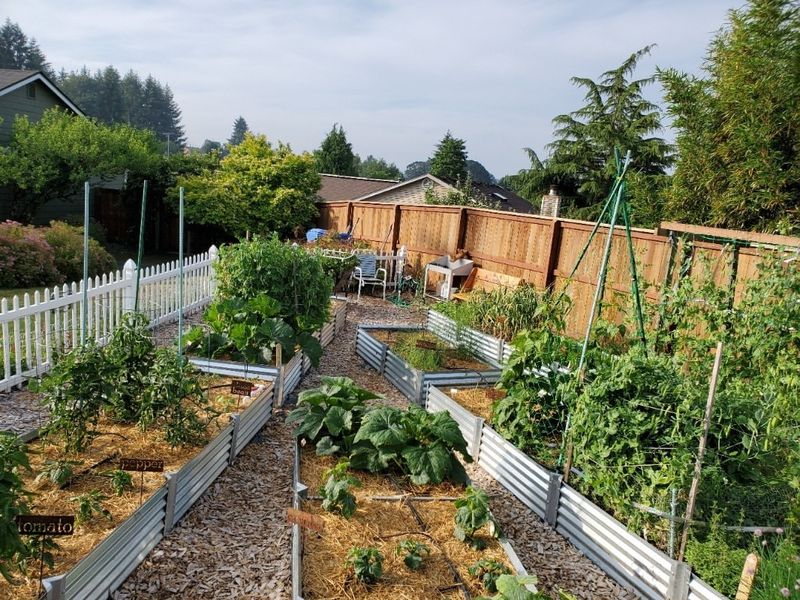
Growing vegetables in Illinois cities has become increasingly popular, but urban soil often contains higher lead levels than rural areas.
Plants can absorb lead through their roots, especially leafy greens and root vegetables like carrots and potatoes.
Chicago community gardens and backyard plots require careful testing before families start eating homegrown produce.
Raised beds filled with purchased clean soil offer the safest option for growing food in contaminated areas.
Adding compost and organic matter helps bind lead particles, reducing how much plants can absorb from existing soil.
Washing vegetables thoroughly and peeling root crops removes some surface contamination before cooking or eating.
Illinois gardeners should avoid planting edibles near old painted structures or within 25 feet of busy streets.
Growing flowers, herbs, or ornamental plants poses less risk than food crops in questionable soil.
Extension offices throughout Illinois provide guidance on safe gardening practices in urban environments.
Taking these precautions allows families to enjoy fresh vegetables while minimizing exposure to harmful contaminants in their yards.
7. New Regulations Push for Stricter Soil Standards
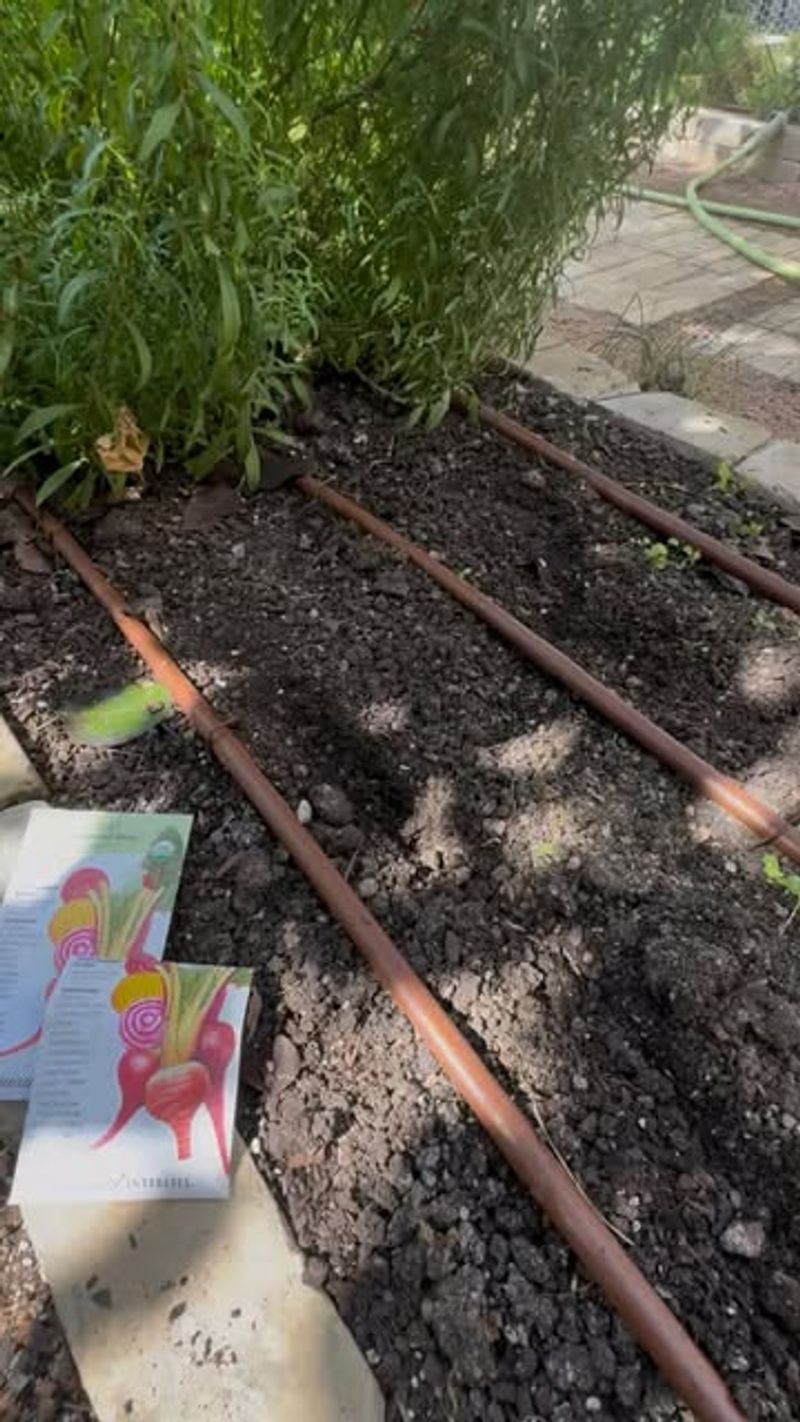
Illinois lawmakers and environmental agencies have started implementing tougher rules about acceptable lead levels in residential soil.
These updated standards reflect current scientific understanding about how even low concentrations can harm children over time.
Property developers now face requirements to test and remediate contaminated land before building new homes in certain Illinois areas.
Schools and daycare centers must verify that outdoor play areas meet safety thresholds for lead and other contaminants.
Springfield officials work with federal environmental protection agencies to establish guidelines that protect public health.
Some municipalities require disclosure of known soil contamination when selling homes, giving buyers important information.
Contractors performing renovation work on older Illinois properties must follow lead-safe practices to prevent spreading contamination.
Penalties for violations have increased, encouraging compliance with these protective measures.
Community advocates push for even stronger regulations, particularly in neighborhoods with documented high exposure rates.
These evolving standards demonstrate growing recognition across Illinois that soil safety deserves serious attention and consistent enforcement efforts.
8. Affordable Remediation Methods Help Homeowners Take Action
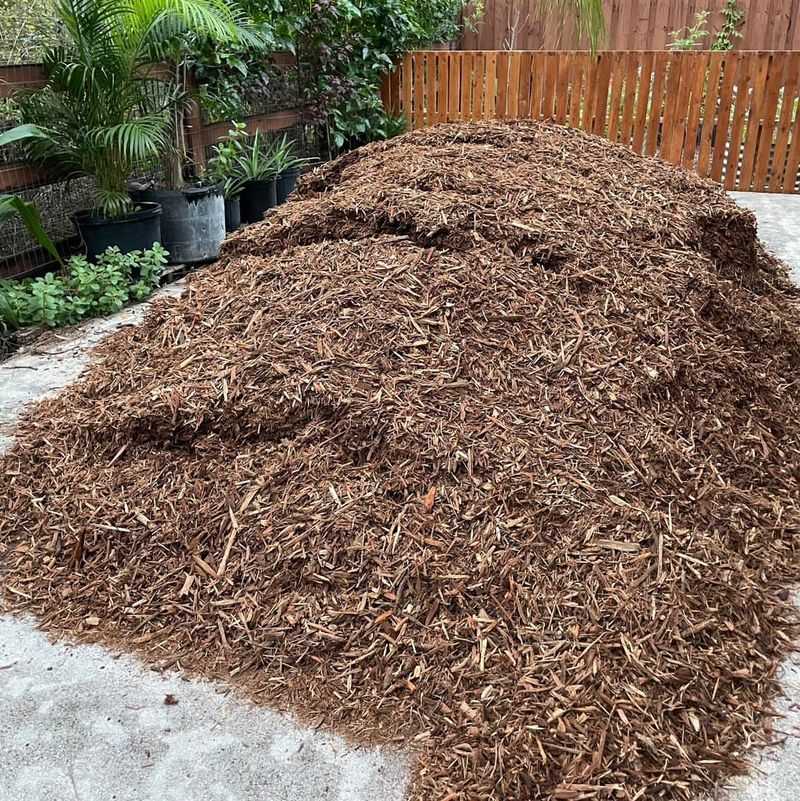
Families worried about contaminated soil in Illinois yards have several practical options for reducing lead exposure without spending fortunes.
Covering problem areas with six inches of clean topsoil or mulch creates a barrier that prevents contact with contaminated dirt below.
Planting grass or ground cover provides another low-cost solution that stabilizes soil and reduces dust.
Building raised garden beds with imported clean soil allows safe food growing without removing existing contaminated earth.
Regular cleaning of outdoor toys, shoes, and pet paws prevents tracking lead particles into homes.
Creating paved or gravel play areas gives children safe spaces while avoiding direct contact with questionable soil.
Illinois homeowners can apply for grants or low-interest loans to help cover remediation costs in some communities.
Complete soil removal and replacement works best for severe contamination but costs significantly more than simpler barrier methods.
Local environmental groups sometimes organize neighborhood cleanup events that provide free or discounted services.
Taking action, even with modest steps, dramatically reduces exposure risks and gives families peace of mind about their outdoor spaces.
9. Community Awareness Campaigns Educate Illinois Residents
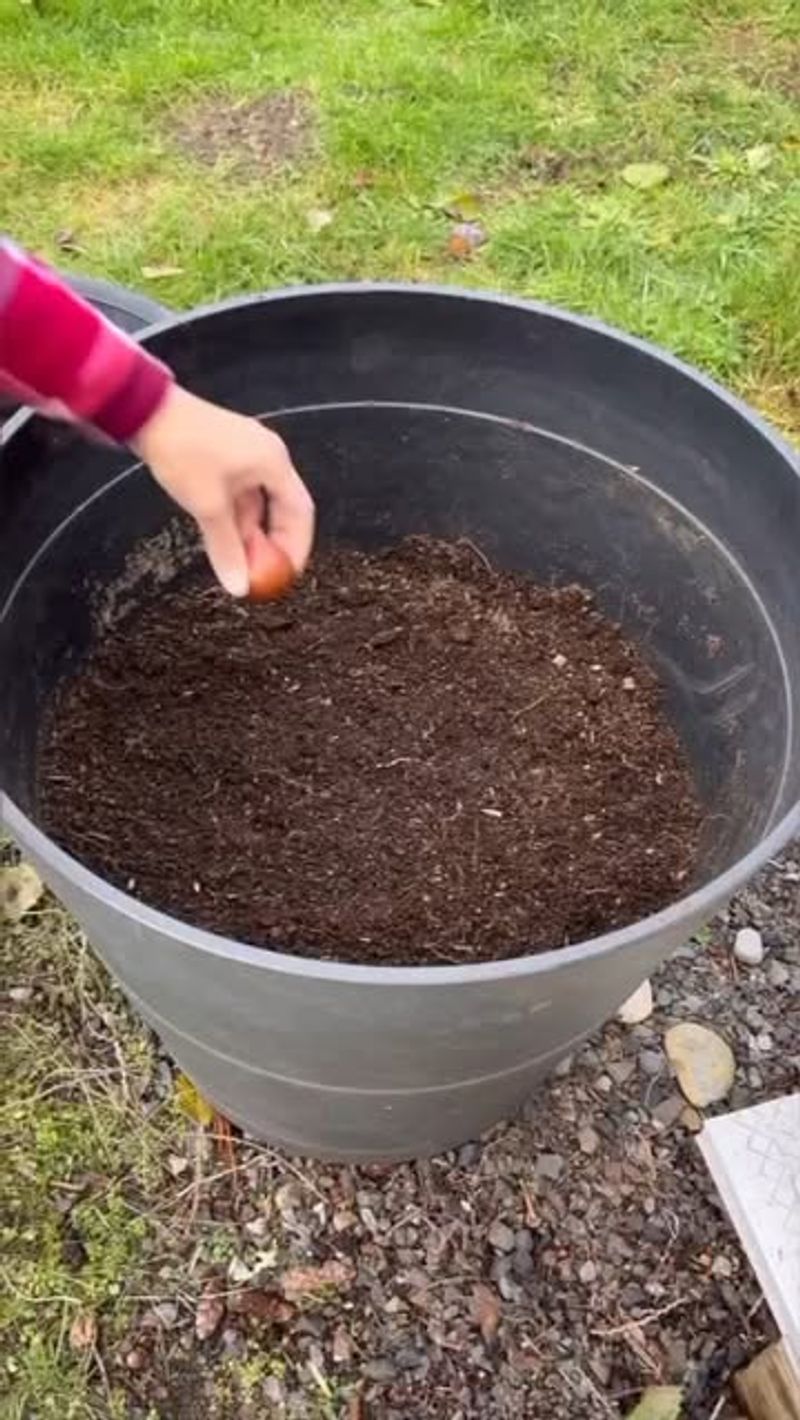
Public health departments across Illinois have launched education programs to inform residents about soil lead risks in their neighborhoods.
Free workshops teach families how to test their yards, interpret results, and take appropriate protective measures.
Schools send information home with students, reaching parents who might not otherwise learn about these hidden dangers.
Naperville, Aurora, and other Illinois cities distribute brochures explaining which areas face the highest contamination risks.
Social media campaigns share practical tips for reducing exposure and creating safer outdoor environments for children.
Community health workers visit high-risk neighborhoods to offer direct assistance and answer questions from concerned residents.
Local news coverage has increased, bringing more attention to soil safety issues that previously went unnoticed.
Partnerships between government agencies, schools, and nonprofit organizations expand the reach of these important educational efforts.
Residents who understand the risks feel empowered to protect their families through simple, effective actions.
Growing awareness throughout Illinois signals positive change as more people recognize soil lead as a preventable health concern.