Why Louisiana Gardeners Are Checking Their Compost For Contaminated Soil
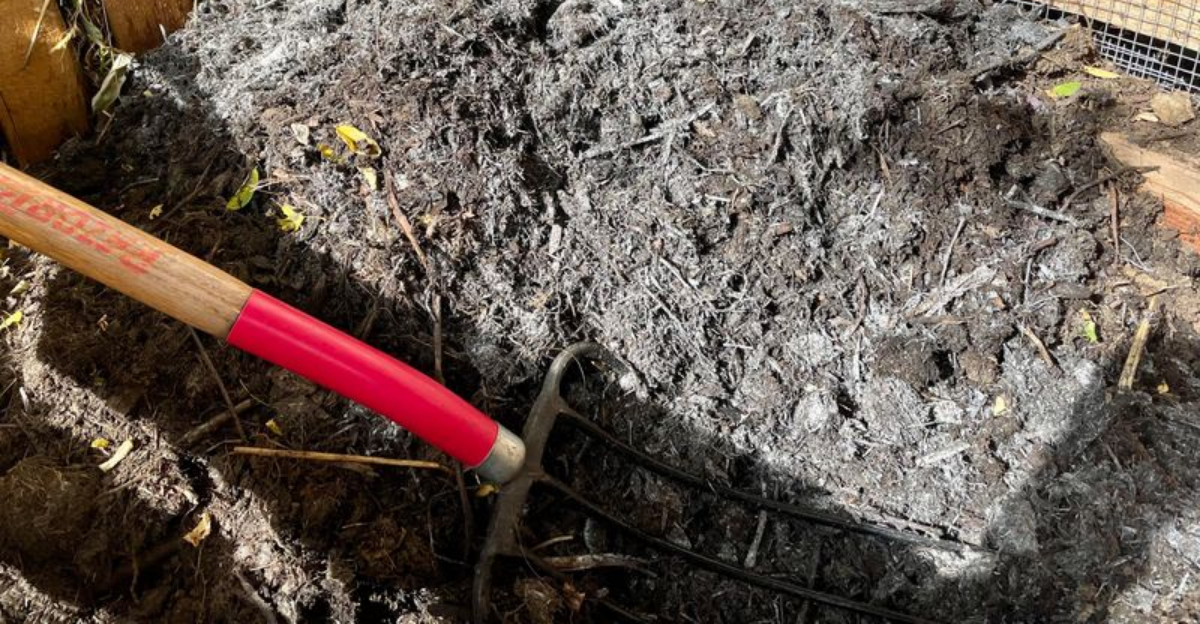
Garden beds across Louisiana no longer inspire blind trust.
Rich compost once felt like black gold, yet doubt now creeps in. Home growers pause, sift, and look closer before plants touch the soil.
Rumors of tainted inputs, storm debris, and industrial leftovers travel fast in warm air.
One bad batch can stunt tomatoes, spoil herbs, and waste a full season.
That risk puts gardeners on alert.
Community chatter grows louder at markets and fence lines.
Questions replace confidence, and caution rules the day.
Testing kits sell quick, advice swaps hands, and compost piles face scrutiny.
This habit reflects more than fear.
It shows care for food, family, and land. Louisiana soil carries history, floods carry change, and gardens sit at the crossroads.
By watching what enters the ground, growers protect harvests and peace of mind. Vigilance feels smart, not extreme.
Trust grows back through care and choices.
Persistent Herbicides Are Surviving The Composting Process
Many gardeners assume that high temperatures during composting break down all chemicals and pesticides.
Unfortunately, certain herbicides are designed to remain active in the environment for extended periods.
These tough chemicals can withstand the heat and microbial activity that normally breaks down organic matter.
When grass clippings, hay, or manure containing these herbicides enter your compost bin, the chemicals tag along for the ride.
Even after months of decomposition, they remain potent enough to harm sensitive plants.
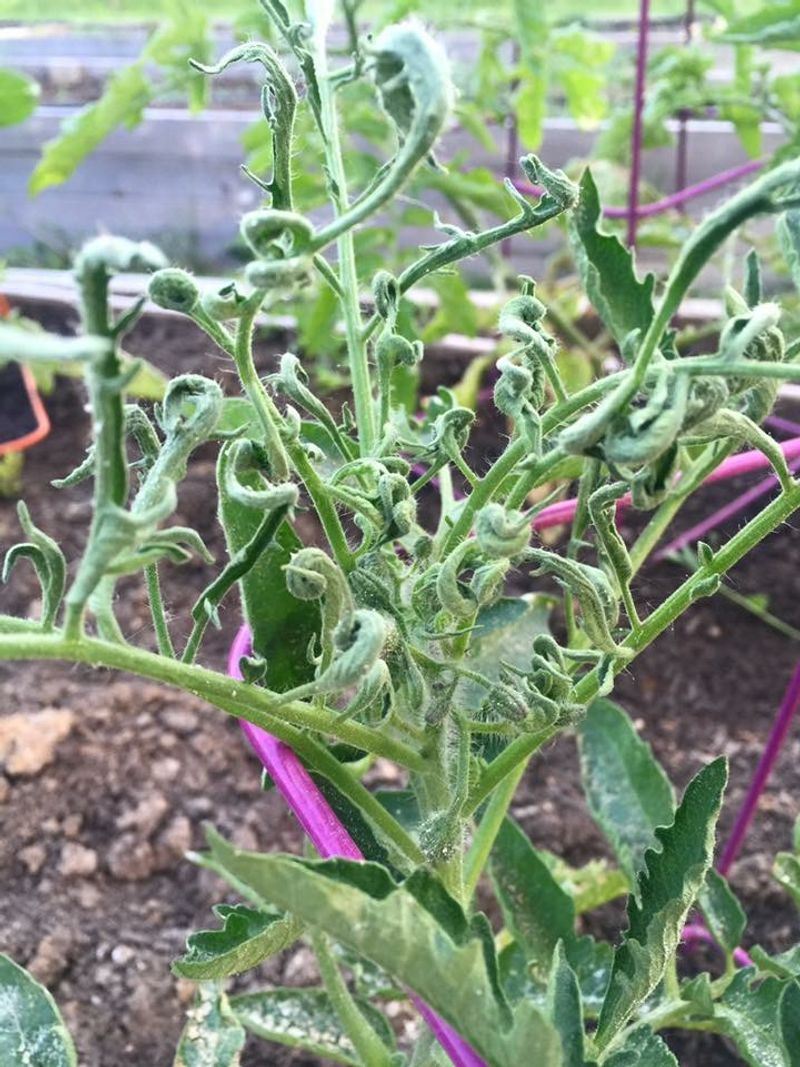
Louisiana gardeners are learning this lesson the hard way when their tomato plants curl or their beans fail to thrive.
The problem is especially tricky because the compost looks perfectly normal and smells earthy and rich.
Visual inspection cannot detect these invisible contaminants lurking in what appears to be healthy, finished compost.
Growers throughout Louisiana are now questioning materials they once trusted without hesitation.
Understanding that composting does not neutralize everything has changed how many approach their soil amendments.
Aminopyralid And Clopyralid Contamination Is The Biggest Risk
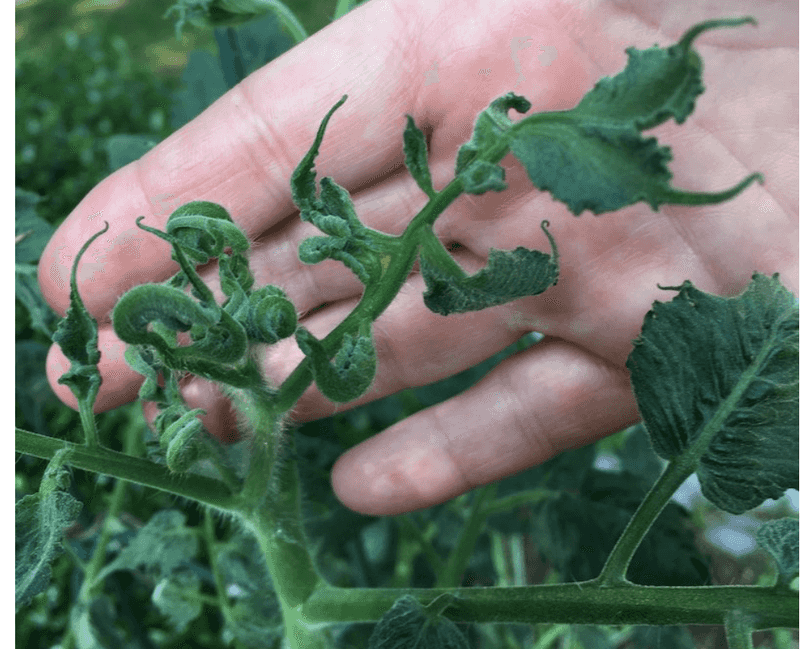
Two herbicides are causing most of the headaches for Louisiana gardeners: aminopyralid and clopyralid.
Both belong to a class of chemicals called pyralid herbicides, which target broadleaf weeds in pastures and lawns.
Farmers and homeowners use these products because they effectively control unwanted plants without harming grasses.
The trouble starts when animals eat treated hay or grass, then produce manure that gets composted.
These herbicides pass through the digestive system largely unchanged and remain active in the waste.
Clopyralid can persist in soil for several weeks to months, while aminopyralid can last even longer under certain conditions.
Louisiana’s gardening community has documented numerous cases where contaminated compost caused stunted growth and leaf distortion.
Tomatoes, beans, peas, and potatoes are particularly vulnerable to these chemicals.
Even small amounts can cause significant damage to sensitive crops throughout the growing season.
Awareness of these specific herbicide names helps Louisiana gardeners ask better questions when sourcing compost materials.
Manure-Based Compost Has Become A Common Source Of Problems
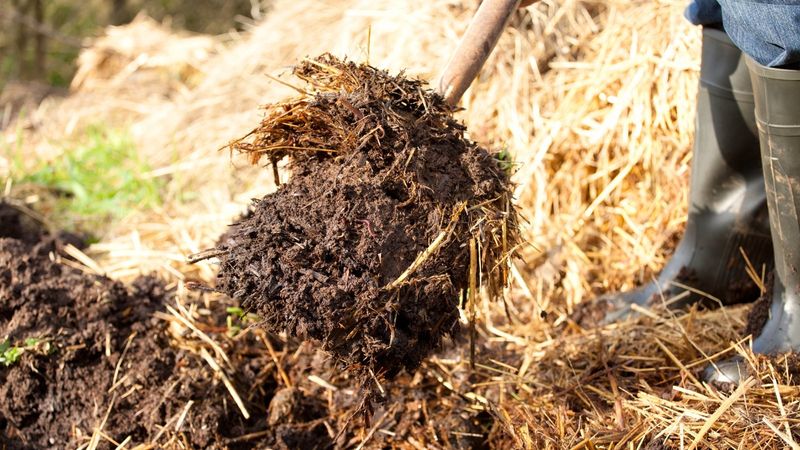
Horse, cattle, and chicken manure have long been prized additions to garden compost.
These materials add valuable nutrients and improve soil structure when properly aged.
However, manure from animals fed hay or grass treated with persistent herbicides carries contamination risk.
Louisiana horse owners often purchase hay from various sources, and not all growers disclose herbicide use.
When horses consume treated hay, the chemicals pass through and concentrate in their manure.
Well-meaning gardeners collect this manure, add it to their compost, and unknowingly introduce herbicides to their gardens.
Commercial compost products containing manure can also harbor these contaminants if the source material was compromised.
Several Louisiana gardeners have reported problems after using bagged compost from reputable suppliers.
The issue is not always about quality control but about contamination that occurs before the product reaches the manufacturer.
Asking questions about the source of manure-based products has become essential for cautious Louisiana gardeners.
Sensitive Plants Are Showing Early Warning Signs
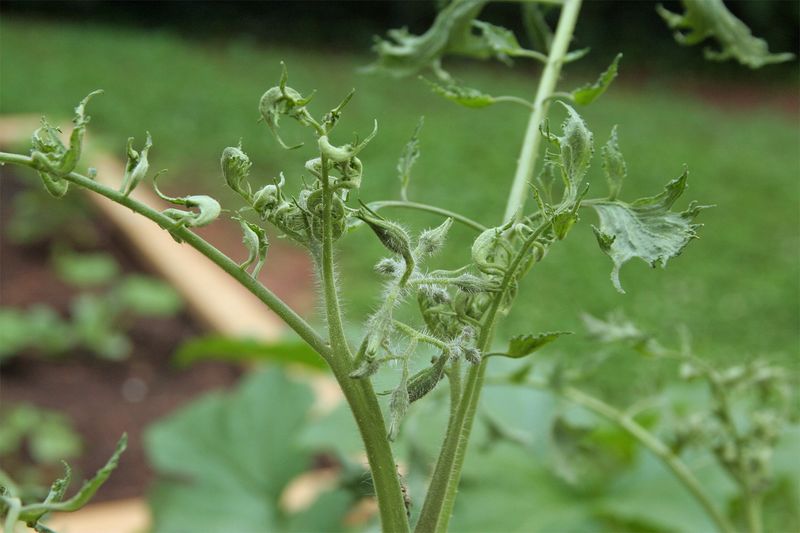
Certain plants act like canaries in a coal mine when herbicide contamination is present.
Tomatoes are among the most sensitive, displaying twisted leaves, cupped foliage, and stunted growth.
Beans and peas also react quickly, with distorted leaves and poor pod development.
Louisiana gardeners are paying close attention to these indicator plants as early warning systems.
When these sensitive crops show symptoms shortly after compost application, contamination becomes a likely suspect.
Other affected plants include potatoes, peppers, sunflowers, and various ornamental flowers.
Interestingly, grasses and corn tend to tolerate these herbicides much better, which can mask the problem.
A Louisiana vegetable garden might look fine in some areas while tomatoes in another section struggle.
Recognizing these specific symptoms helps gardeners distinguish herbicide damage from disease or nutrient deficiencies.
Many Louisiana growers now plant test crops in small areas before spreading compost throughout their entire garden space.
Community Compost And Free Mulch Programs Raise New Questions
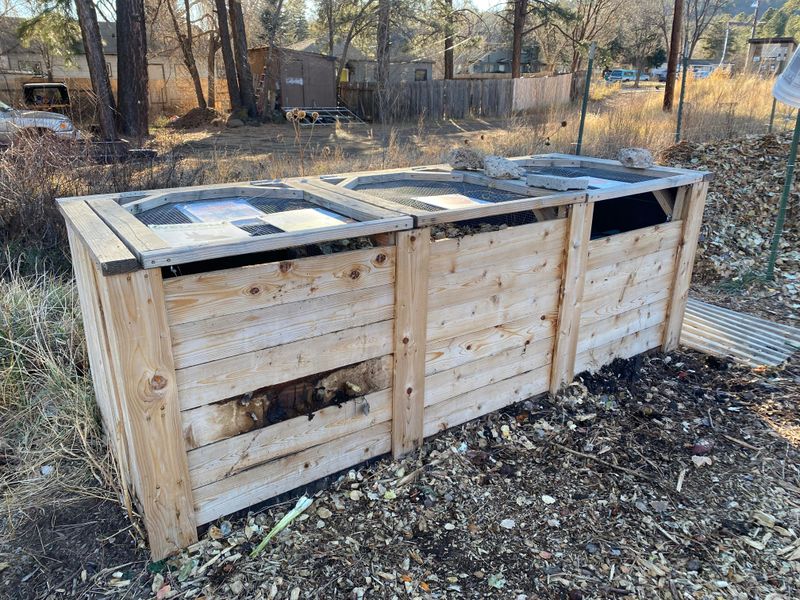
Louisiana communities have embraced composting programs that turn yard waste into free mulch and compost for residents.
These initiatives reduce landfill waste and provide gardeners with valuable soil amendments at no cost.
However, these programs collect materials from numerous sources, making contamination tracking nearly impossible.
Grass clippings from chemically treated lawns mix with leaves, branches, and other organic matter.
If even a small percentage of the incoming material contains persistent herbicides, the entire batch becomes contaminated.
Louisiana gardeners who previously relied on these programs are now hesitant to use the free materials.
Municipal composting facilities rarely test for specific herbicides due to cost and complexity.
Some Louisiana communities have started warning residents about potential risks, while others remain unaware of the issue.
Gardeners face a difficult choice between supporting sustainable programs and protecting their plants.
The situation has sparked conversations about better screening and testing protocols for community compost operations throughout Louisiana.
Louisiana’s Warm Climate Doesn’t Neutralize These Chemicals

Some gardeners hoped that Louisiana’s hot, humid climate would speed up herbicide breakdown.
Higher temperatures typically accelerate chemical decomposition and microbial activity in compost.
Unfortunately, aminopyralid and clopyralid are remarkably stable even under warm, moist conditions.
Research shows these herbicides can persist through Louisiana’s long, hot summers without significant degradation
The chemicals were specifically engineered to withstand environmental conditions and remain effective in the field.
This stability makes them excellent weed killers but terrible news for gardeners dealing with contaminated compost
Louisiana’s climate does offer some advantages for composting, creating rich, biologically active material.
However, beneficial microbes and high temperatures cannot break the molecular bonds in these persistent herbicides.
Gardeners throughout Louisiana have learned that time and heat alone will not solve this contamination problem.
Some contaminated compost may need a year or more to become safe, even under ideal Louisiana conditions.
Simple Bioassay Tests Gardeners Are Using At Home
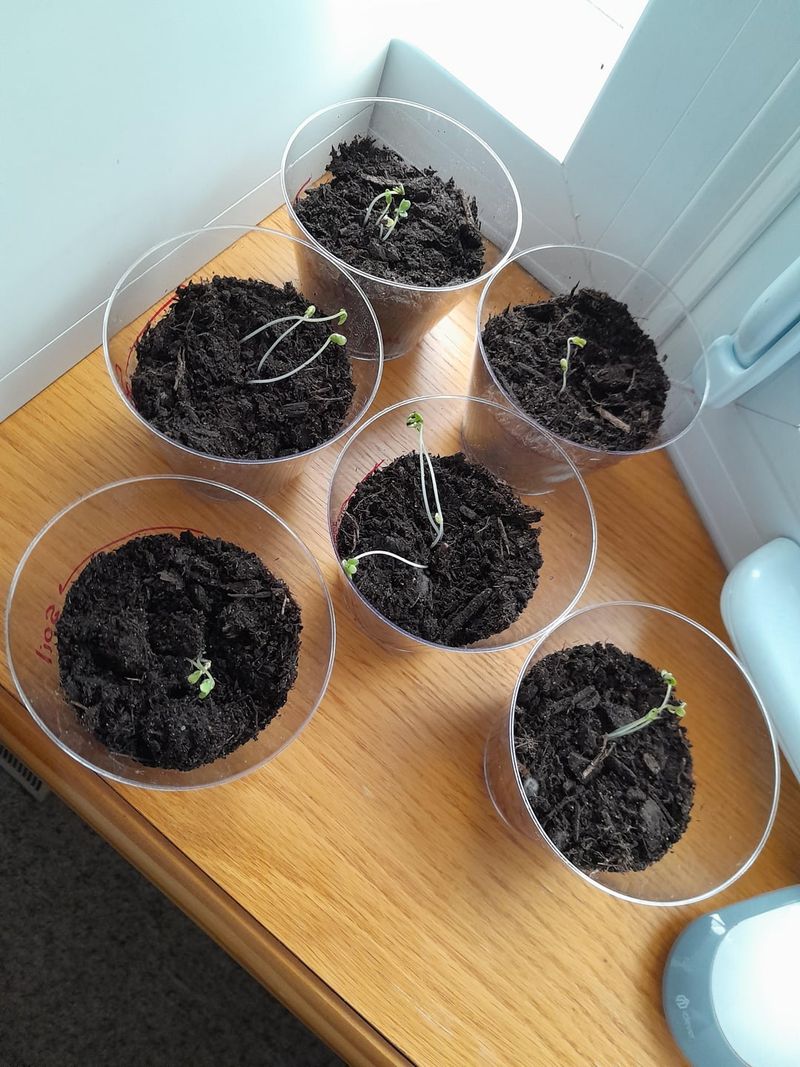
Louisiana gardeners have adopted a simple testing method called a bioassay to check compost before widespread use.
This test involves growing sensitive plants in the questionable compost and watching for symptoms.
Beans, tomatoes, or peas work well because they react quickly to herbicide contamination.
Gardeners fill several small pots with the compost in question and plant seeds in each container.
Control pots using known safe soil help compare growth and identify problems.
After two to three weeks, contaminated compost will produce plants with distorted, cupped, or twisted leaves.
Healthy compost produces normal seedlings with typical growth patterns and leaf shapes.
This approach costs almost nothing and provides reliable results without expensive laboratory testing.
Louisiana gardeners share their bioassay results in online groups and local gardening clubs.
The method has become so popular that some Louisiana nurseries now offer bioassay kits with instructions and sensitive seeds.
How To Reduce The Risk When Buying Or Making Compost
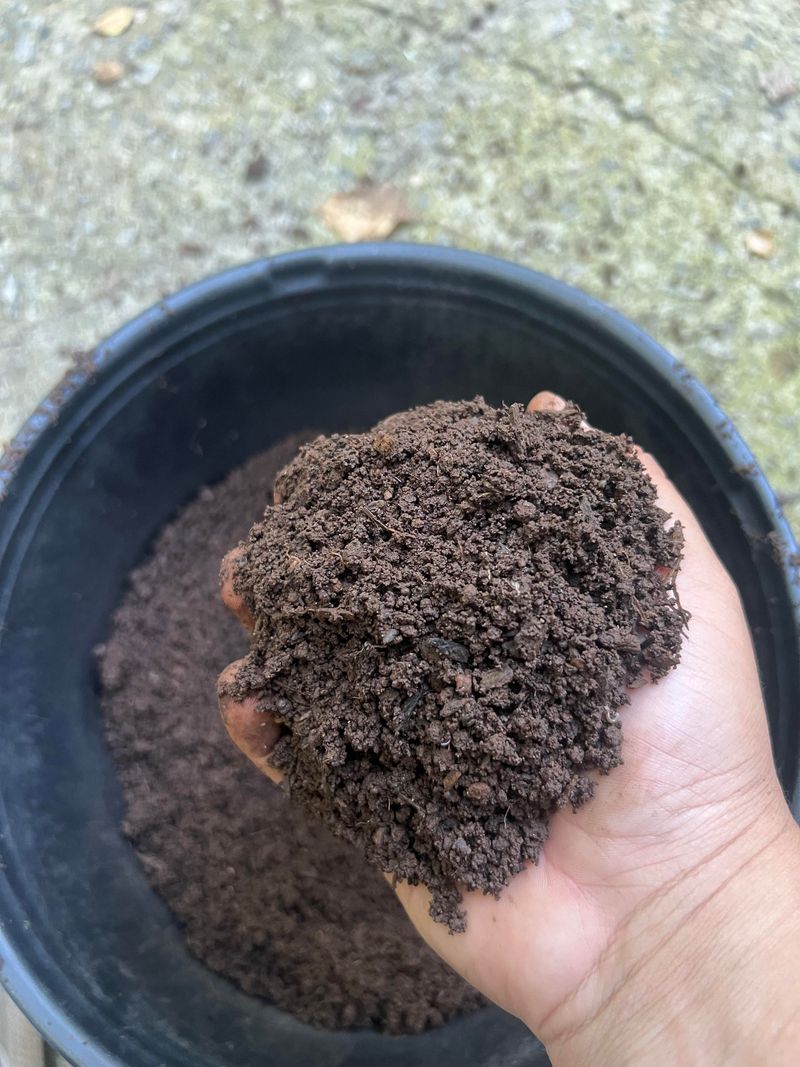
Louisiana gardeners are adopting several strategies to minimize their exposure to contaminated compost.
When purchasing commercial compost, asking suppliers about herbicide testing and source materials makes a difference.
Reputable companies increasingly recognize this concern and provide information about their screening processes.
For homemade compost, avoiding grass clippings from treated lawns and manure from unknown sources reduces risk.
Many Louisiana gardeners now compost only materials from their own untreated yards and kitchen scraps.
Building relationships with local horse owners who use organic practices provides access to safer manure sources.
Some gardeners have switched to compost made entirely from vegetable scraps, leaves, and untreated plant material.
Starting small with any new compost source and conducting bioassay tests before large-scale application protects gardens.
Louisiana gardening communities are sharing lists of trusted suppliers and warning others about problematic sources.
Taking these precautions requires extra effort but helps ensure that compost improves gardens instead of harming them.