Why March Is Crucial For Oregon’s Monarch Butterflies
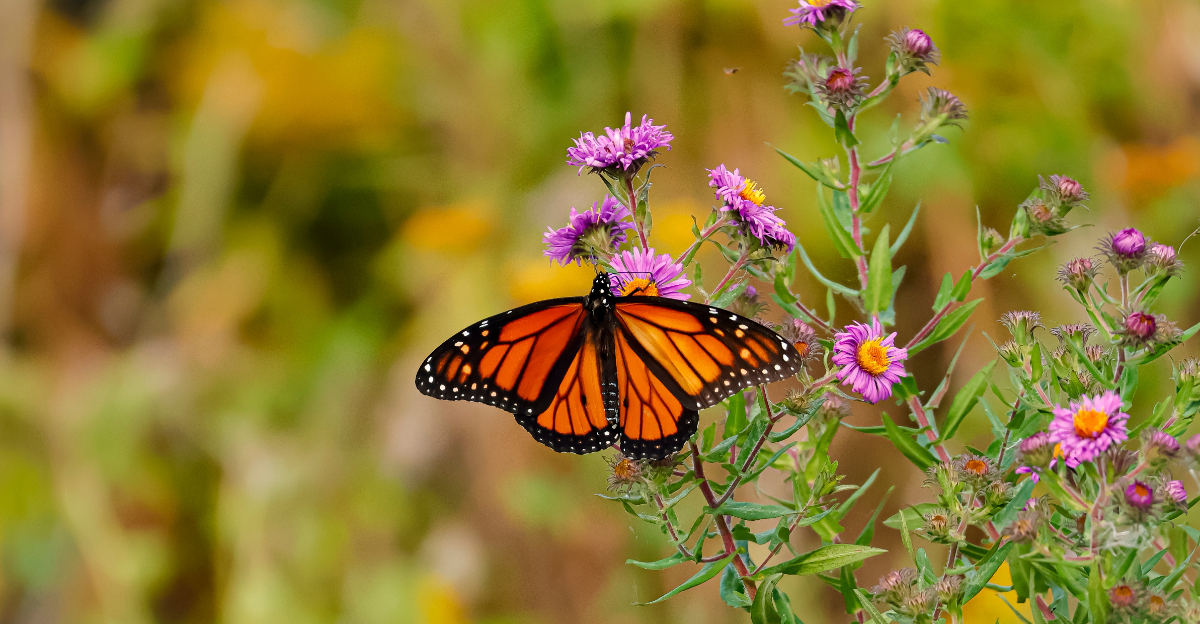
March is when Oregon starts shaking off winter, and the garden slowly comes back to life. Buds swell, early flowers appear, and insects begin buzzing around again.
Among the most fascinating visitors showing up during this time are monarch butterflies, tiny travelers with a surprisingly epic journey behind them.
These butterflies aren’t just passing through for the scenery. Early spring plays a big role in their survival.
As temperatures rise, monarchs begin searching for nectar, safe resting spots, and the all important milkweed plants where the next generation will begin.
Think of March as a crucial pit stop in a very long road trip. If the right resources are waiting, monarchs can refuel and keep their life cycle moving forward.
That means Oregon gardens can become part of something pretty amazing. A few thoughtful choices in early spring can help support one of nature’s most iconic butterflies right when it matters most.
1. Spring Migration Begins

Picture thousands of orange-and-black wings lifting off the California and Oregon coast all at once. That is exactly what happens when March arrives and monarchs begin their spring migration.
After spending the winter clustered in trees along the Pacific coast, these butterflies finally start moving inland.
Oregon plays a special role in this journey. The state sits right along the western migration corridor, meaning many butterflies pass through or settle here to breed.
Towns like Lincoln City and Brookings have even recorded monarchs gathering before heading east toward the Willamette Valley and beyond.
Timing is everything during migration. If monarchs leave too early, cold snaps can slow them down.
If they leave too late, they miss the window when milkweed is fresh and ready. March gives them just the right balance of warming temperatures and longer daylight hours to fuel their trip.
Watching this migration happen in real time is one of nature’s most exciting springtime events.
2. Breeding Season Starts
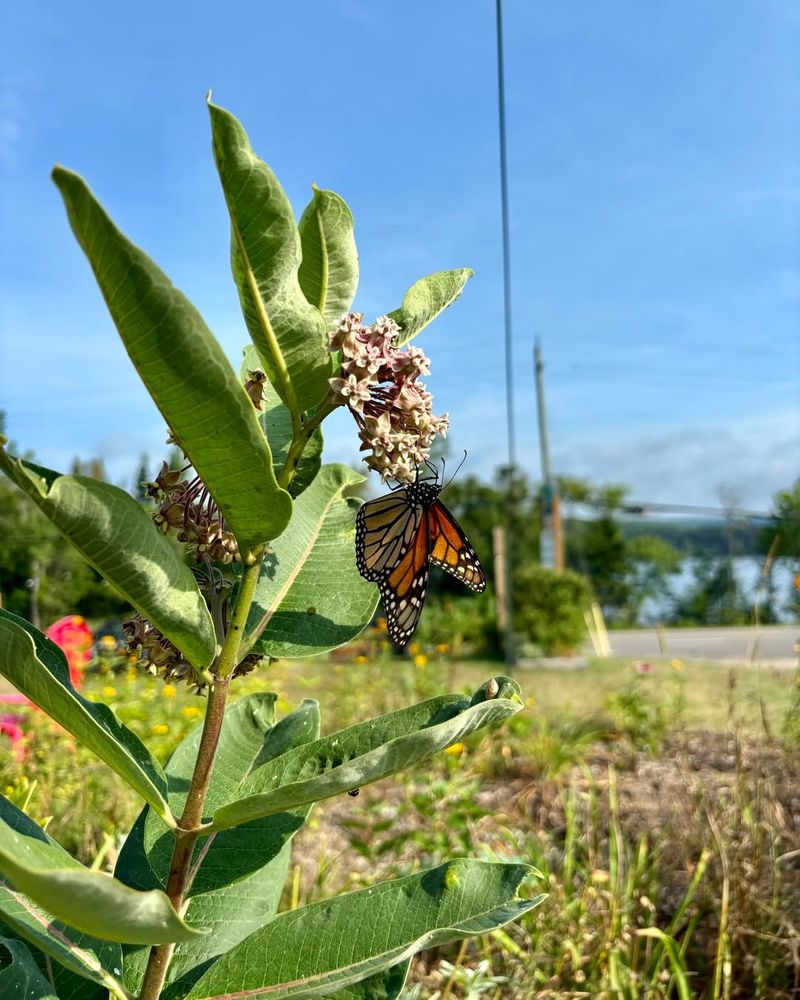
Once monarchs arrive in Oregon’s inland areas, the real work begins. March marks the official start of breeding season for the western monarch population.
Female butterflies search tirelessly for the right plant to lay their tiny, cream-colored eggs.
Each female can lay hundreds of eggs during her lifetime, but she is very selective about where she places them. She only lays on milkweed plants, pressing each egg firmly onto the underside of a leaf.
The eggs hatch within a few days, and the caterpillars immediately start feeding on the milkweed around them.
Breeding success in March directly shapes how many monarchs will be flying across Oregon by summer. A strong early breeding season means more caterpillars, more chrysalises, and eventually more butterflies.
Scientists who study western monarchs say that the first generation born in spring sets the tone for the entire year. That is why protecting Oregon habitats right now, in early spring, is so incredibly important for the long-term recovery of this species.
3. Milkweed Starts Growing
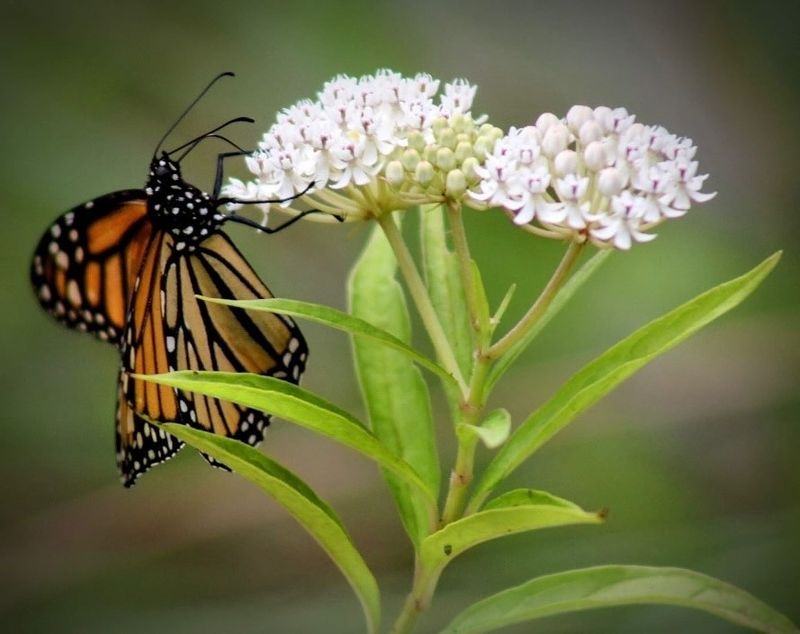
Milkweed is not just any plant. For monarch butterflies, it is the only plant that matters.
Without milkweed, monarchs cannot complete their life cycle, plain and simple. Lucky for them, March is when milkweed begins pushing up through Oregon’s soil after the long winter.
Native milkweed species like showy milkweed and narrow-leaf milkweed start sprouting in Oregon’s warmer valleys and open meadows as early as mid-March. These fresh, tender shoots are exactly what female monarchs need.
The young leaves are softer and easier for newly hatched caterpillars to eat.
Organizations like the Deschutes Land Trust in Central Oregon have been working hard to restore milkweed across the region. They plant native species in areas where milkweed has disappeared because of land development and herbicide use.
You can help too by planting native Oregon milkweed in your backyard or community garden. Even a small patch makes a big difference when monarchs are searching for places to lay their eggs during these critical early spring weeks.
4. Early Nectar Appears
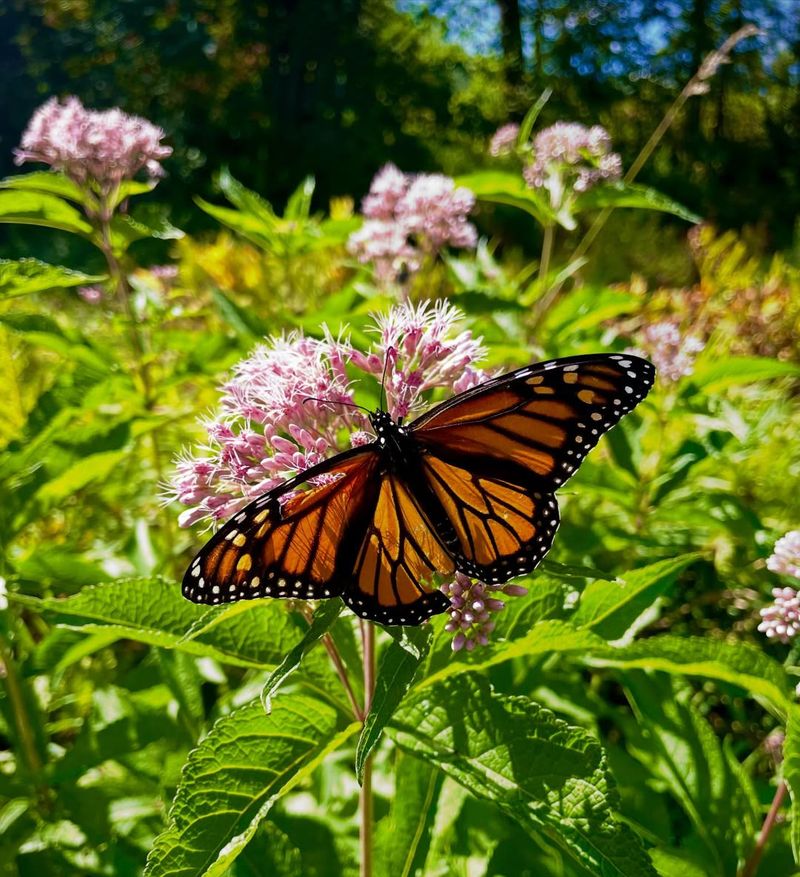
Migration burns a lot of energy. After traveling hundreds of miles, monarch butterflies arrive in Oregon hungry and in need of fuel.
Fortunately, March brings the first wave of spring wildflowers, providing the early nectar monarchs desperately need to survive and breed.
Flowers like Oregon grape, wild mustard, and early-blooming clovers open up just in time to welcome these returning travelers. Each sip of nectar gives monarchs the energy to keep searching for milkweed, find mates, and lay eggs.
Without enough nectar sources, butterflies grow weak and struggle to reproduce successfully.
Gardeners across Oregon can make a real impact by planting early-blooming native flowers. Choosing plants that flower in late winter and early spring creates a reliable food source right when monarchs need it most.
Cities like Portland and Eugene have seen residents take this seriously, turning front yards and community spaces into pollinator-friendly patches.
Supporting early nectar availability is one of the simplest and most effective ways everyday people can help Oregon’s monarch population bounce back from decades of decline.
5. Warmer Days Increase Activity
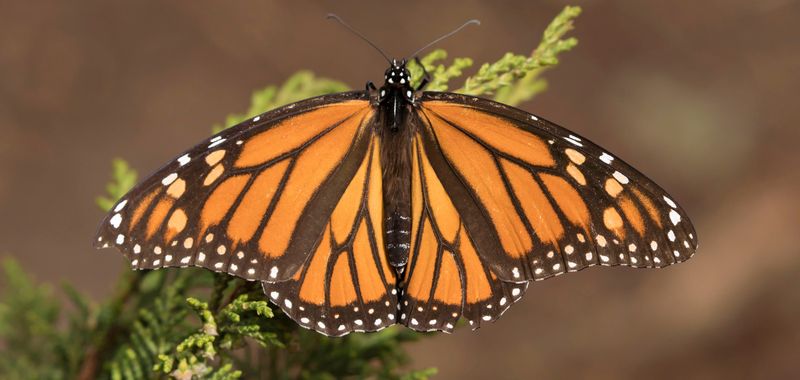
Cold butterflies are slow butterflies. Monarchs are cold-blooded, which means their body temperature matches the air around them.
When March temperatures climb above 55 degrees Fahrenheit in Oregon, monarchs become noticeably more active, flying longer distances and spending more time searching for mates and milkweed.
Warmer March days also allow monarchs to bask in the sun, which charges their muscles and helps them fly more efficiently. You might spot them resting on rocks, fence posts, or open leaves with their wings spread wide, soaking up every bit of warmth they can find.
It is a behavior called thermoregulation, and it is essential for their survival.
Oregon’s inland valleys, including the Willamette Valley and areas around Medford, tend to warm up faster than the coast in March. This makes these regions early hotspots for monarch activity.
Keeping an eye on the weather forecast can actually help you predict when to look for monarchs in your area. On the first warm, sunny days of March, head outside and scan flowering plants closely.
You just might catch a glimpse of one of these remarkable travelers.
6. Population Recovery Begins
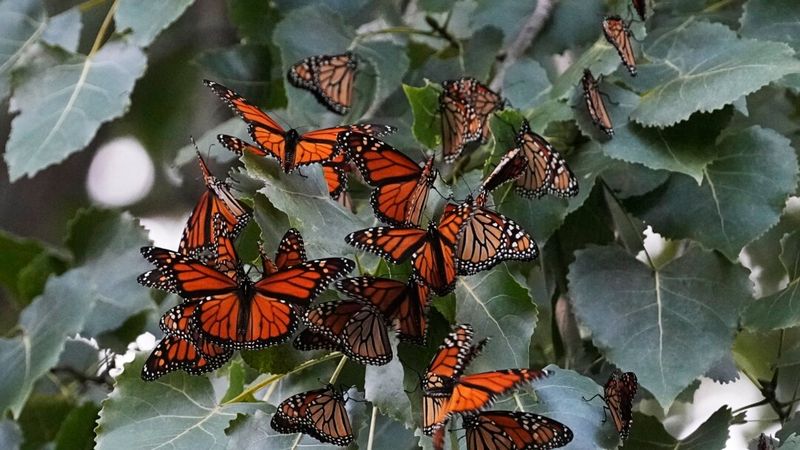
The numbers tell a sobering story. Western monarch populations have dropped by more than 95% since the 1980s, according to researchers who track overwintering sites along the Pacific coast.
A January 2024 report noted that overwintering counts in California dropped by 30% in just one year. March is when the slow, hopeful work of recovery begins.
Each spring generation born in Oregon adds to the overall population count. When breeding conditions are good in March, more butterflies survive to the next stage.
Over several generations, those numbers can start to climb. Conservation groups and citizen scientists across Oregon carefully monitor early spring activity to gauge how well the population is recovering.
Programs that restore habitat, reduce pesticide use, and connect fragmented landscapes are already showing results in some areas. The key is consistency.
Recovery does not happen in a single season. It takes years of protected habitat, reliable food sources, and community commitment.
Oregon residents who plant milkweed, report butterfly sightings, and support local conservation efforts are directly contributing to a population rebound that future generations will hopefully celebrate.
7. Gardens Become Habitat
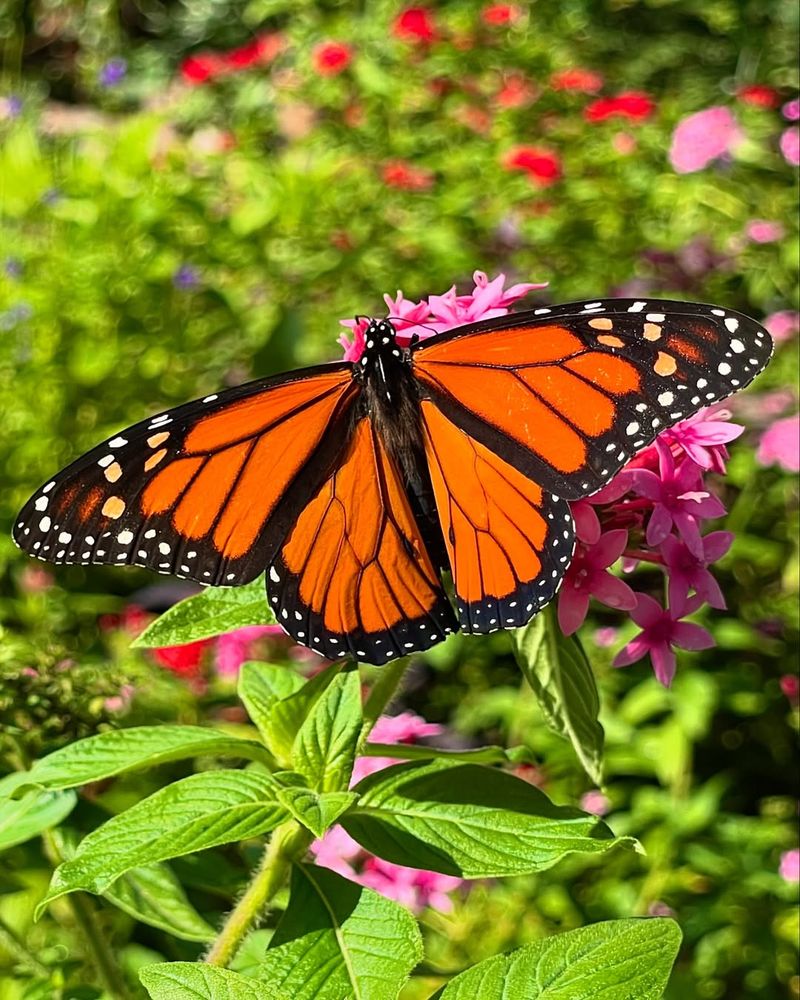
Martha Coleman of Portland made headlines when she transformed her entire yard into a monarch sanctuary. Her story is not unique.
Across Oregon, everyday gardeners are turning lawns and flower beds into critical butterfly habitat, and March is the perfect time to get started.
A monarch-friendly garden does not need to be large or fancy. A few pots of native milkweed on a patio can be enough to attract a female looking for a place to lay eggs.
Adding native flowering plants that bloom in sequence from early spring through fall ensures monarchs always have nectar available when they pass through your neighborhood.
Oregon State University Extension recommends choosing regionally appropriate milkweed species rather than tropical milkweed, which can interfere with natural migration patterns.
Showy milkweed and narrow-leaf milkweed are both excellent choices for Oregon gardens.
Avoiding pesticides in your yard is equally important, since even small amounts can harm butterfly eggs and caterpillars.
When enough people make these small changes, urban and suburban neighborhoods across Oregon become a connected network of safe stopping points for monarchs during their most vulnerable spring journey.
8. Spring Sets The Stage
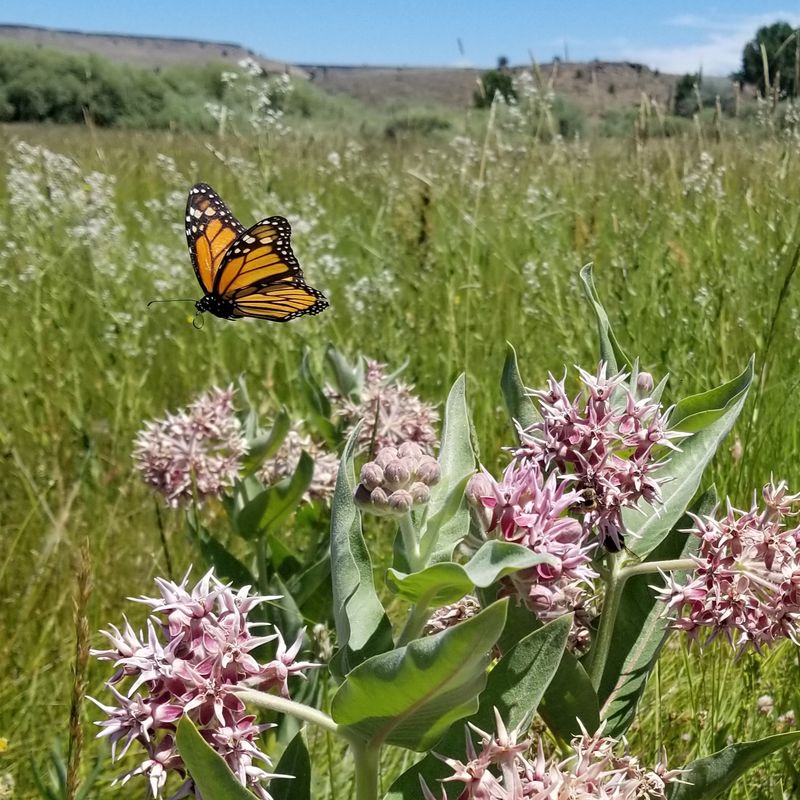
Everything that happens in March echoes throughout the entire monarch season. The butterflies that breed successfully in early spring produce the first generation of the year.
That generation goes on to breed again, and the next generation after that continues the cycle all the way through summer and into fall migration.
A weak March means fewer butterflies in every stage that follows. A strong March, with plenty of milkweed, warm temperatures, and early nectar, gives the whole population a running start.
Scientists describe this as a multiplier effect. Small gains early in the season grow into much larger population numbers by the time fall arrives.
Oregon sits at a crossroads in the western monarch story. The state has the habitat, the community spirit, and the conservation networks needed to make a real difference.
From the coast to the Cascades, every garden planted, every milkweed restored, and every pesticide avoided in March contributes to a healthier future for these butterflies.
Spring truly does set the stage, and what happens in Oregon this March will shape the monarch story for years to come.