Why Marigolds Struggle In Pennsylvania During Early Spring
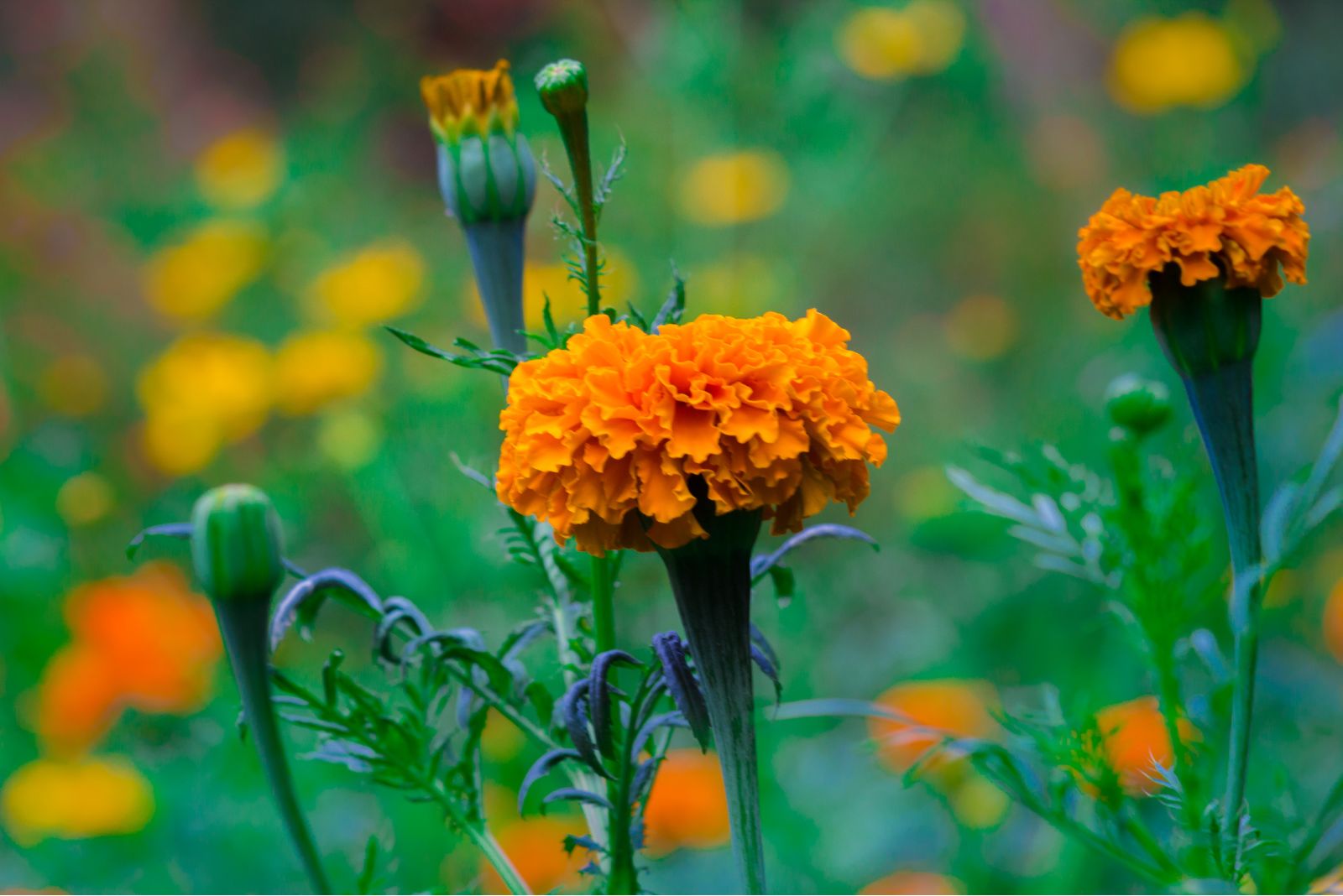
Have you ever planted marigolds in early spring in Pennsylvania, only to watch them struggle despite your best efforts? These bright, cheerful flowers are usually tough and vibrant, but early spring can be a tricky time for them in the Keystone State.
Cool temperatures, unpredictable frost, and wet soil can make it hard for young marigolds to establish strong roots and thrive.
Marigolds prefer warmth and plenty of sunlight, so planting them too early can leave seedlings exposed to stress from cold nights or sudden temperature swings. The soil may still be damp from spring rains, which can increase the risk of root rot and slow growth.
Understanding why marigolds face challenges in early spring can help gardeners make smarter planting decisions.
By timing your planting and providing the right care, you can give these bright blooms a better start and enjoy their lively colors throughout the growing season.
1. Cold Soil Temperatures

Most gardeners do not realize that soil temperature matters just as much as air temperature when it comes to planting marigolds. Marigold seeds need soil that is at least 60 degrees Fahrenheit to germinate properly.
In early spring across Pennsylvania, the ground is often still recovering from winter, and soil temperatures can stay well below that mark for weeks.
When marigold seeds are planted in cold soil, they tend to just sit there without sprouting. Some seeds may even begin to rot before they get a chance to grow.
Seedlings that do manage to push through the soil often grow very slowly and look weak compared to plants started in warmer conditions.
Pennsylvania’s inland areas, like those near the Pocono Mountains or central parts of the state, can stay colder even longer than coastal regions. That means the window for safe planting is often shorter than gardeners expect.
Rushing to plant marigolds just because it looks sunny outside can lead to disappointing results.
A simple soil thermometer is one of the best tools a Pennsylvania gardener can own. Push it a few inches into the ground and check the reading before planting anything.
Wait until the soil consistently reads above 60 degrees Fahrenheit before putting marigold seeds or transplants in the ground.
Starting seeds indoors about six to eight weeks before the last expected frost is another smart move.
That way, your seedlings are strong and ready to go once the soil outside finally warms up. Patience really does pay off when it comes to growing marigolds in Pennsylvania.
2. Late Spring Frosts
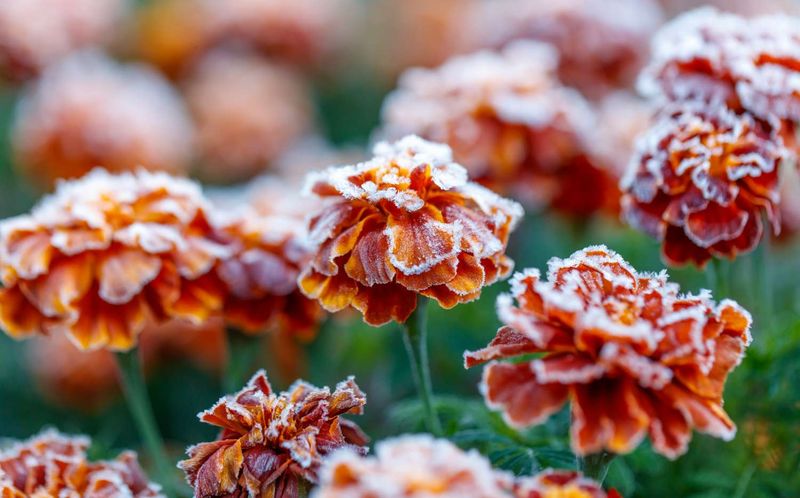
Pennsylvania weather in early spring is famously unpredictable. One day it feels like summer is just around the corner, and the next morning you wake up to frost on the windshield.
For young marigold plants, that kind of temperature swing can be seriously damaging.
Marigolds are warm-weather plants that have very little tolerance for freezing temperatures. When frost settles on young seedlings, it can damage the soft tissue of the leaves and stems almost overnight.
Plants that survive a frost event often end up stunted, with yellowed leaves and slow growth that sets them back for weeks.
In many parts of Pennsylvania, the average last frost date falls somewhere between mid-April and mid-May, depending on the region. Northern and mountainous areas of the state tend to see frost even later than that.
Planting marigolds too early, even with the best intentions, puts them right in the path of these late cold snaps.
One way to protect young plants is to use frost cloth or old bedsheets to cover them on nights when temperatures are expected to drop. This simple trick can trap enough heat to keep the plants safe.
Just remember to remove the covering during the day so the plants can get sunlight and air circulation.
Checking the local Pennsylvania weather forecast regularly during spring planting season is a habit worth developing. Apps and websites that track frost warnings for your specific zip code are incredibly helpful.
Staying one step ahead of the weather gives your marigolds a much better chance of making it through early spring in one healthy piece.
3. Short Daylight Hours
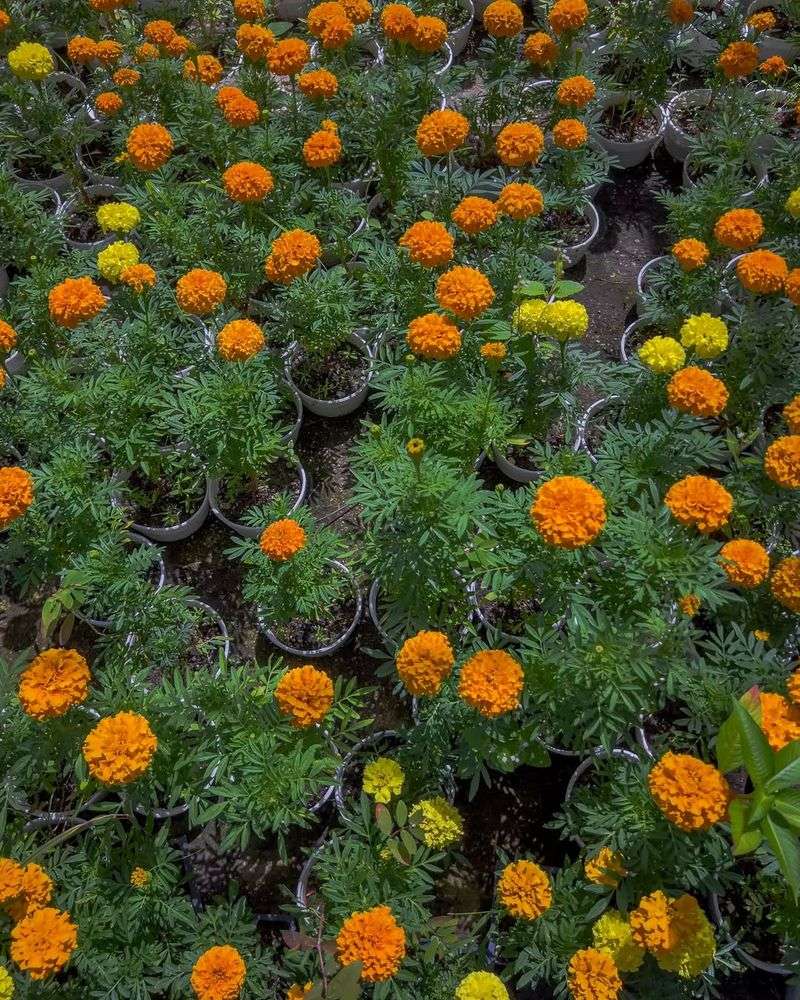
Sunlight is basically food for marigolds. These plants absolutely love long, bright days, and they grow fastest when they get six to eight hours of direct sunlight each day.
Early spring in Pennsylvania does not always deliver that kind of sunshine, and that can slow marigold growth significantly.
In March and early April, daylight hours in Pennsylvania are still building back up after winter. Overcast skies are also very common during this time of year, which means even the available light is often filtered and weak.
Marigolds planted during this period may look pale, leggy, or just generally unimpressive because they are simply not getting enough light to thrive.
Leggy growth is a telltale sign that a plant is reaching for more light than it is receiving. When marigold seedlings grow long and spindly instead of short and bushy, that is usually a light problem.
These stretched-out plants are also more fragile and more likely to snap in wind or rain. If you are starting marigolds indoors in Pennsylvania, placing them under grow lights for about fourteen to sixteen hours a day can make a huge difference.
Grow lights mimic the long sunny days that marigolds love and help produce strong, compact seedlings that are ready to perform once they go outside.
Once outdoor conditions improve and days get longer and sunnier, usually by late May in Pennsylvania, marigolds tend to bounce back quickly. Choosing a planting spot that gets full sun all day long also helps maximize whatever light is available.
South-facing garden beds are often the best choice for sun-hungry flowers like marigolds.
4. Excess Moisture From Snowmelt Or Rain
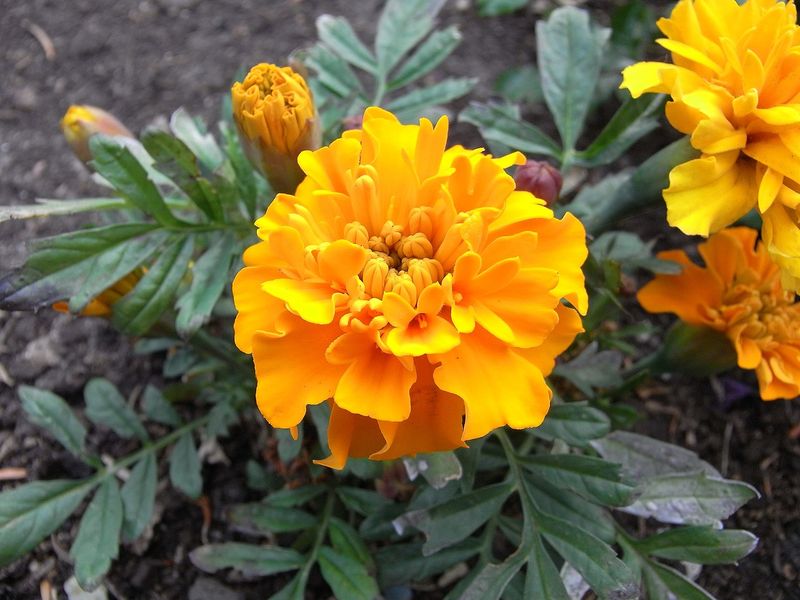
Early spring in Pennsylvania brings a whole lot of water. Melting snow, frequent rain showers, and soggy ground are all part of the season.
While some plants love wet conditions, marigolds are definitely not among them. Too much moisture around the roots is one of the fastest ways to cause problems for these flowers.
Marigolds are native to warm, relatively dry regions of Central America, so their roots are not built to sit in waterlogged soil. When the ground stays too wet for too long, the roots can begin to rot.
Root rot cuts off a plant’s ability to absorb water and nutrients, which is deeply ironic since the problem was caused by too much water in the first place.
Fungal diseases also thrive in cool, wet conditions, and early spring in Pennsylvania checks both of those boxes. Diseases like damping off can wipe out entire trays of marigold seedlings in just a few days.
Powdery mildew is another fungal issue that shows up when air circulation is poor and moisture levels are high.
One of the best ways to protect marigolds from excess moisture is to improve your soil’s drainage before planting. Adding compost or coarse sand to heavy clay soil can help water move through more easily.
Raised garden beds are also a popular solution in Pennsylvania because they drain much better than flat ground.
Avoid watering marigolds from above whenever possible, since wet leaves invite fungal growth.
Water at the base of the plant instead, and try to do it in the morning so any splashed moisture has time to dry out before nightfall. Good drainage and thoughtful watering habits go a long way.
5. Low Soil Nutrients After Winter
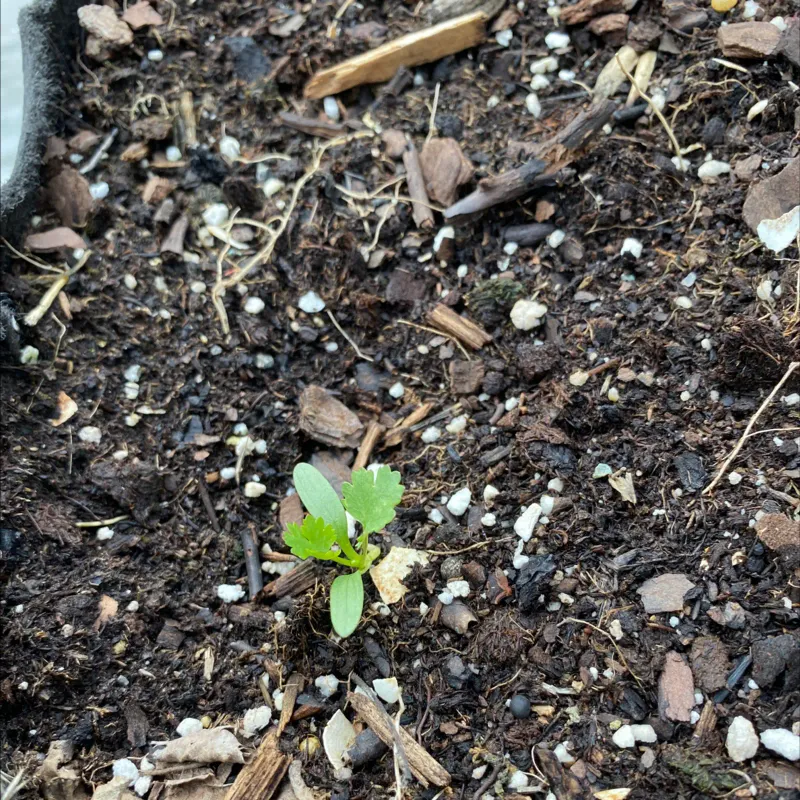
Winter is tough on garden soil. Freezing and thawing cycles, heavy rains, and months without plant activity can leave Pennsylvania garden beds looking tired and depleted by the time spring rolls around.
Marigolds planted into nutrient-poor soil right off the bat are going to have a hard time getting established.
Nitrogen is one of the most important nutrients for early plant growth, and it is also one of the first to get washed away by winter rains. Without enough nitrogen, marigold seedlings often display pale yellow-green leaves instead of the rich, deep green you want to see.
Phosphorus is another key nutrient that supports strong root development, and low levels can cause plants to stay small and weak.
The good news is that this is one of the easiest problems to fix with a little preparation. Getting a soil test done before planting is a smart first step.
Penn State Extension offers affordable soil testing services that can tell you exactly what your Pennsylvania garden soil is missing and what you need to add.
Working a balanced, slow-release fertilizer into the soil a week or two before planting gives nutrients time to settle in. Compost is another excellent option because it improves both soil structure and nutrient content at the same time.
Even a two-inch layer of compost mixed into the top few inches of soil can make a noticeable difference.
Once marigolds are in the ground and growing, a light feeding with a balanced liquid fertilizer every few weeks keeps them well-nourished throughout the season.
Healthy, well-fed marigolds bloom more freely and stay more resistant to pests and disease all summer long in Pennsylvania gardens.
6. Competition With Early Weeds
Weeds are incredibly tough. They wake up fast in early spring, often before most garden flowers even have a chance to get started.
In Pennsylvania, common early-season weeds like chickweed, dandelions, and hairy bittercress can pop up seemingly overnight, especially after a warm rain.
Young marigold seedlings simply are not equipped to compete with these aggressive plants right out of the gate.
When weeds grow close to marigold seedlings, they steal the resources those young plants desperately need. Sunlight, water, and soil nutrients all get divided between the marigolds and whatever weeds happen to be growing nearby.
Since weeds often have deeper or more established root systems, they tend to win that competition more often than not.
The result is marigold plants that grow slowly, look spindly, and never quite reach their full potential. In some cases, heavily shaded seedlings may give up entirely before they even get a chance to bloom.
It is a frustrating outcome for any Pennsylvania gardener who put in the work to plant and tend their flowers.
Clearing a garden bed of weeds before planting is the most effective way to give marigolds a fair start. Pull weeds by hand or use a hoe to remove them root and all.
Laying down a thin layer of mulch after planting helps block new weed seeds from taking hold in the soil.
Staying on top of weeding throughout the early growing season is equally important. Checking the garden every few days and pulling small weeds before they get big keeps the problem from snowballing.
A weed-free garden bed gives marigolds the space, light, and nutrients they need to grow into the bold, bright plants Pennsylvania gardeners love.