Why Maryland Gardeners Are Spotting Early Bulb Growth This December And What Experts Say
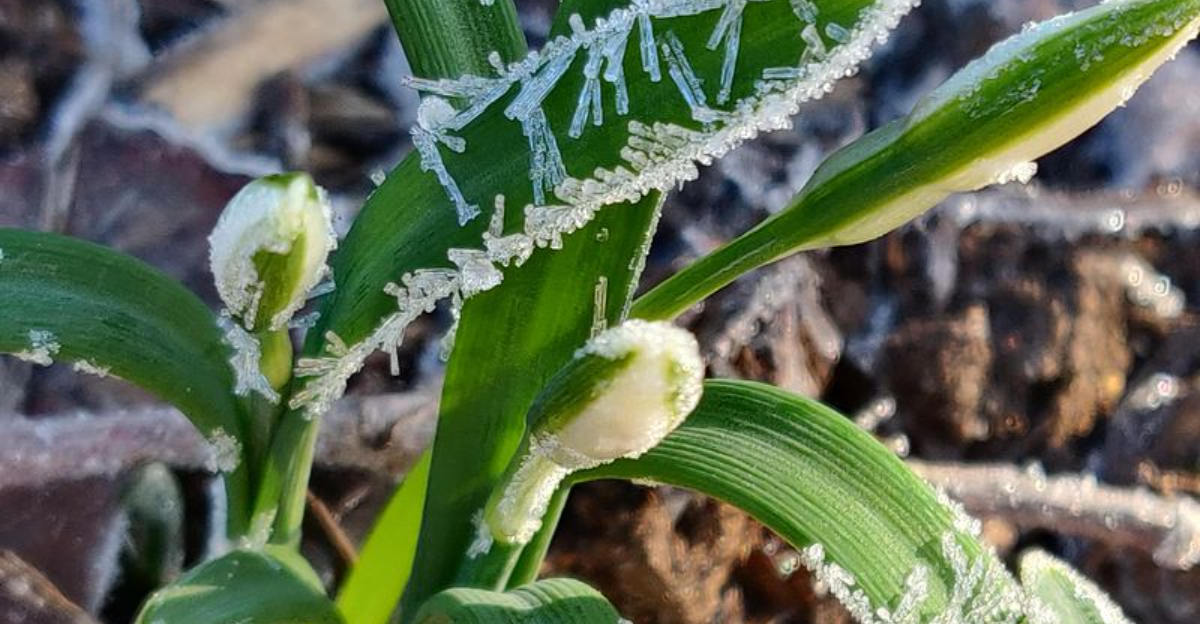
Maryland gardeners are noticing something unusual this December as spring bulbs begin pushing through soil weeks ahead of their natural schedule today.
Warm weather patterns have tricked dormant plants into thinking spring arrived early, causing confusion among both gardeners and their underground flower collections statewide.
Understanding why this happens and what it means for your garden can help you protect your investment and ensure beautiful blooms later.
Experts share valuable insights about managing early sprouting bulbs and preparing for whatever weather surprises Maryland winters might bring to your yard.
Unseasonably Warm Temperatures Are Triggering Premature Spring Growth
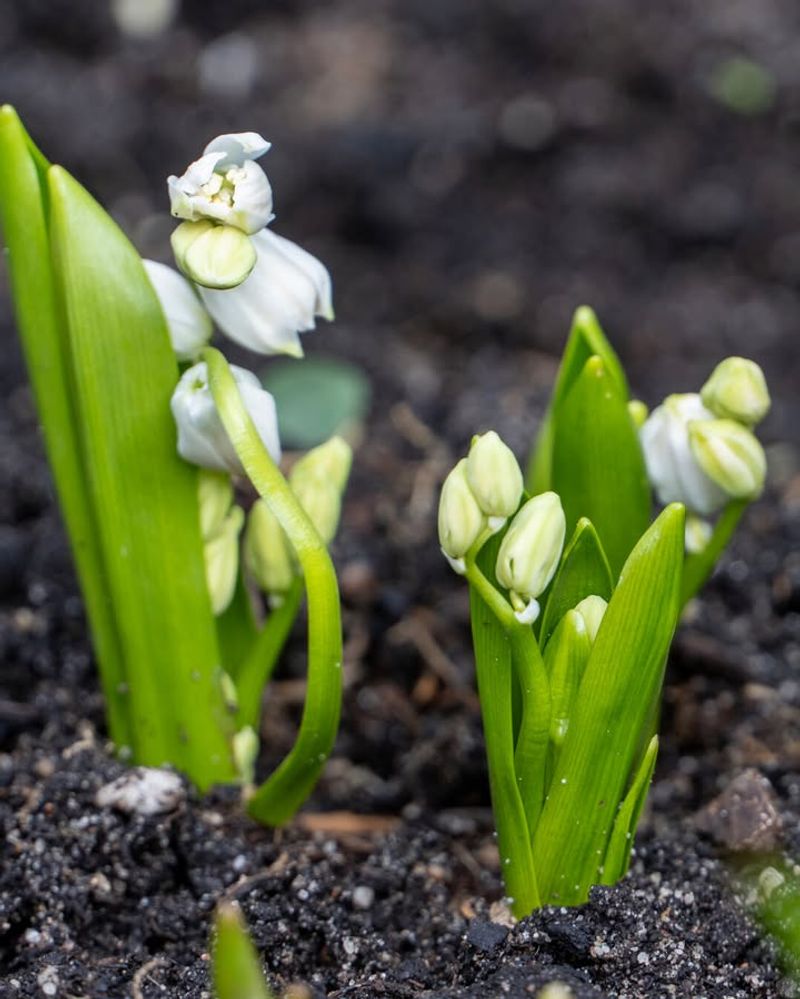
December temperatures across Maryland have been climbing well above historical averages, creating conditions that feel more like early March than winter months.
Bulbs buried beneath the soil rely on temperature cues to determine when spring has arrived and growth should begin in earnest.
When soil stays warm for extended periods, these underground plants receive mixed signals that override their natural dormancy programming and trigger early development.
Daffodils, tulips, and crocuses are particularly susceptible to false spring conditions because they evolved to respond quickly to warming soil temperatures.
Maryland experienced several consecutive weeks of mild weather this fall, preventing the ground from cooling down enough to keep bulbs fully dormant.
Nighttime temperatures that stay above freezing for long stretches confuse the internal clocks that bulbs use to time their spring emergence properly.
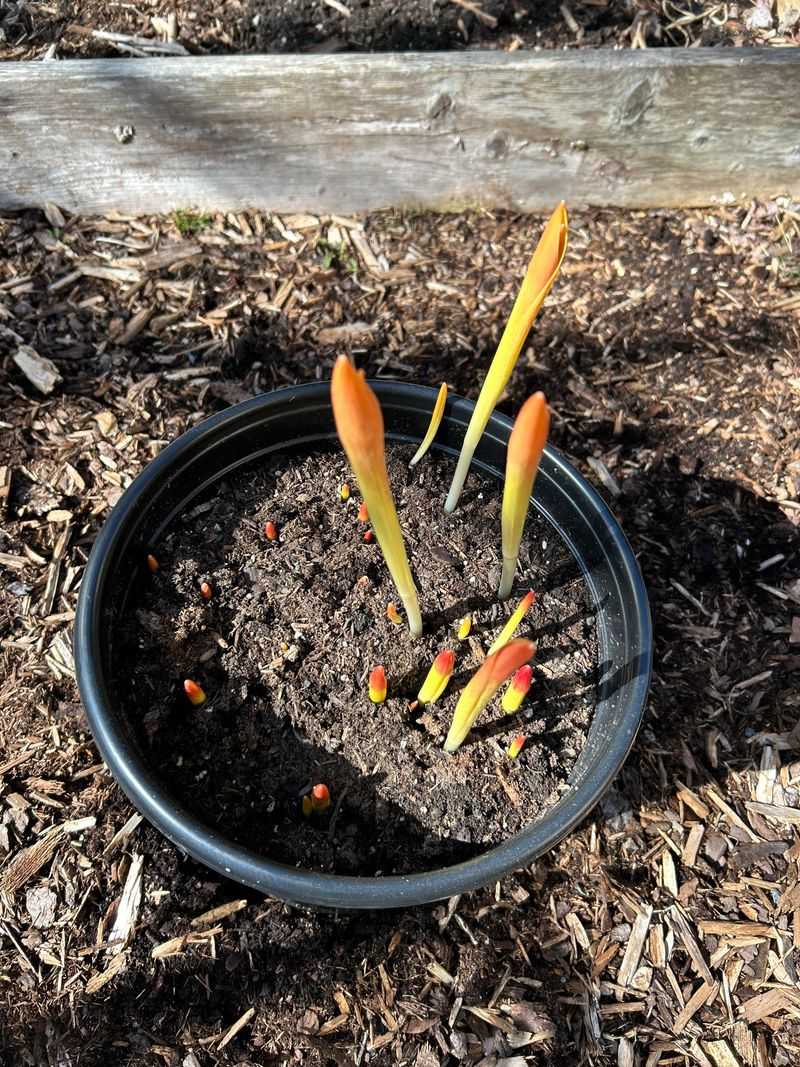
Gardeners throughout Baltimore, Annapolis, and Frederick counties report seeing green shoots poking through mulch layers where nothing should appear until late February.
Climate data shows this December ranks among the warmest on record for the mid-Atlantic region, explaining the widespread early sprouting phenomenon.
Climate Patterns Are Confusing Dormant Bulbs Across Maryland
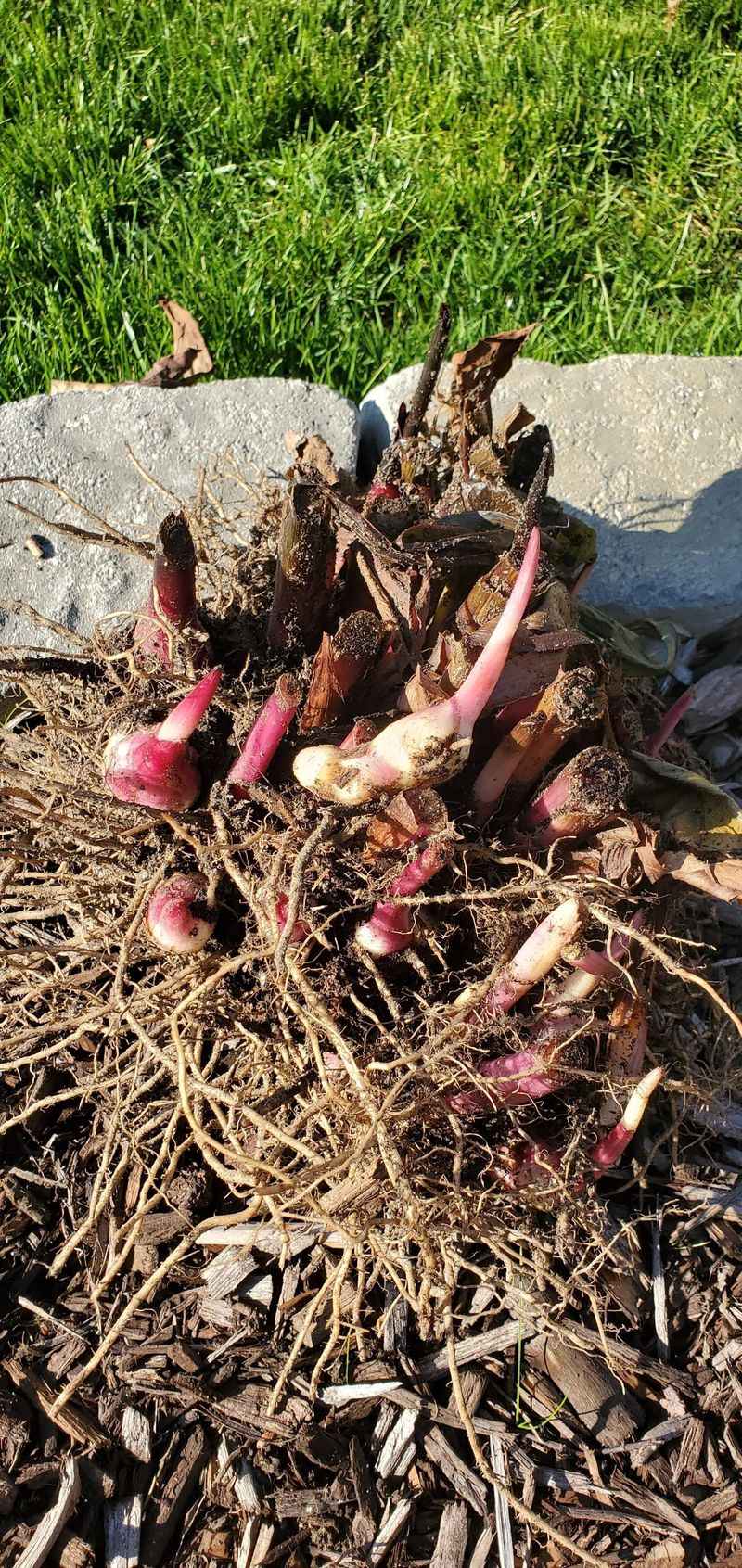
Shifting weather patterns have made it increasingly difficult for plants to follow their traditional seasonal cycles as winters become less predictable each year.
Bulbs depend on consistent cold periods to maintain dormancy, but Maryland winters now fluctuate wildly between warm spells and sudden freezes repeatedly.
These temperature swings create biological confusion because plants receive contradictory environmental signals about whether to grow or stay dormant throughout the season.
Research from agricultural extension offices shows that erratic climate conditions disrupt the hormonal balance that controls bulb dormancy and sprouting timing mechanisms.
When warm December days are followed by cold January nights, bulbs may start growing, pause, then attempt growth again in cycles.
This stop-and-start pattern exhausts energy reserves stored within the bulb, potentially weakening the plant before true spring actually arrives in Maryland.
Scientists note that climate instability affects not just ornamental bulbs but also native wildflowers that depend on predictable seasonal transitions for survival.
Understanding these broader climate impacts helps gardeners appreciate why their bulbs behave unpredictably and what long-term changes might mean for gardening.
Which Bulbs Are Most Likely To Sprout Too Soon
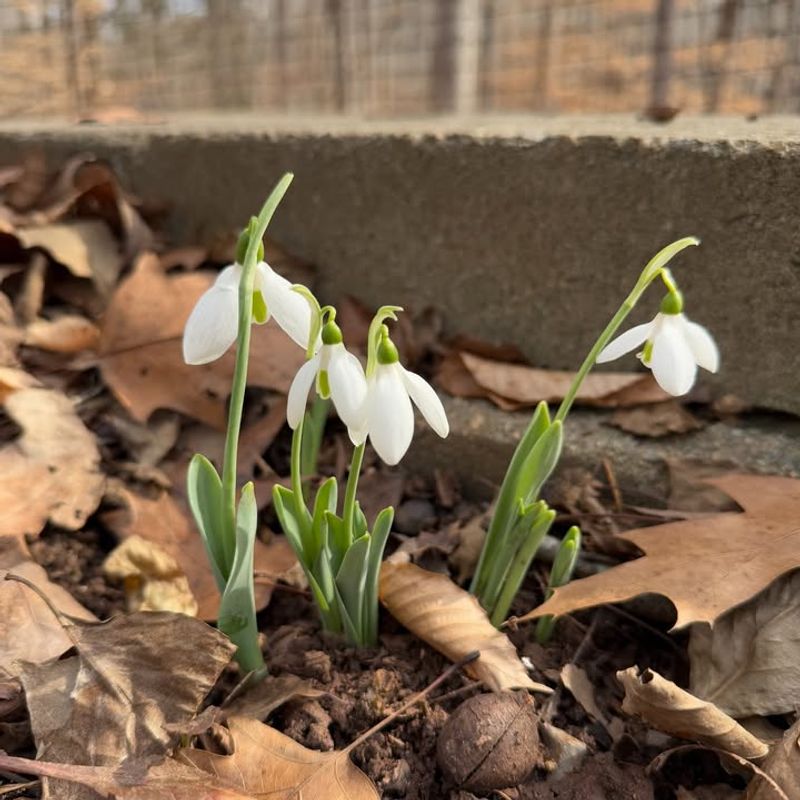
Certain bulb varieties possess greater sensitivity to temperature changes and tend to sprout prematurely when conditions seem favorable even in December months.
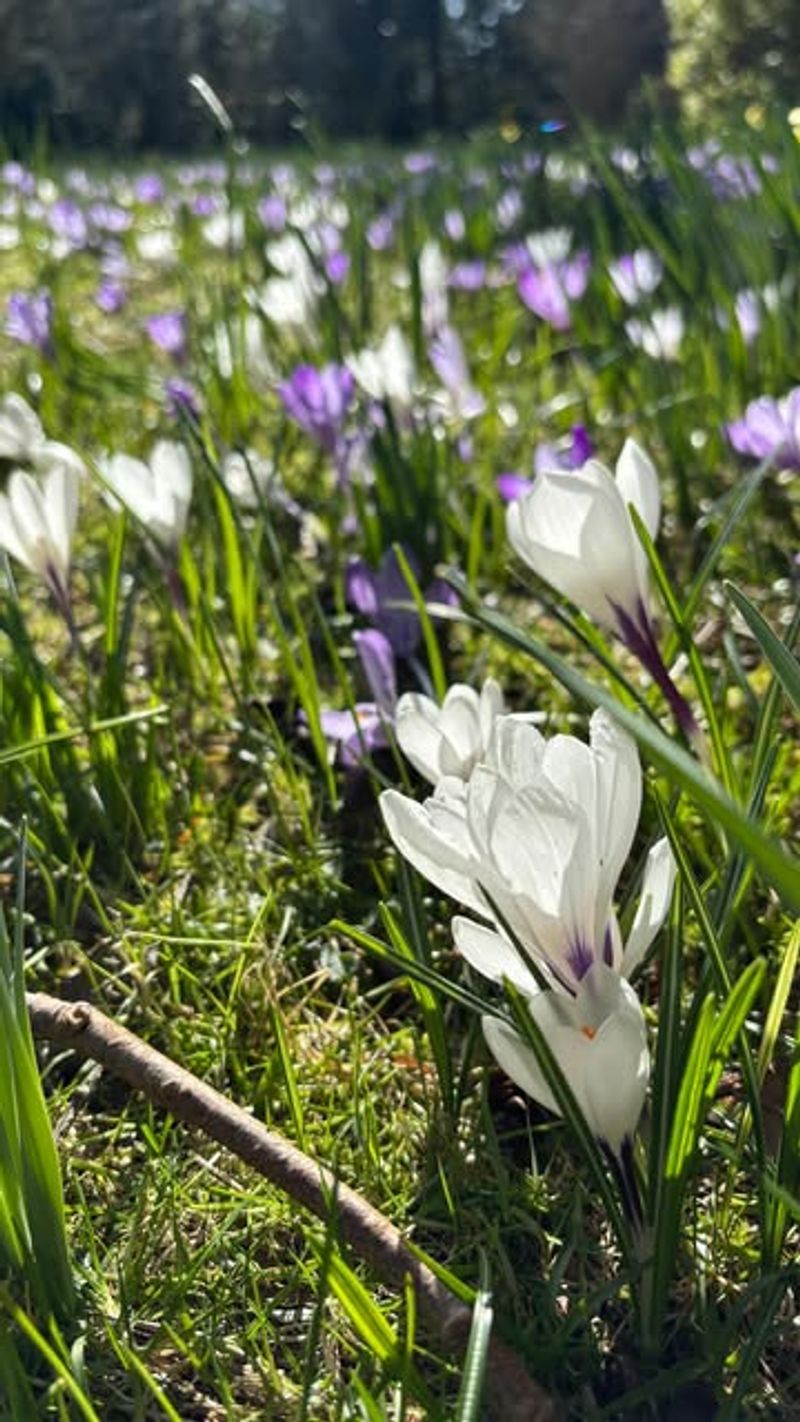
Crocuses rank among the earliest bloomers naturally, so they respond fastest to any hint of warmth and often emerge weeks before intended.
Daffodils and narcissus varieties also show strong tendencies toward early sprouting because they evolved to bloom in late winter and earliest spring.
Snowdrops live up to their name by naturally emerging while snow still covers ground, making them extremely prone to December growth.
Tulips generally show more restraint than other bulbs, but certain early-flowering varieties will still push through soil during extended warm spells.
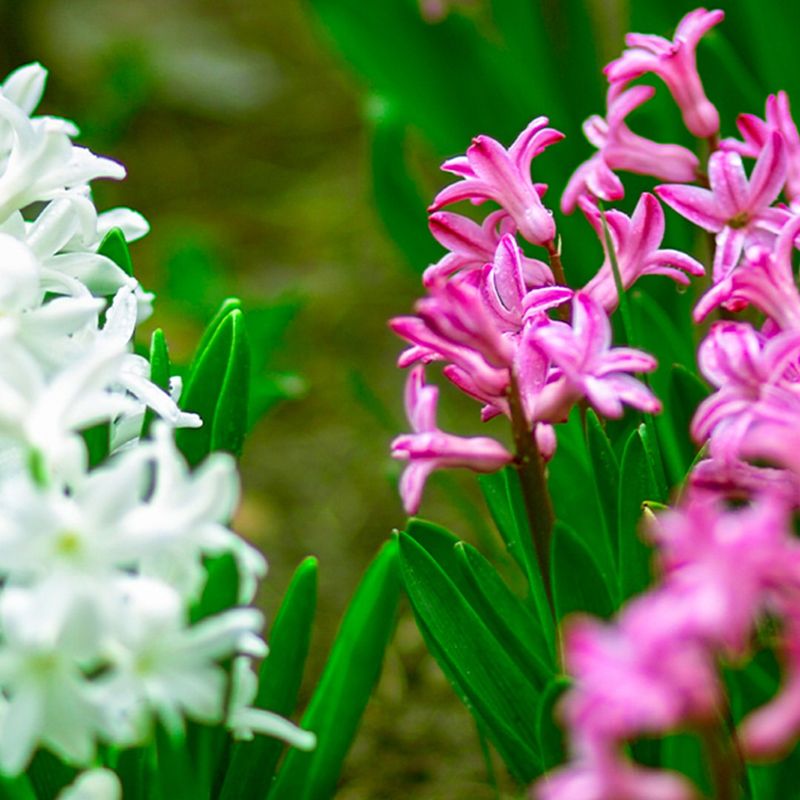
Hyacinths can sprout prematurely too, though they typically need more consistent warmth before their thick shoots break through the soil surface.
Alliums and other ornamental onion bulbs usually remain dormant longer because they naturally bloom later in spring and require stronger signals.
Gardeners should pay closest attention to their crocuses and daffodils during warm December weather since these varieties need monitoring most closely.
What Early Growth Means For Bulb Health And Spring Blooms
Premature sprouting drains valuable energy reserves that bulbs carefully stored throughout summer and fall specifically for spring flowering and strong growth.
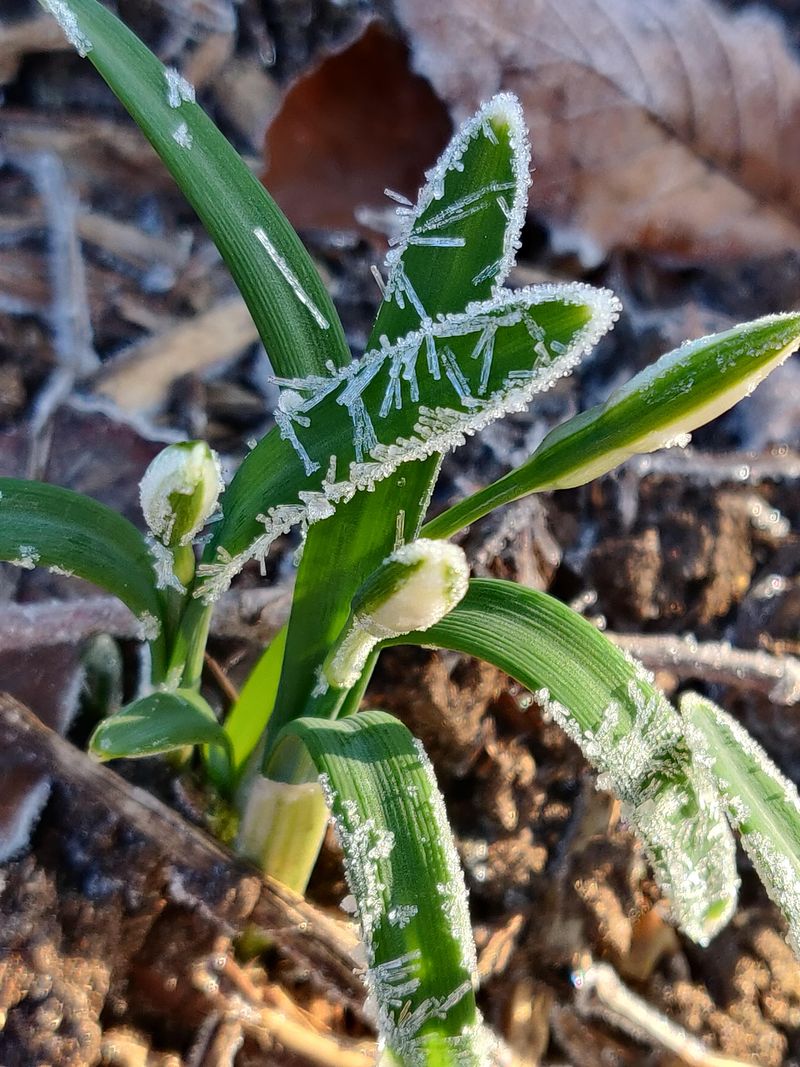
When shoots emerge too early, they become vulnerable to frost damage that can stunt development or prevent flowers from forming properly later.
Frozen foliage rarely harms the bulb itself underground, but damaged shoots may cause the plant to produce smaller blooms or skip flowering.
Energy spent on December growth cannot be recovered easily, meaning spring displays might appear less vigorous than gardens with properly dormant bulbs.
However, most hardy bulbs possess remarkable resilience and can survive early sprouting episodes without permanent damage to their long-term health and vigor.
The greatest risk occurs when early growth is followed by hard freezes, creating ice damage within plant tissues that disrupts normal functioning.
Gardeners might notice shorter stems, smaller flowers, or delayed blooming from bulbs that sprouted prematurely during unseasonably warm December weather patterns.
Despite these setbacks, most bulbs will still produce some kind of display come spring, though it may not match expectations originally held.
Should Gardeners Be Concerned About December Sprouting
Seeing green shoots in December naturally causes worry, but most bulbs are tougher than gardeners give them credit for and survive temporary setbacks.
Panic is rarely warranted because spring bulbs evolved in climates with unpredictable weather and developed survival mechanisms to handle occasional environmental confusion.
The main concern involves extended exposure to freezing temperatures after significant green growth appears, which can reduce bloom quality but rarely eliminates flowering.
Gardeners should monitor weather forecasts and prepare to add protection if severe cold snaps are predicted following warm periods that triggered sprouting.
Financial investment in bulbs might feel wasted when premature growth occurs, but remember that most plantings will recover and provide enjoyment eventually.
Repeated cycles of early sprouting over several years could weaken bulbs gradually, suggesting that replacement might become necessary sooner than typical timelines.
Taking a long-term perspective helps reduce immediate stress because one warm December will not destroy an entire bulb collection permanently or irreversibly.
Observing which varieties sprout earliest helps with future planning, allowing gardeners to select more cold-hardy options or adjust planting depths accordingly next season.
Expert Advice On Protecting Bulbs During Sudden Cold Snaps
Horticulture specialists recommend adding extra mulch layers when forecasts predict hard freezes following periods of warm weather that triggered premature bulb sprouting.
Applying three to four inches of straw, shredded leaves, or pine needles over sprouted areas provides insulation that moderates temperature swings effectively.
Avoid packing mulch too tightly against emerging shoots because air circulation remains important for preventing fungal diseases even during cold protection efforts.
Frost blankets or row covers offer temporary protection during particularly severe cold snaps but should be removed once temperatures moderate to prevent overheating.
Experts caution against trying to push sprouted growth back underground because this damages delicate tissues and creates entry points for diseases and pests.
Watering before a freeze might seem counterintuitive, but moist soil actually retains heat better than dry soil and provides modest protection to bulbs.
University extension agents suggest focusing protection efforts on your most valuable or sentimental bulb plantings rather than attempting to cover every single area.
Keeping records of which protection methods work best in your specific garden helps refine techniques for handling future warm-then-cold weather patterns successfully.
How Maryland Weather Swings Affect Fall And Winter Plant Cycles
Maryland sits in a transitional climate zone where northern cold fronts collide with southern warm air masses, creating dramatic temperature variations throughout winter.
These weather battles produce the roller-coaster conditions that confuse not only bulbs but also shrubs, perennials, and trees trying to maintain dormancy.
Fall temperatures that stay mild well into November delay dormancy triggers, leaving plants vulnerable when sudden December or January cold finally arrives.
Warm spells during winter months can break dormancy prematurely across many plant types, not just bulbs, causing widespread confusion in garden ecosystems statewide.
Fruit trees face particular challenges because early warm periods can trigger blooming before pollinators emerge, reducing fruit production for Maryland orchards and gardens.
Native plants generally handle weather swings better than exotic species because they evolved alongside the region’s naturally variable climate patterns over millennia.
Gardeners who choose plants suited to Maryland’s unpredictable conditions experience fewer problems with premature growth and weather-related damage overall throughout seasons.
Understanding regional climate patterns empowers gardeners to make smarter plant selections and develop realistic expectations about how gardens will perform each year.
What Gardeners Should And Should Not Do Right Now
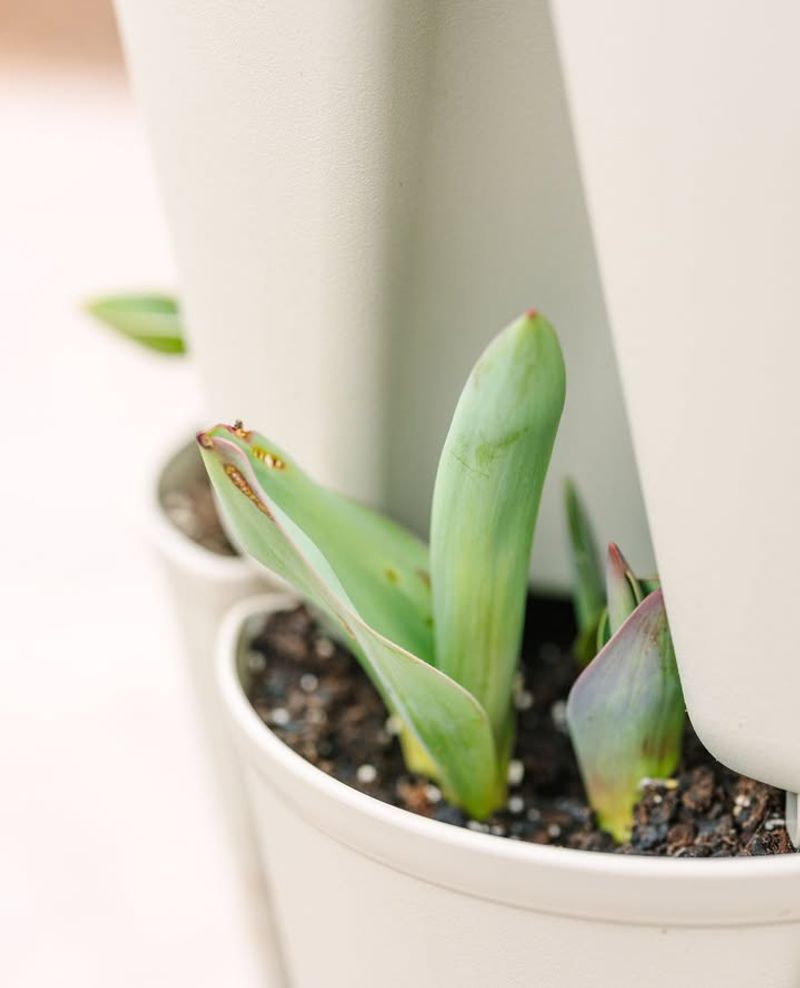
Resist the urge to fertilize early-sprouted bulbs because this encourages additional growth that will suffer even more damage from inevitable cold weather ahead.
Leave the green shoots alone rather than cutting them back, since foliage continues photosynthesizing and sending energy back to underground bulbs even now.
Add mulch if you have not already done so, creating a protective layer that buffers against temperature extremes and provides modest insulation benefits.
Avoid disturbing the soil around sprouted bulbs because roots have already begun growing and digging nearby could damage these delicate underground structures unnecessarily.
Do monitor weather forecasts regularly so you can add temporary protection before severe cold arrives rather than reacting after damage already occurs.
Refrain from watering unless soil becomes extremely dry, since excess moisture combined with cold temperatures creates ideal conditions for bulb rot and disease.
Take photographs of early sprouting patterns to help remember which areas and varieties are most susceptible when planning next fall’s planting strategy.
Stay patient and trust that nature has equipped most bulbs with survival mechanisms that will carry them through this temporary confusion successfully.