Why Maryland Yards Suddenly Fill With Spider Webs In August
The dog refuses to walk past the fence line, and one look tells you why. Something spun an entire curtain of thread across the yard overnight.
It stretches from the mailbox to the mulch bed, from the porch rail to the rose bush, catching the sunrise like tiny prisms. It almost looks staged, like decorations for a holiday nobody invented yet.
Turns out your yard is not special, just on time. Maryland’s late-summer stretch triggers this exact display in backyards across the state, right down to the timing.
The questions fade fast when you find out the trigger behind it, and the yard suddenly feels a lot less unsettling.
Spider Populations Reach Peak Maturity By August
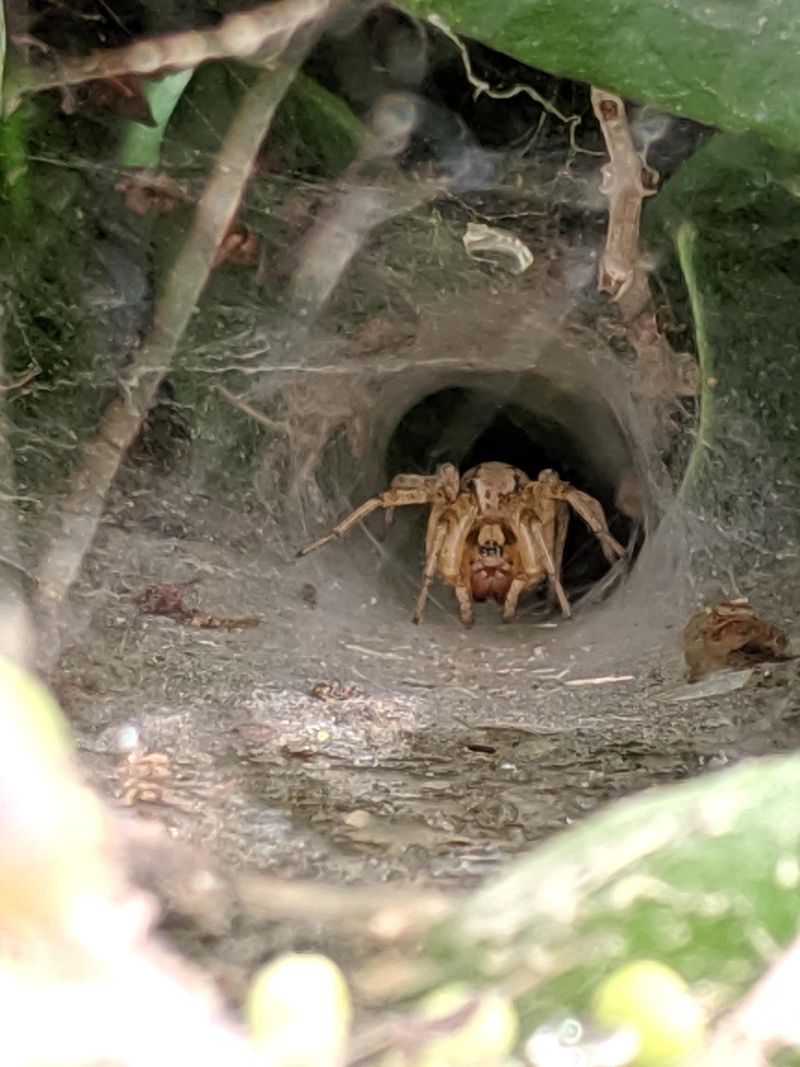
August is spider season, plain and simple. Spiders that hatched in spring have spent months quietly eating, growing, and building strength in your yard.
By late summer, most species hit full adult size. A fully grown spider spins bigger, more elaborate webs than a juvenile ever could.
Think of it like a teenager finally hitting a growth spurt. Suddenly everything about them is larger, louder, and harder to ignore.
Spider webs in Maryland yards become more noticeable because the architects behind them are now at their most capable. A mature orb weaver, for example, can spin a web spanning close to two feet in a single night.
That is a lot of silk to stumble into on your morning coffee run. The population did not explode overnight; it just finally became impossible to ignore.
Each spider you spot has survived months of predators, weather, and competition. August is essentially their graduation ceremony, and your yard is the venue.
Interestingly, most of these spiders are not aggressive toward humans. They are focused entirely on catching insects before the cooler months arrive.
Your yard is full of flying bugs right now, making it prime hunting ground. The webs are not a sign of infestation; they are a sign of a thriving, balanced ecosystem doing exactly what nature intended.
Late Summer Growth Spurts Increase Web Size
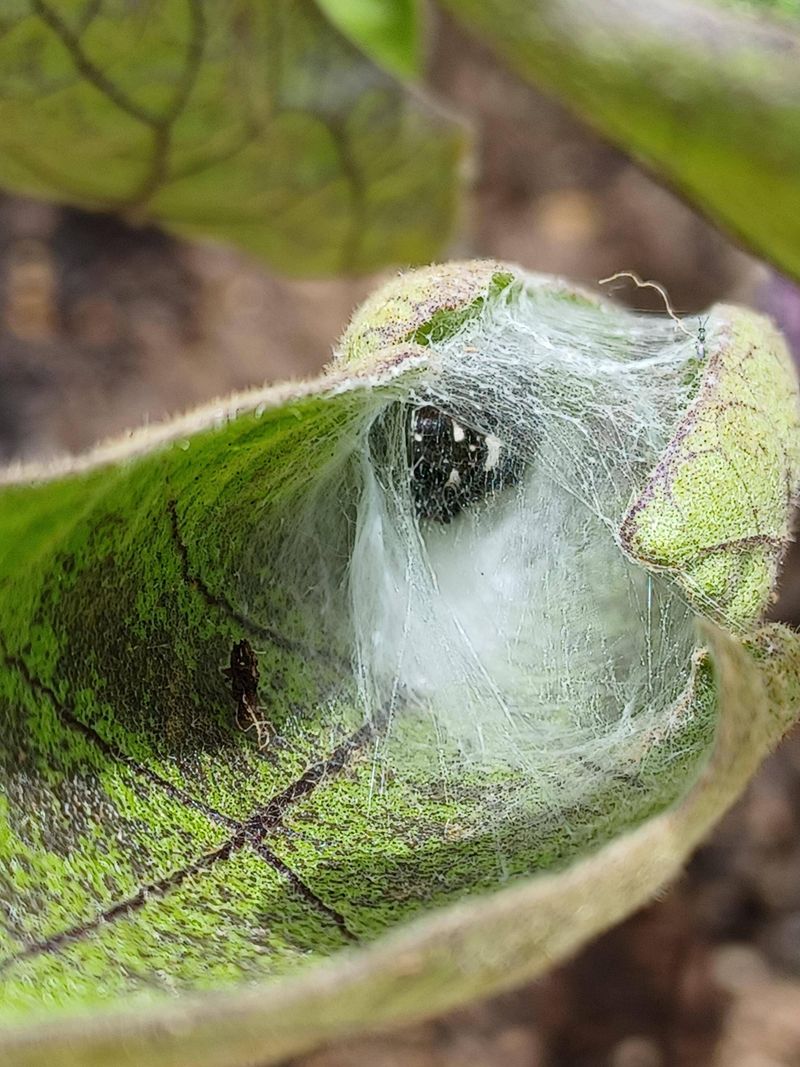
Bigger spiders need bigger webs. That connection sounds obvious, but the scale of the change can genuinely surprise homeowners every August.
A spider that spent June spinning a modest four-inch web may now be constructing something three times that size. Web architecture scales with body size and appetite.
Late summer also brings an abundance of flying insects. More bugs in the air means a spider needs a wider net to catch enough food before cold weather shuts everything down.
Spider webs in Maryland yards grow dramatically because the spiders themselves are in a final feeding frenzy. They are packing in calories to survive, reproduce, and in some cases, lay egg sacs before frost arrives.
Female spiders especially go on impressive building campaigns in August. A gravid female needs extra nutrition, so her webs become engineering marvels built for maximum efficiency.
Some species rebuild their webs every single night. Each morning brings a fresh, larger structure replacing the one from the night before.
Your Maryland Garden Changes Every Week. Your Plan Should Too.
Gardening in Maryland changes quickly throughout the season. Every Friday you’ll receive a simple weekly plan showing exactly what to plant, prune, fertilize, harvest, and protect so you never miss the right timing.
Homeowners sometimes assume a new spider moved in overnight. In reality, it is the same resident, just upgrading her setup.
The sheer size of late-summer webs can make a yard feel overrun when it is actually just hosting a handful of very productive spiders. Recognizing this growth pattern helps you see August webs for what they truly are: nature flexing its engineering muscle right outside your back door.
Morning Dew Makes Existing Webs More Visible
Webs do not appear overnight. Many of them have been there for days, hiding in plain sight.
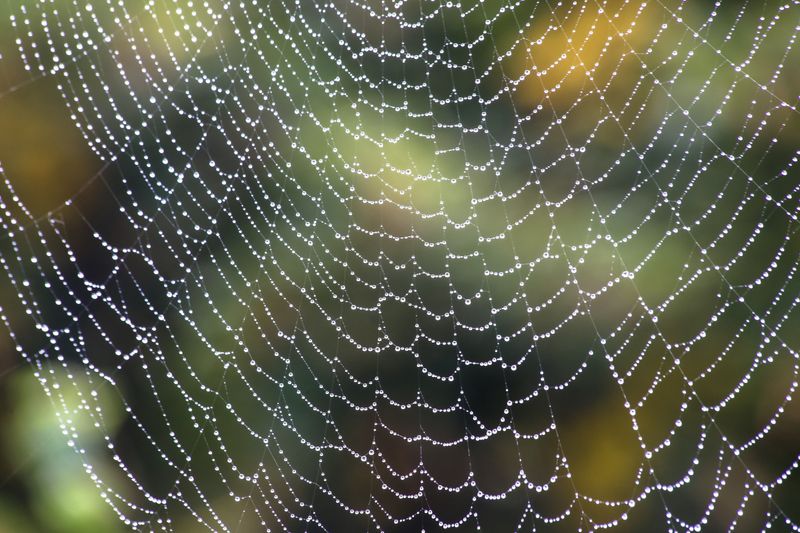
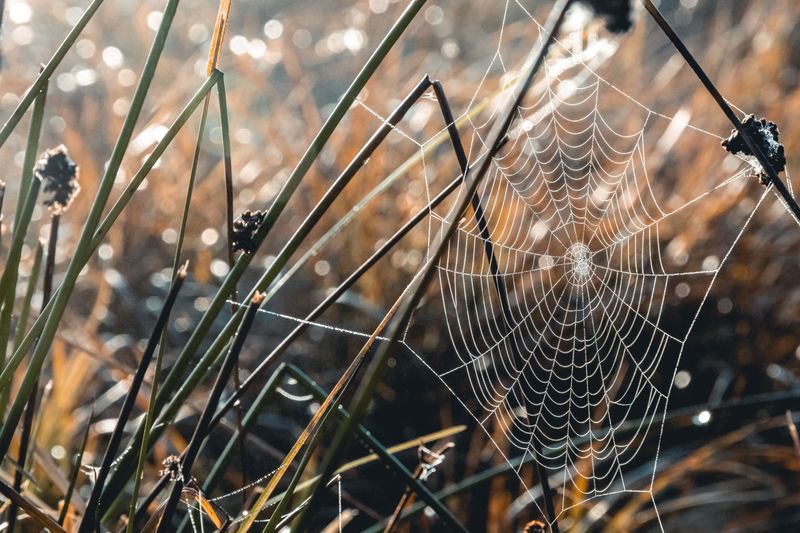
August mornings in Maryland bring heavy dew, and that moisture coats every strand of silk in tiny water droplets. Suddenly, invisible threads become sparkling, impossible-to-miss structures.
This is one of the most common reasons homeowners feel ambushed by spider webs this time of year. The webs were always there; the dew just turned them into art installations you cannot ignore.
Spider webs in Maryland yards catch moisture because silk has a slightly sticky, textured surface. Water clings to it the way frost clings to a car windshield on a cold morning.
The result is a yard that looks like it was decorated overnight. Dozens of webs that were invisible at dusk become a glittering spectacle by 7 a.m.
Once the sun burns off the dew, those same webs become nearly invisible again. This daily cycle of appearing and disappearing adds to the illusion that spiders are multiplying rapidly.
Dew-covered webs in early morning light make for a genuinely striking natural sight worth pausing to appreciate.
Next time you step outside and feel surrounded by webs, take a breath. Check back at noon, and most of them will seem to vanish. The spiders are still there, of course, patiently waiting for their next meal just beyond what your eyes can easily catch.
Common Spider Species Behind Maryland Webs
Not all webs are created equal, and not all spiders are the same. Knowing who is spinning in your yard makes the whole situation feel a lot less creepy.
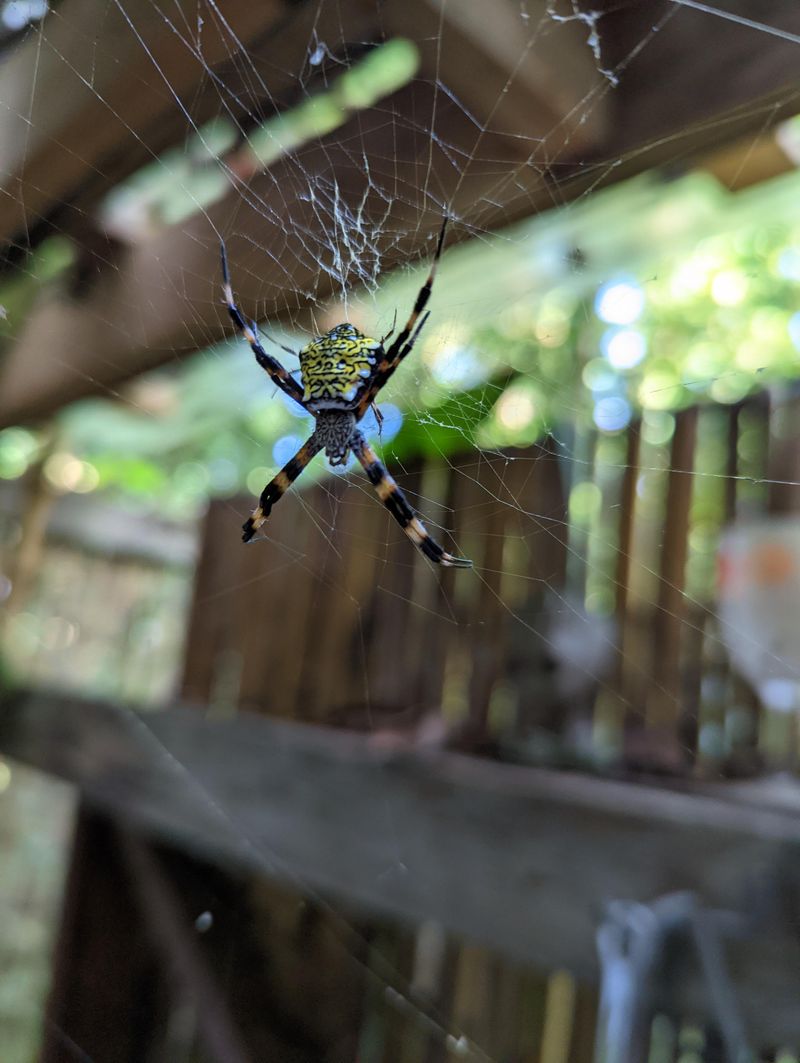
The yellow garden spider is one of August’s most dramatic web builders. Its bold black-and-yellow body and large orb-shaped web are hard to miss along fence lines and garden borders.
Orb weavers as a group are responsible for most of the classic circular webs you see. They are skilled architects, and their webs are genuinely impressive feats of natural engineering.
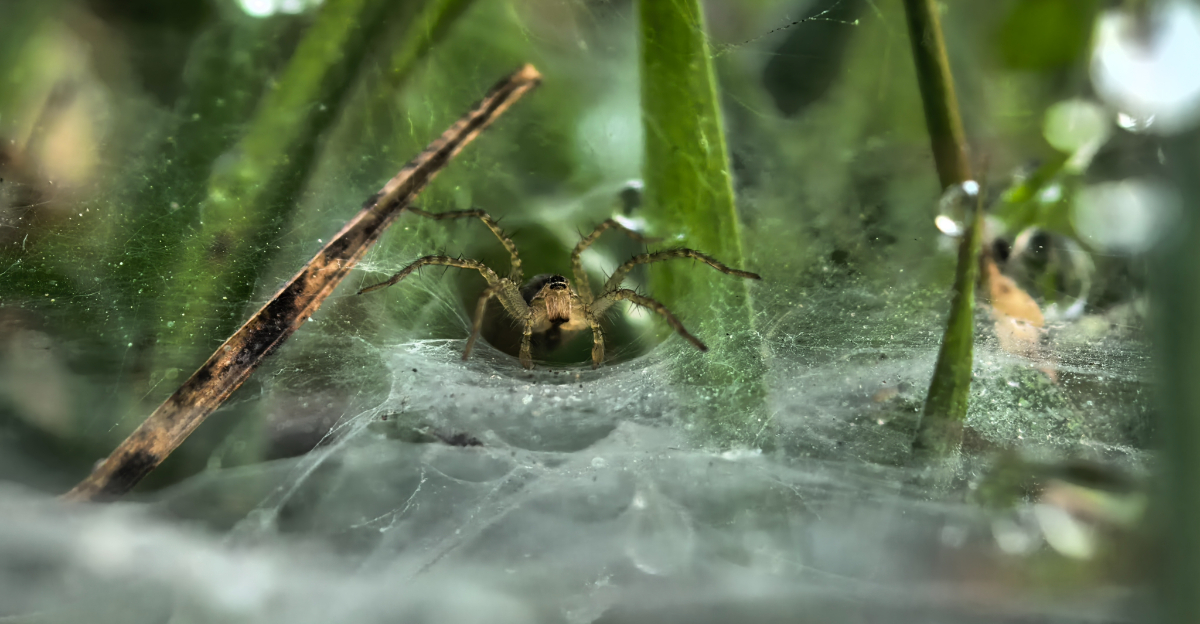
Grass spiders build flat, funnel-shaped webs close to the ground. You will spot their work in lawns and low shrubs, especially when morning dew makes the funnels shimmer like tiny tents.
Spider webs in Maryland yards also belong to the writing spider, another name for the yellow garden spider. That zigzag pattern in the center of its web is called a stabilimentum, and scientists still debate exactly what purpose it serves.
Cellar spiders sometimes migrate outdoors in late summer, adding messy, tangled webs to corners and eaves. Their webs lack the geometric beauty of orb weavers but serve the same hunting purpose.
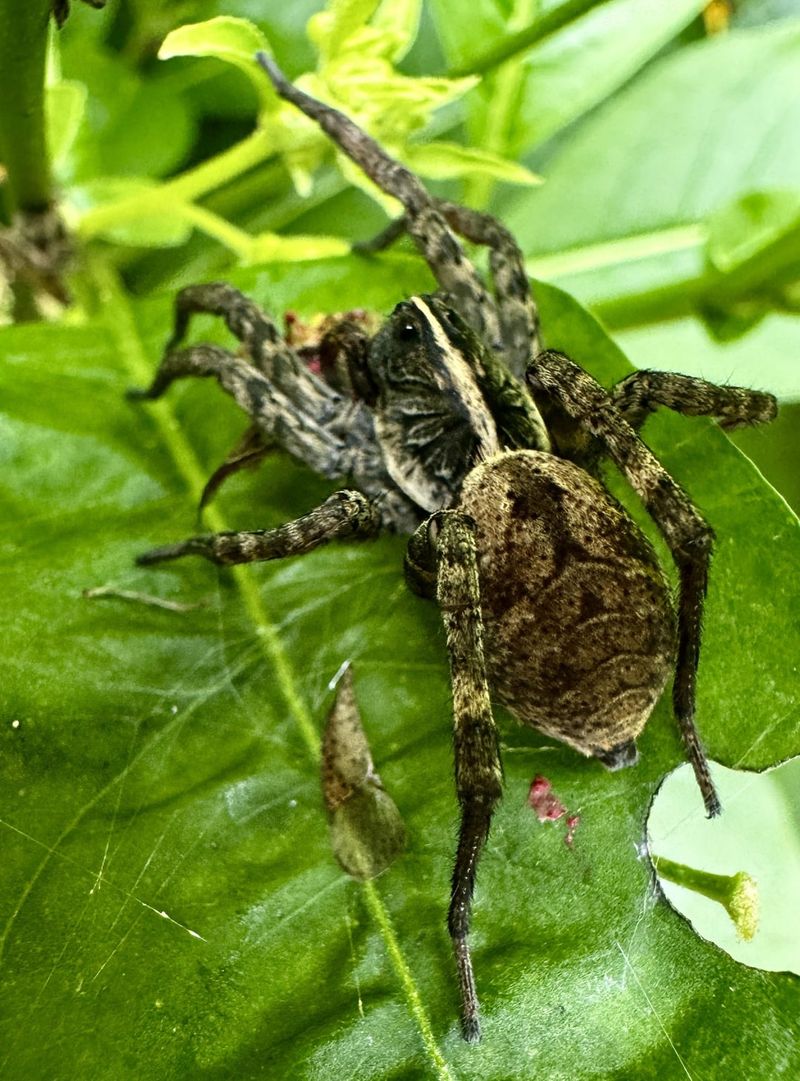
Wolf spiders do not build webs at all; they hunt on foot. If you spot a large, fast-moving spider on the ground, that is likely your culprit.
Most species active in August are largely harmless to people, making coexistence the smartest and easiest choice you can make.
Reducing Spider Webs Around Your Property
Webs everywhere can feel overwhelming, especially if you have outdoor gatherings planned. A few targeted habits can cut down the number of webs without harming your yard’s ecosystem.
Start by reducing outdoor lighting at night. Lights attract flying insects, and insects attract spiders looking for an easy meal in the most convenient location possible.
Switching to yellow or amber bulbs helps significantly. Those wavelengths are far less attractive to moths and other insects that spiders love to catch.
Clearing clutter around your home’s foundation removes hiding spots. Spiders love stacked wood, garden equipment, and dense ground cover right next to your siding or porch.
Regular sweeping of eaves, doorframes, and window corners disrupts web building in high-traffic zones. Do this every few days in August and you will notice a real difference in web density near entryways.
Spider webs in Maryland yards tend to cluster near light sources and insect-heavy areas. Addressing the insect problem indirectly reduces the spider presence without any chemicals needed.
Peppermint oil diluted in water and sprayed along baseboards and entry points can deter spiders from moving inside. It smells pleasant to humans and unpleasant to eight-legged visitors.
Trimming shrubs and tall grasses away from your home removes the anchor points spiders need for large outdoor webs. A tidy yard perimeter is genuinely one of the most effective, low-effort deterrents you have available right now.
Spider Webs That Signal A Bigger Problem
Most August webs are harmless and natural. But sometimes, a sudden surge in spider activity points to something worth investigating more closely.
Spiders follow food. An unusual spike in web density often means an unusual spike in insects nearby, and that insect population may signal a separate problem entirely.
Rotting wood, moisture damage, or a crack in your foundation can attract swarms of insects. Spiders move in wherever prey is plentiful, so dense web clusters near a specific spot deserve a second look.
Spider webs in Maryland yards that concentrate around one area of your home, like a basement window or crawl space vent, may indicate a moisture or structural issue. An inspection could save you from a larger repair down the road.
Brown recluse spiders are not established in Maryland, though occasional strays turn up in shipped goods. If you notice irregular, messy webs in dark, undisturbed spaces, take caution before reaching in blindly.
Black widows, while uncommon, do exist in parts of the state. Their webs are irregular and low to the ground, often found in woodpiles, under decks, or in outdoor furniture.
If you spot a spider with a red hourglass marking or a violin-shaped pattern on its back, contact a pest professional. Most spiders are allies, but a couple of species do warrant careful attention and respect.
Staying observant keeps you safe, informed, and genuinely in tune with the wild, fascinating life thriving in your own backyard every August.