Why Mason Bees Are Oregon’s Most Important Spring Pollinators
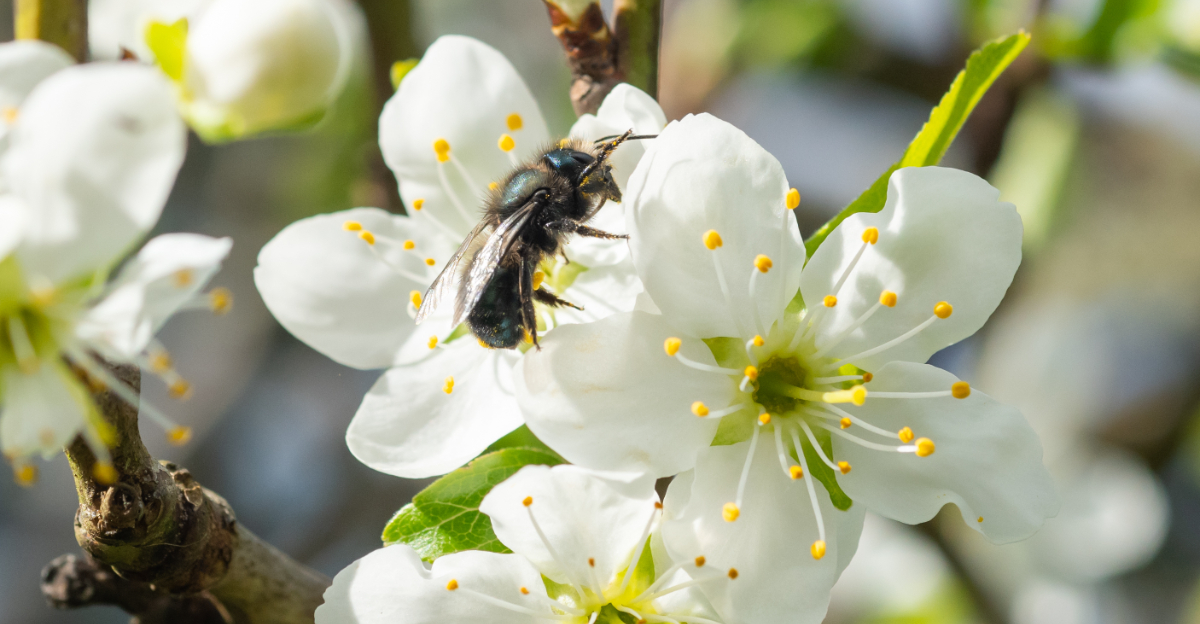
When the first hint of spring hits the Willamette Valley, most people are looking for tulips, but savvy gardeners are watching for a much smaller hero. Mason bees are the undisputed MVPs of the Oregon early season.
While honey bees are still huddled up waiting for a perfectly clear, warm day, these rugged native pollinators are already out in the drizzle doing the heavy lifting.
They are remarkably efficient, often outperforming their more famous cousins by a landslide when it comes to powering our local fruit trees and berry patches.
These gentle, solitary workers are the reason your apple and cherry harvests are so abundant year after year. They do not live in hives or make honey, which makes them incredibly easy to host in a backyard setting without any specialized equipment.
It is time to give these fuzzy, blue-black powerhouses the credit they deserve for keeping our corner of the Pacific Northwest so lush and productive.
1. Why Mason Bees Matter
Not all bees are created equal. Some bees are picky about the weather, slow to warm up, or simply not very efficient when it comes to spreading pollen.
Mason bees are different. These small but mighty insects are among the most effective pollinators on the planet, and Oregon is lucky to have them in abundance.
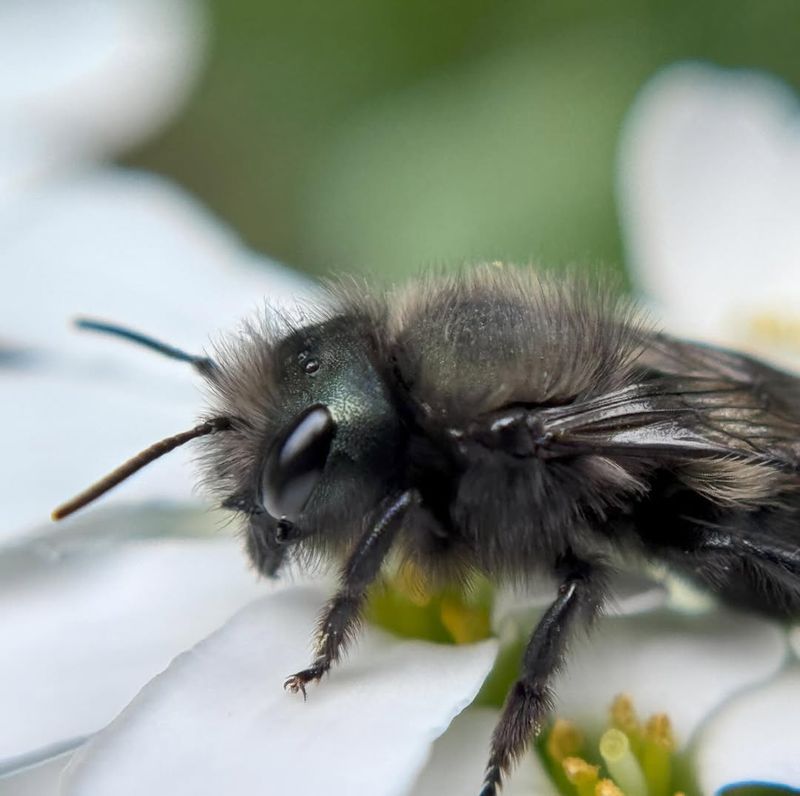
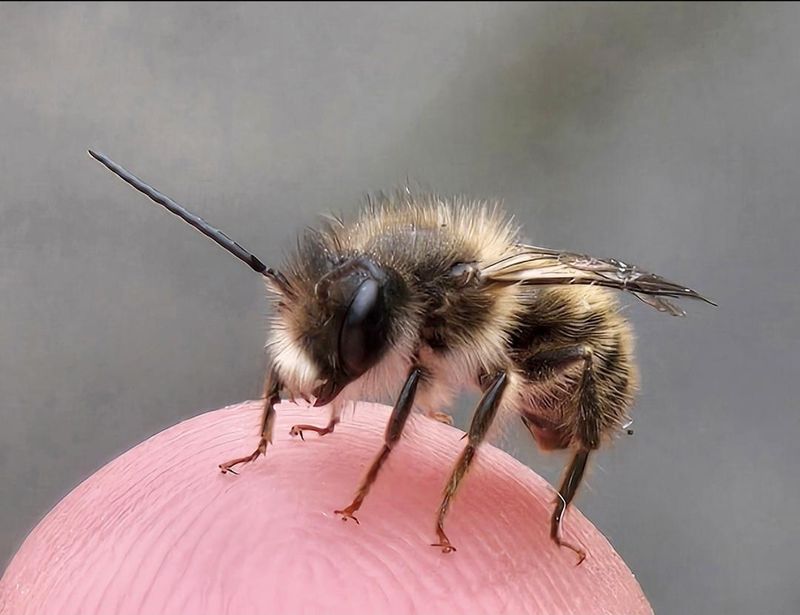
The blue orchard mason bee, known scientifically as Osmia lignaria, is the star of the show here in Oregon. Unlike honeybees, mason bees are solitary.
Each female works alone, gathering pollen and building her own nest without help from a colony. This independence actually makes her more productive because she visits far more flowers per trip.
Research from Oregon State University shows that a single mason bee can pollinate up to 95% of the flowers she visits. Honeybees, by comparison, pollinate only about 5% of the flowers they touch.
That difference is enormous when you think about how many blossoms are on a single apple tree. Mason bees carry pollen loosely on their fuzzy bodies, which means pollen falls off easily onto every flower they land on.
They are not aggressive either, which makes them safe to have around kids and pets. In Oregon’s gardens and orchards, their value simply cannot be overstated.
2. Spring’s Earliest Pollinators
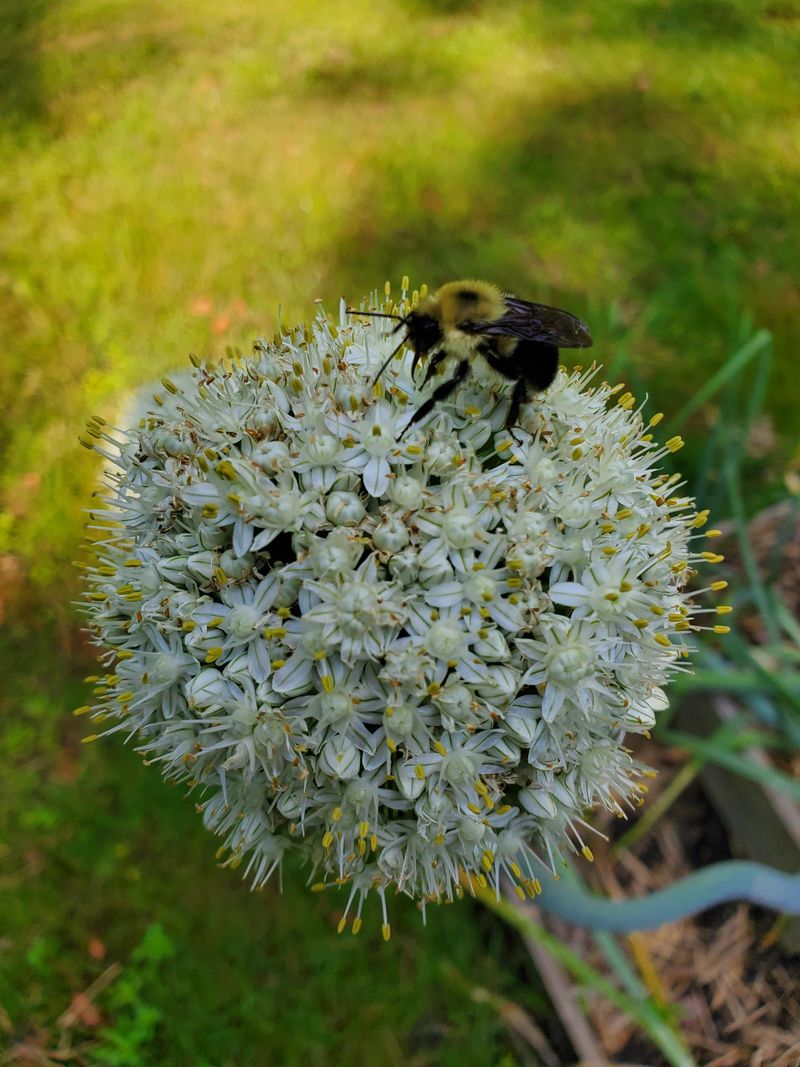
When Oregon winters finally loosen their grip, mason bees are among the very first creatures to respond. They emerge in late February or early March, often while temperatures are still hovering around 50 degrees Fahrenheit.
At that point, most other pollinators are still dormant or slow to appear.
Timing matters a lot in the world of pollination. Fruit trees like cherries, apples, and pears bloom early in Oregon, and they need pollinators right away.
If no bees show up during that narrow window, the blossoms go unpollinated and no fruit forms. Mason bees fill that gap perfectly because they are built for cool, cloudy conditions that would send honeybees back to the hive.
Oregon’s spring weather can be unpredictable. Rain, overcast skies, and chilly mornings are common from March through May.
Honeybees tend to stay home on days like that. Mason bees, on the other hand, keep working.
They are active at temperatures as low as 50 degrees and will forage even in light rain. That resilience makes them incredibly valuable during the critical early-bloom period.
Farmers and home gardeners across Oregon have come to rely on these early risers to ensure their trees and plants get pollinated when it counts most. Without them, spring harvests would look very different.
3. Better Than Honeybees?
Saying mason bees are better than honeybees might sound bold. But when it comes to early spring pollination in Oregon, the numbers really do favor the mason bee.
It takes only about 250 mason bees to pollinate a full acre of apple trees. You would need around 15,000 to 20,000 honeybees to do the same job.
That is a massive difference in efficiency.
The reason comes down to how each bee collects pollen. Honeybees are tidy.
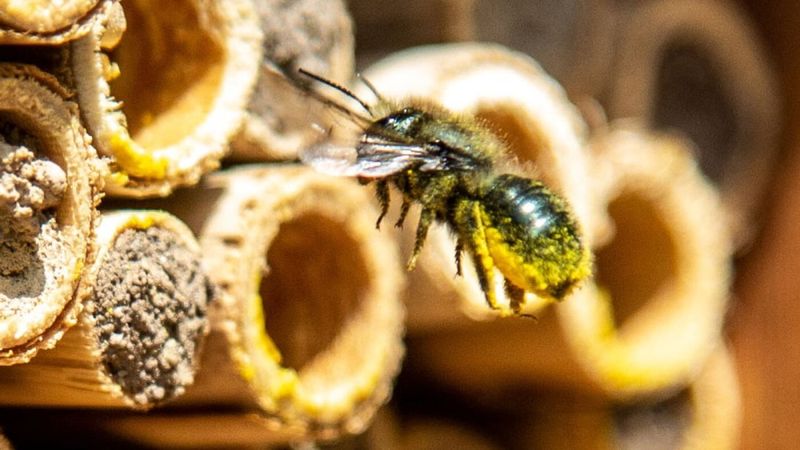
They pack pollen into special pouches on their legs called corbiculae, which keeps pollen from falling off as they fly. Mason bees, however, carry pollen loosely on dense hairs covering their belly.
Every time a mason bee lands on a flower, pollen rubs off easily, making cross-pollination much more likely with every single visit.
Mason bees also do not travel as far as honeybees. They tend to stay within 300 feet of their nest, which means they visit the same local flowers over and over.
For Oregon orchardists and backyard gardeners, this focused foraging is a huge advantage. The bees concentrate their energy in a small area, maximizing pollination in exactly the spot where it is needed.
Honeybees are still important, of course, but for cool, wet Oregon springs, mason bees offer a level of reliability and efficiency that is hard to beat.
4. Why Oregon Needs Them
Oregon’s agricultural economy depends heavily on pollination. The state produces millions of dollars worth of apples, pears, cherries, blueberries, and hazelnuts every year.
All of those crops require pollinators to thrive. When pollinator populations drop, crop yields follow, and that affects farmers, grocery stores, and families across the state.
Honeybee populations have been declining for years due to pesticide exposure, habitat loss, and disease. Oregon has not been spared from these challenges.
That makes native pollinators like mason bees even more critical. They are already adapted to Oregon’s climate, they do not need special management, and they are not vulnerable to the same diseases that threaten honeybee colonies.
Beyond agriculture, Oregon’s wild ecosystems also benefit from mason bee activity. Wildflowers, native shrubs, and forest understory plants all rely on early pollinators to reproduce.
When mason bees are active, they support biodiversity across the entire Pacific Northwest landscape. Urban areas in Oregon, like Portland, Eugene, and Bend, also see real benefits when residents create mason bee habitats in their yards.
Every garden that supports mason bees contributes to a larger network of pollination that keeps Oregon’s natural environment healthy and productive. Supporting these bees is not just good for gardeners.
It is good for the whole state’s ecological future.
5. How They Help Gardens
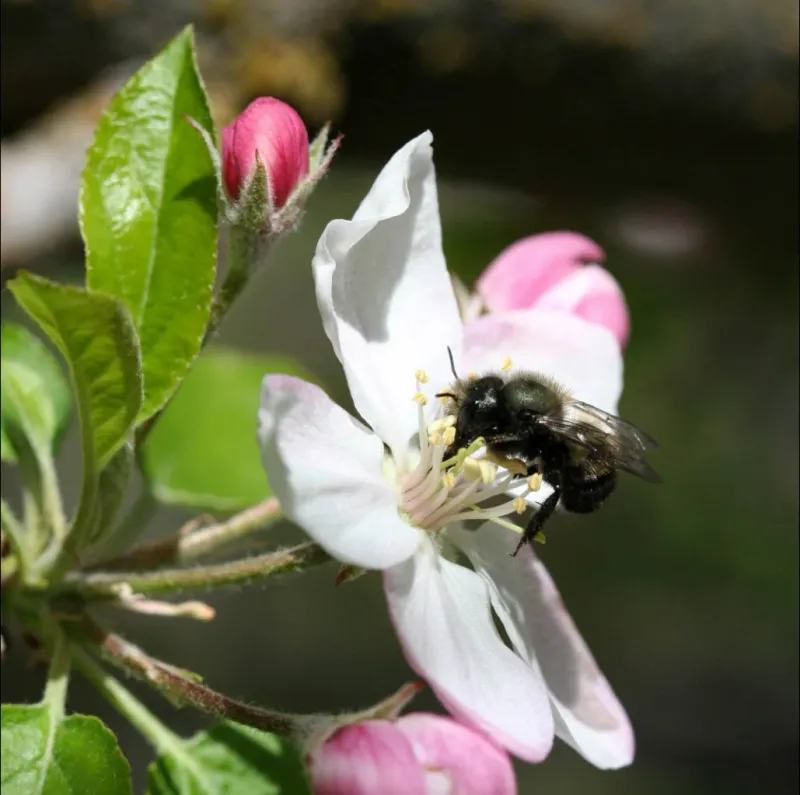
Ask any experienced Oregon gardener about mason bees and their face will light up. These little bees can transform a backyard garden from average to exceptional in just one season.
Strawberries, blueberries, raspberries, and nearly every vegetable that produces fruit benefits when mason bees are active nearby.
Because mason bees stay close to their nests, placing a nesting box near your garden beds means you get concentrated pollination right where you want it. Flowers get visited more often, fruit sets more reliably, and harvests come in bigger and healthier.
Gardeners in Oregon who have introduced mason bee houses often report noticeably larger strawberry harvests and fuller blueberry clusters by midsummer.
Mason bees also help with plants that bloom before most other pollinators arrive. Fruit trees that flower in March and April in Oregon often miss out on pollination during cold snaps.
Mason bees bridge that gap effortlessly. They do not need warm sunshine to get moving, and they work steadily through the cool mornings that define Oregon’s early growing season.
Having mason bees in your garden is like having a reliable, low-maintenance workforce that shows up every single day. They ask for nothing more than a safe place to nest and a few flowers to visit.
In return, they give your garden everything it needs to thrive.
6. Where They Like To Nest
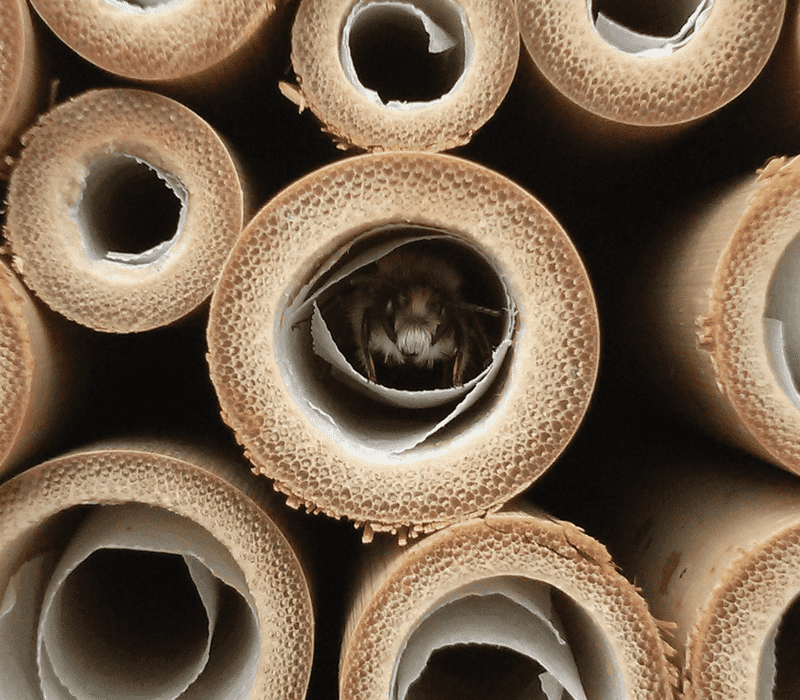
One of the most fascinating things about mason bees is how they build their homes. Unlike bumblebees or honeybees, mason bees do not build hives or live in large groups.
Instead, each female finds a small, pre-existing hole and turns it into a cozy nursery for her eggs.
In nature, Oregon mason bees nest in hollow plant stems, old beetle holes in dead wood, or cracks in fence posts and bark. The female fills each chamber with a ball of pollen mixed with a little nectar, lays a single egg on top, and then seals the chamber with a plug of mud.
That is where the name mason bee comes from. She uses mud like a mason uses mortar.
The nesting tubes need to be the right size. For the blue orchard mason bee, holes between 5/16 and 3/8 of an inch in diameter work best.
Depth matters too. Tubes or holes that are at least 6 inches deep give the female enough room to lay multiple eggs in a single tube.
In Oregon, where rain is common, it helps to place nesting structures under a roof or overhang to keep them dry. East-facing placement is ideal because morning sun warms the nest and encourages the bees to become active earlier in the day, giving them more foraging time.
7. How To Support Them
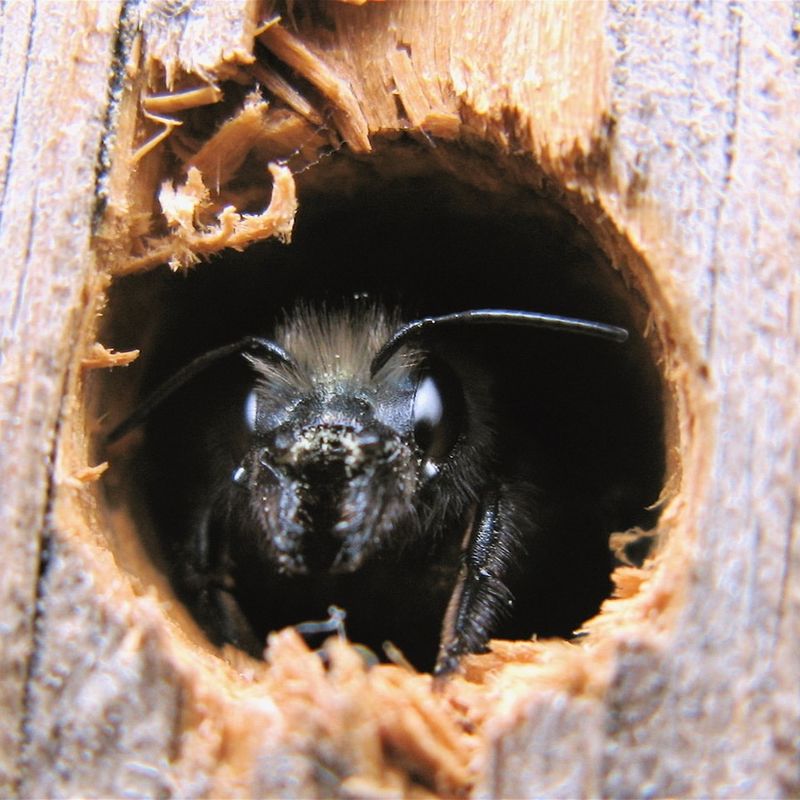
Supporting mason bees does not require a lot of money or experience. A few simple steps can make your Oregon yard a welcoming habitat for these incredible pollinators.
The most important thing you can do is provide a good nesting site before the bees emerge in late February or early March.
You can buy a pre-made mason bee house or build one yourself using untreated wood. Drill holes that are 5/16 inch wide and at least 6 inches deep, and mount the block facing east at about eye level.
Place it near flowering plants so the bees do not have to travel far to find food. Oregon State University Extension recommends replacing or cleaning nesting tubes every year to prevent the buildup of mold and parasites that can harm developing bees.
Planting early-blooming flowers is just as important as providing nesting spots. Oregon grape, flowering currant, willows, and fruit tree blossoms are all excellent early food sources.
Avoid using pesticides near areas where mason bees are active, especially during spring. Even products labeled as bee-safe can be harmful when used incorrectly.
If you have a yard in Oregon, no matter how small, you have the power to make a real difference for mason bee populations. Small actions, taken by many people across the state, add up to a much healthier pollinator community for everyone.