Why Michigan Feeders Are Seeing So Many Dark-Eyed Juncos
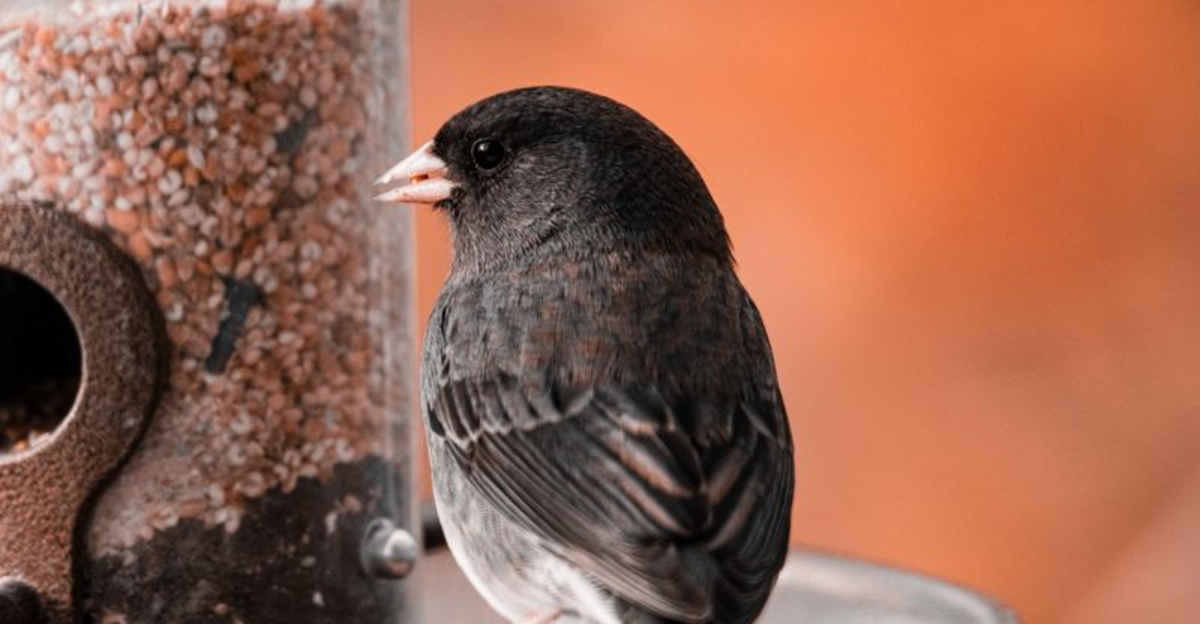
Michigan backyard feeders are buzzing with activity this season, and dark-eyed juncos seem to be everywhere at once.
These slate-colored birds arrive in waves, hopping across the ground and darting in for quick meals.
What looks like a sudden takeover is actually a seasonal shift that plays out every year when colder weather moves in.
As winter settles over Michigan, natural food sources shrink fast.
Snow covers seeds, insects disappear, and open ground becomes hard to find.
Dark-eyed juncos respond by moving south from colder regions and sticking close to dependable feeding spots.
Backyard feeders offer easy access to food without burning extra energy, making them a smart choice during long, cold days.
Juncos also prefer feeding in groups, which explains the crowded scenes many homeowners notice.
A safe yard with steady food becomes a gathering place that birds return to daily.
For Michigan residents, this surge brings constant motion and quiet charm to winter landscapes.
Understanding why juncos show up in such numbers turns a busy feeder into a front-row seat for one of winter’s most familiar bird migrations.
1. Michigan’s Cold Winter Weather Drives Juncos To Feeders
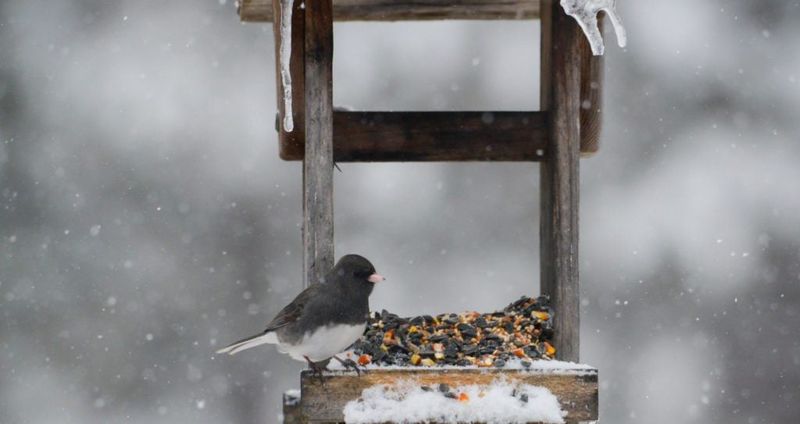
Cold temperatures across Michigan have pushed dark-eyed juncos to seek out reliable food sources at backyard feeders.
When snow blankets the ground and natural seeds become harder to find, these birds depend on the generosity of people who keep their feeders stocked.
Juncos normally forage on the ground for seeds that have fallen from plants, but winter conditions make this challenging.
Your feeder becomes a lifeline during harsh weather.
Michigan winters can be unpredictable, with sudden snowstorms and freezing temperatures that last for weeks.
Juncos are well-adapted to cold climates, but even they need consistent nutrition to maintain their body heat and energy levels.
Backyard feeders offer a stable food supply that helps them survive the toughest months.
Without these feeding stations, many birds would struggle to find enough calories to make it through long, frigid nights.
Homeowners who maintain their feeders throughout winter notice increased junco activity, especially after fresh snowfall.
These birds travel in small flocks and will return to the same feeders day after day once they discover a dependable source.
The more consistent you are with refilling your feeders, the more juncos you’ll attract to your Michigan yard.
Keeping feeders clear of snow and ice also makes them more accessible to these ground-feeding specialists.
Watching juncos hop around beneath feeders, picking up scattered seeds, is one of winter’s simple pleasures for Michigan bird enthusiasts.
2. Abundant Food Sources At Bird Feeders Attract Large Flocks
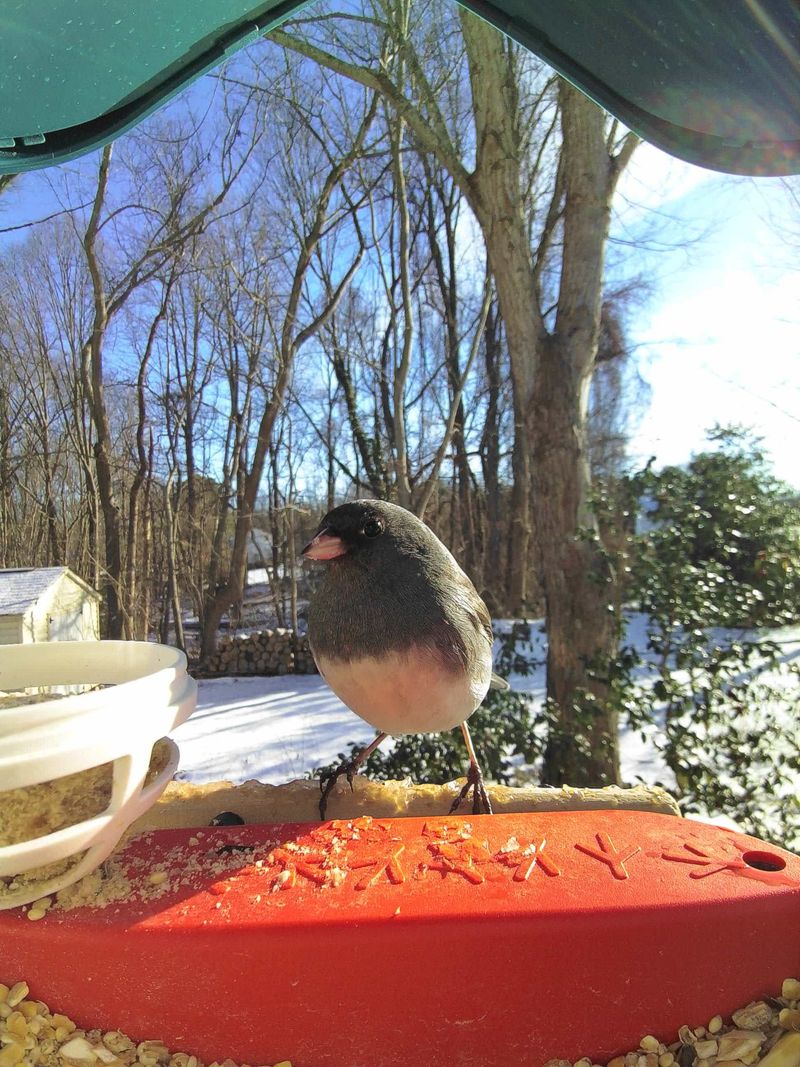
Bird feeders stocked with the right seeds act like magnets for dark-eyed juncos throughout Michigan neighborhoods.
These birds have a strong preference for small seeds, particularly white proso millet, which many feeder enthusiasts scatter on the ground or offer in platform feeders.
When juncos discover a yard with plenty of their favorite foods, they spread the word to other flock members.
Soon, you might have a dozen or more visiting your property daily.
Juncos are ground feeders by nature, so they prefer seeds that fall beneath hanging feeders or are placed directly on low platforms.
They’re not particularly skilled at clinging to tube feeders like finches or chickadees.
Instead, they hop along the ground, pecking at seeds with quick, efficient movements.
Offering a mix that includes millet, cracked corn, and sunflower hearts ensures that juncos will choose your yard over others in the area.
Michigan residents who provide consistent feeding stations often see junco numbers increase throughout the winter season.
Word travels fast in the bird world, and successful feeding sites become popular gathering spots.
Flocks may number anywhere from five to thirty individuals, all competing peacefully for the scattered seeds below your feeders.
The social nature of juncos means they feel safer feeding in groups, which is why you’ll rarely see just one bird alone.
Setting up multiple feeding areas in your Michigan yard can accommodate larger flocks and reduce competition among hungry visitors.
3. Natural Migration Patterns Bring Juncos South To Michigan
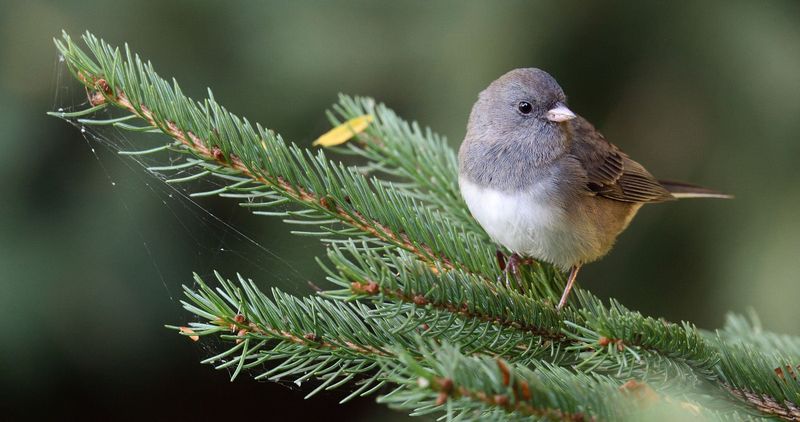
Every fall, dark-eyed juncos migrate southward from their breeding grounds in Canada and the northern United States, and Michigan sits right in their winter territory.
This annual movement is as predictable as the changing seasons, with juncos typically arriving in October and staying until March or April.
Michigan’s geographic location makes it an ideal wintering spot for these birds, offering a balance between cold tolerance and food availability.
Residents can count on seeing juncos return each year like clockwork.
Migration isn’t just about escaping extreme cold up north.
Juncos move to areas where they can reliably find food throughout winter while still experiencing the cooler temperatures they’re adapted to.
Michigan provides exactly what they need, with a mix of woodland edges, suburban yards, and parks that offer natural and human-provided food sources.
The birds travel in waves, with numbers building gradually as more individuals arrive from northern regions.
Peak junco populations in Michigan typically occur in mid-winter when migration is complete.
Understanding this migration pattern helps explain why Michigan feeders suddenly seem overwhelmed with juncos each winter.
You’re not necessarily seeing more birds than previous years, but rather witnessing the natural ebb and flow of seasonal movement.
Some winters bring larger migrations than others, depending on food availability farther north and weather patterns that influence timing.
Michigan’s position along major migration routes means backyard birders get front-row seats to this remarkable natural phenomenon year after year.
4. Loss Of Natural Habitat Pushes Birds To Suburban Yards
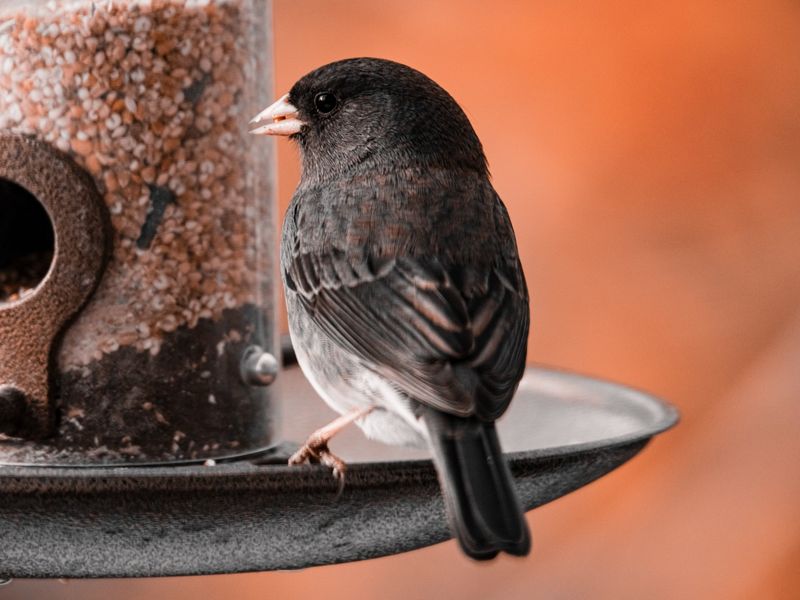
Development across Michigan has gradually reduced the natural habitats where dark-eyed juncos traditionally foraged for seeds during winter months.
As forests are cleared for housing developments and agricultural land is converted to commercial use, birds have fewer wild spaces to call home.
Suburban yards with bird feeders have become essential refuges for juncos and other winter birds.
Your backyard might be one of the few reliable food sources in an increasingly developed landscape.
Juncos prefer edge habitats where forests meet open areas, a combination that’s becoming scarcer in many Michigan communities.
These edges naturally produce the weed seeds and fallen grain that juncos depend on for survival.
When these areas disappear under pavement and buildings, birds must adapt by seeking alternative food sources.
Well-maintained bird feeding stations fill this critical gap, providing the nutrition that natural habitats once supplied abundantly.
Michigan homeowners who create bird-friendly yards are making a real difference for winter wildlife.
The concentration of juncos at feeders reflects this habitat shift rather than an actual increase in bird numbers.
More birds are funneling into fewer available spaces, making your yard seem busier than ever before.
Native plantings that produce seeds, along with brush piles for shelter, can supplement feeder offerings and create a more complete habitat.
Michigan residents who combine feeding with habitat restoration provide the best support for wintering juncos and help offset some of the natural habitat loss affecting these beautiful birds throughout the region.
5. Increased Awareness And Participation In Bird Feeding
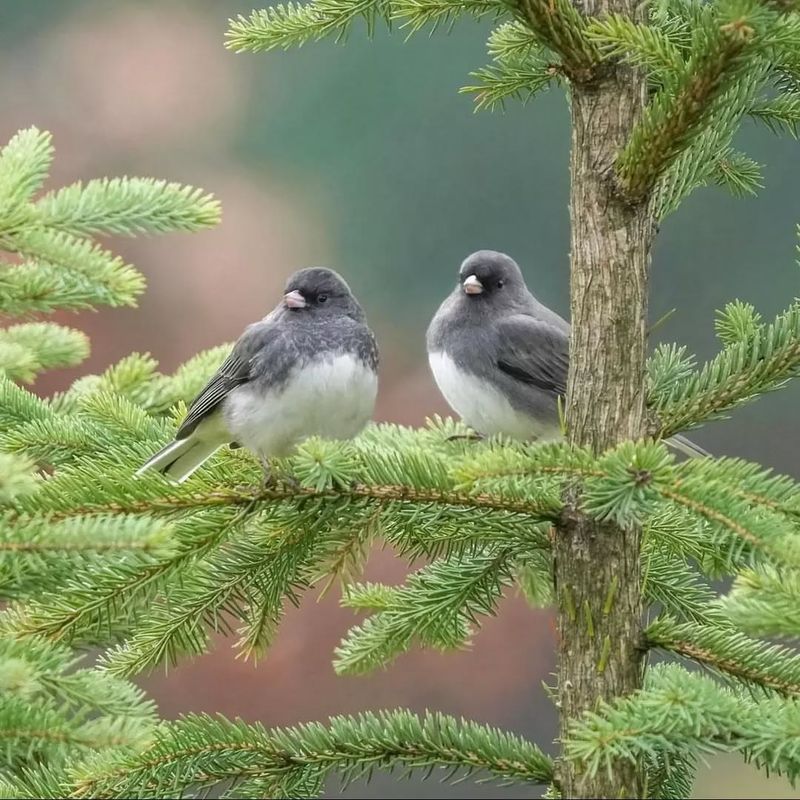
More Michigan residents are discovering the joy of bird feeding, creating a network of feeding stations that support larger junco populations throughout the state.
The popularity of backyard birding has surged in recent years, with people of all ages setting up feeders and learning to identify their feathered visitors.
This growing interest means more food is available across Michigan neighborhoods, which naturally attracts more birds to residential areas.
Your participation in bird feeding contributes to a statewide effort that benefits winter wildlife.
Social media and online bird-watching communities have fueled this enthusiasm, with people sharing photos and tips about attracting different species.
Juncos, with their distinctive appearance and friendly behavior, have become favorites among new birders.
As more people learn what foods juncos prefer and how to create welcoming feeding stations, the birds respond by visiting in greater numbers.
Michigan’s bird-feeding community has created an informal support system that helps sustain winter bird populations more effectively than ever before.
Educational programs through nature centers, garden clubs, and online resources have taught Michigan residents the importance of winter bird feeding.
Many people now understand that consistent feeding through cold months provides critical support when natural food sources are scarce.
This knowledge has translated into action, with countless yards now offering high-quality seed mixes specifically chosen to attract juncos and other winter birds.
The result is a more bird-friendly Michigan landscape where dark-eyed juncos can thrive throughout the winter season, delighting observers at feeders from Detroit to the Upper Peninsula.
6. Harsh Weather Up North Forces Juncos Further South
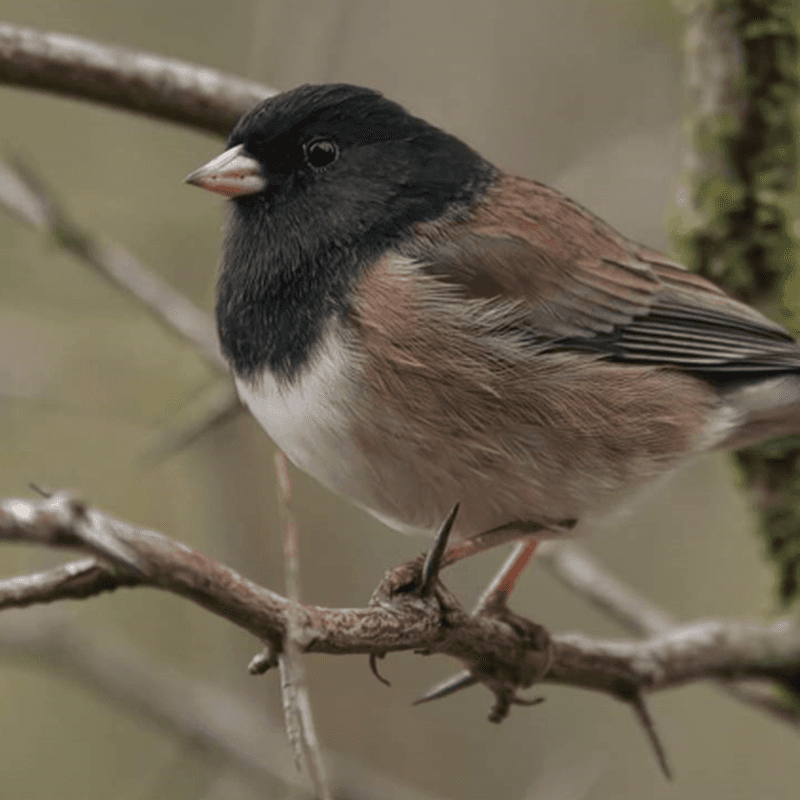
Exceptionally severe winter conditions in Canada and the northernmost United States can push dark-eyed juncos further south than they typically travel.
When extreme cold, heavy snow, or ice storms hit their usual wintering grounds, these adaptable birds continue moving until they find more favorable conditions.
Michigan becomes a destination for juncos that might normally winter in Ontario or northern Minnesota.
Weather patterns hundreds of miles away directly influence how many juncos show up at Michigan feeders each season.
Climate variability means no two winters are exactly alike for migrating birds.
A particularly brutal winter up north can result in unusually large junco numbers throughout Michigan as birds seek refuge from dangerous conditions.
These weather-driven movements aren’t planned migrations but rather survival responses to immediate threats.
Juncos have excellent instincts for finding suitable habitat, and Michigan’s relatively milder climate compared to regions farther north makes it an attractive option during extreme weather events.
Bird enthusiasts in Michigan often notice year-to-year variations in junco abundance that correlate with northern weather patterns.
Checking weather reports from Canada and northern border states can give you clues about what to expect at your feeders.
When forecasts show severe conditions up north, prepare for increased junco activity in your Michigan yard.
Keeping feeders well-stocked during these periods provides essential support for birds that have traveled farther than usual to escape harsh conditions.
Your feeders might be hosting juncos from hundreds of miles away, all grateful for the hospitality Michigan backyards provide.
7. Juncos’ Social Behavior Creates Visible Flocking Patterns
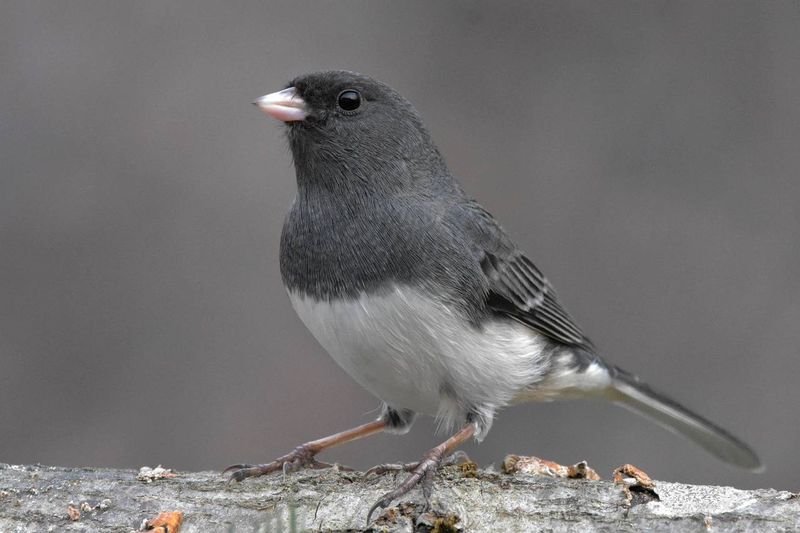
Dark-eyed juncos are highly social birds that travel and feed in flocks during winter months, making their presence particularly noticeable at Michigan feeders.
When one junco discovers a good feeding spot, others follow, creating the impression of sudden population explosions.
This flocking behavior is a survival strategy that provides safety in numbers and helps birds locate food more efficiently.
A single junco at your feeder in the morning might bring a dozen friends by afternoon.
Flock sizes vary depending on food availability and local population density, but groups of ten to twenty juncos are common at well-stocked Michigan feeders.
Within these flocks, there’s a loose social structure with dominant birds getting first access to prime feeding spots while subordinates wait their turn.
Despite this hierarchy, juncos generally feed peacefully together with minimal aggressive behavior.
Watching flock dynamics provides endless entertainment for Michigan birders on cold winter days when outdoor activities are limited.
The social nature of juncos means they communicate constantly through soft chirps and calls that alert flock members to food sources and potential dangers.
When you see juncos gathering at your Michigan feeder, you’re witnessing complex social interactions that have evolved over thousands of years.
These flocks may remain stable throughout the winter or shift in composition as birds move between feeding sites.
The more welcoming your yard is, the more likely a flock will establish it as a regular stop on their daily feeding circuit, giving you reliable opportunities to observe these charming winter visitors throughout the season.
8. Climate Change Affects Junco Distribution And Timing
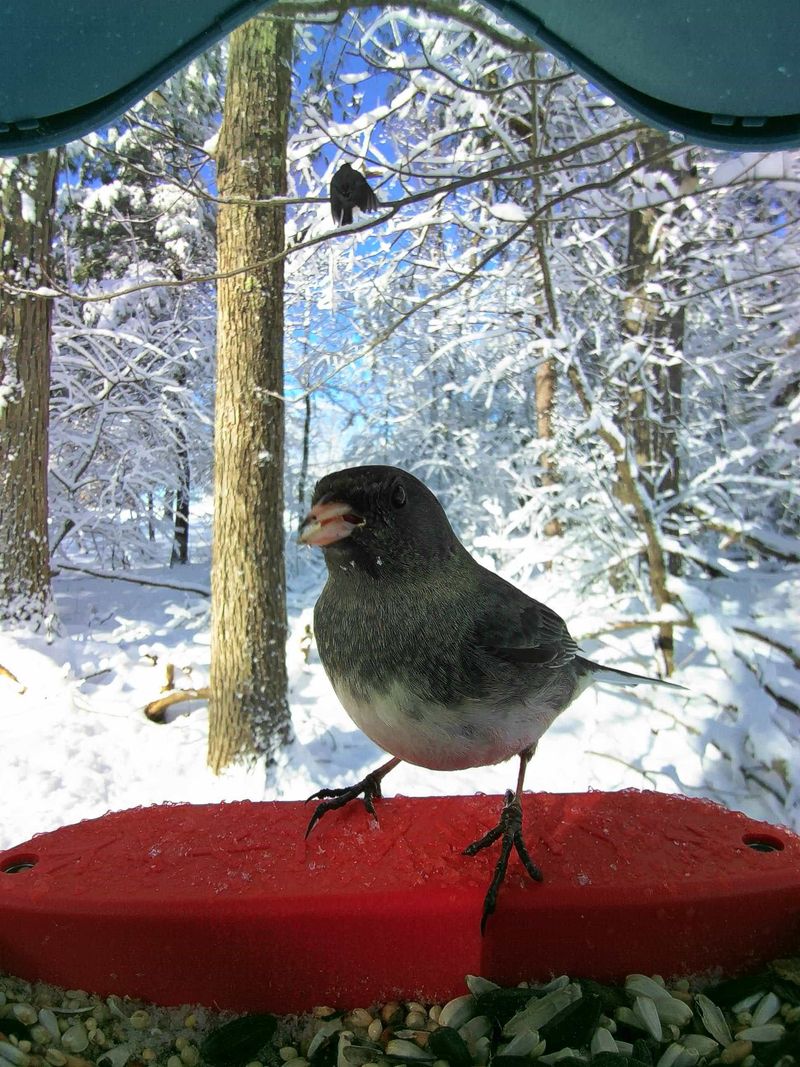
Shifting climate patterns are influencing when and where dark-eyed juncos appear across Michigan, with some researchers noting changes in migration timing and winter distribution.
Warmer average temperatures might allow some juncos to winter farther north than in previous decades, while others may arrive in Michigan earlier or stay later into spring.
These changes create unpredictable patterns that make some winters seem busier at feeders than others.
Climate variability affects not just when juncos arrive but also how long they stay in Michigan neighborhoods.
Mild winters might reduce the urgency for juncos to seek out feeders since natural food sources remain more accessible when there’s less snow cover.
Conversely, winters with erratic weather, swinging between warm spells and sudden cold snaps, can drive more birds to the stability of backyard feeding stations.
Michigan’s position in the transition zone between northern and southern climates makes it particularly sensitive to these shifting patterns.
Backyard birders are inadvertently becoming citizen scientists, documenting changes in junco behavior and abundance that reflect broader environmental shifts.
Long-term monitoring by Michigan bird enthusiasts reveals trends that scientists use to understand how climate change affects wildlife.
Keeping records of when juncos first arrive at your feeder and when they depart in spring contributes valuable data to these efforts.
While individual years may show unusual patterns, looking at decades of observations helps reveal the bigger picture.
Michigan’s dark-eyed juncos may be adjusting their strategies in response to environmental changes, and your feeder observations help document this remarkable adaptation in real time across the state.