Why Michigan Gardeners In Different Zones Cannot Treat April Frost Dates The Same
April might feel like a fresh start for gardening, but in Michigan, it does not mean the same thing for everyone. One gardener could be planting with confidence while another is still watching for overnight freezes, even if they live just a few hours apart.
That is because Michigan’s growing zones vary more than many people realize, and those differences can have a big impact on when it is truly safe to move forward with planting.
Relying on a single April frost date can lead to setbacks, especially if your local conditions run colder or warmer than expected.
Elevation, proximity to the Great Lakes, and regional weather patterns all play a role in how quickly spring settles in.
Understanding how your specific zone behaves can help you avoid damage, time your planting more accurately, and make better decisions as the season begins to unfold.
1. The Great Lakes Delay Spring Warming Along Michigan Shorelines
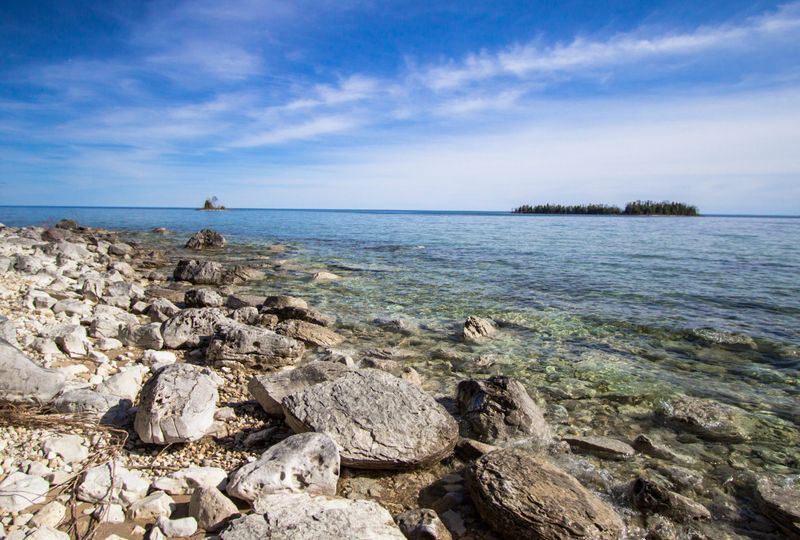
Standing on the shore of Lake Michigan in April, you might notice something surprising: it still feels like winter. That is not your imagination.
Large bodies of water like Lake Michigan and Lake Superior absorb heat slowly during summer and release it gradually through fall, but that same process works against coastal gardeners in spring.
Water temperatures stay cold well into April, which keeps the surrounding air cooler than inland areas. This effect, known as a thermal lag, means shoreline communities in Michigan often experience later last frost dates than places just thirty or forty miles inland.
For example, a gardener in Muskegon may be dealing with frost risks a full two to three weeks after a gardener in Lansing has already moved on.
Coastal Michigan gardeners need to hold off on planting warm-season crops like tomatoes and peppers until they are confident night temperatures have truly stabilized.
Checking local frost data specific to your zip code is far more reliable than following a general Michigan planting guide.
The Great Lakes are a gift to Michigan in many ways, but in early spring, they remind shoreline gardeners to stay patient and watch the weather closely before committing tender plants to the ground.
2. Inland Michigan Areas Warm Up Faster But Face Sneaky Cold Snaps
Inland Michigan has a reputation for warming up quickly once spring arrives, and that can make gardeners feel confident a little too soon.
Without the moderating influence of the Great Lakes, areas like Flint, Jackson, and Lansing can see daytime temperatures climb into the 60s and even 70s during April. That warmth feels exciting after a long Michigan winter.
Here is the tricky part though: those same inland areas are more vulnerable to sudden cold snaps. Without a large body of water nearby to buffer temperature swings, nighttime temperatures can drop sharply even after warm afternoons.
A stretch of beautiful April days can end with a surprise frost that catches unprepared gardeners off guard.
Smart inland Michigan gardeners treat those early warm spells as a tease rather than a green light. Keeping row covers, frost blankets, or even old bedsheets on hand is a practical habit worth building.
Monitoring overnight low forecasts closely during April is just as important as celebrating warm afternoons. The soil in these inland regions also tends to warm faster than coastal areas, which is a genuine advantage, but air temperature stability matters just as much.
Patience combined with smart preparation gives inland Michigan gardeners a real edge when April weather plays its unpredictable games.
3. Upper Peninsula Gardeners Face A Frost Reality That Is Truly Different
Gardening in the Upper Peninsula of Michigan is a whole different experience compared to the Lower Peninsula. April in the UP is not spring in the way most people picture it.
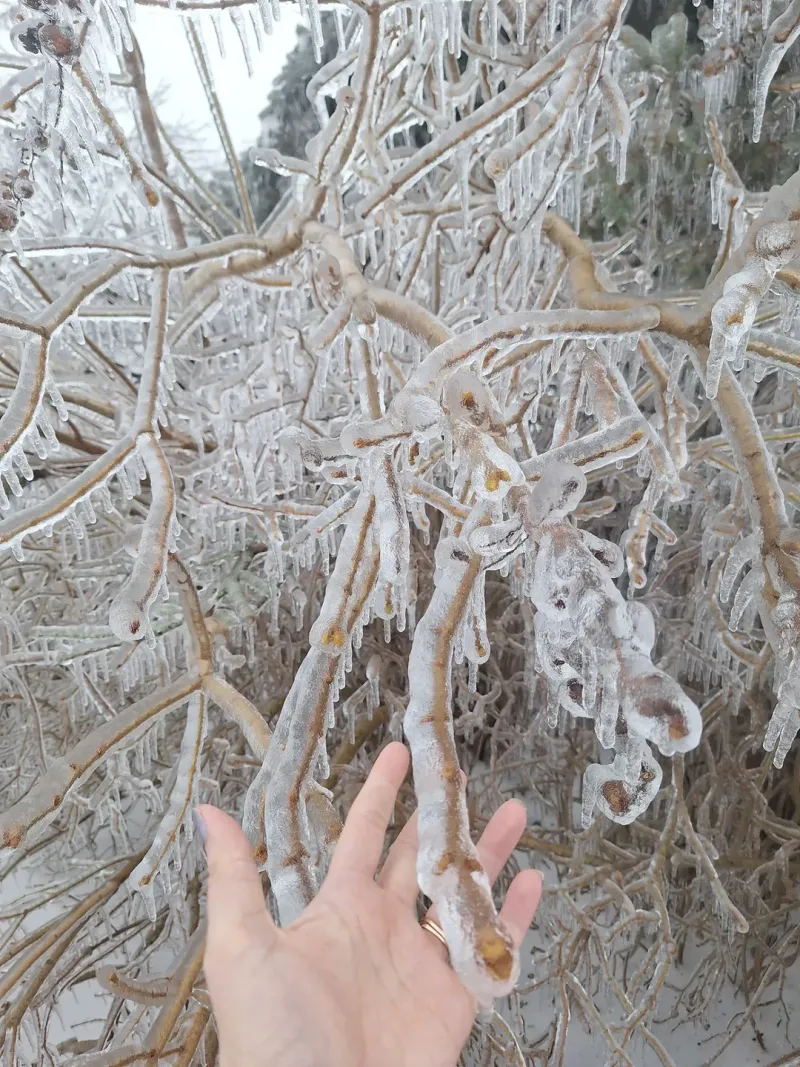
Frost is not just possible in April up there, it is expected. Many parts of the Upper Peninsula sit in USDA Hardiness Zone 4a, where the average last frost date can stretch all the way to early June.
Marquette, Houghton, and Iron Mountain all deal with lingering cold that would shock a gardener from the southern part of the state. Even when April days feel mild, nighttime temperatures regularly drop below freezing.
Planting warm-season vegetables in April in the UP is a gamble that rarely pays off.
UP gardeners have adapted by focusing on cold-hardy crops like kale, spinach, and certain root vegetables that can handle a light frost without suffering. Starting seeds indoors weeks earlier than Lower Peninsula gardeners is also a common and smart strategy.
The frost-free growing season in the Upper Peninsula can be as short as 95 to 120 days, which makes every single frost-free day valuable.
Treating April the same way a Detroit gardener would is simply not realistic in the UP, and experienced northern Michigan gardeners know this truth well.
4. Elevation And Terrain Shape Where Cold Air Settles Overnight In Michigan
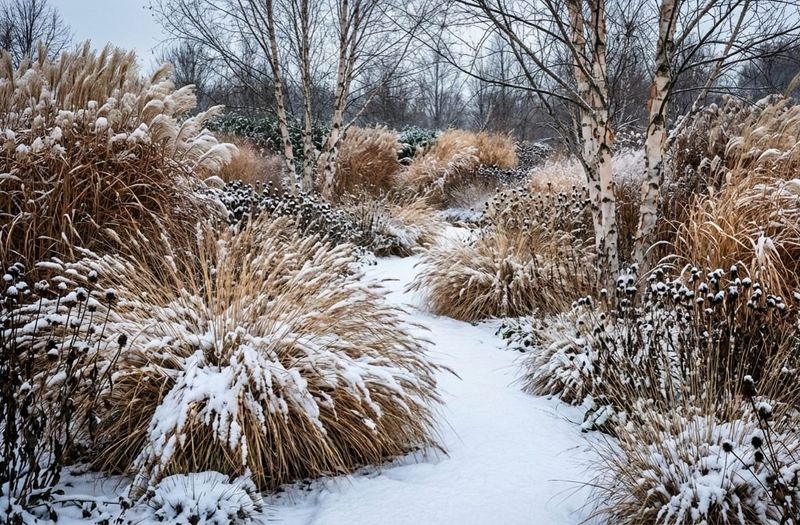
Cold air behaves a lot like water: it flows downhill and collects in the lowest spots it can find. This natural phenomenon, called cold air drainage, plays a real role in frost risk across Michigan.
A garden sitting in a valley or at the bottom of a slope can experience temperatures several degrees colder than a garden on higher ground just a short distance away.
Michigan has plenty of rolling terrain, especially in the northern Lower Peninsula and parts of the Upper Peninsula. Gardeners in low-lying areas near rivers, creeks, or natural bowls in the landscape need to pay extra attention to frost warnings.
Even a difference of just fifty feet in elevation can mean the difference between a frost event and a safe night for your plants.
Interestingly, this also means that two neighbors in the same Michigan town can have noticeably different frost experiences. If your garden sits in a natural dip, your frost risk in April is genuinely higher than your neighbor on the hill.
One practical solution is to avoid planting frost-sensitive crops in the lowest parts of your yard. Raised beds on higher ground, or even slightly elevated planting areas, can help reduce frost exposure.
Knowing your yard’s specific terrain gives Michigan gardeners a real advantage when planning spring planting schedules.
5. Urban Michigan Gardens Enjoy A Subtle But Real Warming Advantage
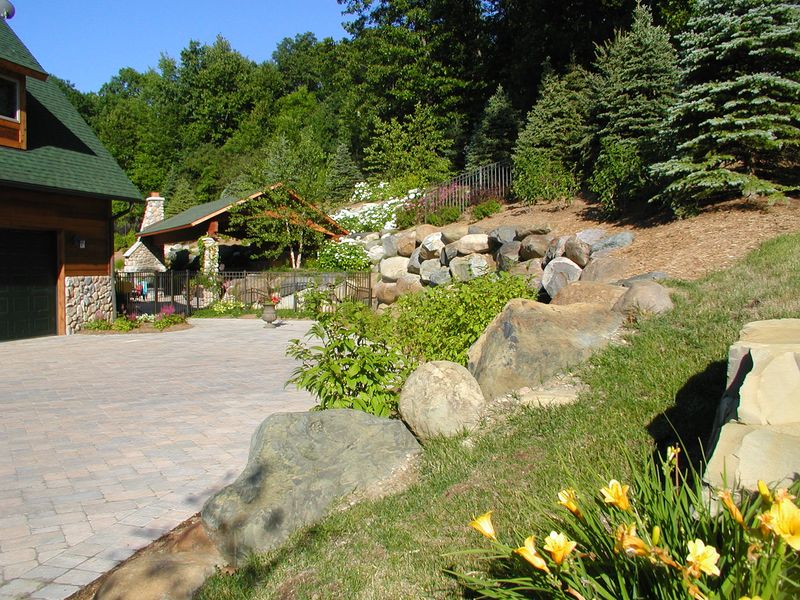
Cities are warmer than the countryside, and that is not just a feeling. The urban heat island effect is a well-documented phenomenon where buildings, pavement, and human activity trap and radiate heat, raising local temperatures compared to surrounding rural areas.
For Michigan gardeners living in cities like Detroit, Grand Rapids, or Ann Arbor, this effect can actually shift frost dates earlier in a helpful way.
Urban gardens in Detroit, for instance, sit in Zone 6b, where the average last spring frost falls between April 15 and April 30. That is significantly earlier than much of the rest of Michigan.
A city gardener in Detroit can often start planting warm-season seedlings outdoors while a gardener in a rural area just outside the city is still waiting and watching the forecast.
This does not mean urban Michigan gardeners can ignore frost entirely. A cold April night can still bring temperatures low enough to damage tender plants, even in the city.
However, the margin of safety is noticeably wider. Urban gardeners benefit from keeping track of their local microclimate rather than relying on statewide averages.
Using a simple outdoor thermometer to monitor overnight lows in your specific yard is a low-cost, high-value habit. Michigan city gardeners who understand their urban advantage can extend their growing season meaningfully on both ends of the calendar.
6. Soil Temperature In Michigan Tells A More Honest Story Than Air Temperature
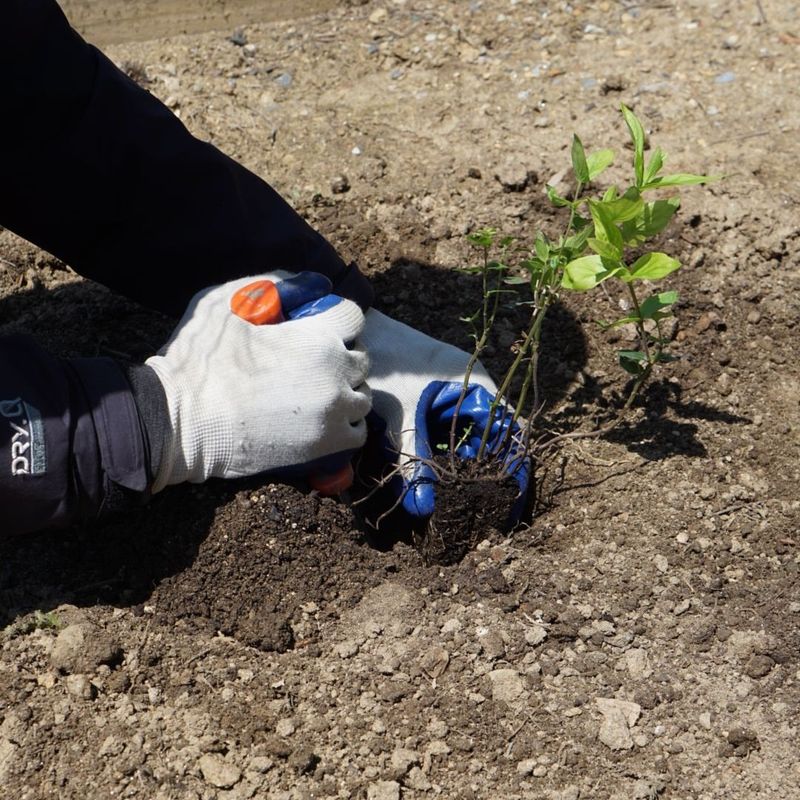
Warm air in April can feel like a clear invitation to plant, but soil temperature tells a more honest story about what your plants will actually experience.
Roots live in the soil, not the air, and cold soil slows or stops germination and root development no matter how warm the afternoon feels.
In Michigan, soil temperatures often lag several weeks behind air temperatures, especially after a cold winter.
Cool-season crops like lettuce and spinach can germinate in soil temperatures as low as 40 degrees Fahrenheit, but warm-season crops like tomatoes, cucumbers, and peppers need soil consistently at or above 60 degrees Fahrenheit to thrive. Planting warm-season crops in cold Michigan soil in April often leads to stunted growth, yellowing leaves, and poor root establishment even if frost never touches the plant.
A basic soil thermometer is one of the most underrated tools a Michigan gardener can own. Checking the temperature at a depth of two to four inches in the morning gives you a realistic picture of what your seeds and transplants will face.
In northern Michigan and the Upper Peninsula, soil can stay cold well into May, making patience a genuine virtue.
Across all Michigan zones, letting soil temperature guide your planting decisions rather than just calendar dates will lead to stronger plants and more satisfying results every single season.
7. Lake-Effect Weather Makes April Frost Dates Unpredictable Near The Great Lakes
Most people associate lake-effect weather with heavy winter snowstorms, but the Great Lakes can also trigger sudden cold events well into spring. April is not immune to these fast-moving weather patterns, especially in areas downwind of Lake Michigan and Lake Superior.
A stretch of warm, sunny days can shift quickly when cold air moves over the still-frigid lake water and gets pushed inland.
Western Michigan communities like Holland, Traverse City, and Ludington are particularly familiar with this phenomenon. Gardeners in these areas have learned that a warm week in April does not necessarily mean frost season is finished.
Lake-effect cold events can arrive with little warning, dropping temperatures sharply overnight and catching even experienced gardeners off guard.
Staying connected to local weather forecasts from sources like the National Weather Service office in Grand Rapids is especially important for Great Lakes-region Michigan gardeners. General national weather apps often miss the hyperlocal nature of lake-effect events.
Building flexibility into your April planting schedule, keeping protective covers nearby, and never fully committing tender plants outdoors without watching a five-day local forecast are all habits that pay off in this region.
Fixed frost date charts are useful starting points, but near the Great Lakes in Michigan, real-time weather awareness will always be your most reliable tool for protecting a spring garden.