Why Michigan Gardeners Should Avoid This Popular Shrub As Disease Risk Is Rising
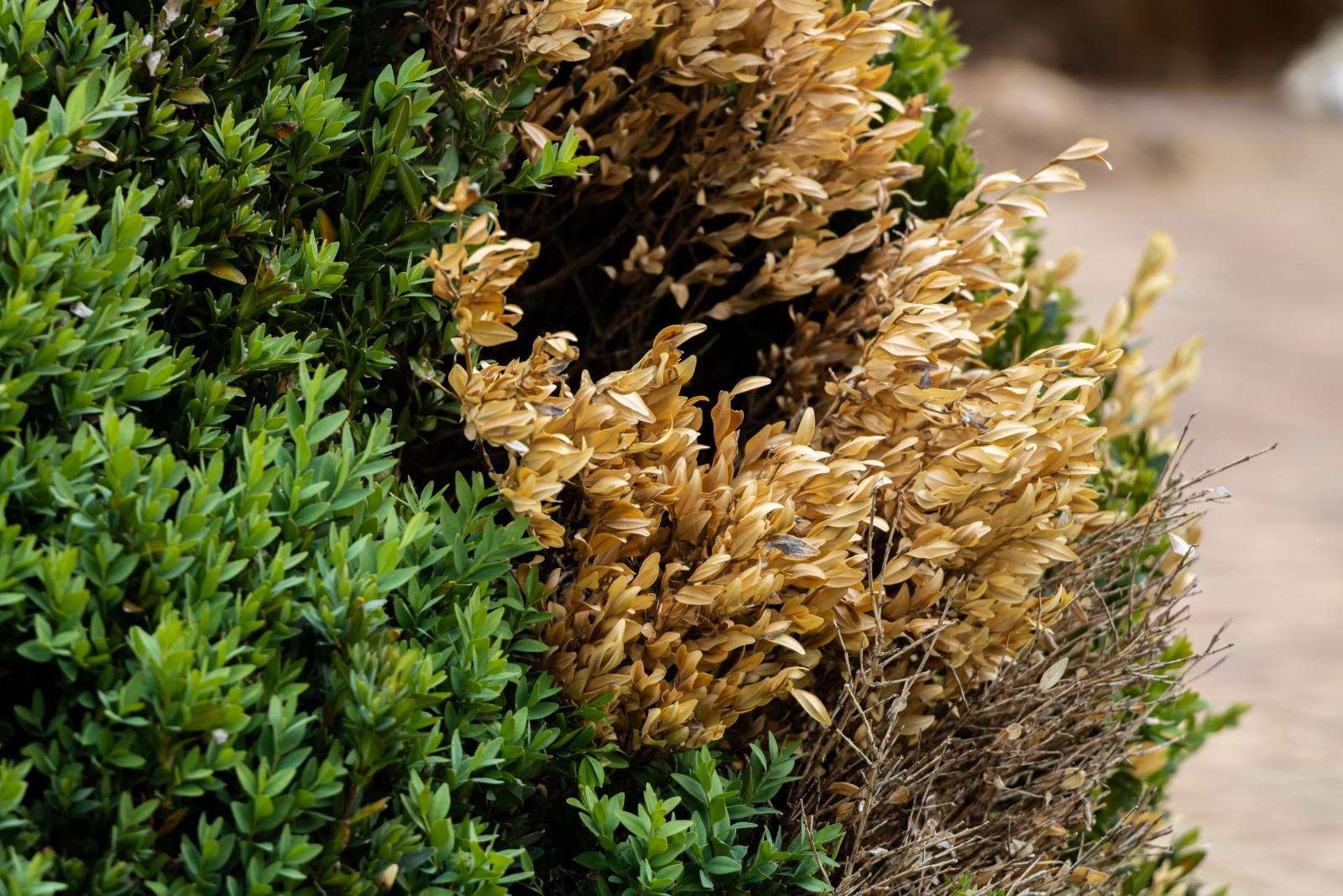
Michigan gardeners face a curveball as boxwood troubles surge across the state like a storm front with something to prove.
A shrub once viewed as a safe bet now raises red flags from Detroit suburbs to lakefront homes.
One brush with the latest disease threats, and the picture shifts fast: leaves drop, branches fade, and entire hedges lose their shine before anyone knows what hit them.
The warning signs now ring loud enough to wake the whole neighborhood, and a smart gardener takes the hint.
In a climate that rewards strong choices, boxwood no longer stands tall—safer options step forward, and the old favorite slips off its pedestal.
Boxwood Blight Has Become A Serious Threat In Michigan
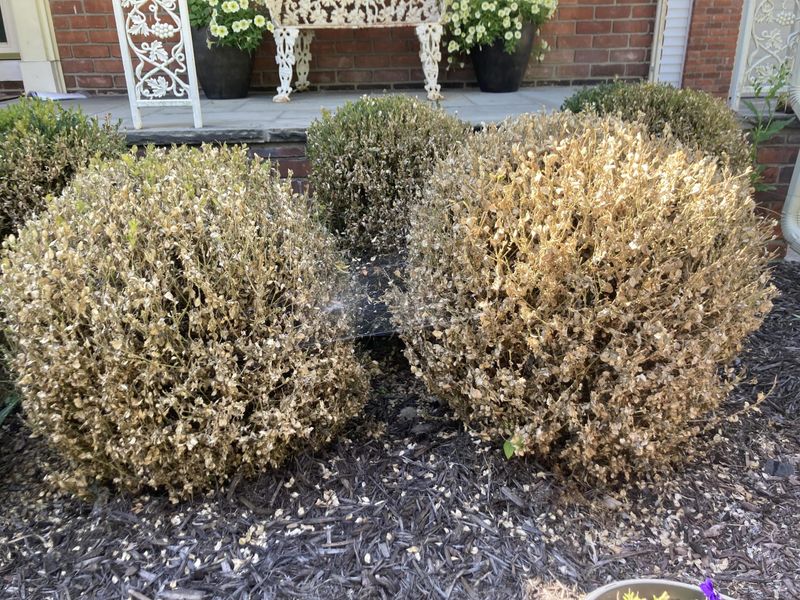
Boxwood blight represents one of the most devastating fungal diseases affecting these shrubs today.
This aggressive pathogen can spread rapidly through your garden, causing leaf spots, stem cankers, and severe defoliation within weeks.
Michigan’s humid summers create perfect conditions for this disease to thrive and spread between plants.
Once established in your landscape, boxwood blight is nearly impossible to eliminate completely.
The fungal spores can survive in soil and plant debris for several years, waiting to infect new growth.
Even professional treatment options provide limited success, often requiring repeated applications of expensive fungicides.
Neighboring gardens and nurseries can unknowingly harbor the disease, making prevention extremely challenging.
Infected plants quickly lose their ornamental value, turning brown and dropping leaves in unsightly patches.
The emotional and financial cost of replacing an entire boxwood hedge makes this risk particularly concerning.
Many Michigan gardeners have already experienced the heartbreak of watching their prized boxwoods succumb to this relentless disease.
Choosing alternative shrubs now can save you from future disappointment and expense.
Winter Damage Weakens Boxwood Plants Significantly
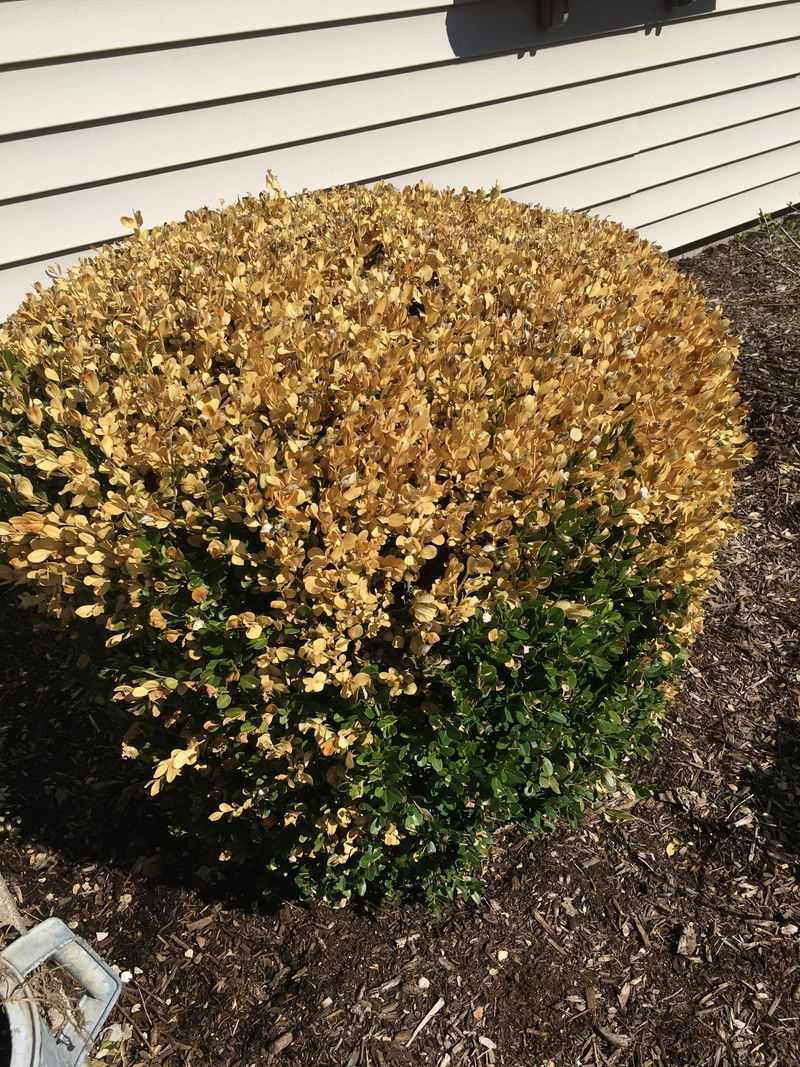
Michigan winters can be brutal on boxwood shrubs, despite their reputation as hardy evergreens.
Harsh winds, heavy snow loads, and extreme temperature fluctuations cause considerable stress to these plants.
Boxwood foliage often suffers from winter burn, where leaves turn bronze, orange, or brown during cold months.
This damage occurs when frozen roots cannot supply water to evergreen leaves that continue losing moisture through winter winds.
Weakened plants become more susceptible to diseases and pest infestations come spring.
The recovery process drains the plant’s energy reserves, leaving it vulnerable throughout the growing season.
Repeated winter injury over multiple years gradually declines the overall health and appearance of your boxwoods.
Protection measures like burlap wrapping require time, effort, and materials each fall.
Even with careful protection, Michigan’s unpredictable weather patterns can still cause unexpected damage.
Native or better-adapted shrubs naturally withstand local winter conditions without requiring extra care or showing unsightly seasonal damage.
Investing in plants suited to Michigan’s climate eliminates the constant worry about winter survival.
Volutella Blight Strikes Stressed Boxwood Plants
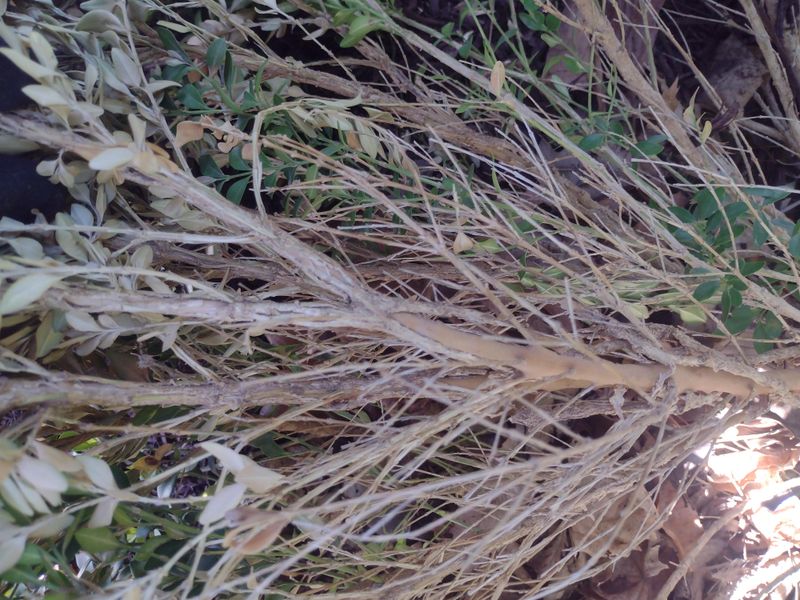
Volutella blight emerges as another fungal menace targeting boxwood shrubs throughout Michigan gardens.
This disease particularly attacks plants already weakened by winter injury, poor growing conditions, or improper care.
Symptoms include yellowing leaves that progress to a distinctive salmon-pink color before turning brown.
The fungus produces pinkish spore masses on infected stems, making identification relatively straightforward for concerned gardeners.
Warm, wet spring weather creates ideal conditions for volutella to spread rapidly through boxwood plantings.
Pruning tools can easily transfer the pathogen from infected to healthy plants during routine maintenance.
Management requires removing diseased branches, improving air circulation, and applying preventive fungicide treatments.
These ongoing maintenance demands add up in terms of time, money, and effort required to keep boxwoods looking presentable.
Plants rarely recover their former vigor and appearance once volutella takes hold.
The cycle of infection and treatment becomes exhausting for homeowners who simply want attractive, reliable landscaping.
Alternative shrubs naturally resist these fungal problems without demanding constant vigilance and intervention.
Boxwood Leafminer Causes Persistent Cosmetic Damage
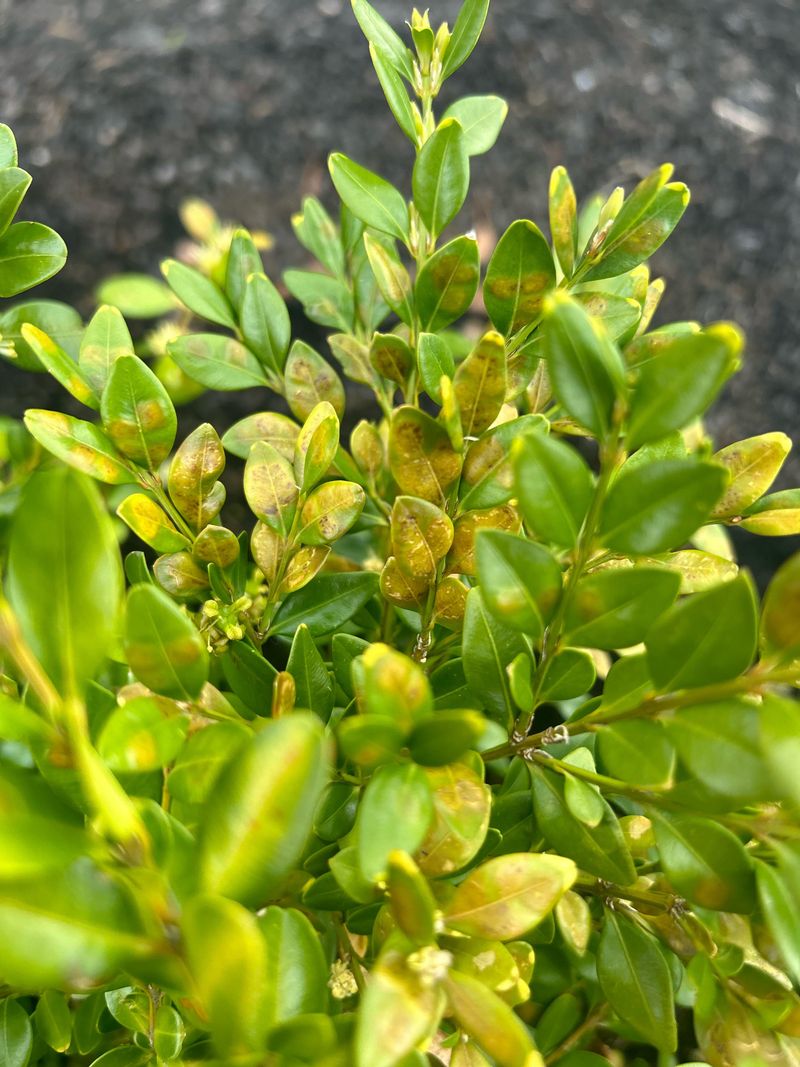
Boxwood leafminer stands out as the most common insect pest affecting these shrubs in Michigan landscapes.
These tiny fly larvae tunnel inside boxwood leaves, creating unsightly blisters and causing foliage to turn yellow or brown.
Adult flies emerge in late spring, and their presence around your plants signals an established infestation.
Damaged leaves develop a puffy, blistered appearance that significantly reduces the ornamental quality of your hedge.
Heavy infestations can weaken plants over time, making them more vulnerable to diseases and environmental stress.
Control requires precisely timed insecticide applications, which must coincide with the brief adult emergence period.
Missing this narrow treatment window means another year of damage and declining plant health.
Organic control options provide limited effectiveness against leafminer populations once they’re established.
The cumulative effect of repeated infestations gradually diminishes your boxwood’s appearance and vitality.
Many Michigan gardeners find themselves locked in an endless battle against this persistent pest.
Choosing shrubs that naturally resist insect damage eliminates this recurring headache from your gardening routine.
Root Rot Thrives In Michigan’s Clay Soils
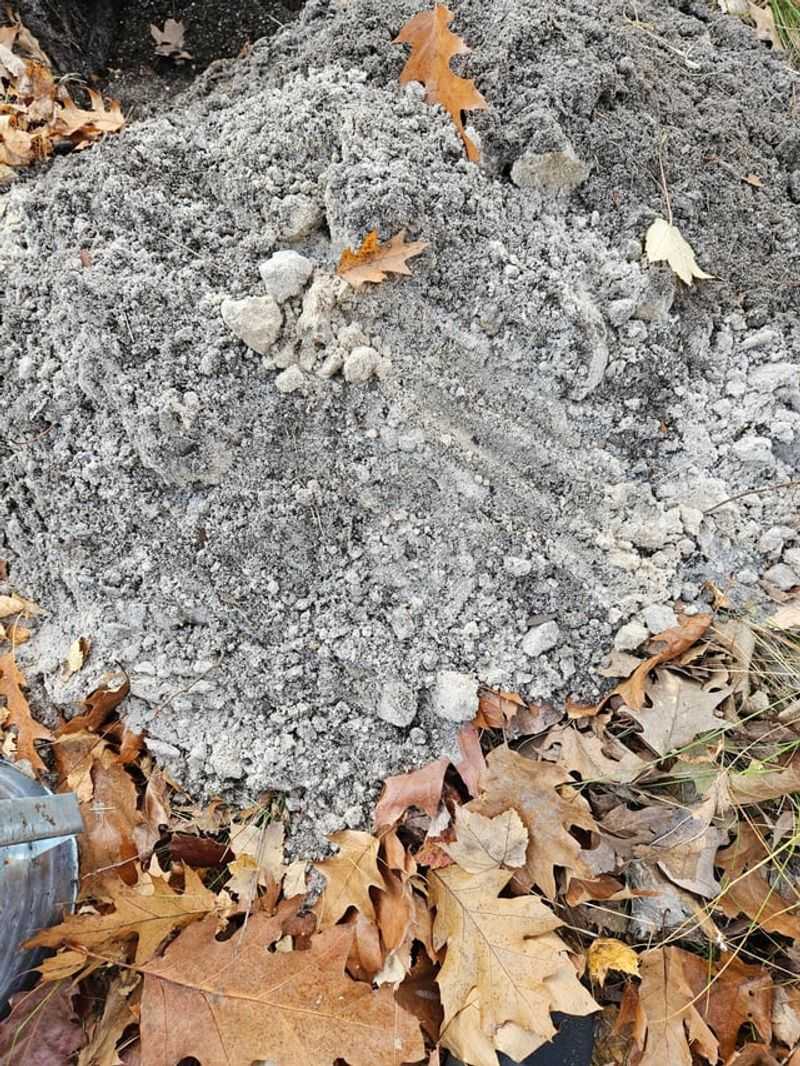
Many Michigan properties feature heavy clay soils that retain moisture longer than boxwoods prefer.
Boxwood roots require well-drained conditions and suffer quickly when surrounded by waterlogged soil.
Phytophthora root rot develops in poorly drained sites, attacking the root system and causing gradual decline.
Early symptoms include yellowing foliage and reduced growth that gardeners often mistake for nutrient deficiency.
By the time root rot becomes obvious, significant damage has already occurred below ground.
Affected plants show stunted growth, wilting during dry periods, and overall lack of vigor.
Improving drainage after planting proves difficult and expensive, often requiring extensive soil amendments or drainage systems.
Prevention demands careful site selection and soil preparation before installation, adding complexity to the planting process.
Even with proper preparation, Michigan’s spring rains and heavy soils create ongoing risk factors.
Native shrubs and moisture-tolerant alternatives naturally thrive in Michigan’s typical soil conditions without special accommodations.
Selecting plants adapted to your existing soil saves effort and ensures long-term success without constant worry.
Deer Browse Boxwood Plants Increasingly Often
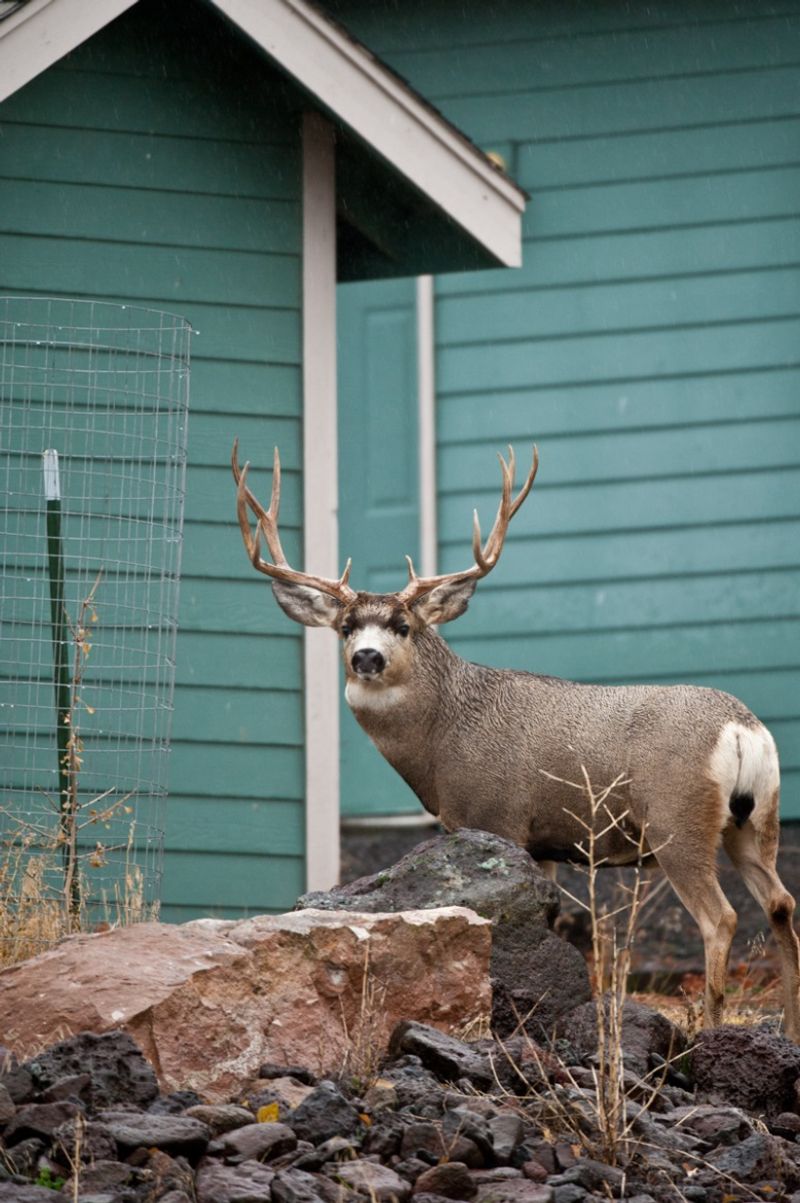
Growing deer populations throughout Michigan have changed browsing patterns and plant preferences in recent years.
While boxwoods were historically considered deer-resistant, hungry deer now regularly feed on these shrubs during winter months.
Severe browsing damage leaves plants looking ragged and uneven, destroying the formal appearance that makes boxwoods desirable.
Repeated browsing stresses plants and creates entry points for diseases to establish themselves more easily.
Protecting boxwoods from deer requires fencing, repellents, or netting that detracts from their ornamental appeal.
These protection methods demand ongoing maintenance and expense throughout the year.
Repellent sprays need frequent reapplication, especially after rain or snow, to maintain effectiveness.
Physical barriers must be properly installed and maintained to actually prevent determined deer from reaching your plants.
The constant battle against deer browsing becomes frustrating for gardeners who expected low-maintenance landscaping.
Alternative shrubs with stronger deer resistance naturally discourage browsing without requiring extensive protection measures.
Choosing truly deer-resistant plants eliminates this ongoing challenge and preserves your landscape’s appearance.
Nematodes Attack Boxwood Root Systems
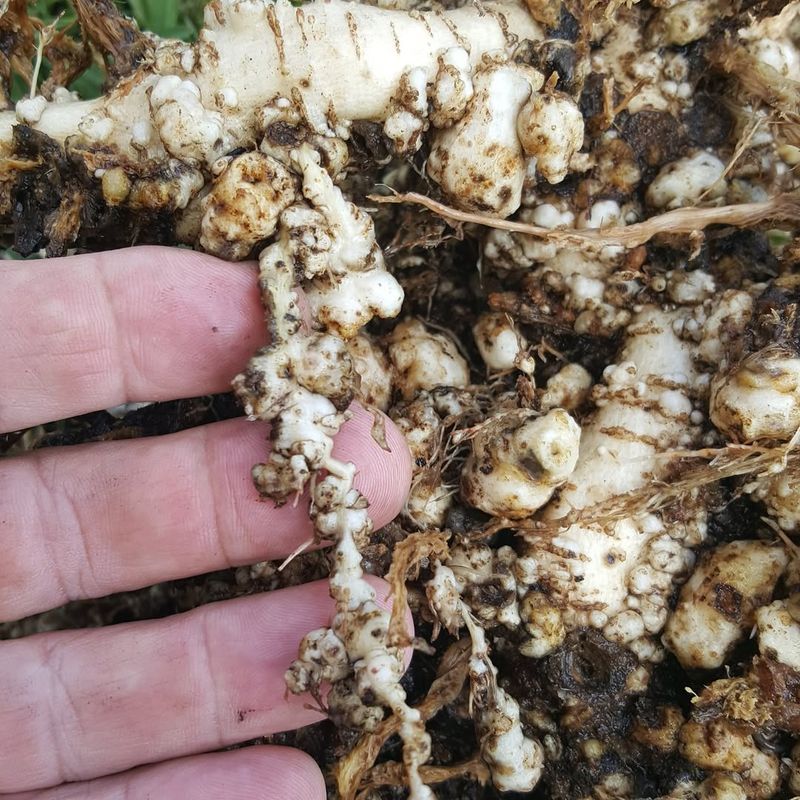
Microscopic roundworms called nematodes inhabit Michigan soils and can seriously damage boxwood root systems.
These soil-dwelling pests feed on roots, causing stunted growth, yellowing foliage, and overall plant decline.
Root-knot nematodes create characteristic swellings on roots that interfere with water and nutrient uptake.
Symptoms above ground often mimic other problems like drought stress or nutrient deficiencies, making diagnosis challenging.
Nematode damage weakens plants progressively over multiple growing seasons rather than causing sudden dramatic symptoms.
Testing soil for nematode presence requires laboratory analysis, adding expense to the diagnostic process.
Treatment options for established nematode populations remain limited and often prove ineffective in home garden settings.
Soil solarization and chemical treatments require extensive effort and may harm beneficial soil organisms.
Once nematodes establish in your planting area, they persist for years even after removing affected boxwoods.
Replanting with more boxwoods in infested soil simply perpetuates the problem cycle.
Selecting nematode-resistant plant species breaks this cycle and ensures healthier, more vigorous growth in your landscape.
Macrophoma Leaf Spot Disfigures Boxwood Foliage
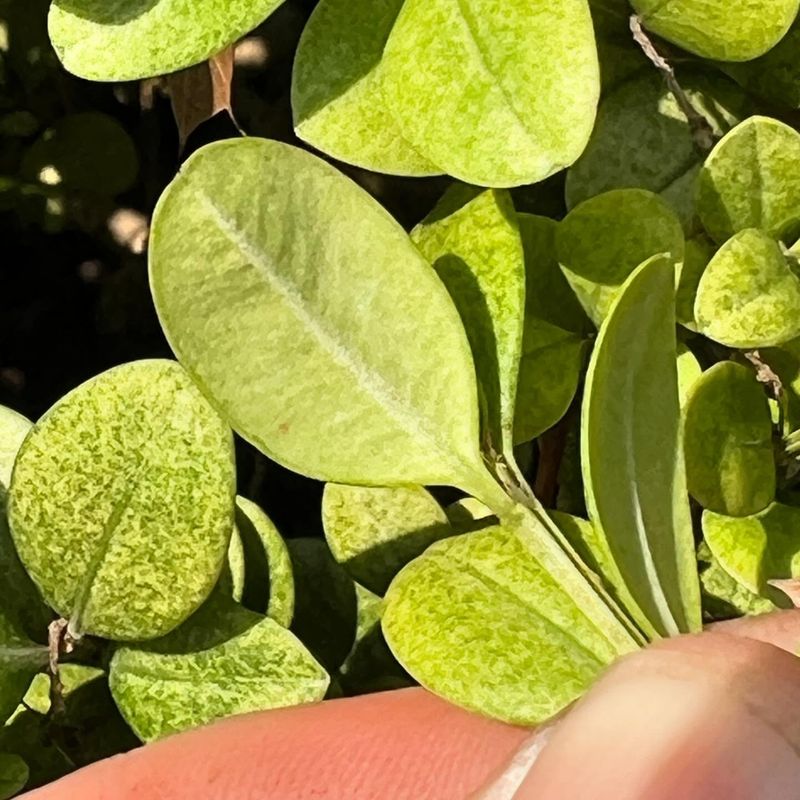
Macrophoma leaf spot presents yet another fungal disease that plagues boxwood plantings across Michigan.
This pathogen causes circular tan or brown spots surrounded by darker borders on boxwood leaves.
Infected leaves often drop prematurely, creating thin, sparse-looking plants that lack ornamental appeal.
The disease spreads through water splash during rain or irrigation, making prevention difficult in Michigan’s wet climate.
Overhead watering and dense plantings create perfect conditions for leaf spot diseases to flourish.
Managing macrophoma requires removing fallen leaves, improving air circulation, and applying fungicide treatments during wet periods.
These labor-intensive practices transform what should be simple hedge maintenance into a demanding ongoing project.
Repeated infections weaken plants over time, making them more susceptible to other problems.
The combination of leaf spot with other boxwood diseases creates a perfect storm of declining plant health.
Gardeners quickly grow tired of the constant effort required to keep diseased boxwoods looking halfway presentable.
Disease-resistant shrub alternatives maintain their attractive appearance naturally without demanding intensive disease management programs.
Climate Change Increases Disease Pressure Overall
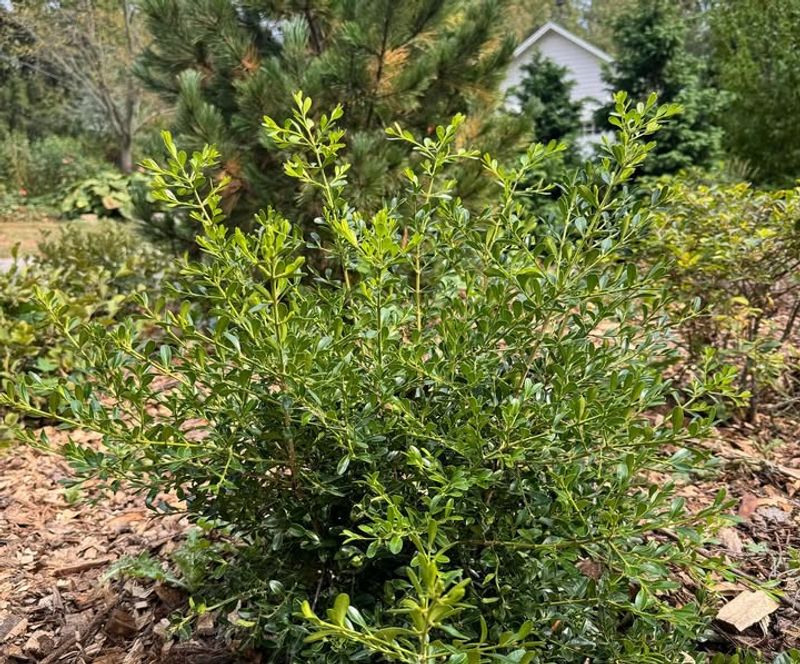
Michigan’s changing climate patterns create increasingly favorable conditions for boxwood diseases and pests.
Warmer winters allow more pathogens and insects to survive cold months that previously limited their populations.
Extended periods of high humidity and frequent rainfall promote fungal disease development and spread.
Unpredictable weather swings stress plants, weakening their natural defenses against infections and infestations.
Disease organisms that were once rare in Michigan now appear more frequently as temperatures moderate.
These shifting conditions mean that past experience with boxwood performance may no longer predict future success.
Plants that thrived for decades in Michigan gardens now struggle under new disease pressures.
Adapting your landscape to changing conditions makes more sense than fighting increasingly difficult battles.
Forward-thinking gardeners recognize that clinging to traditional plant choices may lead to disappointment.
Native and adapted species naturally cope better with changing environmental conditions in their home region.
Embracing climate-appropriate plants now positions your landscape for long-term health and beauty despite ongoing environmental changes.