Why Michigan Gardeners Should Leave Hollow Plant Stems Standing For Native Bees Through Winter
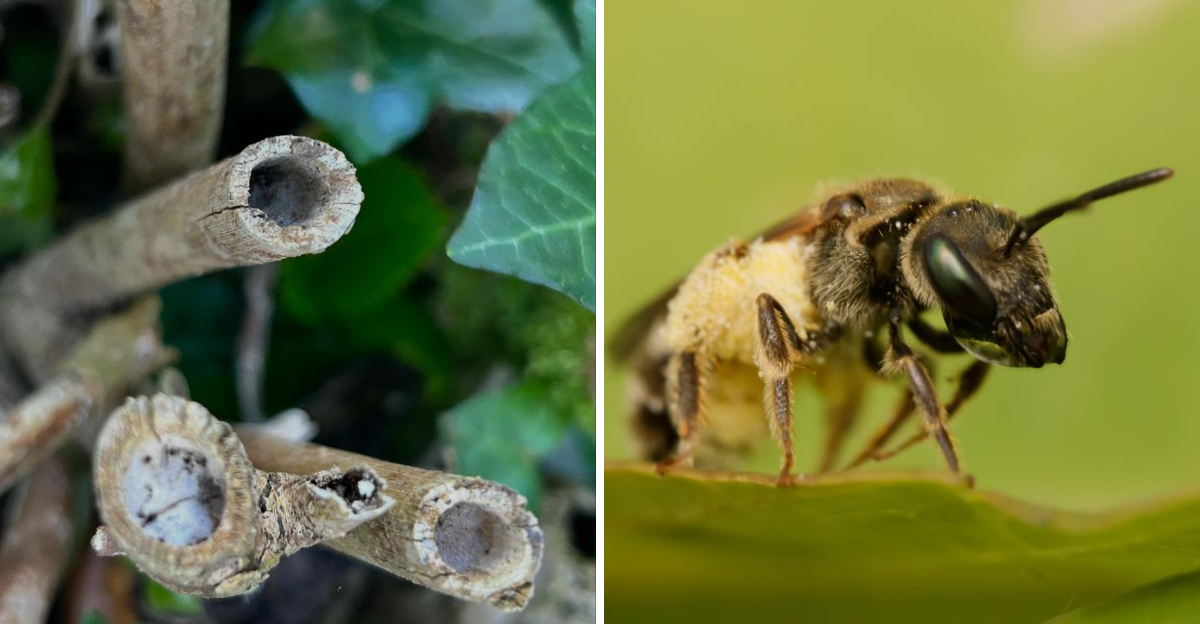
Most gardeners tidy up their beds at the end of the season with the best of intentions, cutting down old stems and clearing away what looks like spent plant material that has simply run its course.
Here is the thing though: those hollow stems are not just garden debris waiting to be composted.
They are winter homes for native bees, and pulling them down in fall means pulling down occupied housing.
Michigan is home to more than 450 native bee species, and cavity-nesting bees rely on hollow and pithy plant stems to overwinter successfully.
Leaving those stems standing through winter is one of the smallest and most impactful changes a gardener can make for local wildlife, and it requires absolutely no extra effort beyond doing a little less than usual.
1. Hollow Stems Are Natural Bee Nurseries
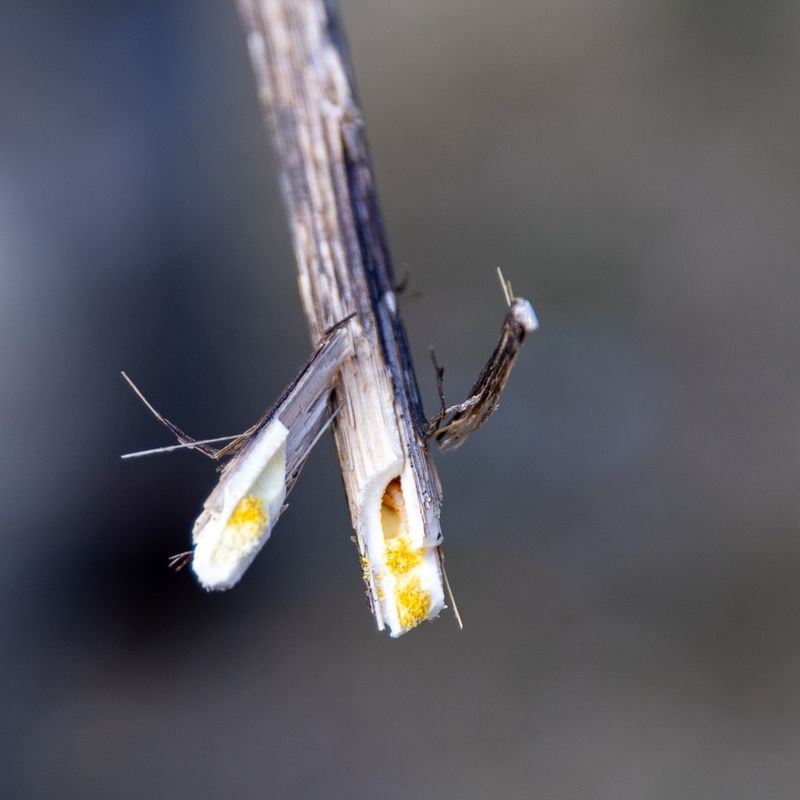
Picture a tiny bee entering a hollow or pithy plant stem, creating a series of nesting chambers, and remaining protected there through the Michigan winter.
Several groups of native bees, including some mason bees, leafcutter bees, and small carpenter bees, use plant stems as nesting sites in gardens and natural areas.
Hollow or pithy stems from plants such as Joe-Pye weed, cup plant, goldenrod, and raspberry can provide nesting opportunities for some cavity-nesting bees, where females create chambers, store pollen, and lay their eggs.
In Michigan, solitary bees do not live in large hives the way honeybees do. Instead, each female bee finds her own nesting spot, and hollow plant stems are one of her favorite choices.
She fills the stem with pollen and nectar, lays an egg on top, and then seals the chamber closed. The egg hatches, the larva feeds on the stored food, and by spring, a new bee is ready to emerge.
When gardeners remove all standing stems in the fall, they may reduce the number of available nesting sites for some native cavity-nesting bees.
Leaving stems standing through winter gives the next generation of bees a safe place to develop.
Some bee larvae spend the entire winter inside these stems, slowly growing and waiting for warmer temperatures.
Protecting these natural nurseries is a simple step that supports the entire local pollinator community for seasons to come.
2. Michigan Native Bees Face Real Habitat Loss
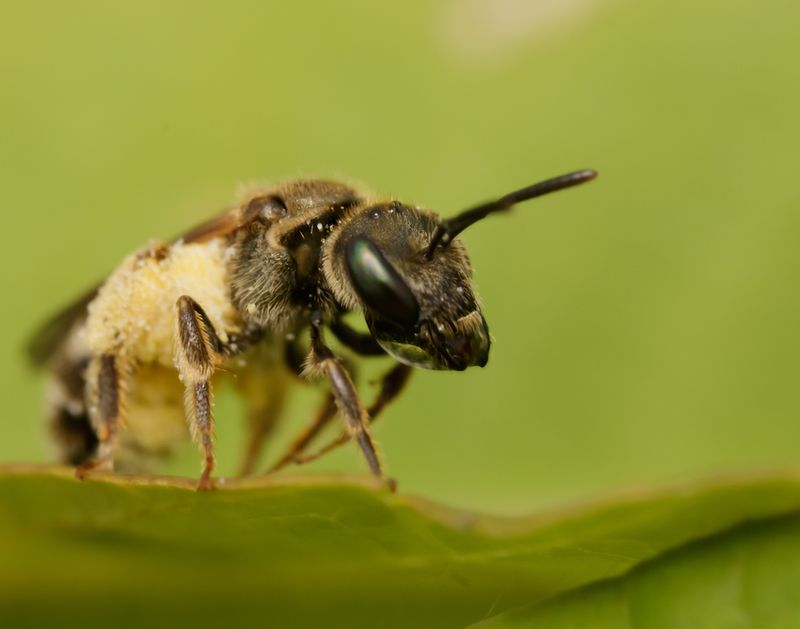
Native bees across Michigan have been quietly losing the wild spaces they depend on for decades. As farmland expands, neighborhoods grow, and natural areas shrink, bees have fewer places to nest and find food.
Hollow plant stems in home gardens can provide valuable nesting habitat for some native cavity-nesting bees when suitable natural nesting spaces are limited.
Studies show that native bees are more effective pollinators than honeybees for many crops and wildflowers.
Blueberries, cherries, and squash all benefit from the work of native bees that live and nest close to where they forage. When gardeners leave hollow stems standing through winter, they are directly helping to fill the gap left by disappearing natural habitats.
Bee hotels and wooden nest boxes are popular, but natural hollow stems are actually preferred by many native species because they match what bees evolved to use.
A stem left standing in a Michigan garden is not just a piece of old plant material; it is a lifeline for bees that have nowhere else to go.
Even small urban gardens in cities like Grand Rapids or Ann Arbor can make a real difference. Every stem left standing adds up to a larger network of habitat that supports bee populations across the entire region, one backyard at a time.
3. Which Plants Offer The Best Hollow Stems For Bees
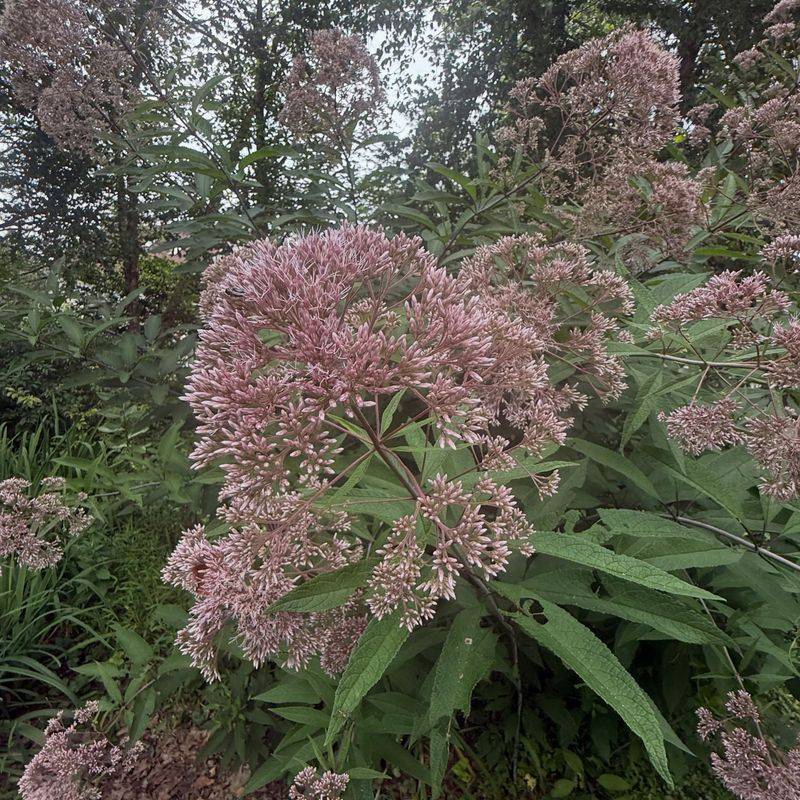
Not every plant in your garden will offer the kind of hollow stem that native bees are looking for.
Different bee species use different stem sizes, so leaving a variety of hollow and pithy stems standing can help support a wider range of cavity-nesting bees.
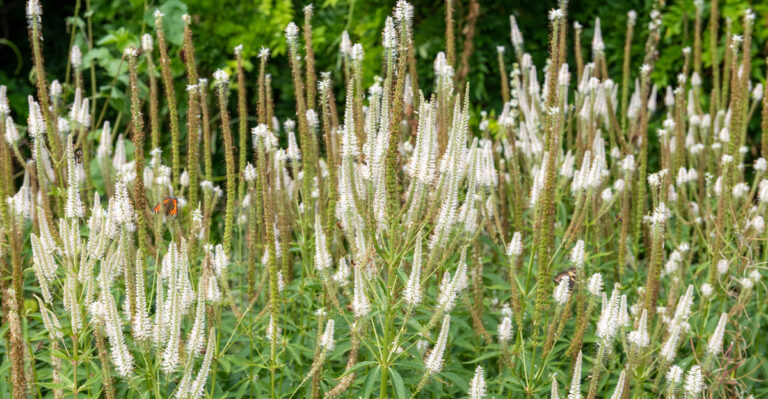
The best plants to leave standing in Michigan include Joe-Pye weed, goldenrod, cup plant, raspberry canes, elderberry, and tall native grasses.
Goldenrod is common throughout Michigan and can provide standing stems that may be used by some cavity-nesting insects when left intact through winter.
Raspberry canes have a pithy interior that bees can easily hollow out themselves, making them a popular choice for mason bees and leafcutter bees.
Cup plant grows tall and sturdy, holding up well through snowstorms and ice, which means the stems stay intact and usable all winter long.
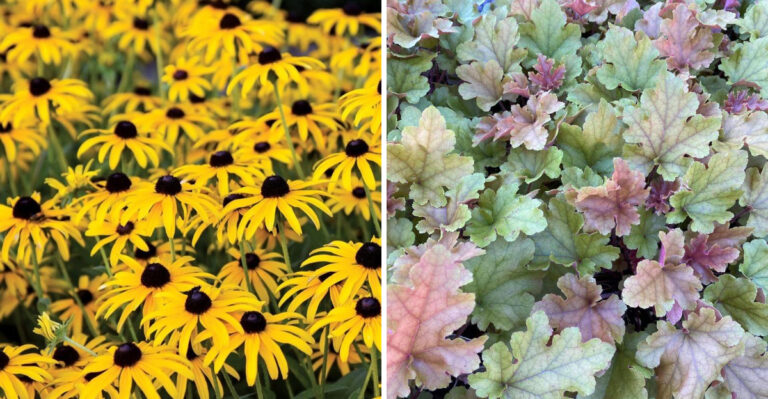
Gardeners can also leave standing stems from plants such as sunflowers, coneflowers, and black-eyed Susans. These structures can provide additional overwintering and nesting opportunities for insects when they remain in the garden through the colder months.
When choosing which plants to grow or leave standing, aim for a variety of stem diameters to attract different bee species.
A diverse mix of hollow-stemmed plants in your garden creates a stronger, more welcoming habitat for a wider range of native pollinators throughout the cold season.
4. How Michigan Winters Actually Protect Bee Eggs Inside Stems
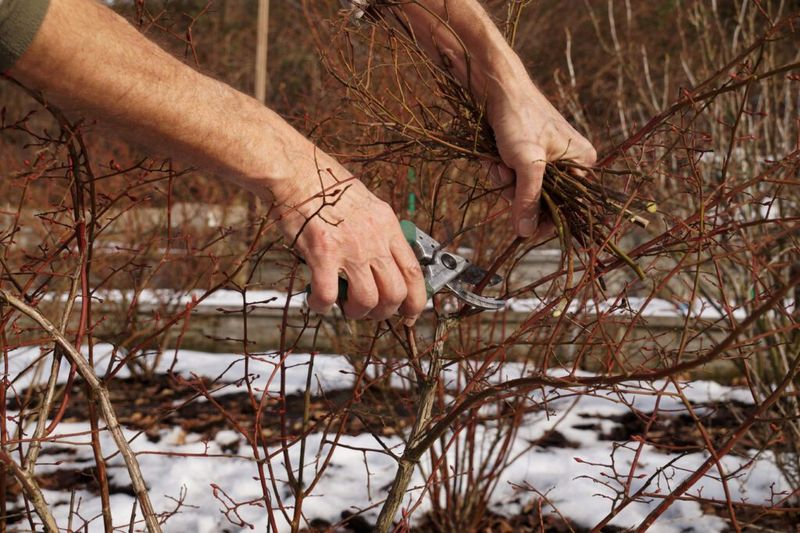
Winters might seem brutal for anything small and fragile, but for bee eggs tucked inside hollow stems, the cold actually plays an important role.
Many native bee species require a period of cold temperatures to complete their development, a process called diapause.
Seasonal temperature changes help many temperate bee species complete their development cycle and emerge at an appropriate time in spring.
The hollow stem provides a protected nesting chamber where developing bees remain sheltered from direct exposure while continuing their natural seasonal development.
The thick walls of dried plant stems trap air and reduce dramatic temperature swings, keeping conditions inside the stem more stable than the open air.
Bees like mason bees and leafcutter bees have evolved over thousands of years to rely on exactly this kind of winter environment.
Cutting stems down in the fall and bringing them inside or adding them to a compost pile disrupts this natural cold cycle.
Bees that do not get enough cold exposure may emerge too early in Michigan’s unpredictable spring weather, missing the flowers they need for food. Leaving stems standing in your garden through the winter lets nature do what it does best.
The stem stays in place, the bee completes its development on schedule, and by the time spring flowers bloom in Michigan, a healthy new bee is ready to emerge and get to work.
5. Simple Tips For Leaving Stems The Right Way In Your Garden
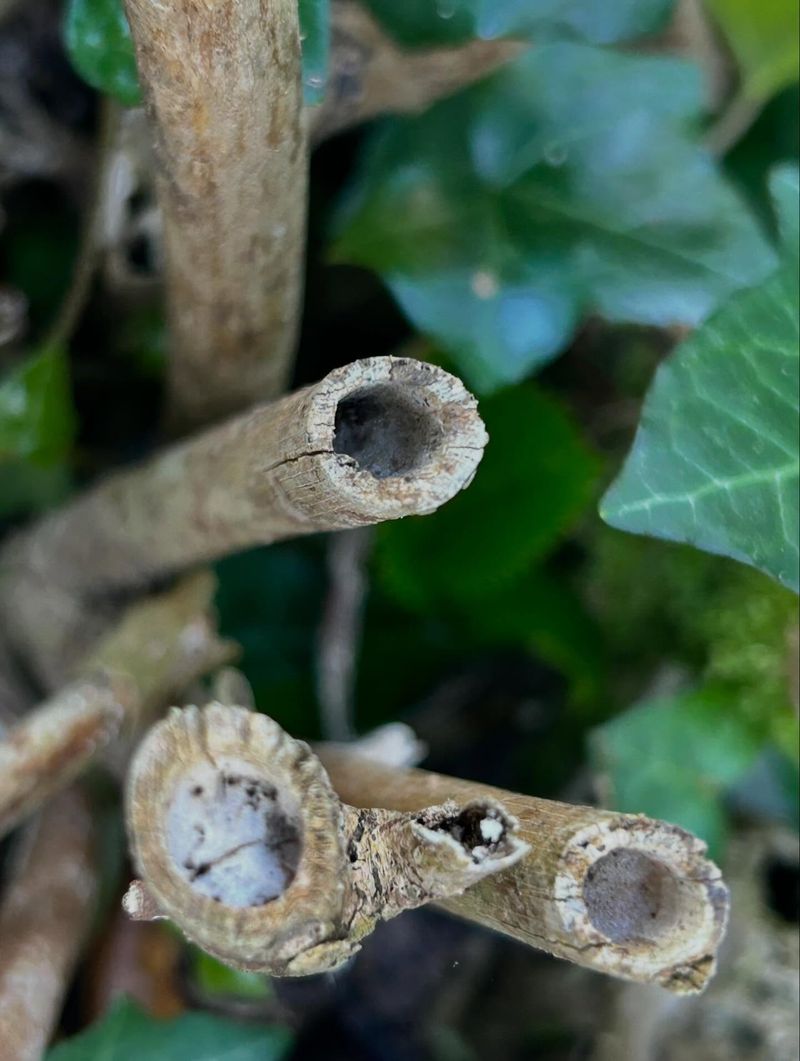
Leaving hollow stems standing does not mean letting your garden turn into a wild, tangled mess.
With a little planning, you can support native bees while keeping your outdoor space looking neat and intentional.
The key is cutting stems to the right height and leaving them in a spot where they will stay upright through Michigan’s snowy, windy winters.
If some stems need to be trimmed, leaving several inches of standing stalks can help preserve potential nesting sites while keeping the garden manageable.
This height keeps the hollow portion of the stem accessible to bees while also preventing stems from flopping over in heavy snow.
Grouping stems together in bundles or leaving them in dedicated pollinator patches in your garden makes the space look purposeful rather than neglected.
You can also create a simple stem bundle by gathering cut hollow stems and tying them together, then placing them in a sheltered spot like near a fence or under a shrub.
This works especially well in Michigan gardens where space is limited or where a fully natural look does not fit the neighborhood style.
Avoid painting, staining, or treating the stems with any chemicals, as these can harm the bees inside.
Many gardeners wait until spring temperatures have warmed and early pollinators are active before removing remaining stems, giving overwintering insects more time to complete their life cycles.
6. Leaving Stems Supports The Whole Michigan Ecosystem
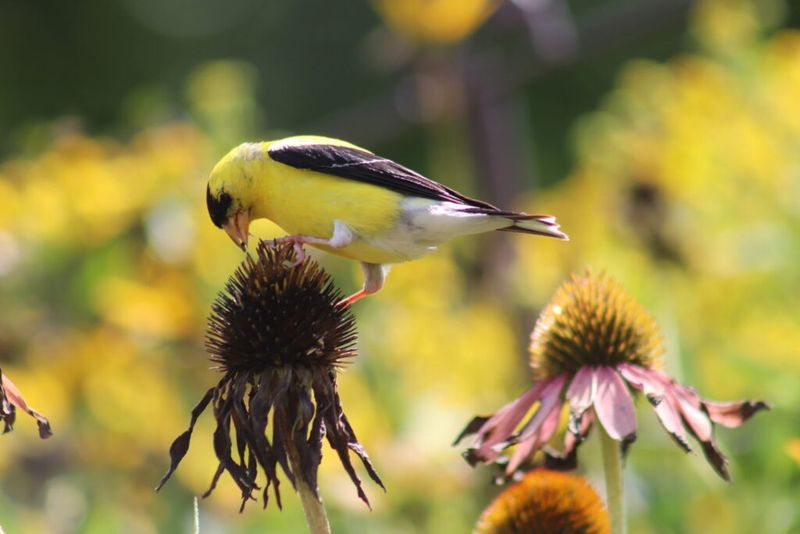
When you leave hollow stems standing in your garden, you are doing more than helping bees. Standing stems can add structure to winter gardens and may provide shelter or foraging opportunities for birds and other wildlife.
The stems become a full-season resource that feeds and shelters multiple layers of the local food web.
Other small insects may also use plant debris and standing vegetation as places for shelter during colder months. Spiders sometimes take up residence in or near stem bundles, adding another layer of natural pest control.
All of these creatures are connected, and when one part of the ecosystem gets support, the benefits ripple outward across the entire Michigan landscape.
Gardeners who leave stems standing often notice more bird activity in their yards during winter, which is a rewarding bonus for anyone who enjoys watching wildlife.
The stems also add visual interest to the winter garden, catching snow and ice in ways that can be genuinely beautiful.
Over time, gardens that embrace this approach tend to see stronger pollinator activity in spring and summer, with more bees visiting flowers and more fruits and vegetables successfully setting seed.
Supporting one small habit, like leaving stems standing, creates a chain of positive effects that strengthens Michigan’s natural environment season after season.
7. Spreading The Word About Stem-Friendly Gardening In Michigan
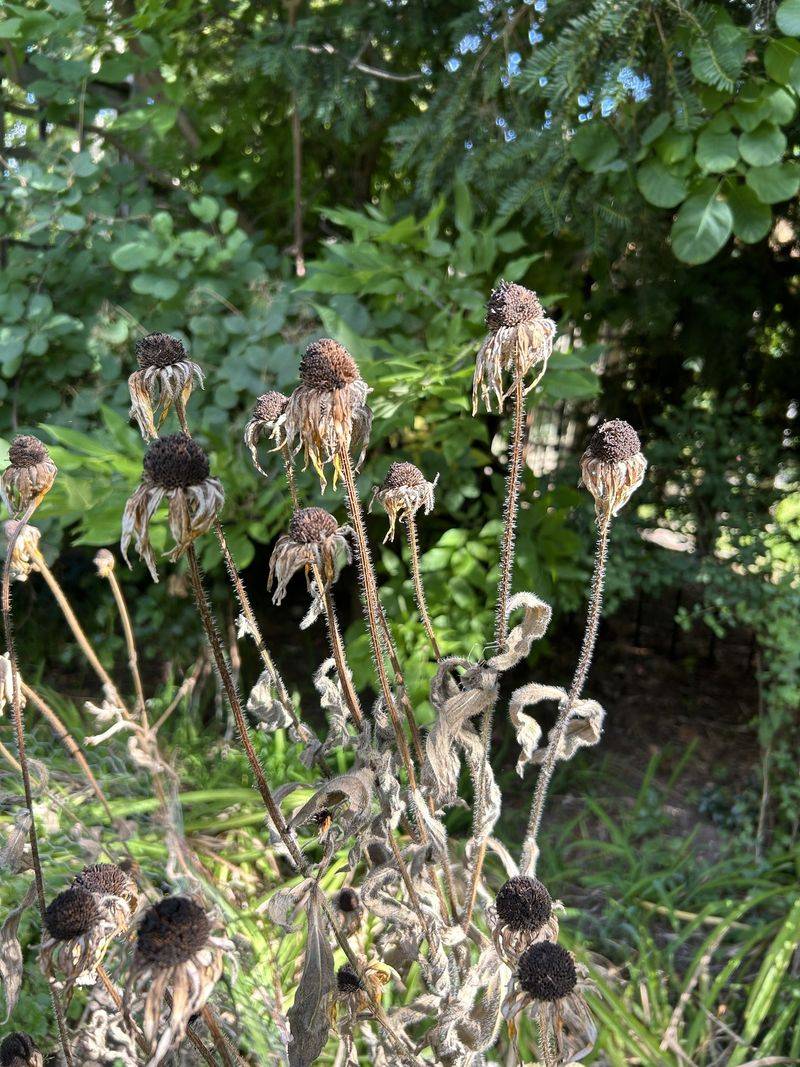
One of the most powerful things a gardener can do is share what they have learned with neighbors, friends, and local community groups.
Many people still cut their stems down in fall simply because they do not know the stems are valuable.
A quick conversation or a social media post showing your garden’s standing stems can spark curiosity and inspire others to try it too.
Local gardening clubs, native plant societies, and extension programs through Michigan State University all offer resources and events where gardeners can learn more about supporting native bees.
Volunteering at a community garden and helping to establish a pollinator-friendly section with standing stems is another great way to spread the practice.
When more Michigan gardens include pollinator-friendly features, they can contribute to a broader network of habitat that supports native insects across local communities.
You can also put up a small sign in your garden explaining why the stems are standing, which helps neighbors understand that it is an intentional choice rather than neglect.
Schools, libraries, and community centers in Michigan are often open to hosting short talks or workshops on pollinator gardening.
Every person who learns about leaving hollow stems standing has the potential to influence their own garden and the gardens of people around them.
Building a community of informed, stem-friendly gardeners is one of the most lasting and meaningful ways to protect native bees for future generations.
8. Why Fall Garden Cleanup Does Not Need To Be All Or Nothing
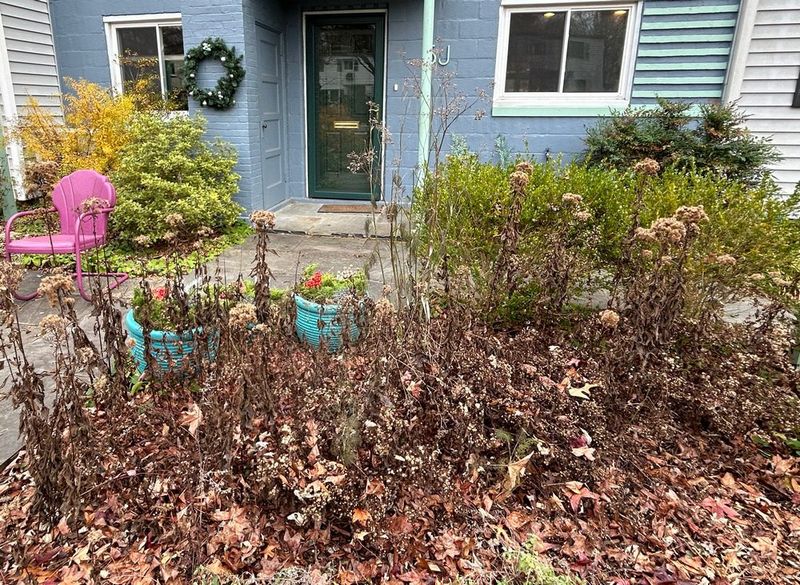
A tidy garden does not have to mean removing every standing stem before winter arrives. In Michigan landscapes, many gardeners can create a better balance by cleaning up some areas while leaving selected plants standing for overwintering insects.
Hollow and pithy stems from certain perennials can provide nesting spaces for some native cavity-nesting bees, while seed heads and plant structure can also add winter interest to the garden.
Instead of cutting everything back at once, consider leaving a few patches of stems in less visible areas, along garden edges, or around native plantings.
You can still remove plants that are diseased, invasive, or causing problems in specific areas, but a complete fall cleanup is not required for every part of the yard.
When spring arrives, gardeners can gradually cut back remaining stems after temperatures warm and pollinator activity begins.
If appearance is a concern, grouping standing stems together or placing them behind shorter plants can help the garden look intentional through the colder months.
Another option is to leave a small section of the garden untouched each year while maintaining other areas more traditionally.
This approach gives Michigan gardeners a practical way to support native insects while still keeping a landscape that feels cared for and enjoyable throughout the seasons.
Over time, this balanced approach can help create a garden that supports wildlife while still matching the way you prefer to maintain your outdoor space.